Surprising fact: more than 1 in 20 people report a skin reaction after using popular essential extracts without guidance.
Tea tree oil is a widely known essential extract touted for topical benefits. Many consumers in the United States seek natural options for skin care and body maintenance. This introduction outlines clear, evidence-based information about whether that extract should go onto skin in its neat form or be diluted first.
The guide explains risks, common side effects, and sensible steps to protect skin health. It is not a substitute for professional medical supplements or clinical advice, but it does present practical, pharmacist-style guidance. Readers will learn how to enjoy benefits while minimizing harm.
Key Takeaways
- Essential extracts can cause irritation — test before broader use.
- Dilution often reduces adverse reactions and improves tolerability.
- Follow clear dosing and mixing recommendations for skin care.
- Seek professional advice for sensitive skin or pregnancy.
- Use verified products and check ingredient labels for purity.
Understanding the Origins of Tea Tree Oil

Melaleuca alternifolia is the botanical source of the well-known extract. This small Australian tree yields leaves that are steam-distilled to produce the concentrated oil.
Aboriginal people used those leaves for generations as a medicinal plant to ease coughs and skin complaints. The modern extract retains many of those traditional uses.
Chemistry matters: the concentrate contains terpinen-4-ol, a compound linked to antiseptic properties. That compound helps explain why the extract appears in many products today.
- Native Australian origin — distinct from common tea varieties.
- Extracted from leaves by steam distillation.
- Look for 100% pure tea tree oil when buying products.
| Feature | Source | Key compound |
|---|---|---|
| Botanical name | Melaleuca alternifolia | Terpinen-4-ol |
| Plant part | Leaves | Essential components for antiseptic activity |
| Traditional use | Australian Aboriginal medicine | Respiratory and topical remedies |
Is Tea Tree Oil Safe Apply Directly on Skin?
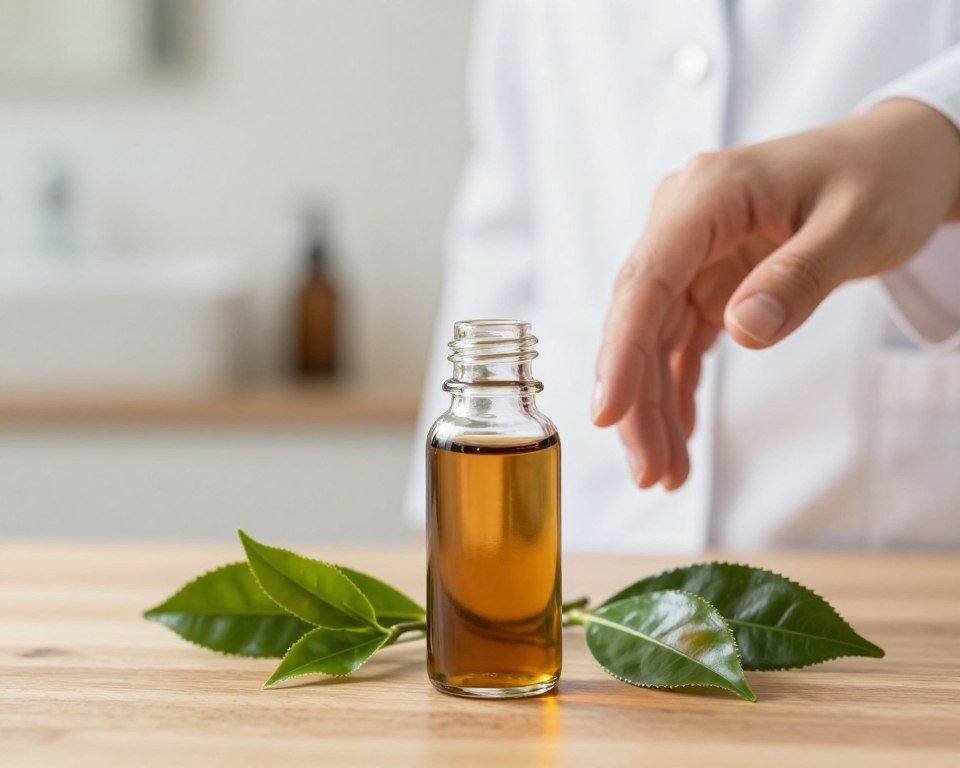
Using a high-strength botanical extract on intact skin can trigger redness and discomfort.
The risks of undiluted application
Applying neat extracts may cause significant skin irritation in sensitive people. Contact dermatitis and burning are reported after un-diluted use.
The substance is not a dietary supplement and must never be swallowed. Ingestion can lead to toxicity and requires urgent medical attention.
- It is generally not recommended to apply undiluted tea tree oil directly to the skin, as it may cause severe irritation.
- People with sensitive skin have higher risk of a negative reaction when using the concentrate.
- Avoid contact with eyes, mouth, and other mucous membranes to prevent severe irritation.
- Always perform a patch test on the bend of the elbow before treating larger areas of the body.
Practical step: test a pea-sized amount on the inner elbow and wait 24–48 hours for any redness or itching. If a reaction occurs, discontinue use and consult a clinician.
The Importance of Dilution for Topical Use
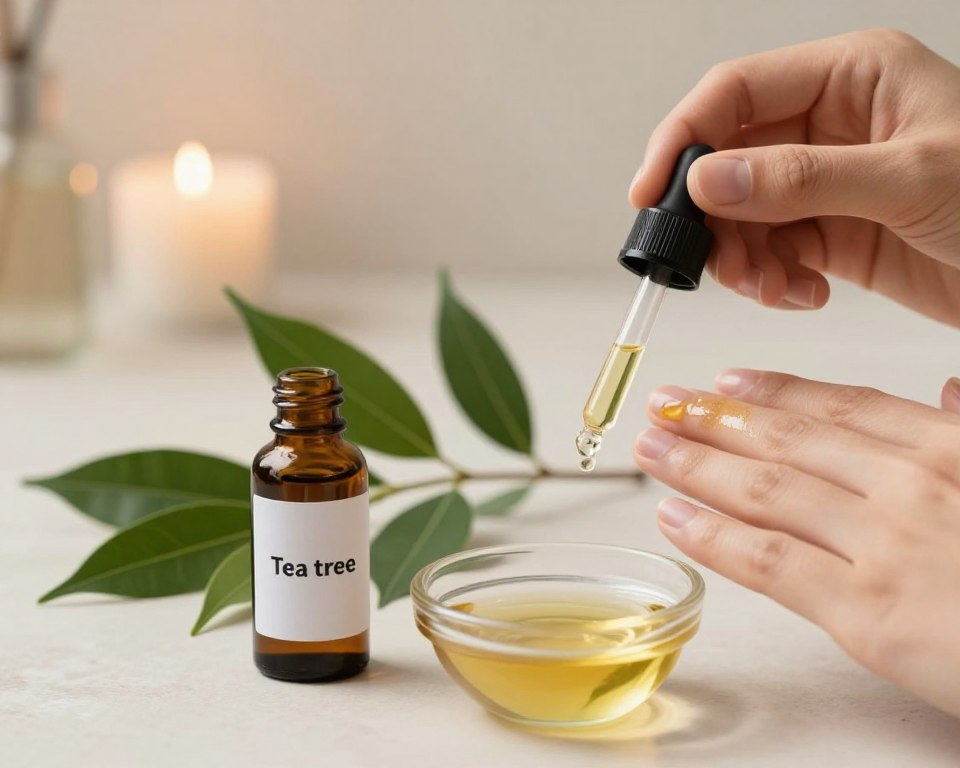
Dilution lowers irritation risk and helps concentrated extracts work more predictably on skin.
Choose a neutral carrier oil such as coconut, olive, or almond. These carriers spread the active liquid evenly and support the skin barrier.
Choosing a Carrier Oil
Prefer high-quality, cold-pressed oils from trusted brands. Fractionated coconut and sweet almond are common choices. Olive oil is widely available and well tolerated for larger areas.
Mixing Ratios for Safety
Common guidance is 1 part extract to 9 parts carrier (1:9). Many commercial products range from 5% to 50% concentration depending on use.
- Measure the amount precisely — small errors change strength.
- Shake DIY blends before each use to re-suspend ingredients.
- Use tested products for sensitive skin or large-area application.
“Dilution and proper carrier selection are the simplest ways to reduce adverse skin reactions while retaining benefit.”
| Use Case | Typical Dilution | Recommended Carrier |
|---|---|---|
| Spot treatment | 5–10% | Fractionated coconut |
| General skincare | 1–5% | Olive or almond oil |
| Commercial products | 5–50% | Blended carrier formulations |
Performing a Sensitization Test
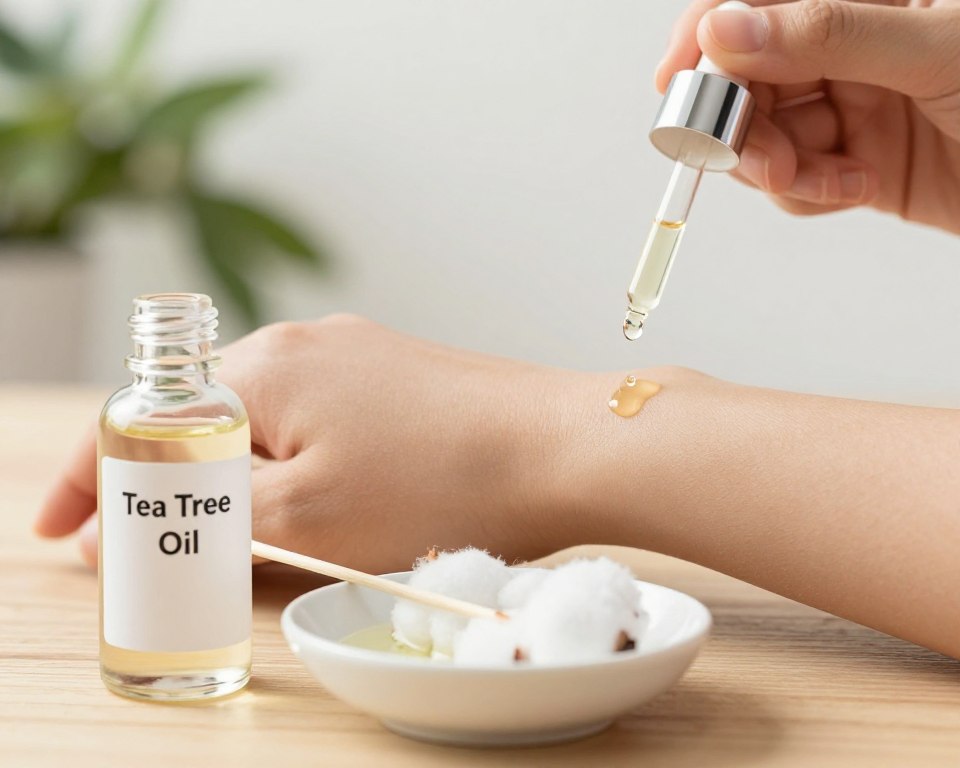
A sensitization test gives a clear early signal about tolerance.
Place 1–2 drops of the product on a small, hidden spot of skin — the inner forearm works well.
Leave the test area uncovered and check at intervals. Wait at least 24 hours, and observe for redness, itching, swelling, or other signs of a negative reaction.
If no change appears after 24 hours, the product is likely acceptable for limited use on other areas. Repeat testing periodically — sensitivity can change over time.
People with allergy histories should test before every new use. If irritation develops, wash the area gently with soap and water and stop using the oil.
“Patch testing is the simplest, most effective step to avoid wider skin problems.”
- Perform a small patch on the inner arm.
- Wait 24–48 hours for any reaction.
- Discontinue use and cleanse immediately if irritation occurs.
| Step | Action | Timing |
|---|---|---|
| Preparation | Clean a small area and apply 1–2 drops | Now |
| Observation | Watch for redness, itching, or swelling | 24–48 hours |
| Follow-up | Rinse and stop use if reaction occurs | Immediately upon signs |
Managing Acne and Skin Inflammation
Managing acne and inflamed skin requires targeted approaches that balance antibacterial action with soothing care.
Targeting Bacteria
Research shows that tea tree oil can kill acne-causing bacteria in lab tests within 4–6 hours. That rapid antibacterial effect helps reduce the microbial load on pores and limits new breakouts.
For topical treatment, use low concentrations in a neutral carrier and follow patch-testing guidance. Consistent, measured use often yields visible results in days to weeks.
Reducing Redness
The same properties that fight bacteria also reduce inflammation. Clinical observations note symptom reductions — including contact dermatitis improvements up to ~40% in some reports.
Additional benefits include antifungal action useful for dandruff when added to shampoo. A 2020 study also found reduced gum inflammation with a rinse containing the extract, showing broader anti-inflammatory effects.
“Combine antimicrobial and anti-inflammatory steps for clearer, calmer skin.”
- Use diluted preparations for spot treatment.
- Expect measurable improvement within hours to days for bacterial load, and weeks for visible clearing.
- Consult a clinician for persistent or severe dermatitis and acne.
Addressing Fungal Infections and Athlete Foot
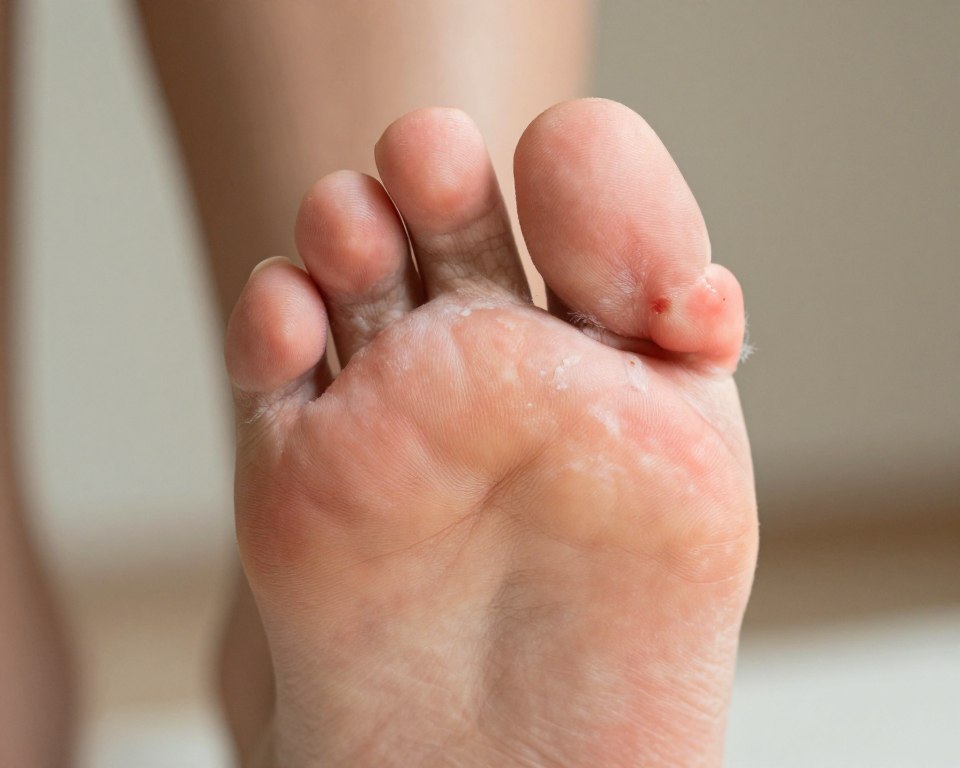
Fungal skin infections—especially athlete foot—respond to targeted topical measures and hygienic care.
Tea tree oil can serve as a complementary treatment for tinea pedis and nail fungus.
Research indicates very low concentrations (0.02–0.04%) can inhibit nail fungus growth in lab studies. Clinical use pairs the extract with standard antifungals for better results.
For athlete foot, a simple foot powder blend of arrowroot, baking soda, and a small amount of the extract helps keep feet dry and reduces fungal load. Wash hands thoroughly after treating infected areas to avoid spread.
- Use a pea-sized amount to the affected area twice daily.
- Keep socks and shoes dry to support healing.
- Combine conventional medication when infections persist or worsen.
“Consistent care and moisture control boost the effects of topical antifungals and extracts.”
| Condition | Suggested Use | Supportive Measure |
|---|---|---|
| Athlete foot (tinea pedis) | Topical adjunct twice daily | Keep feet dry; powder mixture |
| Nail fungus | Low-strength topical (0.02–0.04%) | Combine with oral or topical antifungal as needed |
| Prevention | Spot treatment after public showers | Wash hands; change socks daily |
Promoting Wound Healing and Antiseptic Care
Minor wounds often heal faster when antiseptic measures are added to standard care. Evidence supports combining conventional cleaning and a measured topical adjunct to reduce infection and speed recovery.
Supporting Skin Recovery
Clinical data: a 2013 small study found that adding tea tree oil to routine wound treatment decreased healing time compared with standard care alone.
The extract targets common pathogens such as Staphylococcus aureus, lowering bacterial load on cuts and abrasions. It also reduces inflammation and can stimulate local white blood cell activity, which aids tissue repair.
Practical steps: always clean the wound with soap and water first. Use a diluted blend—commonly mixed with coconut oil—when adding an antiseptic adjunct. A modest amount on a dressing can support healing without overwhelming the skin.
Benefits include antioxidant and antiseptic properties that help limit infection and oxidative stress during recovery.
- Research suggests improved results when this adjunct is used with standard treatment.
- It helps disinfect minor cuts and scrapes by targeting bacteria like S. aureus.
- A small, diluted amount on a dressing can support natural skin repair.
“Adjunct antiseptics can shorten healing time when used properly.”
For a concise review of evidence and guidance on concentration, see this tea tree oil review.
Natural Deodorant and Personal Hygiene Benefits
Controlling body odor often means targeting the bacteria that break down sweat. Sweat itself is nearly odorless; microbes on skin create the smell when they digest proteins and lipids.
The antibacterial properties make tea tree oil a useful ingredient in natural deodorants and hygiene blends. It reduces the bacterial load under the arm and can extend freshness without heavy chemical preservatives.
Many personal care products now list this extract among their ingredients for that reason. Consumers may prefer these products to avoid some commercial antiperspirant additives.
DIY options are common: a simple cream or balm base mixed with a few drops in a carrier and a stick of baking soda or arrowroot yields a functional deodorant. Always test a small area first for tolerance.
“A targeted antibacterial approach often controls odor while keeping skin-care routines simple.”
| Use | Typical Mix | Benefit |
|---|---|---|
| Stick or balm | Carrier + baking soda + 3–5 drops | Longer-lasting neutralization of odor |
| Roll-on | Water base + preservative + 2–3 drops | Light feel; suitable for daily hygiene |
| Commercial product | Formulated blend at low concentration | Consistent performance; product testing |
| Spot freshener | Spritz with diluted extract | Quick odor reduction after workouts |
- Antibacterial action is the key mechanism for odor control.
- Using this ingredient in personal care supports a chemical-free approach to daily hygiene.
- For more on benefits and safe use, see a detailed review of uses and concentrations here.
Household Cleaning and Sanitizing Applications
Household cleansers that use natural extracts can reduce chemical exposure while keeping surfaces hygienic.
Melaleuca alternifolia–derived extracts work as broad‑spectrum sanitizers for kitchens, bathrooms, and high-touch surfaces. They target many bacteria and fungi without leaving strong synthetic residues.
For a simple spray: combine 20 drops of the extract with 1 cup water and 1/2 cup apple cider vinegar in a spray bottle. Shake the bottle before each use to re-disperse the active component and ensure even coverage.
Benefits: this blend cleans, helps reduce microbial load, and supports a healthier home environment for people and pets. Use on countertops, sinks, and nonporous surfaces; rinse food-contact areas with water after cleaning.
- Derived from the plant leaves of melaleuca alternifolia — a natural disinfecting ingredient.
- Easy DIY product using common household ingredients and a measured number of drops.
- Works against bacteria and fungi, making it a versatile addition to home maintenance.
“Natural cleaning blends can lower household chemical exposure while maintaining effective sanitization.”
For more detailed household uses and step‑by‑step recipes, see this guide on household uses.
Precautions for Sensitive Groups and Pets
Vulnerable populations often react differently to concentrated topical products and deserve tailored advice.
Consulting professionals for children
Use extreme caution with children under three years. A clinician should review any topical plan before use.
When treating older kids, limit to a small amount and conduct a patch test first. Monitor for redness or contact dermatitis and stop if a reaction appears.
Pregnancy considerations
Pregnant people should discuss any topical adjunct with their prenatal provider. Hormonal and skin changes can alter sensitivity.
Professional input helps weigh potential benefits against skin irritation and systemic exposure risks.
Avoiding mucous membranes
Never allow contact with eyes, mouth, or other mucous areas—this can cause severe irritation and toxic reactions if swallowed.
If accidental contact occurs, rinse thoroughly and seek medical advice for persistent symptoms.
- Children: use only a small amount and consult a doctor first.
- Pregnancy: discuss with a healthcare professional before use.
- Mucous membranes: avoid all contact to prevent painful irritation.
- Pets: check with a veterinarian before introducing any new product into the home; see pet safety guidance.
- Storage: keep the product out of reach of children and animals to prevent accidental ingestion.
“Research indicates helpful effects in some uses, but careful application and professional consultation are essential for sensitive groups.”
Image Disclosure and Educational Disclaimer
A number of images included on safeortoxic.com are produced or enhanced with AI tools to support learning.
Important: these visuals are for illustration and teaching only. They aid comprehension but do not replace a clinical exam.
- Some images may be AI-generated or digitally adjusted as of June 2025.
- They are intended to support patient understanding and not for self-diagnosis.
- The information provided on safeortoxic.com is educational and does not replace professional medical advice.
- Users should consult a doctor before starting any new topical treatment or regimen involving natural substances.
- By using this site, readers acknowledge visual aids are illustrative and not diagnostic tools.
“Visual aids enhance understanding but must be paired with professional evaluation when making health decisions.”
| Item | Purpose | Reader Action |
|---|---|---|
| AI‑enhanced images | Clarify anatomical or product features | Use as a learning aid; seek clinical confirmation |
| Photographic illustrations | Show real‑world examples | Do not self‑diagnose from images; consult clinician |
| Diagrams and charts | Summarize guidance and risks | Reference with professional advice before changes |
Conclusion
The bottom line: informed, conservative use yields measurable results while limiting irritation and unwanted reaction. This information helps people weigh benefits against risk.
Evidence and guidance show an essential oil can have useful effects for acne, fungus, and wound care. Recent research and review papers note benefits — but not universal cures.
Always test a small amount first to check for dermatitis or other reaction. Seek professional medical advice before using any new topical treatment, and rely on clinical review when possible.
FAQ
Is tea tree oil safe to apply directly on skin?
Undiluted use can cause irritation or allergic contact dermatitis in some people. Most dermatologists recommend diluting the extract in a carrier such as fractionated coconut, jojoba, or sweet almond oil before spreading on larger areas. For small spot treatments, use a low concentration—typically 5% or less—and monitor skin for redness, stinging, or blistering. Stop use and rinse if you develop a reaction.
Where does melaleuca alternifolia come from and how is it produced?
Melaleuca alternifolia is an Australian native tree whose leaves are steam‑distilled to yield the essential extract. Commercial products vary by purity and formulation: some are labeled “pure” while others blend with solvents or fragrance. Check the label for INCI names and testing such as GC‑MS to confirm composition when available.
What are the risks of undiluted application?
Applying the concentrated extract straight from the bottle increases the chance of contact dermatitis, chemical burns, and heightened photosensitivity in sensitive skin. Repeated undiluted use can sensitize skin, making future reactions more likely even at lower doses.
Why is dilution important for topical use?
Dilution reduces irritant load while preserving antimicrobial and anti‑inflammatory effects. Carrier oils also improve spreadability and help the active compounds penetrate the skin at a safer rate. Proper dilution balances benefit and risk for routine care.
Which carrier oils are recommended?
Good carrier choices include fractionated coconut oil, jojoba, sweet almond, and grapeseed oil. These are stable, light, and less likely to clog pores. Choose a carrier compatible with your skin type—noncomedogenic options for acne‑prone skin, richer emollients for dry skin.
What mixing ratios ensure safety?
For adults, a 1–5% dilution is standard: 1% equals about 6 drops per ounce (30 mL), 5% about 30 drops per ounce. For facial use or sensitive skin start at 0.5–1%. For children or older adults use lower concentrations and consult a clinician. These general guidelines help minimize adverse effects.
How do I perform a sensitization (patch) test?
Mix the chosen dilution with carrier oil and apply a pea‑sized amount to a 1‑inch area on the inner forearm. Cover and leave for 24 hours, then observe for redness, swelling, itching, or blistering for up to 72 hours. No reaction suggests lower risk, but it does not guarantee absence of future sensitivity.
Can it help with acne and skin inflammation?
The extract has antibacterial activity against Cutibacterium acnes and modest anti‑inflammatory effects. Studies show low‑concentration topical preparations can reduce lesion counts. Use diluted formulations and avoid combining with harsh cleansers or exfoliants that increase irritation risk.
How does it target bacteria and reduce redness?
Active terpenes disrupt bacterial cell membranes and modulate local inflammation. This can lower colony counts and calm erythema when used in appropriate dilutions. Clinical benefit varies by formulation, lesion type, and individual skin response.
Is it effective for fungal infections and athlete’s foot?
Some evidence supports antifungal effects against dermatophytes and Candida species. Topical diluted preparations may reduce symptoms and fungal load for mild cases, but persistent or severe infections require antifungal medications prescribed by a clinician.
Can it support wound healing and act as an antiseptic?
The extract shows antiseptic properties in vitro and can help reduce surface microbes. For minor cuts and abrasions, diluted use may be appropriate alongside proper wound care. Avoid on deep, heavily bleeding, or infected wounds—seek medical care for those.
Does it promote skin recovery after injury?
By reducing local microbial burden and inflammation, diluted topical use can support epithelial repair. Do not substitute for professional wound management if signs of spreading infection, fever, or increasing pain occur.
Can it be used as a natural deodorant or personal hygiene aid?
Its antimicrobial action can reduce odor‑causing bacteria when added to deodorant bases at safe dilutions. Formulate carefully—alcohol or baking soda in some DIY recipes increases irritation. Commercial products from reputable brands such as Jason or The Body Shop provide tested options.
How can it be used for household cleaning and sanitizing?
Small concentrations in water or vinegar can add antimicrobial effect to surface cleaners and laundry. Use well‑ventilated areas and avoid contact with pets and children. Complement rather than replace proven disinfectants for high‑risk surfaces.
What precautions apply to children, pregnant people, and pets?
Children and pregnant people should use lower concentrations or avoid routine topical use without professional advice. Many veterinary sources warn that cats are particularly sensitive to essential extracts—avoid using on or near cats. When in doubt, consult a pediatrician, obstetrician, or veterinarian.
Should I avoid mucous membranes and eyes?
Yes. Keep all essential extract preparations away from eyes, inner nose, mouth, and genitals. If accidental contact occurs, rinse thoroughly with cool water and seek medical help if irritation persists or vision is affected.
Are images and educational materials provided with this information?
Educational resources often include product photos and chemical diagrams for clarification. These materials are for informational use and do not replace professional medical advice. Check manufacturers’ datasheets and peer‑reviewed literature for technical details.