Nearly 60% of adults report regular sun exposure with gaps in protection. That gap drives the debate over which type of sun defense is safer for people with delicate skin.
The choice between a chemical sunscreen and a mineral sunscreen matters because ingredients work differently at the surface or inside the top layers. Experts say the right product reduces UV harm and makes daily use practical.
This short guide lays out how common sunscreens function, what recent studies reveal, and which factors affect tolerance for those with sensitive skin. It aims to clear up misconceptions and give practical, evidence-based direction.
Read on to learn which trade-offs matter most when picking a reliable product you can wear every day.
Key Takeaways
- Sunscreen choice affects both protection and comfort for delicate skin.
- Active ingredients act by absorption or reflection—each has pros and cons.
- Look for products that balance efficacy with proven tolerability.
- Daily use is more important than occasional high-SPF application.
- This guide focuses on evidence to help informed decisions.
Understanding the Basics of Sun Protection
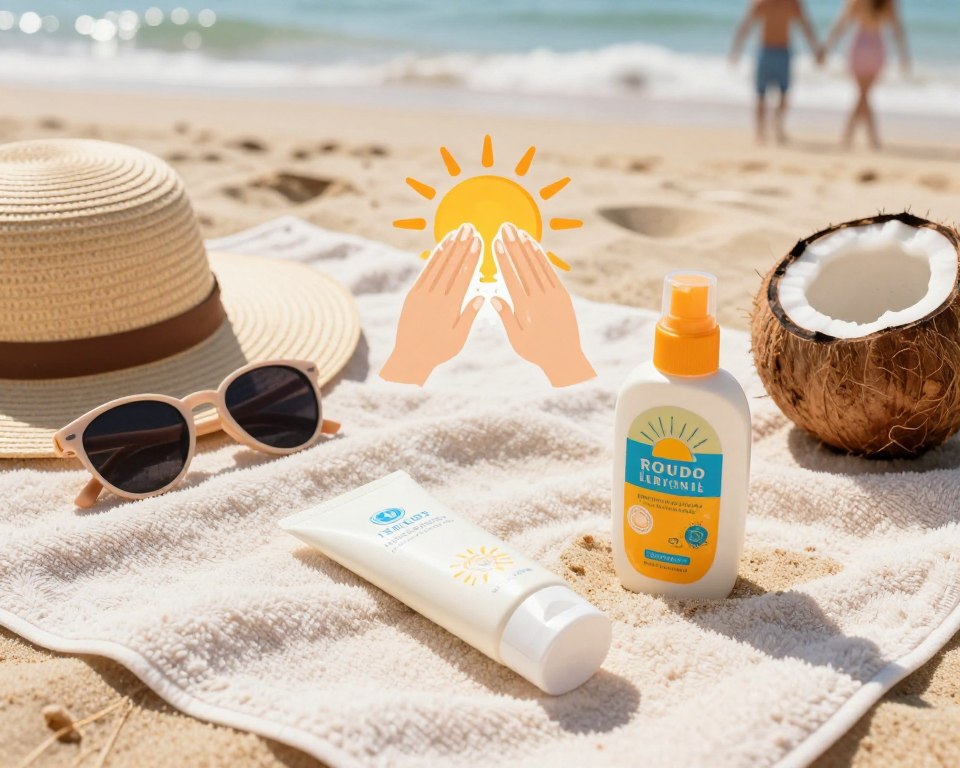
Effective sun protection begins with understanding how products block or absorb ultraviolet light. That knowledge helps people choose a routine that will best protect skin from damage and premature aging.
The Importance of Broad-Spectrum Protection
Broad-spectrum protection means a product shields against both UVA and UVB radiation. The American Academy of Dermatology recommends this type of coverage to reduce sunburn, long-term DNA damage, and signs of early aging.
Dr. Sejal Shah notes UV radiation harms DNA and cells, which can lead to wrinkles and dark spots. Everyone benefits from adequate defense, regardless of age, gender, or tone.
Understanding SPF Ratings
SPF stands for Sun Protection Factor and measures defense against UVB rays. An SPF 30 product blocks about 97% of UVB, according to Dr. Shah.
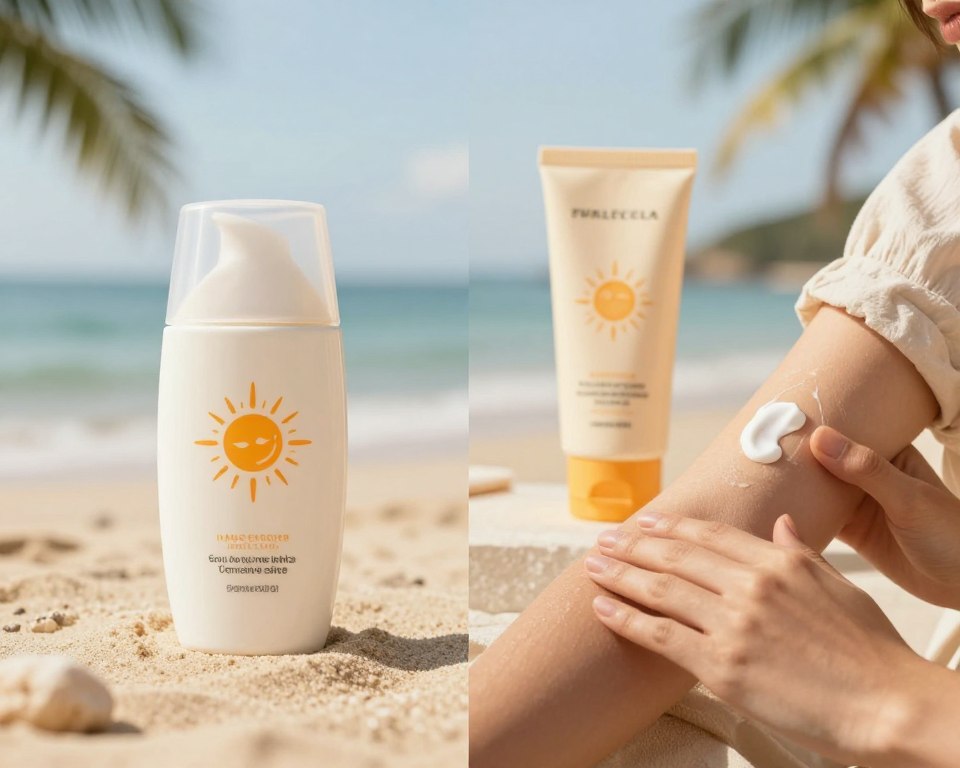
To maintain effective protection during the day, apply a nickel-sized dollop to the face and reapply every two hours when exposed to sunlight. Using a trusted product every day, along with shade and protective clothing, completes a practical approach to sun protection.
- Know the two primary types of active filters so you can pick what fits your routine.
- Prioritize broad-spectrum labels and consistent application to truly protect skin.
Chemical vs Mineral Sunscreen Sensitive Skin Considerations
When choosing a sun-blocking product, how filters contact the skin affects both comfort and protection.
For many people with delicate complexions, mineral sunscreens are the usual starting point because they sit on the surface and are often gentler than many chemical filters.
Dr. Shah explains that both types provide valid protection, but they interact with the outer layer in different ways. That difference can change irritation risk and daily wearability.
Practical choice depends on personal tolerance. Some users tolerate certain ingredients well; others do not. Testing a small area first and noting reactions helps guide a consistent routine.
| Type | How it works | Irritant risk | Use note |
|---|---|---|---|
| Mineral sunscreen | Reflects and scatters UV at the surface | Lower for most users | Good for immediate protection and post-procedure use |
| Chemical sunscreens | Absorbs UV and converts to heat | Variable—depends on ingredients | Often lighter feel; patch-test recommended |
| Hybrid formulations | Combine both action types | Balanced risk profile | May increase tolerability and cosmetically acceptable wear |
- Consulting a dermatologist—the AAD suggests professional guidance when reactions occur.
- Pick a product you will use correctly and repeatedly for effective sun protection.
How Mineral Sunscreen Ingredients Function
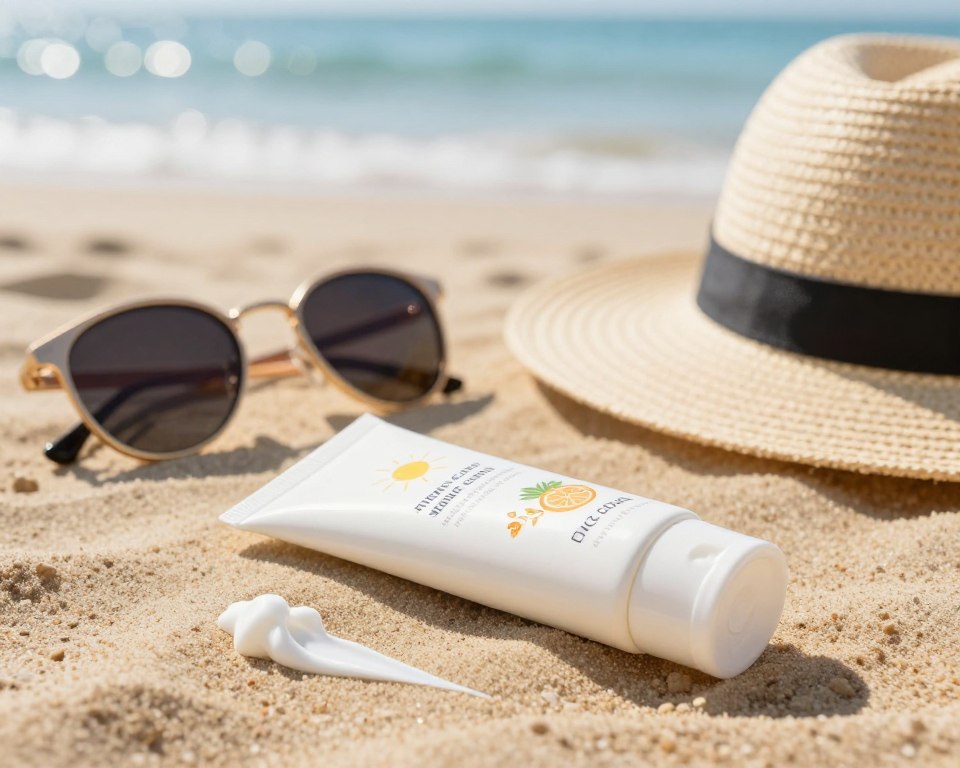
Modern mineral formulas use tiny particles to form a surface shield that helps protect skin from ultraviolet damage. These filters sit on top of the epidermis and stop rays before they penetrate deeper layers.
Zinc Oxide and Titanium Dioxide Explained
The only FDA-approved mineral active ingredients are zinc oxide and titanium dioxide. Together they reflect and scatter UVA and UVB rays, delivering broad sun protection without relying on absorption.
By creating a physical barrier, these ingredients help protect skin by blocking rays and reducing direct exposure. Combinations of zinc oxide and titanium dioxide are common to ensure wide-spectrum coverage.
Dr. Shah notes that these filters are often found in baby formulations because they are well tolerated by many users. Newer products use micro-fine zinc oxide so the lotion spreads easily and reduces white cast.
“Zinc oxide and titanium dioxide act like a shield on the surface — reliable, immediate protection for daily use.”
- How they work: form a film that reflects and scatters rays.
- Use note: suitable for those who need straightforward sun protection that is typically gentle.
The Role of Chemical Sunscreen Filters
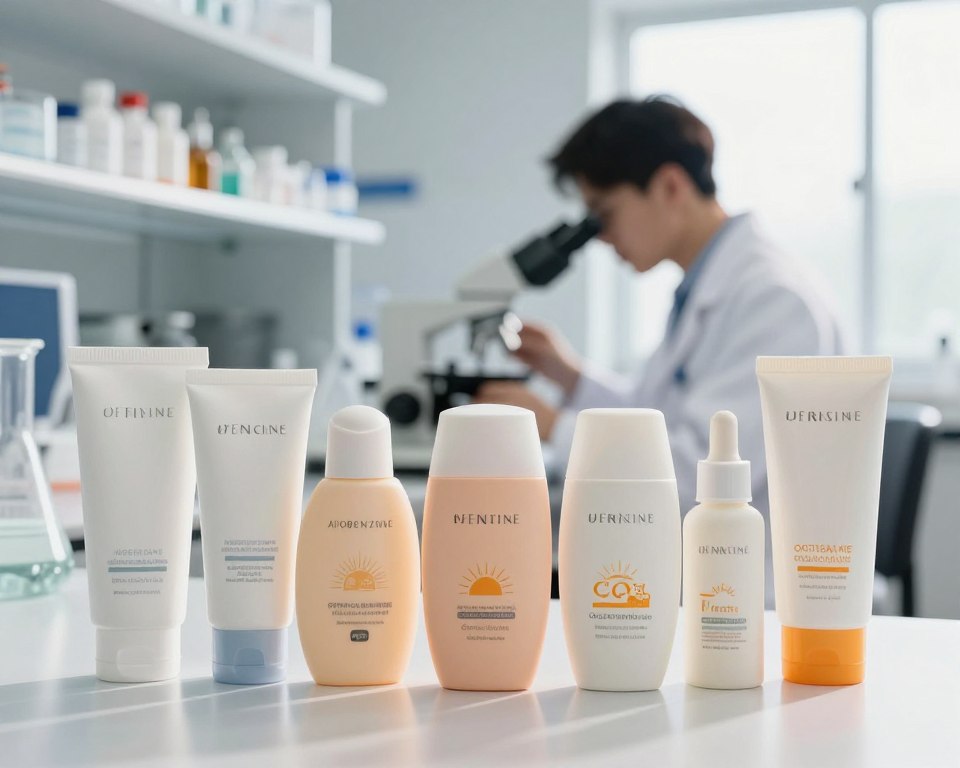
Many popular UV filters work by absorbing incoming rays and transforming that energy into harmless warmth.
These filters—found in several common formulations—use ingredients that capture ultraviolet light in the upper layers. The absorbed energy undergoes a quick chemical reaction and is released as low-level heat.
Common actives include oxybenzone, avobenzone, octisalate, octocrylene, homosalate, and octinoxate. Together they let products feel lighter and spread more easily for daily face and body use.
- Function: act like a sponge to absorb damaging rays and convert them to heat.
- Performance: often cosmetically pleasing—thin, non-greasy textures encourage regular use.
- Practical note: Dr. Shah says the released heat dissipates from the surface without harming living tissue.
Understanding these mechanisms helps consumers match product choice to personal tolerance and lifestyle. While this approach differs from the reflective action of mineral chemical blends, both aim to provide reliable protection from the sun.
Debunking Common Myths About Sunscreen Ingredients
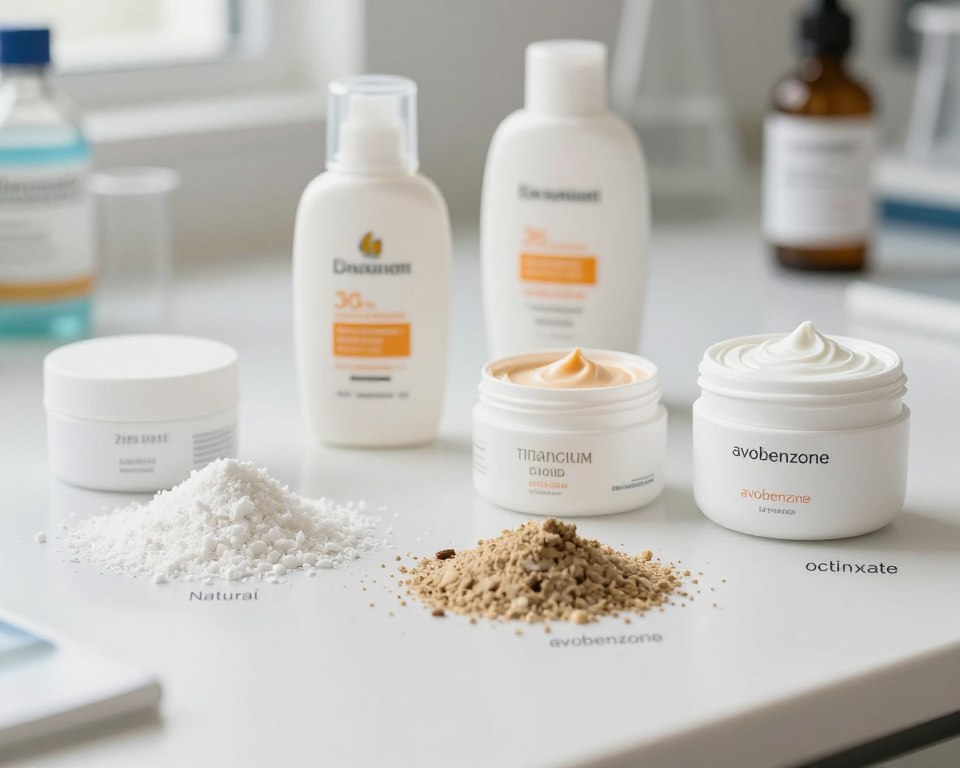
Scientific tests show that the simple reflect-or-absorb story is incomplete.
Marketing and older guidance have created enduring myths about how filters work. Clearing these misconceptions helps people make a better choice for daily protection.
Reflecting Versus Absorbing UV Rays
Contrary to popular belief, a 2015 study found that modern zinc oxide and titanium dioxide reflect or scatter only about 4–5% of the UV range. The rest is absorbed and then dissipated safely.
The Food and Drug Administration monograph from the 1970s helped promote the idea of a purely physical barrier. Current data show the mechanism is more complex.
The Reality of Natural Ingredients
All active filters are chemicals in the scientific sense, a point noted by photobiologist Brian Diffey. Labels that claim “all natural” often include lab-produced components.
Key takeaway: both chemical sunscreens and inorganic filters reduce how much UV rays reach living tissue. Focus on proven protection and tolerability rather than marketing terms.
| Myth | Old claim | Current evidence | Practical note |
|---|---|---|---|
| Mineral only reflects | Acts as a pure physical barrier | Mostly absorbs UV with minor scattering | Look for tested broad-spectrum formulas |
| Natural means safer | No lab processing | Many “natural” products include processed ingredients | Check ingredient lists and clinical data |
| Chemical is risky by default | Causes systemic harm | Safety depends on dose and formulation | Choose products with safety studies and FDA notes |
Why Solubility Impacts Skin Feel and Application
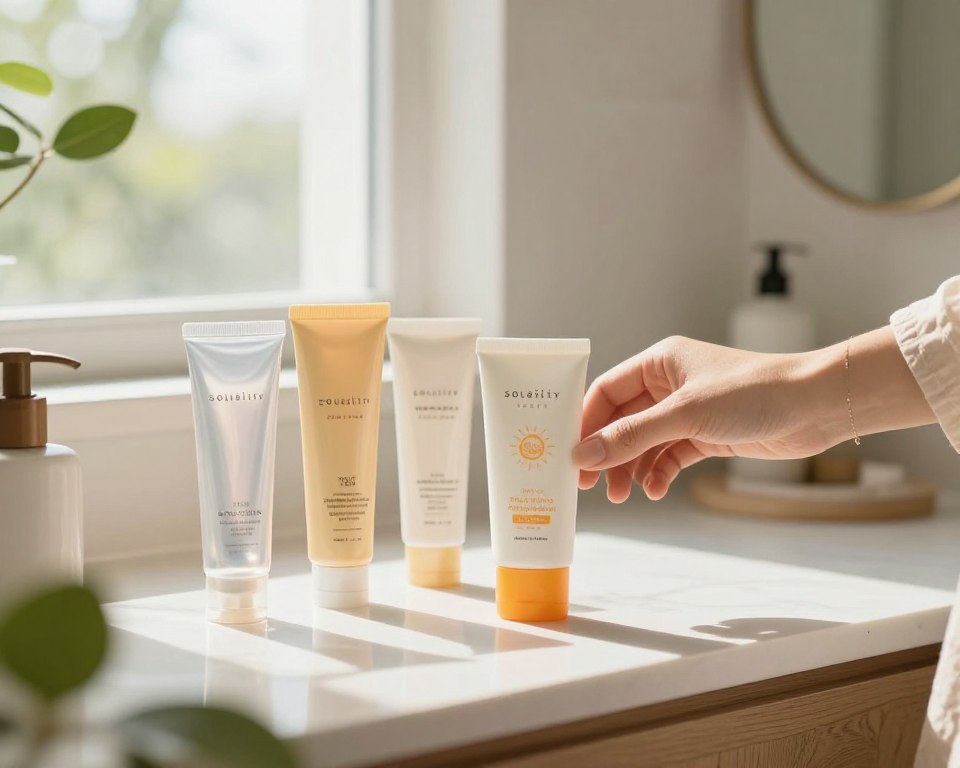
How a filter dissolves — or does not — shapes texture, spreadability, and visible residue on the face. Many organic active ingredients dissolve into oil or water bases. That helps formulas glide and feel thin.
By contrast, zinc oxide and titanium dioxide remain as tiny particles. They sit suspended in the lotion rather than fully dissolving.
That difference explains why some products leave a white cast while others blend in. Nanoparticle advances have cut the cast for many modern mineral formulas.
“Differences in solubility explain why some products feel thicker and others disappear on contact.” — Dr. Sejal Shah
| Property | Soluble filters | Particulate filters |
|---|---|---|
| Feel on application | Light, smooth | Thicker, more tactile |
| Visible residue | Minimal | Higher risk of white cast |
| Heat generation | Negligible | Negligible |
Practical note: formulators manage texture by blending dispersants, tint, and hybrid actives to reduce cast and improve wear. Many newer mineral chemical sunscreen products balance coverage with cosmetic appeal.
For guidance on choosing a formula that fits daily use, see this summary of options.
Evaluating Safety Concerns and Systemic Absorption
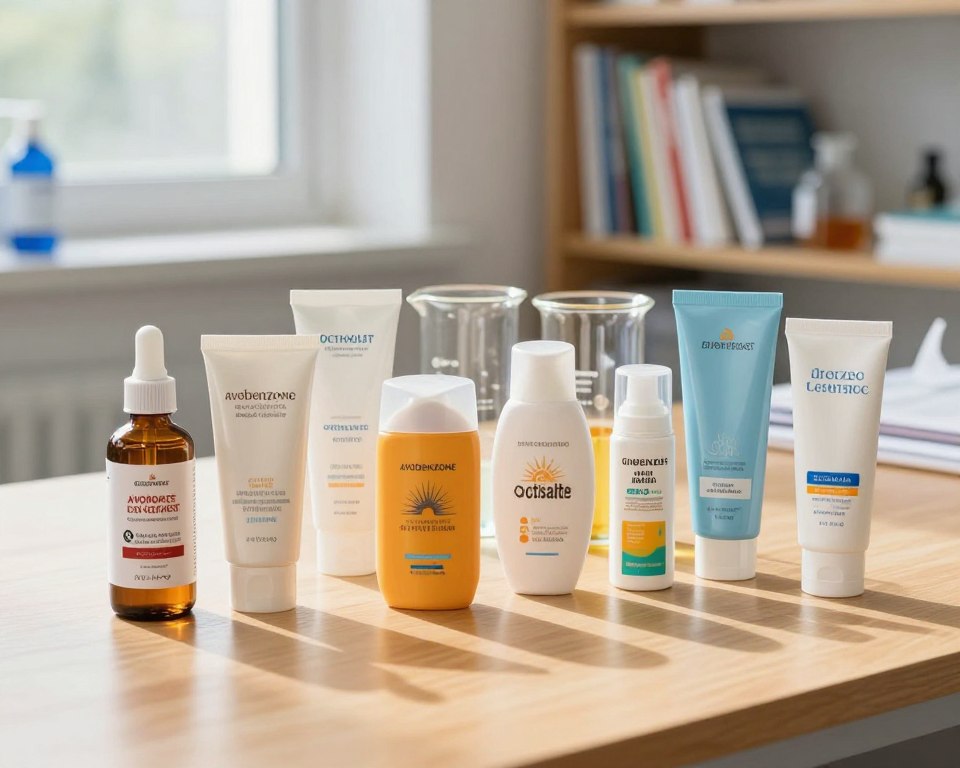
Public questions about systemic absorption and long-term harm drive much of the debate around modern sun protection. Researchers have measured some organic filters in blood after routine use, but context matters: dose, frequency, and formulation influence findings.
Reviewing current human research shows that most safety signals come from high-dose animal work, not typical human exposure. For example, a 2001 study in baby rats reported uterine changes after massive oxybenzone dosing — levels far above what people apply in daily life.
What regulators and studies say
The Food and Drug Administration continues to request more data on certain filters, including avobenzone and oxybenzone, before updating status and labels. Meanwhile, observational and controlled human studies have not shown clear harm from the low-level absorption detected.
- Animal studies often use doses that exceed human use by large margins.
- Some organic filters do enter the bloodstream briefly after topical application.
- There is no strong evidence linking typical use to systemic health effects.
- Environmental concerns prompted Hawaii’s 2018 ban on oxybenzone and octinoxate.
Practical takeaway: protecting the body from UV rays remains the highest priority. Use proven products correctly and for the duration needed; the risk from sun exposure is a clear, proven driver of cancer and other harms. For more detailed safety reviews and guidance on regulatory review, consult this resource from the National Library of Medicine: Chemical sunscreen safety review.
The Rise of Hybrid Sunscreen Formulations
A new class of lotions blends particle-based actives and organic filters for broader appeal and easier daily use.
Hybrid formulations pair zinc oxide with selected chemical filters to deliver broad-spectrum protection while improving texture. These products aim to cut the heavy white cast common with older mineral options.
Many hybrids feel lightweight, resist water, and leave a velvety finish on the skin. The CeraVe Hydrating Sheer SPF 30 is a practical example — it combines zinc and soluble actives to hydrate and protect the face and body.
Why this matters: blended products balance the proven defense of particulate actives with the smooth application of organic filters. That makes them easier to use daily and more acceptable across diverse tones.
- Benefit: reduced white cast with good spf coverage.
- Benefit: lighter feel, better cosmetic wear for everyday use.
- Use note: hybrids can suit those who want mineral chemical sunscreen performance without texture trade-offs.
Image Disclosure and Educational Guidance
Images on this site may be AI-generated or digitally enhanced to illustrate medical concepts. These visuals support learning and clarify mechanisms but are not clinical records.
safeortoxic.com uses edited images to help users grasp complex ideas about product safety and tissue health. The goal is education, not diagnosis.
Important: do not use these images to self-diagnose or replace a professional exam. Visual aids can guide questions, not confirm a condition.
- Some images are algorithm-assisted or retouched for clarity and emphasis.
- Visual aids explain concepts about protection and tolerance in a clear way.
- If you have concerns, consult a qualified healthcare provider or a board-certified dermatologist.
“Educational images aim to inform; clinical decisions require direct evaluation.”
Bottom line: the site’s images and content are intended to empower users with accurate, evidence-based information to improve decision-making. For personalized advice, seek professional care.
Conclusion
Consistent use matters more than the specifics of your product choice. Pick a formulation you will apply every morning and reapply when exposed to the sun. This simple habit gives the best protection over time.
For those with sensitive skin, many people find mineral options gentler and easier to tolerate. Still, the key is a broad-spectrum SPF 30 product worn daily. Proper coverage beats occasional high numbers.
Reapply every two hours during extended outdoor time. Carry a travel-sized tube and make protection a routine part of the day.
Stay current with credible content and professional guidance. That approach helps you protect your skin and reduce long-term risk with confidence.
FAQ
Is chemical sunscreen safer than mineral sunscreen for sensitive skin?
Safety depends on individual reactions and the active ingredients. Non-nano zinc oxide and titanium dioxide form a physical barrier and are less likely to irritate reactive skin. Some organic filters such as avobenzone or octocrylene can cause stinging or redness in people with eczema or rosacea. Choose a formulation labeled for reactive or allergy-prone skin, patch-test new products, and consult a dermatologist if you have a history of adverse reactions.
What does broad-spectrum protection mean and why does it matter?
Broad-spectrum indicates the product protects against both UVA (aging, long-wave) and UVB (burning, short-wave) rays. UVA penetrates deeper into the skin and contributes to photoaging and certain cancers; UVB causes sunburn and also increases cancer risk. For meaningful daily protection, pick a product that explicitly states broad-spectrum on the label.
How should I interpret SPF ratings for everyday use?
SPF measures protection against UVB only and scales nonlinearly—SPF 30 blocks about 97% of UVB, SPF 50 about 98%. Higher numbers give marginally more UVB block but require proper application to work. Apply a liberal, even layer to all exposed areas and reapply at least every two hours or after sweating or swimming.
What should people with reactive skin consider when choosing between mineral and organic filters?
Key factors are irritation risk, formulation additives, and cosmetic finish. Inert mineral oxides often reduce inflammation risk, while some organic filters can irritate or sensitize. Fragrance, preservatives, and alcohol in any formulation can also provoke reactions. Opt for fragrance-free, hypoallergenic labels and perform a small patch test before full use.
How do zinc oxide and titanium dioxide protect skin?
These metal oxides act as a physical barrier at the surface. They scatter and absorb UV radiation across UVA and UVB bands—zinc oxide offers broad UVA protection, titanium dioxide covers UVB and shorter UVA. Modern micronized (but not necessarily nano) particles improve appearance while retaining protective action.
Do mineral actives leave a white cast, and how can that be minimized?
Traditional formulations with larger oxide particles can leave a visible white cast, especially on darker skin tones. Newer micronized or tinted versions and blends with iron oxides reduce noticeable residue. Applying a thin, even layer and selecting tinted or clear formulations helps minimize the effect.
How do organic UV filters work and what are common examples?
Organic filters—often called chemical filters—absorb UV photons and convert them to heat. Examples include avobenzone, octinoxate, octocrylene, and oxybenzone. They tend to feel lighter on skin and blend without a white cast but can be more likely to cause irritation or photosensitivity in some people.
Does absorbing UV light mean organic filters are unsafe because they heat the skin?
The absorbed energy is converted to negligible heat and dispersed; it does not meaningfully raise skin temperature or cause thermal damage. Safety concerns focus on irritation, allergic potential, and systemic absorption—issues that regulatory agencies continue to study. Use reputable, tested products and follow application guidance.
Are products with “natural” labels safer than conventional options?
“Natural” is not a guarantee of safety. Plant extracts and botanical preservatives can be allergens. What matters is the individual ingredient profile and formulation testing. Look for broad-spectrum protection, appropriate SPF, and formulations designed for sensitive or reactive skin rather than relying on marketing terms.
Why do some formulations feel greasy while others feel lightweight?
Solubility and vehicle choice determine texture—oil-based bases feel heavier, while silicone or water-based vehicles feel light. Active actives and particle size also affect spreadability. People prone to acne or heat rash may prefer lightweight, noncomedogenic formulations and gel creams that absorb quickly.
Is there evidence of systemic absorption or safety risks with topical filters?
Human pharmacokinetic studies have detected low levels of some organic filters in blood after repeated use. Detection does not equal harm. Regulatory bodies like the U.S. Food and Drug Administration and international agencies review safety data; ongoing studies evaluate long-term implications. For those concerned, mineral oxide-based products offer a low-absorption alternative.
What does current research say about human safety for common filters?
Recent studies show measurable systemic exposure for certain organic filters but have not conclusively demonstrated adverse clinical outcomes at typical use levels. Agencies continue to assess data and may update guidance. Clinicians advise choosing products cleared for safety and following recommended application practices.
What are hybrid formulations and why are they used?
Hybrid formulations combine inorganic oxides and organic filters to optimize protection, cosmetic finish, and photostability. They can balance broad UVA/UVA+UVB coverage with improved texture and reduced white cast. Hybrids may suit people seeking strong protection with better wearability.
Should product images or ingredient lists be disclosed for education?
Yes. Clear labeling of active ingredients, SPF, broad-spectrum status, and any fragrance or preservative content helps consumers make informed choices. Educational materials should show ingredient panels and explain key terms—SPF, UVA, UVB, active actives—to support safe selection and use.
How often and how much product should be applied for effective protection?
Apply a nickel-sized amount to the face and about one ounce (a shot-glass) for the body each application. Reapply every two hours, or sooner after swimming, sweating, or toweling. Consistent application matters more than minute differences in SPF number.
Can parents use the same products for children and adults?
Many mineral oxide-based products are suitable for infants and children because they are less likely to irritate. For infants under 6 months, sun avoidance and protective clothing are preferred. Always check product labeling for pediatric guidance and consult a pediatrician for infants or children with skin conditions.