
Surprising fact: up to 30% of people who try an at-home acid rinse report irritation within two weeks—yet many keep using it to treat acne and oiliness.
Dermatologist Waldman notes mixed results: some users report clear benefits from apple cider vinegar, while others develop redness or burns. The epidermis functions like a brick wall; harsh products can strip mortar and let irritants in.
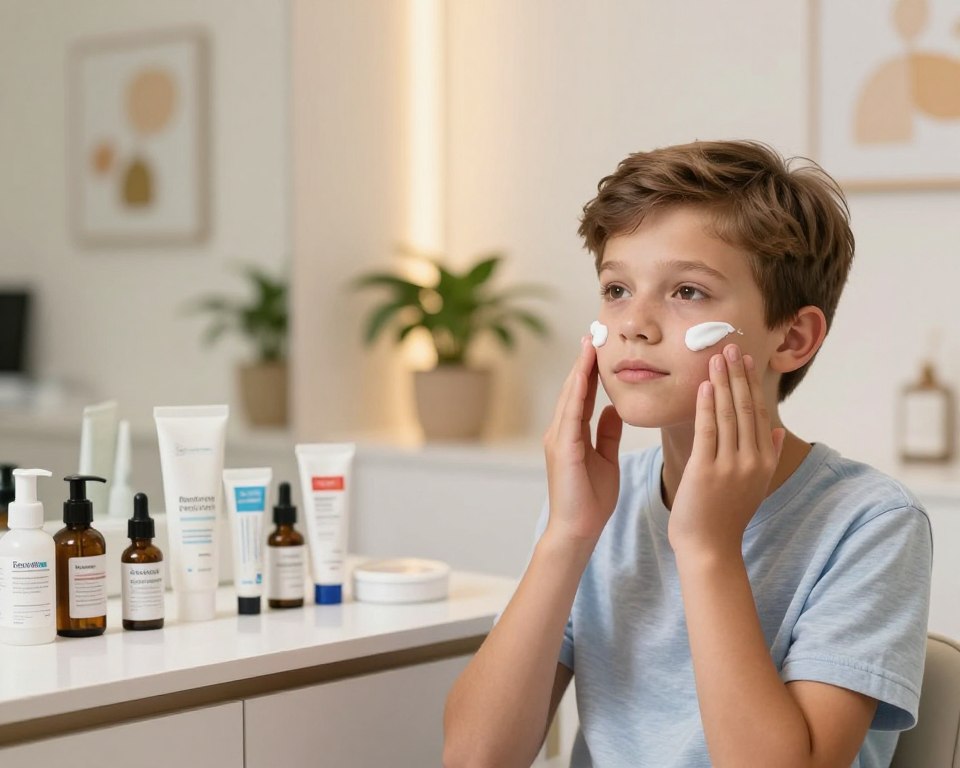
For teens with oily complexions and active acne, using acv is often less risky because their barrier heals faster. Even so, there is no one-size-fits-all answer for routine use.
Understanding the science behind cider vinegar skin applications matters. Know your baseline skin condition, dilute properly with water, and monitor for stinging or prolonged redness.
Key Takeaways
- Results vary: some find relief, others see harm.
- Follow dilution guidance—undiluted vinegar can damage the barrier.
- Teens with oily faces may tolerate using acv better.
- Stop use if you get burning, peeling, or lasting irritation.
- Consult a dermatologist for persistent acne or conditions.
Understanding the Role of Apple Cider Vinegar in Skincare

A common kitchen ferment turns fruit sugars into acetic acid, which gives the liquid its sharp pH.
What is Apple Cider Vinegar
Crushed fruit is mixed with yeast and bacteria. Fermentation first makes alcohol, then bacteria convert that alcohol into acetic acid. Raw preparations often show a cloudy sediment — the “mother” — made of settled cultures.
The Acid Mantle and Skin pH
Human skin usually sits between pH 4.1 and 5.8. By contrast, apple cider vinegar measures about pH 2 to 3. That gap means the product can change the natural acid mantle quickly.
- Fermentation produces a highly acidic liquid with antimicrobial properties.
- Industry debate: toners may be unnecessary because the epidermis self-regulates pH.
- Dermatologist Ronald Sulewski notes raw formulations are not a cure-all and can cause irritation for some people.
| Feature | Typical Range | Implication for Use |
|---|---|---|
| Human pH | 4.1 – 5.8 | Maintains barrier and microbiome |
| Apple cider vinegar pH | 2 – 3 | Can lower surface pH rapidly |
| Raw sediment | Present or absent | Contains bacterial and yeast cultures |
Is Apple Cider Vinegar Toner Safe Skin for Your Face?
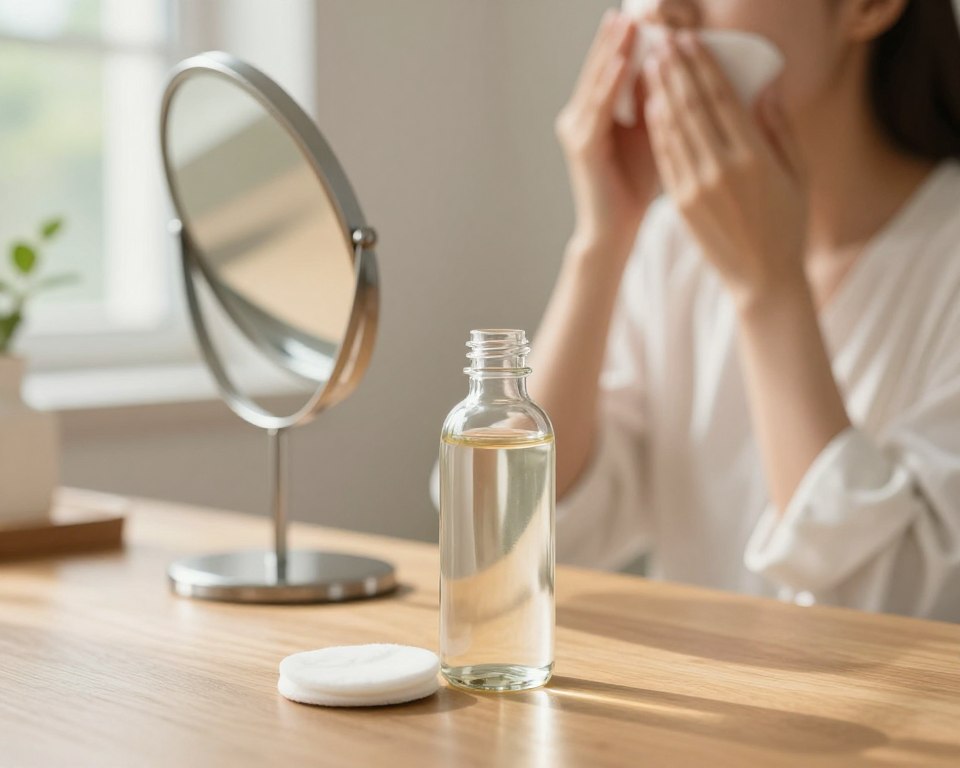
Clinical guidance hinges on two variables: your overall health and how your face has handled acids previously.
Dr. Sulewski advises that healthy people who have no history of irritation may use acv in moderation. That means cautious trials with low concentration and close monitoring.
For anyone with eczema, rosacea, open wounds, or chronic dermatitis, most dermatologists recommend avoiding this product. Existing conditions raise the risk of prolonged redness, breakdown, and discomfort.
- Evaluate personal risk: determine if your face has reacted poorly to acids before.
- Start low: dilute and patch-test before broader use.
- Stop immediately if you get stinging, burning, or lasting irritation.
Many people are drawn to trend-based remedies. Prioritize measured, evidence-based choices and consult a dermatologist when in doubt.
Potential Benefits of Using ACV on Your Complexion
Exfoliation and pH balancing are the two primary reasons people try acv as a topical treatment. Malic acid and related AHAs can loosen the bonds between dead skin cells and help clear clogged pores.
A small clinical study found that twice-daily topical application of a diluted acetic preparation reduced pain, edema, and itching for participants.
“Twice-daily topical application reduced symptoms like pain, edema, and itching.”
Using acv may also help remove excess oil and residue left after cleansing. That effect can improve clarity for oily, acne-prone faces when dilution with water is observed.
- Balance pH: acv may restore surface acidity that limits harmful bacteria and manages oil.
- Exfoliate: malic acid helps break down dead skin cells and reduce pore buildup.
- Support acne treatment: acv may assist conventional therapies, though evidence is limited.
Benefits are individual: bacteria levels, baseline oil, and tolerance vary. Always dilute and monitor for irritation.
Risks and Dermatological Concerns

When the epidermis is cracked or bleeding, exposure to strong acids can trigger intense burning. Any at-home acidic product can worsen existing inflammation.
Skin Conditions to Avoid
Do not apply apple cider vinegar to open lesions or chronic rashes. Conditions like eczema and psoriasis increase the chance of severe irritation and prolonged damage.
- If you have eczema or psoriasis, avoid use of concentrated vinegar products.
- Applying acids to broken areas can worsen scalp infections or lead to more inflammation.
- Dilution does not remove all risk when the barrier is compromised.
Risk of Chemical Burns
Undiluted solutions can cause chemical burns, especially on delicate areas. The acetic acid content in DIY blends is often unknown, so burns and lasting redness are possible.
“Applying vinegar to broken, fissured, or bleeding skin—such as in eczema or psoriasis—can cause intense burning.”
Sensitivity to Sunlight
Topical use of acv may increase photosensitivity. A dermatologist recommends consistent sunscreen and limited sun exposure when using any acidic treatment.
Practical takeaways: avoid use on open wounds, patch-test first, dilute carefully, and wear daily sunscreen to reduce additional risk.
How to Properly Dilute and Apply ACV Toner

A measured, stepwise approach to dilution helps protect the barrier while testing effectiveness. Start with a very weak mix and increase concentration only if the face tolerates it without stinging or lasting redness.
Standard mixes: combine 1 tablespoon of organic apple cider vinegar with 1 cup of water for a moderate solution. For oily complexions, a 1:1 ratio (equal parts liquid and water) can be used cautiously.
Dermatologist Sulewski suggests beginning milder—try a half tablespoon per eight ounces of water—to reduce the chance of burns or irritation. Patch-test on the inner forearm for 24 hours before applying to the face.
Apply with a cotton pad, sweeping across the face and neck while avoiding the eye area. Alternatively, use a spray bottle for light refreshment during the day. Do not use on open wounds, eczema, or broken areas.
- Dilute always: undiluted product increases acetic acidity and burns.
- Patch test first: confirm no adverse reaction before regular use.
- Frequency: start once daily or a few times a week, then adjust based on tolerance and acne or oil levels.
For clinical background and stepwise guidance, see this detailed review of apple cider vinegar.
Essential Tips for a Safe Skincare Routine

A cautious patch-and-build approach reduces the chance of irritation from at-home acid blends.
Always perform a patch test on a discrete area and wait 24 hours. If redness, burning, or itching appears, stop use immediately and consult a professional.
For sensitive types, mix 3 tablespoons of apple cider vinegar with 3/4 cup of water before testing. Use this milder ratio for first trials and when treating delicate areas.
Apply diluted product sparingly and no more than a few times per week at first. Keep the face well moisturized—especially in winter—to support the barrier and reduce dryness from acids.
If unsure about reactions or persistent irritation, contact Nebraska Medicine at 800.922.0000 to speak with a dermatologist about your concerns.
- Patch test first: test 24 hours before broader application.
- Use a mild mix: 3 tbsp to 3/4 cup water for sensitive types.
- Stop if irritated: discontinue at first sign of burning or lasting redness.
- Moisturize daily: maintain the barrier to reduce risk of dryness and flares.
| Action | Recommendation | When to Stop |
|---|---|---|
| Patch test | 24-hour trial on inner forearm | Any stinging, swelling, or lasting redness |
| Dilution | 3 tbsp per 3/4 cup water for sensitive use | Burning or blistering |
| Routine | Start a few times weekly; increase only if tolerated | Prolonged irritation or worsening acne/eczema |
For practical DIY steps and mixing ratios, see the DIY apple cider toner guide for a stepwise review before trying at home.
Image Disclosure and Educational Disclaimer

Illustrations on safeortoxic.com are for learning only. They help explain concepts and show common findings, but they are not diagnostic tools.
Some visuals may be AI-generated or digitally enhanced to clarify anatomy and reactions. These edits make complex topics easier to follow, not to offer clinical conclusions.
Do not use images from this site to self-diagnose. Visuals are illustrative; they lack clinical context such as history, testing, and examination by a provider.
- Images may be AI-generated or digitally enhanced to support patient understanding of skin health.
- Visuals are provided to clarify concepts but should not be used for self-diagnosis.
- These materials are not a substitute for evaluation by a qualified healthcare provider or dermatologist.
- The content on safeortoxic.com is for educational purposes and does not replace medical advice.
- Always consult a doctor before starting any new treatment—especially before using apple cider vinegar on your face.
“Use educational images as guides, not as a final medical opinion.”
Conclusion
Before adopting a household remedy for facial concerns, weigh documented effects against possible irritation.
While vinegar-based treatments are popular, their use for conditions like acne or eczema remains debated. Consult a dermatologist rather than relying on trends to improve skin health.
If you try a diluted mixture, protect the barrier and oil balance by starting very weak and patch-testing. Look for peer-reviewed review articles or expert guidance before assuming any benefits are universal.
Remember: individual reactions to acidity and bacteria vary. For an accessible summary of clinical points and practical tips, see this benefits for skin.
FAQ
Is apple cider vinegar toner safe for facial skin?
Safety depends on concentration and individual skin. Undiluted product contains high levels of acetic acid and can cause irritation or burns. Most dermatologists recommend diluting to a low ratio (for example, 1 part product to 3–10 parts water), doing a patch test on the forearm, and stopping use if redness, stinging, or blistering occurs. People with eczema, rosacea, open wounds, or very sensitive dermis should avoid routine use and consult a clinician.
What is apple cider vinegar and why do people use it in skincare?
This fermented solution contains acetic acid plus small amounts of organic acids and minerals. It’s used for its mild antimicrobial and keratolytic (dead skin removal) properties and perceived ability to restore a slightly acidic surface pH. Evidence for cosmetic benefits is limited and mostly anecdotal; targeted topical products designed for the face usually offer safer, better-studied acids and preservatives.
How does the acid mantle and pH affect the facial barrier?
The outermost layer of skin functions best at a mildly acidic pH—typically about 4.5–5.5. Strong acids or alkaline cleansers can disrupt this barrier, increasing water loss and irritation. If a diluted topical lowers pH too abruptly, it can damage lipids and proteins. Gentle, buffered products let the surface adjust without abrupt shifts.
Can using this product improve acne or oily skin?
Low-concentration acetic acid can reduce some surface bacteria and help remove dead cells, which may temporarily reduce clogged pores. However, medical-grade acne treatments—benzoyl peroxide, salicylic acid, or topical retinoids—have stronger clinical support. For moderate to severe acne, seek dermatologist supervision before substituting home remedies.
What are the main risks and dermatological concerns?
Risks include irritation, contact dermatitis, chemical burns from high acidity, pigment changes (post-inflammatory hyperpigmentation), and worsening of preexisting conditions like eczema or rosacea. Allergic reactions are possible. Repeated use without protection can also increase photosensitivity in some people.
Which skin conditions should avoid use?
Those with eczema, psoriasis flare-ups, active infections, open sores, severe rosacea, or very sensitive/reactive skin should avoid topical application. Children and infants should not be treated with home-acid preparations on the face. When in doubt, consult a board-certified dermatologist.
How common is the risk of chemical burns and how to prevent them?
Burns occur when product is used undiluted or left on skin too long. Prevent them by diluting appropriately, using short contact times (a few seconds to a minute on a test area), rinsing if burning occurs, and never using near eyes or mucous membranes. Seek medical care for blisters, severe pain, or spreading redness.
Does this ingredient increase sensitivity to sunlight?
Some acids can transiently thin dead skin and increase UV penetration, raising sunburn risk. Always apply a broad-spectrum sunscreen daily when using exfoliating acids and avoid prolonged sun exposure while treating the skin.
How should one properly dilute and apply an at-home toner made from this product?
Use a conservative dilution—commonly 1:3 to 1:10 (product:water)—and test a small area for 24–48 hours. Apply with a cotton pad or fingertip, avoid broken skin and eyes, and limit use to once daily or several times weekly depending on tolerance. If irritation appears, discontinue immediately and rinse with water.
Are there safer alternatives for exfoliation and pH balancing?
Yes. Over-the-counter glycolic, lactic, and salicylic acid formulations offer controlled concentrations and proven efficacy. pH-balanced cleansers and topical moisturizers with ceramides help restore the barrier without the same risk profile. Prescription topical acids or retinoids provide targeted, supervised treatment for acne and texture concerns.
What routine tips improve safety when trying new topical acids?
Patch-test new products; introduce one product at a time; start with low frequency; avoid combining multiple actives (like retinoids, benzoyl peroxide, and strong acids) at once; use daily sunscreen; and consult a dermatologist for persistent problems or complex skin conditions.
Are there special considerations for hair and scalp use?
Diluted solutions may help remove buildup on scalp or improve flaking in some people, but the same cautions apply—dilute, patch-test, avoid broken skin, and stop if burning occurs. Medically indicated treatments for dandruff and seborrheic dermatitis are often safer and more effective.
Is information about photos and educational material included with use?
Educational resources can illustrate proper dilution and application but are not a substitute for personalized medical advice. Images may show potential adverse reactions; users should treat those as warnings and seek professional care for severe or persistent reactions.