Did you know that almost 70% of mineral-based cosmetics use natural earth elements for texture and finish? Many people worry when they see certain ingredients in their beauty products. This worry is big when it comes to talc makeup powder concerns that have been in the news for years.
It’s important to know the difference between body powder and facial cosmetics. The main issue is often how the product is applied, not the mineral itself. When we look at talc in blush or eyeshadow, we need to consider the type and how it’s used on the skin.
Understanding these differences helps us see why facial makeup is judged differently by regulators. By looking at the latest research, we can move past fear and focus on what’s safe. This way, you can make smart choices for your daily beauty routine.
Key Takeaways
- Talc is a naturally occurring mineral widely used in the cosmetic industry for its smooth texture.
- Historical litigation mainly focused on perineal application, which is different from facial use.
- Regulatory standards for cosmetic-grade minerals are strictly monitored to ensure consumer safety.
- Context is key when evaluating the potential risks of ingredients in beauty products.
- Current clinical data provides a reassuring perspective on the safety of modern facial cosmetics.
The Chemistry of Talc and Its Presence in Cosmetics
To understand the safety of talc in beauty products, we need to look at its chemical makeup. Talc is a naturally occurring mineral made of magnesium, silicon, and oxygen.
It’s loved by manufacturers for its silky feel and ability to absorb moisture. These qualities make it a key ingredient in many products, like pressed powders and blushes.
Understanding Talc as a Naturally Occurring Mineral
Talc is mined from the earth as a soft, metamorphic rock. It’s known for its softness and lack of reaction with other substances on the skin.
When used in cosmetics, talc is refined to meet safety standards. It serves several purposes:
- Moisture absorption: Keeps skin feeling dry and matte.
- Texture enhancement: Provides a smooth, spreadable feel during application.
- Opacity: Helps pigments adhere evenly to the skin surface.
The Difference Between Industrial Grade and Cosmetic Grade Talc
Not all talc is the same, and the difference between grades is crucial for safety. Industrial-grade talc is used in various industries, where purity is not as strict.
On the other hand, talc in beauty products must be very pure. Cosmetic-grade talc is refined to be about 98% pure. This involves removing trace minerals and contaminants.
Manufacturers use advanced methods to purify raw talc. This ensures the final product is safe for skin use, reducing the risk of impurities.
Evaluating Talc Makeup Powder Concerns in the Modern Beauty Industry
Today, we’re looking at pressed powders in our makeup kits. This has made us think twice about what’s in our daily beauty products. We need to separate old worries from what’s true about today’s cosmetics.
Historical Context of Talc Usage in Face Powders
Talc has been a key part of beauty for years. But its past use in body products has led to safety concerns. This has made people worry about talc mineral makeup concerns.
But face powder is different from body powder. Cosmetic-grade talc is used to make face powder smooth and effective. Knowing this helps us understand why we’re talking about face powder safety now.
Why Talc Remains a Staple Ingredient in Pressed Powders
Even with ongoing debates, talc is still a top choice for many. It has special qualities that make products work well. These qualities keep makeup looking good and lasting all day.
Here’s why it’s still used:
- Superior Adhesion: Talc makes makeup stay on longer.
- Friction Reduction: It makes powders feel smooth and not cakey.
- Oil Absorption: It controls shine, making it great for matte products.
- Light Diffusion: It softens skin imperfections, giving a flawless look.
As the beauty world changes, we must focus on safety and honesty. Some brands are exploring new options, but talc’s benefits keep it relevant. Look for brands that use high-quality talc and are open about their ingredients.
The Asbestos Contamination Debate
When we talk about talc cosmetics safety, we must think about where talc comes from. Talc is a soft, natural mineral found in the earth. It often shares space with other minerals in the same rock.
This makes it hard for miners to get pure talc. They have to separate it from other materials.
Geological Proximity of Talc and Asbestos Deposits
Asbestos, another natural mineral, can be found near talc. It’s technically difficult to remove all asbestos fibers when mining talc. This is a big worry.
Mining companies use special methods to try and avoid this problem. But, the closeness of these deposits is still a big topic in talc mineral makeup concerns.
Regulatory Oversight and Testing Standards for Cosmetic Talc
To deal with these risks, there are strict rules and tests. Modern talc cosmetics safety uses advanced lab tests. These tests, like Transmission Electron Microscopy (TEM), can find tiny asbestos fibers.
These tests are key because older tests missed small amounts of contamination. Now, makers of cosmetics must follow strict purity rules. This ensures cosmetic-grade talc is safe.
The goal is to make sure talc mineral makeup concerns are less of an issue for users. The industry keeps checking products to make sure they are safe. This is how they keep the beauty market safe today.
Comparing Inhalation Risks: Baby Powder vs. Makeup
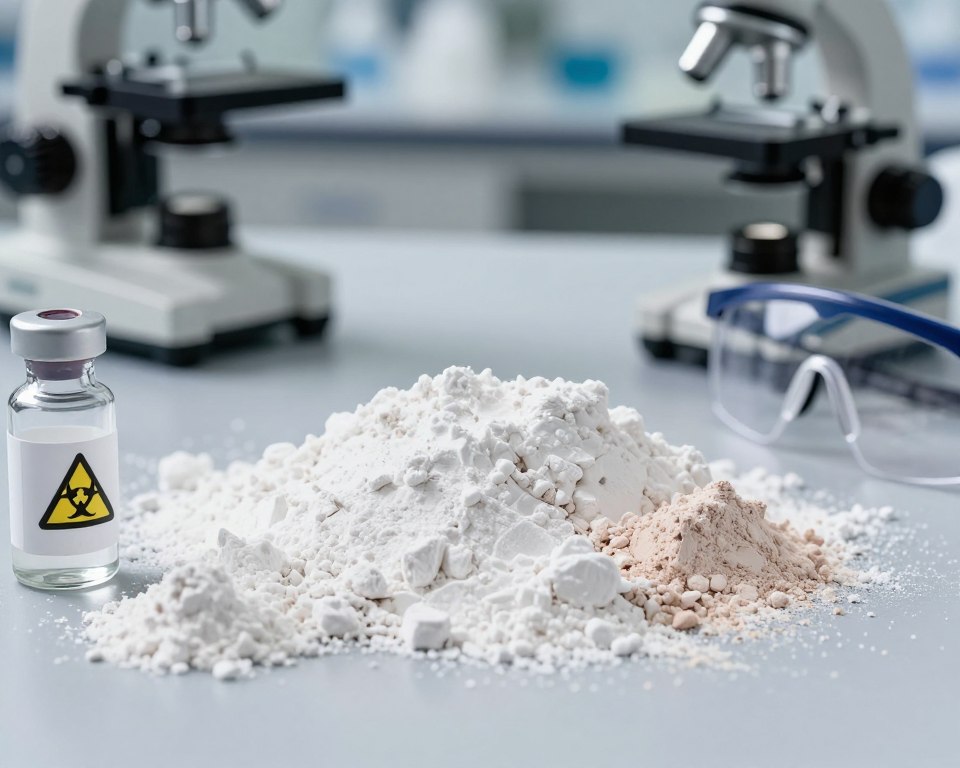
The way a cosmetic product is made affects how it interacts with our lungs. Many worry about skin contact, but the talc powder health risks from breathing it in are a big concern. It’s important to understand these risks by looking at how different products are used every day.
Particle Size and Dispersion in Loose vs. Pressed Powders
Loose powders are more likely to get airborne than pressed ones. Their small size and light weight make them easy to spread into the air. This can lead to dust being breathed in by accident.
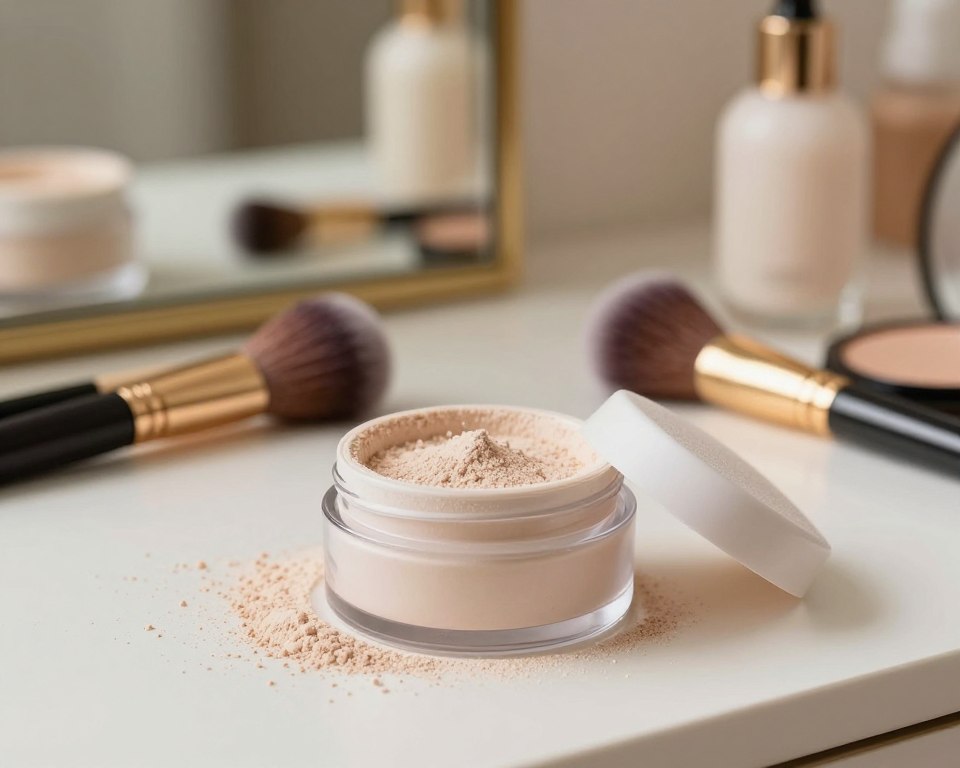
Pressed powders, on the other hand, are made with oils or waxes. This keeps the dust from flying around as much. When you apply pressed powder, the dust stays put. This makes pressed powders safer for those worried about breathing in dust.
Physiological Impact of Inhaling Cosmetic Powders
Breathing in small mineral particles can irritate the lungs or cause serious lung problems. Studies at Mount Sinai show that inhaling talcum powder can harm the lungs. The body has trouble getting rid of these particles, which can lead to inflammation over time.
To lower these talc powder health risks, change how you apply makeup. Use a damp sponge or apply it away from your face to cut down on dust. Paying attention to your surroundings while getting ready in the morning can help keep your lungs safe.
| Product Type | Dispersion Level | Inhalation Risk | Recommended Use |
|---|---|---|---|
| Loose Powder | High | Elevated | Apply carefully |
| Pressed Powder | Low | Minimal | Standard use |
| Liquid Foundation | None | Negligible | Safe application |
Scientific Perspectives on Ovarian Cancer Links
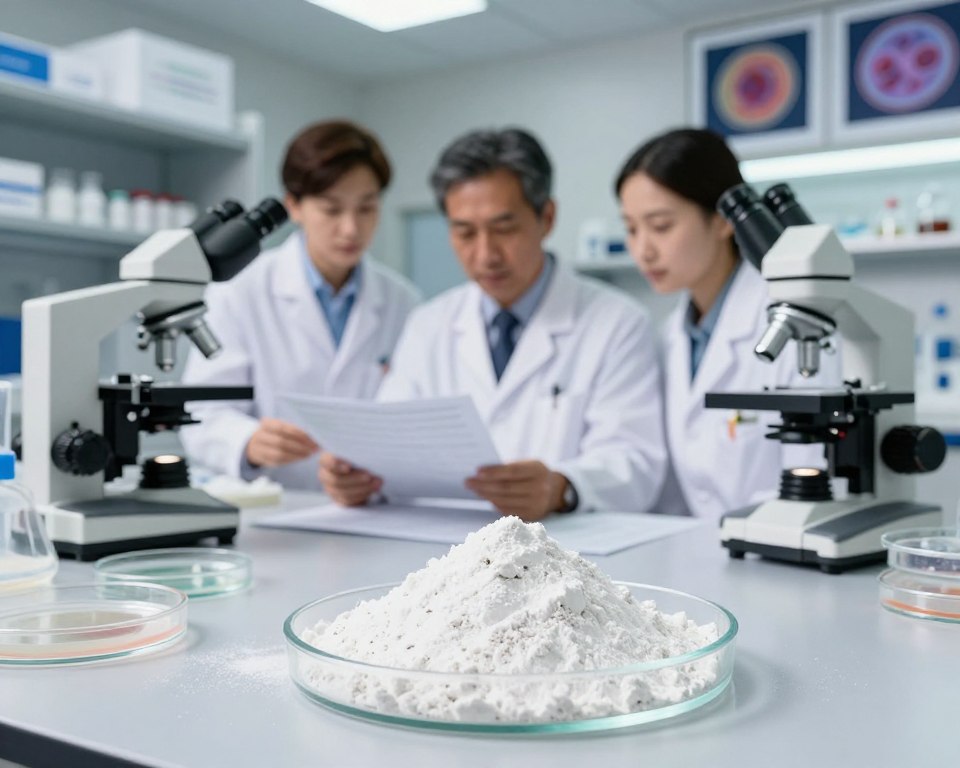
Looking into the possible link between talc and cancer risk means examining years of data. Many people worry about the safety of mineral-based cosmetics. But scientists are still carefully studying the evidence. Understanding these findings helps us make better choices about our beauty routines.
Reviewing Epidemiological Studies on Talc Exposure
Studies on mineral powders and ovarian health have given mixed results. Some studies show a slight risk increase, while others don’t find a strong link. This makes it hard for scientists to agree on a clear answer.
Because the evidence is not clear, health groups say it’s still up in the air. It’s key to remember that just because two things happen together, it doesn’t mean one causes the other. Scientists look at many things, like the mineral’s purity and how often it’s used.
The Challenges of Establishing Causality in Beauty Product Research
Finding a direct link between talc and cancer risk is tough. Studies often rely on people’s memories, which can be unreliable. It’s hard for people to remember what products they used and how often over many years.
Also, there are many things that can affect health, like genes and lifestyle. These factors make it hard to pinpoint talc as the main cause. It’s like trying to find a needle in a haystack.
In the end, scientists say we need more research for clear answers. The current evidence on talc and cancer risk is not straightforward. But it shows we should keep watching the beauty industry for safety.
The Role of Regulatory Bodies in Consumer Safety
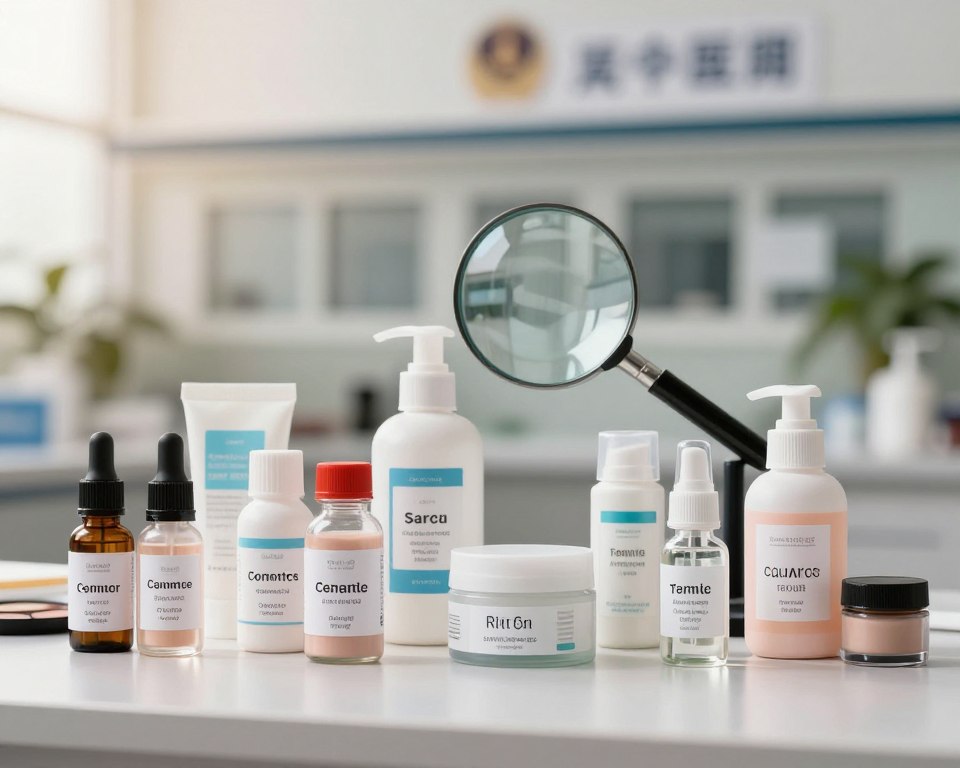
Regulatory bodies play a key role in ensuring talc cosmetics safety. They follow both domestic and global standards. These agencies are crucial for public health, but their powers vary by country.
They make sure products on shelves meet quality standards. This is vital for consumer safety.
It’s important to note that these bodies face legal limits. They can’t always require testing before products hit the market. Instead, they rely on checking products after they’re sold and on companies following rules.
FDA Stance on Talc in Personal Care Products
In the U.S., the FDA watches over mineral ingredients in personal care. In 2023, they tested many facial and hair products. The tests showed no asbestiform fibers in the samples.
This effort shows the FDA’s dedication to finding and stopping contamination risks. Even though they can’t approve cosmetics before they’re sold, they can act if a product is unsafe. This gives consumers a critical layer of protection in the beauty world.
International Variations in Cosmetic Safety Regulations
How countries handle talc safety regulations varies a lot. The U.S. focuses on specific tests and enforcement. But, the European Union takes a more cautious approach, requiring strict documentation from manufacturers.
These differences show different views on managing risks and protecting consumers. Some countries push for third-party certifications, while others rely on companies to follow rules. Knowing these differences helps us see the worldwide effort to make safety standards for mineral ingredients consistent.
Navigating the Market for Talc-Free Makeup Options
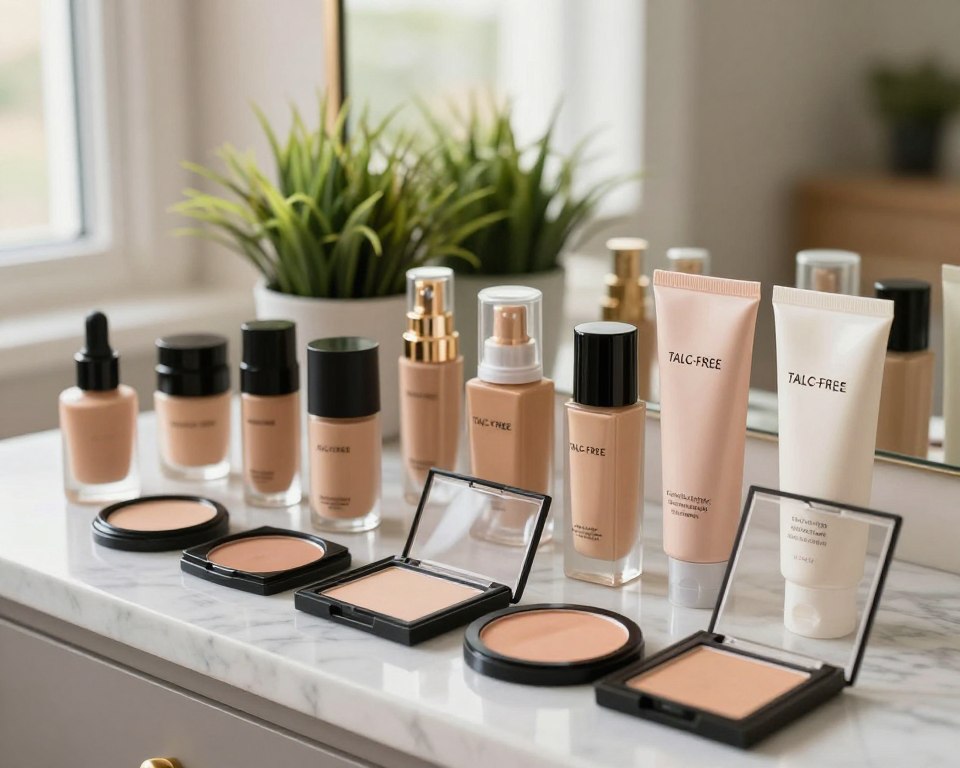
Today, more people are looking for talc free makeup options. They want to stay safe and healthy. The beauty world is now more open about what’s in their products. There are more choices than ever before.
Common Alternatives Used in Clean Beauty Formulations
Instead of minerals, makers use plants and earth to make makeup. Cornstarch and arrowroot powder soak up moisture and oil. They give a soft, matte look like old powders.
Mica is another choice. It makes products shiny and smooth. Some use rice starch or silica for extra softness. These options help avoid bad ingredients.
Performance Differences Between Talc-Based and Talc-Free Products
Choosing talc free makeup options means knowing they might not last as long. Talc keeps makeup on all day, but plant-based ingredients don’t always. You might need to touch up more often.
But, new tech has made these products better. Clean beauty brands now use special ingredients to make them last longer. Here’s how they compare:
| Feature | Talc-Based | Talc-Free Alternatives |
|---|---|---|
| Oil Absorption | Excellent | Moderate to High |
| Longevity | High | Moderate |
| Texture | Very Silky | Soft/Velvety |
| Primary Source | Mineral | Botanical/Mineral |
Choosing talc free makeup options is about what you like, not just health. Knowing the differences helps you pick what works best for you.
Understanding the Limitations of Visual Evidence
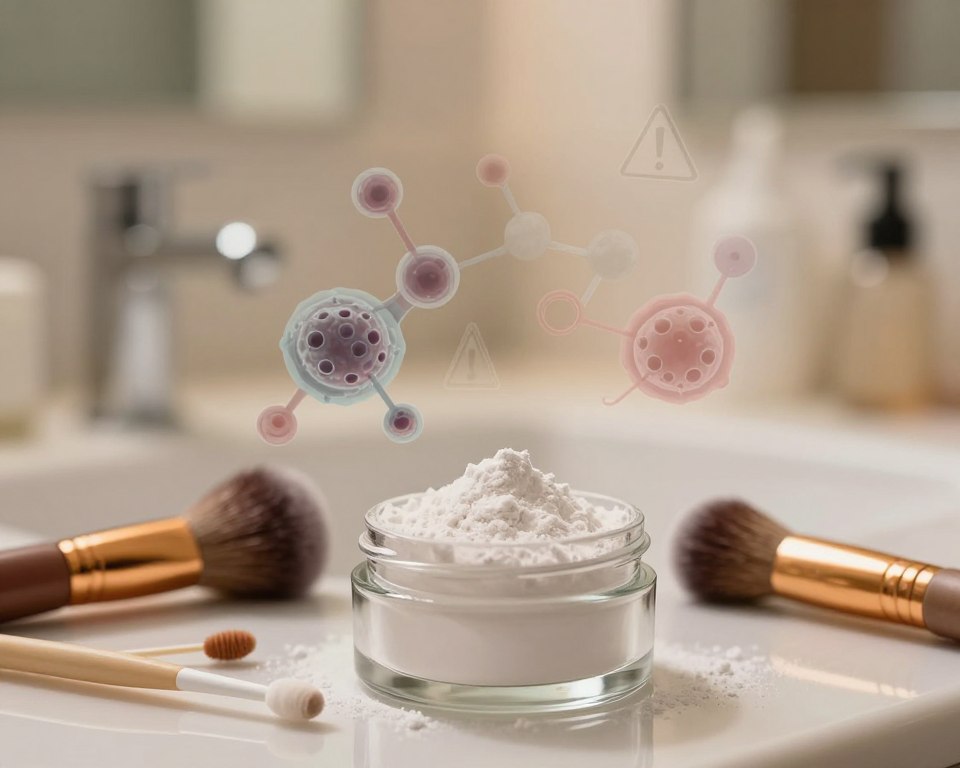
When looking into the link between talc and cancer risk, it’s key to know the difference between educational pictures and real medical evidence. Digital media can make things easier to understand, but it’s not detailed enough for medical choices. Online pictures should be seen as a first step in learning, not as a final say.
Disclosure Regarding AI-Generated and Digitally Enhanced Imagery
Some pictures on this site might be made by AI or enhanced to make them clearer. This editing helps show certain details better, but it’s not a replacement for a doctor’s check-up. We use these images just for educational purposes.
It’s crucial to remember that changing digital images can make skin look different. So, when looking at these pictures, keep in mind:
- Visual aids help with learning and understanding.
- AI images are for teaching, not as real evidence.
- Enhancements can change how things look.
Why Visual Aids Cannot Replace Clinical Dermatological Assessment
The info here is meant to help you, but it can’t take the place of a doctor’s opinion. If you’re worried about your skin or want to know about talc-free makeup, see a dermatologist. They can give you a real diagnosis that pictures can’t.
Don’t try to diagnose yourself or decide on treatments based on online images. If you think a product is causing a problem, talk to a doctor right away. Getting a professional check-up means your health choices are based on real medical facts, not just pictures.
The Importance of Professional Medical Consultation

Your health is unique, and it needs a personal touch from a doctor. Online resources are helpful, but they can’t replace a doctor’s insight into your health. If you’re worried about talc powder health risks or have skin issues, talking to your doctor is best.
When to Seek Advice for Skin Reactions or Concerns
It’s easy to get lost in health info online. If you see skin problems like rashes, it’s time to see a doctor. They can figure out if your symptoms are from products or something else.
“Professional medical consultation is the only reliable way to translate general safety data into actionable advice for your specific health profile.”
Make an appointment if you notice:
- Persistent or worsening skin inflammation after using powder-based products.
- Unexplained respiratory discomfort that coincides with your daily makeup application.
- Anxiety regarding long-term exposure based on your personal or family medical history.
Empowering Consumers Through Informed Decision-Making
Being informed means knowing science and getting doctor advice. Check out the FDA’s info on cosmetic ingredients to learn about safety standards. But remember, this info is for learning, not for personal health advice.
Before changing your routine, read our medical disclaimer to know what this info can and can’t do. Talking to a doctor helps you make choices that are right for you. Evidence-based care is key in today’s world of fast beauty trends.
Analyzing Industry Transparency and Labeling
Many people worry about mineral ingredients in products. There’s no law that makes companies test talc in beauty products before selling them. This means it’s up to you to check if products are safe.
How to Read Ingredient Lists for Hidden Talc
Ingredient lists can be hard to understand. Companies might use different names for the same thing. Look for magnesium silicate, talcum, or cosmetic talc on labels.
Checking a brand’s policies on mineral sources is smart. Some products might not list all ingredients clearly. Always choose brands that show what’s in their products on their websites.
“Transparency is not just a trend; it is the foundation of consumer trust in the modern beauty industry.”
The Shift Toward Third-Party Testing and Certification
More brands are testing their products to prove they’re safe. They use third-party tests to show their talc in beauty products doesn’t have harmful stuff like asbestos. These tests give you more confidence than just following rules.
When you shop, look for labels that show a product has been tested. These labels mean the product has been checked by experts. Choosing products with these labels helps you stay safe:
- Third-party lab reports: Find brands that share test results for each batch.
- Clean beauty certifications: Look for seals from groups that check supply chains.
- Purity guarantees: Choose companies that clearly talk about how they test for mineral purity.
Psychological Impact of the Talc Controversy
Dealing with the buzz around beauty products can be tough. The talc controversy cosmetics has caused a lot of stress for those who use these products every day. It’s hard to know what’s real and what’s not when health warnings spread fast on social media.
Managing Consumer Anxiety in the Age of Viral Health Claims
Viral health claims often skip the details needed to understand chemical safety. This can make people feel overwhelmed and worried about their beauty routines. To ease this worry, checking out the American Cancer Society for solid facts on mineral safety is a good idea.
Choosing products based on verified data instead of viral news helps. Just like checking if wood polish spray is safe, we should do the same with makeup. By focusing on studies, you can feel more in control of your beauty choices.
Balancing Precautionary Principles with Scientific Reality
The precautionary principle tells us to avoid risks, even if we’re not sure. But we also need to look at what science says. For example, the IARC says asbestos in talc is a known carcinogen. But this doesn’t mean all talc is bad.
It’s important to keep a rational perspective when looking at the talc controversy cosmetics world. Knowing the difference between a possible risk and a proven danger helps stop unnecessary fear. Here’s a table to help you tell the difference between emotional reactions and real science.
| Factor | Emotional Response | Scientific Reality |
|---|---|---|
| Information Source | Viral social media posts | Peer-reviewed clinical studies |
| Risk Assessment | Avoidance of all minerals | Evaluation of purity and exposure |
| Regulatory View | Distrust of all oversight | Adherence to FDA safety standards |
| Decision Making | Fear-based avoidance | Evidence-based risk management |
The Evolution of Cosmetic Formulation Standards
The beauty world is moving towards cleaner, clearer products. Rules and makers focus on strict tests to check if materials are safe. This change shows a big push for better health and trust in products.
Technological Advancements in Mineral Purification
New tech has made it easier to clean minerals for makeup. Advanced purification techniques help pull out what’s needed and get rid of bad stuff. This tech makes products more consistent than ever before.
This tech cuts down on bad stuff getting mixed in during making. Precision-driven manufacturing means every product is safe. So, old ways are being replaced by these new, precise methods.
Future Outlook for Talc-Free Beauty Trends
People want products with fewer, cleaner ingredients. This is pushing brands to make talc free makeup options. This trend is here to stay in making products.
More research shows the need for clear ingredients. Companies are looking for new, safe stuff. Plant-based or synthetic minerals are being used instead of old ingredients. It’s getting easier to find talc free makeup options as more brands follow these new standards.
| Feature | Traditional Standards | Modern Standards |
|---|---|---|
| Purification | Basic mechanical sorting | High-precision chemical refinement |
| Testing | Periodic batch sampling | Continuous, automated monitoring |
| Ingredient Focus | Cost-efficiency | Safety and transparency |
| Market Trend | Standard mineral use | Growth of talc free makeup options |
Practical Steps for Safer Makeup Application
Making small changes in your makeup routine can make a big difference. It helps keep products safe and reduces the risk of breathing in harmful particles. Even though makers follow strict talc safety regulations, how you use these products is key to staying healthy. By changing how you handle loose and pressed powders, you can make your beauty routine safer.
Minimizing Inhalation During Daily Makeup Routines
The main goal with powder makeup is to stop particles from getting into the air. Always apply your makeup in a well-ventilated area. This way, any dust that does get airborne can clear out fast, away from your breathing space.
Think about the tools you use. A dense brush is better than a fluffy puff because it sends less product flying into the air. Also, gently pressing the powder onto your face instead of sweeping it helps avoid making dust clouds.
Proper Storage and Hygiene for Powder-Based Cosmetics
Keeping your tools clean is as important as how you apply makeup. Wash your brushes often with a mild cleanser. This stops bacteria and oils from ruining your powders.
Always close your powder containers tightly when not using them. This stops dust from getting in. Storing them in a cool, dry spot keeps the formula stable. This way, you follow the talc safety regulations and protect your skin and health.
Conclusion
Understanding the talc controversy in cosmetics needs a focus on science, not just headlines. Today’s beauty products are made with safe, purified ingredients. This is thanks to new manufacturing standards.
Modern beauty products use pure, pharmaceutical-grade minerals. These are much safer than the old materials that caused worries. Look for brands that are open about their testing and ingredients.
Your comfort is key when choosing beauty products. If you’re unsure, try talc-free options. This way, you can match your products to your health goals.
Talking to a dermatologist can help if you have skin concerns. They can give you advice based on your needs. Making informed choices changes how you see the beauty world. Stay updated on new rules and standards to enjoy your favorite products safely.
FAQ
Is the talc used in facial cosmetics safe for daily use?
Yes, if it meets cosmetic-grade purity standards. Reputable brands use talc that is about 98% pure. Unlike baby powder, face talc is not linked to the same health risks.
How does the industry address the risk of asbestos contamination?
Talc and asbestos can be found together in the earth. To keep talc cosmetics safe, makers use special tests. These tests check for harmful fibers in the products.
Are there significant talc powder health risks associated with inhalation?
Loose talc powders can become airborne, causing irritation if breathed in a lot. To avoid this, use pressed powders or damp sponges with loose talc in well-ventilated areas.
What is the current scientific consensus on the talc and cancer risk?
Research on talc and cancer is still ongoing and has mixed results. Some studies link perineal talc to ovarian cancer. But, there’s no clear link to facial cosmetics yet.
How do US talc safety regulations compare to international standards?
The FDA watches over ingredients but can’t require testing before they hit the market. The European Union has stricter rules. But, the FDA has tested many products, like Clinique and MAC, to show they’re safe.
What are the most effective talc free makeup options available today?
“Clean beauty” brands offer great alternatives. Look for brands like BareMinerals, Honest Beauty, and Tower 28. They use cornstarch, rice powder, or mica instead of talc.
How can I identify hidden talc on an ingredient label?
Check for terms like talcum, magnesium silicate, or cosmetic talc on labels. Many brands now share lab results or certifications to prove their products are safe.
Should I be concerned about the psychological impact of the talc controversy?
It’s normal to worry about health claims on social media. But, focus on real data from experts and dermatologists. This way, you can make choices based on facts, not fear.