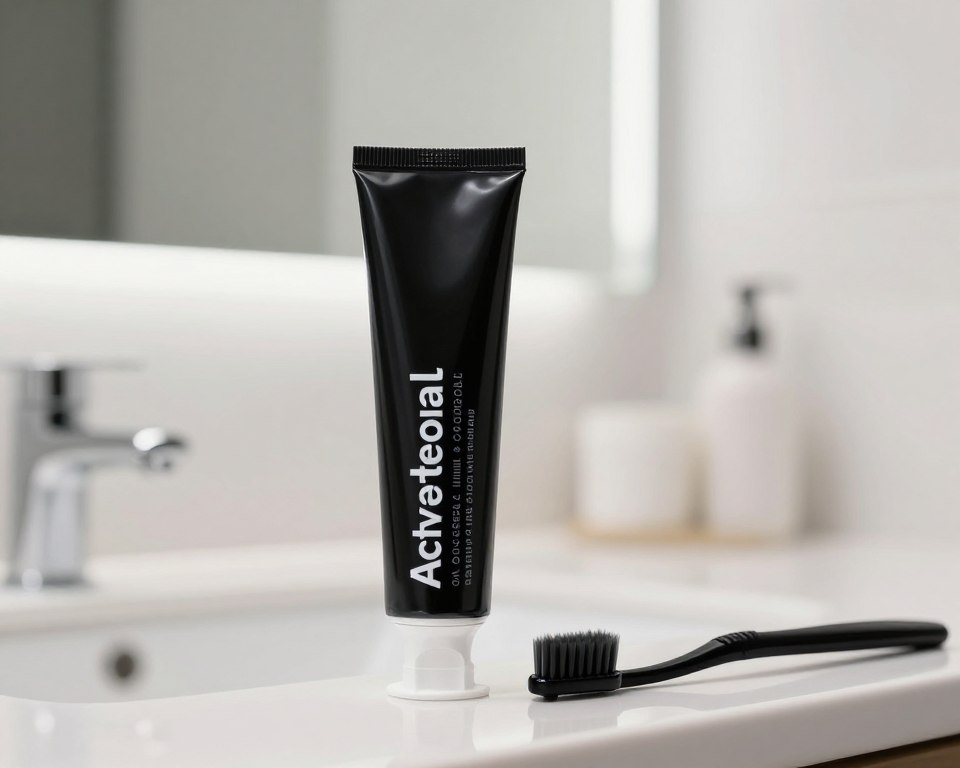
Did you know that the black powder in many oral care products is made by heating carbon-rich materials? This includes coconut shells, heated to 1,100 to 1,600 degrees Fahrenheit. This process makes a very porous substance, popular for whitening teeth.
As a pharmacist, I get asked a lot if these products are gentle on your teeth. Marketing often talks about natural ingredients, but we need to look closer. The main worry is the abrasive nature of the powder. It might wear down your teeth’s protective layer over time.
It’s important to think about the look of these products versus the risk to your teeth. This article aims to give you the facts to choose wisely for your daily routine.
Key Takeaways
- Charcoal is produced by heating carbon sources at extreme temperatures.
- Many whitening products rely on high abrasivity to remove surface stains.
- Frequent use may lead to the thinning of the protective tooth surface.
- Pharmacists recommend prioritizing products with proven clinical safety data.
- Consulting a dental professional is the best way to assess your specific needs.
The Rise of Charcoal in Oral Care Trends
The popularity of charcoal toothpaste has grown quickly in the beauty world. But, there’s not enough research to prove it’s safe for the long term. Activated charcoal has been used for years in different cultures. But, its use in daily oral care is mostly a new marketing idea.
This trend has become popular fast thanks to social media. People like the look of black toothpaste. They think natural ingredients are safer for their dental health.
Looking back, the American Dental Association (ADA) had doubts in the 1930s. They said charcoal-based products were not safe. They worried about the risk of damage to teeth.
Even with these warnings, today’s market is different. Evidence-based dentistry still values tooth health. But, many popular products don’t have the scientific backing dentists want.
It’s important to understand this trend for your own oral care. When trends outpace research, it’s up to you to choose wisely. Make sure you’re picking effective oral care, not just catchy branding.
Understanding the Abrasivity of Activated Charcoal
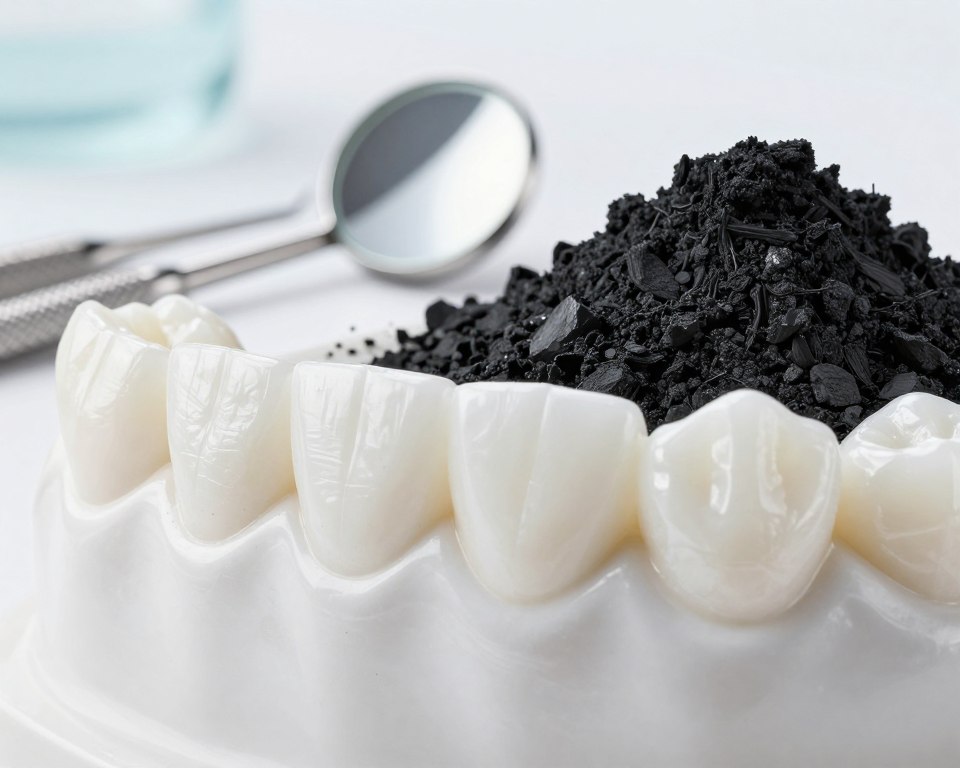
Charcoal’s role in oral care comes from its special structure. It’s made by heating carbon-rich materials to very high temperatures. This makes the surface area bigger and creates tiny pores to catch dirt.
Charcoal acts as a mechanical abrasive, not a chemical cleaner. In toothpaste, it uses friction to remove stains. Knowing how it works is key for keeping teeth healthy.
The Mohs Hardness Scale and Dental Enamel
Dentists use the Mohs Hardness Scale to check for damage. This scale shows how scratch-resistant different minerals are. Enamel, the tooth’s outer layer, is very hard, about a 5 on this scale.
Activated charcoal’s hardness can vary. If it’s harder than enamel, it might cause micro-abrasions. These small scratches can make teeth more prone to staining or sensitivity.
How Particle Size Impacts Enamel Integrity
The size of charcoal particles also matters for dental safety. Larger particles can be like sandpaper on teeth. Even if the material is soft, big particles make the toothpaste more abrasive.
Smaller, micronized charcoal is safer than coarse types. But, even small particles can be harmful if used too much. Brushing too hard can wear down the enamel, so be careful.
Is Activated Charcoal Toothpaste Safe Enamel?
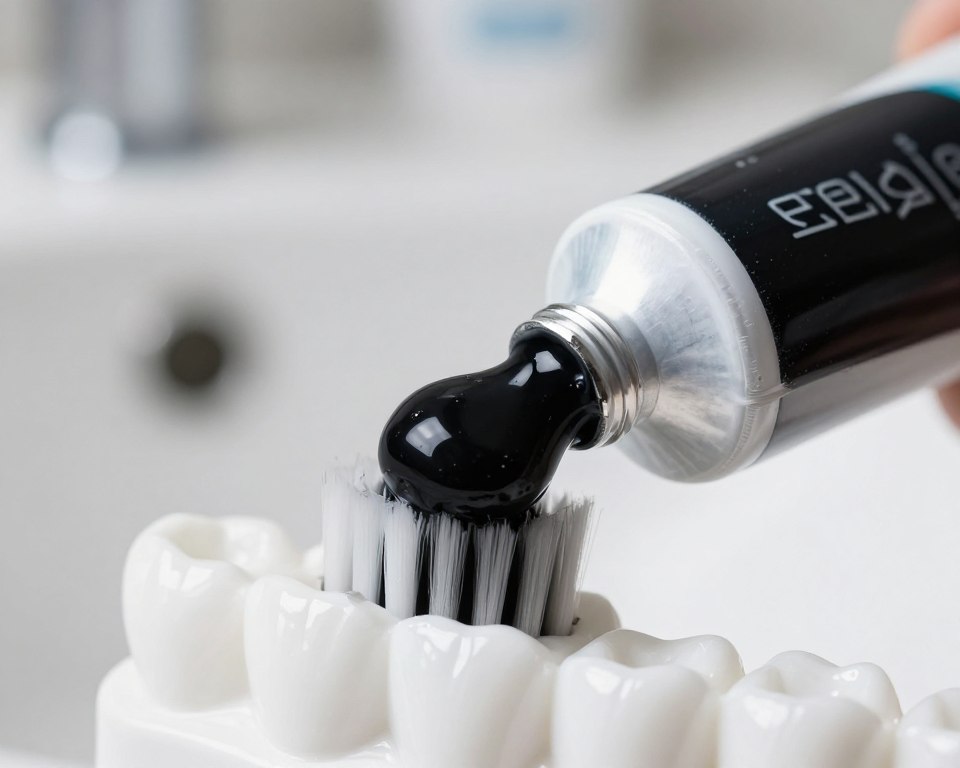
When we talk about activated charcoal toothpaste and enamel safety, we need to look at two things. First, how it cleans the surface. Second, if it wears down the enamel. Charcoal’s dark, porous nature is appealing, but the real question is if it harms the tooth’s outer layer.
Studies show that using charcoal-based toothpaste doesn’t change the enamel’s surface much. This is good news. But, it’s also key to know what happens when you brush your teeth every day.
The Mechanism of Surface Stain Removal
Activated charcoal works by adsorption. It pulls and holds onto stains from things like coffee and tobacco. This happens on the tooth’s surface.
Unlike harsh chemicals, charcoal doesn’t go deep into the tooth. It just pulls off stains. This way, it whitens without harming the tooth.
Distinguishing Between Whitening and Abrasion
It’s important to know the difference between whitening and abrasion. Whitening changes the tooth’s color from the inside. Charcoal, on the other hand, removes stains by scrubbing.
But, if the charcoal is too rough or you brush too hard, you might damage the enamel. Here’s a table to help you understand the differences.
| Method | Primary Action | Enamel Impact |
|---|---|---|
| Activated Charcoal | Mechanical Adsorption | Low to Moderate |
| Peroxide Whitening | Chemical Oxidation | Minimal (if used correctly) |
| Standard Abrasives | Physical Scrubbing | Variable |
Whether activated charcoal toothpaste is safe for your enamel depends on how often you use it and the product’s ingredients. While studies show it’s safe short-term, more research is needed for long-term use.
The Role of Clinical Judgment in Dental Health
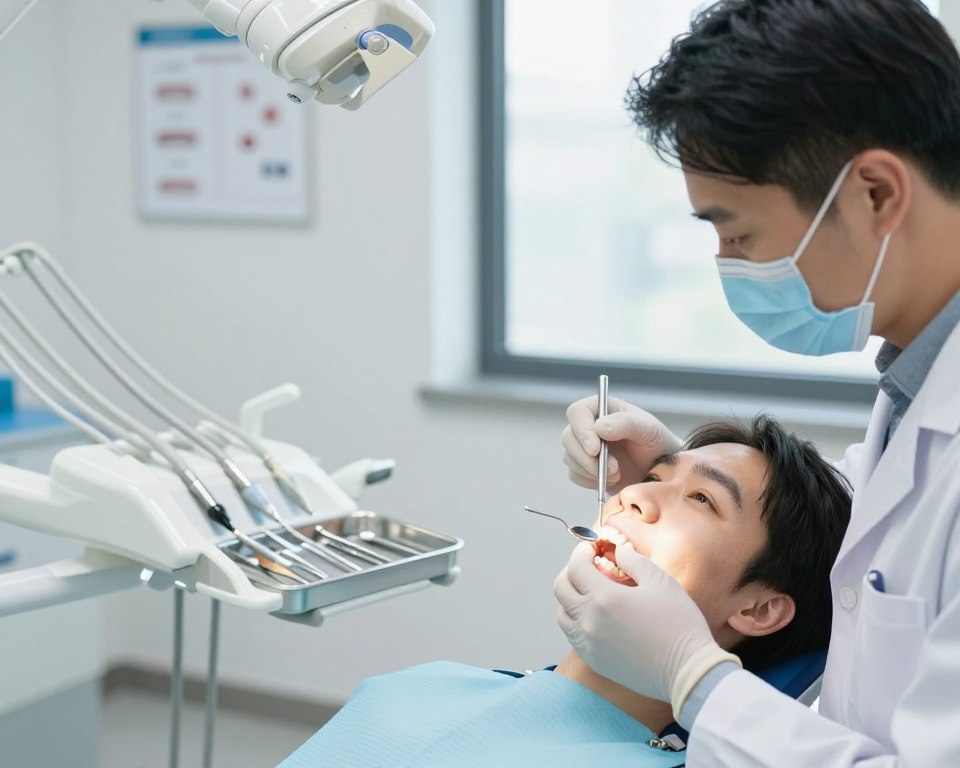
Your dental health is complex and needs a personal touch, not just generic promises. Online sites like safeortoxic.com give useful info, but they can’t replace a dentist’s eye in a clinical exam.
Why Professional Assessment Outweighs Marketing Claims
Ads for oral care products often use catchy words without real proof. They talk up benefits but hide the risks of certain ingredients or harsh textures.
Your dentist is the only one who can really check your enamel’s thickness and how sensitive it is. Getting a professional dental check is key because everyone’s mouth is different. It needs a plan that fits just right.
Limitations of Visual Aids and Digital Imagery
Digital ads often make dental problems look simpler to sell products. They use bright lights or editing to show quick fixes that might not work for everyone.
Remember, these visuals are just for a quick look and don’t give a real diagnosis. Getting advice from a dentist means your oral care is based on what you really need, not just how it looks in an ad.
Visual Disclosure and Educational Limitations
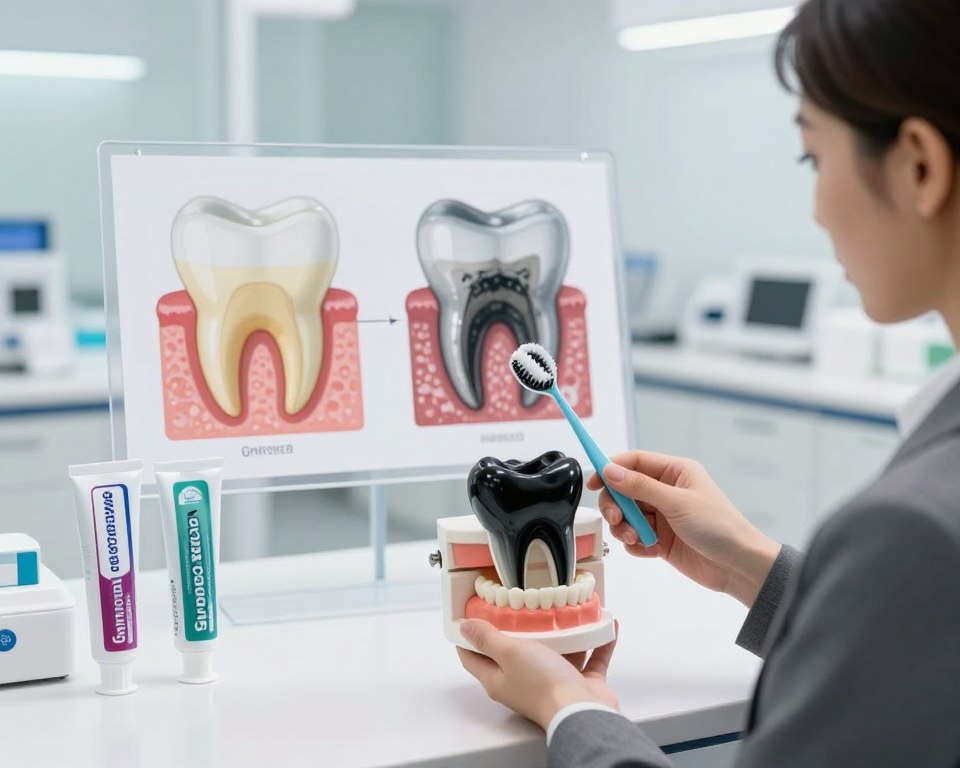
Not all visual content in medical education comes from traditional photography. We use different visual aids to explain complex dental concepts. These are for orientation and learning purposes only.
They help you understand how certain products or conditions might look. But they are not a definitive clinical record.
Understanding AI-Generated and Digitally Enhanced Imagery
We might use AI-generated or digitally enhanced imagery to improve clarity. This editing process makes specific features or textures stand out. But remember, such enhancements can change how dental lesions or surface textures appear.
These images are modified for educational impact. They do not replace a physical clinical examination. You should not rely on them to assess your oral health status. Clinical accuracy requires a direct evaluation by a licensed professional.
Why Visuals Are for Orientation Only
Visuals on this platform help with patient understanding and teaching. They are not for self-diagnosis or making treatment decisions. If you have dental health concerns, please see our medical disclaimer for guidance on interpreting health information.
Always consult a qualified provider if you notice changes in your enamel or gum tissue. Professional assessment is the only reliable way to ensure a product is safe for your dental needs. Relying on educational visuals instead of expert advice can lead to misunderstandings about your actual health needs.
Potential Risks of Long-Term Charcoal Use
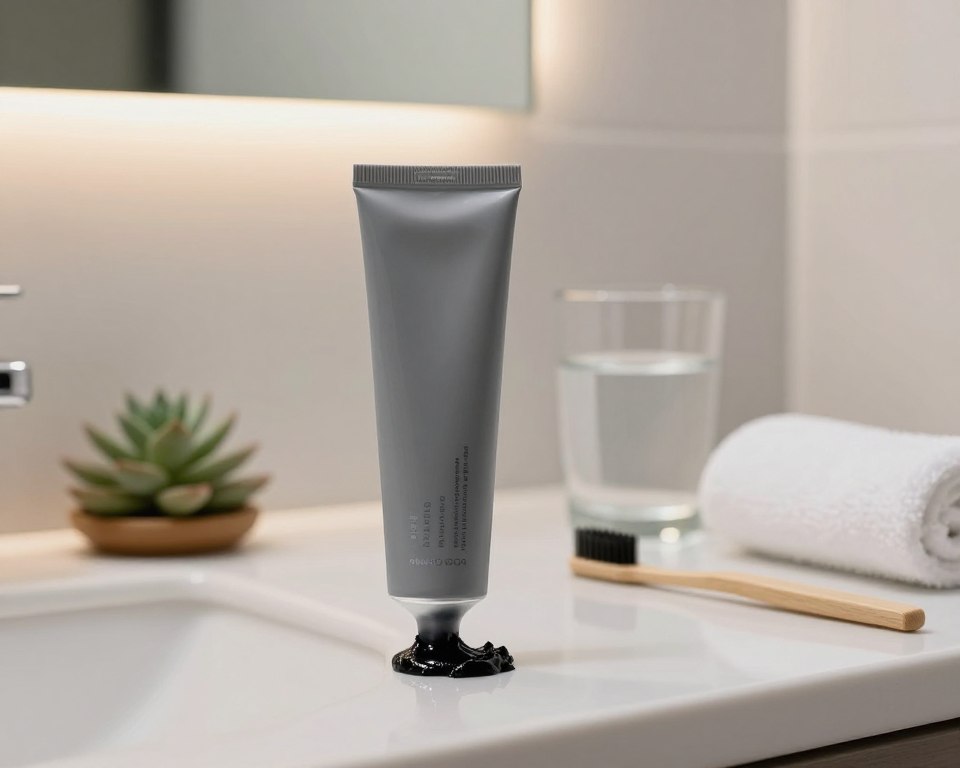
Using charcoal-based oral care products daily can harm your teeth’s structure. These products are known for whitening, but protecting your enamel is key. The abrasive particles in these products can wear down your teeth over time.
Micro-Abrasion and Enamel Thinning
Charcoal is very abrasive. Brushing with it can feel like sandpaper on your teeth. Using too much force while brushing makes things worse.
This action wears down your teeth’s outer layer. Once the enamel is gone, it can’t grow back. So, it’s important to brush gently and know how charcoal affects your teeth.
Increased Sensitivity and Dentin Exposure
When the enamel gets thinner, the dentin underneath is at risk. Dentin is softer and has tiny tubules that connect to your tooth’s nerves.
When these tubules are exposed, you might feel more pain from hot, cold, or acidic things. This is a sign that your tooth’s protective layer is gone. It’s crucial to protect your enamel to avoid this problem.
Evaluating Enamel-Friendly Charcoal Toothpaste Claims
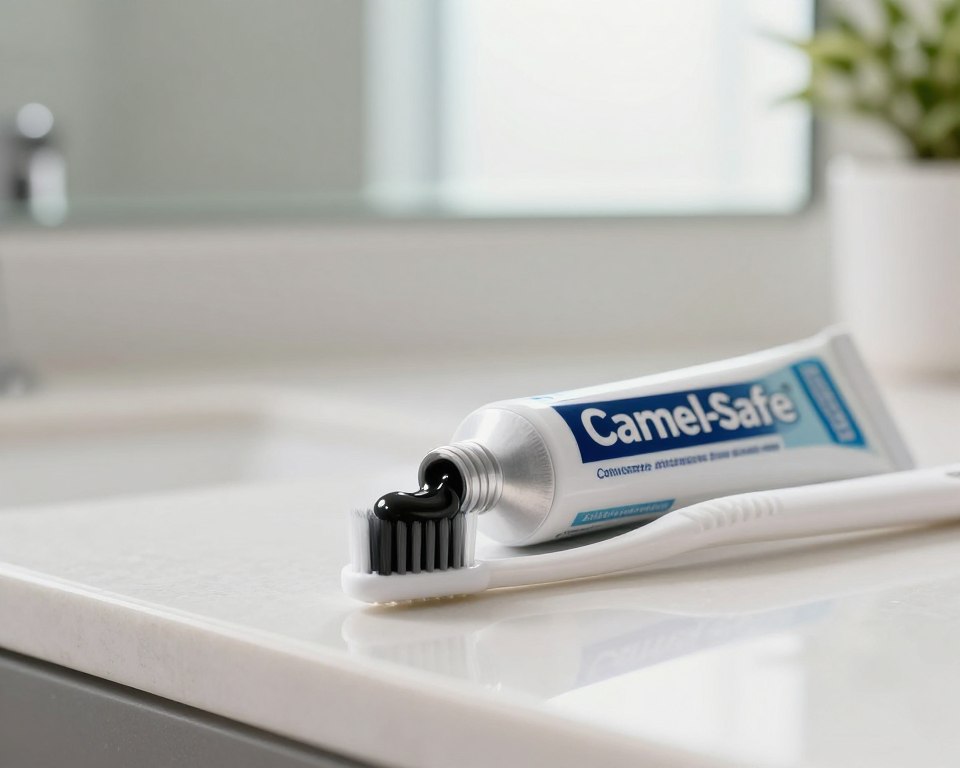
Choosing the best charcoal toothpaste for enamel safety means looking beyond the box. Many products promise a brighter smile but may harm your teeth. It’s important to check what’s in the paste, not just the label.
An enamel-friendly charcoal toothpaste needs careful review. Many charcoal formulas lack fluoride, which is key for strong teeth. Without fluoride, your teeth may be more at risk of decay and cavities.
Analyzing Ingredients Beyond Charcoal
Look closely at the ingredients in the toothpaste. Some products use harsh foaming agents or abrasive silica. These can damage your teeth more. A good enamel-safe activated charcoal toothpaste will have a balanced pH level.
Check for minerals like hydroxyapatite or calcium phosphate. These help protect your teeth from the abrasive nature of charcoal. If a product only has charcoal, it might not be safe for daily use.
The Importance of Relative Dentin Abrasivity (RDA) Values
The Relative Dentin Abrasivity (RDA) value shows how much a toothpaste wears down teeth. Most dentists recommend products with an RDA below 100. But, many charcoal products don’t list this value, making it hard for consumers to know the risk.
If a product doesn’t list its RDA, it’s best to avoid it. High-abrasion pastes can damage your teeth, causing sensitivity and yellowing. Always choose products that are open about their ingredients.
The Science of Enamel Remineralization
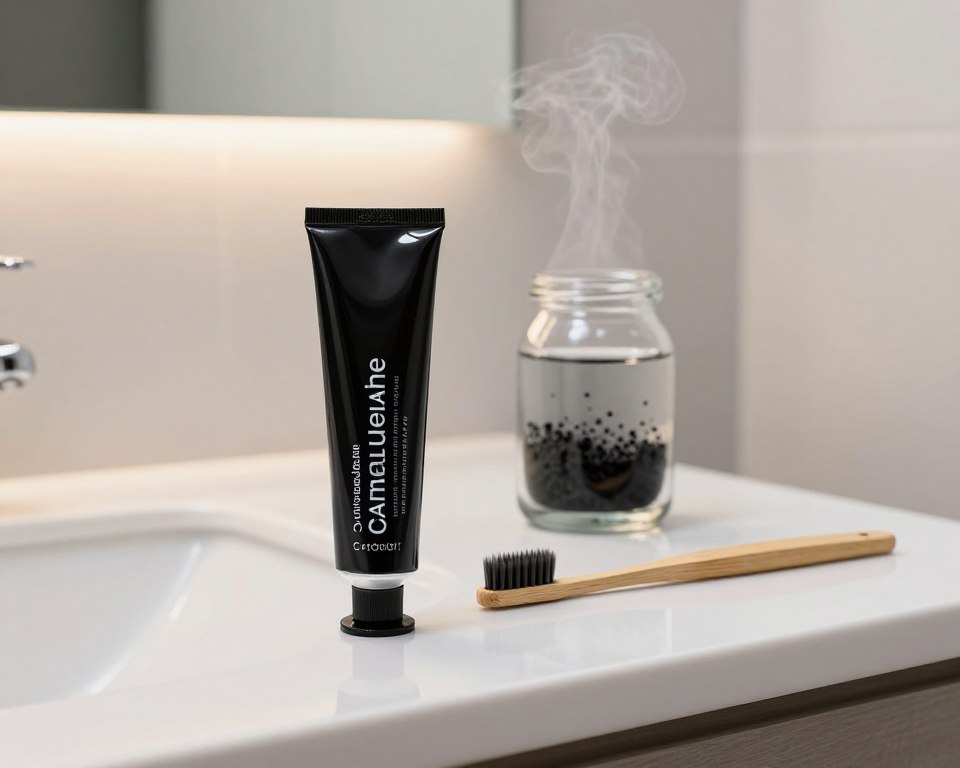
Remineralization is key to a healthy smile. It’s when minerals like calcium and phosphate go back into the enamel. This fixes early decay. As a pharmacist, I tell patients that toothpaste should strengthen and protect teeth, not just clean them.
Can Charcoal Toothpaste Support Enamel Health?
Many think charcoal toothpaste for enamel health is good. But, activated charcoal mainly scrubs teeth. It doesn’t help fix damage like we need.
Using only abrasive toothpaste can harm teeth. It might remove stains but also wear down the enamel. This makes teeth more sensitive and prone to decay.
“The goal of modern preventive dentistry is to maintain the structural integrity of the tooth, not just to achieve a temporary aesthetic change through aggressive mechanical action.”
Comparing Charcoal to Fluoride and Hydroxyapatite
Charcoal doesn’t compare to fluoride and hydroxyapatite. These ingredients really help teeth. They make the enamel stronger.
Here’s a table showing how these ingredients differ:
| Ingredient | Primary Function | Enamel Impact |
|---|---|---|
| Activated Charcoal | Mechanical Abrasion | Potential for thinning |
| Fluoride | Remineralization | Strengthens and repairs |
| Hydroxyapatite | Bio-mimetic repair | Restores mineral density |
When picking a toothpaste, choose one that helps repair teeth. Charcoal toothpaste for enamel health might not be enough. Look for toothpaste with fluoride or hydroxyapatite for better dental health.
Identifying Signs of Enamel Damage
Spotting early signs of enamel wear is key to keeping your teeth healthy for a long time. Since enamel can’t grow back, noticing small changes in your teeth is crucial. This way, you can change your cleaning habits before problems get worse.
Recognizing Early Symptoms of Tooth Sensitivity
Increased sensitivity to hot or cold drinks is a big sign of enamel loss. If you feel sharp pain when drinking something hot or cold, your enamel might be thinning. This happens because the dentin, which has nerves, is exposed.
Look out for other signs too. Enamel loss can make your teeth look yellowish. They might also feel smoother or thinner, or look a bit transparent near the biting area.
“The health of your enamel is the foundation of your entire dental well-being; once it is gone, it cannot be replaced by natural biological processes.”
When to Consult a Dentist Regarding Product Use
If you keep feeling pain or see changes in your teeth, it’s time to act. Stop using harsh products right away to avoid more damage. Using something that hurts will only make things worse.
See a dentist to figure out what’s wrong. They can tell if it’s just stains or real enamel loss. Catching problems early is the best way to keep your teeth healthy and avoid costly fixes later.
Navigating Marketing Hype vs. Dental Reality
The appeal of natural products can hide the real risks to dental health. Many people choose charcoal toothpaste for its natural look. But, the marketing often skips over the health dangers. It’s important to see beyond the trend and think about your teeth’s long-term health.
The Psychology of Natural Product Trends
People often think “natural” means safe or good. This thinking helps brands sell more by using natural ingredients. But, nature does not always mean safe in a dental sense.
Charcoal products often use this natural appeal to avoid detailed checks. It’s key to know why these trends happen:
- The “halo effect” where one good trait, like being natural, makes the whole product seem healthy.
- Influencers showing off quick results over long-term tooth health.
- The joy of using products that feel handmade or eco-friendly.
Evidence-Based Dentistry in the Age of Social Media
In today’s world, health tips spread fast but aren’t always true. Real dental science looks at what’s in products, not just what’s trending. For example, the government says charcoal might cause cancer, and some products have crystalline silica, which is also harmful.
Stick to scientific studies over social media for better oral health. When checking out new dental products, look for these:
- Clinical Validation: Are there independent studies on how it affects tooth enamel?
- Ingredient Transparency: Are all ingredients, including silica, listed clearly?
- Professional Consensus: Does the dental field recommend using this for daily care?
Choosing evidence-based dentistry helps keep your smile safe. Ignore the trends and pick what’s proven to be safe.
Best Practices for Safe Charcoal Toothpaste Usage
If you decide to use charcoal in your oral care, certain habits can protect your teeth. Many people like the look of these products, but it’s key to use safe-to-use charcoal toothpaste for enamel care. Being careful helps avoid damage from the abrasive nature of charcoal.
Frequency and Technique Recommendations
To avoid losing enamel, use charcoal products wisely. Experts say to use them no more than once or twice a week, not every day. This lets your enamel recover from the charcoal’s mild abrasive action.
How you brush is as crucial as the toothpaste. Always use a soft-bristled toothbrush to avoid scratches. Brush gently, as hard scrubbing can wear down your enamel faster.
Combining Charcoal with Other Oral Care Products
For charcoal toothpaste enamel care, mix it with other products. Don’t just use charcoal every day. Use a fluoride toothpaste, approved by the ADA, most of the time. This keeps your teeth strong.
Fluoride is key in keeping your enamel strong, even with charcoal. By switching, you get charcoal’s stain-fighting benefits and fluoride’s essential protection. This way, you keep your teeth healthy while trying new dental products.
When to Seek Professional Medical Evaluation
If you notice unusual changes in your mouth after using a new dental product, it’s best to get professional advice. Many people try natural products, but it’s key to watch how your body reacts. Knowing if charcoal toothpaste is safe for you means looking at your daily habits closely.
Identifying Severe Reactions and Oral Rashes
Reactions to oral care products can be subtle but serious. Look out for signs like redness or swelling in your gums. Sometimes, your mouth may get small rashes or patches that don’t go away after stopping the product.
It’s crucial to tell the difference between temporary sensitivity and an allergic reaction. Signs like burning, hives, or trouble swallowing mean you need to see a doctor right away. Don’t wait, as ignoring these symptoms can cause more harm.
Steps to Take After an Adverse Product Response
If you think a toothpaste or rinse is causing a problem, stop using it right away. Your safety is the top priority, and seeing a doctor is a must. Here’s what to do next:
- Discontinue use: Stop using the product to avoid more problems.
- Retain packaging: Keep the product and its ingredients for your doctor to look at.
- Document symptoms: Write down when the reaction started and any triggers you noticed.
- Consult a professional: Make an appointment with your dentist or doctor to talk about your symptoms.
“When in doubt, always prioritize a professional assessment over continuing a routine that causes physical discomfort. Your oral health is a window into your overall well-being, and it deserves expert attention.”
By keeping the product packaging, you help your doctor find out what might be causing the problem. A thorough evaluation by a healthcare expert ensures you can safely care for your teeth again.
The Impact of Charcoal on Dental Restorations
Charcoal toothpaste can be a problem for those with dental work. It’s marketed to whiten teeth, but it can harm artificial dental materials. This can affect how long your dental work lasts and how it looks.
Charcoal powder in toothpaste doesn’t just wash away. It gets into the tiny spaces between your teeth and dental work. This can cause hard-to-remove stains.
Risks for Crowns, Veneers, and Fillings
People with dental work should worry about stains. Charcoal is very abrasive. It can damage the surface of fillings or veneers over time. Learn more about dental materials to see why keeping surfaces intact is important.
If you have dental work, be aware of these risks with charcoal toothpaste:
- Permanent Staining: Charcoal can leave gray or black lines at the edges of crowns, hard to clean.
- Surface Degradation: Charcoal’s abrasiveness can dull veneers and fillings, making them stain more easily.
- Increased Maintenance: Charcoal particles in these areas may need a dentist to clean them out.
Those with a lot of dental work should be very careful with their toothpaste. If you see darkening around your dental work, stop using charcoal toothpaste. See your dentist right away.
Alternative Methods for Safe Teeth Whitening
Getting a brighter smile doesn’t mean harming your enamel health. Many people use trendy products, but evidence-based dentistry offers safer options. These methods avoid using harsh abrasion to keep your teeth strong.
Professional Whitening Options
The best way to brighten your smile is through professional whitening by a licensed dentist. They use hydrogen peroxide or carbamide peroxide to remove stains safely. These chemicals don’t harm the tooth’s outer layer like abrasive scrubs do.
Dentists can also give you custom trays for at-home whitening. This supervised approach makes sure the whitening is safe and effective. It also helps avoid gum irritation or tooth sensitivity. Professional care means a treatment plan made just for you.
Non-Abrasive Home Care Alternatives
For everyday care, there are non-abrasive options to keep your smile bright. Modern toothpastes use modified enzymes to gently remove stains. These toothpastes are safe for daily use and often have fluoride to strengthen teeth.
Choosing products with a low Relative Dentin Abrasivity (RDA) value is wise for enamel health. Opt for teeth whitening products that remove stains chemically, not physically. Using these gentle, evidence-based options will give you better results than harsh abrasion methods.
The Future of Charcoal in Oral Hygiene
Charcoal is still a big trend, but we need to move from marketing to real science. People want to know if activated charcoal toothpaste enamel benefits are real. But, we don’t have enough science yet. We’ll see more tests to make sure these products are safe and work well.
Ongoing Research and Safety Standards
Right now, we don’t know much about charcoal’s long-term effects on teeth. Scientists are trying to set up rigorous clinical standards. This will help tell the good products from the bad ones. Until then, dentists are careful about suggesting these products.
It’s important to keep up with new research to help your health. As studies come out, we’ll learn more about activated charcoal toothpaste enamel benefits. But, always talk to a dentist to find the best product for you.
Conclusion
Charcoal toothpaste’s appeal often comes from viral ads, not real benefits. Using harsh powders to whiten teeth can harm your enamel. Studies show that these risks can lead to long-term sensitivity and tooth wear.
For real oral health, focus on fluoride or hydroxyapatite. These ingredients help strengthen your teeth and protect them from daily damage. Choosing products that dental research supports keeps your routine safe and effective.
Your dentist is the top expert for advice on oral care. Talk to them about your whitening wishes at your next visit. This way, you can find safe and effective options that won’t harm your teeth. Making smart choices now helps keep your smile strong for years.
FAQ
Is activated charcoal toothpaste safe enamel for daily use?
Most dental professionals advise against daily use. Because of its abrasive nature, using it every day can lead to enamel thinning. It is generally recommended to limit use to once or twice a week to ensure activated charcoal toothpaste safe enamel practices.
What is the best charcoal toothpaste for enamel safety?
The best charcoal toothpaste for enamel safety is one that has a low Relative Dentin Abrasivity (RDA) score and includes fluoride or hydroxyapatite to help with remineralization. Brands that have the ADA Seal of Acceptance are generally a safer choice.
Does using charcoal toothpaste provide enamel protection?
No, charcoal itself does not provide protection. To achieve enamel protection charcoal toothpaste benefits, the formula must contain additional therapeutic ingredients like fluoride. Charcoal’s primary role is mechanical stain removal, not structural protection.
Are there any activated charcoal toothpaste enamel benefits?
The primary activated charcoal toothpaste enamel benefits are the removal of extrinsic (surface) stains from coffee, tea, and wine. It can make teeth appear brighter by cleaning the surface, but it does not whiten the tooth internally.
How can I find an enamel-friendly charcoal toothpaste?
To find an enamel-friendly charcoal toothpaste, look for “low abrasion” labels and check if the product contains remineralizing agents. Avoid boutique brands that do not disclose their RDA values or lack fluoride.
Is there a safe-to-use charcoal toothpaste for enamel that I can buy over the counter?
Yes, some mainstream brands like Crest and Colgate offer charcoal versions that are formulated to meet safety standards. Even a safe-to-use charcoal toothpaste for enamel should be used with a soft-bristled brush and gentle technique.
Why is charcoal toothpaste for enamel health a concern for dentists?
The concern regarding charcoal toothpaste for enamel health stems from the risk of micro-abrasion. Over time, scrubbing with charcoal can wear away the enamel, leading to tooth sensitivity and exposing the yellowish dentin underneath.
Can I use charcoal toothpaste if I have veneers or crowns?
It is generally discouraged. Charcoal particles can become trapped in the margins of dental work, causing grey staining. For those with restorations, seeking activated charcoal toothpaste enamel protection is less effective than using non-abrasive professional whitening alternatives.
What should I look for in charcoal toothpaste enamel care?
Effective charcoal toothpaste enamel care involves using a product as a supplement to, rather than a replacement for, your standard fluoride toothpaste. Focus on maintaining a healthy pH and minerals rather than relying solely on abrasives for whitening.