Did you know that common cosmetic sprays can release millions of microscopic particles into the air you breathe every morning? These products, like dry shampoo, use ingredients like corn or potato starch to refresh your hair. But, the way they are delivered can be a health concern.
As a pharmacist, I often get asked if it’s safe to inhale the mist from these hair care items. Many people think that because they can buy these products over the counter, they’re safe for your lungs.
But, using a dry shampoo aerosol needs a closer look at its chemicals and how they affect your lungs. This article looks into the long-term effects of daily exposure to these particles. It aims to help you make a smart choice for your hair care routine.
Key Takeaways
- Most hair refreshing sprays rely on inert starches to absorb excess scalp oils.
- Regular use of pressurized sprays can introduce fine particulates into your respiratory tract.
- Pharmacists recommend using these products in well-ventilated areas to minimize exposure.
- Long-term health impacts depend on the frequency of use and individual lung sensitivity.
- Evidence-based product selection is essential for maintaining your overall wellness.
The Rise of Convenience and the Hidden Cost of Aerosols
Convenience drives the use of dry shampoo, but is it safe to inhale during your morning routine? These products are popular for quick hair refreshment without water or soap. They use starches to soak up oil and sweat, making them great for busy lives.
But, how these products are delivered is key. The starch-based powders clean the scalp well. Yet, the aerosol system pushes these particles into our breathing zone. This raises concerns about the impact on our respiratory health.
Many think that just because a product is on a shelf, it’s safe. But, the hidden cost of aerosol propellants and fine powders is often ignored. When wondering if a dry shampoo spray safe to inhale, we must think about the particles released during use.
“The convenience of modern cosmetic aerosols often masks the reality that we are introducing fine particulate matter directly into our personal breathing space, which necessitates a more cautious approach to daily application.”
To understand the trade-offs, comparing hair maintenance methods is helpful. Here’s a table showing the main differences between common ways to apply:
| Application Method | Primary Benefit | Inhalation Risk | Ease of Use |
|---|---|---|---|
| Aerosol Spray | Speed and Volume | High | Very High |
| Loose Powder | Precision | Moderate | Moderate |
| Foam/Paste | Targeted Control | Low | Moderate |
Whether a dry shampoo spray safe to inhale depends on your sensitivity and how you use it. The industry focuses on efficiency, but users should be mindful of the particles they inhale. It’s important to balance grooming needs with respiratory safety for health-conscious consumers.
Understanding the Mechanics of Dry Shampoo Aerosol Safe Inhale
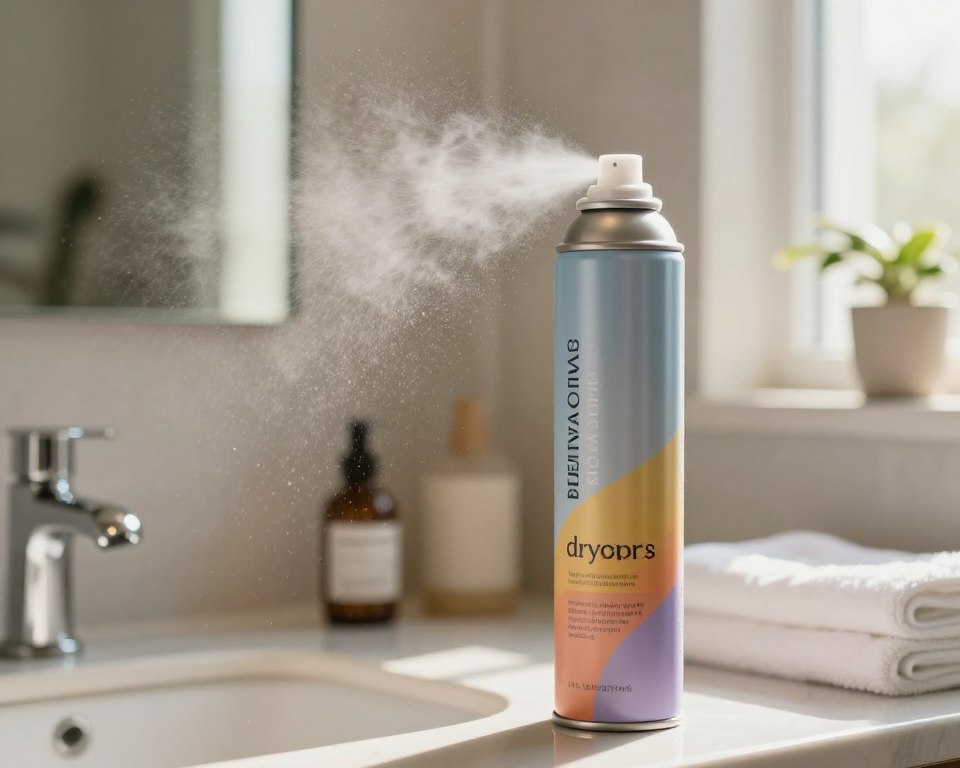
To know if a dry shampoo aerosol is safe to inhale, we need to look at how it works. These products use liquid propellants and fine powders to spray evenly. Knowing how they work helps us understand the risks of using them every day.
The Physics of Aerosolized Propellants
Inside the can, the propellants are liquids because of the high pressure. When you press the nozzle, the pressure drops. This makes the propellant turn into gas fast.
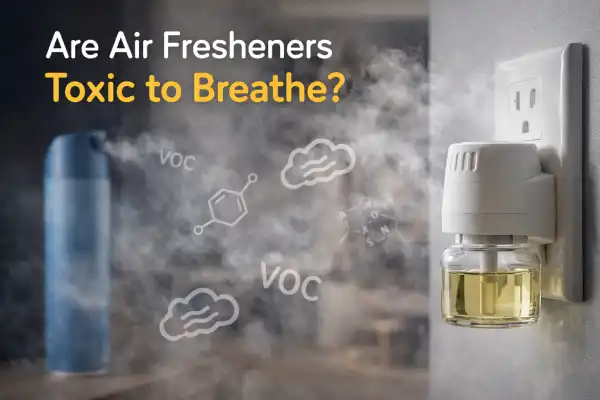
This gas then pushes the product out of the can, creating a mist. This process is like other sprays we use at home. Experts warn about the air quality in small spaces. They say it’s like wondering if is Lysol spray toxic to breathe.
How Fine Powders Interact with the Respiratory Tract
After the mist is released, the powders meant for hair become airborne. The size of these particles affects how they interact with our lungs. Larger particles stay in the upper airways, while smaller ones can go deeper.
Studies show that the safety of dry shampoo aerosol depends on the size of these particles. If they reach the lungs, they can cause irritation. Here’s how different sizes of particles affect our lungs.
| Particle Size | Respiratory Impact | Body Defense Mechanism |
|---|---|---|
| Large (>10 microns) | Trapped in nose/throat | Mucus and cilia clearance |
| Medium (2.5–10 microns) | Deposited in bronchi | Cough reflex and mucus |
| Fine ( | Deep lung penetration | Alveolar macrophage activity |
The design of the spray nozzle is key to the aerosol’s density. It’s important to remember that any fine mist can be risky if breathed in. So, good ventilation is crucial for safety.
Chemical Composition and Potential Respiratory Irritants
When we talk about safe inhalation dry shampoo, we need to look at the ingredients. These products are not just simple powders. They are complex mixes made for stability and shelf life. Knowing what’s in them is the first step to protect your lungs from harmful chemicals.
Common Propellants Used in Hair Care
Aerosol dry shampoos use liquefied gases to spray out. Propane, butane, and isobutane are common. They work well but can be flammable and harmful in closed spaces.
There’s also a risk of contamination. For example, benzene, a known cancer-causing agent, might be present. It’s important to know about these risks to use dry shampoo safely.
Fragrance Compounds and Volatile Organic Compounds
Dry shampoos often have strong fragrances to hide smells. These fragrances, or VOCs, can irritate the lungs of some people. When they’re sprayed, they can go deep into the lungs.
The Role of Talc and Starch Particles
Dry shampoo uses powders like talc or corn starch to soak up oil. While safe on the skin, they can be different when inhaled.
Inhaling these particles can cause lung inflammation over time. Below is a table showing common ingredients and their effects on the lungs.
| Ingredient Category | Common Examples | Primary Function | Respiratory Consideration |
|---|---|---|---|
| Propellants | Butane, Propane | Dispensing mechanism | Potential asphyxiant |
| Absorbents | Talc, Corn Starch | Oil absorption | Particulate irritation |
| Fragrances | Synthetic esters | Scent masking | VOC-related sensitivity |
| Contaminants | Benzene | Unintended byproduct | Carcinogenic risk |
Knowing what’s in your dry shampoo helps you choose better. Look for products with clear ingredient lists to keep your lungs safe.
The Science of Particulate Matter and Lung Health
Using an aerosol dry shampoo means you’re breathing in tiny particles. The safety of these products depends on how these particles affect your lungs. Knowing how these mists work is key to understanding their health effects.
Defining Respirable Dust and Particle Size
In the world of industrial hygiene, particles are sorted by size. This size determines how far they go into the lungs. Respirable dust is dust small enough to reach the lungs’ gas-exchange area, called the alveoli.
Looking for a non-toxic label is important, but so is the size of the powder particles. Particles over 10 micrometers get caught in the nose or throat. But, particles under 2.5 micrometers can sneak past these defenses and settle deep in the lungs.
The Body’s Defense Mechanisms Against Inhaled Particles
The human body has strong defenses against inhaled particles. These include:
- Mucus production: A sticky layer that traps dust and debris before it reaches the lungs.
- Cilia: Tiny, hair-like structures that move in a rhythmic motion to sweep trapped particles out of the airways.
- Macrophages: Specialized immune cells that engulf and clear particles that manage to reach the deep alveolar regions.
Even with these defenses, breathing in fine mists from an aerosol dry shampoo can still be harmful. When the amount of particles is too much for the body to handle, it can lead to chronic irritation or inflammation. It’s important to know these limits to protect your health from daily grooming habits.
Evaluating the Risks of Benzene Contamination in Sprays
When checking if dry shampoo gas safe breathe in, we must look at possible chemical contamination. Recent studies show that aerosol propellants might not always be pure. This raises big health worries for those who use them a lot.
Recent Industry Recalls and Safety Concerns
Personal care safety changed when Valisure, an independent lab, tested aerosol products. They found benzene in over 100 dry shampoo samples. This led to many recalls in the industry.
Benzene is harmful and can cause cancer. Its presence in products we apply to our scalps and breathe in is a big concern. This shows we need to be careful about what we use, like checking if multi-surface sprays are toxic for our homes.
Understanding Benzene Exposure Limits
The FDA sets a limit of 2 parts per million (ppm) for benzene in certain drug products. But, many think that for cosmetics, any benzene is too risky.
Even small amounts can build up with regular use. This makes it hard to know if a dry shampoo gas safe breathe in claim is true. Here’s a table with important info on benzene exposure and safety standards.
| Risk Factor | Safety Standard | Consumer Impact |
|---|---|---|
| Benzene Presence | Zero tolerance ideal | Potential carcinogen exposure |
| FDA Limit | 2 ppm (in specific cases) | Regulatory threshold for drugs |
| Inhalation Risk | High for aerosols | Direct respiratory absorption |
| Quality Control | Manufacturer dependent | Variable product purity |
The goal is to reduce exposure to harmful chemicals. Knowing about recalls and what’s in our products helps us avoid risks in aerosol hair care.
Short-Term Versus Long-Term Inhalation Consequences
Knowing how to inhale dry shampoo aerosol can safely means understanding the difference between quick reactions and long-term effects. Many people focus on the quick fix these products offer. But, the impact on your lungs changes based on how often and for how long you use them.
Immediate Reactions to Aerosol Exposure
When you first use aerosol hair products, you might feel an immediate physical response. You could start coughing, feel your throat get irritated, or have a tight chest. This happens because the tiny particles and propellants irritate the lining of your upper airways.
If the product has things like benzene in it, you might feel drowsy, have headaches, or feel nauseous. These signs are your body’s way of telling you that you’ve inhaled too much.
Chronic Exposure and Potential Lung Inflammation
Long-term use can lead to serious health issues. Even if a single mistake doesn’t bother you much, chronic exposure can cause long-lasting inflammation in your airways. This can weaken your lungs’ defenses and make them more vulnerable to harm.
To grasp the risks, let’s look at the differences between short-term and long-term effects. The table below shows the main differences between these two scenarios.
| Exposure Type | Primary Symptoms | Systemic Impact | Duration |
|---|---|---|---|
| Acute (Short-Term) | Coughing, throat irritation | Minor, localized | Minutes to hours |
| Chronic (Long-Term) | Persistent inflammation | Potential lung tissue damage | Months to years |
| Benzene-Related | Headache, nausea | Systemic toxicity | Variable |
To inhale dry shampoo aerosol can safely, use it less often and make sure you have good air flow. By doing this, you can lower the risk of long-term lung problems.
Vulnerable Populations and Pre-existing Respiratory Conditions
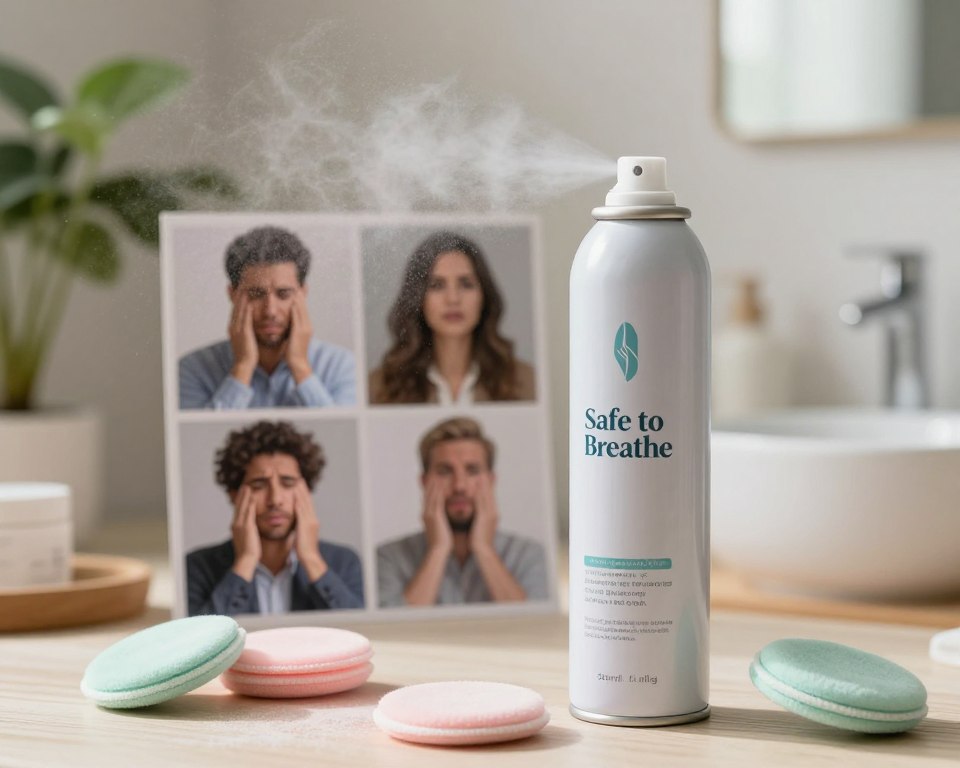
Not everyone reacts the same to dry shampoo, mainly those with sensitive lungs. Many people use these products without problems. But, some face bigger risks because of their health. Whether it’s safe to breathe in dry shampoo spray depends on your health.
Risks for Individuals with Asthma
People with asthma have airways that easily react to irritants. Aerosolized powders or chemicals can cause breathing problems. For them, the mist from dry shampoo is often not safe to breathe in dry shampoo spray.
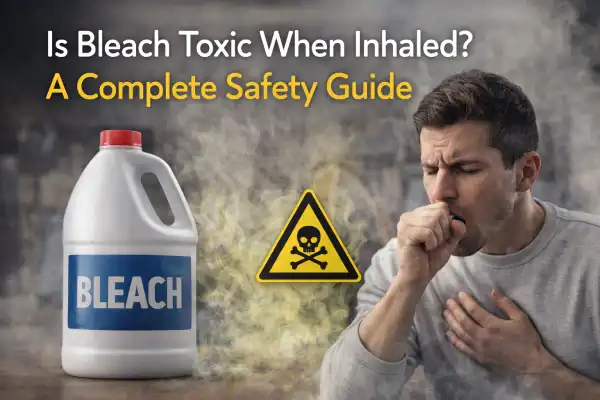
Aerosol particles can go deep into the lungs. If you’ve had breathing issues, be careful with these products. Knowing if is bleach toxic when inhaled is as important as checking your hair care routine for lung health.
Considerations for Those with Chemical Sensitivities
Dry shampoos can also affect those sensitive to chemicals. Ingredients like fragrances and surfactants can cause skin reactions and allergies. When these are in the air, they can irritate the throat or sinuses.
The table below shows common triggers and reactions for those at risk:
| Condition | Primary Trigger | Common Reaction |
|---|---|---|
| Asthma | Fine Particulate Matter | Wheezing or Coughing |
| Chemical Sensitivity | Fragrance Compounds | Skin Rash or Sneezing |
| Chronic Bronchitis | Aerosol Propellants | Increased Mucus Production |
If you’re at high risk, your health should come first. Always check the ingredients for allergens. Think if it’s safe to breathe in dry shampoo spray for you. Talking to a doctor can help you manage these risks better.
Best Practices for Minimizing Inhalation During Application
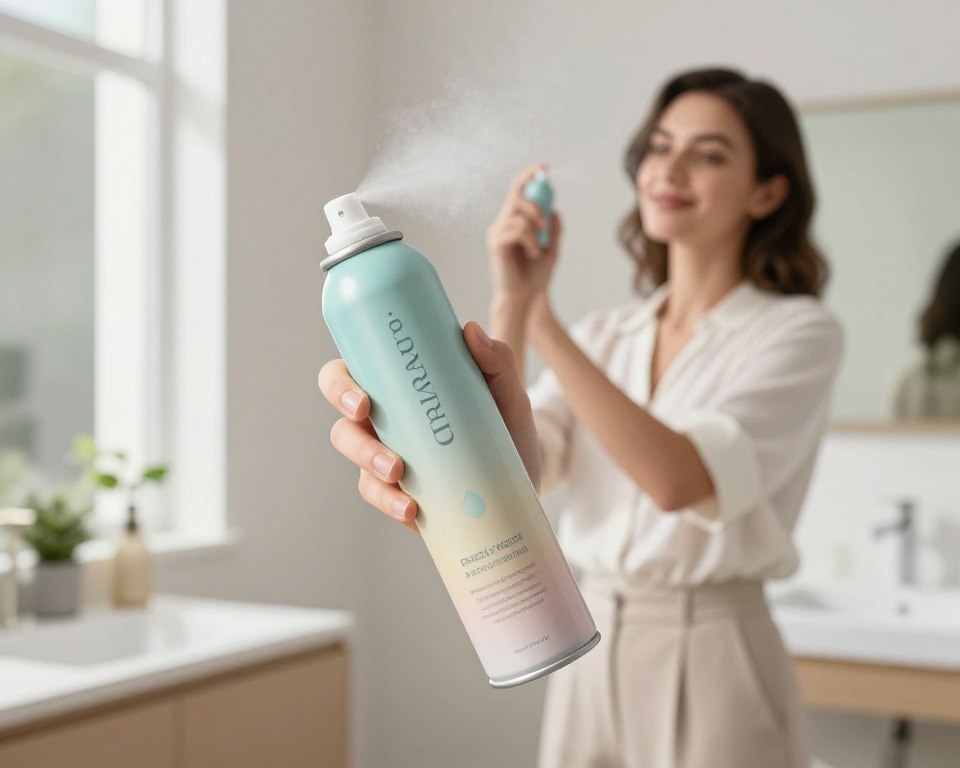
Making a few simple changes can greatly reduce the amount of chemicals you breathe in. Many people think their favorite products are safe, but it’s important to know how to use dry shampoo spray safely. By controlling your environment and how you apply the product, you can avoid breathing in harmful particles.
Ventilation Strategies for Bathroom Use
The bathroom is a small, closed space where particles can stay in the air. Always turn on the exhaust fan before styling. If there’s no fan, open a window or keep the door open for better air flow.
Good air flow helps spread out harmful particles. Be careful of other products in your space, like essential oil diffusers. Keeping your area clean of extra aerosols helps avoid breathing in too many chemicals.
Techniques to Direct Spray Away from the Face
How you hold the can is key. Keep at least 8 to 10 inches from your scalp to avoid a cloud of spray. Tilt your head or turn away from the nozzle while spraying.
Experts say to hold your breath for a few seconds when spraying. This helps you inhale dry shampoo aerosol can safely by avoiding the strongest part of the spray. If you’re worried about things like benzene contamination, staying away from the spray is a good idea.
If you get symptoms like coughing or shortness of breath after using these products, get help. Use the webPOISONCONTROL online tool or call 1-800-222-1222 for advice.
| Application Habit | Risk Level | Recommended Action |
|---|---|---|
| Spraying in small, closed rooms | High | Open windows or use fans |
| Holding nozzle close to face | High | Maintain 10-inch distance |
| Breathing during application | Moderate | Hold breath briefly |
| Facing the spray directly | High | Turn head away from nozzle |
Alternatives to Aerosol Sprays for Safer Hair Care
Finding a safer dry shampoo is now easier thanks to new, non-pressurized formulas. Many people are moving to products that don’t use harmful chemicals. This way, you can look refreshed without worrying about your health.
Powder-Based Dry Shampoos
Powder-based dry shampoos are a simple alternative to aerosol cans. They come in shaker bottles or containers with a puff. This makes it easy to apply directly to your scalp without inhaling mist.
These powders use natural ingredients like cornstarch and clay to soak up oil. They’re great for a quick hair refresh. But remember, they can’t replace regular shampoo for a full clean.
Foam and Paste Alternatives
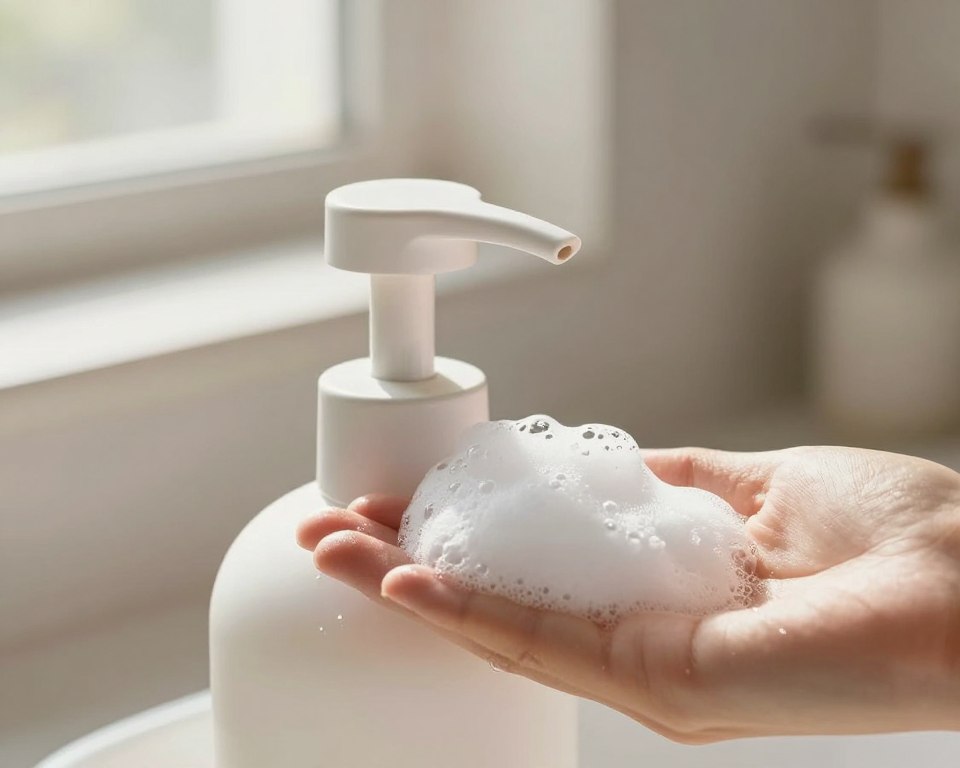
Foam and paste dry shampoos offer a different feel. You apply them as a liquid or cream to your hair roots. Since they don’t spray, they’re safer to breathe in.
Foams are good for those who don’t like messy powders. They dry fast and leave little residue. Switching to these options helps you control how much you use and keeps your airways safe.
Regulatory Oversight and Industry Safety Standards
The U.S. cosmetic regulation is a mix of government watch and company responsibility. Many think all products are tested by the government, but it’s not that simple. Knowing this helps those who care about aerosol dry shampoo non-toxic inhalation safety.
The Role of the FDA in Cosmetic Safety
The Food and Drug Administration (FDA) watches over cosmetics, but its power is different from drugs. It looks for safety issues and can act against bad products. Crucially, the FDA warns against benzene in products.
Even with these rules, the FDA doesn’t always check products before they hit the shelves. This means companies often test their own products. It’s important for consumers to know the FDA acts after problems arise.
Manufacturer Responsibility and Ingredient Transparency
Companies must make sure their products are safe, like avoiding benzene. They need to test each batch and keep quality high. Being open about what’s in their products helps build trust.
Consumers can ask for better by checking ingredient lists and looking for safety stamps. When companies share everything, people can choose wisely. This pushes the industry to be safer.
Visual Aids and Educational Limitations in Health Reporting
When we talk about the safety of a breathable dry shampoo aerosol, visual aids are key. They make complex respiratory data easy to understand for everyone.
Understanding the Role of AI-Generated Illustrations
We use graphics, including AI images, to explain complex ideas about breathing in chemicals. These pictures are made clearer to help our readers learn better.
By focusing on certain details, we make hard-to-understand info easier to grasp. But remember, these images are meant to simplify, not replace medical advice.
Why Visuals Are for Orientation Only
These visuals are just for learning and not for medical proof. They help teach and understand, not replace doctor visits.
Don’t use these pictures to guess your health or decide on treatments for a breathable dry shampoo aerosol. Always get advice from a doctor for your health and safety.
Interpreting Clinical Data Versus Illustrative Content
It’s key to tell apart real clinical data from just pictures or videos. Digital media is great for learning, but remember, pictures can’t replace a doctor’s diagnosis. Accurate health perspectives come from knowing what information is trustworthy.
The Difference Between Educational Graphics and Clinical Evidence
Many pictures and videos online, like those made by AI, aim to make hard topics like non-toxic dry shampoo aerosol inhalation easier to grasp. They show how things work but aren’t real proof. Educational graphics help us understand but don’t replace real medical studies.
Remember, these digital pictures are made to be clear and simple. They might make things look too easy, which isn’t always true. Always look for real medical studies to check if a product is safe.
Avoiding Self-Diagnosis Through Digital Media
Using online info to figure out health issues can cause big misunderstandings. Everyone’s health is different, and what works for some might not work for you. Professional medical evaluation is the only sure way to know what’s going on with your health.
We suggest using our resources as a starting point for talking to your doctor. Ask your doctor about non-toxic dry shampoo aerosol inhalation to make sure your health choices are right for you. Don’t try to guess your health problems yourself, as it can cause delays or worry.
When to Seek Professional Medical Evaluation
Knowing how your body reacts to hair care products is key for good health. Many think dry shampoo gas safe breathe in is always safe. But, everyone’s body is different. Paying attention to your body’s signs helps you choose safer products.
Identifying Signs of Adverse Respiratory Reactions
If you cough, wheeze, or feel tight in your chest after using a product, it’s serious. These signs might mean your lungs are reacting to something. Don’t ignore these signs, if they keep happening.
The table below shows when irritation is just that, and when it’s time to see a doctor:
| Symptom Type | Mild Irritation | Severe Reaction |
|---|---|---|
| Respiratory | Occasional sneezing | Persistent wheezing |
| Physical | Itchy throat | Difficulty breathing |
| Duration | Short-lived | Lasting over 24 hours |
Consulting Healthcare Providers for Persistent Symptoms
Tell your doctor everything about your product use. This helps them figure out if you’re reacting to something. If you’ve used products recalled by Unilever, tell them. This is important for your doctor’s advice.
“Your health is the priority, and professional guidance is the safest path forward when you suspect an adverse reaction to any cosmetic substance.”
Using inhaling dry shampoo safely means knowing when to stop and get help. If you get rashes, skin problems, or breathing issues, see a doctor. Early action helps avoid long-term problems and keeps you safe.
Conclusion
Modern hair care is convenient, but it’s important to think about our health. Choosing a breathable dry shampoo aerosol means looking at safety and what’s in it. Brands that test their products well are the safest choice.
To use dry shampoo safely, use it in a well-ventilated area. Or, try non-aerosol options to cut down on chemicals. These steps help keep your lungs safe from harmful particles and chemicals.
If you have health issues or want safer products, watch the ingredient labels closely. If you keep getting sick, see a doctor to check for allergies. Making smart choices about grooming is key to a healthy home.
FAQ
Is dry shampoo aerosol safe to inhale on a daily basis?
Occasional use is generally safe for healthy people. But daily use is not recommended. Regularly breathing in fine particles and VOCs can irritate your airways. For a safer experience, use dry shampoo in a big, open room with good airflow.
How can I ensure my dry shampoo spray is safe to inhale?
No aerosol spray is completely safe to breathe. But you can lower the risk by picking benzene-free products and using them in well-ventilated areas. To safely use dry shampoo aerosol, spray it on your hair and then leave the room for a few minutes. This lets the particles settle before you go back in.
Are there specific brands that offer a non-toxic dry shampoo aerosol inhalation option?
Many brands are now making safer products. Look for “fragrance-free” or “natural propellant” labels. But for the safest option, use manual powder dispensers. They don’t use harmful gases like butane or propane.
Is it safe to breathe in dry shampoo spray if I have asthma?
People with asthma should be very careful. The fine particles and strong fragrances can trigger breathing problems. It’s not safe for them to use dry shampoo sprays. They should switch to paste or loose powder instead.
Is there such a thing as a breathable dry shampoo aerosol?
Marketing terms like breathable dry shampoo aerosol can be misleading. All aerosolized powders create “respirable dust” that can enter the lungs. The term usually refers to the “feel” of the product on your hair, not its safety for your lungs.
What should I look for to ensure a dry shampoo gas is safe to breathe in?
Look for clear labeling. While common propellants like isobutane are standard, avoiding benzene contamination is key. To ensure the dry shampoo gas is safe to breathe in at minimal levels, check for recent third-party laboratory reports or brand certifications regarding purity.
Can I practice safe inhalation of dry shampoo by wearing a mask?
While a good mask might filter out starch particles, it might not catch all VOCs or chemical propellants. The best way to safely use dry shampoo is to prevent inhalation through proper technique and ventilation, not by relying on masks in the bathroom.
What are the best tips for inhaling dry shampoo safely during a busy routine?
If you must use an aerosol, spray it on your hair and then leave the room for a few minutes. This allows the particles to settle before you re-enter. It’s the most effective way to safely use dry shampoo aerosol.