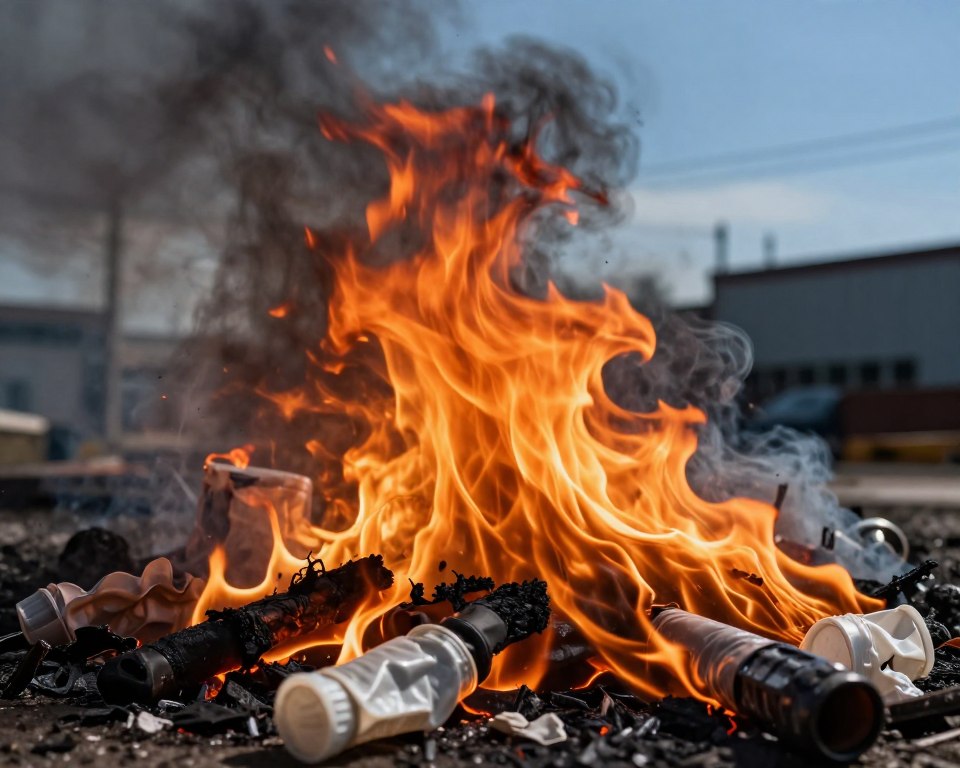
Did you know that burning household waste can release over 70 chemicals into the air? As a pharmacist, I often get asked about safe ways to get rid of trash. Many think burning it at home is okay, but it’s actually very dangerous.
When we burn plastics at home, they don’t just disappear. They release hazardous particulates and gases that are bad for our health. Understanding these chemical mechanisms is key to keeping our families and the environment safe.
This article will show why doctors and environmental experts say don’t do it. We’ll look at the health risks of these emissions. And why it’s best to leave waste management to the pros.
Key Takeaways
- Low-temperature incineration releases harmful chemical compounds into the air.
- Household disposal methods lack the filtration systems found in industrial facilities.
- Exposure to these emissions can lead to acute respiratory and systemic health issues.
- Synthetic materials contain additives that become dangerous when heated.
- Professional waste collection is the safest method for managing synthetic refuse.
The Chemical Reality of Burning Plastic
Burning plastic is more than just getting rid of waste. It’s a complex chemical reaction that creates harmful pollutants. When synthetic polymers heat up, they don’t just disappear. Instead, they break down into toxic chemicals from burning plastic that fill the air.
These pollutants include dangerous substances like dioxins, furans, mercury, and PCBs. These compounds are persistent and don’t break down quickly. They also build up in living things over time, posing health risks.
It’s important to understand the chemicals involved to see the dangers of burning plastic. Doing so creates a concentrated source of environmental pollution. Below is a table showing some key pollutants and their effects.
| Chemical Class | Persistence | Primary Risk |
|---|---|---|
| Dioxins | High | Carcinogenic effects |
| Furans | High | Endocrine disruption |
| Mercury | Permanent | Neurological damage |
| PCBs | Very High | Toxic chemicals from burning plastic |
These pollutants don’t stay near the fire. They get into soil and water, affecting the food chain. Professional awareness is key to better waste management.
Is Burning Plastic Toxic: A Scientific Perspective
Experts agree that Is Burning Plastic Toxic is a big yes. Burning synthetic materials is not just annoying; it’s harmful. It can cause long-term health problems by introducing harmful chemicals into our blood.
Smoke from burning plastic might not seem bad at first. But the tiny particles it contains can cause serious health issues. These particles can get deep into our lungs, causing damage that’s hard to see.
The health risks of burning plastic are serious. When we breathe in these fumes, we’re exposed to harmful chemicals. This is similar to the dangers of inhaling toxic substances, like those found in bleach.
So, why is Is Burning Plastic Toxic such a big deal? It’s because it can harm our bodies in many ways. Here are some of the health problems it can cause:
- Systemic Inflammation: It can make our immune system work too hard, leading to inflammation all over the body.
- Cellular Damage: The tiny particles can cause damage to our cells, leading to genetic changes over time.
- Pulmonary Compromise: It can make our lungs less efficient, making it harder to breathe.
In conclusion, burning plastic is harmful and should be avoided. By choosing safe ways to get rid of waste, we can protect our health.
Common Types of Plastic and Their Combustion Byproducts
The type of plastic resin affects the pollutants released when it burns. Different plastics have unique chemicals and polymers, leading to different toxic profiles when heated. Knowing these differences is key to understanding the dangers of burning plastic at home.
Polyethylene and Polypropylene Emissions
Polyethylene (PE) and polypropylene (PP) are common in household waste. They mainly release carbon dioxide and water vapor if burned completely. But, in open fires, they can also release harmful particles and carbon monoxide.
These emissions can irritate the lungs and worsen air quality nearby. Even though they seem less complex than other plastics, burning them at home is still risky for health.
The Dangers of Polyvinyl Chloride (PVC) Combustion
Polyvinyl chloride (PVC) is known for its toxic chemicals when burned. The chlorine in PVC creates harmful compounds like dioxins and furans. These pollutants can stay in the body for a long time.
Being exposed to these byproducts is a big concern. Even a little PVC can make the smoke very toxic. It’s better to throw these materials away through official channels to avoid pollution.
Polystyrene and Styrene Exposure Risks
Polystyrene is used in food packaging and foam. Studies show it’s a big source of air pollution when disposed of. In fact, one study found that 90% of black carbon from burning waste comes from two plastics: polyethylene terephthalate and polystyrene.
Burning polystyrene releases styrene, which can harm the brain and lungs. The persistent nature of these emissions makes it important to avoid burning such materials. The table below shows the main risks of common plastic resins.
| Plastic Type | Common Source | Primary Combustion Risk |
|---|---|---|
| Polyethylene (PE) | Bottles, bags | Particulate matter, carbon monoxide |
| Polyvinyl Chloride (PVC) | Pipes, siding | Dioxins, furans, hydrochloric acid |
| Polystyrene (PS) | Foam, containers | Styrene, black carbon, soot |
| Polypropylene (PP) | Caps, containers | Volatile organic compounds |
Respiratory Health Impacts of Inhaling Plastic Fumes
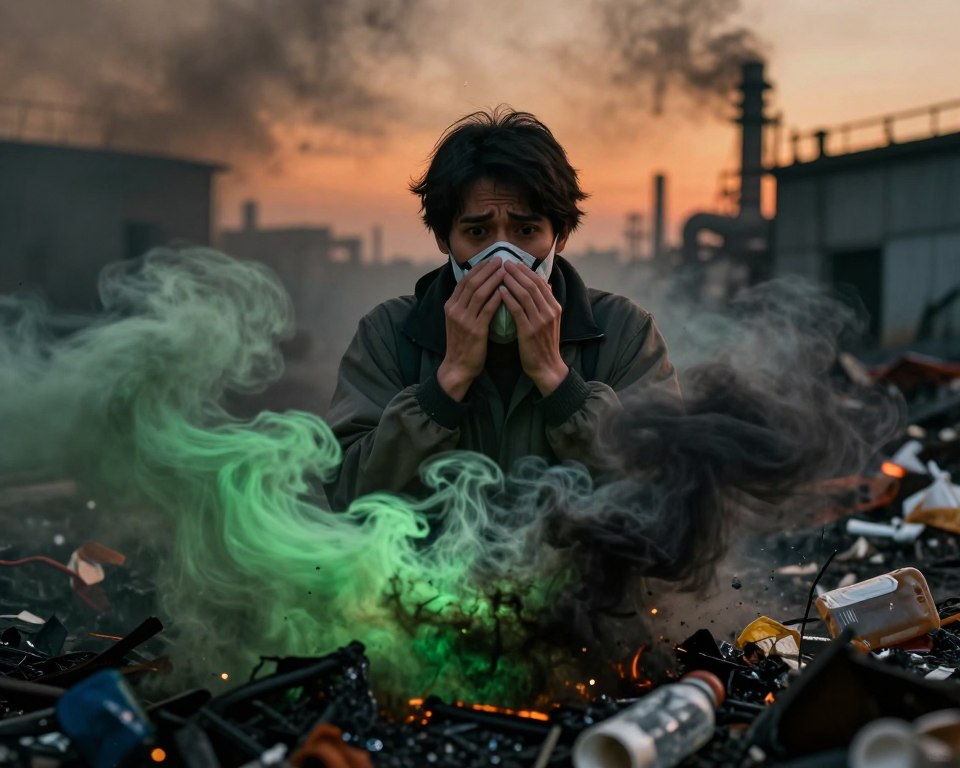
When plastic burns, it releases harmful gases that hurt the lungs. These burning plastic health effects are not just minor irritations. They are serious threats to the lungs. It’s important to understand how these gases affect our bodies to avoid the dangers of burning plastic.
Acute Irritation and Immediate Symptoms
Inhaling smoke from plastics can cause immediate lung problems. People often feel their airways get irritated, cough, and in bad cases, their airways can tighten up. This is similar to the dangers of harmful fumes from burning plastic, which can overwhelm our body’s defenses.
A 2016 study showed how serious this issue is. It found that 68% of people living near the Deonar dump had lung problems. Only 22% of those farther away had similar issues. This shows a clear link between being near burning waste and getting sick.
Long-term Pulmonary Consequences
Long-term exposure to these toxins can damage lungs permanently. People with lung problems like asthma or COPD are at a higher risk of getting worse. Constantly breathing in these particles can make lungs work less well over time.
The table below shows how respiratory symptoms get worse with more exposure to these toxins:
| Exposure Level | Primary Symptoms | Clinical Risk |
|---|---|---|
| Occasional | Throat irritation, coughing | Low (Reversible) |
| Frequent | Wheezing, chest tightness | Moderate (Inflammatory) |
| Chronic | Reduced lung function, fibrosis | High (Permanent) |
In the end, the long-term effects of harmful fumes from burning plastic can cause permanent lung damage. To protect our lungs, we must avoid burning plastic in any setting.
The Role of Dioxins and Furans in Environmental Toxicity
Dioxins and furans are among the most harmful toxic chemicals from burning plastic in our world. They are not made on purpose but happen when plastic burns incompletely. Because they don’t break down quickly, they stay in the environment for a long time.
The environmental impact of burning plastic is often overlooked. The harm builds up over time, not right away. These toxins settle on surfaces and get into the soil and water, harming wildlife and crops. Like the dangers of dishwasher pod residue on dishes, these chemicals pose a hidden risk to our health over time.
Bioaccumulation in the Food Chain
After dioxins and furans get into the environment, they start to build up in living things. They dissolve in fat, not water, so they collect in the fatty tissues of animals. This means they move up the food chain:
- Soil and Plants: Toxins settle into the dirt and are absorbed by plants.
- Herbivores: Animals eat contaminated plants, storing the toxins in their fat.
- Human Consumption: People eat these concentrated toxins through meat, dairy, and fish.
Persistence in Soil and Water Systems
The lasting presence of these pollutants is a big worry for scientists. Unlike many other substances, dioxins don’t break down easily in sunlight or under microbes. This means they stay active in soil and sediment for years.
Water systems are also at risk from the environmental impact of burning plastic. Rainwater carries ash and contaminated soil into streams and groundwater. This spreads the toxic chemicals from burning plastic far from where they were burned. It shows why we need to manage waste properly to protect our environment and health.
Neurological and Developmental Risks from Toxic Exposure
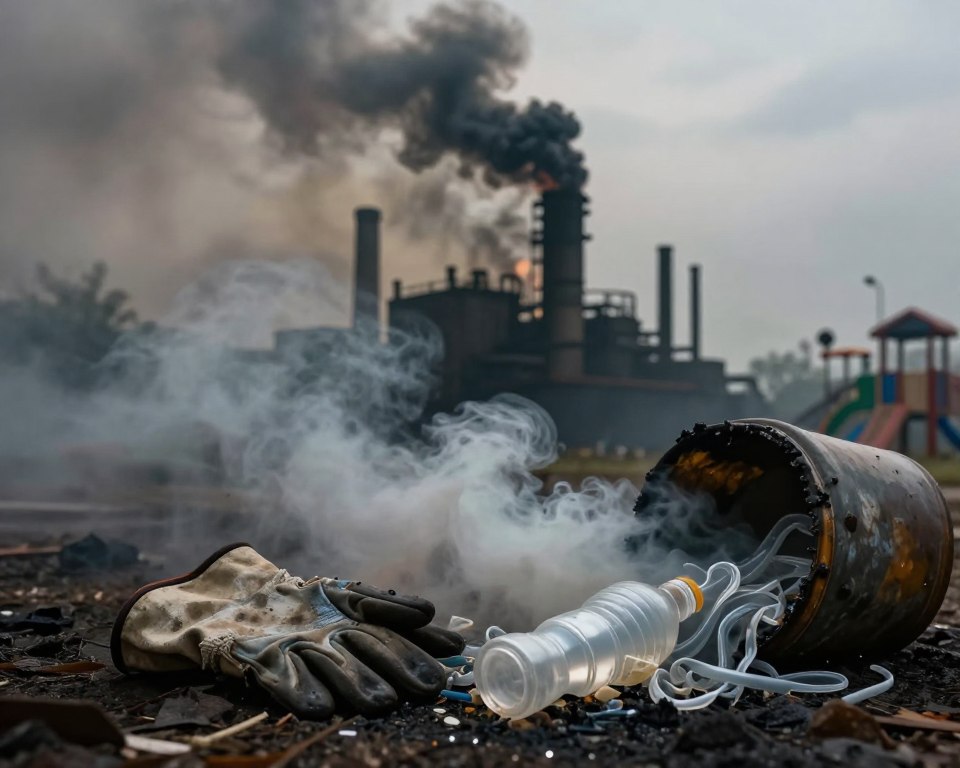
The health risks of burning plastic go beyond just irritating the lungs. New studies show that the harmful effects on the nervous system are worse than thought. These chemicals can get into the brain, causing lasting damage in both kids and adults.
Being exposed to these fumes when young is very worrying. Kids’ brains might not develop right, leading to learning problems and behavior changes. Early-life exposure can mess with how the brain works, affecting learning and behavior later in life.
These dangers aren’t just in big factories. Even small amounts of exposure at home, like burning trash, can be harmful. This kind of exposure is often not noticed until people start showing signs of brain problems.
The table below shows the main brain risks from breathing in plastic smoke:
| Exposure Type | Primary Neurological Risk | Developmental Impact |
|---|---|---|
| Acute Inhalation | Dizziness and Confusion | Minimal (Short-term) |
| Chronic Residential | Cognitive Decline | Moderate (Learning delays) |
| High-Level Industrial | Neurodegenerative Stress | Severe (Permanent impairment) |
| Cumulative Exposure | Memory Impairment | High (Long-term health risks of burning plastic) |
It’s crucial to know about these risks for everyone’s safety. By realizing the health risks of burning plastic affect the brain, we can make better choices about how to get rid of waste. Keeping our brains safe from these harmful chemicals means avoiding smoke altogether.
Endocrine Disruption and Hormonal Imbalance
Burning plastic can harm the body in ways that aren’t immediately obvious. The chemicals released can disrupt the body’s hormonal balance. This can lead to serious adverse effects of burning plastic that may take years to show up.
These chemicals can trick or block the body’s natural hormones. Since hormones control important functions like growth and reproduction, this can cause big problems. When these chemicals get into the blood, they send the body the wrong signals.
Dealing with the health effects of this exposure can be tough. People might face issues like infertility or thyroid problems without knowing why. It’s key to understand how plastic burning affects our health. Even small hormonal imbalances can cause long-lasting health issues.
The Hidden Dangers of Backyard Waste Burning
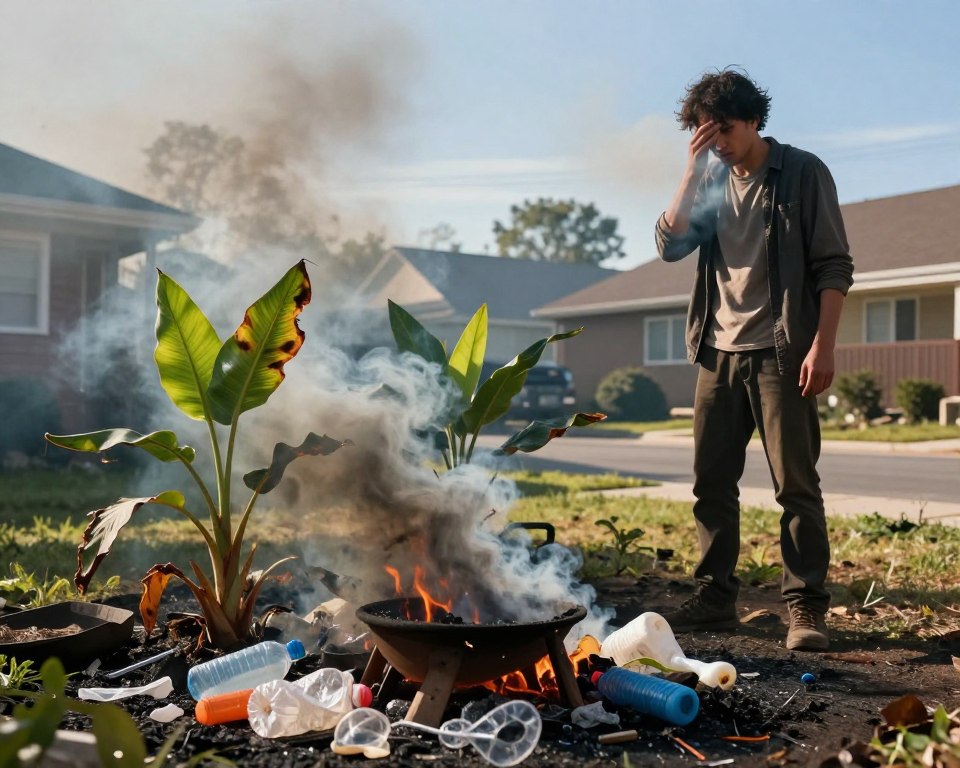
Worldwide, about two billion people don’t have access to waste collection services. This lack of infrastructure leads many to burn waste openly. This method is common but poses serious dangers of burning plastic and other synthetic materials.
Why Open Burning Differs from Industrial Incineration
Backyard fires burn at much lower temperatures than industrial incinerators. These big facilities use high heat and filters to clean the air. Open fires, on the other hand, release harmful chemicals into the air without control.
Burning trash at home is like starting an uncontrolled chemical reaction. It releases harmful particles, dioxins, and heavy metals into the air. These can be very dangerous to breathe in, and it’s crucial to know the risks of toxic inhalation at home.
Regulatory Challenges in the United States
In the U.S., the dangers of burning plastic are tackled by state and local laws. The Environmental Protection Agency (EPA) advises against it, but enforcing laws is hard in rural areas. Many people don’t know that burning household waste is often banned because it harms air quality.
Regulatory oversight is tough because many see backyard burning as a private act. Changing this habit needs better waste management and public education. To tackle the dangers of burning plastic, we must move to safer, approved ways of disposing waste to protect our health.
Impact on Local Wildlife and Veterinary Health
Burning plastic harms more than just humans. It also risks the health of local wildlife and pets. These animals can’t avoid the toxic air and are very vulnerable.
Pet owners need to know about the burning plastic health effects. Burning waste releases harmful chemicals. These can stay in soil and water, harming local ecosystems for a long time.
Image Disclosure: Some images used in this article may be AI-generated for educational illustration purposes. They are designed to explain veterinary concepts more clearly and should not replace professional veterinary examination or diagnosis.
Animals often show signs of toxicity first when exposed to plastic fumes. Their reactions are a critical warning sign for the environment.
Clinical Observations in Domestic and Wild Animals
In my vet practice, birds are very sensitive to plastic fumes. Their lungs are very delicate. This can lead to sudden death from toxic smoke.
Dogs and cats can also get very sick from these fumes. Even a short time of exposure can cause serious breathing problems. They need quick vet care to get better.
The environmental impact of burning plastic is real and harms animals. By using safer ways to get rid of plastic, we can protect our pets and wildlife from harm.
Carcinogenic Potential of Plastic Combustion
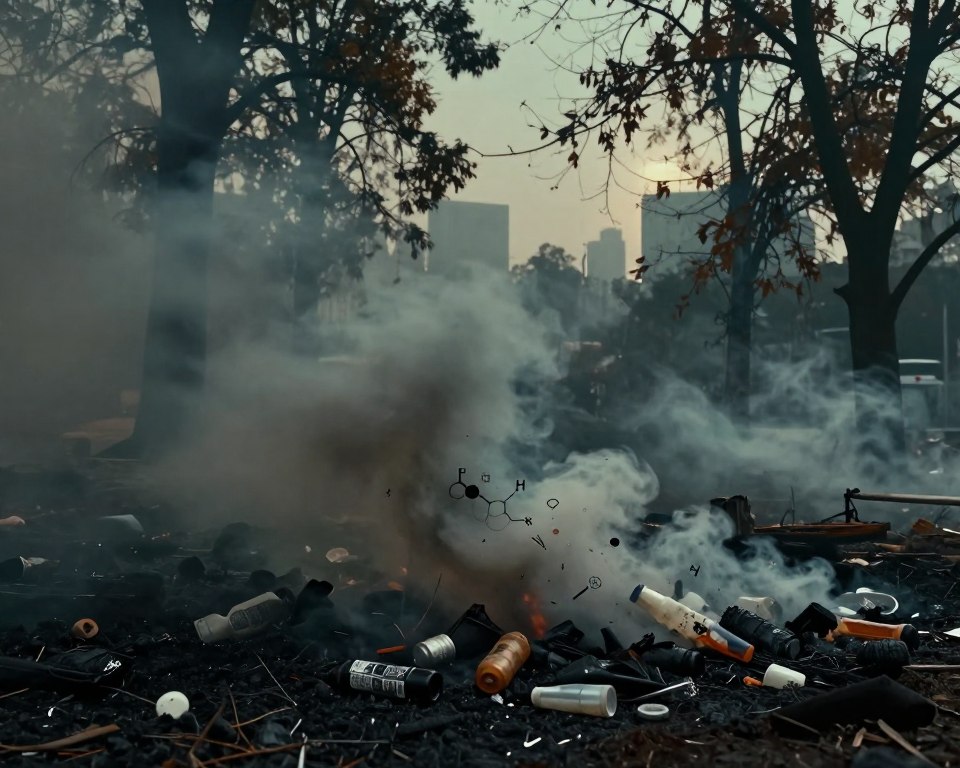
It’s crucial to understand how burning plastic can harm our health. When plastics burn, they release harmful chemicals into the air. These chemicals are not just irritants; they pose a big public health risk and can cause cancer over time.
Dioxins are among the most dangerous chemicals released. They are known carcinogens that stay in the environment and build up in our bodies. Burning plastic can cause more harm than just coughing or sneezing, as these toxins deeply affect our health.
“Dioxins are highly toxic and can cause reproductive and developmental problems, damage the immune system, and interfere with hormones.”
Being exposed to these chemicals over time can lead to serious health problems. Even occasional exposure can increase our risk. It’s important to know the health risks these emissions pose:
- Hormonal disruption that messes with our natural hormones.
- Being more likely to have a weakened immune system.
- Long-term harm to our reproductive and developmental health.
- Higher chance of getting cancer due to cell mutations.
The best way to avoid these health risks is to not burn plastic. By not burning household waste, we can lower our exposure to these dangerous chemicals. Choosing safe ways to dispose of waste is a critical step in protecting our health and the health of our community from toxic smoke.
The Intersection of Plastic Pollution and Climate Change
We must see that burning plastic pollution is a big problem worldwide, not just a local issue. It’s not just about breathing problems right away. The real damage is how it affects our atmosphere over time.
When plastic waste burns without control, it puts carbon back into the air. This is a big deal for our planet’s health.
When plastic burns, it turns into gases that trap heat. These gases, like carbon dioxide and methane, make our planet warmer. Looking at waste through a climate lens shows us why we need to stop burning waste.
We need to switch to better ways of dealing with waste to fight climate change. Choosing recycling or proper disposal over burning helps a lot. This way, we don’t add extra carbon to the air.
Here’s a table that shows how different ways of getting rid of waste affect our planet:
| Disposal Method | Greenhouse Gas Impact | Toxicity Level | Sustainability Rating |
|---|---|---|---|
| Open Burning | High (CO2/Methane) | Extreme | Very Low |
| Landfill | Moderate (Methane) | Low | Low |
| Mechanical Recycling | Low | Minimal | High |
| Advanced Recovery | Low | Controlled | High |
To solve this problem, we need to change our ways and laws. Using less plastic is a big step. By focusing on a circular economy, we keep our air clean and protect our planet for the future.
Safe Alternatives to Burning Plastic Waste
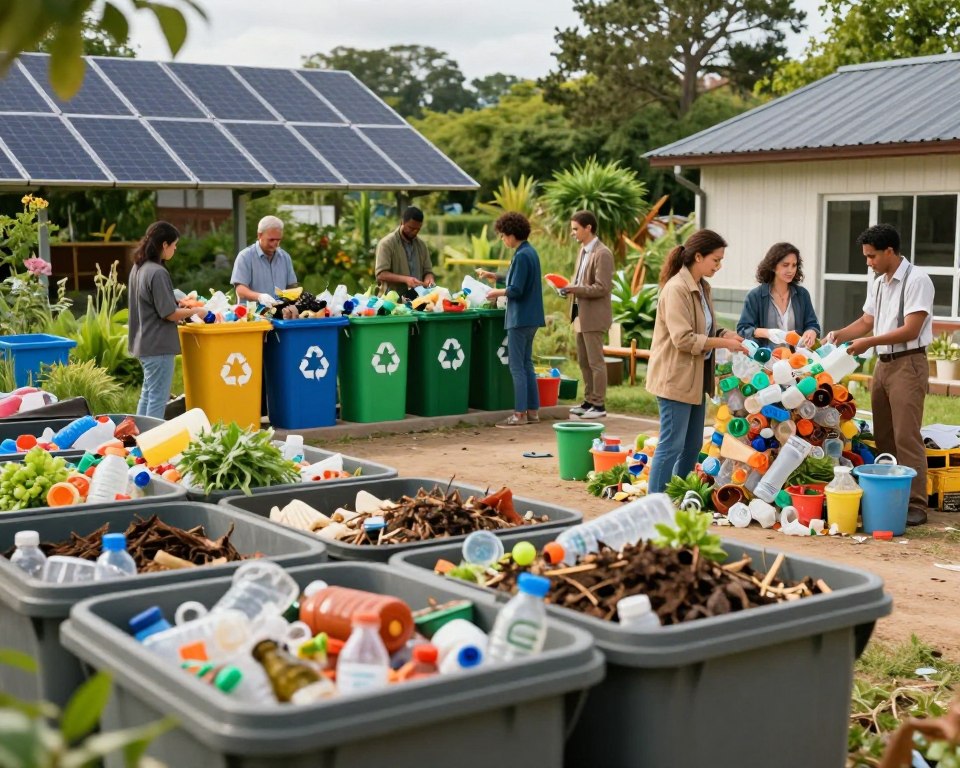
Managing plastic waste safely is more than just avoiding fire. It’s about making big changes. Burning plastic releases harmful chemicals into the air. This harms local air quality and public health.
Switching to safer ways to dispose of waste is key. It helps protect our communities and the environment.
Proper Recycling Protocols
Recycling starts with knowing what your local area needs. Many think all plastics can be recycled, but this isn’t true. Contamination can make whole batches unusable.
To make sure your recycling works, follow these essential guidelines:
- Clean and dry all containers to prevent food residue from contaminating the recycling stream.
- Check your local municipal website to confirm which resin codes are accepted in your curbside program.
- Avoid “wish-cycling” by keeping non-recyclable items, such as plastic films or thin bags, out of the bin.
- Prioritize reducing your reliance on single-use plastics to decrease the total volume of waste generated.
Municipal Waste Management Best Practices
Less than 10% of plastic waste is recycled globally. This shows we need better waste management systems. Using professional collection services is safer.
These services handle waste in facilities that keep toxins in. This is better than letting them out into the air.
Investing in modern waste processing technology helps communities a lot. Supporting local efforts to sort and recover waste is key. It keeps plastic out of landfills and incinerators.
Being consistent in these programs is the best way to avoid the dangers of bad plastic disposal.
The Psychological Aspect of Waste Disposal Habits
Why do people burn trash? It’s about the perceived convenience and lack of better options. They don’t usually choose to ignore safety or harm the environment.
In rural or hard-to-reach areas, burning trash seems like the best solution. Without regular waste pickup, the quick fix of burning feels better than the long-term risks of harmful fumes from burning plastic. This choice is made because of system failures, not a lack of care.
To change these habits, we need to understand why they happen. Community programs should offer practical solutions that are easier than burning. By focusing on solutions, not blame, we can protect people from harmful fumes from burning plastic.
| Behavioral Driver | Psychological Motivation | Safety Outcome |
|---|---|---|
| Lack of Infrastructure | Necessity for space | High risk of toxic inhalation |
| Perceived Convenience | Time management | Release of harmful fumes from burning plastic |
| Habitual Routine | Cultural normalization | Long-term health consequences |
Public Awareness and Community Advocacy
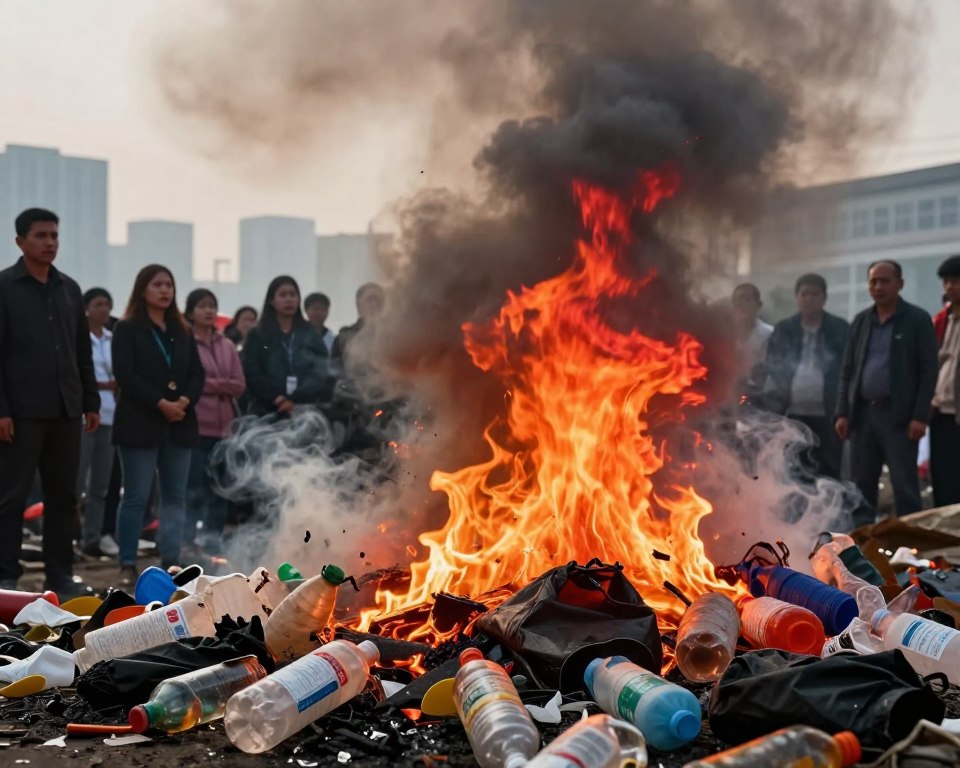
Public awareness is key to reducing burning plastic pollution risks. When people know the dangers of burning plastic, they choose safer ways to dispose of it. Education is the base for changing habits in neighborhoods.
Community groups are crucial in this change. They connect science with daily life. They hold workshops and share facts, helping neighbors manage waste better.
Good advocacy can lead to better city services. When communities ask for better recycling and trash, cities listen. This systemic shift helps stop backyard burning, a dangerous waste disposal method.
The table below shows how community efforts can tackle waste management issues:
| Strategy | Primary Goal | Expected Outcome |
|---|---|---|
| Educational Workshops | Explain toxicity risks | Reduced burning plastic pollution |
| Neighborhood Watch | Monitor air quality | Increased community safety |
| Policy Petitions | Improve waste pickup | Better municipal infrastructure |
| Recycling Drives | Divert plastic waste | Lower environmental impact |
The aim is to build a culture of responsibility. By focusing on evidence-based practices, communities can keep their environment and health safe. Advocacy is about creating a cleaner, safer future together.
Policy Recommendations for Reducing Plastic Combustion
To tackle the dangers of plastic combustion, we need to change our policies. Many people in low-income areas burn trash because they lack proper waste services. Governments at all levels must focus on setting up comprehensive waste collection systems for everyone.
Good waste management is more than just picking up trash. It also means enforcing laws against burning household waste. Even though laws exist, they are often broken because there’s no one watching. We need to make sure local agencies can enforce these laws to keep our air clean.
It’s also important to make companies responsible for their products’ entire life cycle. This idea, called Extended Producer Responsibility (EPR), makes companies pay for waste management. By encouraging the use of recyclable or compostable materials, we can cut down on plastic waste.
“Environmental policy must move beyond simple bans and toward the creation of circular economies that value resource recovery over disposal.”
Here’s a table showing key policies to fight plastic combustion and protect our environment:
| Policy Strategy | Primary Objective | Expected Outcome |
|---|---|---|
| Infrastructure Expansion | Universal waste access | Reduced open burning |
| EPR Legislation | Manufacturer accountability | Lower plastic production |
| Regulatory Enforcement | Compliance monitoring | Decreased toxic emissions |
| Public Education | Behavioral change | Improved recycling rates |
A good policy must be based on solid evidence and flexible for different areas. By investing in infrastructure and holding companies accountable, we can stop burning trash. These changes are crucial to safeguard our health and the planet for the next generations.
Conclusion
Burning plastic waste is a big problem for our health and the environment. It releases harmful toxins that stay in our air, soil, and water for a long time. We need to find better ways to manage waste to avoid these dangers.
What we do as individuals matters a lot. Using less plastic helps reduce waste. Supporting recycling programs, like those from the Environmental Protection Agency, keeps harmful materials away from our homes.
We have clear ways to move forward. When we work together, we can improve how we handle waste. This makes our environment safer for everyone and the animals that live here.
Choosing health over quick fixes is key. Let’s spread the word to our neighbors about the importance of safe waste disposal. Together, we can protect our planet for future generations.
Policy Recommendations for Reducing Plastic Combustion
Polyethylene and Polypropylene Emissions
Found in things like milk jugs and food containers, Polyethylene (PE) and Polypropylene (PP) usually release carbon dioxide, water, and carbon monoxide. But in low-oxygen fires, they can also produce acrolein and formaldehyde, which are strong irritants.
The Dangers of Polyvinyl Chloride (PVC) Combustion
Burning PVC is known for releasing chlorinated furans and dioxins. These are among the most toxic substances known. Even a small amount of PVC can pollute a large area with harmful chemicals.
Polystyrene and Styrene Exposure Risks
Polystyrene, used in foam packaging, releases styrene monomers when burned. These fumes can harm the brain and are linked to cancer. The International Agency for Research on Cancer (IARC) has classified styrene as a probable human carcinogen.
Breathing in plastic smoke can cause immediate breathing problems, from irritation to severe bronchospasm.
Acute Irritation and Immediate Symptoms
People with conditions like asthma are more likely to have severe reactions. The smoke causes inflammation in the airways.
Long-term Pulmonary Consequences
Long-term exposure can lead to permanent lung damage and reduced lung function. The fine particles can get deep into the lungs, causing chronic obstructive pulmonary disease (COPD) over time.
Dioxins and furans are very stable and don’t break down easily in nature.
Bioaccumulation in the Food Chain
These toxins settle in soil and water after burning. They are fat-soluble, so they build up in animal tissues. Humans get exposed through eating meat, dairy, and seafood.
Persistence in Soil and Water Systems
These chemicals don’t break down, so they stay in soil for decades. This affects local residents for generations.
Exposure to heavy metals like lead and mercury, used in plastics, can harm the brain. In children, it can affect learning and behavior.
Plastics contain additives like phthalates or Bisphenol A (BPA). Burning them releases these chemicals into the air. They can disrupt hormones in the body, leading to reproductive issues or developmental problems.
Backyard burning is risky because it happens at low temperatures. It lacks the filters found in industrial incinerators.
Why Open Burning Differs from Industrial Incineration
Industrial incinerators burn at high temperatures and use filters to clean emissions. Backyard fires release harmful fumes directly into the air, affecting nearby communities.
Regulatory Challenges in the United States
The EPA regulates big waste-to-energy plants, but backyard burning is often not regulated. Community education is key for safety.
Animals, like birds, are often the first to show signs of toxicity from plastic fumes. Their unique respiratory system makes them more vulnerable.
Clinical Observations in Domestic and Wild Animals
In my veterinary work, I’ve seen how plastic fumes can cause severe breathing problems in pets. Even brief exposure can be fatal. “Teflon flu” can also occur when synthetic coatings are overheated near animals.
There’s a strong link between burning plastics and an increased cancer risk. Long-term exposure to the chemicals released can lead to lung and bladder cancers.
Burning plastic not only harms local health but also contributes to global warming. Plastics are dense in carbon, releasing black carbon and greenhouse gases into the atmosphere.
Switching from burning requires a strong commitment to recycling and proper waste management.
Proper Recycling Protocols
Following local recycling rules helps. Using services from companies like Republic Services or Waste Management (WM) ensures plastics are processed safely.
Municipal Waste Management Best Practices
Supporting curbside pickup and “zero-waste” initiatives can greatly reduce plastic waste. This helps avoid hazardous backyard fires.
In rural areas, burning trash is a long-standing tradition. Changing this habit requires understanding the health risks of burning versus recycling.
Education is the best way to change. Community leaders can work with groups like the American Lung Association to raise awareness about plastic burning risks.
Strengthening local laws and offering affordable waste disposal options are key steps. Encouraging biodegradable alternatives can also reduce synthetic waste.