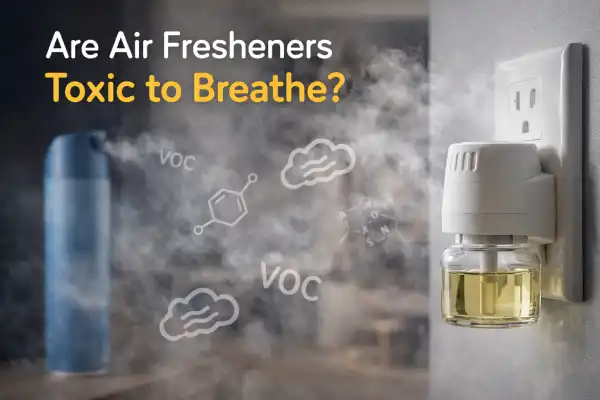
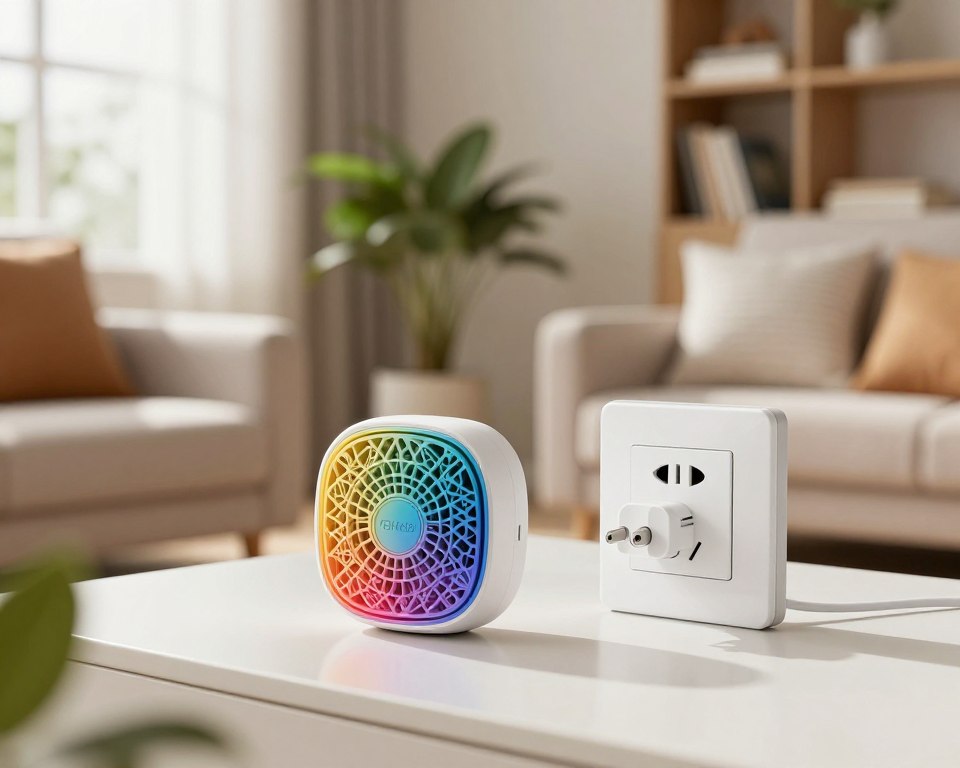
Recent data shows that 73% of Americans use scented home deodorizers every week. These devices make it easy to hide bad smells. But, many people don’t know about the chemicals they release into their homes.
These devices release complex chemicals into our homes. Understanding the potential health implications of these emissions is key to keeping our homes healthy.
This analysis looks at the chemicals in common scent devices. We aim to find out if they are safe for people living in homes. By using scientific data, we help you make smart choices about your home. Informed decision-making is the best way to keep your home safe from harmful chemicals.
Key Takeaways
- Over 70% of American households regularly use scent-emitting devices.
- Continuous diffusion releases various volatile organic compounds into indoor spaces.
- Chemical composition varies significantly between different brands and fragrance types.
- Indoor air quality can be impacted by long-term exposure to synthetic scents.
- Evidence-based evaluation helps consumers mitigate potential health risks effectively.
The Ubiquity of Synthetic Fragrances in Modern Homes
Today, homes are filled with synthetic fragrances from plug-in devices to room sprays and incense. These items are seen as key for a clean, welcoming home. Yet, many people don’t know the chemicals they bring into our daily lives.
The move to constant fragrance release has changed how we breathe indoors. While these systems are handy, they also pose risks. It’s crucial to think about the risks of plug-in air fresheners and other chemicals in our homes. For example, fabric refresher spray can add to the chemical load.
These fragrance systems are popular for their ease of use and design. They fit well with home decor. They’re also easy to find in stores.
- Convenience: They need little effort, making them easy to use.
- Aesthetic Appeal: They look good in any home.
- Market Availability: You can find them in most stores.
Despite their popularity, the health risks of these chemicals are a worry. By knowing how common they are, we can make better choices. We should think about air quality and what’s in our products, not just how they smell.
Understanding the Chemical Composition of Plug-In Air Fresheners
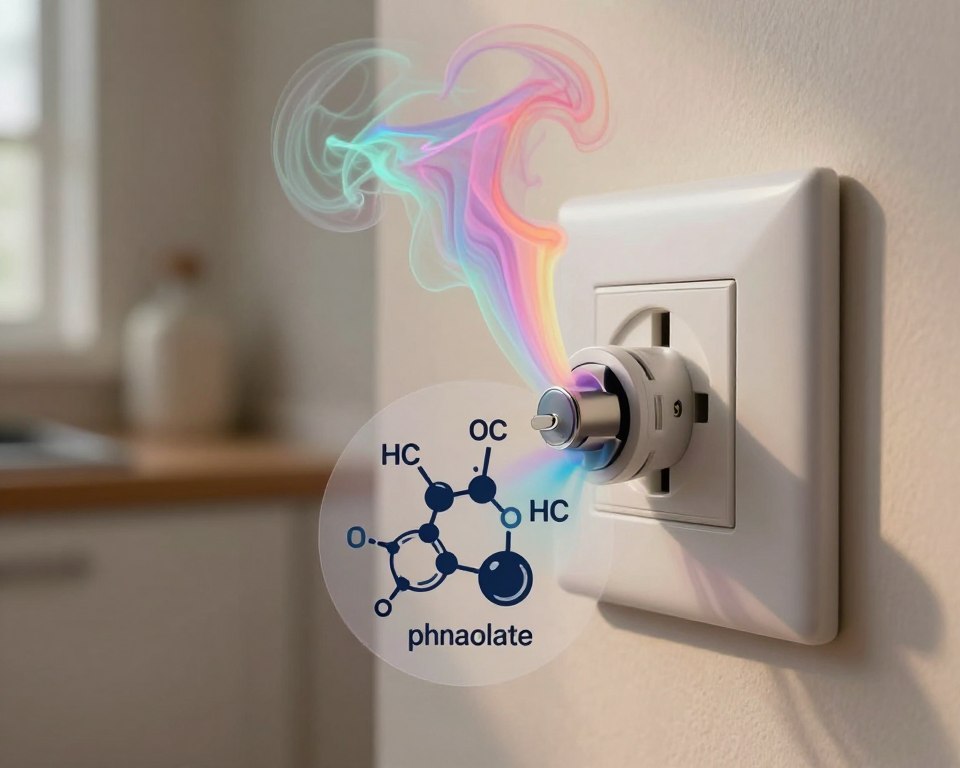
To grasp the risks of plug-in air fresheners, we need to look at their chemical makeup. These devices heat a strong fragrance solution, which turns into air. This keeps the air filled with chemical compounds.
Volatile Organic Compounds and Indoor Air Quality
Plug-in devices release volatile organic compounds (VOCs). These chemicals turn into vapor easily, spreading through homes. When they meet indoor ozone, they create harmful secondary pollutants.
Studies in scientific literature show how these reactions harm air quality. In rooms with little air flow, these chemicals build up. This can hurt people who are more sensitive.
“The chemical complexity of indoor air is often underestimated, as common household products introduce a variety of volatile substances that interact in unpredictable ways.”
The Role of Phthalates as Fragrance Fixatives
Many products use phthalates to keep scents strong. But, phthalates can mess with hormones, which is a big worry for health.
Knowing about these additives is key to understanding the risks of plug-in air fresheners for those who are most vulnerable. Since these chemicals aren’t always listed, people might not know they’re being exposed. It’s important to know what’s in our homes to keep them healthy.
- VOC Emission: Continuous release of chemicals into the air.
- Secondary Pollutants: Reactions between fragrance and indoor ozone.
- Endocrine Disruption: Potential health effects of phthalate exposure.
Are Plug-In Air Fresheners Safe for Human Respiratory Health
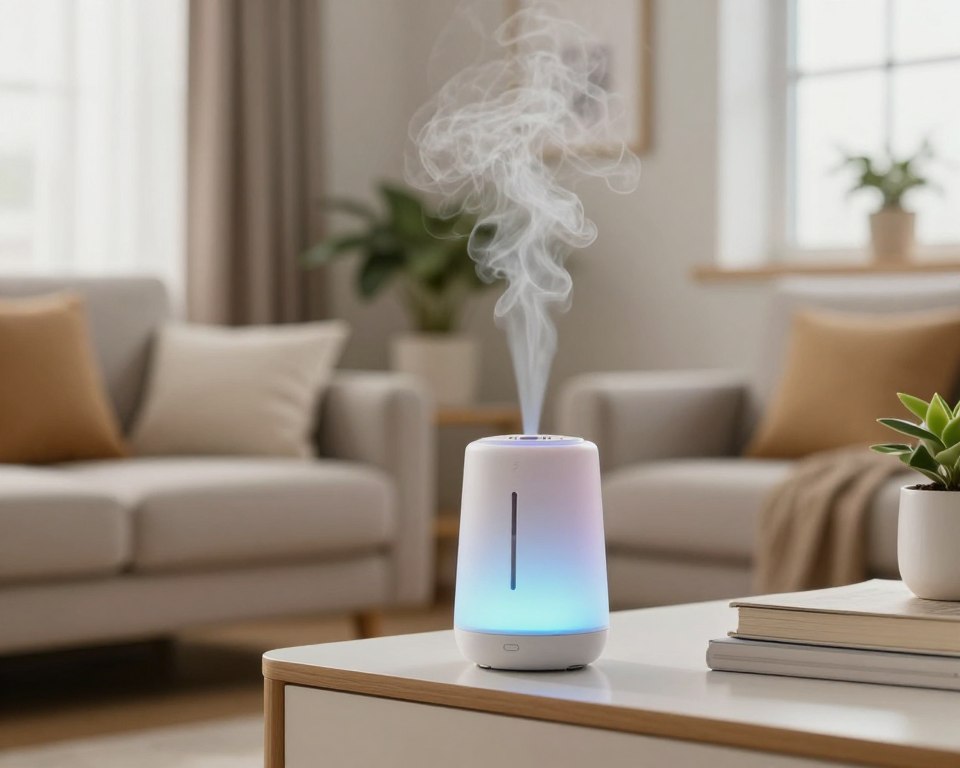
When we think about Are Plug-In Air Fresheners Safe for daily use, we must consider how they affect our lungs. These devices heat synthetic oils, releasing VOCs into the air. These chemicals can irritate the airways, even if they make our homes smell nice.
Impact on Asthmatic Individuals and Allergy Sufferers
For those with asthma or allergies, plug-in air fresheners health concerns are big. Synthetic fragrances can trigger asthma attacks and allergic reactions. They can cause inflammation in the airways, leading to wheezing, coughing, and breathing trouble.
Even low-level exposure to these chemicals can be a problem. If you’re curious about the risks, check out are air fresheners toxic to breathe. People with weakened immune systems or chronic respiratory issues are more likely to have bad reactions.
Long-term Exposure Risks in Enclosed Living Spaces
The biggest risk is that these devices run all the time. They create constant exposure at home. In small or poorly ventilated rooms, the chemical levels can be too high for sensitive people.
Long-term effects of breathing in these chemicals are still being studied. While makers say they’re safe, the daily impact is not fully known. It’s wise to be careful, like in bedrooms or areas where family spends a lot of time. Cutting down on synthetic sources in your home can help reduce plug-in air fresheners health concerns.
Clinical Perspectives on Plug-In Air Fresheners Toxicity for Pets
As a vet, I often tell pet owners to think about the invisible stuff in their homes. Plug-in air fresheners toxicity is a big worry for pet owners. Pets spend a lot of time near the floor, where they breathe in chemicals that settle down.
Why Cats and Dogs Are More Vulnerable to Airborne Chemicals
Pets process air differently than people. Cats, for example, are very sensitive to some air freshener chemicals. Their small size means they get hit hard by toxins from these chemicals.
Pets are also close to the ground, where they breathe in more chemicals from air fresheners. Humans breathe higher up, but pets are right in the path of these chemicals. This can really hurt their breathing over time.
Recognizing Symptoms of Respiratory Distress in Household Pets
It’s important to spot early signs of chemical problems in pets. Watch for changes in how they act or look. Signs like coughing, sneezing, or eye and nose discharge are big red flags.
Look out for lethargy or a drop in appetite too. If your pet is having trouble breathing or wheezing, get them out of there fast. A vet can help figure out if it’s the air or something else.
Image Disclosure: Some images used in this article may be AI-generated for educational illustration purposes. They are designed to explain veterinary concepts more clearly and should not replace professional veterinary examination or diagnosis.
The Hidden Dangers of Plug-In Air Fresheners for Infants and Children
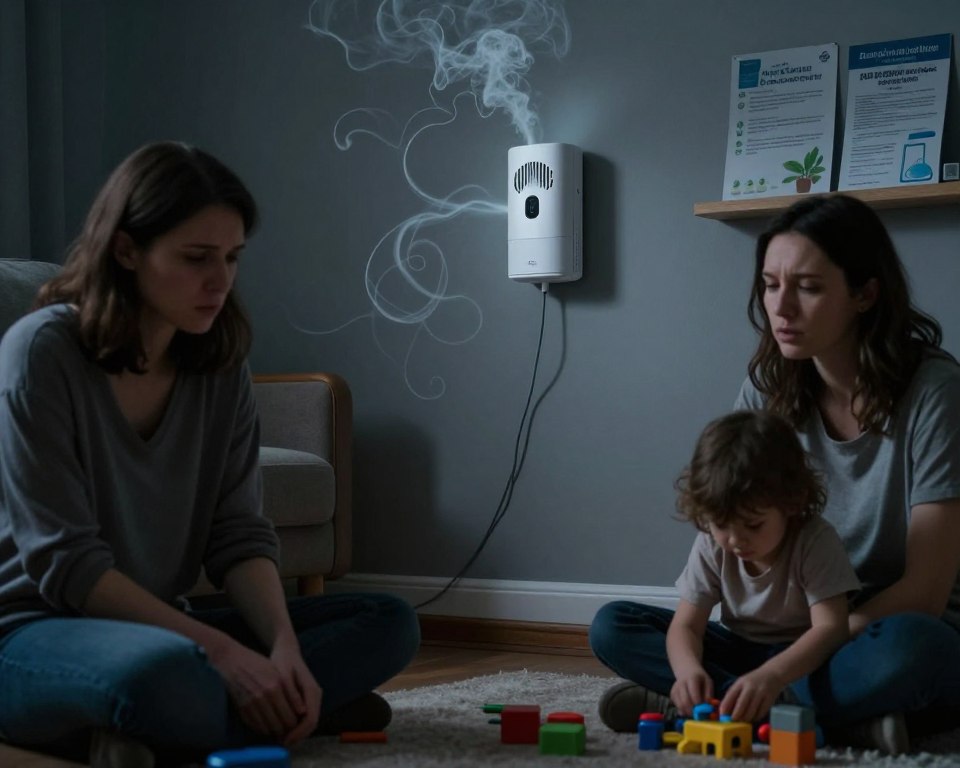
Young children are at risk from the chemicals in plug-in air fresheners. Their bodies are still growing, making them more vulnerable than adults. They can’t handle the synthetic chemicals in these products well.
Developmental Concerns and Chemical Sensitivity
Parents worry about kids breathing in or eating these chemicals. The colorful liquid refills and beads look like toys or candy. The National Capital Poison Center says these can be very toxic if kids swallow them or touch them on their skin.
These chemicals can also harm a child’s environment. Kids are more sensitive to chemicals early on. This means even a little bit can cause problems. Keeping the air clean in places where kids spend a lot of time is very important.
Neurological Considerations in Early Childhood
Research shows that some fragrances might affect a child’s brain health. While more studies are needed, experts say to be careful with essential oil diffusers and synthetic plug-ins near babies. The long-term effects are still being studied, so it’s best to be cautious.
The table below shows the main risks of different air fresheners for young children.
| Product Type | Primary Risk | Severity Level |
|---|---|---|
| Liquid Plug-ins | Accidental Ingestion | High |
| Evaporating Beads | Choking and Toxicity | High |
| Reed Diffusers | Spillage and Ingestion | Moderate |
| Aerosol Sprays | Respiratory Irritation | Moderate |
To avoid the dangers of plug-in air fresheners, keep them away from where kids sleep and play. A clean, well-ventilated home is the best way to protect a child’s health.
Regulatory Gaps and the Lack of Ingredient Transparency
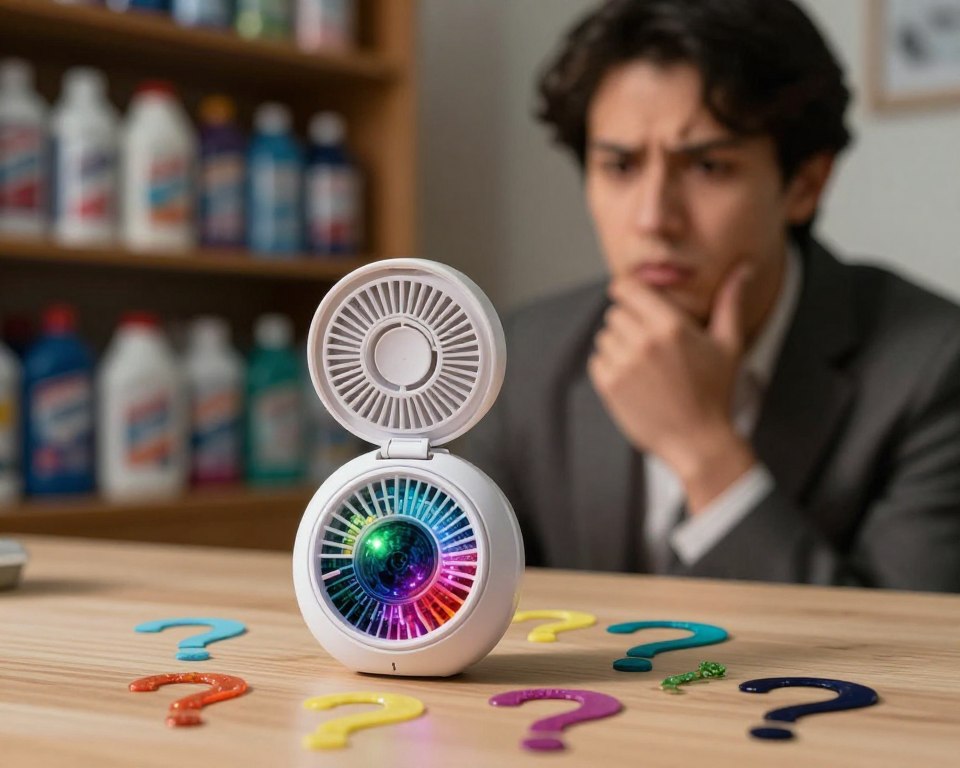
When you plug in a scent device, you breathe a mix of chemicals. Manufacturers don’t have to tell you what’s in it. This lack of information is a big reason for plug-in air fresheners health concerns.
Because the rules are old, many people don’t know what chemicals are in their homes.
Navigating Fragrance Secrecy Laws in the United States
In the U.S., companies keep their scent formulas secret. They use laws to hide what’s in their products. This means you might be breathing in dozens of chemicals without knowing it.
They just call it “parfum” or “fragrance” on the label. This makes it hard to know what you’re inhaling.
“The current regulatory framework prioritizes the protection of corporate intellectual property over the fundamental right of the consumer to know what chemicals are present in their indoor environment.”
Why Labeling Requirements Often Fall Short
Today, labels are mostly up to the company. This makes it hard to keep safe. Even when they do list some ingredients, they might leave out harmful ones.
This makes it tough for people to deal with plug-in air fresheners health concerns.
The table below shows what’s hidden from most people:
| Label Category | Disclosure Status | Consumer Impact |
|---|---|---|
| Fragrance Compounds | Often Hidden | High uncertainty |
| Proprietary Fixatives | Rarely Listed | Potential allergen exposure |
| Volatile Solvents | Partially Disclosed | Incomplete safety data |
| Preservatives | Sometimes Listed | Variable transparency |
Without strong federal rules, it’s up to you to stay safe. Relying on vague labels is not enough for those with sensitivities or breathing problems.
Evaluating the Risks of Plug-In Air Fresheners in Small Spaces
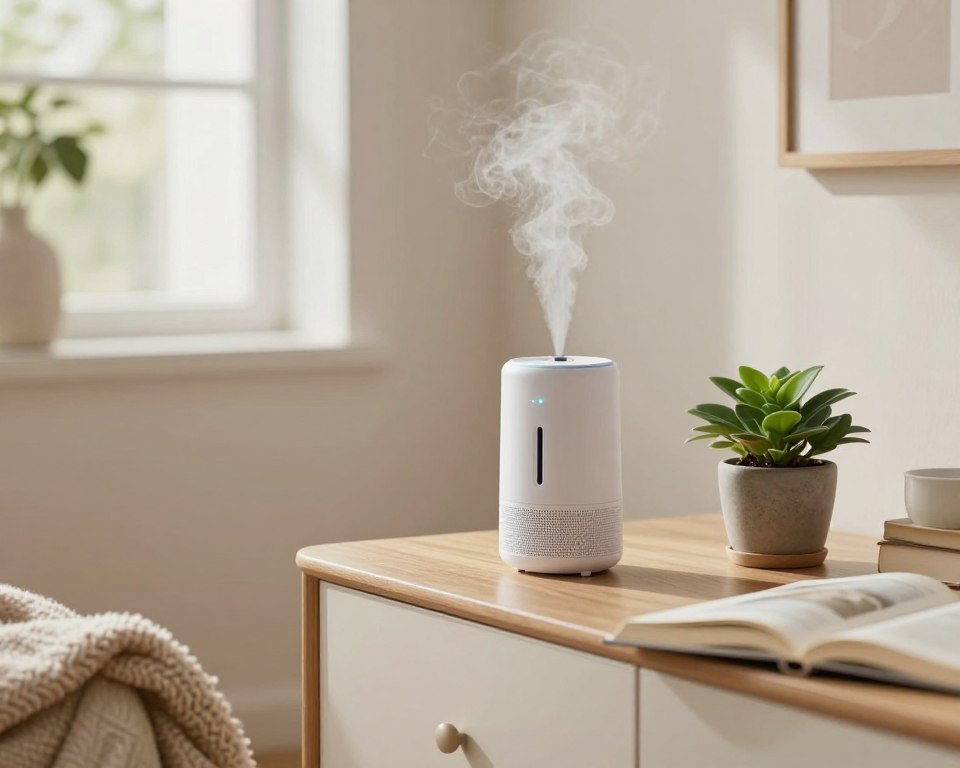
When looking at plug-in air fresheners safety, room size matters a lot. In smaller rooms, there’s less air to spread out chemical smells. This means these smells can build up faster, affecting the air quality inside.
Concentration Levels in Bathrooms and Bedrooms
Bathrooms and bedrooms are usually the smallest rooms in a house. They often don’t get enough air, leading to higher levels of harmful chemicals. Continuous diffusion in these tight spaces means people breathe in more chemicals for longer.
People who are sensitive to chemicals or have breathing problems might feel symptoms sooner in these rooms. It’s key to check the ingredients and how often you use these devices. The buildup of chemicals in a small bedroom can mess with sleep or cause allergies.
The Importance of Ventilation and Air Exchange
Good ventilation is the best way to lower the risks of strong fragrance smells. By improving air flow, you can spread out harmful chemicals and keep them from getting too strong. Homeowners should focus on these steps to keep their space safer:
- Open windows often to let in fresh air.
- Don’t use plug-in devices in rooms where doors stay shut for a long time.
- Make sure the device is not near flammable things, as the heat can be a fire hazard.
- Use fans in bathrooms to remove stale, chemical-filled air.
By controlling air flow, you can lower the amount of particles in the air. Finding the right balance between smell and safety means keeping air moving, even in the smallest parts of your home.
Comparing Plug-In Air Fresheners Safety to Traditional Methods
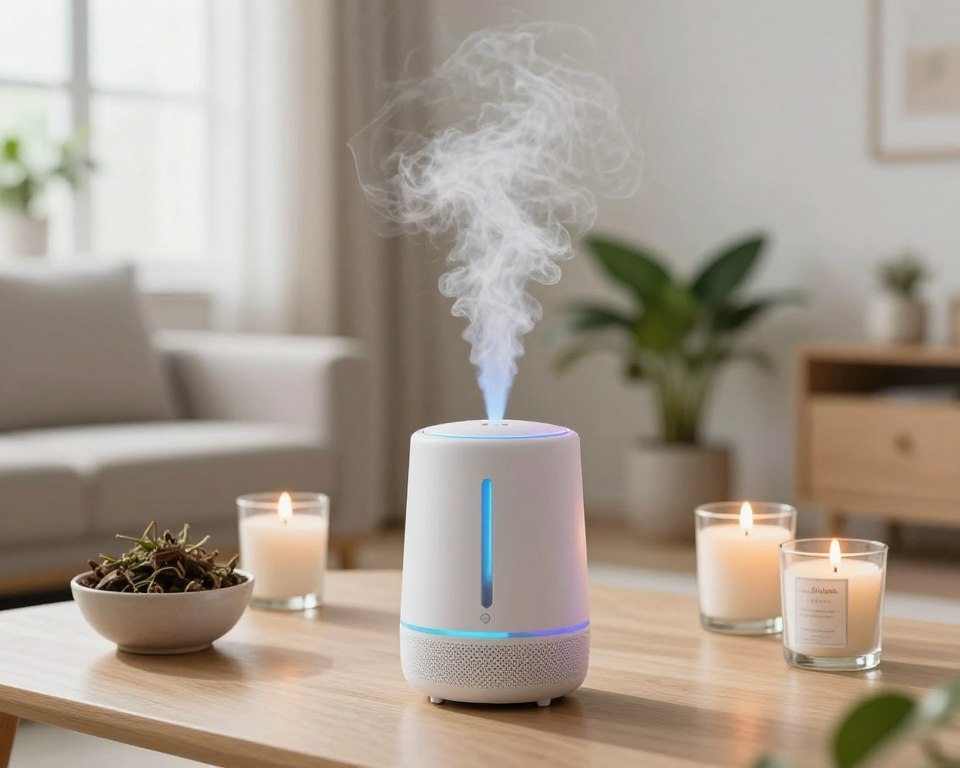
Switching from manual sprays to plug-in air fresheners is a big change. Both methods aim to get rid of bad smells but work in different ways. Knowing how they differ is key to keeping your home safe.
Aerosol Sprays Versus Continuous Diffusion
Aerosol sprays use compressed gas to spread fragrance. They use butane, propane, or nitrogen, which release a lot of chemicals at once. This creates a quick burst of particles that then settle on surfaces.
On the other hand, plug-in devices release fragrance slowly over time. They avoid the sudden chemical burst but still keep your air fresh constantly. This steady release might affect your air quality in a different way.
The Evolution of Scent Delivery Systems
Today, people prefer easy-to-use air fresheners. Old methods needed you to spray them yourself, but now devices do it automatically. This ease has made some forget about the safety of plug-in air fresheners safety.
Both methods add synthetic chemicals to the air you breathe. It’s a choice between a quick spray or a steady scent from a plug-in. The best way to stay safe is to manage air flow and use these products wisely.
| Feature | Aerosol Sprays | Plug-In Diffusers |
|---|---|---|
| Delivery Method | Manual Burst | Continuous Release |
| Propellants | Butane/Propane | None (Heat/Fan) |
| Exposure Type | Short-term Spike | Chronic Low-level |
| Primary Risk | Respiratory Irritation | Long-term VOC buildup |
Safe Alternatives to Plug-In Air Fresheners for a Fresh Home
You can make your home smell fresh without using harmful chemicals. Instead, focus on proper hygiene and regular cleaning. This way, you get rid of bad smells at the source.
Looking for safe alternatives to plug-in air fresheners? The best method is to remove the cause of bad smells. Open windows to let in fresh air. For a light scent, try natural methods that are safe for your health.
Natural Air Fresheners for Home Environments
A simmer pot is a great natural air freshener for your home. Boil water with citrus, herbs, or vinegar to get rid of odors. Vinegar is a strong deodorizer that doesn’t leave a chemical smell.
Dried herbs and flowers can also make small spaces smell nice. Use baking soda in closets or near trash to absorb moisture and smells. These methods let you control the scent and avoid harmful chemicals.
Utilizing Houseplants for Natural Air Purification
Many people use houseplants to clean the air. But, it’s key to know their limits. They can help a bit, but can’t replace good air flow.
Plants like spider plants or peace lilies can make your home feel better. They also help control humidity. But, they can’t remove strong smells like a fan or open window can. Use them to make your space nicer, but keep the air flowing well.
Best Non-Toxic Air Fresheners and Eco-Friendly Options
Many homeowners are now looking for safe alternatives to plug-in air fresheners to improve their indoor air quality. They want to keep their homes smelling good without using harmful chemicals. By using natural ingredients, they can manage odors and keep their family’s airways healthy.
Essential Oil Diffusers and Their Proper Usage
Essential oil diffusers are a great eco-friendly air freshener option. But, they need to be used carefully. It’s important to use pure oils, not synthetic fragrances. Make sure your space is well-ventilated to avoid too many particles in the air.
It’s important to use diffusers in moderation. Short intervals are safer than constant use. If you have pets, check out this guide on rug deodorizer powder and pet safety to see how certain scents might affect them.
Beeswax Candles and Natural Odor Neutralizers
When picking candles, the material is key for your health. Soy wax candles with cotton wicks are a cleaner choice than paraffin wax. Paraffin wax can release harmful chemicals when burned.
Beeswax candles are also a good pick. They burn slowly and can naturally neutralize odors. Unlike plug-ins, they don’t use chemical fixatives. You can also use natural odor neutralizers like baking soda or activated charcoal to get rid of bad smells.
| Method | Safety Level | Primary Benefit |
|---|---|---|
| Soy Wax Candles | High | Clean burn, no soot |
| Essential Oil Diffusers | Moderate | Natural, customizable scent |
| Beeswax Candles | High | Air purification properties |
| Synthetic Plug-ins | Low | Long-lasting, high chemical load |
Choosing the best non-toxic air fresheners means focusing on quality over quantity. By using natural materials and ensuring good ventilation, you make your home healthier. Always check ingredient labels to avoid hidden harmful chemicals.
The Role of Proper Ventilation in Indoor Air Quality Management
Fresh air is the best way to get rid of indoor pollutants and keep your home healthy. Instead of using fake scents, make sure your home gets enough air. This helps get rid of bad air quality and reduces chemical use.
Mechanical Ventilation Systems and Air Purifiers
Today’s homes are built tight to save energy, but this can trap bad air. Mechanical systems, like Heat Recovery Ventilators (HRVs), bring in fresh air while taking out old air. They help keep your air clean without making your home cold.
Air purifiers are a good backup, mainly in rooms with little air flow. They use HEPA filters to catch dust and other small particles. Adding eco-friendly air freshener options makes your air even cleaner and easier to breathe.
The Benefits of Opening Windows and Natural Airflow
Opening windows is the simplest and cheapest way to improve your air. By opening windows on opposite sides, you get a fast air swap. This quickly cuts down on bad smells from household items.
Using natural air flow every day has many benefits for your home:
- Reduced pollutant concentration: Regular air changes stop chemicals from building up.
- Moisture control: Good airflow stops mold in bathrooms and kitchens.
- Improved cognitive function: More oxygen means better focus and sleep.
If you like natural air fresheners for home, fresh air is the best. Just open windows for ten minutes a day. This makes your home a clean, healthy place without needing fake smells.
Expert Opinion on Balancing Fragrance and Indoor Safety
As a board-certified toxicologist, I often look at the balance between indoor scenting and air quality. My advice is to reduce chemical exposure at home as much as possible.
Many people like the ease of having a constant scent at home. But, the lack of safety data is a big worry. True indoor wellness means finding and avoiding irritants before they harm your home.
Prioritizing Health Over Aesthetic Scenting
The harmful effects of plug-in air fresheners are often ignored because they seem like a simple home solution. Many experts avoid these products because of harmful chemicals and synthetic additives.
Putting your health first means not needing constant chemical scents. It’s better to clean and ventilate to get rid of odors than use synthetic fragrances.
Developing a Personal Policy for Home Fragrance
Every home should have a clear policy on what air fresheners are allowed. This policy should be based on safety evidence, not just what the packaging says.
Choose the best non-toxic air fresheners that use natural ingredients like essential oils or odor-neutralizing technology. By being strict about what you use, you keep your family safe from harmful chemicals.
| Fragrance Method | Safety Profile | Primary Benefit |
|---|---|---|
| Plug-in Devices | Low/Questionable | Convenience |
| Essential Oil Diffusers | Moderate | Natural Scent |
| Mechanical Ventilation | High | Air Quality |
| Beeswax Candles | High | Neutralization |
Conclusion
Creating a healthy home environment means looking closely at the products we use daily. Plug-in air fresheners can be harmful because they release synthetic chemicals. These chemicals stay in the air even after the scent goes away.
Being healthy shouldn’t mean sacrificing your breath or long-term well-being. Instead of using plug-ins, try opening windows or using fans. These simple steps help keep your air clean without chemicals.
Think about how these products affect your family, including pets and kids. Cutting down on synthetic fragrances improves the air quality inside. Making small changes can make a big difference in your home’s cleanliness.
Choose natural options to protect your health at home. Making smart choices helps avoid harmful chemicals. A non-toxic home is a safer place for your family.
FAQ
Are plug-in air fresheners safe for continuous use in the home?
Plug-in air fresheners use a chemical process to spread fragrance. This can release harmful chemicals like formaldehyde and benzene. These chemicals can harm indoor air quality and even create new pollutants.
As a doctor, I advise caution with long-term use, mainly in places with little air flow.
What are the specific plug-in air fresheners health concerns for people with asthma?
People with asthma face big risks from plug-in air fresheners. The fragrances can irritate the airways and make breathing harder. This is because these devices keep releasing chemicals, not just once.
Is there evidence of plug-in air fresheners toxicity for household pets?
Yes, pets are at risk from plug-in air fresheners. They are closer to the floor where chemicals settle. Pets also breathe faster and have smaller lungs, making them more vulnerable.
Ingredients like phthalates and essential oils can cause serious health issues in pets. Watch for signs of trouble, like hard breathing.
What are the best non-toxic air fresheners for a health-conscious household?
The best air fresheners are those that get rid of odors naturally. Try simmer pots with citrus and cinnamon or beeswax candles. They are cleaner than paraffin candles.
For a device, choose a HEPA air purifier with a charcoal filter. It removes odors and harmful chemicals without adding new ones.
Why do manufacturers hide ingredients in products like Febreze or other plug-in refills?
In the U.S., laws let companies keep their formulas secret. This means “fragrance” can mean hundreds of chemicals, including harmful ones. This makes it hard for people to know the risks.
Are there safe alternatives to plug-in air fresheners that still provide a pleasant scent?
Yes, there are safer options. Try soy wax melts or essential oil diffusers. But always make sure the area is well-ventilated.
The best way to keep air fresh is to let it circulate. Just opening windows for a few minutes a day can help a lot.
Are plug-in air fresheners safe to use in small, enclosed spaces like bathrooms?
No, using them in small spaces is not safe. The chemicals can build up quickly and be harmful. Plus, the devices can be a fire risk if they malfunction.
If you need to use a scent in a small room, use something like dried lavender or cedar blocks. They don’t release synthetic vapors.