
Ever thought the warm smell of a fireplace might be harmful? Many think air pollution comes from factories or tobacco. But, the dangers of burning wood at home are often ignored. Studies show wood smoke has similar toxins to, sometimes in even higher amounts.
Knowing what’s in these emissions is key to a safe home. Just like the dangers of toxic wood polish spray, smoke from fires can deeply harm lungs. Improving indoor air quality means understanding these common dangers.
Key Takeaways
- Wood combustion releases harmful particles and toxins.
- Many chemicals in wood fires are similar to those in tobacco.
- Good air flow is vital to avoid health risks from indoor pollutants.
- Modern stoves make less harmful emissions than old fireplaces.
- Health experts suggest avoiding wood-burning heaters.
The Chemical Composition of Wood Smoke
Burning wood releases harmful chemicals into the air. Wood smoke is not just a simple vapor. It’s a mix of gases and tiny particles from incomplete burning. These substances make wood smoke toxic.
Particulate Matter and Fine Particles
The biggest health risk in wood smoke is particulate matter PM2.5. These tiny particles are less than 2.5 micrometers in size. They can easily get past our body’s defenses.
When we breathe them in, they reach deep into our lungs. This can lead to inflammation and health problems. Persistent exposure to these particles can cause breathing issues.
Polycyclic Aromatic Hydrocarbons in Wood Combustion
Wood smoke also contains harmful chemicals. Polycyclic aromatic hydrocarbons can damage cells. These chemicals stick to tiny particles, making them even more dangerous.
The burning process also creates toxic free radicals. These unstable molecules cause damage to cells. The mix of hydrocarbons and radicals can irritate tissues.
Volatile Organic Compounds and Carbon Monoxide
Wood smoke also has volatile organic compounds (VOCs) and carbon monoxide. Carbon monoxide is a gas that blocks oxygen transport. It can harm the heart and lungs, even at low levels.
VOCs irritate the eyes, nose, and throat. When mixed with particles, they can harm anyone, even those who are healthy. It’s important to control these emissions for clean air.
Analyzing the Toxicity of Cigarette Smoke
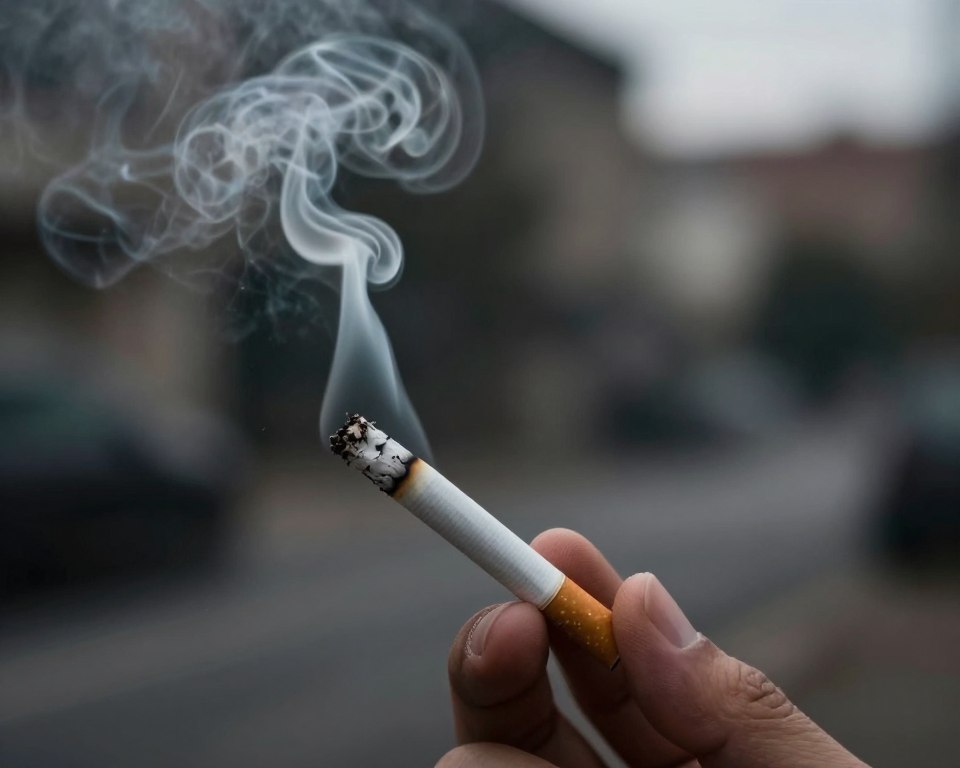
Cigarette smoke is a key area for studying health damage from inhalation. It’s not just plant matter smoke; it’s a special aerosol made to get nicotine into the body fast.
Carcinogens and Nicotine Delivery
Cigarette smoke has over 7,000 chemicals, many of which are harmful. It includes formaldehyde, benzene, and polycyclic aromatic hydrocarbons that harm cells in the lungs.
The way nicotine is made in cigarette smoke helps it get into the blood quickly. This makes smokers dependent on nicotine fast. It also exposes their lungs to harmful smoke.
The Role of Additives in Commercial Tobacco
Commercial tobacco often has extra stuff added to it. These additives help the smoke burn better, taste good, and get nicotine to the smoker faster.
These additives can make the smoke even more harmful. Knowing about cigarette smoke health risks is important. Additives play a big part in how toxic the smoke is.
Systemic Effects of Chronic Inhalation
Chronic inhalation of cigarette smoke has big effects on the body. The toxins in the smoke cause inflammation and stress in the body over time.
This damage affects the heart and lungs badly. Because the body can’t get rid of these toxins easily, the danger builds up. This makes cigarette smoke a key example for studying other harmful smoke sources.
Is Wood Smoke More Dangerous Than Cigarette Smoke: A Comparative Analysis
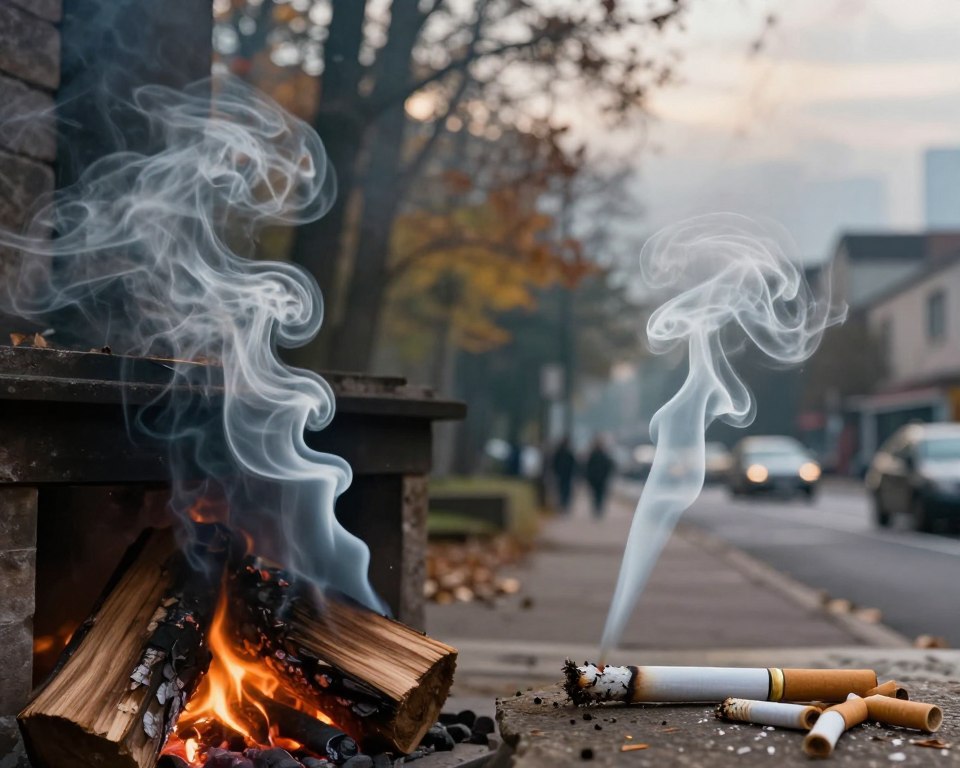
Looking at the danger of wood smoke versus cigarette smoke means checking out their chemical makeup and how we’re exposed to them. Tobacco smoke is known for its health risks. But, wood smoke toxicity poses unique challenges, often ignored in homes.
Comparing Particulate Matter Concentrations
Studies show wood smoke’s power is shocking. They found wood smoke can cause tumors up to 30 times more than cigarette smoke.
“The chemical complexity of biomass smoke is vast, often containing a mixture of compounds that interact with lung tissue in ways that challenge our traditional understanding of inhalation risks.”
This shows why wood smoke toxicity is a big worry for health experts. Wood smoke’s fine particles can be too much for our lungs.
Duration of Exposure and Environmental Context
One big difference is how we’re exposed. Smoking is usually a choice, but wood smoke in homes is not. It’s something we can’t avoid.
Wood stove users breathe in smoke for hours every day in winter. This long exposure means more harmful particles. It’s key to ask: Is Wood Smoke More Dangerous Than Cigarette Smoke in homes?
Biological Impact on Lung Tissue
Both smokes cause inflammation in airways. But wood smoke’s chemicals are better at causing cell changes.
These changes can harm lung tissue over time. Knowing this helps us choose better heating options and improve indoor air.
Health Risks Associated with Residential Wood Burning
Fireplaces bring warmth but hide air pollution dangers. Wood burning at home harms air quality, more so in winter. Smoke gets trapped, making particulate matter PM2.5 levels high in homes.
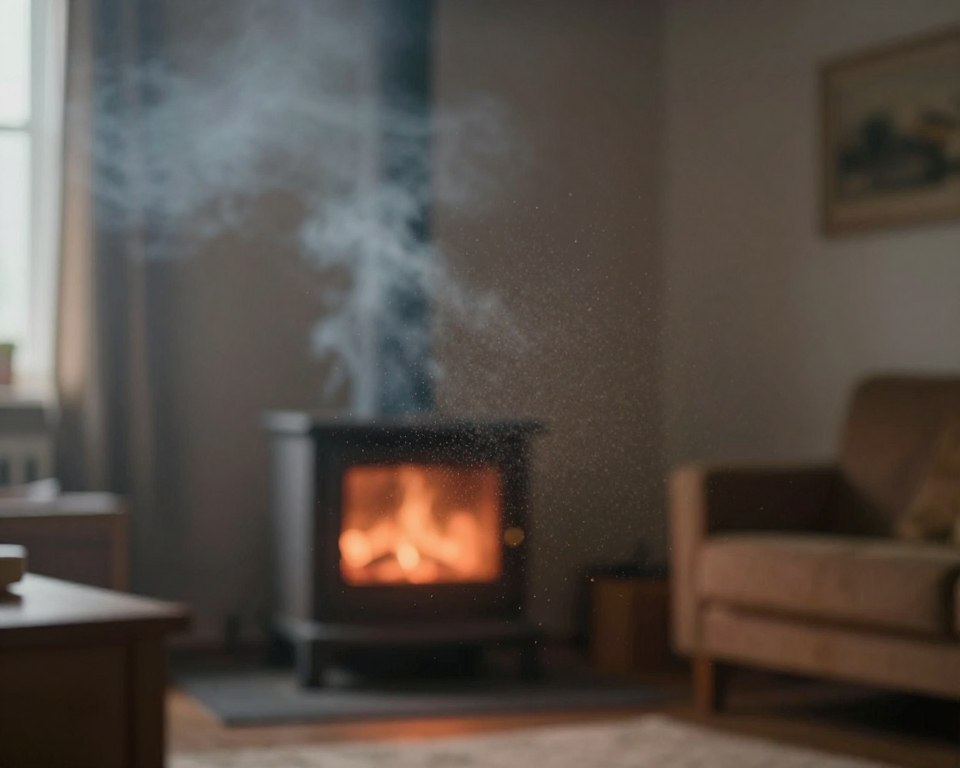
Studies from King’s College London show wood burning can cause up to 50% of PM2.5 pollution in cities in winter. This pollution is harmful because it goes deep into our bodies.
Respiratory Conditions and Asthma Exacerbation
Small particles irritate airway linings, causing inflammation. People with asthma or chronic bronchitis face worse symptoms. Long-term exposure weakens lung function, making it hard to clear pollutants.
“The inhalation of fine particulate matter is not merely a nuisance; it is a documented trigger for severe respiratory distress and long-term pulmonary decline in susceptible individuals.”
Cardiovascular Implications of Fine Particle Inhalation
Smoke’s effects go beyond the lungs. Fine particles in the blood cause heart and blood vessel inflammation. This can lead to cardiovascular disease.
The table below shows how particle size affects health:
| Particle Size | Primary Health Impact | Systemic Reach |
|---|---|---|
| PM10 | Upper airway irritation | Nasal passages and throat |
| PM2.5 | Deep lung inflammation | Bloodstream and heart |
| Ultrafine | Cellular oxidative stress | Brain and organs |
Impact on Vulnerable Populations
Some groups are more at risk from wood smoke. Children and the elderly are more vulnerable. Those with respiratory health or cardiovascular disease need to be careful.
To protect these groups, we need better home heating and air quality. Using less wood during pollution peaks helps keep everyone healthier.
The Pathophysiology of Smoke Inhalation
Smoke inhalation damage goes beyond the surface. It affects the body deeply. When smoke particles enter, they start a chain of events that harms respiratory health. Knowing how this works is key to keeping homes safe, like when comparing wood smoke to cigarette smoke.
Inflammatory Responses in the Airways
Smoke particles reach deep into the lungs. The body sees them as threats and reacts with inflammation. This makes airways swell, leading to more mucus and less air flow.
Chronic inflammation causes lasting damage. It stops airways from healing. This is a big problem from exposure to smoke.
Oxidative Stress and Cellular Damage
Smoke brings toxic free radicals into the body. These molecules damage healthy cells. Wood smoke’s chemicals are very harmful, I’ve seen.
These toxic free radicals stay active for a long time. This means more damage to cells. The body’s defenses can’t keep up, leading to oxidative stress.
Long-term Pulmonary Function Decline
Long-term exposure to smoke harms lungs. The lungs become scarred and less efficient. This can lead to breathing problems and less energy.
The table below shows how pollutants affect the body:
| System Affected | Primary Mechanism | Clinical Outcome |
|---|---|---|
| Respiratory | Airway Inflammation | Reduced lung capacity |
| Cardiovascular | Systemic Oxidative Stress | Increased cardiovascular disease risk |
| Cellular | DNA/Protein Damage | Accelerated aging of tissue |
Going from short-term irritation to long-term disease is common. Avoiding harmful particles helps keep lungs healthy and function better over time.
Environmental and Indoor Air Quality Standards
Many people know about tobacco dangers, but wood smoke’s impact on indoor air quality is often ignored. Rules for burning appliances aim to protect health, but they don’t always fit daily use. It’s key to connect outdoor standards with indoor air for better health.

EPA Regulations on Wood Stoves and Fireplaces
The Environmental Protection Agency (EPA) has strict rules for wood heaters in homes. These rules help limit harmful emissions by setting emission limits. Modern, EPA-certified stoves are much better than old ones or open fireplaces.
But, these rules work only if stoves are installed and maintained right. Even EPA-approved stoves can pollute if the chimney is blocked or wood is not seasoned right. Homeowners must follow local rules to keep their heating safe.
Monitoring Indoor Air Quality in Homes
It’s hard for most people to check the air in their homes. Many don’t know about particulate matter PM2.5 in their homes during winter. Studies from southern California show that one wood fire can pollute as much as 800 cigarettes.
This shows we need good air sensors to track pollutants. When indoor air gets bad, it means smoke is getting back into the house. Regular checks help families fix problems, like better ventilation or sealing the fireplace.
The Challenge of Secondhand Smoke vs. Secondhand Wood Smoke
People know a lot about secondhand smoke thanks to health campaigns and smoking bans. But, wood smoke’s dangers are often seen as natural, leading to a lack of rules. This makes health guidelines weak.
Tobacco smoke is tightly controlled, but wood smoke is not. We need to treat wood smoke like other harmful air pollutants. Teaching people about wood smoke dangers is the first step.
| Pollutant Source | Primary Concern | Regulatory Status |
|---|---|---|
| Tobacco Smoke | Nicotine and Carcinogens | Strictly Regulated |
| Wood Smoke | Particulate Matter PM2.5 | Partially Regulated |
| Ambient Air | General Pollutants | Monitored by EPA |
Veterinary Perspectives on Smoke Exposure
Domestic animals often face the first signs of poor indoor air quality from wood smoke. Pets spend most of their time indoors, just like their owners. It’s as important to know these risks as it is to check that products like rug deodorizer powder are safe for pets.
How Smoke Affects Domestic Pets
Pets are very sensitive to smoke because of their small lungs and fast breathing. When wood smoke particles enter homes, they settle at the floor level. This is where pets spend a lot of time, making them breathe in more toxins.
Smaller animals, like birds and small mammals, are even more at risk. Their lungs are more sensitive to smoke. Owners should watch for signs of distress in these pets before they see any changes in air quality.
Clinical Signs of Respiratory Distress in Animals
As a vet, I see pets showing signs of breathing trouble first when air quality drops. Owners should look for signs like coughing, being very tired, and breathing hard when resting.
If your pet is panting a lot, wheezing, or not eating, get help right away. These signs mean they might not be getting enough oxygen. Quick action can prevent serious lung damage.
| Symptom | Canine Response | Feline Response |
|---|---|---|
| Breathing Pattern | Rapid, shallow breaths | Open-mouth breathing |
| Activity Level | Significant lethargy | Hiding or withdrawal |
| Airway Sound | Audible wheezing | Persistent coughing |
Image Disclosure: AI-Generated Educational Illustrations
Some images in this article are AI-made for easy understanding. They help explain vet concepts in a way pet owners can grasp.

Understanding Veterinary Concepts Through Visual Aids
Visual aids make complex vet info easier to understand. They show how smoke affects animal airways. This helps pet owners see the dangers of bad air quality.
Limitations of AI Illustrations in Clinical Diagnosis
Remember, these images can’t replace a vet’s check-up. AI pictures lack the detail of a real vet exam. Always see a vet if you think your pet has inhaled smoke or is sick.
Mitigation Strategies for Wood Smoke Exposure
Keeping your home safe from wood smoke requires smart tech and regular upkeep. These steps help keep the air clean during the cold months. By fixing the smoke source and improving indoor air, you cut down on harmful particles.

Proper Maintenance of Wood-Burning Appliances
Keeping your heating appliance in top shape is key to less smoke. Regular checks on your stove, fireplace, and chimney are vital. Professional cleaning gets rid of creosote, which blocks airflow and increases smoke.
Make sure door seals are tight to keep smoke out. Using dry, seasoned wood also cuts down on smoke particles.
The Importance of High-Efficiency Filtration Systems
When smoke is around, you need mechanical help to stay healthy. Air filtration systems with electrostatic tech are great at catching small particles. They can cut down to 95% of harmful particles.
Choose a system with a high Clean Air Delivery Rate (CADR) for your room size. Place them near smoke sources or in busy areas for best results. Regular use of these filters is key to clean indoor air quality.
Ventilation Techniques for Safer Indoor Air
Good ventilation helps clear smoke from your home. Open windows on opposite sides for a cross-breeze. This clears out stale air and prevents smoke buildup.
If it’s too cold outside, use mechanical ventilation like heat recovery ventilators. They swap out stale air for fresh without losing heat. Using these methods with air filtration systems offers strong protection against wood smoke.
Public Health Perspectives on Combustion Byproducts
Understanding combustion byproducts is key for today’s health policies. Research into indoor air quality has shown the dangers of common heating methods. It shows that the air in our homes is as important as the air outside.
Epidemiological Studies on Wood Smoke
New research has changed how we see heating at home. The World Health Organization (WHO) has labeled wood smoke particles as a Group 1 carcinogen. This puts wood smoke in the same danger zone as tobacco smoke.
Studies show that biomass combustion harms our lungs and hearts. Long-term studies link it to lung diseases. These findings lead to new safety rules for homes.
Comparing Global Health Data on Tobacco and Biomass
Health officials now worry about wood smoke as much as cigarette smoke. While tobacco is well-known for health risks, biomass combustion is often ignored. Both release harmful chemicals that harm our lungs and blood.
Both sources cause inflammation and damage cells. Here’s a table comparing the risks:
| Source | Primary Risk | Regulatory Status |
|---|---|---|
| Tobacco Smoke | High Carcinogenic Potentia | Strictly Regulated |
| Biomass Combustion | Respiratory/Cardiovascular Stress | Increasingly Monitored |
| Combustion Byproducts | Systemic Inflammation | Subject to EPA Standards |
Policy Shifts Toward Cleaner Heating Alternatives
The dangers of combustion byproducts are pushing for policy changes. Governments are choosing cleaner heating options to protect health and lower healthcare costs. This means moving from wood-burning to cleaner, efficient technologies.
Experts say making informed choices is key for homeowners. Choosing cleaner options can greatly reduce harmful particle exposure. These changes are essential for safer homes for our children and grandchildren.
The Role of Combustion Efficiency
Getting the most out of your wood stove is key to keeping your home safe. When a fire burns well, it uses up all the fuel. This means fewer harmful combustion byproducts get into your home.
Open Fireplaces vs. EPA-Certified Wood Stoves
Old-fashioned open fireplaces don’t burn wood well. They often let lots of unburned combustion byproducts into your living space. This is not good for your health.
On the other hand, EPA-certified wood stoves are much better. They have special parts that make sure gases are fully burned. This cuts down on pollutants a lot.
“The transition from an open hearth to a modern, certified appliance is the single most effective step a homeowner can take to improve indoor air quality.”
The Impact of Wood Moisture Content on Emissions
The wood you burn matters a lot. Wet or green wood makes the fire work harder. This means it burns less efficiently.
This leads to more wood stove emissions, like soot and creosote. To burn cleaner, follow these tips:
- Only burn seasoned hardwood with less than 20% moisture.
- Don’t burn softwoods or treated wood, as they produce more pollution.
- Keep wood dry and off the ground to avoid moisture.
Technological Advancements in Pellet Stoves
Pellet stoves are the top choice for heating your home. They use special systems to feed fuel in the right amount. This ensures a steady, hot burn.
Because the fuel is uniform, wood stove emissions are much lower. Pellet stoves are a smart choice for those wanting to reduce their impact on the environment.
Psychological and Behavioral Factors in Exposure
The appeal of a crackling fire often hides the pollutants it releases. Many people choose comfort over health during cold months. This gap in understanding is a big challenge in health education.
Perception of Risk: Natural vs. Synthetic Smoke
Wood smoke is often seen as natural and safe. But, it’s actually complex and toxic, like secondhand smoke. This shows how our views on smoke can be wrong.
Thinking wood smoke is harmless is common. But, monitors show it can be very harmful. It’s important to know “natural” doesn’t mean “safe.”
Cultural Significance of Fireplaces and Health Trade-offs
Fireplaces are a big part of many homes, bringing families together. Pictures of kids by fire pits are seen as wholesome. But, these images hide the health risks.
The love for wood fires makes it hard to talk about risks. Families might choose tradition over health. It’s key to understand this emotional side to talk about biomass combustion safely.
Informed Decision Making for Home Heating
Good health comes from knowing the facts, not just feelings. Knowing how smoke harms lungs helps make better choices. It’s possible to stay warm without harming your health.
Choosing health doesn’t mean giving up old ways. It’s about using cleaner options and keeping things well-maintained. This way, homes can stay cozy without harming lungs.
Future Research and Clinical Directions
We need to change how we study the effects of smoke in homes. We know smoke is harmful, but we want more detailed, long-term studies on biomass combustion.
Gaps in Current Toxicological Data
We don’t fully understand how long-term, low-level smoke exposure affects health. Most studies look at sudden, intense smoke exposure, not the slow damage from daily biomass combustion at home.
Researchers should focus on finding early signs of lung problems. This will help doctors act early to prevent serious damage in people at risk.
“The future of public health depends on our ability to bridge the gap between short-term observations and the reality of lifelong environmental exposures.”
Emerging Technologies for Smoke Detection
New sensor technology is coming to improve indoor air quality monitoring. Soon, homes will be able to track air quality in real-time with unprecedented accuracy.
These systems give instant feedback. They help families adjust their heating or ventilation before air quality gets too bad. Adding these sensors to smart homes is a big step towards better health.
Longitudinal Studies on Biomass Exposure
To really understand biomass combustion‘s health effects, we need long-term studies. These studies should follow people for years. They are key to seeing how constant, low-level smoke exposure leads to long-term health issues like lung or heart diseases.
By studying biomass combustion over time, scientists can make better health policies and safety rules. This long-term research will help make sure future heating advice is based on solid science and understanding of human health and the environment.
Conclusion
Wood smoke is harmful, similar to cigarette smoke. Wood-burning stoves may warm your home but also fill it with harmful particles and cancer-causing substances. To reduce these risks, choose cleaner heating options and improve your indoor air quality.
It’s important to learn about residential wood burning to control emissions. Burning seasoned firewood and ensuring good airflow can help a lot. Keeping your heating systems in good shape is also key to a healthy home.
Switching to modern, efficient heating systems is a safer choice for your family. Knowing about air quality and local initiatives helps make your home healthier. By doing this, you ensure a cozy home without harming your lungs in the long run.
FAQ
Is wood smoke actually more dangerous to human health than cigarette smoke?
Both are harmful, but studies show wood smoke might be worse. The big difference is that wood smoke is often inhaled involuntarily and for longer periods. This is unlike smoking, which is usually done on purpose and for shorter times.
What are the specific toxic components found in wood combustion byproducts?
Wood smoke contains harmful chemicals like PAHs, carbon monoxide, and VOCs. The biggest concern is PM2.5. These tiny particles can deeply penetrate the lungs, causing serious damage.
How does wood smoke inhalation affect the body’s internal systems?
Breathing in wood smoke triggers inflammation and oxidative stress. This can lead to lung damage and worsen heart disease. It’s a serious issue that affects lung function over time.
Can wood smoke exposure cause or worsen chronic respiratory conditions?
Yes. Wood smoke can make asthma, bronchitis, and other lung problems worse. In places where smoke gets trapped, more people with breathing issues end up in the hospital.
Are pets more sensitive to indoor wood smoke than humans?
Pets are often the first to show signs of bad air quality. If your pet coughs a lot, seems tired, or breathes hard, it’s a sign of poor air. This means your heating system might not be working well.
What can I do to reduce the health risks of using a wood stove?
To make wood stoves safer, burn dry wood and use an EPA-certified stove. Also, use air filters and ensure good ventilation to remove harmful particles from your home.
Why is there a difference in how the public perceives wood smoke versus secondhand tobacco smoke?
People often see wood smoke as natural and tobacco smoke as man-made. This view hides the dangers of wood smoke. While rules for wood stoves are getting better, they’re not as strict as those for tobacco.
Are pellet stoves safer than traditional open fireplaces?
Yes. Pellet stoves are much better because they burn more efficiently and produce fewer harmful particles. They are a big step up from old-fashioned fireplaces.