Choosing the right kitchen tools can be tough. You want them to work well and keep your family safe from harmful chemicals. Many wonder if their pots and pans are up to today’s health standards.
Reliable information is key in the world of kitchen materials. We check how different metals react to heat and acidic foods. This helps us understand how these metals affect your food.
We look at how these materials are made and what they’re made of. Prioritizing health begins with knowing what touches your food. This guide is here to help you choose safe kitchen tools.
Key Takeaways
- Stainless steel is widely recognized for its high chemical stability during cooking.
- Quality alloys minimize the risk of heavy metal leaching into food.
- Acidic ingredients can react with lower-grade metals, making material choice vital.
- Manufacturing standards play a significant role in overall product safety.
- Evidence-based research helps consumers avoid unnecessary toxicity risks.
- Proper maintenance extends the lifespan and safety of your kitchen equipment.
Understanding the Composition of Stainless Steel Cookware
Not all stainless steel is the same. Its makeup affects how it cooks your food. It’s mainly iron, chromium, and nickel mixed together. These elements keep the metal from rusting and stay stable when it’s hot.
Keeping your cookware clean keeps it safe to use every day. If you see any dirt or buildup, a good stainless steel cleaner can help. It keeps the metal in top shape without harming it.
The Role of Chromium and Nickel in Metal Stability
Chromium is key to stainless steel not rusting. It forms a passive layer when it meets oxygen. This layer protects the iron inside from acidic foods, stopping it from leaching into your food.
Nickel adds strength and helps fight off corrosion. By mixing these metals, makers create a tough, lasting surface. This is why stainless steel is a top pick for both pros and home cooks.
Understanding Food-Grade Stainless Steel Grades 304 and 316
In cooking, you’ll see numbers like 304 and 316. These numbers show the mix of chromium and nickel. They tell you how well the pan will hold up against wear and tear.
Grade 304, or 18/8 or 18/10 stainless steel, is common in good cookware. It has a good mix of chromium and nickel for durability and safety. For tougher spots, Grade 316 is used. It has molybdenum for extra protection against salt and acid.
| Grade | Composition | Primary Benefit |
|---|---|---|
| 304 (18/8) | 18% Chromium, 8% Nickel | Standard food-grade durability |
| 304 (18/10) | 18% Chromium, 10% Nickel | Enhanced corrosion resistance |
| 316 | 16% Cr, 10% Ni, 2% Mo | Superior resistance to pitting |
Is Stainless Steel the Safest Cookware for Daily Use
Many home cooks ask if stainless steel cookware safety is good for daily meals. Stainless steel is seen as very stable for kitchens. It’s not perfect, but it’s one of the best choices.
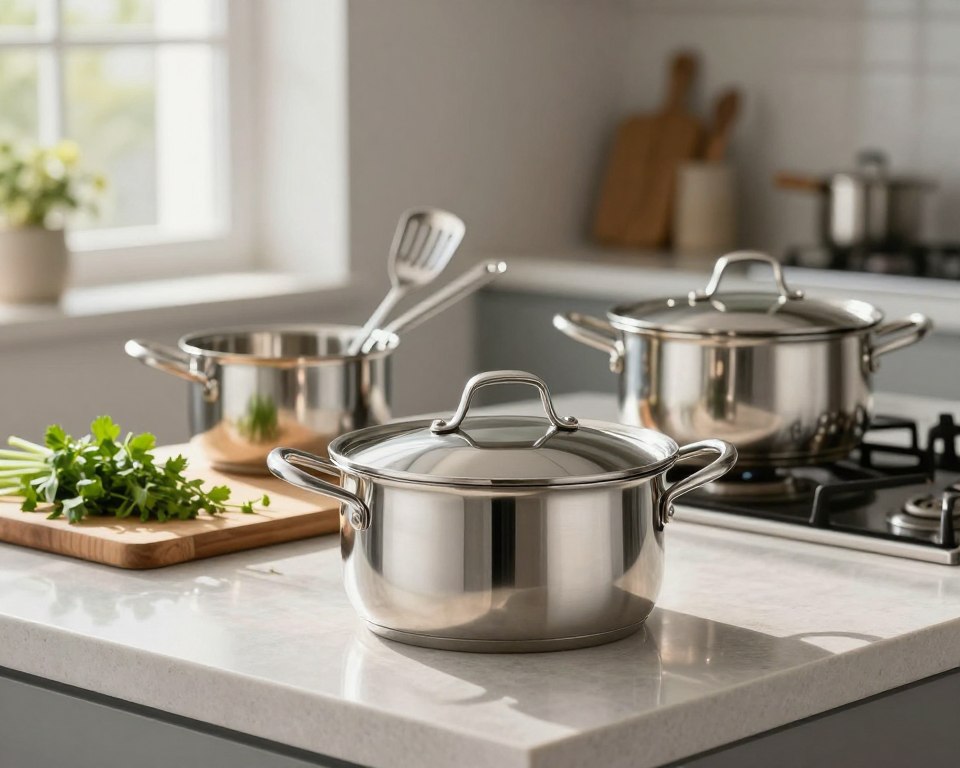
Chemical Leaching Risks Compared to Other Materials
Stainless steel doesn’t break down like non-stick pans do when heated too high. It’s chemically inert, meaning it doesn’t react with food. This keeps your meals safe from unwanted chemicals.
Stainless steel is also very durable. It doesn’t wear down like aluminum or copper pans do. This makes it a great choice for long-term use.
The Reality of Heavy Metal Migration in Acidic Foods
Some worry about nickel or chromium getting into food, like when cooking acidic things. But, under normal use, this is negligible and safe.
But, how much metal gets into food can change. To keep your cookware safe, think about these things:
- Cooking Duration: Cooking acidic foods for a long time can lead to more metal release.
- Surface Condition: Damaged metal can react more with food.
- Material Quality: Cheaper alloys might leach more than high-quality 304 or 316 steel.
So, is stainless steel the safest cookware for everyday use? Yes, for most people, it is. Just make sure to take care of it and use it right. Avoid harsh cleaners to keep it in good shape for years.
Comparing Stainless Steel to Non-Stick Coatings
It’s important to know the difference between metal pans and coated ones for a safe kitchen. Stainless steel has a permanent, inert surface. On the other hand, non-stick pans have synthetic layers that can change over time. People often choose non-stick for easy food release but worry about chemicals breaking down at high heat.
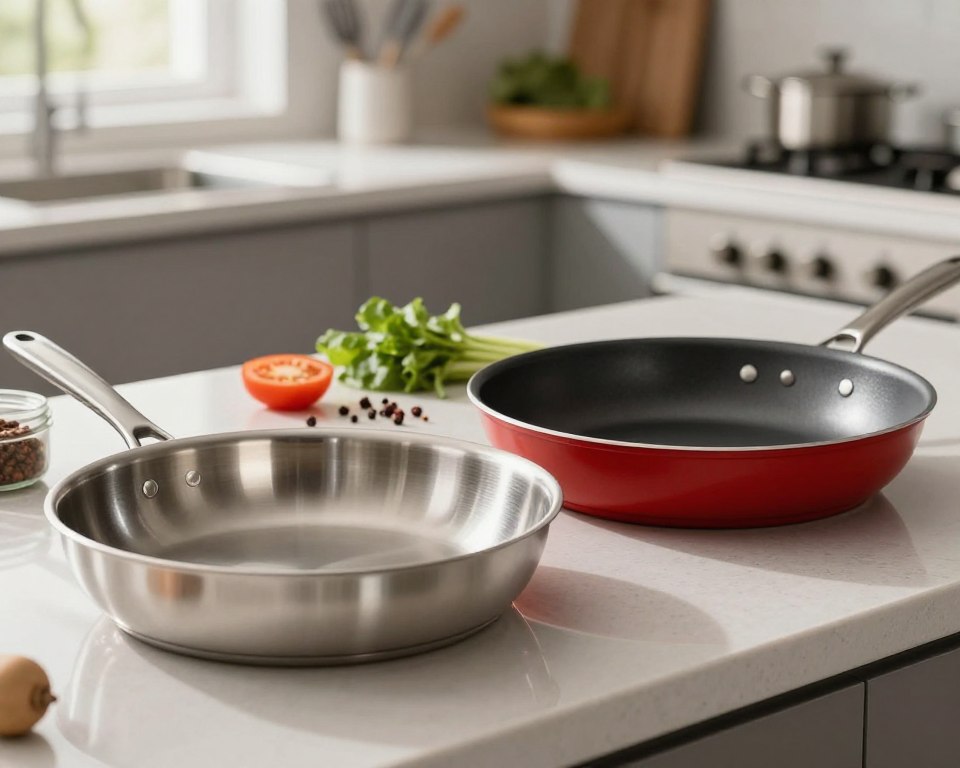
The Evolution of PTFE and PFOA-Free Alternatives
The non-stick cookware world has changed a lot due to health concerns. Old non-stick pans used PFOA, which is now mostly banned. Today, we have PTFE-free and ceramic-based pans that are safer.
But, many people still worry about the durability of these new coatings. Unlike stainless steel, which is solid, non-stick pans have applied layers. These layers can wear off, scratch, or break down, which can be dangerous if not handled carefully.
Durability and Thermal Degradation Risks
Thermal degradation is a big worry with non-stick pans. If you heat them too high, the material can break down and release harmful fumes. Stainless steel, on the other hand, is very heat-resistant and doesn’t have the same chemical instability as non-stick pans.
Here’s a table that shows the main differences between stainless steel and non-stick pans:
| Feature | Stainless Steel | Synthetic Non-Stick | Ceramic Non-Stick |
|---|---|---|---|
| Surface Type | Solid Metal Alloy | Polymer Coating | Sol-Gel Coating |
| Heat Tolerance | Very High | Low to Moderate | Moderate |
| Durability | Excellent (Lifetime) | Limited (1-3 years) | Limited (1-2 years) |
| Chemical Risk | Negligible | High if overheated | Low (if intact) |
Deciding between stainless steel and non-stick pans is about finding a balance. Stainless steel is durable and safe, but non-stick pans are convenient. Knowing the differences helps you choose what’s best for your kitchen and health.
Stainless Steel Versus Cast Iron and Carbon Steel
Looking at stainless steel vs other cookware materials, we see big differences. Stainless steel is easy to care for and doesn’t react with food. But, cast iron and carbon steel need special care because they react with food.
Seasoning Requirements and Maintenance Differences
Cast iron and carbon steel pans need seasoning. This is when you bake oil onto the metal to make it non-stick. Without seasoning, these pans rust and food sticks to them.
Stainless steel, on the other hand, is easy to keep clean. It doesn’t need seasoning and can be washed with regular cleaners or even scrubbers. This makes it great for those who like quick kitchen cleaning.
Iron Content and Nutritional Impact on Cooking
Iron-based cookware, like cast iron, can add iron to your food. This is good for some people, but it’s not a full meal. It’s more of a small nutritional benefit.
Stainless steel doesn’t add minerals to your food. It keeps the taste of your food the same. So, it’s up to you if you want the corrosion resistance of stainless steel or the traditional feel of iron-based pans.
| Feature | Stainless Steel | Cast Iron/Carbon Steel |
|---|---|---|
| Maintenance | Low (Dishwasher safe) | High (Requires seasoning) |
| Reactivity | Inert (Non-reactive) | Reactive (Can leach iron) |
| Surface | Passive | Natural non-stick (if seasoned) |
| Durability | High (Corrosion resistant) | High (Requires rust prevention) |
The Role of Aluminum Cores in Stainless Steel Pans
Stainless steel pans are known for their durability and safety. But, they don’t conduct heat well. This can cause hot spots and burnt food.
To fix this, makers use a method called cladding. They add a layer of aluminum between stainless steel layers. This makes heat spread evenly across the pan.
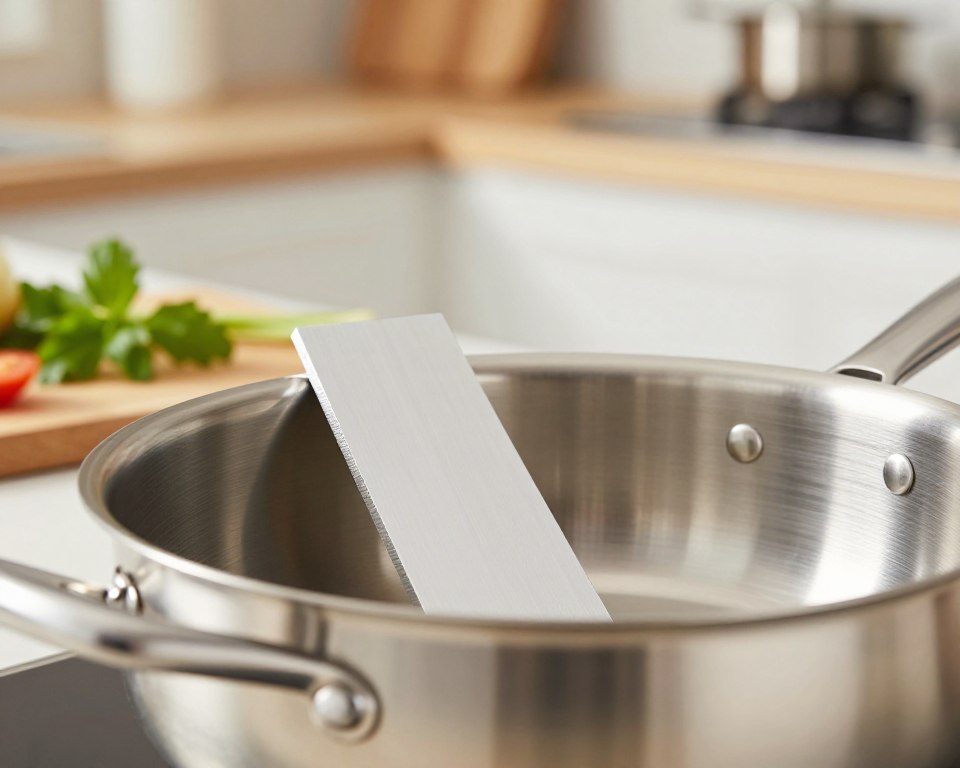
Why Cladding is Necessary for Heat Distribution
Stainless steel pans have trouble spreading heat evenly. This is because stainless steel is an insulator, not a conductor. Adding an aluminum core helps. It makes the pan heat up quickly and evenly.
This design is key for cooking that needs precise heat control. It helps prevent scorching and ensures even cooking. This means you don’t have to stir or adjust the heat as much.
Assessing the Risk of Aluminum Exposure Through Cladding
Some people worry about aluminum leaching into food from the core. But, in good cookware, the aluminum is fully encapsulated in stainless steel. This means it can’t touch your food.
As long as the stainless steel is not damaged, the aluminum stays safe inside. Even small scratches won’t let aluminum out. This makes the cookware safe for everyday use.
| Material | Thermal Conductivity | Reactivity | Safety Profile |
|---|---|---|---|
| Stainless Steel | Low | Inert | Excellent |
| Aluminum | High | Reactive | Safe when clad |
| Clad Stainless | High | Inert | Excellent |
Health Benefits of Cooking with Stainless Steel
Stainless steel is a top choice for health-conscious cooks. It doesn’t react with food, keeping your meal’s chemical makeup intact. This makes it a safe choice for your kitchen.
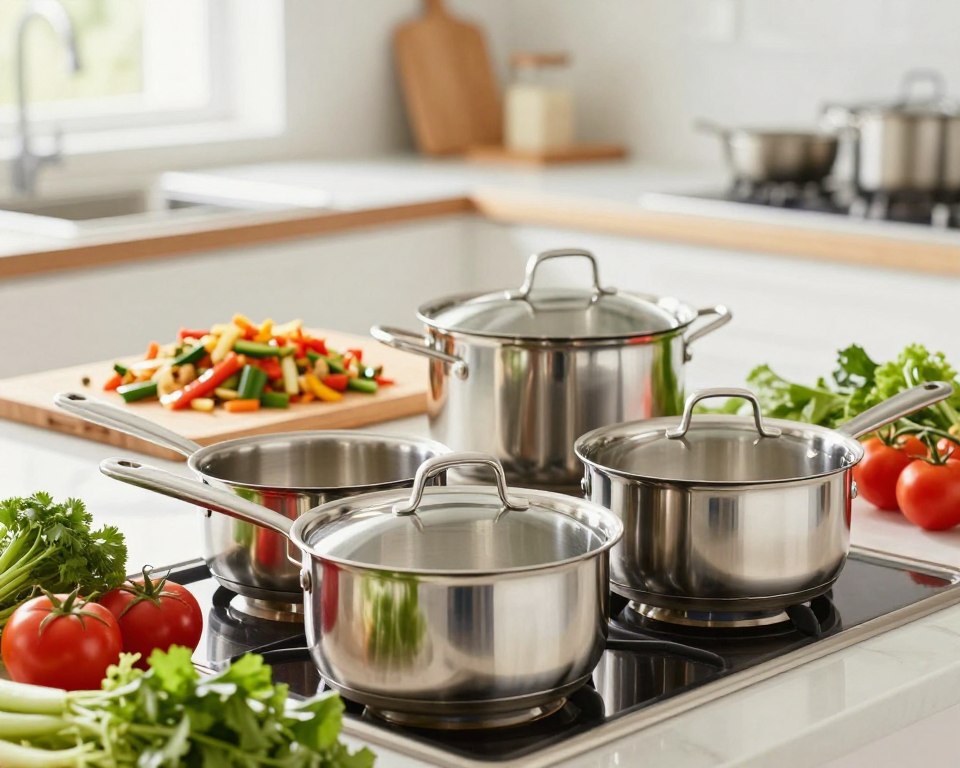
Inert Surfaces and Flavor Preservation
Stainless steel is great because it doesn’t leach metals into acidic foods. This means your food’s taste stays true. Chefs love it for keeping recipes just right.
They use stainless steel cookware to keep food flavors intact.
“The primary advantage of using inert materials in the kitchen is the elimination of unwanted chemical migration, which allows the true essence of the food to shine through without interference.”
Resistance to Bacterial Growth and Surface Porosity
Stainless steel is also very hygienic. It has very low surface porosity, which means it doesn’t hold onto bacteria or food. This makes it easy to clean and safe to use.
Here’s why stainless steel is better than porous materials for health:
| Feature | Stainless Steel | Porous Materials |
|---|---|---|
| Surface Porosity | Extremely Low | High |
| Chemical Reactivity | Inert | Reactive |
| Bacterial Resistance | High | Low |
| Flavor Integrity | Excellent | Variable |
Choosing stainless steel means less chance of bacteria in your kitchen. It’s a durable, hygienic tool for many years.
Common Misconceptions About Stainless Steel Safety
When we talk about stainless steel cookware safety, it’s key to separate facts from rumors. Many people worry about cooking with metal, but these fears often come from not understanding how these materials work with food. By looking into the science behind it, we see why stainless steel is a staple in kitchens everywhere.
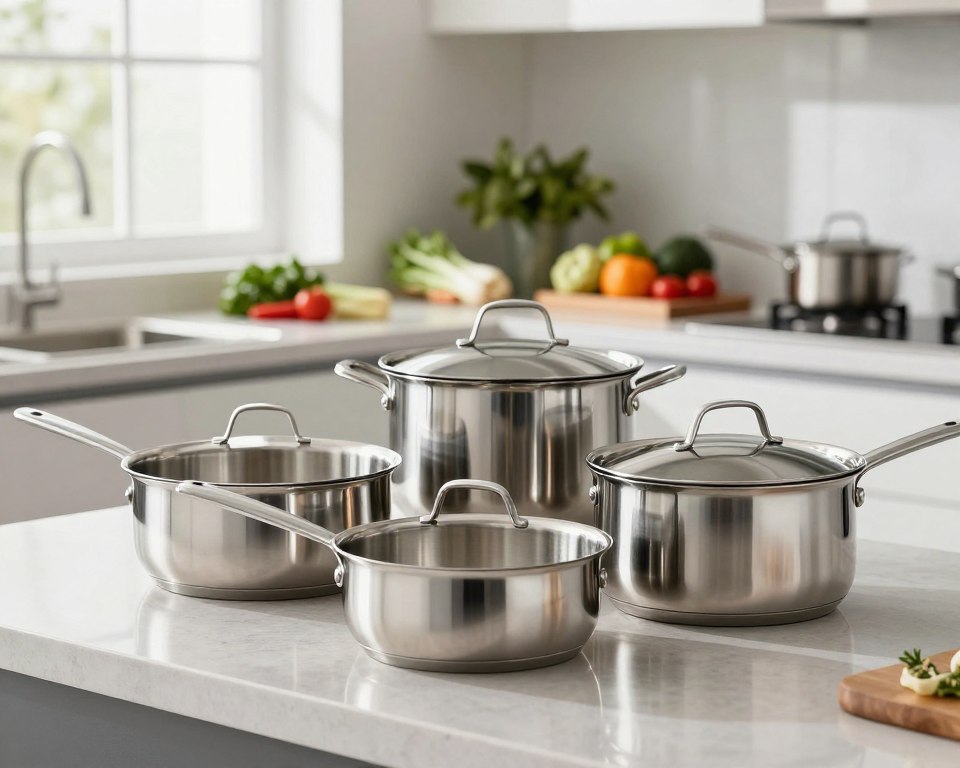
Debunking Myths Regarding Nickel Allergies
Some folks worry about nickel in high-quality alloys. It’s true that nickel helps prevent rust, but very little of it gets into food during cooking. For almost everyone, this is not a concern.
But, if you have a serious nickel allergy, you should be careful. For most, though, stainless steel cookware safety is top-notch. The metal stays stable and doesn’t leak into food, even with acidic dishes.
Clarifying the Impact of Scratches and Surface Wear
Scratches on a pan can worry some people. They think it might mean the metal is unsafe or that it could release harmful metals.
But stainless steel is a solid, one-piece material, not a coated surface. A scratch just marks the surface, not a hidden, toxic layer. Keeping your stainless steel cookware safe doesn’t mean it has to look perfect. A little cosmetic damage won’t harm the safety of your cooking surface, as long as you clean it right.
Best Practices for Cooking with Stainless Steel
To get professional results with cooking with stainless steel pots and pans, you need to change your cooking style. Stainless steel reacts with heat, so knowing how it works is key. By following a few simple steps, you can make your stainless steel cookware non-stick and last for years.
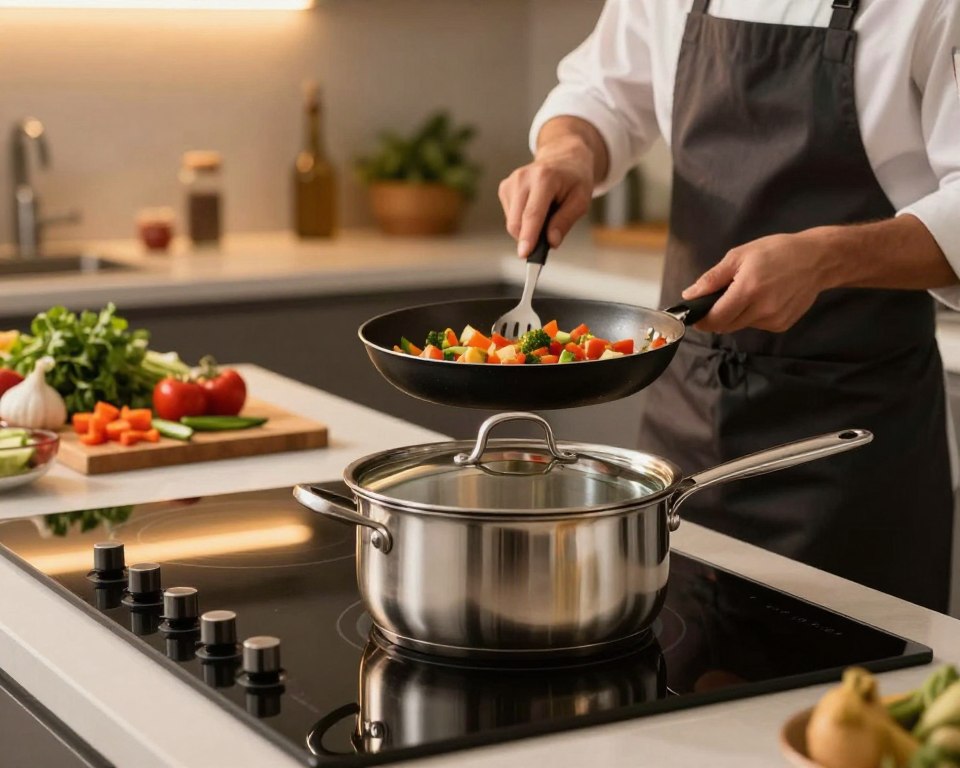
Temperature Control to Prevent Burning and Sticking
One big mistake is putting food in a cold pan. Always preheat your stainless steel cookware on medium heat for a few minutes before adding oil or food. This makes the metal expand and creates a smooth cooking surface.
To check if the pan is ready, try the water drop test. If a small water droplet dances on the surface, it’s perfect. If it evaporates right away, the pan is too hot. If it just sits there, it’s not ready yet.
Proper Cleaning Techniques to Maintain Surface Integrity
Keeping your cookware in good shape is as important as managing heat when cooking with stainless steel pots and pans. Don’t use rough steel wool or abrasive cleaners, as they can scratch the surface. These scratches can trap bacteria and make food stick more.
For tough stains, soak the pan in warm, soapy water. For discoloration or mineral buildup, a baking soda and water paste or white vinegar can help. Always cool the pan completely before washing to avoid warping.
Identifying High-Quality Stainless Steel Cookware
When choosing safe cookware, it’s key to know about manufacturing. Not all metal pans are the same. Finding quality is crucial for your kitchen’s safety.
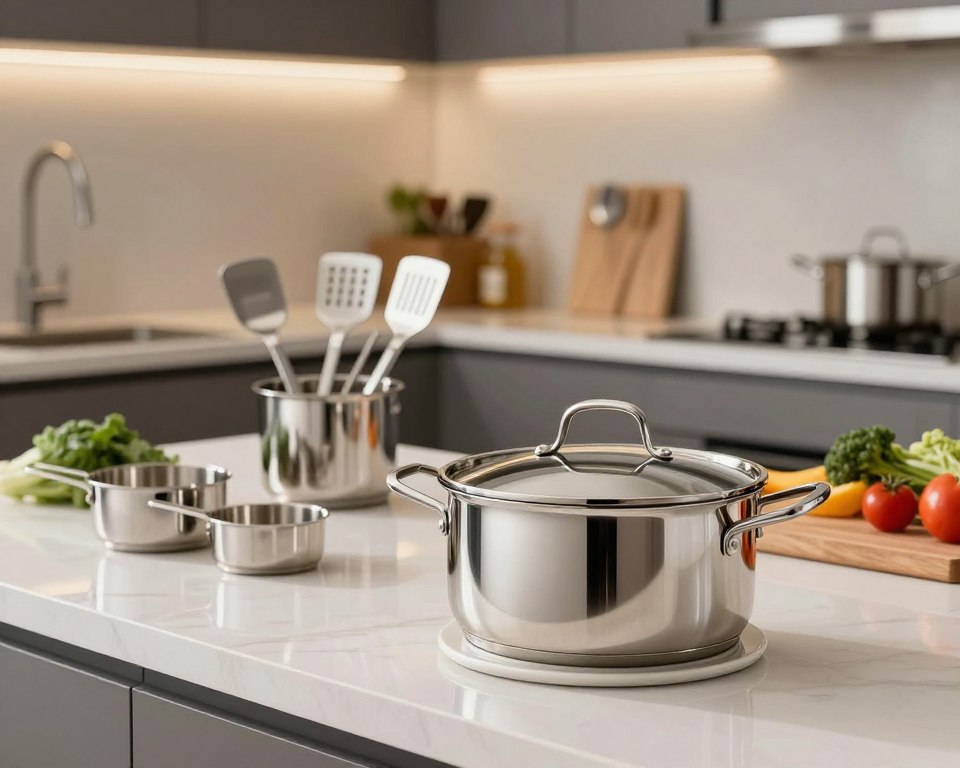
Evaluating Construction Quality and Weight
Your cookware’s performance depends on its build. Top pans have multi-ply cladding. This means a core of aluminum or copper between stainless steel layers.
This design spreads heat evenly. It stops hot spots that can burn food. Look for stainless steel cookware recommendations with a solid weight. This shows it’s thick and strong.
Recognizing Reputable Manufacturing Standards
Good makers use top-grade alloys like 304 or 316 stainless steel. These resist corrosion and don’t mix harmful chemicals into your food.
Companies that make food safely use these materials. When cooking with stainless steel pots and pans, check if brands share their making process. This shows they care about quality.
Buying from known brands means you get safe, lasting products. Focus on these details to build a kitchen that lasts.
Environmental and Sustainability Considerations
When looking at the benefits of stainless steel cookware, its impact on the environment is key. Many people want products that help them live sustainably. They avoid items that are used once and then thrown away.
Choosing high-quality materials means your kitchen tools will last for many years. This is better than using items that only last a few years.
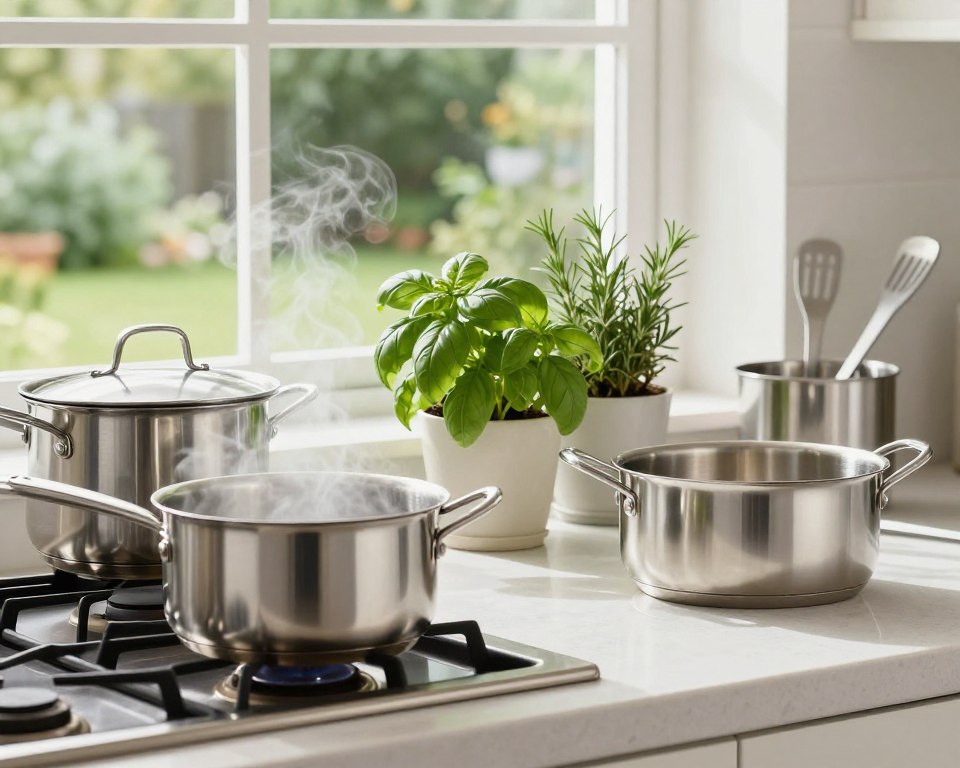
Longevity and Waste Reduction in the Kitchen
Stainless steel is very durable, which is its biggest environmental plus. Unlike non-stick pans, which need to be replaced often, stainless steel pans can last forever. This means less waste in landfills.
By picking durable, non-toxic materials, we reduce the need for constant new products. This is a big step towards a sustainable kitchen. Buying quality items is good for the planet, not just your wallet.
“True sustainability in the kitchen is achieved when we prioritize the lifecycle of our tools over the convenience of short-term replacements. Durable materials are the foundation of a responsible home.”
Recyclability of Stainless Steel Materials
Stainless steel is great because it can be fully recycled when it’s no longer needed. It’s one of the most recycled materials globally. It keeps its strength even after being melted and made into something new.
Looking at the whole life of stainless steel cookware shows its benefits. From mining to recycling, it has less impact than other materials. Here’s a comparison of different materials’ lifespans and environmental effects.
| Material Type | Average Lifespan | Recyclability | Environmental Impact |
|---|---|---|---|
| Stainless Steel | 20+ Years | High (100%) | Low |
| PTFE Non-Stick | 1–3 Years | Low | High |
| Cast Iron | Lifetime | High | Low |
Image Disclosure and Educational Context
Understanding the role of visual media in health education is key. We aim to provide clear, evidence-based info. This helps you make informed decisions about kitchen safety and well-being.
Some images in this article are made by artificial intelligence. These visuals are educational illustrations. They help explain complex concepts better than text alone.
Understanding the Use of AI-Generated Illustrations
AI-generated imagery helps us show safety principles clearly. These graphics focus on how materials react with heat or food surfaces.
Using these tools keeps our guides visually consistent. This ensures the content’s educational value is the main focus, not generic stock photos.
Limitations of Visual Representations in Veterinary and Health Contexts
We strive for accuracy in our educational materials. Yet, it’s crucial to understand visual representations’ limits. An illustration is not a replacement for a professional medical or veterinary check-up.
These images should not be used to diagnose health issues in pets or family members. If you have health concerns, always consult with a qualified professional. They can give a personalized assessment.
We suggest using these resources as a starting point for your research. But, always rely on expert guidance for addressing potential toxicity risks or health questions.
Navigating Non-Toxic Cookware Options
If you’re looking into non-toxic cookware options, start by learning about ceramic, glass, and enamel. Many people choose stainless steel, but comparing stainless steel vs other cookware materials helps find the best for your health and cooking style.
Ceramic-Coated Cookware as a Stainless Steel Alternative
Ceramic-coated pans are popular for their naturally slick surface. This makes cooking with less oil easier. They have a metal base covered with a silica-based gel, fired at high temperatures. This creates a smooth, non-stick finish without synthetic chemicals like PTFE.
But, these pans need careful handling. High heat can damage the coating over time, losing its non-stick properties. It’s best to use silicone or wooden utensils to avoid scratching the surface.
Glass and Enamel Options for Specialized Cooking
Glass and enamel-coated cast iron are great for those who want inert cooking surfaces. Glass is non-reactive, perfect for acidic dishes like tomato sauces. It doesn’t add metallic flavors to your food, keeping your ingredients pure.
Enamel-coated cast iron, like Dutch ovens, combines iron’s heat retention with a glass-like finish. These are durable and versatile, good for slow-cooking meats and baking bread. They’re heavier, but their longevity and performance make them a favorite in many professional kitchens.
| Material | Best Use | Maintenance | Safety Profile |
|---|---|---|---|
| Ceramic-Coated | Sautéing and eggs | Hand wash only | High (PTFE-free) |
| Borosilicate Glass | Baking and storage | Dishwasher safe | Excellent (Inert) |
| Enameled Iron | Braising and stews | Hand wash recommended | Excellent (Non-reactive) |
Choosing the right non-toxic cookware options means following care instructions. By matching the durability of your tools to your cooking needs, you can make your kitchen safe and efficient.
Conclusion
Stainless steel is a top pick for home cooking if you value quality and care for your tools. It’s important to choose the right materials and follow strict manufacturing standards. This way, your kitchen stays a place for healthy meals, free from harmful chemicals.
When picking safe cookware, don’t just look at what’s advertised. Check the metal in your pans. Brands like All-Clad and Demeyere are known for clear information about their materials. They use high-quality alloys that don’t corrode or leach chemicals during use.
Looking into non-toxic cookware options can make your kitchen more versatile. You can add glass or enamel pieces to your stainless steel collection. This mix helps you handle different cooking tasks and ingredients better.
Choosing the right cookware for health is a learning process. Focus on durable, non-reactive materials to keep your food and family safe. We suggest using these tips to create a kitchen that supports your health goals.
## FAQ
### Q: Is stainless steel the safest cookware for health-conscious kitchens?
A: Stainless steel is seen as very safe for cooking. It doesn’t release harmful fumes like non-stick pans do. It also stays strong at high heat, making it great for health and durability.
### Q: What are the primary benefits of stainless steel cookware over non-stick alternatives?
A: Stainless steel is better because it’s solid and lasts long. It browns food well and is safe in the dishwasher. It also avoids harmful chemicals found in old non-stick pans.
### Q: Does cooking with stainless steel pots and pans lead to heavy metal leaching?
A: Cooking with stainless steel can release small amounts of nickel and chromium. But, these amounts are usually safe for most people. For those with nickel allergies, special pans are available.
### Q: How should I go about choosing safe cookware for my family?
A: Look for “multi-clad” or “tri-ply” construction. This means the core is fully covered by stainless steel. It keeps food safe and ensures even heat. Choose brands like All-Clad or Tramontina for quality.
### Q: What are some specific stainless steel cookware recommendations for home chefs?
A: Choose fully-clad pans for the best performance. The All-Clad D3 series is top-notch. For extra protection, look for 316Ti stainless steel, found in high-end sets.
### Q: Are there other non-toxic cookware options if I want an alternative to stainless steel?
A: Yes, there are many options. Enameled cast iron is great for slow cooking. Glass, like Pyrex, is inert but less conductive. Ceramic cookware is also safe, provided it’s tested for lead and cadmium.
### Q: How does stainless steel vs other cookware materials compare regarding maintenance and safety?
A: Stainless steel is easy to clean and doesn’t absorb flavors. It’s also safe from bacteria. It’s better than cast iron or carbon steel for a clean cooking environment.
### Q: Why is stainless steel often considered the best cookware for health despite the use of aluminum?
A: Stainless steel is safe because the aluminum is fully covered. This design ensures the aluminum doesn’t leach into food. It heats evenly and is safe to use.
### Q: What should I do if my stainless steel pan gets scratched?
A: A scratch on a stainless steel pan is usually just cosmetic. It doesn’t mean the pan is unsafe. Just clean it well to keep it in good condition.
### Q: Is stainless steel a sustainable choice for the environment?
A: Yes, it’s very sustainable. A good stainless steel set can last for decades, reducing waste. It’s also fully recyclable, making it a green choice for your kitchen.