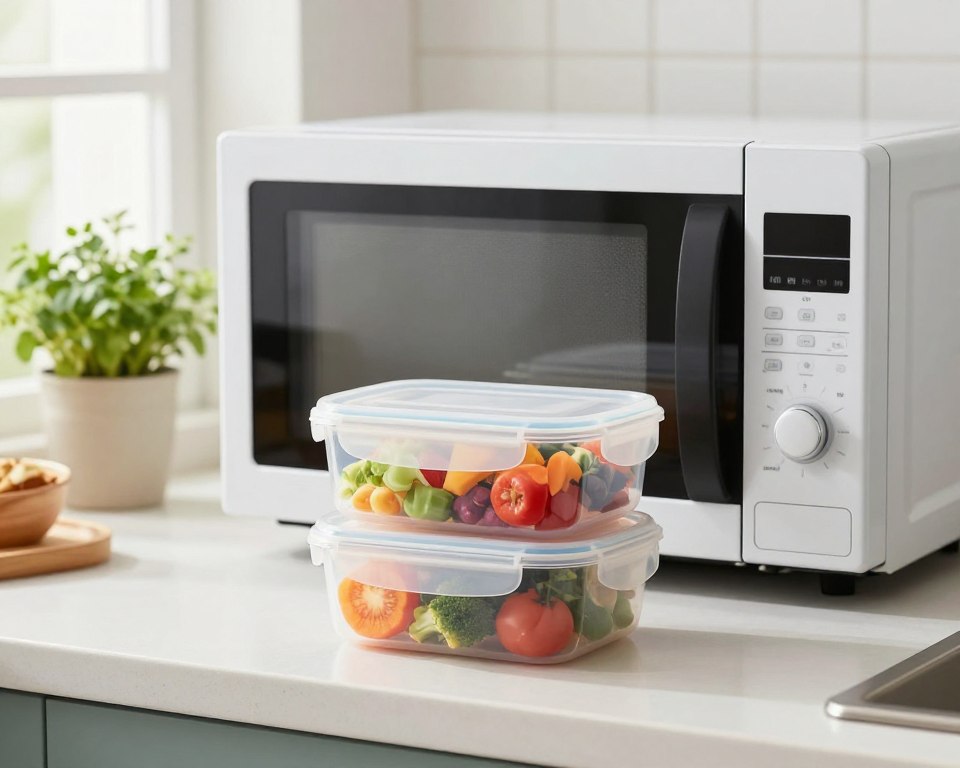
We all know the convenience of reheating last night’s dinner quickly. You grab a bowl, pop it in the microwave, and wait for the beep. It feels like a harmless part of modern life, yet many of us wonder about the hidden chemistry.
As a pharmacist, I often get questions about whether these common kitchen items leach chemicals into our meals. Understanding how thermal energy and synthetic polymers interact helps you make better choices for your family.
Evidence-based guidance helps us navigate these concerns clearly. By identifying the right materials, you can reduce potential health risks in your daily routine.
Key Takeaways
- Synthetic materials react differently when exposed to high thermal energy.
- Pharmacist-verified data helps distinguish between heat-resistant and reactive polymers.
- Leaching occurs when chemical bonds break down under extreme heat.
- Always check for specific labeling that confirms suitability for high-heat use.
- Prioritizing glass or ceramic options remains the gold standard for health-conscious households.
Understanding the Science of Plastic and Heat
When you press the start button on your microwave, a complex series of reactions starts in your plastic containers. These items are not just sitting there, waiting. They react when exposed to the microwave’s intense energy. Knowing how they work is key to keeping your kitchen safe.
How Polymers React to Thermal Energy
Plastic containers are made of long chains called polymers. When microwaves hit them, the energy makes water molecules in food vibrate fast. This vibration creates heat that goes straight to the plastic.
As it gets hotter, the polymer chains start to lose their shape. This can make the plastic soften or even melt if it gets too hot. Molecular stability is what decides if a container can handle microwave heat.
“The interaction between electromagnetic waves and food packaging is a matter of material science, where the structural integrity of the polymer determines the safety of the final product.”
The Process of Chemical Leaching
Chemical leaching happens when things from the plastic move into your food. This is sped up by high heat and fats or oils. When plastic gets too hot, these substances can easily get into your food.
Companies add plasticizers, stabilizers, and colorants to make containers better. But when it gets really hot, these chemical additives can break free. This is a big worry for people who want to avoid synthetic stuff in their food.
Decoding Plastic Identification Symbols
Looking at the bottom of your food containers reveals a secret language. These small icons tell you about the material of your kitchenware. Learning to read these marks is a foundational step in keeping your kitchen safe.
Most products have a Resin Identification Code on their base. This code uses a number inside a triangle to sort different polymers. Though made for recycling, it also shows how a material handles heat.
What the Resin Identification Code Means
The numbers go from 1 to 7, each for a different chemical structure. For example, number 1 is usually PETE, found in water bottles. Number 5 is Polypropylene (PP).
Knowing these categories helps you see which materials are stable and which might not be. Not all plastics are created equal when it comes to heat. Some can handle high temperatures well, while others might warp or leak chemicals.
Identifying Microwave-Safe Plastics
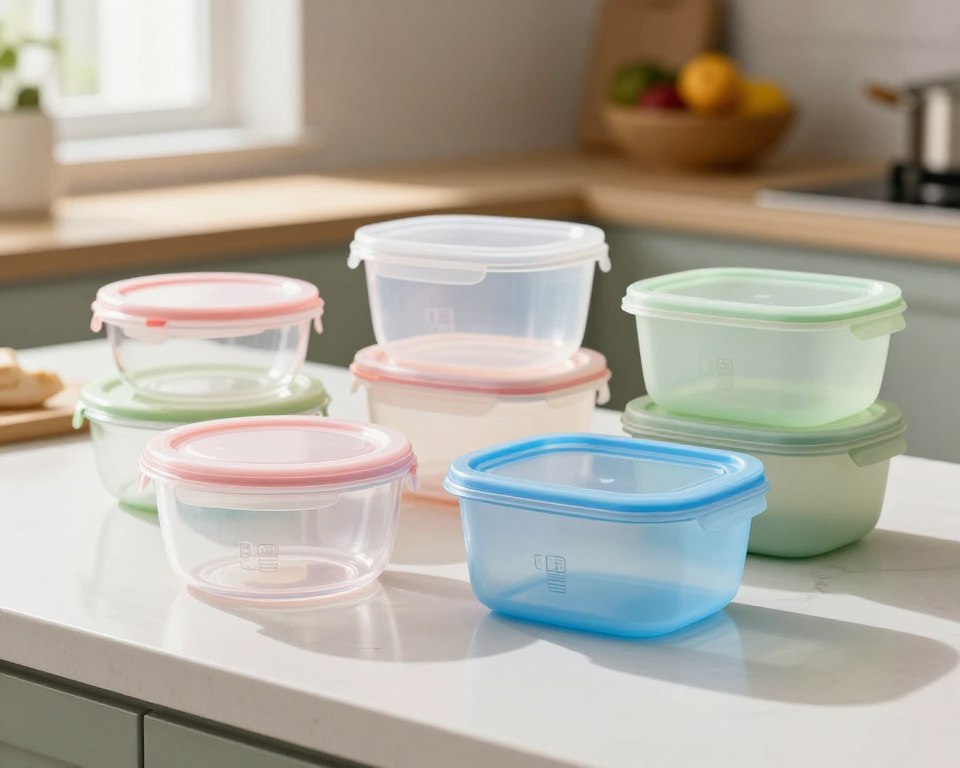
When looking for microwave safe plastic containers, check for specific signs. A container labeled as microwave-safe has been tested to ensure it’s safe at high temperatures. Polypropylene, marked with the number 5, is usually the best choice for reheating.
Stay away from containers without clear labels or those marked with a number 7. These often mean “other” plastics like polycarbonate, which might have BPA. Always choose products that are clearly labeled as microwave safe plastic containers to avoid health risks.
By checking these symbols before each use, you control your kitchen safety. Being consistent ensures your microwave safe plastic containers stay safe and reliable for your daily needs.
The Truth About BPA and Phthalates
Terms like “BPA-free” might hide other harmful substances in our kitchenware. Many look for BPA free microwave containers, but not all are safe. It’s key to check the full chemical makeup of our home items.
Health Risks Associated with Endocrine Disruptors
Chemicals like BPA and phthalates mess with our hormones. They can cause problems in growth, reproduction, and brain function. Heating plastic can break it down, letting these chemicals into our food.
Many don’t know how these chemicals affect our daily lives. Learning about them can help keep us safe. For more info, check out are household cleaning products safe or to ensure a comprehensive approach to safety. Reducing exposure is a step towards better health.
Why BPA-Free Does Not Always Mean Risk-Free
Companies might use BPS or BPF instead of BPA. These alternatives are labeled as BPA free microwave containers, but they might still be harmful. They could have similar effects on our bodies when heated.
True safety means checking all plastic additives, not just BPA. Relying only on “BPA-free” labels can be misleading. Always look at the material’s stability and the maker’s honesty about their chemicals.
| Chemical Additive | Common Use | Potential Health Concern |
|---|---|---|
| Bisphenol A (BPA) | Hard, clear plastics | Hormone disruption |
| Phthalates | Plastic flexibility | Reproductive toxicity |
| Bisphenol S (BPS) | BPA-free alternative | Similar endocrine activity |
| Antimony | PET plastic catalyst | Potential carcinogen |
Is Plastic Microwave Container Safe for Daily Use
Wondering if your plastic microwave container is safe for daily use? It’s important to look at how materials react to repeated heat. Many products say they’re safe for microwaves, but long-term use is different.
It’s key to understand the long-term effects of using these containers. Consistency in heating patterns can cause tiny changes in the plastic that you can’t see.
Evaluating Long-Term Exposure Risks
The main worry is how plastic breaks down over time. High temperatures can make it brittle or crack it.
These changes let chemicals from the plastic into your food. Even high-quality plastics can’t handle daily microwave use forever.
Factors That Increase Leaching Potential
Several things can make plastic break down faster when heated. What you cook in it matters a lot.
Foods high in fat or sugar are bad news. They can get hotter than plastic can handle.
Acidic foods, like tomato sauce or citrus, are also a problem. They can damage plastic more than other foods.
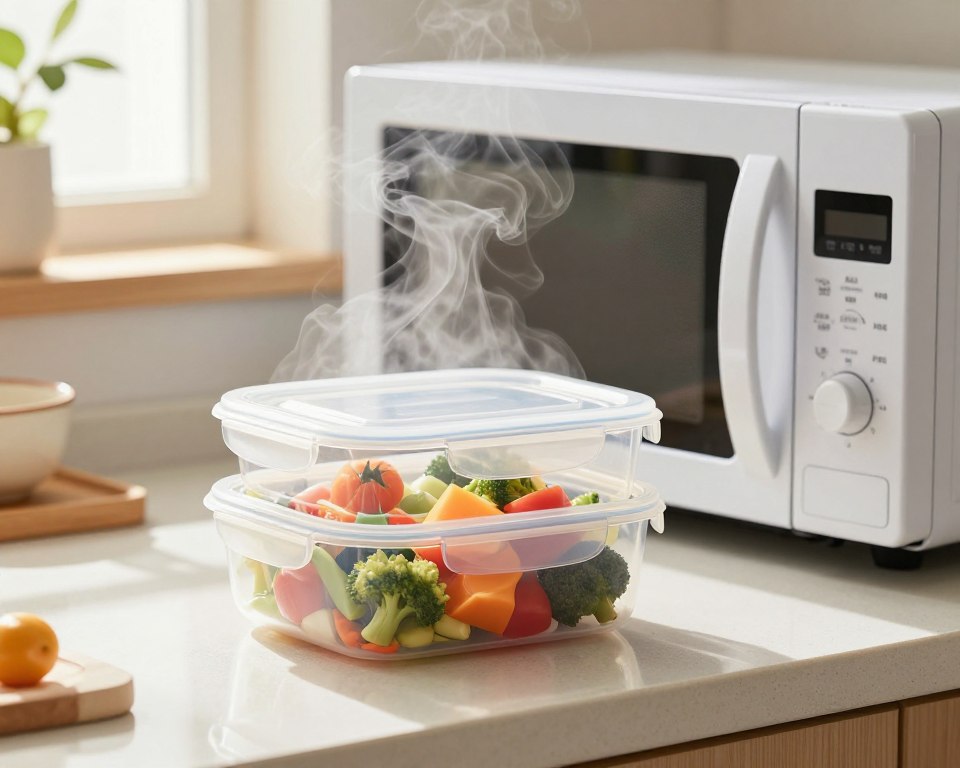
So, is your plastic microwave container safe? Check it for scratches, stains, or a cloudy look. If it’s damaged, it’s time for a new one.
The Role of Microwave Safe Plastic Containers
Before a product is labeled safe for microwaves, it must meet strict standards. These microwave safe plastic containers are tested to ensure they don’t warp, melt, or leak harmful chemicals. This knowledge helps us choose the right containers for cooking.
Testing Standards for Microwave Compatibility
Products must pass heat-resistance tests to be labeled microwave-safe. Labs check if the material stays strong at high temperatures. Safety also means the material doesn’t change chemically when heated fast.
Manufacturers also do migration tests. This checks if chemicals from the plastic get into food. Only those with little chemical migration get the microwave-safe label.
Distinguishing Between Dishwasher Safe and Microwave Safe
Some think dishwasher safe means a container is okay for the microwave. But, these labels mean different things. A dishwasher safe microwave container can handle water and detergent, but not microwave heat.
Using a dishwasher safe container in the microwave can cause problems. The heat might make the plastic soft or release harmful chemicals. Always check the symbols on your containers to use them right.
| Feature | Microwave Safe | Dishwasher Safe |
|---|---|---|
| Primary Stressor | Thermal/Radiation | Mechanical/Chemical |
| Material Goal | Chemical Stability | Structural Durability |
| Common Usage | Reheating Food | Cleaning Cycles |
| Best Practice | Check for Symbol | Top Rack Placement |
Best Practices for Heating Food in Plastic
Using microwave safe food storage containers right is key to avoid chemical migration. These containers are made for ease but can’t handle extreme heat. Being careful keeps your dishes safe and healthy.
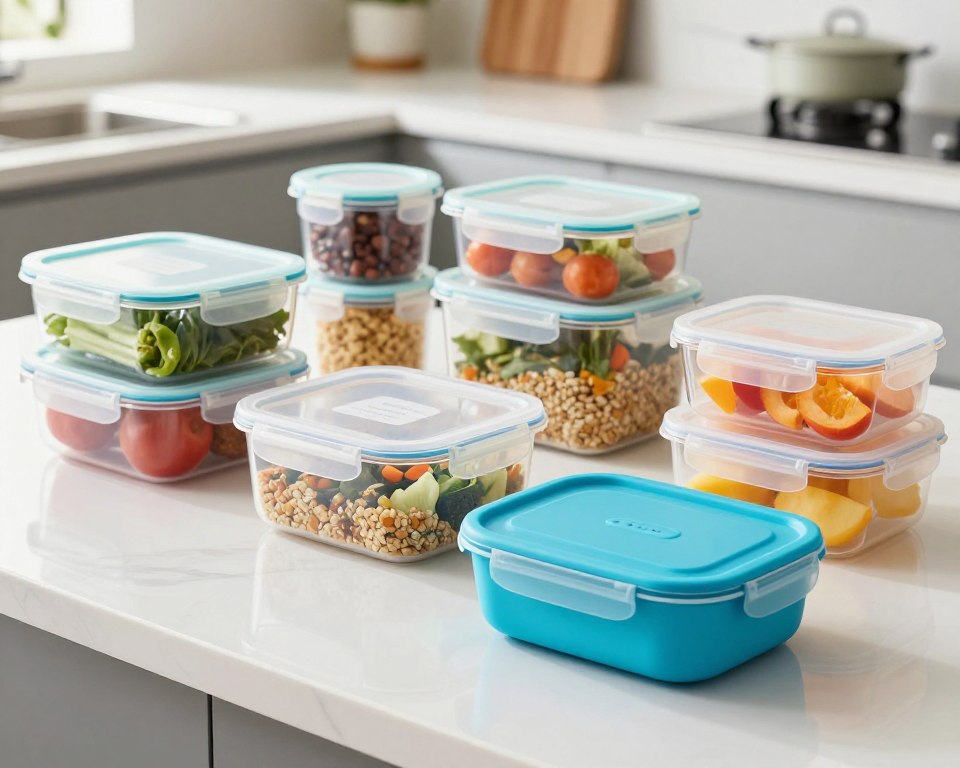
Avoiding High-Fat and High-Sugar Foods in Plastic
Some foods are riskier when heated in plastic. Foods high in fat and sugar, like oils and sugary sauces, can get too hot. This heat can melt the plastic and release chemicals.
To stay safe, try these tips:
- Move high-fat or high-sugar foods to glass or ceramic before heating.
- Don’t heat dense, oily leftovers for too long.
- Check if your microwave safe food storage containers can handle high temperatures.
The Importance of Proper Ventilation
Pressure can damage containers and be unsafe. When steam is trapped, it builds up fast. This can warp or crack the plastic, making it unsafe.
To avoid this, make sure there’s enough air flow. Here’s how:
- Leave the lid a bit open for steam to escape.
- Use a microwave-safe paper towel instead of a plastic lid.
- Don’t use plastic wrap over hot food, as it can melt.
Following these tips keeps your microwave safe food storage containers in top shape. Paying attention to these details lowers the risk of chemical migration.
Alternatives to Plastic Food Storage Containers
Switching from plastic food storage is a smart move to cut down on chemical exposure in your kitchen. By picking inert materials, you avoid harmful substances getting into your food. These options keep your food safe and are easy to use.
Benefits of Glass Containers
Glass is the top choice for storing food because it’s non-porous. Unlike plastic, borosilicate glass doesn’t break down when it gets very hot. It’s also safe because it won’t react with acidic or fatty foods.
Using glass containers means you don’t have to worry about harmful chemicals. They’re also very strong and can handle sudden changes in temperature. Investing in glass means your storage will be safe for a long time.
Using Ceramic and Porcelain for Reheating
Ceramic and porcelain are great alternatives to glass. They’re made at very high temperatures, making them very heat-resistant. Since they’re non-reactive, they’re safe for warming up leftovers.
Make sure the ceramic dishes you choose are microwave-safe. This avoids problems with metallic glazes. These materials keep heat well, making your food warm more evenly. Choosing these traditional materials makes your kitchen safer.
| Material Type | Chemical Stability | Heat Resistance | Durability |
|---|---|---|---|
| Borosilicate Glass | Excellent | High | High |
| Ceramic | Excellent | High | Moderate |
| Porcelain | Excellent | High | Moderate |
| Standard Plastic | Low | Low | Low |
Impact of Wear and Tear on Plastic Safety
Even the toughest plastic food containers microwave safe have a limited life. They are made to handle heat, but daily use can still damage them. Over time, the plastic’s structure changes, affecting how it holds food.
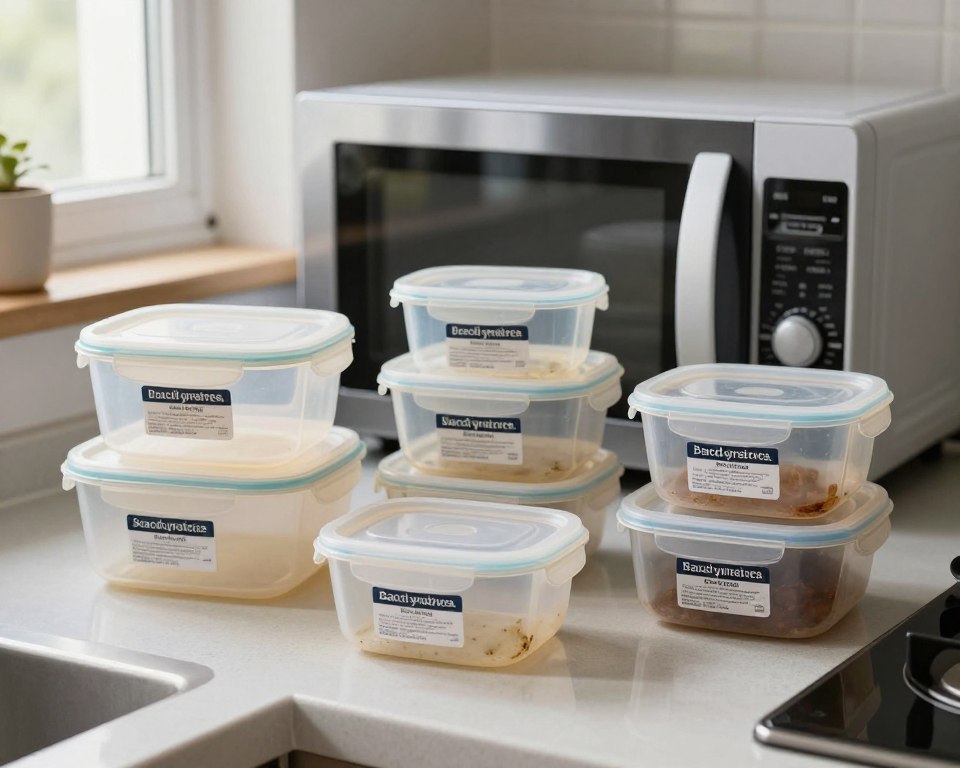
When to Discard Scratched or Warped Containers
Physical damage is a clear sign a container is no good for heating. Scratches and deep cuts can harbor bacteria and lead to chemical leaks. Look out for these signs to know it’s time for a new one:
- Visible warping or changes in the original shape of the container.
- Deep scratches or cracks on the interior surface.
- Persistent staining or a cloudy, opaque appearance that does not wash away.
- A lingering odor that remains even after thorough cleaning.
“Material fatigue in polymers is cumulative; once the structural matrix is compromised by heat or abrasion, the container loses its original safety profile.”
The Effect of Repeated Dishwashing Cycles
Many people use dishwasher safe microwave containers for ease. But, a dishwasher’s heat and pressure can harm the plastic. This can cause tiny cracks that are hard to see.
Using the dishwasher many times can weaken the plastic. This makes it more likely to leak chemicals when microwaved. To keep your containers safe, wash them by hand if they show wear. This helps keep your kitchen safe for food storage and reheating.
Regulatory Standards in the United States
The Food and Drug Administration (FDA) ensures plastic containers for heating food are safe. In the U.S., the FDA has strict rules for materials that touch food. This helps keep health risks low by checking the chemicals in these materials before they hit the market.
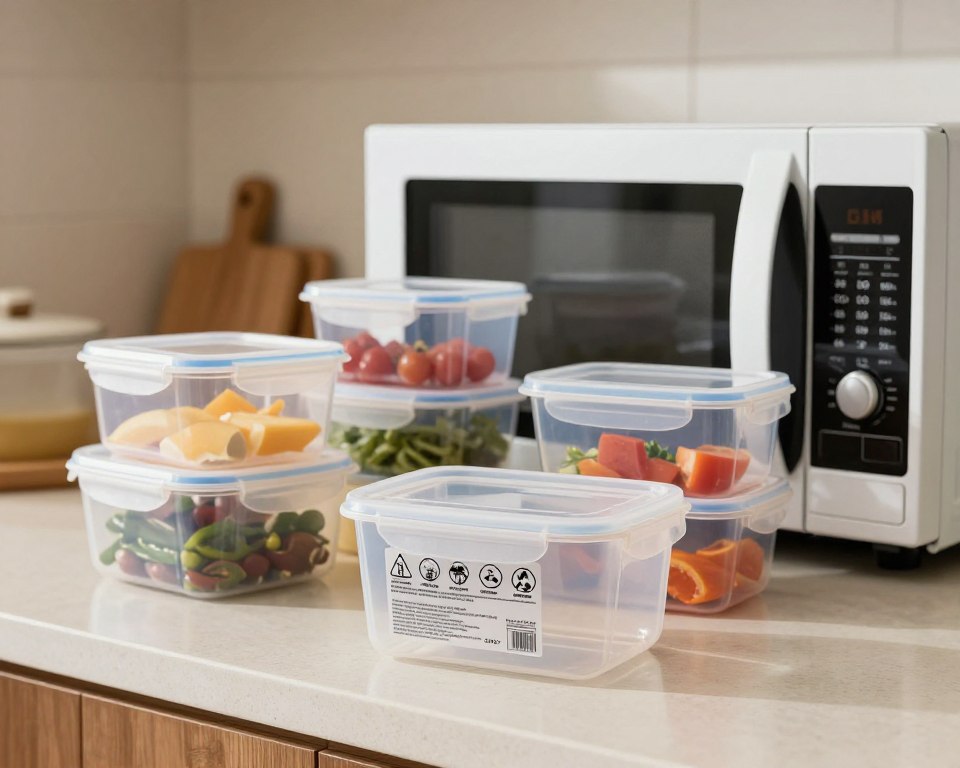
FDA Oversight of Food Contact Substances
The FDA calls materials in food packaging “food contact substances.” Companies must show these materials are safe through a detailed process. They need to prove the substances don’t mix with food in harmful ways.
Some substances are labeled as Generally Recognized as Safe (GRAS). This means experts agree they are safe based on lots of scientific studies. Even though the FDA doesn’t test every product, it sets strict safety benchmarks for all to follow.
How Manufacturers Label Microwave Safe Products
A “microwave safe” label means the container passed specific tests. It shows the material stays strong when heated. But, remember, “microwave safe” is not a universal standard. It’s based on tests that follow industry guidelines.
It’s key to check if a container is marked for microwave use. Not all plastics can handle high heat. For safer kitchen tools, consider using a stainless steel cleaner safe for food-prep surfaces. Always choose products with clear safety symbols to ensure they’re safe for use.
Common Myths About Microwave Plastic Use
Many people choose plastic food containers microwave safe based on common beliefs. But these beliefs are often not backed by science. It’s important to look at the physical properties of plastics, not just what others say.
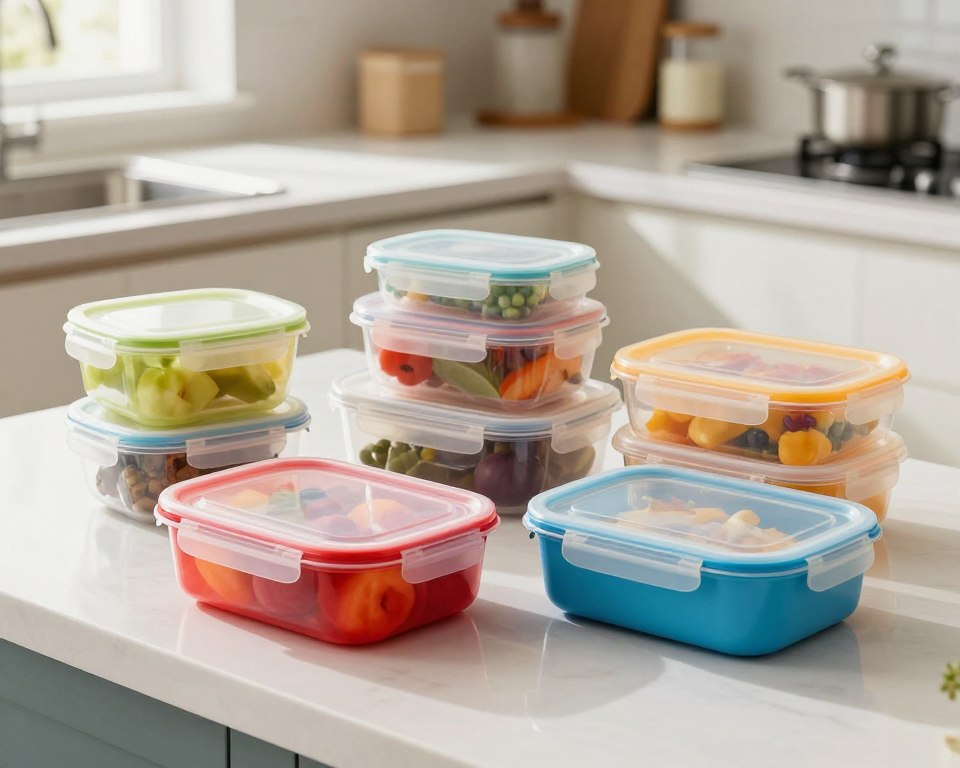
Debunking Misconceptions About Melting Points
Some think a container is safe if it doesn’t melt. But a high melting point doesn’t mean it’s safe from chemical changes. Chemical leaching can happen before it visibly melts.
“The absence of physical deformation in a container does not equate to the absence of chemical transfer into your food.”
When picking plastic food containers microwave safe, remember that heat can damage plastics even at low temperatures. Heat makes molecules move, which can let additives into your food. So, it’s not just about how the plastic looks.
Clarifying the Difference Between Microwave Safe and Heat Resistant
Labels often mix up “microwave safe” and “heat resistant.” This can confuse people. A product labeled as heat resistant might be okay for ovens but not microwaves. On the other hand, plastic food containers microwave safe are tested for microwaves.
- Microwave Safe: Tested for chemical migration under microwave conditions.
- Heat Resistant: Can handle high temperatures but not necessarily safe for food.
Always check the labels on your kitchenware to make sure they’re safe. Using plastic food containers microwave safe means they’ve been tested for microwave use. This helps keep your kitchen safe for your family.
Image Disclosure and Educational Context
It’s key to know what images we use in this article. We add visual aids to make complex science easy to understand. This helps us talk about plastic safety in a clear way.
Purpose of AI-Generated Illustrations
Some images in this article are AI-generated for learning. They help explain tricky science like how plastics break down or react with heat.
We use these images to connect the dots between science and kitchen safety. Visual clarity is crucial when we talk about things you can’t see, like chemicals leaking or tiny changes in materials.
Limitations of Visual Representations
Remember, these images are for learning only. They don’t show real test results. They should never replace a doctor’s or vet’s check-up for your pets or family.
If you worry about chemicals or health issues, talk to a doctor or vet. Here’s a table that shows what our content is for and what a pro can do.
| Feature | Educational Illustration | Professional Diagnosis |
|---|---|---|
| Primary Goal | Conceptual Understanding | Clinical Assessment |
| Accuracy Basis | General Scientific Principles | Individual Patient Data |
| Actionable Advice | General Safety Guidelines | Personalized Medical Treatment |
| Source | AI-Generated/Reference | Licensed Practitioner |
Pharmacist Perspective on Chemical Exposure
My experience shows that simple steps can protect us from chemicals at home. Modern life often leads us to use certain kitchen items. But knowing about chemical migration is key for our health.
I tell patients to see food storage as part of their health plan. This helps them stay safe and healthy.
Minimizing Risks for Vulnerable Populations
Children and people with health issues are more at risk from chemicals. Their bodies are still growing or their immune systems are weak. So, we need to be extra careful about what they touch.
Reducing exposure is about making smart choices, not spreading fear. It’s about keeping our bodies safe.
I suggest parents and caregivers use safe materials. If plastic is needed, make sure it’s safe and free from harmful chemicals. Consistency is key for those most at risk.
Practical Advice for Health-Conscious Households
Changing to a safer kitchen doesn’t mean throwing away everything at once. Start by checking your storage and replacing damaged items first. Look for BPA free microwave containers when you shop.
Check the condition of your containers too. Even if they’re labeled as safe, damaged containers should be replaced. Signs of wear mean the material might be breaking down.
Also, think about the food’s temperature, not just the container. Let food cool a bit before storing it. These small steps make your kitchen safer without losing convenience.
Selecting the Right Materials for Your Kitchen
Creating a safe kitchen starts with the right materials for food storage. Choose non-reactive materials to keep your food safe from chemicals. Using high-quality microwave safe containers is a smart move for a healthier home.
Criteria for Choosing Durable Storage Solutions
Look at the composition of storage items. Glass and top-grade ceramic are best because they handle heat and acids well. If you choose plastic, make sure it’s marked as microwave safe and check for damage.
Cleanliness is key for lasting use. Choose containers with smooth surfaces to avoid bacteria and food buildup. Keeping your storage clean is as important as buying it. For tips on keeping your pantry clean, check out how to safely store household cleaners.
Balancing Convenience with Safety
Modern life needs quick solutions, but health should always come first. Choose durable storage solutions that work in the fridge and microwave. Reliable microwave safe containers cut down on single-use plastics and reduce chemical risks.
Your kitchen should be both efficient and safe. Check your containers often to replace any that are damaged. This mindful approach helps you stay healthy without slowing down your busy life.
Conclusion
Choosing the right food storage is key. It’s about finding a balance between convenience and health. You can lower chemical exposure by checking your kitchen cabinets.
Brands like Pyrex or Anchor Hocking offer safe glass options. These alternatives don’t leach chemicals when heated. Switching to these materials makes cooking safer and more worry-free.
Small changes can make a big difference. Choose quality over speed for your microwave containers. Also, check your containers for damage and replace them to keep your kitchen safe.
By sticking to safe habits, you protect your family. Share this knowledge with others who care about health. Keeping your kitchen safe means it stays a place for nourishment, not hidden dangers.
FAQ
Is plastic microwave container safe for regular reheating?
The safety of a plastic microwave container depends on its type and condition. The FDA checks food contact items, but heat can cause chemicals to leak into food. Always use containers labeled for microwave use and avoid them if they look worn.
What defines microwave safe plastic containers compared to standard storage?
A: Microwave safe plastic containers are made from materials like polypropylene. They can handle heat without melting or deforming. But, the label only means the chemical migration is within limits, not that it doesn’t happen at all.
Are BPA free microwave containers truly safer for the household?
A: BPA free microwave containers avoid Bisphenol A, a harmful chemical. But, they might still contain other chemicals that could be harmful. I suggest choosing containers that are both BPA-free and phthalate-free for the best safety.
How do I identify plastic food containers microwave safe for my family?
To find plastic food containers microwave safe, look for the microwave symbol on the bottom. Also, check the Resin Identification Code. Containers marked with a “5” (Polypropylene/PP) are usually safe. Avoid those marked with “3” (PVC), “6” (Polystyrene), or “7” (Other).
Are dishwasher safe microwave containers also safe for high-heat cooking?
Not always. Dishwasher safe microwave containers can handle dishwasher heat but might not be safe for microwaving. Always check if a container is safe for both. If it gets warped or cloudy after washing, it’s not safe for microwaving anymore.
Why should I avoid heating high-fat or high-sugar foods in microwave safe food storage containers?
Even the best microwave safe food storage containers have limits. Fats and sugars can get too hot, causing the plastic to melt or get scorch marks. This increases the risk of chemicals leaching into your food.
When is it time to discard my plastic reheating vessels?
Stop using plastic containers if they show deep scratches, stains, or a fuzzy texture. These signs mean the plastic is breaking down. I recommend switching to Pyrex glass or high-fired ceramics for safer cooking.
What are the most recommended alternatives to plastic for microwave use?
For avoiding chemical risks, use borosilicate glass or lead-free ceramic. Materials like Anchor Hocking glass or CorningWare are safe because they don’t contain plasticizers or stabilizers.