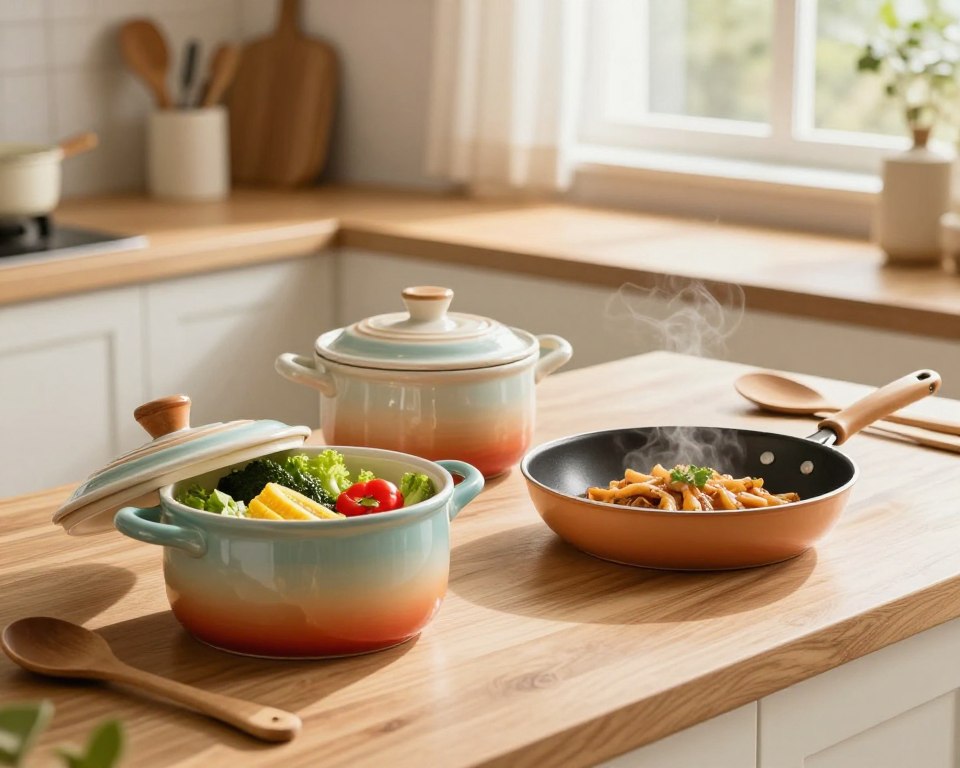
The kitchen is the heart of your home, where meals start. Many families choose safe tools for cooking. But, understanding modern non-stick surfaces can be tough.
Do you ask yourself: Is Ceramic Cookware Really Safe for your family? This question is key to home wellness. We all want to avoid harmful chemicals while cooking.
Knowing how these surfaces are made is important for peace of mind. We look into their chemical makeup to see if are ceramic pans safe for everyday use. By checking the latest research, we help you make smart choices for your kitchen.
Key Takeaways
- Ceramic coatings are made from minerals, unlike old non-stick materials.
- Studies show these surfaces don’t release harmful fumes at safe temperatures.
- Keeping your tools in good shape is crucial for their long life and performance.
- Quality products meet safety standards for cooking at home.
- Always follow the maker’s advice to protect the non-stick layer.
Understanding the Composition of Modern Ceramic Cookware
The term “ceramic” in cooking is often used loosely. You’ll find many different types of cookware in stores. Knowing the differences is key for safe and effective cooking.
Distinguishing Between Solid Ceramic and Ceramic-Coated Pans
Solid ceramic cookware is made from materials like clay or sand. It’s fired at high temperatures, making it dense and heat-resistant. These pans are similar to traditional pottery.
On the other hand, most “ceramic” pans are actually ceramic-coated. They have a metal core for heat conductivity. A thin layer is applied for non-stick, but they don’t have the weight or fragility of solid ceramic.
| Feature | Solid Ceramic | Ceramic-Coated |
|---|---|---|
| Base Material | Clay/Mineral | Aluminum/Steel |
| Weight | Heavy | Lightweight |
| Non-Stick Method | Natural Surface | Sol-Gel Coating |
| Durability | High (Brittle) | Moderate (Wearable) |
The Role of Sol-Gel Technology in Non-Stick Coatings
Sol-gel technology makes modern non-stick pans work. It turns a liquid into a solid, glass-like layer on metal. This is different from old non-stick coatings.
“The shift toward sol-gel coatings represents a move away from traditional fluorinated polymers, offering a surface that is chemically inert and resistant to high heat during standard cooking processes.”
This glass-like layer is smooth and easy to clean. It doesn’t break down like old coatings when heated. This makes these pans a healthier choice for kitchens.
Is Ceramic Cookware Really Safe for Daily Use
When you think about Is Ceramic Cookware Really Safe, look beyond what companies say. Think about how it holds up to daily use. It’s important to know how it reacts to heat and food.
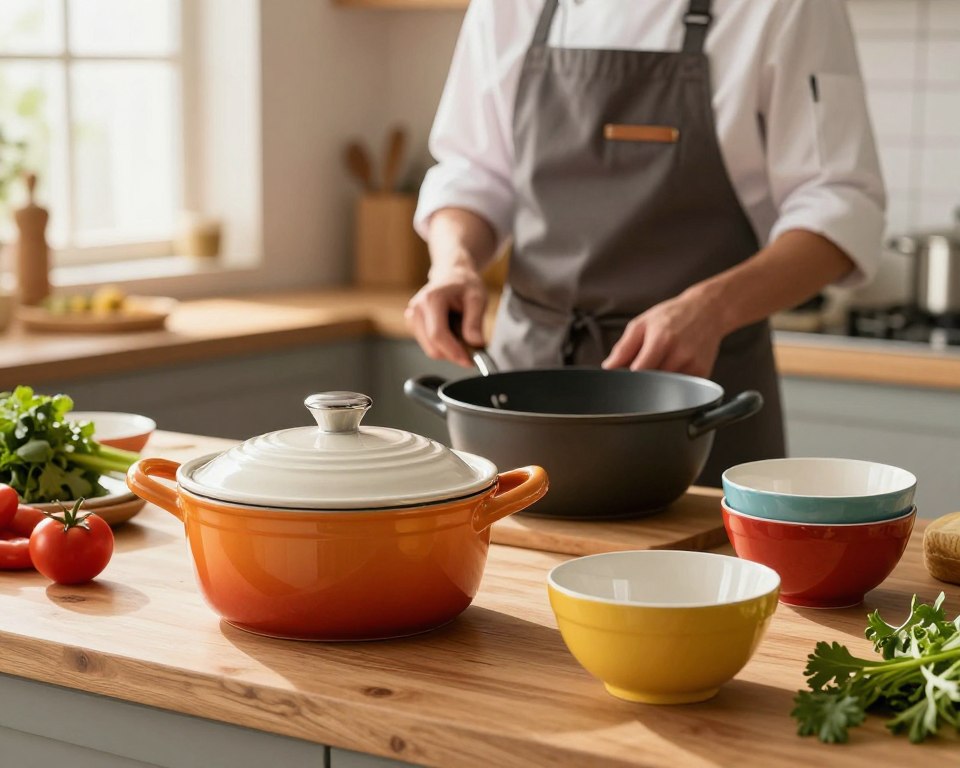
Analyzing Potential Leaching of Heavy Metals
Many people worry about heavy metals like lead or cadmium getting into food. High-quality cookware doesn’t have these metals. But, cheaper options might not be as safe.
Choose cookware that’s been tested for safety. Look for products that meet strict standards. You can find out more about Is Ceramic Cookware Really Safe and what makes it safe. Transparency in the supply chain shows a product’s trustworthiness.
Thermal Stability and Decomposition Temperatures
Ceramic cookware is usually safe at normal cooking temperatures. But, it can get damaged by too much heat. This can cause the non-stick coating to flake off.
To keep your cookware safe, don’t heat empty pans too high. Use low to medium heat for most cooking. This way, your cookware stays safe and works well every day.
Ceramic Cookware vs Teflon: A Comparative Health Analysis
In the world of kitchenware, the debate often focuses on safety. People look at ceramic cookware vs Teflon to see which is better for their health. Knowing how these materials are made helps us understand why they’ve changed a lot in the last ten years.
Understanding PTFE and PFOA Concerns
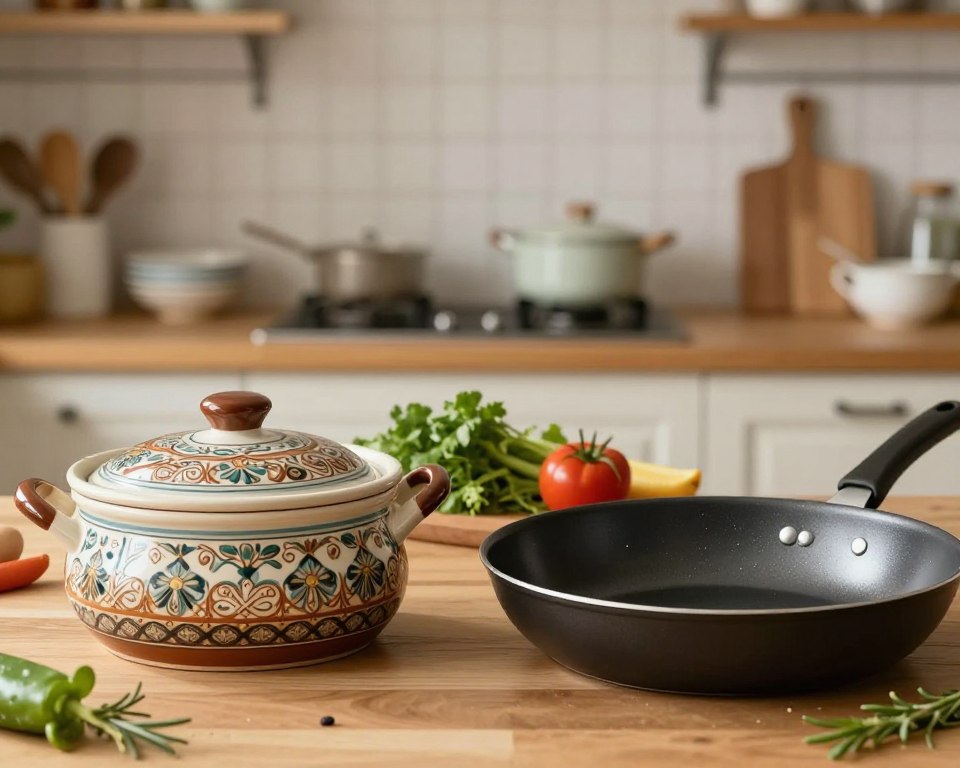
Old non-stick pans use Polytetrafluoroethylene (PTFE), a man-made material that makes cooking easy. But, the way it was made used Perfluorooctanoic acid (PFOA), which is bad for health. The U.S. has banned PFOA in products to protect people.
Even though PTFE is safe at normal cooking temperatures, some worry it might break down. If a pan gets too hot, it can release harmful fumes. This fear of PFOA has led many to look for safer alternatives.
Why Ceramic Is Often Marketed as the Safer Alternative
Ceramic coatings are seen as safer because they come from natural minerals like silica. They’re made in a way that creates a strong, glass-like surface without synthetic materials. Many wonder, are ceramic pans safe for everyday use because they don’t have the chemicals of old non-stick pans.
Ceramic pans are marketed for several reasons:
- Absence of PTFE and PFOA: Ceramic pans don’t need these chemicals to be non-stick.
- High Heat Tolerance: They can handle high temperatures without releasing harmful fumes.
- Inert Composition: Being made of minerals, they’re less likely to react with acidic foods.
Whether are ceramic pans safe depends on how well they’re made and cared for. Choosing trusted brands that are open about their materials helps. By comparing ceramic cookware vs Teflon, we can make a choice that fits our health needs and cooking style.
The Science of Non-Toxic Ceramic Cookware
The term “non-toxic” is often seen on products, but many don’t know what it really means. It’s not a strict term like chemical limits set by law. It’s important to know the difference between marketing and evidence-based safety for those who care about their health.
Evaluating Regulatory Standards for Kitchenware
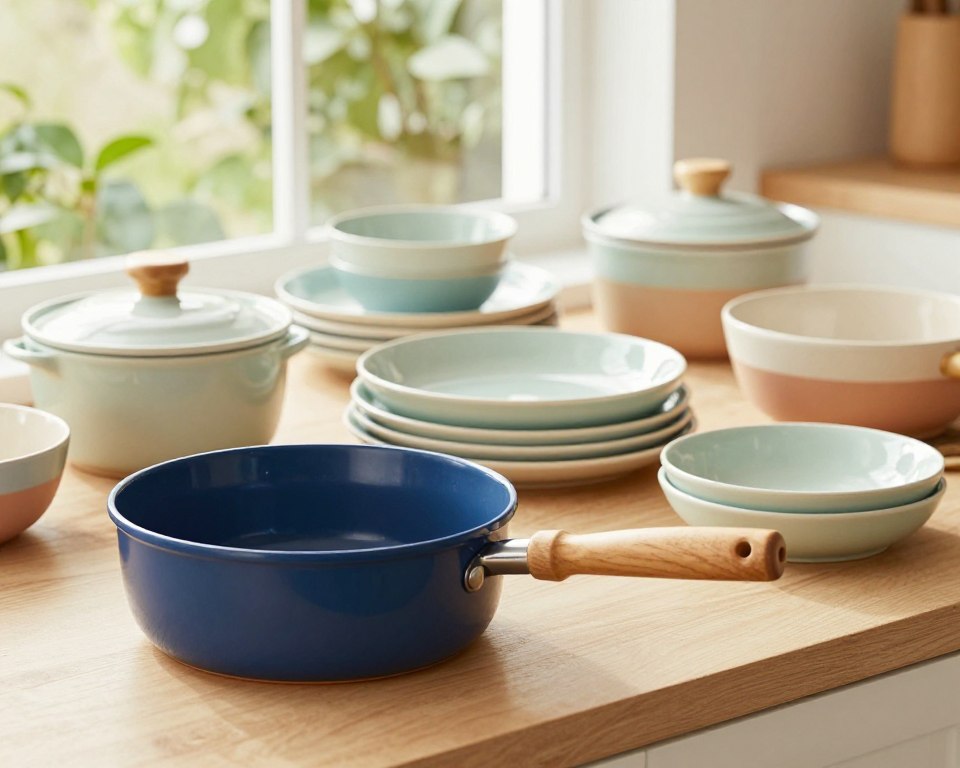
In the U.S., the FDA sets safety guidelines for food contact materials. But these rules mainly focus on substances that can get into food. Makers of non-toxic ceramic cookware must make sure their products don’t release harmful chemicals like lead or cadmium.
Some companies also get third-party certifications to prove their products are safe. These tests check if the surfaces stay stable even when heated up. It’s good to look for products that have been tested by trusted labs to ensure they don’t have harmful substances.
What Does Non-Toxic Actually Mean in Manufacturing
“Non-toxic” in today’s world means avoiding certain chemicals like PFOA and PTFE. These were used in old non-stick coatings but are now known to be harmful. When a brand says their products are non-toxic, it usually means they use mineral-based coatings instead of plastic.
But, just because a product doesn’t have one harmful chemical doesn’t mean it’s completely safe. True safety also depends on how well the coating holds up to heat. Here’s a table to help you understand the difference between marketing claims and real safety standards.
| Claim Type | Marketing Focus | Scientific Verification |
|---|---|---|
| Non-Toxic Label | Consumer peace of mind | Third-party lab testing |
| PFOA-Free | Chemical exclusion | Regulatory compliance |
| Mineral-Based | Natural material usage | Material composition analysis |
| Heat Stable | Durability claims | Thermal stress testing |
Key Benefits of Choosing Ceramic Surfaces
Ceramic cookware offers more than just looks. It brings real improvements to cooking. These pans use advanced coatings made from minerals, unlike synthetic materials. They offer a safe and effective way to cook.
Natural Non-Stick Properties and Oil Reduction
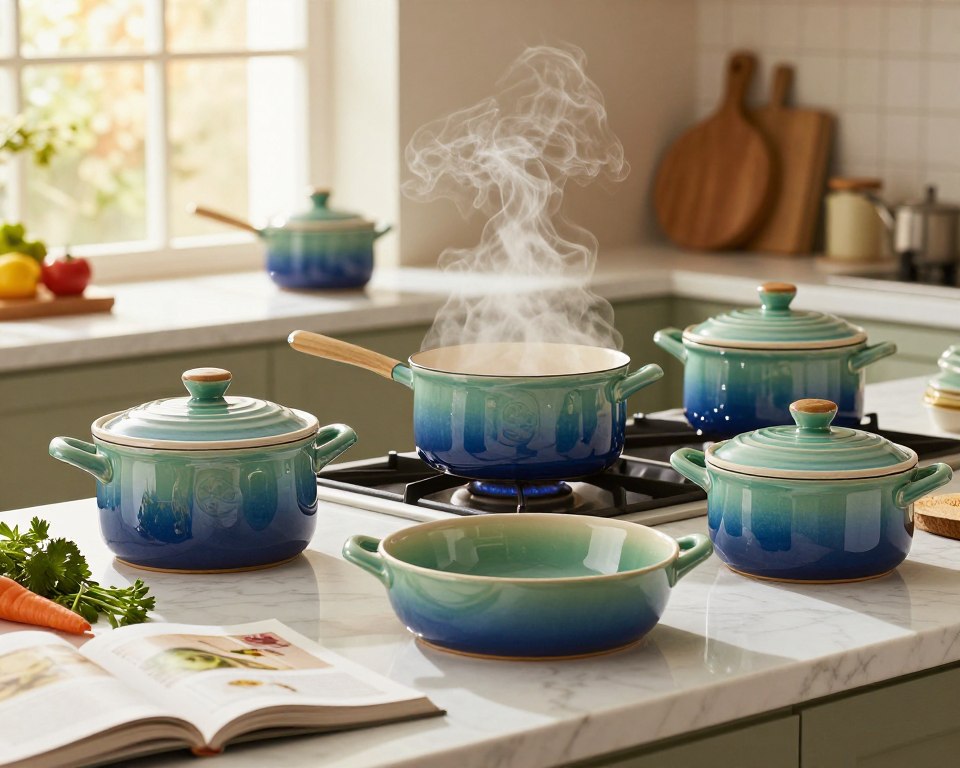
Ceramic surfaces are great because they make food release easy. The coating is made from minerals, creating a naturally slick surface. This means you can cook with less fat or oil.
For those who want to eat healthier, ceramic pans are perfect. They prevent food from sticking, even with a little cooking spray or butter. This efficiency is great for cooking light, healthy meals.
Ease of Cleaning and Maintenance Requirements
Cleaning these pans is easy. The ceramic layer is smooth and non-porous. This stops food and burnt bits from sticking, making cleanup simple with a soft sponge and soap.
To keep the coating in good shape, just avoid using rough metal utensils. With proper care, the surface stays remarkably easy to clean. Here’s how ceramic pans compare to other kitchen materials for daily use.
| Feature | Ceramic Surface | Traditional Non-Stick | Stainless Steel |
|---|---|---|---|
| Oil Requirement | Low | Low | Moderate to High |
| Cleaning Effort | Minimal | Moderate | High |
| Surface Durability | Moderate | Low | High |
Potential Health Risks and Misconceptions
Understanding ceramic cookware health risks needs a clear view. We must separate real science from online rumors. It’s important to know how these materials act over time for our safety.
The Reality of Coating Degradation Over Time
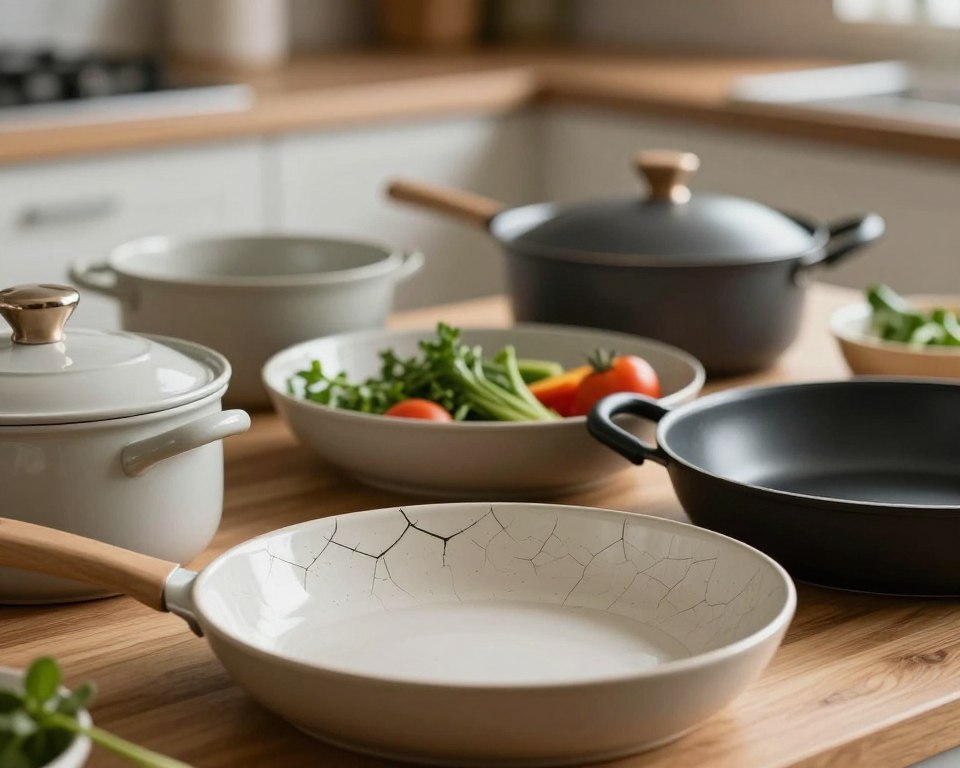
Non-stick surfaces, like ceramic, wear down with use. When the sol-gel coating gets thinner, the pan’s non-stick quality drops. This is when you know the surface is starting to break down.
Many think a scratched ceramic pan is dangerous right away. But, the main worry is losing non-stick, not toxic chemicals. Yet, if the metal underneath shows, it’s time to stop using the pan to avoid food reactions.
“The safety of kitchenware is not determined by the absence of wear, but by the integrity of the materials used during the manufacturing process.”
Addressing Concerns About Nanoparticles in Coatings
Ceramic coatings use nanotechnology for their smooth finish. This has sparked worries about nanoparticles getting into food.
Studies show that, when applied right, these nanoparticles stay trapped in the silica matrix. This setup is thermally stable under normal cooking. Even so, research on ceramic cookware health risks keeps growing. For now, rules ensure these particles don’t mix with food.
It’s best to trust reliable tests over hearsay. Keeping a level head about these materials helps avoid panic. It also makes sure your kitchen tools are safe for cooking every day.
Best Practices for Maintaining Ceramic Cookware Longevity
Proper care is key to keeping your ceramic cookware safe and in top shape. Regular maintenance keeps the non-stick coating intact. This ensures your cookware stays reliable for many years. If you ignore these simple steps, your cookware may degrade faster.
This could mean you’ll need to find safer options or wonder if your cleaning methods are right. For example, using harsh cleaners like those in our guide on is oven cleaner toxic might not be safe for your cookware.
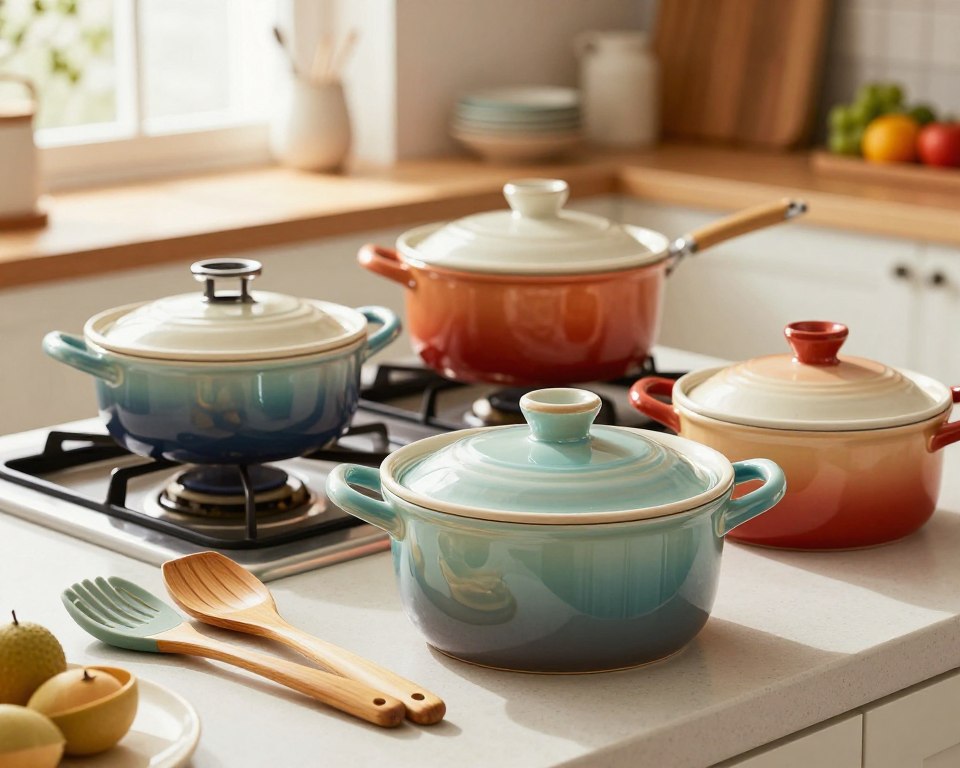
Temperature Control and Avoiding Thermal Shock
It’s important to control the heat when using your pans. Always use low to medium heat. High heat can damage the coating faster.
Don’t preheat an empty pan on high heat. This can also harm the surface.
Thermal shock happens when you put a hot pan in cold water. This sudden change can cause damage. Over time, it can lead to cracks in the ceramic and metal.
Recommended Utensils to Prevent Surface Scratches
The tools you use can affect your pan’s condition. Metal utensils can scratch the surface easily. It’s best to use silicone, wood, or nylon utensils instead.
Even if a pan is scratch-resistant, it’s still important to be careful. Soft tools prevent small scratches that can wear down the surface over time. By following these simple tips, you can keep your ceramic cookware safe and in great condition.
Cleaning and Storage Tips for Health-Conscious Cooks
Keeping your ceramic pans in top shape needs special cleaning and storage habits. When you buy high-quality kitchenware, taking care of it right keeps the non-stick surface working well for years. Making a few changes in your daily cooking can help avoid damage to the ceramic layer.
Hand Washing vs Dishwasher Safety
Even if your pans say they’re safe for the dishwasher, hand washing is best to keep them lasting longer. The heat and harsh cleaners in dishwashers can wear down the non-stick layer. This can make the ceramic brittle or rough.
To clean your pans right, use a soft sponge or microfiber cloth with gentle dish soap. Don’t use steel wool or scouring pads, as they can scratch the surface. Always let the pan cool down before rinsing it with water to avoid warping the metal base.
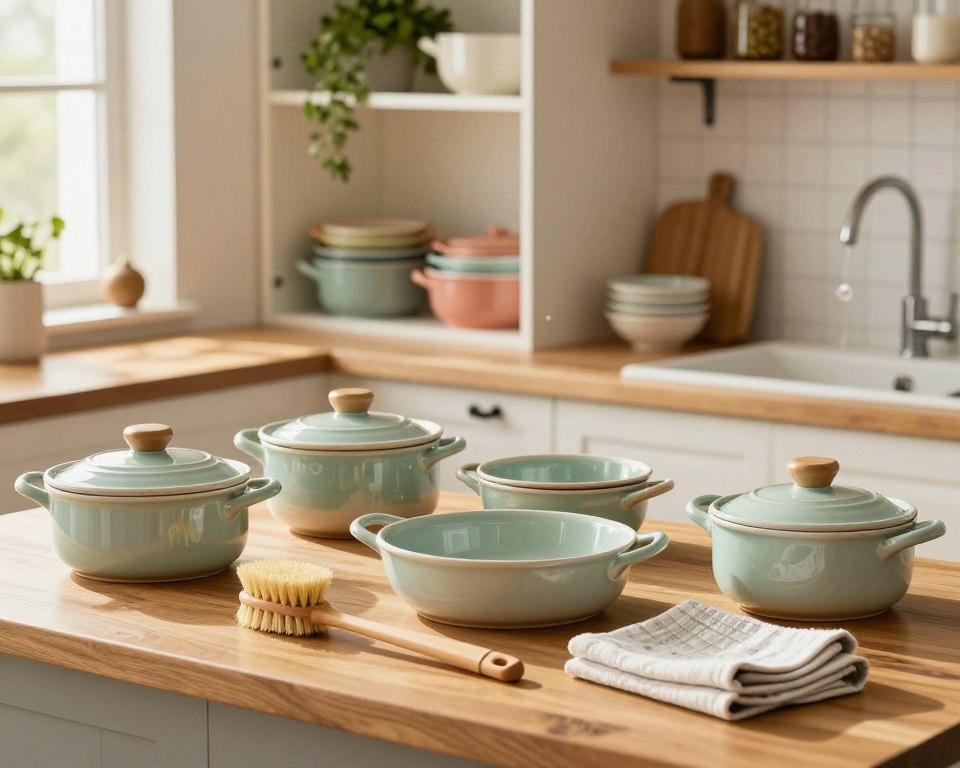
Proper Stacking Techniques to Protect the Coating
Storing your pans right is key to keeping them looking good. Stacking them can cause scratches and chips on the ceramic inside. These can expose the metal underneath, which can hurt how the pan cooks later.
The best way to keep your pans safe is to use protective liners or felt dividers between them. If you don’t have liners, a paper towel or soft cloth works too. This keeps the non-stick layer safe from damage.
Evaluating Eco-Friendly Ceramic Cookware Claims
Finding eco-friendly kitchenware can be tricky. Many brands say their products are green, but it’s up to us to check if it’s true. Knowing how non-toxic ceramic cookware is made helps us buy wisely.
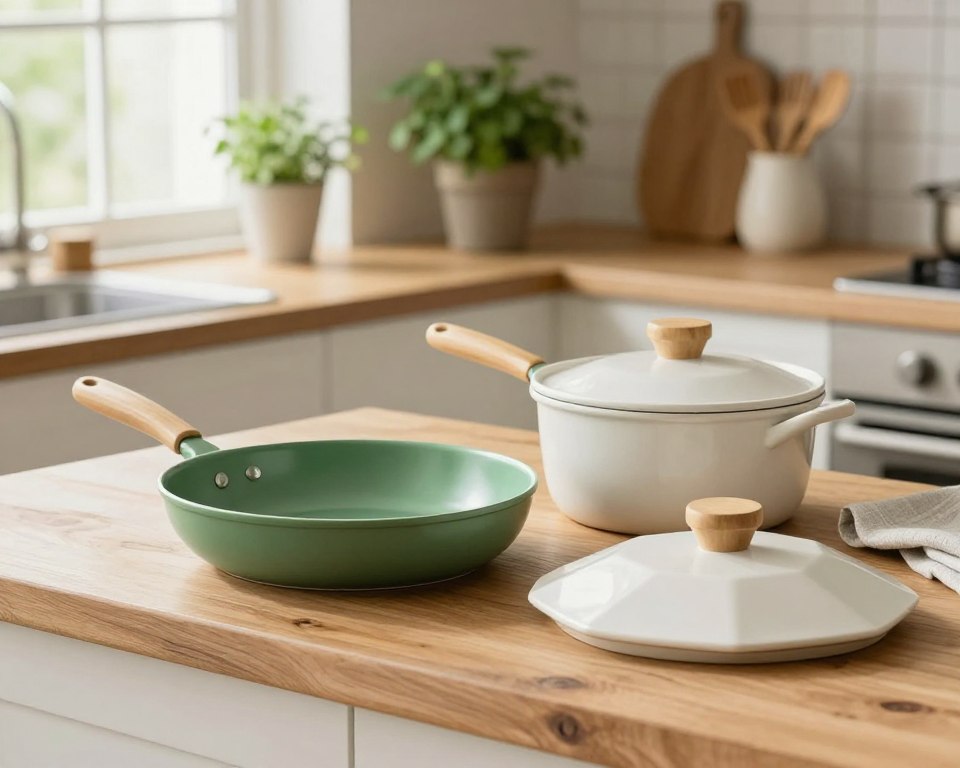
Sustainability in the Manufacturing Process
Making kitchen tools uses a lot of energy and raw materials. Companies that care about the planet try to use less energy in their kilns. They use green energy to make their eco-friendly ceramic cookware better for the environment.
“True sustainability in manufacturing is not just about the final product; it is about the integrity of the entire supply chain from the mine to the kitchen shelf.”
Being open about how products are made is key. Look for signs that show they use recycled materials or cut down on waste. This means your non-toxic ceramic cookware is made without harming the planet too much.
Environmental Impact of Ceramic Production
Ceramic making affects the environment in different ways. It involves getting minerals and dealing with factory waste. Ceramic is better than some other materials because it’s made from natural stuff, not synthetic chemicals.
Here’s a table showing how different cookware affects the planet:
| Material Type | Raw Material Source | Production Energy | End-of-Life Impact |
|---|---|---|---|
| Ceramic | Natural Minerals | Moderate | Low (Inert) |
| PTFE-Coated | Synthetic Polymers | High | High (Persistent) |
| Cast Iron | Recycled Metal | High | Very Low (Recyclable) |
Choosing eco-friendly ceramic cookware means thinking about its whole life. Pans that last a long time need to be replaced less often. This helps reduce waste and supports a greener economy.
How to Identify High-Quality Ceramic Pans
Choosing the best ceramic cookware for health is more than just picking a color or design. You need to look beyond the surface to the materials and how they’re made. This ensures you get a safe product.
Reading Labels and Certifications
When shopping, always check the product’s chemical makeup. Good brands get third-party checks to prove their products are safe from harmful chemicals like lead and PFOA.
Look for labels that show they meet global safety standards, like the FDA or German LFGB. While ceramic cookware reviews often talk about looks, safety is in the technical details.
True quality in kitchenware is not found in the shine of the surface, but in the rigorous testing protocols that ensure the material remains stable under high heat.
Price Points and What They Indicate About Quality
Price can show the quality of materials and how it’s made. Cheap pans often have thin bases and low-quality coatings that wear out fast.
Spending more on cookware means you get something that lasts longer. It’s built to handle heat and scratches. When reading ceramic cookware reviews, watch for how well the non-stick surface holds up, as cheaper pans often don’t.
| Feature | Budget-Friendly | Premium Quality |
|---|---|---|
| Base Material | Thin Aluminum | Heavy-Gauge Aluminum/Steel |
| Coating Layers | Single Layer | Multi-Layer Reinforced |
| Safety Testing | Minimal | Third-Party Certified |
| Durability | Short-term | Long-term |
The best ceramic cookware for health is a balance of cost and quality. Focus on certified manufacturing, not just the price. This keeps your kitchen safe for cooking.
Image Disclosure and Educational Context
Transparency is key when sharing health info. You might see AI-generated images in this article. They help make complex ideas clearer.
Understanding the Use of AI-Generated Illustrations
These digital pictures are educational aids, not real images. They show specific details or safety features hard to capture in photos.
Our goal is to make complex info simple. These visuals offer a conceptual framework. They make the text easier to understand and apply in your kitchen.
Limitations of Visual Representations in Health Education
Visual aids have their limits. They’re great for learning but should never replace professional checks or medical tests.
For health decisions or cookware safety, always seek evidence-based guidance from experts. Visuals are meant to help, not make decisions for you.
| Feature | AI-Generated Visuals | Professional Consultation |
|---|---|---|
| Primary Purpose | Conceptual clarity | Clinical diagnosis |
| Reliability | Educational reference | High-level accuracy |
| Application | General guidance | Personalized advice |
Common Mistakes That Compromise Cookware Safety
Even the best ceramic pans can wear out if we make common mistakes. These pans are made to last, but their non-stick coating needs care. Knowing these risks helps keep your cookware safe and working well for a long time.
Using Cooking Sprays and Their Impact on Coatings
Many people use cooking sprays to stop food from sticking. But these sprays have additives and propellants that can harm your ceramic pans. Over time, this buildup makes the pans sticky and hard to clean.
When the pans get sticky, they don’t work as well. You might need to use more heat, which can damage the coating. It’s best to use butter, avocado oil, or coconut oil instead of sprays to keep your pans in good shape.
The Dangers of Overheating Empty Pans
Ceramic pans are made for even heat, but they can’t handle too much heat without food. Putting an empty pan on high heat can cause it to crack. This is called thermal shock.
When the heat is too high, the coating can flake off. Always put a little oil or food in the pan before heating it. Using moderate heat helps avoid damaging your pans.
| Common Habit | Immediate Effect | Long-Term Consequence |
|---|---|---|
| Aerosol Sprays | Sticky residue buildup | Permanent coating degradation |
| High Heat (Empty) | Rapid thermal expansion | Micro-cracking and flaking |
| Metal Utensils | Surface scratching | Loss of non-stick efficiency |
| Dishwasher Use | Harsh detergent erosion | Reduced lifespan of finish |
Expert Pharmacist Perspective on Kitchen Safety
Kitchen safety is complex, needing a close look at what we use to cook. As a pharmacist, I’ve studied many household items and their safety. My aim is to give you clear, science-backed advice on kitchenware.
Chemical Exposure Risks in the Modern Kitchen
Heating a pan starts chemical reactions with our food. Many focus on non-stick surfaces, but we must think about their thermal stability. When these surfaces break down under heat, they can release harmful chemicals.
It’s key to understand these reactions to avoid ceramic cookware health risks. High-quality ceramic is usually safe, but it can crack and leak chemicals if not cared for.
Making Informed Decisions for Long-Term Wellness
For long-term health, look beyond marketing. Choose cookware from trusted makers who share their testing results. Informed decision-making helps avoid harmful chemicals at home.
To lower health risks, handle your pans gently. Avoid sudden temperature changes and use the right tools. This way, you keep your cookware in good shape, ensuring your kitchen is safe for healthy meals.
Conclusion
Choosing the right cookware is about finding a balance. Ceramic surfaces are a safe, non-toxic choice for everyday cooking. They work best when you take good care of them and manage the heat well.
Brands like GreenPan and Caraway show how to make non-stick pans without harmful chemicals. Always check labels and make sure products meet safety standards. This is the best way to keep your home safe.
Keeping your kitchen safe is all about good habits, not just buying new things. Clean your pans gently and don’t expose them to too much heat. This way, your pans will last a long time.
By choosing safe materials, you can make your kitchen a healthier place. Share your experiences with others. This helps everyone make better choices for their kitchens.
FAQ
Is Ceramic Cookware Really Safe for high-heat cooking?
Ceramic-coated pans are safe up to 842°F (450°C). But, they’re best used at low to medium heat. They don’t release toxic fumes at high temperatures. Yet, extreme heat can damage the sol-gel coating.
For safety, avoid using these pans for searing or high-heat stir-frying.
What are the primary ceramic cookware health risks to consider?
Old or low-quality ceramic cookware might have lead or cadmium in the glaze. Modern brands like GreenPan and Caraway test their products to avoid these metals. Always check if a product meets FDA and California Proposition 65 standards before buying.
When comparing ceramic cookware vs Teflon, which is better for chemical sensitivity?
Ceramic is better for health-conscious people. Teflon can release toxic fumes at high temperatures. Ceramic coatings are inorganic and silica-based, making them safe.
Are ceramic pans safe to use once the coating begins to chip or scratch?
A minor scratch in a good pan might just affect the non-stick. But, deep chips can expose the metal inside. If the pan is cheap, there’s a small risk of metal leaching into food. Replace pans with big damage for health.
How can I identify the best ceramic cookware for health and longevity?
Look for brands that share lab results about their coatings. Choose products that are 100% PFOA and PTFE-free. Brands like Scanpan or Zwilling offer durable coatings.
What are the most notable ceramic cookware benefits for daily cooking?
Ceramic pans have a great non-stick surface that needs little oil. They’re non-reactive, so food flavors stay true. They also keep heat well and are easy to clean.
Is eco-friendly ceramic cookware actually better for the environment?
Yes, eco-friendly ceramic cookware is better for the planet. It makes less CO2 during production. It also avoids harmful chemicals like PFAS.
Why do many ceramic cookware reviews mention a loss of non-stick performance?
Most problems come from not cleaning right. Using aerosol cooking sprays can damage the surface. Always hand-wash with mild soap and avoid harsh cleaners.
Does the price of ceramic cookware indicate its safety level?
Yes, to some extent. More expensive pans often have better coatings and safety tests. Brands like Le Creuset or Staub last longer and are safer.