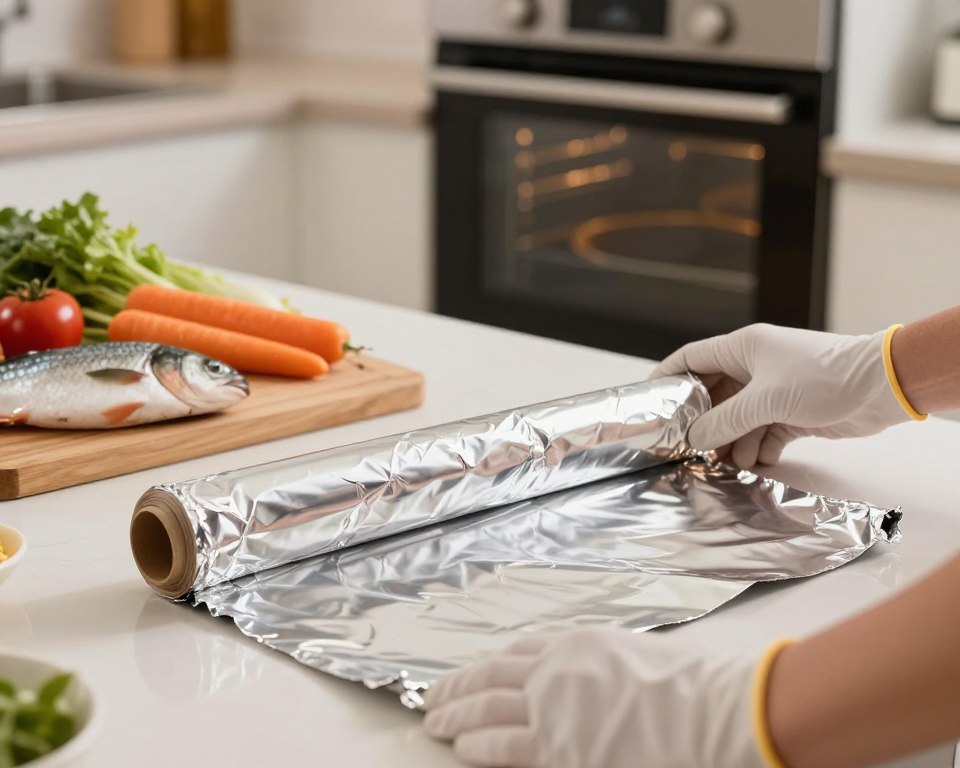
Many of us use thin metal sheets to wrap leftovers or line baking pans. It’s a staple in almost every American kitchen, making our lives easier. But, have you thought about the health risks of this common practice?
It’s important to know how heat affects metal surfaces to keep our homes safe. We look into the chemical makeup of these materials when they get hot. Our goal is to give you clear, evidence-based answers.
We study how different foods react when heated to help you cook smarter. This guide sticks to scientific standards for reliable info. Helping you make informed choices starts with the right data.
Key Takeaways
- Metal migration depends heavily on food acidity and temperature levels.
- High-heat exposure increases the potential for trace element leaching.
- Clinical evidence suggests that moderate usage poses minimal risk to healthy individuals.
- Avoiding direct contact with highly acidic or salty foods reduces chemical interaction.
- Scientific guidelines prioritize informed choices over common kitchen myths.
Understanding the Composition of Aluminum Foil
The thin, metallic sheets in most pantries come from a precise process. When cooking with aluminum foil, it’s key to know it’s a high-purity metal alloy. It’s rolled into a very thin gauge, turning raw aluminum slabs into versatile sheets.
How Aluminum Foil is Manufactured
The making of foil starts with large aluminum slabs going through heavy rollers. This is done many times until the metal is as thin as 0.00025 inches. Because it gets fragile at this thickness, two layers are rolled together.
This method keeps the thin metal from tearing under the rollers’ pressure. After reaching the right thickness, the sheets are unwound and rolled up for distribution. This ensures the foil is durable for kitchen use.
The Role of the Shiny Versus Dull Side
Many wonder if the foil’s appearance affects food safety. The shiny side is from the final pass with steel rollers. The dull side was in contact with another foil layer.
This difference comes from how it’s made, not a chemical coating. Whether you use the shiny side in or out, it cooks the same. Here’s a table showing what kitchen foil is like.
| Feature | Shiny Side | Dull Side |
|---|---|---|
| Origin | Contact with steel rollers | Contact with other foil layer |
| Performance | Identical heat conductivity | Identical heat conductivity |
| Safety | Food-grade safe | Food-grade safe |
| Usage | Universal application | Universal application |
Is Aluminum Foil Safe for Cooking
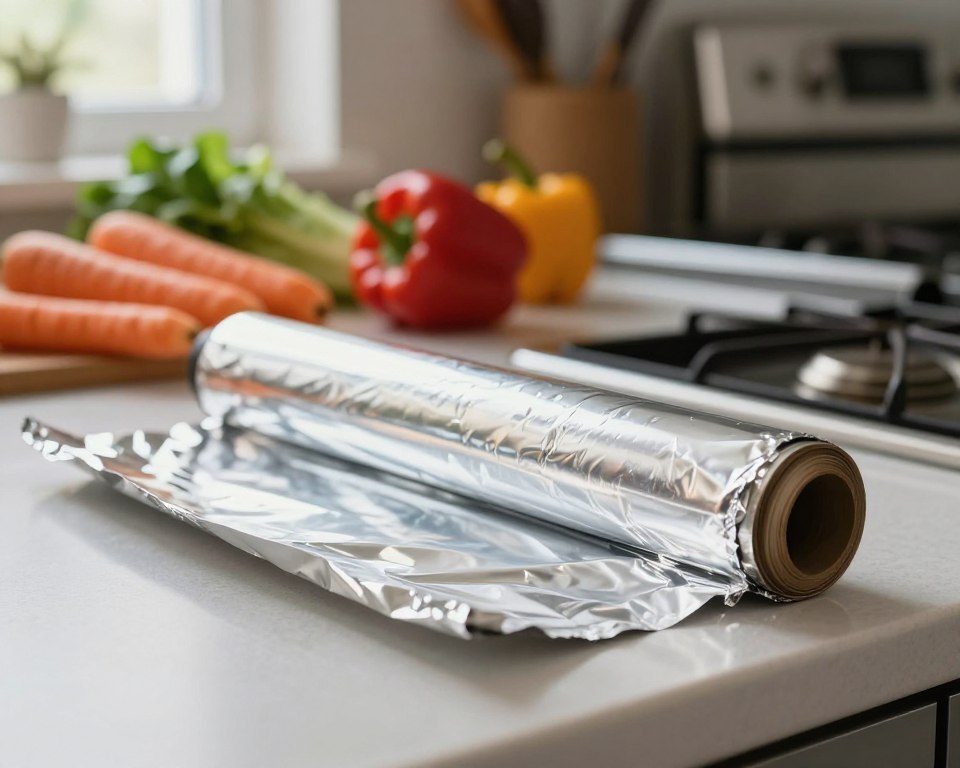
Many wonder if aluminum foil is safe for cooking because of metal particles in food. Aluminum is found naturally in soil, water, and food. But, using foil at high heat can cause small amounts of metal to get into your meal. Knowing this helps you make better choices in the kitchen.
Scientific Perspectives on Aluminum Leaching
Leaching happens when aluminum ions move from the foil into food. This process depends a lot on the chemical composition of what you’re cooking. Acidic foods like tomato sauce or lemon juice can break down the foil’s protective layer faster.
Temperature also affects this interaction. Cooking at higher temperatures means the ions move more. Scientific consensus says that while some aluminum might get into food, it’s usually not a big deal for most people.
“The migration of aluminum from foil into food is a well-documented phenomenon, yet the quantities involved are typically far below the thresholds that would pose a clinical risk to the general population.”
Regulatory Standards and Safety Limits
Groups like the U.S. Food and Drug Administration (FDA) keep an eye on food-contact materials. They set tolerable daily intake levels to keep exposure safe. Keeping aluminum foil safe is a big deal for makers and health experts.
| Factor | Impact on Migration | Risk Level |
|---|---|---|
| High Acidity | Significant Increase | Low to Moderate |
| High Temperature | Moderate Increase | Low |
| Neutral pH Foods | Minimal | Negligible |
| Short Exposure Time | Very Low | Negligible |
Following these guidelines lets you use foil safely for cooking. It’s key to know how different cooking methods affect aluminum foil safety.
Factors That Influence Aluminum Migration
Understanding what makes aluminum foil unsafe is key. This material is common in kitchens but not always safe. Knowing how it reacts helps us cook and store food better.
Many things can damage the foil’s protective layer. When this happens, small amounts of aluminum can get into your food. Knowing what causes this is the first step to keeping your kitchen safe.
The Impact of High Heat on Foil Integrity
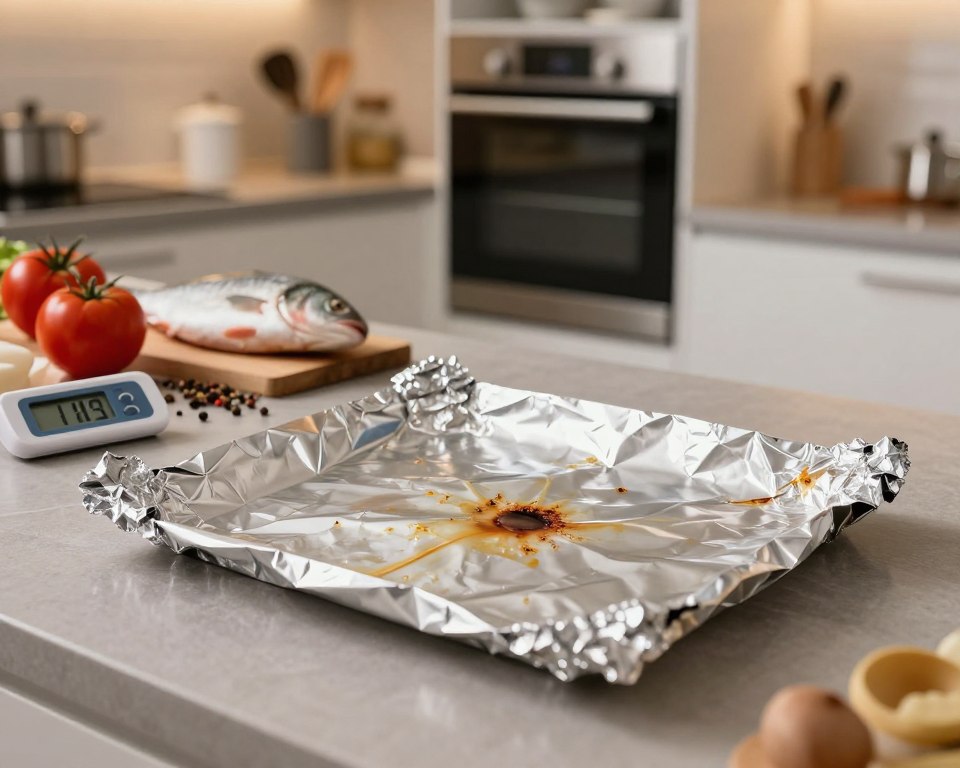
Aluminum foil has a thin layer to keep it from touching your food. But high heat can break down this layer. This makes the foil less strong.
“Chemical leaching is a process governed by thermodynamics; as heat increases, the kinetic energy of molecules rises, often facilitating the movement of ions from the container into the food matrix.”
To stay safe, think about these things when cooking at high heat:
- Temperature thresholds: Don’t use foil near open flames or very hot broiling.
- Surface degradation: Check the foil for damage before using it. Damaged areas leak more.
- Duration: Cooking for a long time means more chance of metal getting into your food.
How Acidic Foods React with Aluminum
Acidic foods like tomatoes and citrus can make aluminum foil leak. This is a big risk when cooking with foil. It’s one of the main dangers of cooking with aluminum foil if you’re not careful.
Acidic foods can break down the foil’s protective layer. This is more likely during long cooking or when food is stored in foil for a long time. Keeping acidic foods away from the metal helps prevent this.
Health Implications of Aluminum Exposure
Looking into the health effects of using aluminum foil for cooking means we need to consider the science. Aluminum is found naturally in soil, water, and air. But, its use in cooking raises questions about safety.
It’s key to know the difference between exposure in the environment and small amounts that might get into food. This helps us understand the risks better.
Current Research on Aluminum and Neurological Health
Studies have looked closely at how aluminum affects the brain. They want to know how our bodies handle and get rid of this metal. Evidence-based guidance shows that most people can get rid of aluminum quickly through their kidneys.
Research doesn’t show that using foil in the kitchen is harmful. Experts say that eating processed foods and additives gives us more aluminum than cooking with foil. Looking at all the ways we’re exposed to aluminum helps us see our own risk better.
Understanding Daily Aluminum Intake from Food and Water
Aluminum is in many foods and drinks we eat, like baking powder and water. When we think about the health effects of using aluminum foil for cooking, it’s good to compare it to other sources. Here’s a table that shows how much aluminum we get from different places.
| Source of Aluminum | Typical Contribution | Relative Impact |
|---|---|---|
| Processed Foods (Additives) | High | Significant |
| Drinking Water | Low to Moderate | Minor |
| Aluminum Foil (Cooking) | Very Low | Negligible |
| Natural Food Sources | Moderate | Baseline |
The table shows that foil is a small part of our daily aluminum intake. Eating a balanced diet and avoiding processed foods helps manage our exposure. Clinical expertise says that using foil in cooking is not a big health risk for most people.
Benefits of Using Aluminum Foil in the Kitchen
Aluminum foil is great for spreading heat and keeping moisture in. It’s a key item in kitchens today, helping with temperature control and food prep. Using it, both pros and home cooks get better results with many dishes.
Heat Distribution and Retention Properties
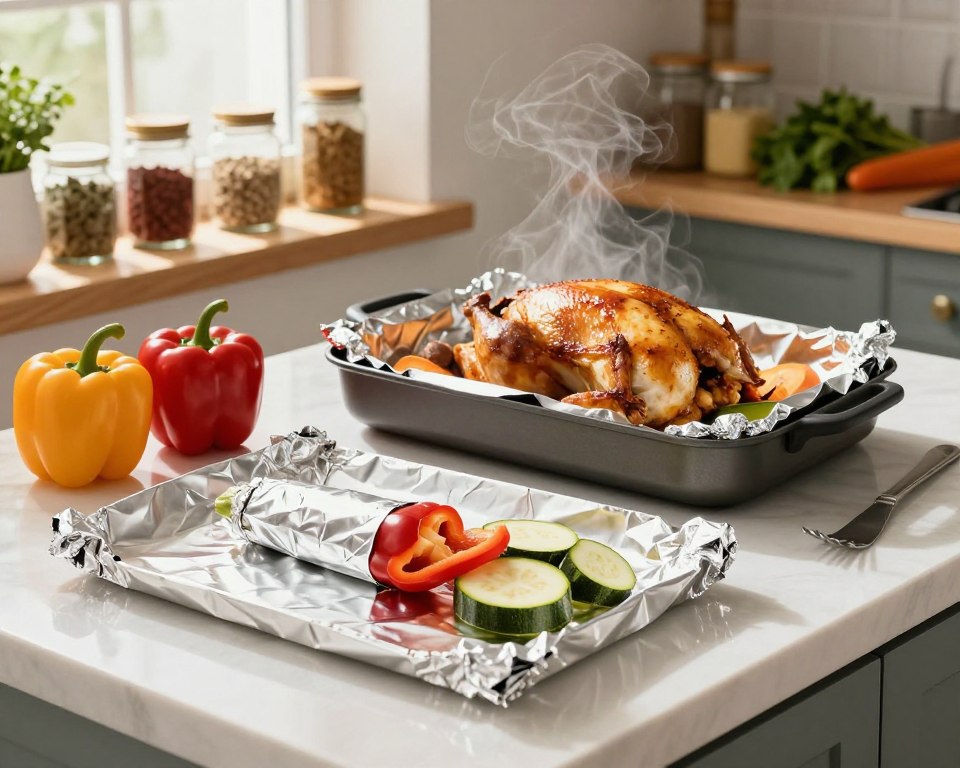
Aluminum spreads heat fast and evenly. This means food cooks the same all over, avoiding burnt outsides and raw insides.
After cooking, foil keeps heat in. This helps meat stay warm and juices spread out evenly. It’s key for tender meat.
Moisture Control During Roasting and Baking
Foil traps steam, keeping moisture in. This is great for tough meats, making them tender and juicy.
The table below shows how foil changes cooking results:
| Cooking Method | Primary Benefit | Resulting Texture |
|---|---|---|
| Roasting Meat | Steam Trapping | Tender and Moist |
| Baking Vegetables | Even Heat | Soft and Uniform |
| Resting Proteins | Heat Retention | Juicy and Consistent |
Aluminum foil also protects food from harsh heat. It’s perfect for steaming fish or roasting veggies, keeping flavors and quality in your meals.
Best Practices for Using Aluminum Foil in Cooking
Using aluminum foil correctly can make your cooking better and safer. Knowing how it works helps you get great results and avoid risks. These aluminum foil cooking tips are for everyday cooking.
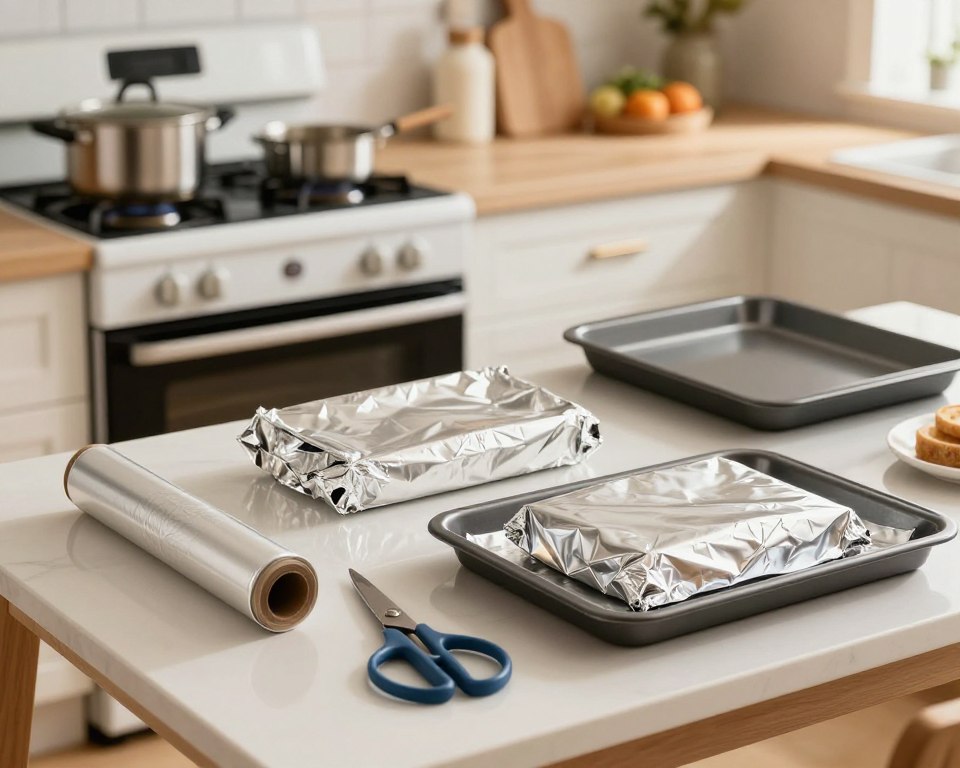
Selecting the Right Thickness for Different Tasks
Choosing the right foil thickness is key for strong cooking. Standard foil works well for covering dishes or simple wrapping. But, it might tear under heavy pressure.
For cooking with high heat or for a long time, heavy-duty foil is better. It’s thicker and lasts longer, perfect for roasting pans or wrapping big meat cuts.
“Precision in the kitchen is not just about the ingredients; it is about the tools you choose to contain and protect them during the heat of the process.”
Avoiding Direct Contact with Highly Acidic Ingredients
One crucial best practice is to avoid chemical reactions. Acidic foods like tomatoes or citrus can harm the foil.
This can make aluminum particles get into your food. To stay safe, try these:
- Put parchment paper between food and foil.
- Don’t store acidic leftovers in foil containers.
- Use glass or ceramic for marinating.
By sticking to these tips, your meals will be tasty and safe. Using these methods regularly can make your home cooking look like a pro’s.
Is It Safe to Use Aluminum Foil for Baking
Ever wonder if aluminum foil is safe for baking? The answer is yes, if you use it right and follow the rules.
Aluminum foil is a key tool in many kitchens. It’s great because it’s versatile and good at conducting heat. Used properly, it’s not harmful to most people.
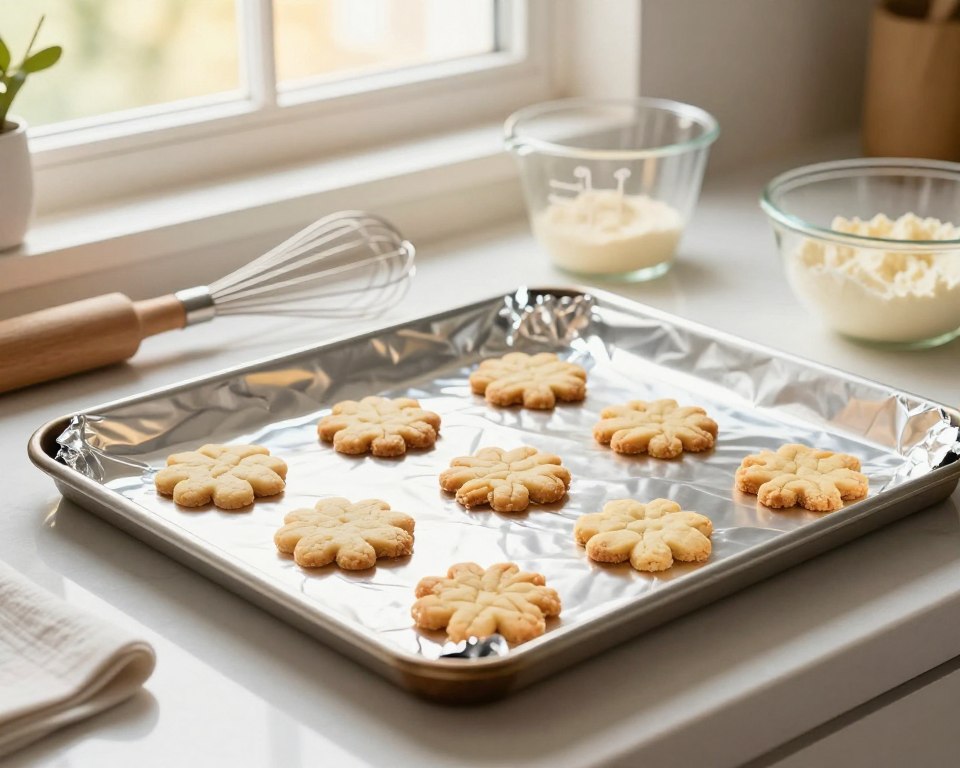
Using Foil as a Shield for Pie Crusts
Aluminum foil is perfect for protecting pie crust edges. Pie crusts can get too brown too fast.
By putting foil around the crust, you slow down browning. This helps the pie’s center cook right without burning the crust.
Lining Baking Sheets for Easier Cleanup
Using foil on baking sheets makes cleanup easy. It stops sticky foods from sticking to pans.
This trick is great for roasting veggies or baking cookies. After cooking, just throw away the foil. Your pans will be clean with little effort.
| Baking Task | Foil Benefit | Safety Note |
|---|---|---|
| Pie Crust Shielding | Prevents over-browning | Use at standard temps |
| Sheet Pan Lining | Reduces cleanup time | Avoid acidic contact |
| Covering Casseroles | Retains moisture | Ensure tight seal |
Knowing it’s safe to use aluminum foil for baking lets you enjoy cooking more. These simple tips make your kitchen safer and more organized.
Risks Associated with Grilling and High-Temperature Cooking
When you grill, it’s important to watch out for the dangers of cooking with aluminum foil. The heat from the flames can melt or damage the foil. This can release harmful particles into your food, which is a big worry for those who care about their health.
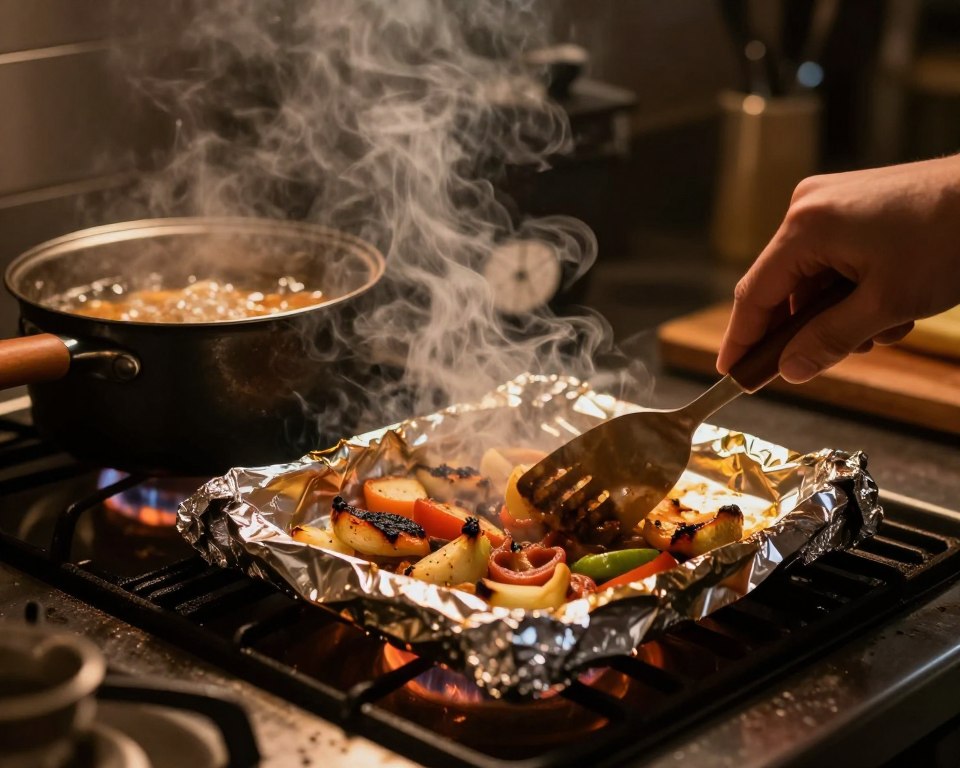
Preventing Foil Degradation Over Open Flames
To stay safe, don’t put thin foil too close to the flames. Use heavy-duty versions of foil for better safety. Make sure the foil is wrapped well to avoid it tearing and exposing your food to heat.
Keep a close eye on the foil while grilling. If it starts to darken or get brittle, take it off the heat right away. This means the foil can’t handle the heat anymore, which is a safety risk.
Safe Alternatives for High-Heat Grilling
If you grill a lot, think about using durable, reusable tools. Stainless steel grilling baskets are great because they distribute heat well and don’t break down. They help your food cook evenly and keep it away from the flames.
| Tool Type | Heat Resistance | Reusability | Safety Profile |
|---|---|---|---|
| Standard Foil | Low | No | Moderate |
| Heavy-Duty Foil | Medium | No | High |
| Stainless Steel Basket | Very High | Yes | Excellent |
| Silicone Grill Mat | High | Yes | Excellent |
Storage Considerations for Aluminum Foil
Aluminum foil is a common item in many homes. But, it’s not always the best choice for keeping food fresh. It’s great for quick fixes, but not for long-term storage.
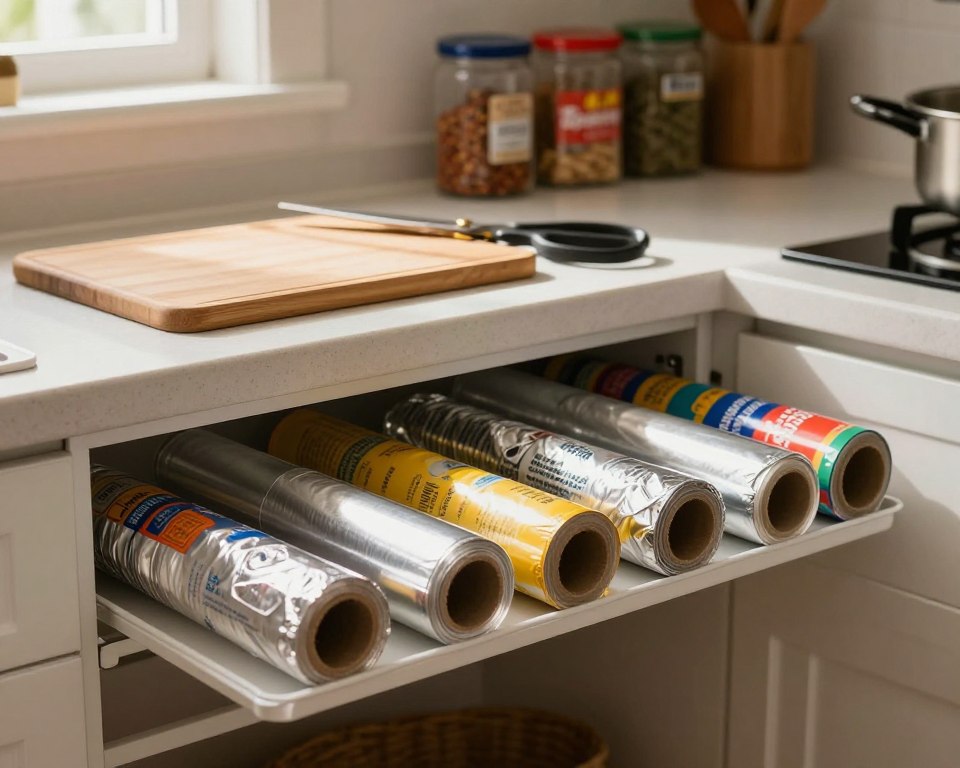
Wrapping Leftovers Versus Using Airtight Containers
For quick needs, aluminum foil is handy. It’s good for covering a salad bowl or wrapping a sandwich for a few hours. Its flexibility makes it easy to shape around different foods.
But, airtight containers are better for keeping food fresh. Containers like glass or BPA-free plastic with tight lids keep air out. This helps food stay fresh and full of flavor longer.
Why Foil Is Not Ideal for Long-Term Food Storage
Aluminum foil doesn’t keep air out, which is bad for long storage. Food wrapped in foil can get freezer burn or lose flavor. This is because oxygen keeps touching the food.
Also, foil can tear or not seal well. This lets food smells mix, which isn’t good. For keeping food safe and tasty longer, use dedicated containers.
| Storage Method | Best Use Case | Airtight Seal | Longevity |
|---|---|---|---|
| Aluminum Foil | Short-term wrapping | No | Low |
| Glass Containers | Long-term storage | Yes | High |
| Plastic Containers | Meal prep | Yes | High |
| Plastic Wrap | Covering bowls | Partial | Moderate |
Comparing Aluminum Foil to Alternative Materials
Knowing the differences between kitchen materials is key for home chefs. Many use best practices for using aluminum foil in cooking. But, exploring other options can offer special benefits for certain recipes.
Parchment Paper Versus Aluminum Foil
Parchment paper is great for bakers because it doesn’t react with food. It’s safe for dishes with acidic ingredients like tomatoes or vinegar. This makes it a better choice for some recipes.
People often wonder, is it safe to use aluminum foil for baking with delicate pastries? While foil is usually okay, parchment paper is better. It prevents pastries from tearing when you take them out.
Silicone Baking Mats and Their Advantages
Silicone baking mats are a reusable and sustainable option. They distribute heat evenly, which is great for baking cookies and pastries.
These mats are flexible and last a long time. They help reduce kitchen waste. They’re perfect for frequent bakers who care about food safety and the environment.
| Material | Best Use Case | Key Advantage | Sustainability |
|---|---|---|---|
| Aluminum Foil | Grilling and roasting | High heat tolerance | Recyclable |
| Parchment Paper | Baking cookies | Chemically inert | Compostable |
| Silicone Mat | Pastries and bread | Non-stick surface | Reusable |
Special Considerations for Sensitive Populations
Aluminum foil is a common item in kitchens, but it needs special thought for certain health groups. Understanding how our bodies handle trace minerals is key to knowing the health effects of using aluminum foil for cooking.
Aluminum Exposure and Kidney Function
The kidneys help filter and remove aluminum from our blood. For people with kidney problems, this process might not work as well. This could lead to more aluminum building up in their bodies.
So, it’s wise for those with kidney issues to watch what they eat. Being careful about the health effects of using aluminum foil for cooking helps them control their mineral intake better.
Recommendations for Infants and Children
Infants and young kids are in a crucial stage of growth. Their bodies are very sensitive to the world around them. It’s important to limit their exposure to harmful substances.
These guidelines are based on clinical caution, not because of immediate danger. Choosing safer cooking methods or materials helps protect them. This way, we keep our kitchens safe for everyone.
Common Myths About Aluminum Foil Safety
When looking at aluminum foil safety, it’s key to check the facts, not just online rumors. Many people follow certain habits because of unfounded fears. By looking at the truth, we can use kitchen tools safely and with confidence.
Debunking Claims About Alzheimer’s Disease Links
Some believe that using aluminum foil causes Alzheimer’s disease. This idea comes from old, wrong studies. Health groups like the Alzheimer’s Association say there’s no link between aluminum and Alzheimer’s.
Today, science says there’s no clear proof that aluminum in cooking causes brain diseases in most people.
Clarifying Misconceptions About Foil Toxicity
It’s crucial to separate real risks from stories without proof. While too much aluminum is bad for some, cooking with foil is usually safe. Our bodies can easily get rid of small amounts of aluminum from food.
The table below shows the truth about aluminum foil myths:
| Common Myth | Scientific Reality | Safety Context |
|---|---|---|
| Foil causes Alzheimer’s | No causal link established | Evidence is not supported |
| Foil is highly toxic | Minimal migration occurs | Levels are well within limits |
| Cooking with foil is dangerous | Safe for most applications | Follow standard usage guidelines |
By sticking to evidence-based practices, your kitchen stays safe. Using facts instead of misconceptions makes cooking easier and safer.
Environmental Impact and Recycling Aluminum Foil
Aluminum foil is common in many kitchens, but its impact on the planet depends on how we dispose of it. Making smart choices about disposal can help reduce landfill waste and save natural resources.
The Sustainability of Aluminum Production
Aluminum is a sustainable material because it can be recycled endlessly without losing quality. Unlike plastics, which degrade with each recycling, aluminum stays the same through many recycling cycles.
Recycling aluminum from scrap uses much less energy than making it from raw bauxite. Recycling saves about 95% of the energy needed to make new aluminum. This big energy savings reduces the carbon footprint of making aluminum.
“The circular economy relies on our ability to recover materials effectively. When we recycle aluminum, we are not just managing waste; we are participating in a system that preserves energy for future generations.”
How to Properly Recycle Used Foil
Despite its recyclability, foil often goes to waste because of improper disposal. The main problem is contamination, as food residue can mess up the recycling process.
To recycle your foil right, follow these steps:
- Clean thoroughly: Rinse off grease, oils, and food before recycling.
- Check local guidelines: Some places have specific rules for foil recycling.
- Ball it up: Crumple clean foil into a fist-sized ball for easier sorting.
- Avoid heavy contamination: If foil is too dirty, throw it away to avoid polluting recycling.
By following these simple steps, you help keep aluminum foil in a sustainable cycle. Proper preparation ensures it remains useful, not waste.
Image Disclosure and Educational Context
We are committed to keeping our readers safe. We use visual aids, like AI-generated illustrations, to help explain complex topics. These images are meant to give a basic idea of the subject matter, not to be used for medical purposes.
Understanding the Use of AI-Generated Illustrations
We use AI images to make hard data easier to understand. These conceptual models help explain safety ideas better than text can. They are not meant to replace a doctor’s or vet’s advice.
“Education is the most powerful weapon which you can use to change the world.”
Remember, these images are not a substitute for expert advice. We strive to give you accurate, verified information to help you make safe choices. Always talk to a professional for specific health or safety issues.
The Role of Visual Aids in Veterinary and Food Safety Education
Visual aids are key in teaching health topics today. They make complex ideas, like how materials affect food or animal health, easier to grasp. Our goal is to make evidence-based guidance easy for all to understand.
Keep in mind, these visuals help explain ideas but don’t diagnose. Whether it’s about kitchen safety or pet health, professional consultation is best. We aim to give you the knowledge to make smart choices, while keeping a clear line between educational and clinical areas.
Expert Tips for Minimizing Aluminum Intake
As a pharmacist, I often suggest that the most effective way to limit aluminum intake is to diversify your cookware materials. While many home cooks appreciate the benefits of aluminum foil in cooking, using it for every meal is not necessary. Switching to high-quality alternatives can greatly reduce your metal exposure over time.
Choosing Stainless Steel or Glass Cookware
Investing in stainless steel, glass, or ceramic cookware provides a stable, non-reactive surface for your food. These materials do not leach metals into your meals, even when you are preparing highly acidic dishes like tomato sauces or citrus-based marinades. Consistency is key when building a kitchen that prioritizes long-term health.
“The most proactive approach to kitchen safety is to prioritize inert materials that maintain their integrity under high heat, ensuring that your cookware remains a tool rather than a source of potential contamination.”
Reducing Reliance on Disposable Foil Products
You can implement several practical aluminum foil cooking tips to lower your usage without sacrificing convenience. For instance, consider using silicone baking mats or parchment paper when lining your baking sheets. These items are often reusable or compostable, making them a more sustainable choice for your daily routine.
If you must use foil, reserve it for specific tasks where its unique properties are truly required, such as tenting a turkey or wrapping potatoes for the grill. By being mindful of when you reach for the roll, you maintain control over your environment. The following table highlights how different materials compare for common kitchen tasks.
| Material | Heat Conductivity | Reactivity | Best Use |
|---|---|---|---|
| Stainless Steel | Moderate | Very Low | General Cooking |
| Glass/Ceramic | Low | None | Baking/Storage |
| Aluminum Foil | High | High (Acidic) | Short-term Tenting |
Conclusion
Aluminum foil is still a great tool for cooking today. Knowing its chemical properties helps keep you safe. Just remember, don’t use it with very acidic foods and choose the right foil for grilling.
Following proven practices keeps your cooking safe and tasty. You can make smart choices about what you use every day.
We encourage you to talk about your cooking experiences in the comments. Your questions help us give you accurate advice. Keep exploring and looking for trustworthy info for your kitchen.
FAQ
Is Aluminum Foil Safe for Cooking and daily food preparation?
Yes, using aluminum foil for cooking is safe. The FDA checks to make sure it’s safe. Even though some aluminum might get into your food, it’s usually not harmful.
What are the specific dangers of cooking with aluminum foil?
Cooking with aluminum foil can be risky. When it gets hot, aluminum can leak into your food. But, most people don’t get too much of it to worry about.
Is it safe to use aluminum foil for baking pies and lining pans?
It’s safe to use aluminum foil for baking at normal temperatures. It helps keep pie crusts from burning. It also makes cleaning up easier, unless your food is very acidic.
Does the shiny or dull side of the foil affect cooking performance or safety?
No, the side of the foil doesn’t matter. It’s made in a way that prevents it from tearing. Both sides are the same, so it’s just a matter of looks.
What are the primary health effects of using aluminum foil for cooking?
Research is looking into how aluminum foil affects your brain and kidneys. Most people can get rid of the aluminum they eat. But, people with kidney problems should be careful.
Which foods react most strongly with aluminum foil?
Foods like tomatoes and citrus can make aluminum foil leak more. To avoid this, use parchment paper or glass instead.
Are there specific benefits of aluminum foil in cooking compared to other materials?
Aluminum foil is great for cooking because it spreads heat well and keeps moisture in. It’s often used to cook meat evenly and keep it tender.
What are the best practices for using aluminum foil in cooking to minimize exposure?
To use aluminum foil safely, choose thick foil for hot tasks. Don’t let acidic foods touch it. Using other materials like stainless steel can also help.
Can aluminum foil cause Alzheimer’s disease?
No, using aluminum foil doesn’t cause Alzheimer’s. Many studies have shown this. Health groups say the small amount of aluminum from foil is not a big risk.
Is aluminum foil recommended for long-term food storage?
No, aluminum foil isn’t good for storing food for a long time. It doesn’t keep air out. Use airtight containers instead to keep food fresh.
How can I follow better aluminum foil cooking tips for high-heat grilling?
For grilling, use thick foil to avoid it melting. For really hot grills, try stainless steel baskets instead. They’re safer and work just as well.
Is used aluminum foil recyclable?
Yes, aluminum can be recycled many times. But, make sure it’s clean first. Dirty foil can ruin recycling and might not be accepted.