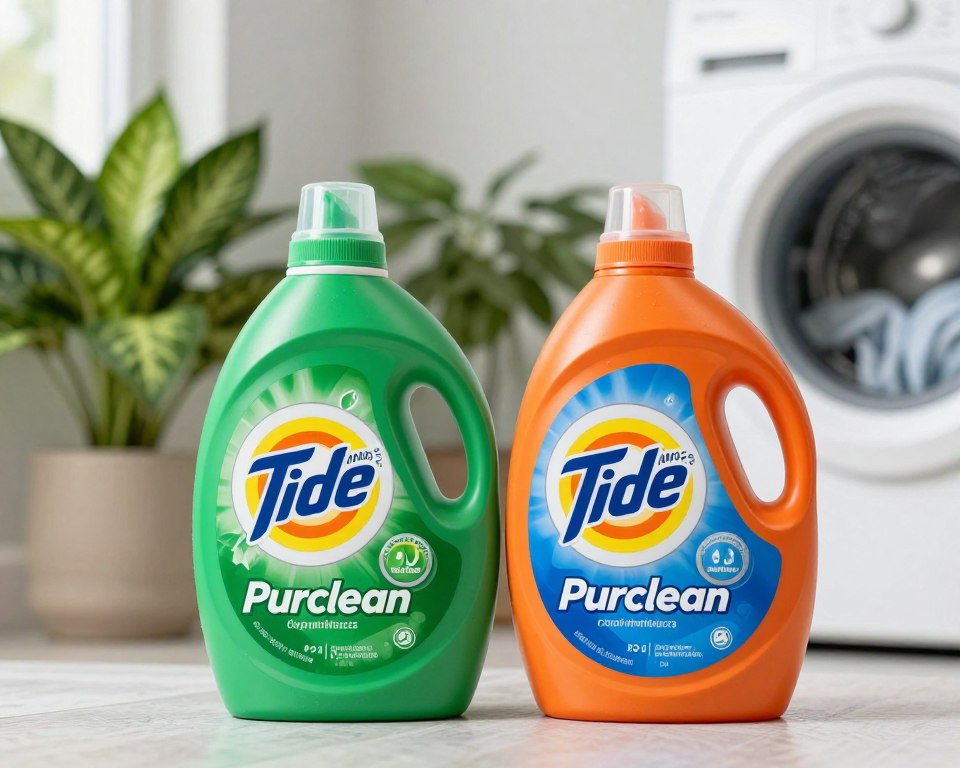
Did you know nearly 70% of people choose plant-based cleaners? But many don’t know about the synthetic additives in them. This confusion makes it hard for families to keep their homes healthy.
When we compare Tide Purclean vs. Tide Original, we see a big debate. It’s about how well they clean and how clear they are about what’s in them. Plant-based surfactants seem like a good choice, but they often come with synthetic additives and fragrances. This makes the “natural” label tricky.
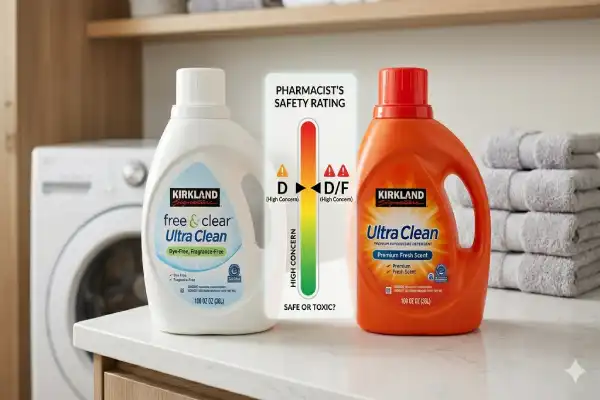
As a pharmacist, I often check the safety of products for my patients. To know if a product is safer, we need to look beyond the brand. We must understand the chemicals it uses. For example, oxygen bleach is safer than chlorine for cleaning at home.
Key Takeaways
- Plant-based marketing does not always equate to a completely non-toxic or synthetic-free product.
- Consumers should scrutinize ingredient lists instead of just looking at the front of the package.
- Both product lines use certain chemicals to clean stains and fabrics.
- Pharmacist-verified data helps us tell real safety benefits from greenwashing.
- Looking at the full chemical profile is key for households with sensitivities or environmental worries.
The Evolution of Laundry Detergent Chemistry
The move from simple soaps to complex formulas has changed how we clean. For years, the industry used petroleum-based surfactants to tackle grease and stains. But these were not good for the environment.
With better understanding of molecules, makers started looking for new options. They created eco-friendly detergents that work well but don’t harm the planet. They mixed plant-based parts into the formulas.
This big step has made environmentally friendly cleaning products common. Now, we use surfactants from plants like corn and soy. This shift helps us clean better while being kind to the Earth.
“The future of cleaning lies in our ability to harness nature’s chemistry to solve the complex challenges of modern sanitation.”
Now, we aim to keep cleaning effective while being safe for the planet. People want environmentally friendly cleaning products that clean well. The industry is working hard to use less harmful ingredients. This will lead to even better eco-friendly detergents for our clothes and the Earth.
Understanding Tide Original: The Industry Standard
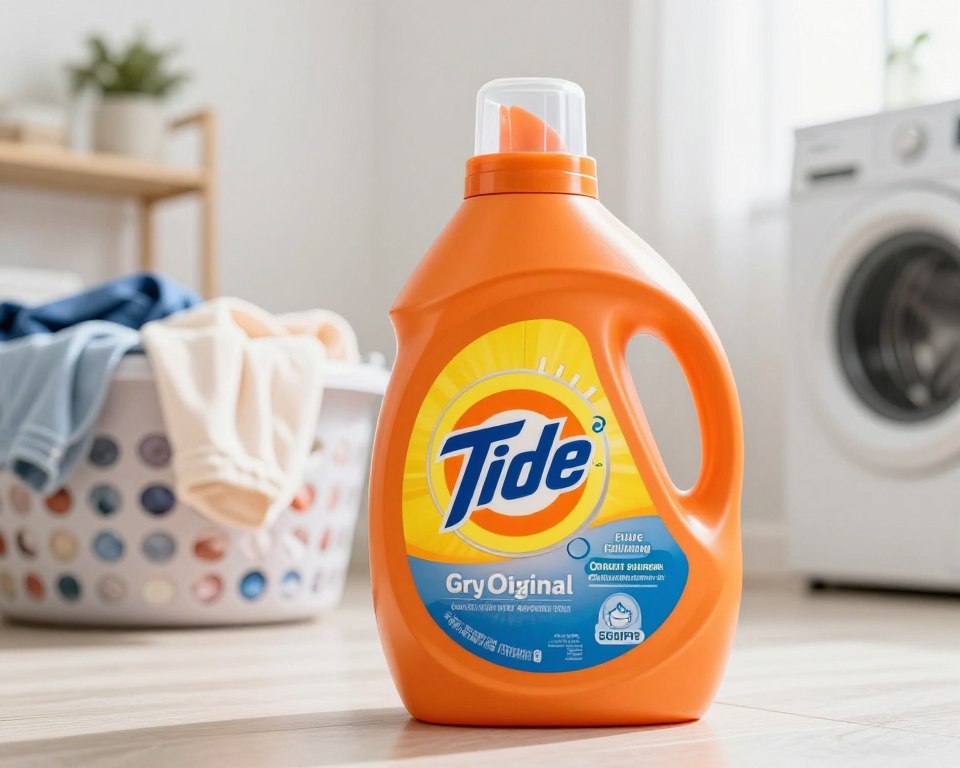
Tide Original has been a top choice for laundry detergent for decades. It sets the bar for how well cleaning products work. Its consistent formula helps test how well detergents tackle tough stains.
Core Chemical Composition and Surfactants
The power of Tide Original comes from its special mix of surfactants. These molecules help water reach deep into fabric fibers. They lift stains from the fabric and keep them in the water.
The formula also includes enzymes that break down proteins, starches, and fats. Builders help keep the surfactants working well, even in hard water.
Performance Metrics and Stain Removal Efficacy
Tide Original is tested for its ability to remove many types of stains, even in cold water. This is great for people who want to save energy. Here’s how its ingredients tackle common stains.
| Stain Category | Primary Cleaning Mechanism | Effectiveness Level |
|---|---|---|
| Protein (Blood, Grass) | Protease Enzymes | High |
| Lipid (Grease, Oil) | Surfactants | High |
| Starch (Sauces, Food) | Amylase Enzymes | Moderate to High |
| Particulate (Mud, Dust) | Suspension Agents | High |
This mix of ingredients makes Tide Original effective on many fabrics and stains. Its consistent performance makes it a top choice in the cleaning world.
Decoding Tide Purclean: The Plant-Based Alternative
More people want plant-based cleaning solutions now. But, the industry needs to be clear about what “green” really means. Labels saying a product is eco-friendly don’t always mean it’s true.
Finding natural laundry detergents can be tricky. Brands often highlight the eco-friendly parts of their products. But, the real chemistry behind them is complex.
Defining Bio-Based Ingredients
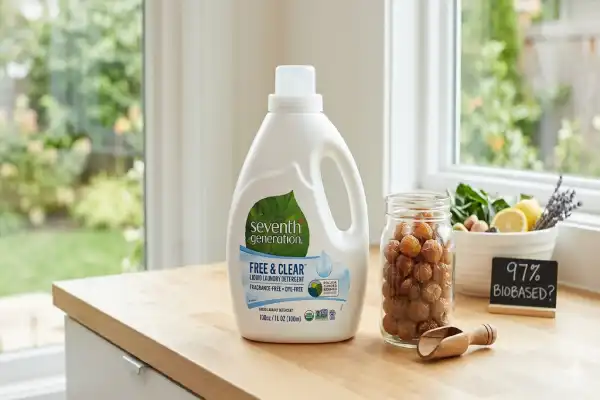
“Bio-based” means a product is made from living things or renewable materials. Unlike regular detergents, these come from plants, sea life, or trees.
But, bio-based doesn’t mean unprocessed. These ingredients go through big changes to work well in laundry. The USDA BioPreferred program helps measure how much comes from nature.
The Manufacturing Process and Sustainability Claims
Switching to plant-based cleaners needs advanced tech. Fatty acids or sugars from crops are turned into surfactants through chemical reactions.
This method has its challenges. Even though the starting materials are renewable, making them uses a lot of energy. Also, it’s hard to know how much of a product is natural versus synthetic.
| Ingredient Category | Primary Source | Common Function | Sustainability Profile |
|---|---|---|---|
| Bio-Surfactants | Plant Oils/Sugars | Stain Removal | High (Renewable) |
| Synthetic Polymers | Petroleum | Soil Suspension | Low (Non-renewable) |
| Enzymes | Fermentation | Protein Breakdown | High (Biodegradable) |
| Preservatives | Chemical Synthesis | Shelf Stability | Variable |
Choosing between regular and natural detergents is a personal decision. It depends on what you value more: the environment or safety. Labels are getting clearer, but it’s up to us to check the facts.
Tide Purclean vs. Tide Original: A Head-to-Head Comparison
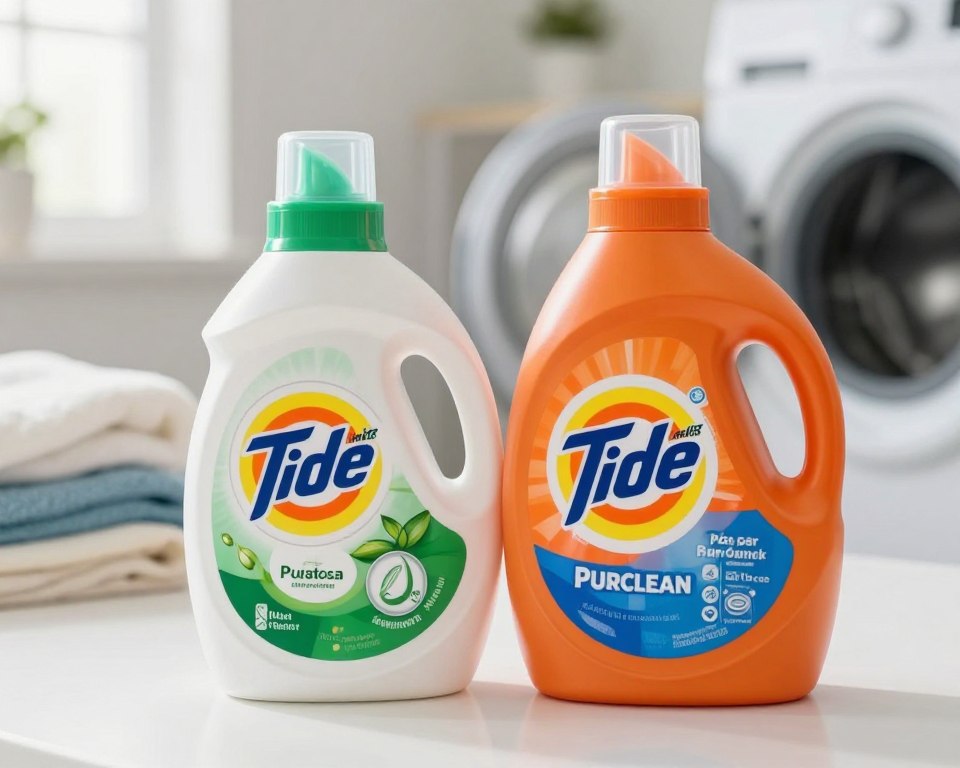
When we compare Tide Purclean vs. Tide Original, we look at cleaning power and ingredients. Both are trusted brands, but they have different bases. This helps us see if the plant-based option is as good as the original.
Cleaning Power on Common Household Stains
A detailed Tide detergent comparison shows both formulas use advanced surfactants to clean. Tide Original has synthetic surfactants for tough stains. It’s a top choice for deep cleaning in many homes.
Tide Purclean uses bio-based surfactants from plants. These work well, but might need specific water temperatures. Efficiency is high, but some notice a slight difference in oil stain removal.
| Feature | Tide Original | Tide Purclean |
|---|---|---|
| Primary Surfactants | Synthetic | Plant-Derived |
| Stain Removal | High (Heavy Duty) | High (Bio-Based) |
| Best For | General Laundry | Eco-Conscious Users |
Fragrance Profiles and Sensitivity Considerations
Fragrance is key for those with sensitive skin. Tide Original has a strong scent for deep cleaning. But, it might irritate some skin types.
“The most effective cleaning agent is one that balances chemical efficacy with the physiological needs of the user, ensuring that cleanliness does not come at the cost of comfort.”
Tide Purclean is better for those who want a milder scent or no fragrance. It has fewer synthetic additives, making it safer for skin. Your choice depends on whether you value strong scent or skin safety more.
Analyzing the Safety Profile of Conventional Detergents
Looking into the safety of common cleaning products means sorting out myths from facts. Many people worry about the chemicals in traditional detergents. But these products are made to clean well while keeping users safe. Knowing what’s in them helps us see how they affect our skin and the planet.

Potential Irritants in Tide Original
Tide Original has a mix of surfactants, enzymes, and fragrances to tackle tough stains. Surfactants make water work better on fabrics. But, some people might get skin irritation if these chemicals stay on clothes after washing.
Fragrances can also cause problems for those with sensitive skin. They’re picked for their smell but can lead to skin reactions. Enzymes, which help break down stains, are usually safe. But, they might cause issues for very sensitive people.
Regulatory Standards and Consumer Safety
In the U.S., the safety of laundry detergents is checked by rules. The Environmental Protection Agency (EPA) looks at the chemicals in these products. They make sure these chemicals don’t harm people or the environment too much. Companies have to follow strict rules about what they put in their products and how they test them.
There are also rules for labeling that warn about possible dangers. These warnings are not about the dangers of using the product right. They’re about important safety steps for handling strong chemicals. By following the directions, people can stay safe while doing laundry.
Evaluating the Safety Claims of Plant-Based Detergents
Many people think plant-based ingredients are safer than synthetic ones. But, the truth is not that simple. The rise of natural laundry detergents has given eco-conscious homes more choices. Yet, the marketing often hides the real chemistry.
Safety isn’t just about where a molecule comes from. It’s about its chemical structure and how much is used.
Are Natural Ingredients Always Safer?
It’s a mistake to think “natural” means “non-toxic.” Many strong toxins come from plants, like ricin or certain essential oils. These can cause serious skin problems. When looking at natural laundry detergents, remember they need chemical processing to clean well.
The biological origin of a substance doesn’t make it safe for skin or the environment. A chemical’s safety depends on how it interacts with living tissues, not where it comes from. So, only testing can tell if a product is safe for sensitive skin or homes.
Common Misconceptions About Plant-Derived Chemicals
Some think plant-derived chemicals are always safe for water and life. But, how they break down in water matters. Also, some natural laundry detergents use essential oils for scent. These oils can cause skin allergies.
People often forget that synthetic ingredients are made to be safer and less irritating. By just looking for “natural” labels, shoppers might pick products that are less effective or more irritating than usual formulas.
| Feature | Plant-Derived Ingredients | Synthetic Ingredients |
|---|---|---|
| Source | Renewable plant biomass | Petroleum or chemical synthesis |
| Safety Profile | Variable; depends on processing | Predictable; strictly regulated |
| Allergen Risk | High (due to botanical extracts) | Low (if purified correctly) |
| Performance | Effective but often requires additives | Highly optimized for specific stains |
The Greenwashing Debate in the Cleaning Industry
When you’re shopping for laundry products, it’s important to be careful. Many companies now claim to be eco-friendly, but not all are. It’s key to know the difference between real sustainability and just marketing.
How Brands Market Sustainability
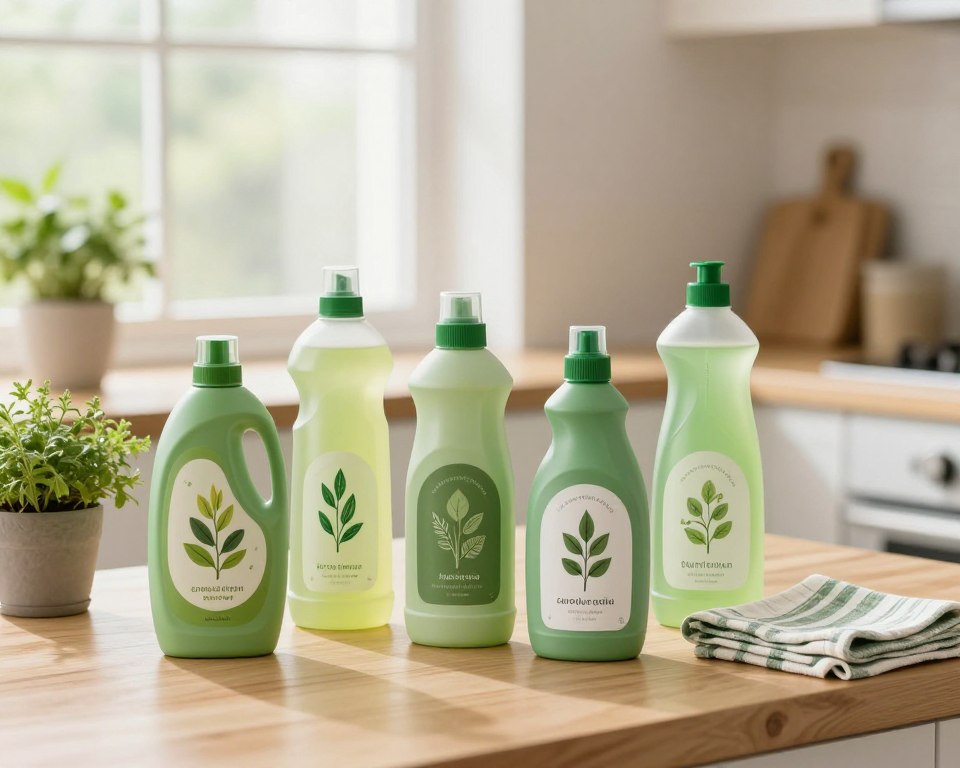
Brands use certain signs to make their products seem green. You might see lots of green colors, pictures of nature, or leaves on the packaging. These are meant to make you think of the environment, even if the product itself isn’t that different.
They also use words like “plant-derived” or “eco-conscious” in their ads. These terms sound good, but they’re not always clear. It’s smart to question claims that don’t give clear facts about what’s in the product.
Transparency in Ingredient Labeling
Real honesty starts with clear ingredient lists. Some companies use terms like “fragrance” or “proprietary blend” to avoid listing what’s in their products. This makes it hard for you to choose the best green household products for your home.
Genuine sustainability means sharing all ingredients, including additives. When a company does this, it shows they’re serious about being green. Look for brands with clear, easy-to-read labels instead of vague marketing terms.
It’s up to you to look beyond what’s said. By asking for clearer labels, you help push the industry towards real change. Making smart choices is the best way to lessen the environmental impact of our daily lives.
Environmental Impact: Lifecycle Assessment
Looking at the environmental cost of laundry goes beyond the ingredients listed on a bottle. A lifecycle assessment gives a holistic view of a product. It tracks its impact from raw material extraction to final disposal. This helps us see the hidden costs of different eco-friendly detergents.
Things like manufacturing energy, packaging, and transportation are just as important as the chemical formula. These elements often make up a big part of the environmental impact.
Carbon Footprint of Production
The production phase is very energy-intensive. It involves making surfactants and processing plant-based materials. Companies aim to reduce energy use to lower their carbon output.
Transporting eco-friendly detergents also affects the carbon footprint. Moving heavy liquids requires a lot of fuel. Using concentrated formulas can help by reducing the weight and volume of shipments, which lowers emissions.
Biodegradability and Waterway Safety
After washing, the detergent goes into the wastewater. Biodegradability is key to prevent chemicals from building up in water systems. Ensuring rapid breakdown is important for water safety.
Waterway safety also depends on the surfactants and additives left after rinsing. Even plant-based ingredients can harm aquatic life. Good eco-friendly detergents are made to protect fish and microorganisms, keeping our waterways healthy.
Cost Analysis and Value for Money
When looking at laundry care, the price per load is key. The cost isn’t just the bottle price. It’s how many loads it can clean. People often forget about the formula’s concentration, which affects how many washes you get.
Price Per Load Comparison
To find the real value, divide the total cost by the number of loads. Conventional detergents like Tide Original are often cheaper per load. Plant-based options, like Tide Purclean, are pricier because of their bio-based ingredients.
Tracking these costs can show how they affect your budget each month. Bulk purchasing can help with the cost of eco-friendly options. But, even with discounts, these products are usually more expensive than synthetic ones.
Is the Premium Price Justified?
Whether the extra cost is worth it depends on your needs. If you have skin sensitivities, a gentler formula might be a good investment. You can check if certain detergents are safe for eczema to decide.
For many, the extra cost is worth it for the reduced environmental footprint and eco-friendly ingredients. If you need strong stain removal, conventional detergents are often the best choice. The best deal is finding a balance between cost, sustainability, and skin health.
User Experience and Consumer Feedback
Looking at laundry products means more than just what they say. Real-world use shows things labs might miss. Many are choosing eco-friendly detergents but what works for one might not for another.
Performance on Sensitive Skin
For those with sensitive skin, it’s not just about getting stains out. Even “gentle” products can cause problems. People often look for clear ingredient lists to avoid irritants.
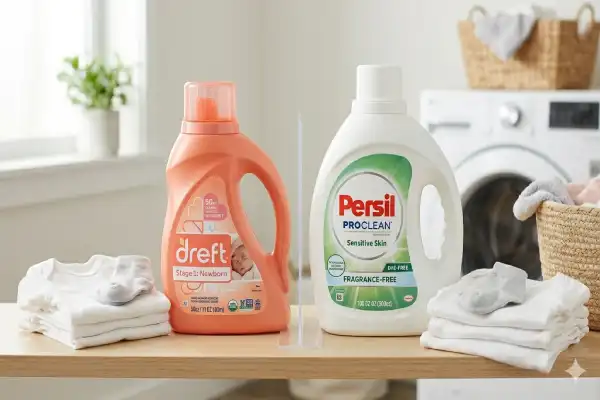
Parents often compare products like Dreft vs. Persil for newborns to see which is better. Finding a product that doesn’t irritate is key to keeping customers.
Scent Preferences and Long-Term Fabric Care
Fragrance is a big deal for many. Some like strong scents, while others prefer none. This is why eco-friendly detergents with natural scents or no scent are popular.
“The most successful laundry products are those that balance high-performance cleaning with a neutral impact on both the user’s skin and the longevity of the garment fibers.”
Long-term fabric care is also important. Users check if a detergent makes clothes fade or wear out faster. Here’s what people often say about different types of detergents.
| Feature | Conventional Detergents | Eco-Friendly Detergents |
|---|---|---|
| Skin Compatibility | Variable | Generally Higher |
| Scent Intensity | High | Low to Moderate |
| Fabric Longevity | Moderate | High |
| Stain Removal | Excellent | Good |
Choosing eco-friendly detergents is a personal choice. People balance wanting to help the planet with needing strong cleaning. No product is perfect for everyone.
Packaging and Waste Reduction Efforts
When we look at green household products, the packaging is just as important as what’s inside. People often overlook the environmental impact of plastic production and shipping. Now, companies are working to change how they package cleaning products for our homes.
Recyclability of Tide Containers
Most detergent bottles are made from HDPE, which many recycling programs accept. But, leftover detergent and complex pumps can make recycling hard. It’s key to rinse bottles well before recycling to avoid contamination.
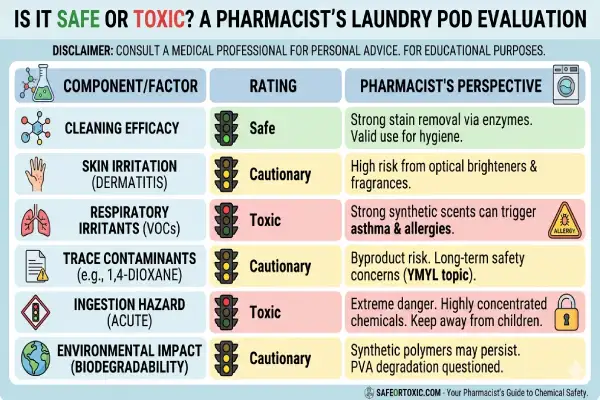
Even if packaging is recyclable, recycling plastic takes a lot of energy. Some might worry about the safety of these materials, like is Tide pods toxic according to a pharmacist. It’s vital to dispose of laundry containers safely to keep our homes safe.
“True sustainability in the cleaning sector requires a shift from single-use plastics toward circular packaging models that prioritize material recovery and reduced shipping weight.”
Concentrated Formulas and Plastic Reduction
Switching to concentrated formulas is a big step toward reducing waste. These formulas use less water, so they come in smaller bottles. This means less plastic is needed for each load. It also makes shipping more efficient, as more product can be carried on one truck, cutting down on carbon emissions.
The table below shows how concentrated packaging is better for resources than traditional detergents:
| Feature | Traditional Detergent | Concentrated Formula |
|---|---|---|
| Plastic Usage | High (Large Bottles) | Low (Compact Bottles) |
| Shipping Efficiency | Low (Heavy/Bulky) | High (Light/Compact) |
| Water Content | High (Up to 80%) | Low (Under 30%) |
| Consumer Value | Moderate | High (More loads per unit) |
Choosing concentrated options helps support green household products and cuts down on waste. By picking brands that use recycled plastics and efficient designs, we help make the supply chain more sustainable.
Expert Verdict on Eco-Conscious Laundry Choices
Looking for sustainable laundry options means comparing plant-based and regular formulas. You need to know what matters most to you. Do you care more about the environment or getting tough stains out?
When to Choose Tide Purclean
Tide Purclean is perfect for those who want bio-based ingredients and a trusted brand. It works great for everyday clothes, towels, and linens.
It’s great for those who want to avoid surfactants made from petroleum. If you want to help the planet, this choice is good for you.
“True sustainability in cleaning products is found at the intersection of effective chemistry and responsible sourcing.”
When Tide Original Remains the Better Option
A Tide detergent comparison shows the original is best for tough cleaning. It’s perfect for sports gear, dirty work clothes, and grease stains.
The original is also cheaper for big families or lots of laundry. It cleans well and is strong against tough stains.
Choosing Tide eco-conscious choices depends on your laundry needs. For tough stains, the original keeps clothes looking good.
Navigating the Future of Sustainable Cleaning
The cleaning industry is changing fast. It’s moving away from old ways of making chemicals. Now, companies are focusing on sustainable laundry options to protect the environment and keep people safe.
Innovations in Bio-Surfactants
New bio-surfactants are at the heart of this change. Before, plant-based cleaners didn’t work as well as synthetic ones. But now, thanks to new technology, they’re catching up. Scientists are making molecules that clean better and are kinder to the planet.
These new cleaners work well, even in cold water. They use less energy, making laundry more eco-friendly. It’s key to check all additives, including in liquid fabric softener, for safety.
The Role of Consumer Demand in Product Development
What people want drives change in the detergent world. When customers ask for safer, clearer products, companies listen. This makes sustainable laundry options the norm, not just a special item.
Future plant-based cleaning solutions will be even clearer and easier to make. As people learn more, the industry must keep proving its green claims. The voice of the informed consumer is key to making the cleaning world better.
Conclusion
Choosing the right laundry detergent is all about finding a balance. It’s between how well it cleans and what you value. People often find it hard to pick between Tide’s eco-friendly options and traditional ones.
Marketing can sometimes hide the truth about household products. The Tide class action lawsuit shows how important it is to know what’s in your detergent. It’s key to look beyond what’s on the label to see what’s really inside.
For many, health and the environment are top concerns. Those with sensitive skin or who care about the planet need to think carefully. They must decide if plant-based ingredients are better than traditional ones. Always check the ingredient list, not just the brand name.
The demand for green cleaning is growing. Keeping up with new products and trends is important. By making choices based on facts, you can keep your home clean and safe for your family and the planet.
FAQ
What is the primary difference in a Tide Purclean vs. Tide Original comparison?
The main difference is in the surfactants. Tide Original uses petroleum-based cleaners. Tide Purclean, on the other hand, has 75% plant-based ingredients. Both use enzyme technology for cleaning, but Purclean is more eco-friendly.
Are eco-friendly detergents like Tide Purclean as effective as traditional formulas?
Tide Purclean cleans as well as Tide Original. Tests show it works on common stains like grass and food. But, for very tough stains, the original might be better.
Does “plant-based” mean that Tide Purclean is one of the “natural” laundry detergents?
“Natural” isn’t strictly defined in cleaning. Tide Purclean is mostly bio-based but also has some synthetic parts. It’s a mix of plant-based and synthetic chemistry, not fully natural.
Are Tide eco-conscious choices safer for people with sensitive skin?
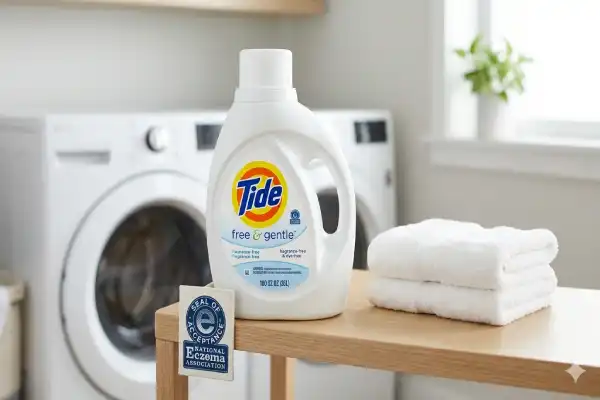
Safety depends on the chemicals, not if they’re plant or synthetic. Tide Purclean is good for the environment and doesn’t have dyes. But, if it has fragrance, it might irritate some people. For very sensitive skin, the “Free & Gentle” version is best.
How can I tell if a product is truly sustainable or just a victim of greenwashing?
Look for third-party certifications like the USDA BioPreferred label. Tide Purclean has this (75%), showing it’s truly eco-friendly. Always check the ingredients, not just the packaging.
Is there a significant price difference between these two Tide products?
Yes, Tide Purclean is pricier. This is because of the cost of plant-based ingredients. You need to decide if the environmental benefits are worth the extra cost.
Does the packaging of these detergents contribute to their environmental impact?
Yes, packaging matters. Tide now offers concentrated formulas to use less water and plastic. The containers are also recyclable. Choosing products with eco-friendly packaging is important.
What does the future look like for bio-based laundry products?
The future is 100% bio-based surfactants. As tech improves, we’ll see better, greener cleaning products. Demand for eco-friendly options is driving this change.