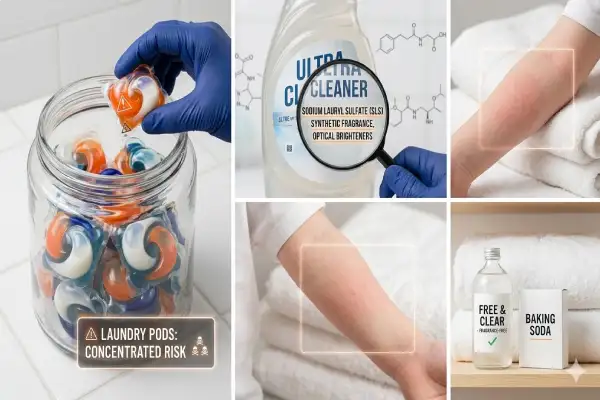
Did you know that an infant’s skin is up to 30% thinner than an adult’s? This makes it very sensitive to chemicals. In the first year, babies need protection from harsh chemicals found in many products.
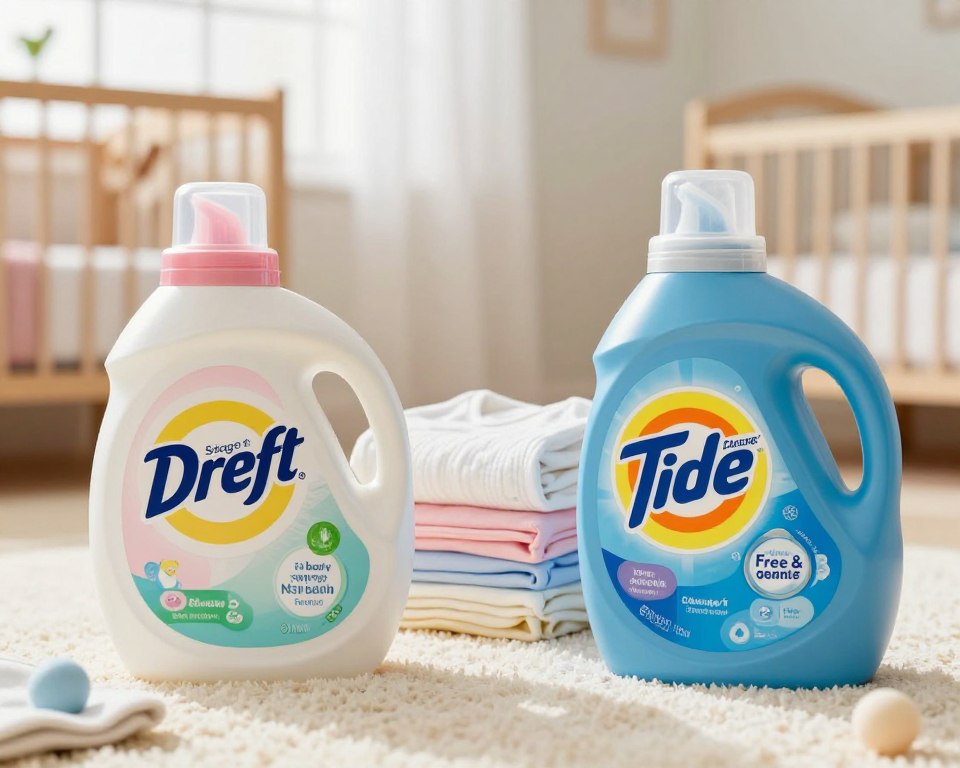
As a pharmacist, I check the chemicals in laundry detergents for parents. Choosing between Dreft Stage 1 Newborn vs. Tide Free & Gentle means finding a balance. Some families like traditional scents, while others need hypoallergenic options to avoid skin problems.
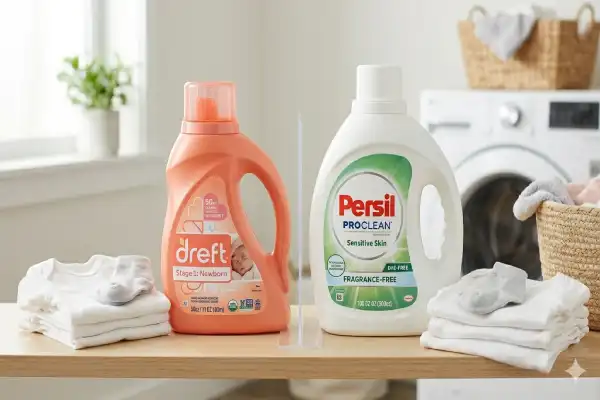
It’s important to know about the ingredients in these products. If you’re deciding, you might also want to look at Dreft vs. Persil for newborns. My aim is to help you choose products that are safe for your baby’s skin.
Key Takeaways
- Infant skin is thinner and more permeable, requiring detergents free from unnecessary irritants.
- Fragrances and dyes are primary triggers for contact dermatitis and rashes in newborns.
- Clinical evaluation of detergent ingredients helps parents avoid potential respiratory and skin sensitivities.
- Comparing chemical profiles allows for informed decisions regarding long-term dermatological health.
- Professional guidance emphasizes prioritizing hypoallergenic options to protect a developing skin barrier.
Understanding the Unique Needs of Newborn Skin
Protecting a newborn means knowing their skin’s special needs. Their skin is thinner and more open to harm than adult skin. This makes it crucial for parents to watch what touches their baby’s skin.
The Physiology of Infant Skin Barrier
The skin barrier is the body’s first line of defense. In babies, this barrier is still growing and not as strong as in adults. This means their skin can soak up chemicals quickly, leading to irritation or even health problems.
Keeping the skin barrier healthy is key for a baby’s skin health. When it’s damaged, the skin loses moisture fast and gets dry. Proper care means avoiding things that could harm this delicate balance.
Common Triggers for Contact Dermatitis in Babies
Contact dermatitis is a big worry for parents. It shows up as red, itchy, or inflamed skin patches. Things like synthetic fragrances, harsh surfactants, and chemical dyes in fabrics can cause it.
Even a little bit of these substances can upset a baby’s sensitive skin. Knowing what to avoid is important for baby laundry detergent safety. By cutting down on these irritants, parents can help prevent skin problems.
Why Pediatricians Emphasize Hypoallergenic Laundry Care
Doctors always stress the importance of hypoallergenic laundry care for babies. The American Academy of Pediatrics says to wash all new clothes before wearing them. This removes chemicals or dust from the clothes.
Using products made for sensitive skin is a smart move for baby laundry detergent safety. These detergents don’t have dyes or perfumes that can cause problems. Choosing these gentle options keeps a baby’s clothes comfortable, not irritating.
Dreft Stage 1 Newborn: A Deep Dive into the Brand
Dreft is the top choice for baby detergent, loved by pediatricians. It’s known for being gentle and creating a special moment for new parents. This mix of cleaning power and sensory experience is key to its success.
Formulation Philosophy and Target Audience
The heart of Dreft is a gentle clean for sensitive fabrics. It’s made for parents who value mildness and fabric care for their newborns. The goal is to clean without harming the softness of baby clothes.
Key Ingredients and Scent Profile
The Dreft Stage 1 ingredients are hypoallergenic. It uses surfactants and enzymes to tackle stains. But its scent is what many remember.
- Surfactants: These agents lift dirt and oils from fabric fibers.
- Enzymes: These proteins target specific organic stains common in infancy.
- Fragrance: A proprietary blend that provides the recognizable “baby” scent.
The scent is a big draw, but it can cause skin issues. Parents should watch for any signs of sensitivity. Knowing the Dreft Stage 1 ingredients helps them choose wisely for their baby’s skin.
The Role of Marketing in the Newborn Laundry Market
Marketing is crucial for Dreft’s success, even with new competitors. It uses its pediatrician partnership to win trust. This builds a strong emotional bond with new parents.
Despite a shift towards unscented and dye-free options, Dreft remains popular. It keeps its lead by focusing on newborn care. This makes it a must-have for new families in the U.S.
Tide Free and Gentle: Science-Backed Cleaning
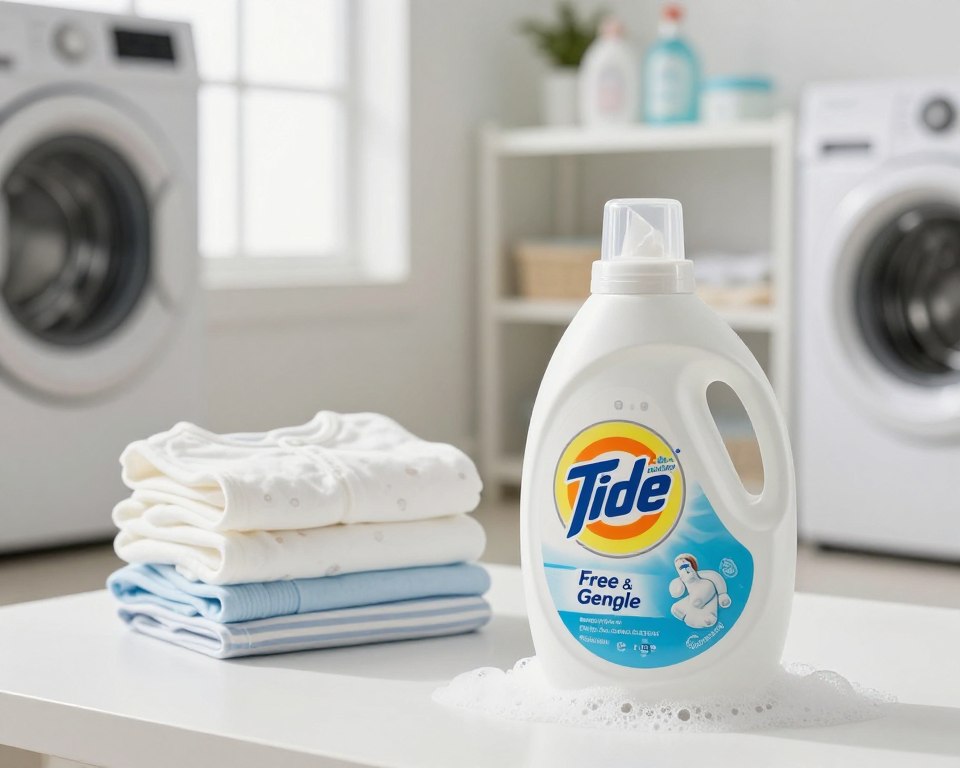
Understanding the science behind Tide Free and Gentle efficacy helps families make informed choices for their laundry routines. This detergent is engineered to provide the heavy-duty cleaning power of a mainstream product without the common irritants found in standard formulas. It serves as a reliable option for households managing skin sensitivities or conditions like eczema.
The Technology Behind Free and Gentle Formulas
The core of this detergent lies in its advanced surfactant system. These molecules are designed to lift dirt and oils from fabric fibers effectively, even in cold water. By utilizing high-performance cleaning agents, the formula ensures that clothes remain clean without requiring harsh chemical additives that often trigger skin reactions.
Dye-Free and Perfume-Free Standards
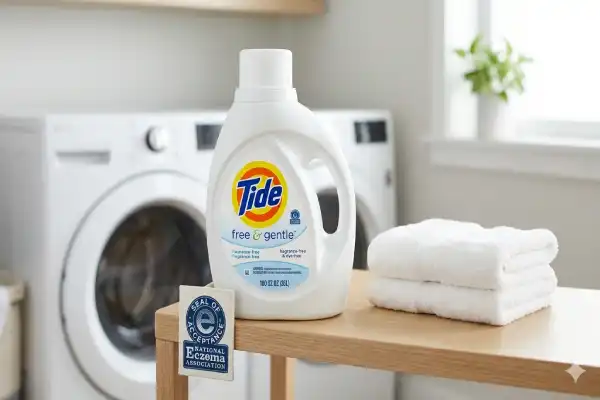
A primary concern for parents is the presence of synthetic dyes and fragrances, which are frequent culprits in contact dermatitis. Tide Free and Gentle is completely free of these additives. This commitment to purity is why the product is officially accepted by the National Eczema Association and the National Psoriasis Foundation.
How Tide Balances Cleaning Power with Skin Safety
Maintaining high cleaning standards while ensuring dermatological safety requires a precise chemical balance. Many consumers often compare this version to other options, such as when evaluating Tide Original vs. Tide Free and to determine the best fit for their specific needs. The brand achieves this balance by prioritizing hypoallergenic ingredients that rinse away cleanly, leaving no residue behind to irritate delicate skin.
Dreft Stage 1 Newborn vs. Tide Free & Gentle: A Direct Comparison
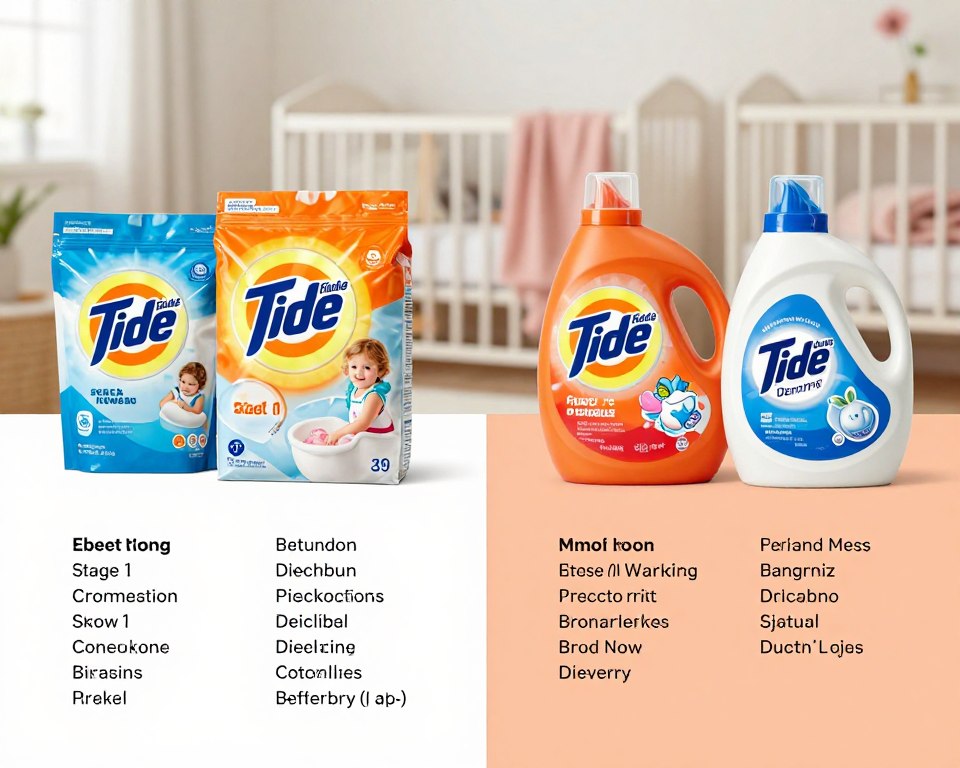
Choosing between Dreft Stage 1 and Tide Free & Gentle is a big decision for parents. They must weigh brand history against the need for a gentle formula. Both are popular in the US, but they cater to different needs in infant care. It’s important to look at what’s in the detergent and how well it works to keep your baby’s clothes clean and safe.
Comparing Ingredient Lists and Chemical Additives
The Dreft Stage 1 ingredients are made for newborns, with a scent that many parents love. But, it does have fragrances that might not be good for every baby’s skin. Always think about your baby’s sensitivities before picking a scented product.
Tide Free & Gentle, on the other hand, is free from dyes and perfumes. This makes it less likely to cause allergies. If you’re worried about chemicals, check if fabric softeners are safe for babies. You can find more info here.
Cleaning Efficacy on Common Baby Stains
Tide Free and Gentle is great at cleaning tough stains without harsh chemicals. It’s good at getting rid of formula, spit-up, and poop. This makes it a top choice for parents with messy babies.
Dreft also cleans well, but might need extra help with tough stains. Some eco-friendly detergents might even do better on organic stains. But for everyday messes, both Dreft and Tide work well.
Price Point and Accessibility for New Parents
Both detergents are easy to find in stores and online in the US. Dreft is seen as a premium product, which can cost more. Tide Free & Gentle, on the other hand, often comes in bigger sizes, saving money for families with lots of laundry.
Choosing between Dreft and Tide often comes down to what you value more. Brand name or a fragrance-free option? Always put your baby’s skin first. If a product irritates your baby, it’s best to switch to something without dyes or perfumes.
Analyzing the Fragrance Factor
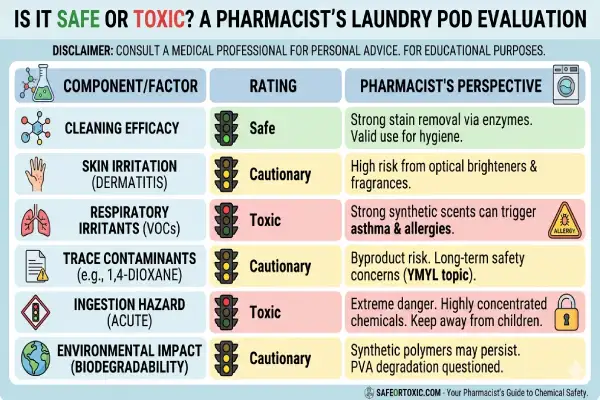
Fragrances often cause contact dermatitis in infants, yet they’re common in household cleaners. It’s key to understand that these additives are complex chemical mixes. Choosing a product like Dreft baby laundry detergent can help parents see how different formulas affect skin health.
The Impact of Synthetic Fragrances on Newborns
Newborn skin is thinner and more open to chemicals than adult skin. Synthetic fragrances, with their volatile organic compounds, can harm the skin barrier. This harm often leads to redness, itching, and inflammation, signs of contact dermatitis.
Since a newborn’s immune system is still growing, chemicals can cause bad reactions. Sensitivity varies by individual, but using scented products can make skin problems worse. Reducing exposure to these chemicals helps keep infant skin healthy.
Why Some Parents Prefer Scented Detergents
Many parents choose scented products because of their psychological appeal. The smell of “fresh” is seen as clean and hygienic, giving a sense of security. This makes it hard for caregivers to switch to unscented options.
Marketing uses floral or “baby-fresh” scents to comfort parents. But these scents don’t add to cleaning. Parents need to focus on clinical safety over looks as they care for their baby’s environment.
Evaluating the Potential for Respiratory Irritation
Inhaling fragrance particles is a big worry for infants. These particles can stay in the air and irritate newborns’ sensitive respiratory tracts. This is a big issue in small, closed spaces like nurseries.
Parents should watch for signs of breathing trouble, like sneezing or congestion, when trying new laundry products. Choosing fragrance-free options helps avoid these synthetic fragrance risks. Keeping the environment neutral is best for a baby’s skin and breathing.
Skin Sensitivity and Allergic Reactions
Managing newborn skin sensitivity starts with recognizing early signs of irritation. Infants have thinner skin than adults, making them more prone to irritants in household products.
Parents should watch their baby’s skin after introducing new clothes or bedding. Finding the cause of skin issues requires a careful approach to rule out environmental factors.
Identifying Signs of Detergent-Related Rashes
Detergent-related rashes often show up where fabric touches the skin a lot. Look for red patches, small bumps, or dry, scaly skin that gets worse after wearing new clothes.
These reactions are usually contact dermatitis. Unlike heat rash or diaper rash, they can spread across the body, not just in one spot.
Clinical Studies and Dermatological Testing
Experts say using products that have been thoroughly tested is key. For example, Tide Free and Gentle is safe for those with eczema and psoriasis. This gives parents of sensitive babies peace of mind.
Studies often look at products without dyes and perfumes, which can irritate skin. Products approved by dermatologists have passed tough tests to ensure they don’t cause allergic reactions.
When to Switch Detergents Based on Skin Response
If you think your laundry product is causing detergent-related rashes, try a simple test. Switch to a fragrance-free, dye-free detergent and see if the rash gets better in a week or two.
Consistency is key during this test. Make sure to wash all items touching the baby in the new detergent to avoid cross-contamination.
If the rash doesn’t go away, talk to a pediatrician. They can check for other conditions like atopic dermatitis or food allergies. Always choose products that reduce chemical exposure to help your baby’s skin stay healthy.
Cleaning Performance on Cloth Diapers and Bedding
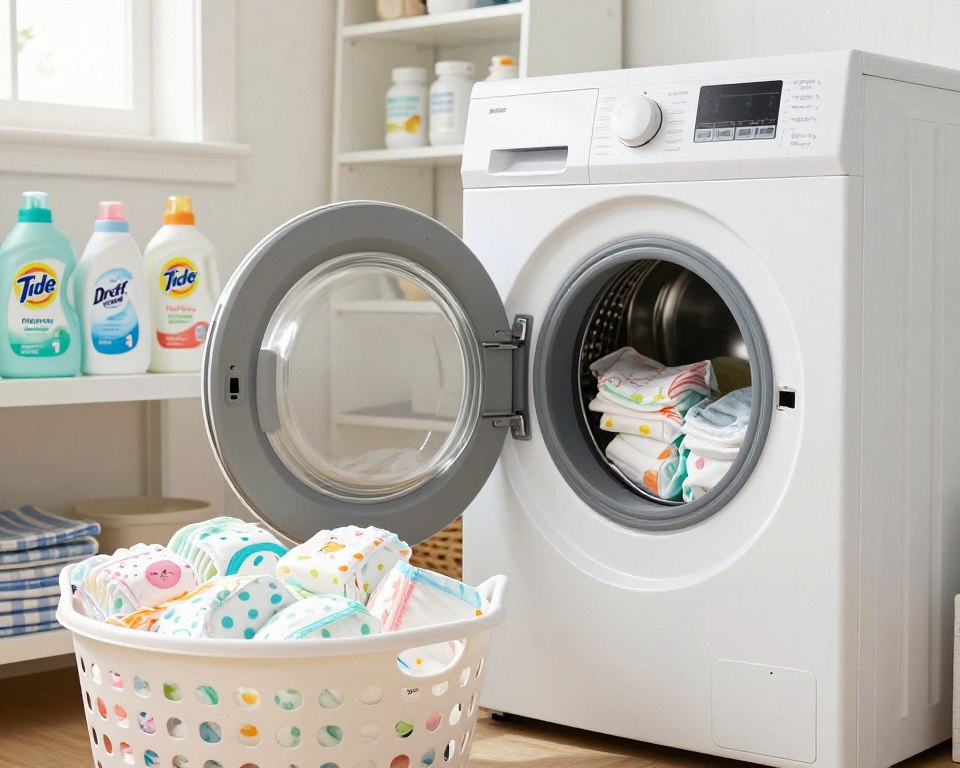
Cloth diapers and baby bedding need special cleaning to keep them safe and soft. They get dirty often, so it’s important to clean them well without damaging the fabric. A regular cleaning routine helps these items last longer.
Residue Buildup and Its Effect on Fabric Softness
Leftover laundry detergent residue can make fabrics stiff and less absorbent. This is bad for cloth diapers. It can also cause skin problems in babies.
To avoid this, make sure the wash cycle is strong and uses enough water. Adding an extra rinse helps get rid of soap. Soft fabrics are key for a baby’s comfort.
Removing Organic Stains Without Harsh Chemicals
Good cloth diaper laundry tips say to treat stains right away. Instead of harsh chemicals, try natural enzymes or sun-bleaching. These methods work well without harming the fabric.
For tough stains, a baking soda paste is gentle yet effective. It cleans without damaging the fabric. Keeping your baby’s space clean doesn’t need harsh chemicals.
Compatibility with High-Efficiency Washing Machines
High-efficiency (HE) machines use less water than old ones. They need special detergents that don’t make too many suds. The wrong detergent can cause problems.
Make sure your detergent is HE-compatible. This helps the machine work right and clean well. Taking care of your machine is as important as choosing the right detergent.
| Feature | Cloth Diapers | Infant Bedding |
|---|---|---|
| Wash Frequency | Daily | Weekly |
| Stain Difficulty | High | Low to Moderate |
| Rinse Requirement | Multiple Cycles | Standard Cycle |
| Fabric Sensitivity | High | High |
Environmental Impact and Sustainability
Many parents worry about the environmental impact of their cleaning products. They want to clean well but also care for the planet. Luckily, there are now many eco-friendly laundry alternatives available.
Biodegradability of Ingredients
The type of chemicals in a detergent affects the water after washing. Modern detergents are often biodegradable, breaking down safely in the environment. This is key for homes with septic systems, where harsh chemicals can upset the balance of bacteria.
Ingredients that don’t break down can harm waterways and aquatic life. Choosing products with plant-based surfactants helps reduce harm to the ecosystem. Transparency in labeling helps find these safer options.
Packaging and Carbon Footprint Considerations
The impact of a product goes beyond its contents. Big plastic jugs add to landfill waste and need a lot of energy to move. Now, many makers are using concentrated formulas that need less packaging and ship with a lower carbon footprint.
Look for brands using post-consumer recycled plastic or offering refill systems. Cutting down on new plastic is crucial for reducing environmental costs. Making small changes in what we buy can make a big difference over time.
Eco-Friendly Alternatives for Conscious Consumers
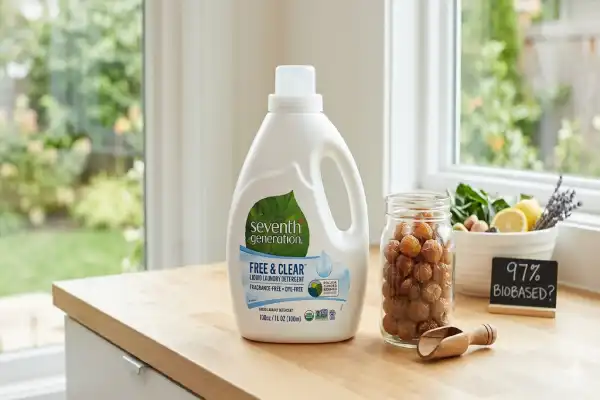
Finding good eco-friendly laundry alternatives means checking the ingredients. Look for third-party certifications that show a product meets environmental and safety standards. These labels help compare products fairly, without relying on vague “green” labels.
It’s possible to clean well and care for the environment at the same time. Many plant-based, concentrated detergents work as well as traditional ones on baby stains. Choosing products that are both sustainable and effective helps protect your baby’s skin and the planet.
Expert Opinions and Pediatric Recommendations
Expert advice is key when it comes to your baby’s skin. New parents often get lost in the sea of online advice. It’s best to stick to scientific facts to keep your baby safe.
What Dermatologists Advise for Eczema-Prone Infants
Dermatologists say babies with sensitive skin need special care. They want to avoid things that might make their skin worse. Using hypoallergenic laundry care is the top choice for these babies.
Doctors recommend a few things for sensitive skin:
- Choose products that say “free and clear” to avoid hidden chemicals.
- Stay away from fabric softeners because they can irritate the skin.
- Make sure to rinse clothes well to get rid of any leftover detergent.
The Consensus on Scented vs. Unscented Products
Experts agree that fragrances in baby products are a no-go. Even though scented detergents smell nice, they can cause problems. Unscented, dye-free products are safer for babies in their first year.
Natural scents can still cause issues for some babies. Going for unscented products helps avoid allergic reactions. This is crucial for items that touch your baby’s skin a lot, like onesies and sleepwear.
Navigating Conflicting Advice from Parenting Forums
Parenting forums are full of personal stories that might not match medical advice. While some parents might recommend a certain scented product, it’s not the same as scientific testing. Always look for pediatrician detergent recommendations based on real research.
For cloth diaper laundry tips, make sure your method doesn’t leave behind anything that could irritate your baby. Every baby’s skin is different. If your baby’s skin keeps getting red or irritated, talk to your pediatrician. They can give advice that fits your baby’s needs.
Best Practices for Washing Newborn Clothing
Choosing the right detergent is important, but washing baby clothes the right way is key for skin health. Many parents focus on pediatrician detergent recommendations. But, the way you wash clothes is just as important. Following washing newborn clothes best practices keeps fabrics soft and free from irritants.
The Importance of Pre-Washing New Garments
New clothes often have chemicals to keep them looking good on store shelves. These can cause skin problems in babies. Always wash new baby clothes before wearing them to remove these chemicals.
Washing them in a mild, fragrance-free detergent is enough to remove these chemicals. This is a key step in making a safe wardrobe for your baby.
Optimal Water Temperatures for Sanitization
Choosing the right water temperature is important. You want to keep clothes clean without damaging them. Hot water is good for cleaning, but it can harm delicate fabrics.
Most makers suggest using warm water for washing. It helps dissolve detergent and remove stains. If clothes are dirty, a cool water pre-soak can help prevent stains from setting in.
Using Extra Rinse Cycles to Minimize Residue
Keeping soap out of fabric is crucial for a baby’s skin. Laundry detergent residue can cause rashes and skin irritation.
Adding an extra rinse cycle removes all detergent from fabric. This simple change in your washing machine settings helps prevent laundry detergent residue from irritating your baby’s skin.
Common Myths About Baby Laundry Detergents
It’s important to know the truth about baby laundry detergent safety. Many parents think they need special products for their babies. But, these baby laundry myths can lead to spending too much money without extra protection.
Debunking the Necessity of Specialized Baby Detergents
Doctors and skin experts say a simple “free and clear” detergent is just as safe as a baby brand. These products remove allergens and irritants without extra dyes or scents. The main goal is to reduce chemical exposure, which many common, unscented detergents can do well.
The Truth About Natural vs. Synthetic Ingredients
Many think “natural” ingredients are safer than synthetic ones. But, some plant-based or eco-friendly laundry alternatives can still irritate skin. For example, sodium borate in some “natural” detergents can be harmful.
Parents should look at the ingredient list, not just marketing terms. Synthetic doesn’t always mean bad, and natural doesn’t always mean safe. Always check the ingredients.
Addressing Misconceptions About Cleaning Power
Some think baby detergents can’t handle tough stains. But, today’s detergents clean well without harsh chemicals or strong smells. Good cleaning comes from the right mix of enzymes and surfactants, not scents.
Choosing a good, scent-free detergent keeps clothes clean and skin healthy. By ignoring the marketing and focusing on what’s important, families can keep their kids safe and comfortable. Trusting science over myths is the best way to manage laundry.
How to Transition from Newborn to Toddler Laundry
The journey from transitioning baby laundry to regular household products is a big step. As your child gets more active, they face more outside factors. This is a good time to check your cleaning methods. A careful plan keeps your child’s skin healthy and makes laundry easier.
When to Introduce Standard Detergents
Pediatricians often say to wait until your child is at least one year old before using regular detergents. By then, their skin is stronger and can handle the chemicals in regular products. You can learn more about is baby safe laundry detergent really by checking out clinical guidelines.
Monitoring Skin Reactions During the Transition
Even after your child is one year old, keep an eye out for any skin issues. Look for detergent-related rashes, which can show up as red, bumpy, or dry spots. If you see these signs, stop using the new detergent right away. Go back to a gentle option until the rash goes away.
Gradual Exposure to Different Fabric Softeners
When you’re ready to stop using special products, start with small steps. Wash a few items like bedding or pajamas first. This lets you see how your child’s skin reacts. Gradual exposure helps you find out if there are any allergens without causing too much trouble.
| Transition Phase | Recommended Action | Safety Priority |
|---|---|---|
| Newborn (0-12 Months) | Use hypoallergenic, fragrance-free detergents | High |
| Toddler (12+ Months) | Introduce standard detergents gradually | Moderate |
| Full Integration | Use one family-safe detergent | Low |
Parental Experiences and Real-World Feedback
Parents share their real-life experiences with different detergents. They talk about how these detergents work in everyday life. This feedback helps parents choose the best option for their family.
Analyzing User Reviews and Long-Term Satisfaction
Parents often choose between baby-specific detergents and regular ones without fragrances. Many miss the “fresh baby scent” of brands like Dreft. But, as they learn about their baby’s skin, they start to prefer fragrance-free options.
Parents who care about their baby’s skin might switch to Tide Free & Gentle. They find that the peace of mind from using fragrance-free products is more important than the scent. This shows a growing trend towards choosing products with clear ingredients.
Common Complaints and Success Stories
Feedback often talks about stain removal and skin irritation. Some think only special baby products can remove stains. But, many fragrance-free detergents work just as well without harmful chemicals.
- Success Story: Switching to fragrance-free options can reduce rashes.
- Common Complaint: Some miss the scent, feeling clothes don’t smell clean without additives.
- Safety Insight: Choosing dye-free and perfume-free products helps avoid synthetic fragrance risks.
Balancing Convenience with Safety Concerns
Parents face the challenge of balancing convenience with safety. They often prefer to buy everything in one trip. If a safe brand is available locally, it’s usually the go-to choice.
The best approach is to watch how the baby reacts to different products. By knowing about synthetic fragrance risks and avoiding myths, parents can make safe choices. This way, laundry day can be safe and manageable.
Conclusion
Choosing between Dreft Stage 1 and Tide Free & Gentle depends on your family’s needs. Dreft has a familiar scent and is backed by pediatricians. On the other hand, Tide Free & Gentle is fragrance-free and accepted by the National Eczema Association.
Ingredients without dyes and perfumes are key for delicate skin in the first year. You can look at more comparisons to see how different cleaners affect safety at home. The best detergent should clean well without irritating your baby’s skin.
When your child grows, switching to regular laundry needs careful watching. Look out for any signs of skin issues during this change. Keeping a steady routine helps keep laundry safe and effective for your child’s growth.
FAQ
Is Dreft Stage 1 Newborn truly the safest option for a baby’s sensitive skin?
Dreft Stage 1 Newborn is a traditional choice for babies. It’s made to be gentle but has synthetic fragrances. These can cause skin issues in some babies.
For very sensitive skin, a “Free and Clear” detergent might be better.
What is the primary difference between Tide Free & Gentle and Dreft Stage 1 Newborn?
Tide Free & Gentle doesn’t have dyes or perfumes. Dreft has a special scent. Both clean well, but Tide is better for babies with eczema because it’s fragrance-free.
Can I use Tide Free & Gentle to wash cloth diapers?
Yes, Tide Free & Gentle works great for cloth diapers. It doesn’t have oils or softeners that can make diapers less absorbent. Using it in an HE washing machine keeps diapers clean and breathable.
Why do many pediatricians still recommend Dreft if it contains fragrances?
Dreft is known for being gentle on skin and clothes. Pediatricians often suggest it because it’s milder than other detergents. But, more doctors now recommend fragrance-free options like Tide Free & Gentle.
How do I identify if my baby is having an allergic reaction to their laundry detergent?
Look for red, itchy, or scaly patches on the skin. These are signs of contact dermatitis. If the rash goes away when the baby is naked or after switching to a fragrance-free detergent, it’s likely a detergent issue.
Try washing all bedding and clothes in a fragrance-free detergent to confirm.
Should I always pre-wash new baby clothes before the first use?
Yes, definitely. New clothes can have chemicals that irritate a baby’s skin. Washing them in a gentle detergent like Tide Free & Gentle removes these irritants.
Is an extra rinse cycle necessary when washing infant laundry?
An extra rinse can help remove detergent residue. This is important for babies with sensitive skin. It ensures the clothes are as clean as possible.
Can I use the same detergent for the whole family to save time?
Yes, if you use a fragrance-free detergent like Tide Free & Gentle. It’s safe and effective for everyone. It saves time and reduces the risk of scented residue in the washing machine.
Are “natural” baby detergents always better than mainstream brands?
Not always. “Natural” doesn’t mean the same thing in laundry as it does in food. Some natural detergents can still irritate a baby’s skin. Look for “Free and Clear” labels instead.