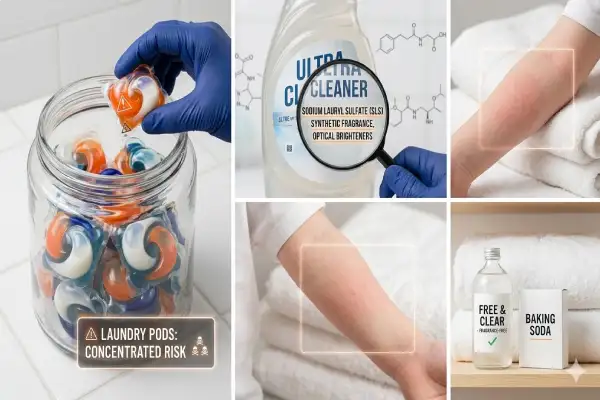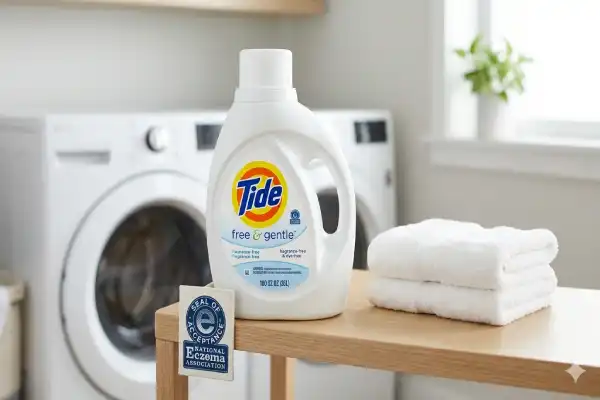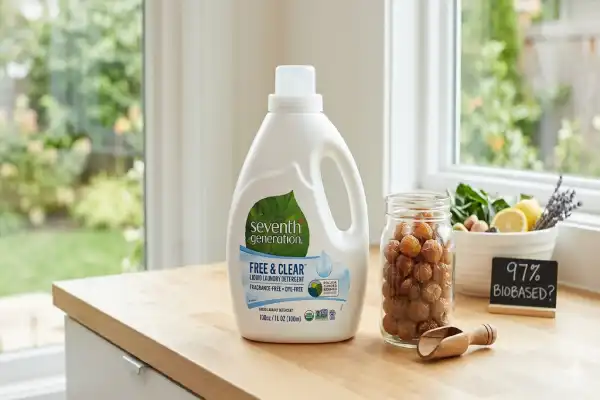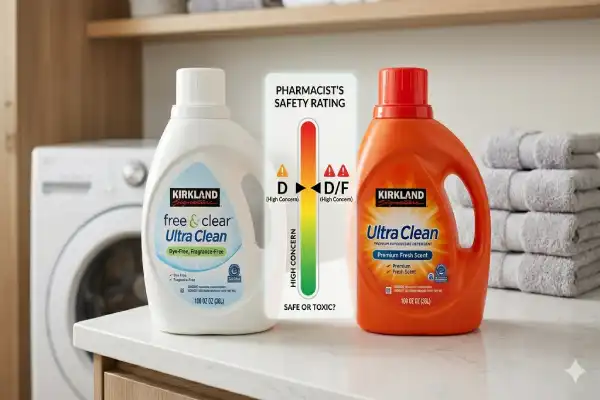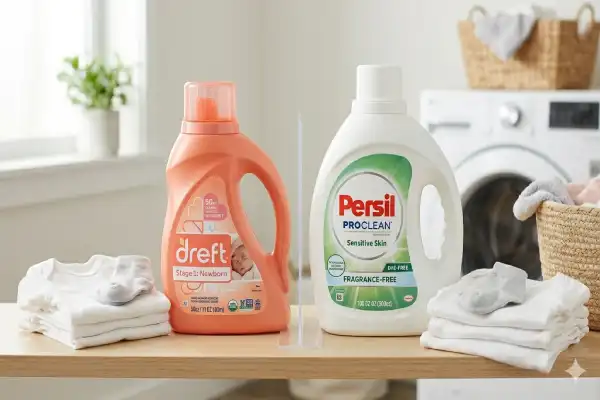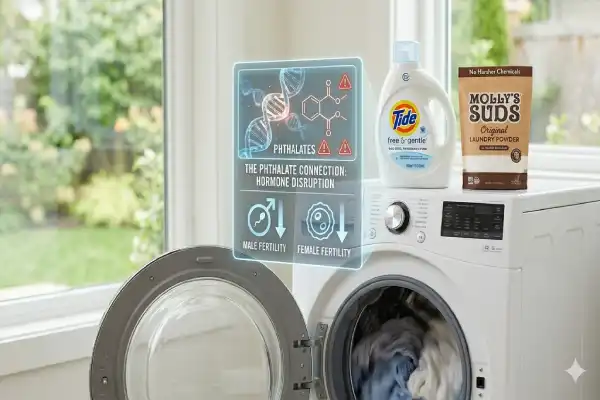
Did you know that the average household uses over 40 pounds of laundry soap every year? Many people think natural products are always safe. But, the world of chemicals is complex. As a pharmacist, I help families understand the safety of laundry detergent.
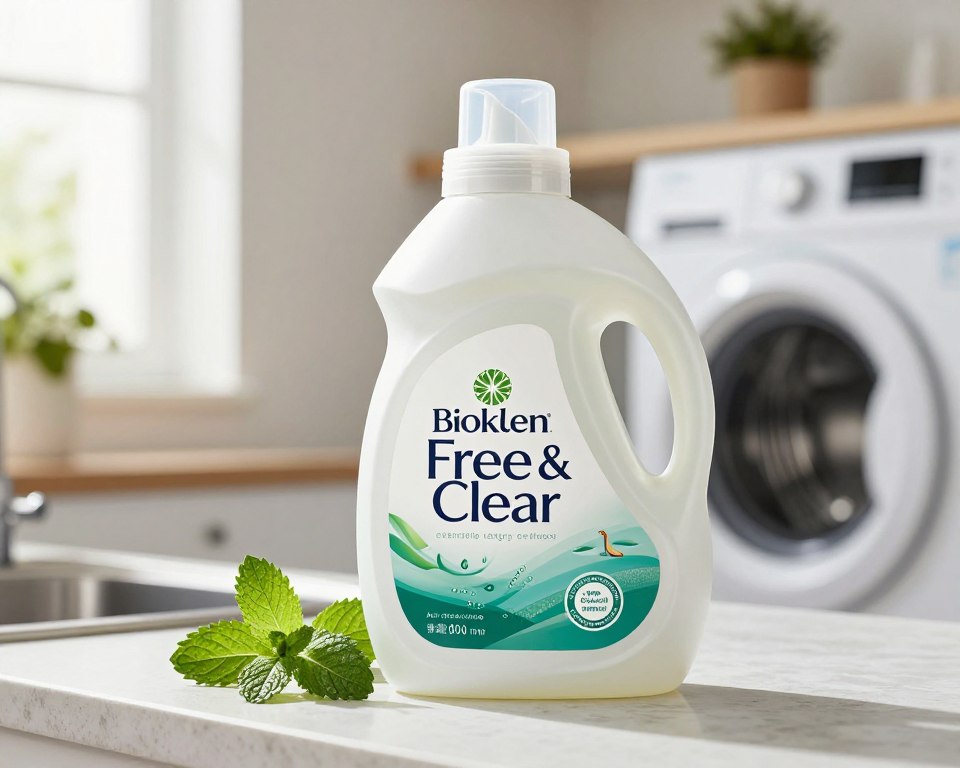
Biokleen Free & Clear is often talked about in eco-friendly laundry discussions. It’s said to be free from artificial fragrances, colors, and preservatives. But, do these claims really stand up to scientific standards for safe living?
My goal is to give you a clear, evidence-based look at this formula. We’ll check its ingredients to see if it’s safe for health-conscious homes. This review aims to guide your choices with real facts, not just marketing words.
Key Takeaways
- It’s important to know the difference between what’s on the label and what’s really in the product.
- Biokleen Free & Clear is made without common irritants like synthetic dyes or perfumes.
- Pharmacists focus on what’s in the product, not just what the company says.
- Looking beyond the label is key to keeping your home safe from allergens.
- Choosing products based on real evidence helps avoid hidden dangers in cleaning supplies.
Understanding the Chemical Landscape of Modern Laundry Detergents
Modern laundry care is all about finding the right balance. It’s between how well the detergent cleans and how open it is about its ingredients. Most detergents use special chemicals to get rid of tough stains and make clothes look brighter. But, they often don’t tell us everything about what’s in them.
Many brands don’t clearly list what’s in their products. They might say “surfactant” or “optical brightener,” but not give a full list. This makes it hard for people to know exactly what’s in their clothes. Transparency is a big problem in the world of cleaning products, as many don’t have to share all their ingredients.
“The true measure of a product’s safety lies not in its marketing, but in the verifiable transparency of its chemical composition.”
To choose better, we need to know what’s in regular detergents. These products often have chemicals made from petroleum and artificial fragrances. These can harm the environment. On the other hand, some cleaners use natural ingredients instead. This can be safer for us and the planet.
Looking at products based on their ingredients is key. Knowing the limits of what’s on labels helps us make smarter choices. This knowledge is crucial for keeping our homes safe and healthy.
The Philosophy Behind Biokleen Product Formulations
Biokleen’s main goal is to use plant-derived ingredients instead of petroleum-based cleaners. They want to reduce the harmful chemicals in our homes.
They use coconut and corn to make their cleaning products. These natural ingredients help create strong yet gentle cleaners.

They aim to protect local waterways by using biodegradable ingredients. These ingredients break down faster than many synthetic chemicals.
Biokleen avoids harsh chemicals that can harm us or the environment. They believe in being open about what’s in their products. This way, customers can choose wisely.
Biokleen’s products are all about safety and sustainability. They use plant-based chemistry to clean without harming the planet. This makes doing laundry better for our homes and the environment.
Is Biokleen Free & Clear Completely Free of Petrochemicals and Toxins
Many people look for a petrochemical-free detergent to avoid synthetic chemicals. When checking Biokleen Free & Clear, it’s key to look at the chemical makeup. The brand doesn’t use many synthetic compounds found in regular cleaners.
This choice helps make a safer cleaner for homes with sensitive skin or those worried about the environment. It avoids common irritants and harmful chemicals from petroleum. Transparency in labeling helps people check if it meets their safety standards.
The table below shows the chemicals not in this product. These omissions are important for keeping a home free from harsh chemicals.
| Excluded Substance Category | Common Industry Use | Safety Rationale |
|---|---|---|
| Petroleum Solvents | Grease removal | Avoids volatile organic compounds |
| SLS / SLES | Foaming agents | Reduces skin irritation potential |
| Chlorine / Ammonia | Bleaching/Cleaning | Prevents toxic gas formation |
| Glycol Ethers | Solvent carriers | Minimizes systemic absorption risks |
Even though it’s made without these chemicals, the term petrochemical-free can be tricky. Biokleen Free & Clear uses plant-based surfactants for cleaning. This makes it a good choice for those who care about what’s in their laundry.
Analyzing the Surfactant System in Biokleen Free & Clear
Biokleen Free & Clear uses a special kind of surfactant chemistry. Surfactants are the main cleaning agents in detergents. They break water’s surface tension to remove dirt and oils from fabrics.
The type of surfactant molecule matters a lot. It can affect how well the detergent works and if it irritates skin. This is important for people with sensitive skin or allergies.
Plant-Derived vs. Synthetic Surfactants
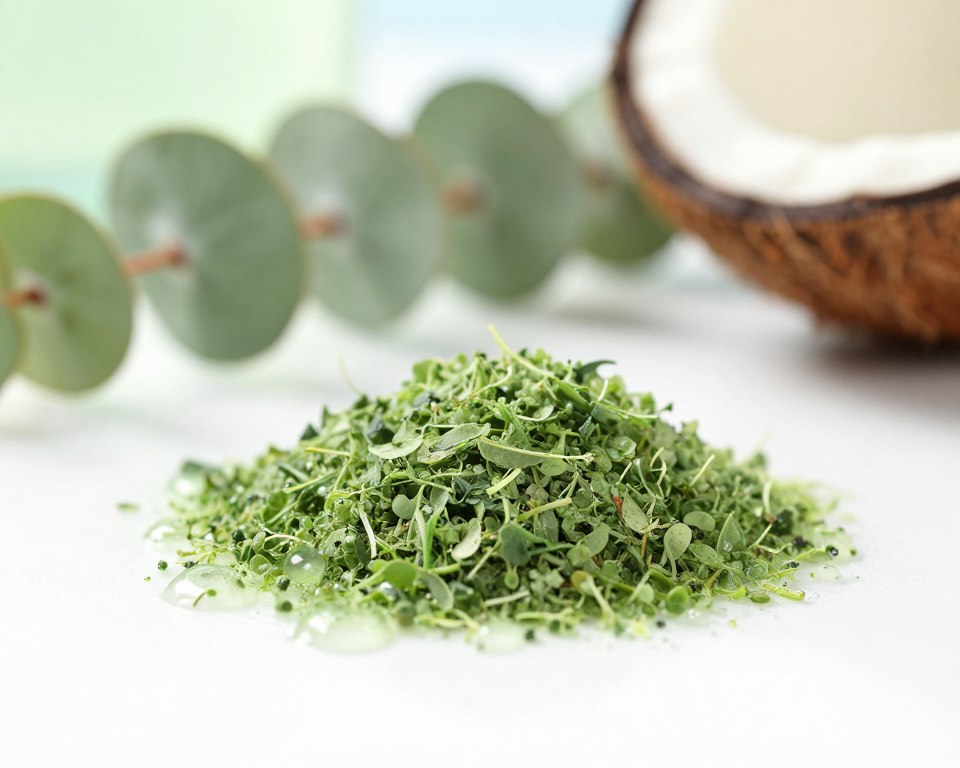
Most detergents come from petroleum. But Biokleen Free & Clear uses surfactants from plants like coconut and corn.
Plant-based surfactants are different from synthetic ones. They have a unique molecular structure. Here’s a comparison based on my experience:
| Feature | Plant-Derived | Synthetic |
|---|---|---|
| Source | Renewable (Coconut/Corn) | Petroleum/Crude Oil |
| Biodegradability | High | Variable |
| Skin Compatibility | Generally Higher | Lower (Potential Irritant) |
The Role of Ethoxylation in Detergent Processing
Ethoxylation makes surfactants more soluble in water. It helps them work better at lower temperatures. But, it can also add impurities if not controlled well.
“The goal of modern formulation is to balance cleaning efficacy with skin safety. By selecting specific plant-derived precursors, manufacturers can minimize the harshness often associated with highly processed synthetic detergents.”
Choosing the right laundry detergent surfactants is key. Even plant-based ingredients are processed. Look for brands that are open about their standards and the purity of their Biokleen Free & Clear formula.
Evaluating Potential Toxin Exposure in Household Cleaning Agents
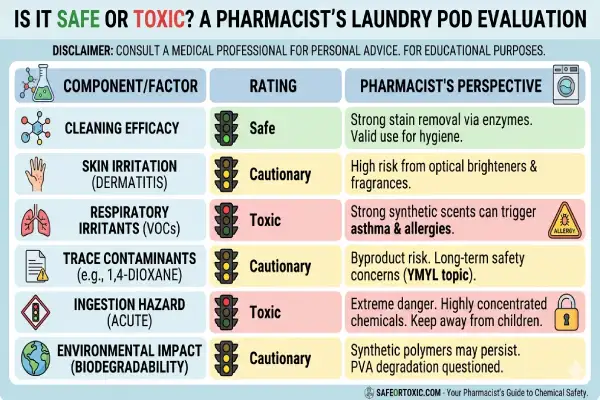
When we look at our laundry routine, we must think about the daily chemicals we touch. Unlike sudden poisoning, laundry detergent toxicity is about long-term, low-level chemical contact. This can cause skin problems, breathing issues, or bigger health problems over time.
It’s key for families who want a safe home to understand these risks. This helps keep everyone healthy and safe.
Defining Toxicity in the Context of Laundry Care
In home care, toxicity means how substances affect our bodies and the environment. We pay close attention to endocrine disruptors and common allergens. These can mess with our hormones and cause skin problems.
Many wonder if Dawn dish soap is toxic. But we should also check the detergents we use on clothes every day.
The EWG detergent rating system is a big help. It rates products based on what’s in them and how safe they are. This way, we can find safer laundry detergent surfactants instead of harsh chemicals.
Common Hidden Ingredients to Watch For
Companies don’t always list every chemical on the label. This can hide substances that might harm us over time. We need to watch out for ingredients that aren’t clearly listed.
Things like synthetic fragrances, optical brighteners, and some preservatives can cause skin problems. Using an EWG detergent rating helps avoid these dangers. By picking products with clear ingredient lists, we choose safer, plant-based options instead of ones made from petroleum.
Pharmacist Perspective on Skin Sensitivities and Detergent Residue
In my work, I see many patients with skin irritation from laundry. They don’t know that cleaning chemicals can stay on clothes. This laundry detergent residue can cause skin problems like contact dermatitis.
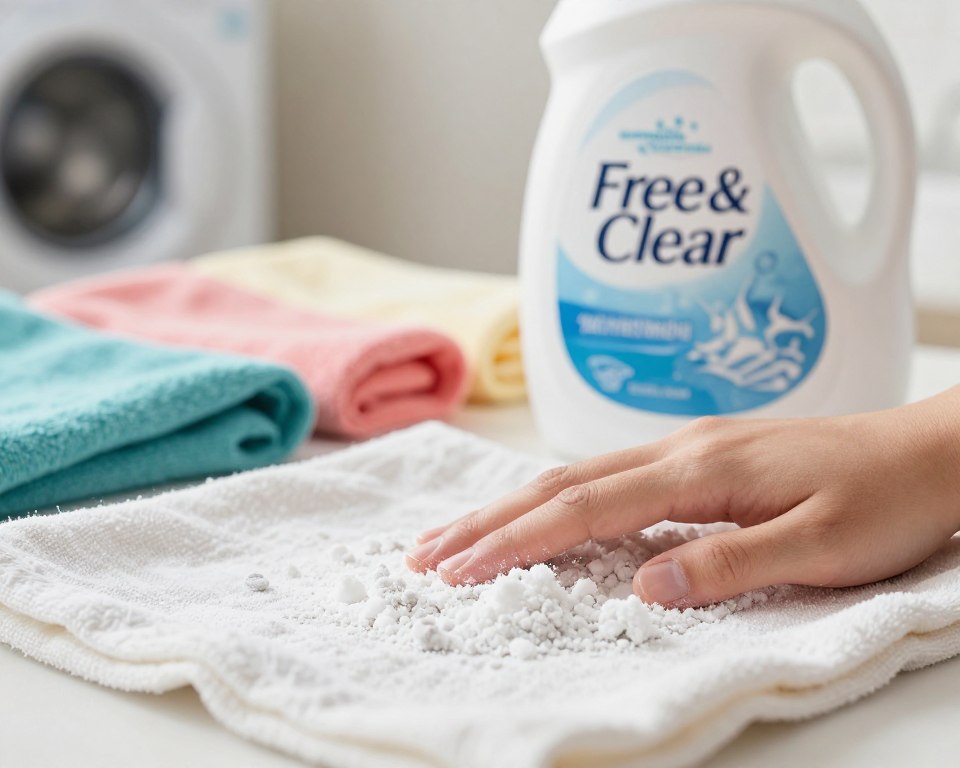
How Detergents Interact with the Skin Barrier
The skin acts as a shield, but it can be damaged by surfactants. If these agents stay on clothes, they remove the skin’s natural oils. This makes the skin lose water and become more sensitive to irritants.
For those with skin sensitivity laundry choices are key. When the skin barrier is weak, even small amounts of chemicals can cause a reaction. This can lead to redness, itching, or rashes.
The Importance of Rinsability for Sensitive Populations
Rinsability is how well a detergent is washed away during the rinse cycle. If a detergent doesn’t rinse well, it leaves a film on the skin. This is a big problem for babies, the elderly, and those with conditions like eczema.
To avoid these issues, I tell patients to choose high-rinsability products. Using less detergent is also helpful. If irritation persists, try adding an extra rinse to remove any remaining surfactants.
Deconstructing the Biokleen Ingredient Label
Looking closely at Biokleen Free & Clear shows us the chemistry behind it. Many people miss the details, but these laundry detergent ingredients affect how well it cleans and its safety. Understanding these parts helps us see how they work on our skin and the planet.
Water and Solvent Bases
Most liquid detergents start with a solvent to carry the cleaning agents. Biokleen uses filtered water, keeping the formula simple and effective. Water is the safest solvent for home use.
When we look at brands like Tide Original vs Tide Free &, the base matters. Water-based detergents rinse better, which is good for sensitive skin.
Chelating Agents and Their Environmental Impact
Chelating agents in detergents help by binding minerals in hard water. This lets the detergent work better. But, the laundry detergent environmental impact depends on the agent’s type.
“The shift toward biodegradable chelating agents represents a significant advancement in green chemistry, reducing the burden on our aquatic ecosystems while maintaining high cleaning standards.”
Old detergents use synthetic chelators that harm the environment. New, plant-based formulas are better for the planet. Here’s a table showing the differences in detergent ingredients.
| Ingredient Type | Primary Function | Environmental Profile |
|---|---|---|
| Surfactants | Removes dirt and oils | High biodegradability |
| Chelating Agents | Softens hard water | Variable (Bio-based preferred) |
| Solvents | Carrier for ingredients | Low toxicity |
| Enzymes | Breaks down stains | Naturally derived |
Choosing products with clear labels helps us make better choices. Opting for ingredients that clean well and are good for the planet makes laundry better for everyone.
The Truth About Fragrance-Free Claims
It’s key to know the difference between various scent labels for those with chemical sensitivities. Many think all scentless products are the same. But, the law says they’re not.
Distinguishing Between Unscented and Fragrance-Free
The term fragrance-free means no scent chemicals were added. On the other hand, unscented products might have agents to hide their smell.
These agents can cause problems for those who are sensitive. When looking for fragrance-free laundry, check the ingredients, not just the label.
Potential for Masking Agents in Cleaning Products
Companies add masking agents to make products smell neutral. This makes them smell good but adds more chemicals to your home.
“True safety in cleaning products is found in transparency, not in the absence of a detectable scent.”
For those with severe allergies, even a little of these chemicals can be a problem. Biokleen makes fragrance-free laundry without these additives. They focus on clean ingredients for a safe cleaning option.
- Always check the full ingredient disclosure on the manufacturer’s website.
- Avoid products that use vague terms like “parfum” or “masking fragrance.”
- Look for third-party certifications that verify the absence of volatile organic compounds.
Environmental Impact of Biokleen Manufacturing Processes
Looking at the laundry detergent environmental impact means checking the whole product life. The ecological footprint isn’t just about the chemicals. It also includes the energy and resources used in making it. People want brands that are open about how they make things.
Biodegradability of Ingredients
Biodegradable cleaning means the stuff breaks down into nothing bad after it goes down the drain. Biokleen says its stuff breaks down fast, keeping rivers and streams safe. This quick breakdown stops synthetic chemicals from building up in water.
The science behind it is simple. They pick materials that bugs can easily eat. This way, the laundry detergent environmental impact stays low, even after washing. It’s all about keeping the environment safe.
Waste Management and Sustainable Sourcing
The way a company makes things matters a lot for its green score. Good waste management cuts down on pollution during production. Also, using sustainable sourcing for plant-based ingredients means no harm to forests or homes of animals.
Companies that care about this stuff try to cut down their carbon footprint. They do this by using local suppliers. This makes the journey of raw materials shorter, saving energy. It’s all about making the cleaning world better for everyone.
| Feature | Conventional Detergent | Eco-Conscious Detergent |
|---|---|---|
| Ingredient Source | Petrochemicals | Plant-Derived |
| Biodegradability | Slow/Persistent | Rapid/Complete |
| Waste Strategy | High Industrial Waste | Reduced/Recycled |
| Aquatic Safety | Potentially Toxic | Generally Safe |
Comparing Biokleen to Conventional Detergent Brands
Looking at laundry detergents, we see big differences between mass-market brands and plant-based options like Biokleen. These differences go beyond just marketing. They touch on how these products are made and their effect on the environment. Choosing the right product means understanding these differences.
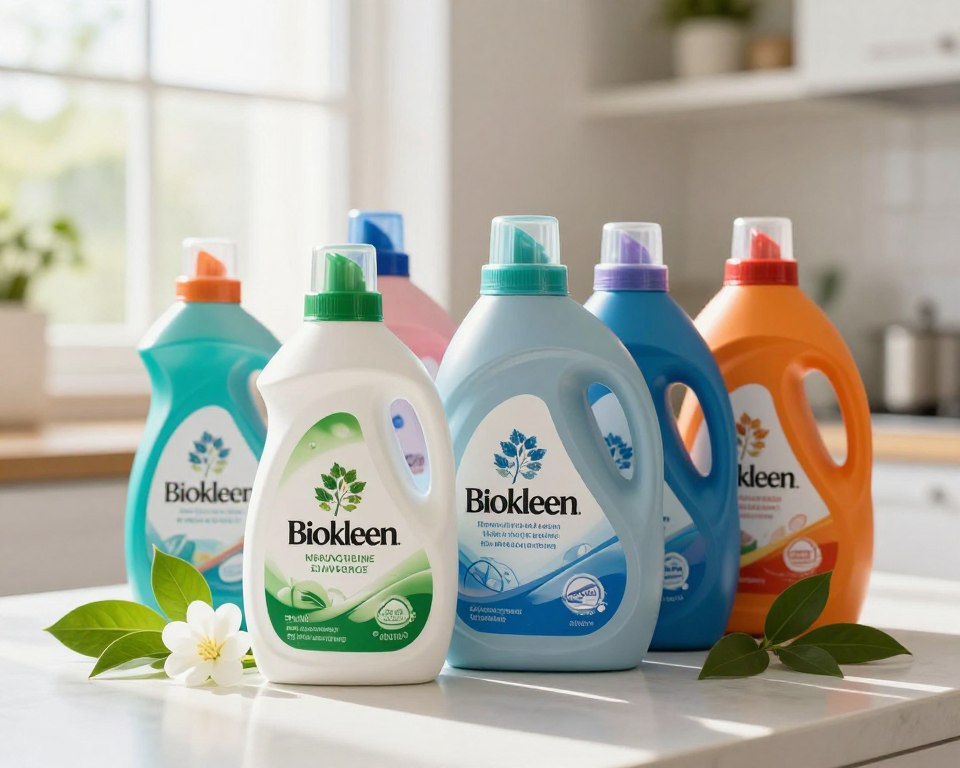
Ingredient Transparency Standards
Conventional detergent brands often hide what’s in their products. But Biokleen is all about ingredient transparency. They let consumers know exactly what they’re using in their homes. This helps families make choices based on safety, not just brand names.
Here’s a table showing the main differences in how these two types of products are made and talked about:
| Feature | Conventional Brands | Biokleen |
|---|---|---|
| Ingredient Disclosure | Often limited or vague | High transparency |
| Primary Surfactants | Petroleum-derived | Plant-derived |
| Environmental Focus | Secondary priority | Core mission |
Performance Metrics in Cold Water Cycles
Energy efficiency is key for today’s homes, and cold water cycles are a big part of that. While old detergents needed hot water, new plant-based formulas work well in cold. This helps cut down on carbon emissions from daily tasks.
This change is big for the environment. Here are some points about saving resources:
- Oil Conservation: Switching to plant-based detergents in U.S. homes could save 149,000 barrels of oil.
- Energy Savings: Washing in cold water uses less energy, which is most of a washing machine’s power.
- Waste Reduction: Using sustainable and biodegradable ingredients helps reduce waste and pollution.
Choosing to switch to plant-based detergents is about balancing today’s cleaning needs with tomorrow’s environmental goals. By focusing on performance in cold water and clear labeling, we can cut down on petroleum use without losing cleanliness.
Regulatory Oversight and Third-Party Certifications
Finding the right household cleaners can be tricky because of weak federal rules on laundry detergent ingredients. Many brands claim their products are natural or safe. But, without strict laws, they can keep their exact chemical mixes secret.
Since government rules change slowly, we must rely on voluntary programs to check safety claims. These programs add a crucial layer of trust that’s missing from usual industry standards.
What EPA Safer Choice Certification Actually Means
The EPA Safer Choice program is a top standard for safety and the environment. To get this label, a product must pass a detailed EPA review. This ensures all ingredients are safe for people and the planet.
This review looks at a product’s chemical makeup, including how it might harm water and long-term health. Seeing this seal means the maker has let the EPA check their ingredients. This shows they’re serious about using safer chemicals.
Limitations of Current Labeling Laws in the United States
Even with certifications, the U.S. laws on labeling are weak. Companies don’t have to list every chemical on their labels. This makes it hard for consumers to know what’s in their products.
That’s why many people use the EWG detergent rating system. It helps them find out about possible irritants that aren’t listed on labels. This way, they can make better choices for their health.
To stay safe, it’s best to use both EPA Safer Choice labels and independent research. Transparency is key to keeping your home safe from harmful chemicals.
Potential Risks of Petrochemical Derivatives in Cleaning
The move to petrochemical-free detergent is driven by worries about synthetic ingredients’ long-term effects. These chemicals clean well but don’t break down quickly in waste. This makes them stay in our environment for a long time.
Knowing how these substances last in our ecosystems is key. It’s why there’s a big debate about laundry detergent toxicity and its impact on the environment.
Bioaccumulation and Aquatic Toxicity
Many synthetic surfactants from petroleum are made to last. Unfortunately, this means they don’t break down naturally. When they get into water, they build up in fish and other sea creatures.
This buildup, called bioaccumulation, causes lasting harm to the environment. It can harm the health of fish and other sea life as these chemicals move up the food chain.
Long-term Health Considerations for Household Exposure
There’s also concern about how these chemicals affect human health over time. While some reactions happen right away, the long-term effects of daily exposure are still being studied.
People are choosing safer options to avoid these risks. When looking at laundry detergent toxicity, think about these points:
- Persistence: How long a chemical stays active in the environment.
- Bioaccumulation: How synthetic chemicals build up in living things.
- Dermal Absorption: How chemical residues on fabrics can affect the skin over time.
Choosing a petrochemical-free detergent helps reduce chemical exposure at home. By using plant-based cleaners, you can keep your clothes clean while protecting your health and the planet.
Best Practices for Safe Laundry Habits
Good laundry habits protect us from harmful chemicals. Even natural detergents can cause problems if not used right. Knowing how your washing machine works is key to a healthy home.
Optimizing Detergent Dosage to Reduce Residue
Getting the right amount of detergent is crucial to avoid laundry detergent residue on clothes. Many think more soap means cleaner clothes. But too much soap can trap dirt and bacteria in the fabric.
Always check the detergent instructions for your washing machine. Precision is key when using liquid or powder detergents. Use a measuring cup to avoid too much detergent.
The Role of Double Rinsing for Hypersensitive Skin
For those with skin sensitivity laundry, a single rinse might not be enough. Double rinsing helps remove surfactants that can cause skin irritation. This simple change helps keep sensitive skin safe.
Double rinsing is great for bedding and undergarments, which touch your skin a lot. It ensures no chemicals are left behind, making your home safer. Here are some common mistakes that can lead to poor laundry results.
| Laundry Habit | Potential Risk | Recommended Action |
|---|---|---|
| Overloading Machine | Poor agitation and rinsing | Fill to 3/4 capacity |
| Excessive Detergent | Heavy laundry detergent residue | Follow dosage lines |
| Ignoring Rinse Cycles | Increased skin sensitivity laundry issues | Enable double rinse |
| High Heat Drying | Baked-in chemical traces | Use medium or low heat |
Addressing Common Consumer Misconceptions About Natural Cleaners
Many people think natural ingredients are always safe. But this is not always true. Even plant-based products can be harmful if not used carefully. It is essential to recognize that natural substances can still cause irritation or allergic reactions.
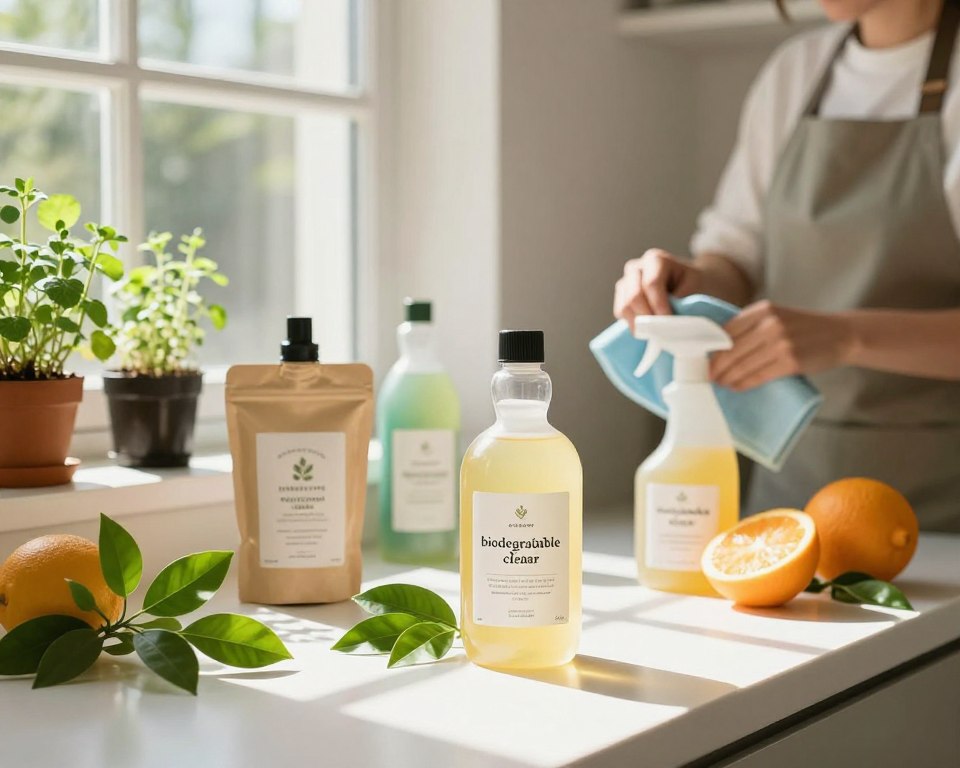
Natural Does Not Always Mean Non-Toxic
Some think nature is always gentle. But, essential oils and plant extracts can be harmful. They might cause breathing problems or skin issues in some people. A product’s safety depends on how it’s made, not just where it comes from.
For example, comparing Tide Purclean vs Tide Original shows the importance of looking at the chemical makeup. It’s crucial to check labels for safety. Relying on “natural” labels alone is not enough.
The Science of Plant-Based Cleaning Efficacy
Today’s plant-based surfactants are as good as synthetic ones. They make water work better at cleaning by lowering its surface tension. This means they can clean well in different water temperatures.
Effective cleaners also use enzymes to break down tough dirt. For example, Biokleen Bathroom Cleaner is safe for the environment and works well. This shows that green cleaning can be just as effective as traditional methods.
| Cleaning Technology | Primary Mechanism | Environmental Profile |
|---|---|---|
| Synthetic Surfactants | Petrochemical emulsification | Often slow to degrade |
| Plant-Based Surfactants | Renewable lipid extraction | Highly biodegradable |
| Enzymatic Cleaners | Biological breakdown | Safe and non-toxic |
Expert Recommendations for Choosing Non-Toxic Laundry Solutions
Choosing a non-toxic laundry solution is more than just looking at the label. Many people rely on what they see or familiar logos. But these don’t always tell you about laundry detergent safety.
To keep your home safe, you need to look deeper. You should base your choices on solid evidence, not just quick looks.
Reading Between the Lines of Marketing Claims
Marketing teams often use words like “natural,” “green,” or “eco-friendly” to sway you. These terms are not always regulated. They might hide synthetic chemicals or harsh cleaners. Remember, these buzzwords don’t mean the product is safe or pure.
Don’t just look at the front of the bottle. Turn it around to see the ingredient list. If a brand is vague about what’s inside, be careful. A company that’s open about what’s in their product is usually looking out for your health.
Prioritizing Ingredient Transparency Over Brand Reputation
A brand’s reputation doesn’t always mean a safer product. Today, smaller, open companies might offer better ingredients. Looking for full ingredient lists is the best way to check if a product is safe.
When you want fragrance-free laundry, make sure the maker lists everything. This includes preservatives and stabilizers. A company that’s open about what’s in their product lets you check it against safety databases. This way, you can make choices based on real data, not just ads.
Your goal is to reduce chemical exposure at home. By focusing on ingredient lists, you can pick a non-toxic laundry detergent that meets your health standards. Always be careful with labels to avoid hidden irritants.
Conclusion
Choosing the right cleaning products means looking beyond what they say and into what they contain. Biokleen Free & Clear is a plant-based option for homes. But, what’s best for you depends on your health needs.
It’s important to check labels to make sure they fit your needs. This way, you can avoid products that might harm you.
Knowing about chemical exposure helps you pick safer options for your family. Look for EPA Safer Choice labels. They show products meet high health and environmental standards.
These labels make it easier to find safe laundry products. They help you avoid harmful synthetic additives.
Market trends are changing, with more people trying innovative laundry sheets instead of liquid detergents. These sheets cut down on plastic waste. But, they might have binders that affect the environment.
It’s key to balance cleaning power with safety. This approach keeps your home healthy.
Shopping wisely protects your skin and the environment. Look for brands that list all their ingredients. This shows they care about what they put in their products.
Being curious and critical about what’s in products gives you control. It ensures only safe things enter your home.
FAQ
Does Biokleen Free & Clear contain any hidden petrochemicals or synthetic solvents?
A: Biokleen is made without petrochemicals. It uses plant-based solvents like coconut and corn. This makes it better for your home and the aquatic ecosystem.
What is the difference between “fragrance-free” and “unscented” in laundry products?
Knowing the difference is key for those with chemical sensitivities. Fragrance-free means no added scents. Unscented might have chemicals to hide smells, which can still cause issues. Biokleen Free & Clear is fragrance-free, making it safer for those with dermatitis or respiratory triggers.
Is the ethoxylation process used in Biokleen safe?
Ethoxylation makes surfactants more water-soluble. But it can create 1,4-dioxane, a possible human carcinogen. Biokleen uses strict methods to remove these byproducts. Their EPA Safer Choice certification shows they meet strict health and environmental standards.
How does Biokleen Free & Clear perform in High Efficiency (HE) and cold water cycles?
A: Biokleen works well in cold water thanks to its plant-derived surfactants. This helps prevent fabric damage and saves energy. It’s also safe for HE machines without leaving too much detergent residue.
Can this detergent help with skin rashes or eczema caused by laundry residues?
Yes. Biokleen Free & Clear is designed to remove harsh chemicals from fabric. This reduces the risk of contact dermatitis. For those with sensitive skin, I suggest a double rinse cycle.
What does the EWG rating say about Biokleen Free & Clear?
The Environmental Working Group (EWG) rates ingredients for safety. Biokleen gets high marks for avoiding harmful chemicals. This is important because U.S. laws don’t require full disclosure of household cleaner ingredients.
Is Biokleen Free & Clear safe for septic systems and the environment?
Yes. Biokleen is biodegradable, unlike synthetic detergents. This makes it safe for septic systems and the environment.
Are “natural” detergents inherently safer than synthetic ones?
Not always. “Natural” doesn’t mean “non-toxic.” Some plant extracts can still cause allergic reactions. Biokleen focuses on evidence-based safety and uses non-GMO, non-toxic chemistry for effective cleaning without chronic toxicity risks.