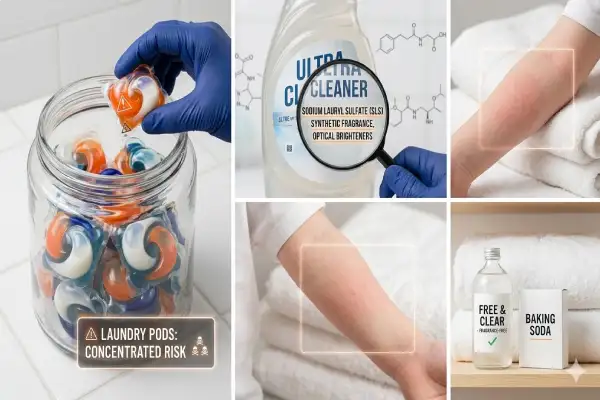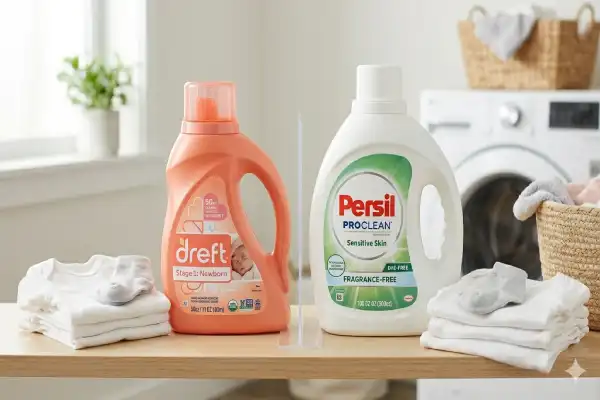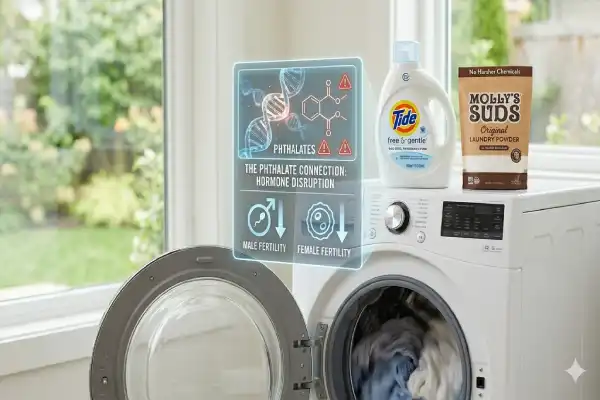
Did you know that the average household washes over 300 loads of laundry every year? This leaves behind invisible chemical residues on fabrics. These chemicals stay on your skin for hours, making laundry detergent safety very important for health-conscious families.
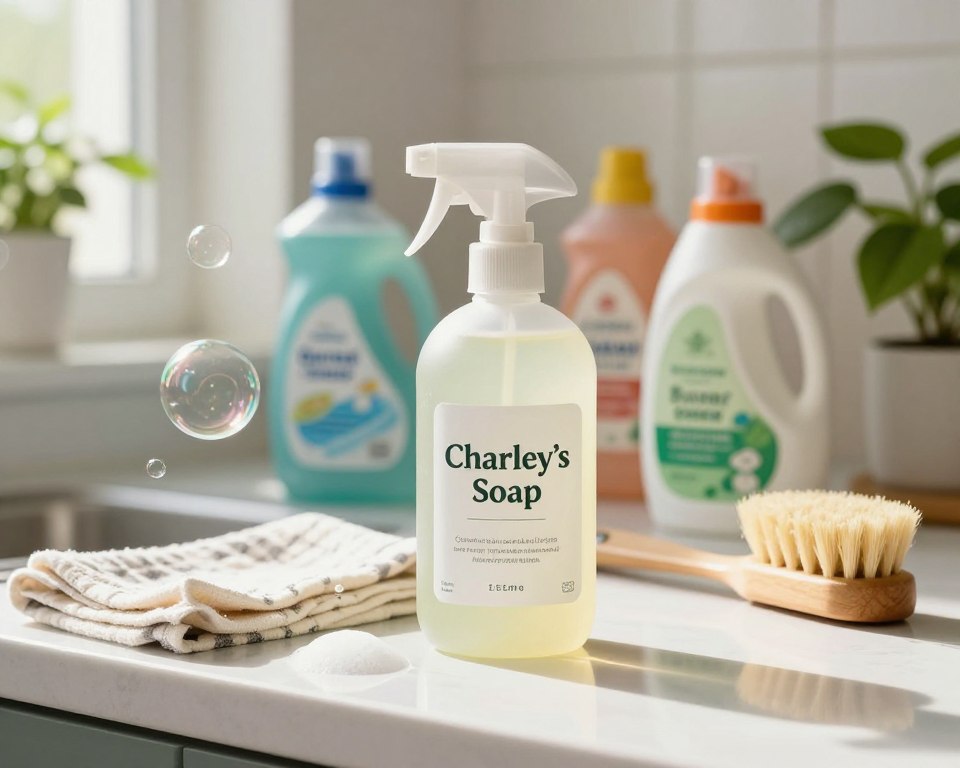
Many people are now wondering if we really need high-foaming agents in our cleaning products. The debate between Charley’s Soap vs. Traditional US Detergents shows a move towards simpler ingredients. By looking into low-surfactant cleaning, we can see how to clean well without harsh chemicals.
This study gives us a closer look at how different cleaners work with fabrics and skin. We aim to give you the facts to make your laundry routine healthier for the long run.
Key Takeaways
- Chemical residues from standard laundry products can linger on clothing and impact skin health.
- Low-surfactant formulas prioritize mechanical cleaning action over heavy chemical foaming agents.
- Ingredient transparency is essential for identifying potential irritants in common household cleaners.
- Clinical data suggests that reducing synthetic additives may lower the risk of contact dermatitis.
- Informed consumers can achieve high-quality cleaning results while minimizing exposure to unnecessary substances.
The Evolution of Laundry Detergents in the United States
The history of laundry detergents in the U.S. shows a shift towards convenience and smell over simple ingredients. In the past, homes used basic soap bars or flakes made from natural fats and oils. These early products mainly aimed to remove dirt through simple soap-making.
By the mid-20th century, the industry changed a lot. Companies started using synthetic formulations that worked better in hard water. This change led to the modern detergent aisle, where cleaning was less important than adding complex chemicals.
Today, detergents have many additives like optical brighteners, synthetic fragrances, and enzymes. These are made to give fabric care benefits and lasting scents. Convenience has become the main reason for new products, often hiding the true ingredients.
“The transition from simple cleaning agents to complex chemical cocktails reflects a broader societal shift toward prioritizing immediate sensory satisfaction over long-term material and environmental health.”
Knowing this history helps us understand why we have complex detergents today. These changes make cleaning easier but add synthetic chemicals to our homes. People are starting to wonder if the benefits are worth the risks.
Understanding Surfactants and Their Role in Cleaning
To grasp how laundry detergent cleans, we must first look at the surfactant mechanism. Surfactants, or surface-active agents, are key in most laundry detergents. They lift grime, oils, and odors from fabric during washing.
Water naturally has high surface tension, making it bead up rather than soak into fabrics. Surfactants lower this tension, letting the cleaning solution deeply penetrate fabric. This ensures water can reach dirt trapped in the material. You can learn more about the chemistry of cleaning to understand these interactions better.
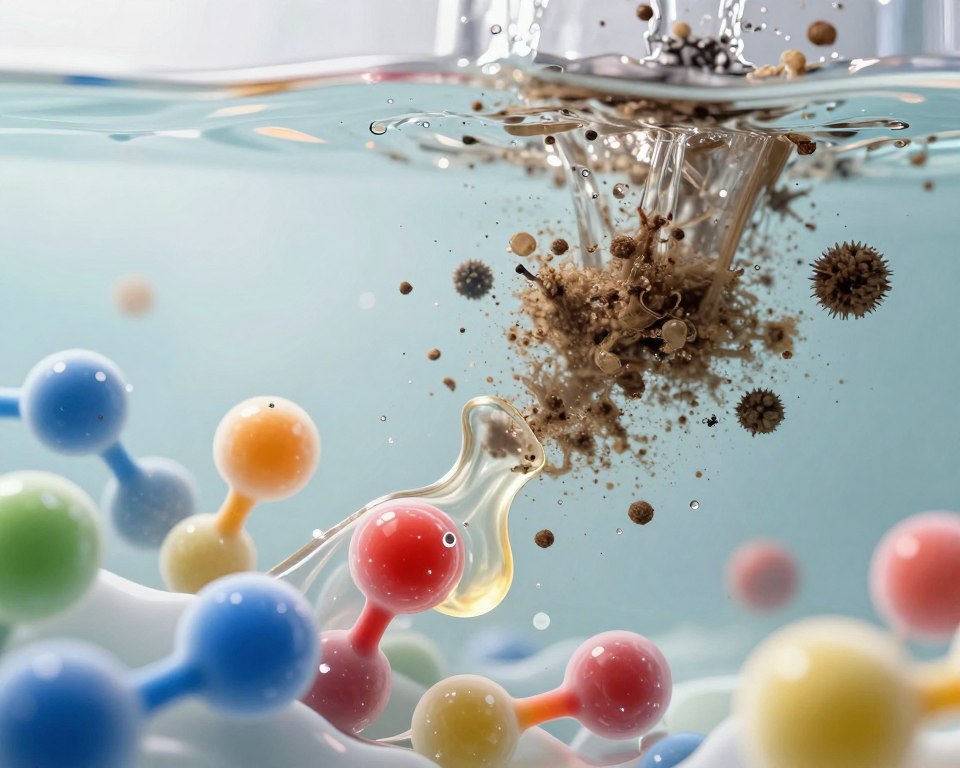
The surfactant mechanism works through a unique dual-affinity structure. Each molecule has a hydrophilic (water-loving) head and a hydrophobic (water-fearing) tail. The hydrophobic tail grabs oily soils, while the hydrophilic head stays in water. This pulls dirt away from fabric and keeps it in the wash water.
These agents are crucial for removing common stains because they bind well to oils. But, the amount and type of these agents differ among detergent brands. Knowing how these molecules work with your laundry helps choose a product that cleans well without harming fabrics.
Analyzing Charley’s Soap vs. Traditional US Detergents
The debate between Charley’s Soap vs. Traditional US Detergents is about simple ingredients versus complex chemicals. Mass-market brands use many synthetic additives for specific cleaning tasks. On the other hand, minimalist soaps stick to a few basic components.
Traditional detergents use a mix of additives. They include optical brighteners, synthetic fragrances, and stabilizers to make clothes look and smell better. Minimalist soaps, on the other hand, clean clothes with simple surfactants without extra chemicals.
When looking at Charley’s Soap vs. Traditional US Detergents, think about how they affect performance and safety. Minimalist soaps are less likely to cause skin irritation because they avoid common allergens. But, they might need different handling for laundry loads.
The table below shows the main differences between these two cleaning styles:
| Feature | Traditional Detergents | Minimalist Soaps |
|---|---|---|
| Ingredient Count | High (Complex) | Low (Simple) |
| Additives | Fragrances, Brighteners | None/Minimal |
| Primary Focus | Multi-functional cleaning | Residue-free cleaning |
| Safety Profile | Variable | Generally hypoallergenic |
Choosing between these depends on what matters most to you. If you want fewer chemicals and clear ingredients, go for minimalist soaps. But, if you need specific scents or treatments for fabrics, traditional detergents are still the top choice.
- Minimalist soaps are less likely to leave chemical residue on clothes.
- Traditional detergents are better for tough stains.
- Knowing the Charley’s Soap vs. Traditional US Detergents difference helps you make a choice that’s good for your health.
The Science of Low-Surfactant Formulations
Understanding the surfactant mechanism is key to grasping how modern, safer detergents function. In traditional chemistry, high concentrations of surfactants are often used to overwhelm soil and grease. But newer formulations focus on precision, not just volume, to get the same results.
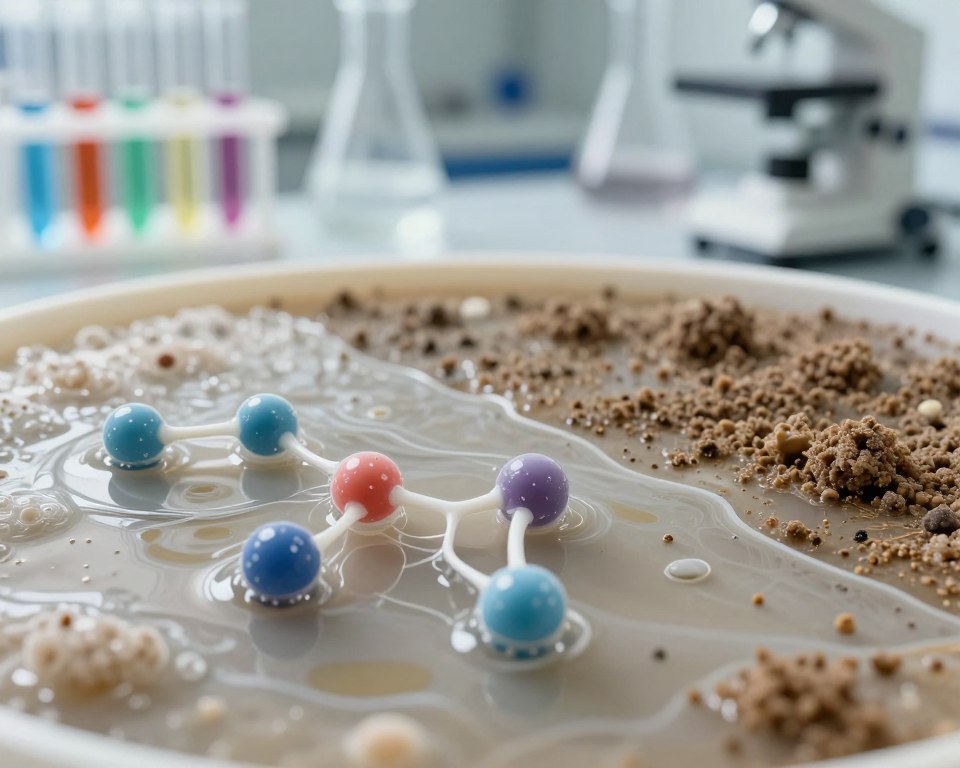
The main goal of low-surfactant cleaning is to remove dirt while leaving less chemical residue on fabrics. By optimizing the molecular structure of cleaning agents, these products can lift stains without needing lots of additives. This method uses advanced chemical engineering to make sure every molecule works well.
“True efficiency in chemical formulation is not found in the quantity of the ingredients, but in the precise alignment of their molecular interactions.”
When the surfactant mechanism is balanced right, the detergent works well to emulsify oils and suspend particles in the wash water. With less surfactant, rinsing becomes more effective. This brings several benefits to the user:
- Reduced chemical residue: Less soap left behind means softer fabrics and fewer skin irritants.
- Improved fabric longevity: Lower chemical loads prevent the breakdown of delicate fibers over time.
- Enhanced rinsing efficiency: Water can easily flush away the smaller amount of cleaning agents used.
Ultimately, low-surfactant cleaning marks a shift towards smarter, more sustainable laundry practices. By cutting down on heavy chemical loads, these formulas offer a safer choice for homes without losing effectiveness. This scientific leap ensures clean clothes without the need for unnecessary chemical exposure.
Common Chemical Additives in Conventional Detergents
Looking into standard detergents shows us the laundry detergent additives left in clothes. These additives are often synthetic and go beyond simple soap and water. They’re used to make clothes feel and smell better.
Many detergents use optical brighteners, fragrances, and softeners. These are meant to hide smells and make clothes look cleaner. But they don’t really clean the clothes.
These additives stick to fabric fibers. They’re made to last, so they often stay on clothes. This means they can touch your skin for a long time.
These laundry detergent additives are also for marketing. They make clothes smell fresh or look brighter. But they also add synthetic chemicals to your home.
It’s key to think about these additives. Choosing products that clean better than they smell can help. This way, you avoid too many chemicals in your life.
Potential Health Impacts of Synthetic Fragrances and Optical Brighteners
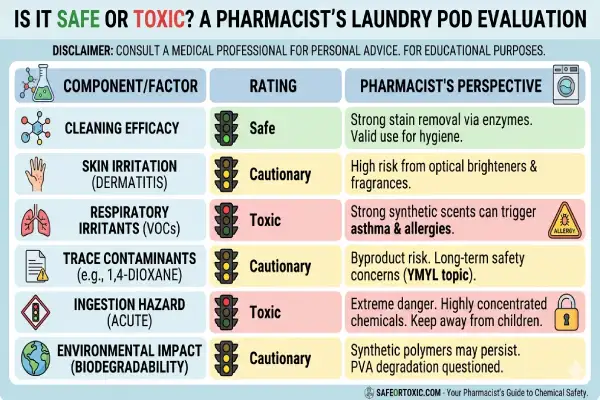
Optical brighteners and synthetic scents cause skin irritation from laundry. They stick to fabric to make it look or smell better. This means they often touch your skin for a long time.
Many laundry detergent additives harm the skin’s natural barrier. When they mix with sweat or heat, they can start inflammation. This leads to redness, itching, or rashes.
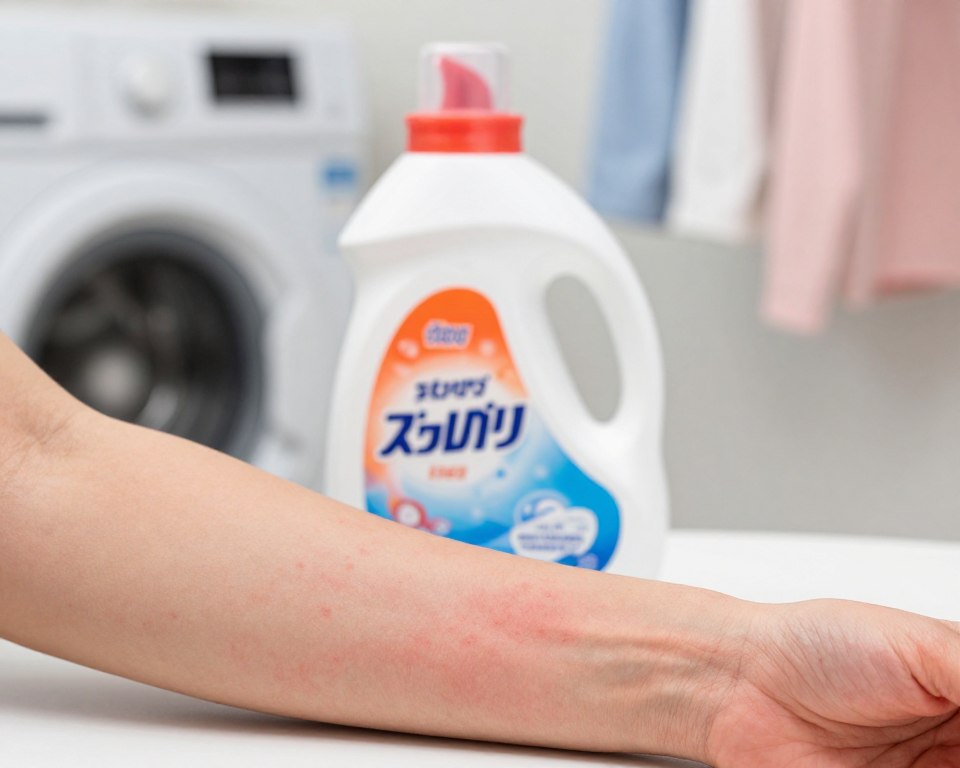
Synthetic fragrances have phthalates or other volatile compounds. These can make breathing hard and cause skin irritation from laundry. People with eczema might see their symptoms get worse.
Optical brighteners make clothes look whiter by reflecting blue light. They don’t clean clothes; they just make them look cleaner. But, their chemicals can be harsh and cause skin problems for some.
| Additive Type | Primary Function | Common Health Risk |
|---|---|---|
| Synthetic Fragrances | Masking odors | Contact dermatitis |
| Optical Brighteners | Visual whitening | Skin barrier disruption |
| Preservatives | Shelf-life extension | Allergic sensitization |
Skin Sensitivity and Dermatological Considerations
For people with sensitive skin, the chemicals in laundry detergent are very important. Many detergents use harsh chemicals that can dry out the skin. This can cause skin irritation from laundry, like redness and itching.
Sodium carbonate is often used in detergents to soften water and adjust pH. While it cleans well, it can irritate sensitive skin if not washed off completely. Leftover residue can harm the skin’s natural barrier.
Synthetic perfumes are a big reason for skin reactions. These complex chemicals can cause allergic contact dermatitis. Switching to fragrance-free laundry can help prevent these issues for those with eczema or sensitivities.
When choosing laundry products, don’t just look at the marketing. Check the ingredients for potential allergens. Fragrance-free laundry is often made without the chemicals that irritate skin and airways. Choosing hypoallergenic ingredients can help manage chronic skin issues.
| Ingredient Type | Potential Risk | Dermatological Impact |
|---|---|---|
| Synthetic Fragrances | High | Allergic contact dermatitis |
| Optical Brighteners | Moderate | Skin sensitization |
| Sodium Carbonate | Low to Moderate | pH imbalance and dryness |
| Preservatives | Moderate | Contact irritation |
Environmental Impact of Detergent Runoff
The water from your washing machine can harm the environment. It carries chemicals like surfactants and fragrances into sewers or septic tanks. Choosing eco-friendly laundry soap is key to keeping your home green.
Regular detergents often have synthetic parts that don’t break down well. These can harm fish and other sea creatures. On the other hand, biodegradable cleaning products quickly turn into safe parts.
Charlie’s Soap is very good for the planet, breaking down 98% of the time. This means it doesn’t harm water treatment plants much. Using such products keeps our water clean for longer.
“Water is the driving force of all nature, and protecting its purity from household chemical runoff is a fundamental responsibility of every modern consumer.”
The table below shows how eco-friendly soaps differ from regular ones. They’re better for our planet.
| Feature | Conventional Detergents | Eco-Friendly Alternatives |
|---|---|---|
| Biodegradability | Low to Moderate | High (90%+) |
| Aquatic Toxicity | Potential Risk | Minimal Impact |
| Chemical Persistence | High | Low |
| Water System Load | Heavy | Light |
Switching to biodegradable cleaning products helps the planet. By picking eco-friendly laundry soap, you help keep water clean. This small change makes a big difference for our environment.
Charley’s Soap: Ingredients and Cleaning Philosophy
Charlie’s Soap believes in simple, effective laundry care. They focus on detergent ingredient transparency to avoid unnecessary chemicals. This means you know exactly what touches your clothes and skin.
Their formula has just three main ingredients. Each one plays a key role in cleaning:
- Water: It carries the cleaning agents.
- C12-15 Pareth-2: A biodegradable surfactant that removes dirt and oils.
- Sodium Carbonate: A natural mineral that softens water and adjusts pH levels.
This simple mix is a key feature of eco-friendly laundry soap. It avoids complex additives, reducing chemical residue on clothes. This is great for those who care about health and the environment.
“True cleanliness does not require the use of masking agents or synthetic dyes. We believe that a product should perform its duty without leaving behind a chemical footprint.”
The formula is also fragrance-free laundry. This avoids common allergens from artificial scents. Unlike many detergents, Charlie’s Soap relies on mechanical soil removal for freshness. This makes it a reliable choice for a cleaner laundry routine.
Performance Comparison on Different Fabric Types
Looking at laundry detergent performance on various fabrics shows how simple formulas work well on everything. They clean delicate silk and tough cotton without using harsh chemicals. Unlike regular detergents, these formulas remove dirt without leaving synthetic buildup.
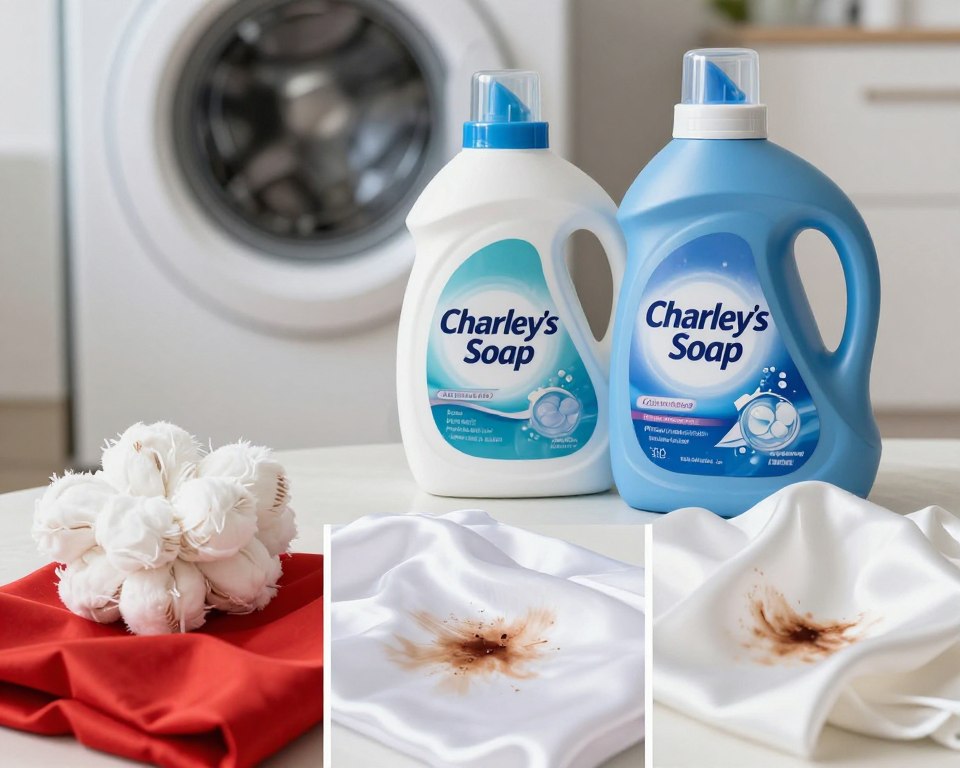
For delicate items like wool or silk, the lack of harsh chemicals is a big plus. These fibers can get damaged by strong chemicals. Minimalist formulas keep these fibers soft and prevent them from getting thin too fast. To see how they compare, check out Tide Purclean vs Tide Original to understand the chemical differences.
“The longevity of a garment is directly tied to the chemical stress it endures during the wash cycle. Minimalist cleaning agents offer a path to preservation that synthetic additives simply cannot match.”
For tough fabrics like denim or shop rags, the goal is to remove dirt well. Laundry detergent performance here depends on the wash’s mechanical action, not chemicals. These formulas might need hotter water to work as well as synthetic detergents, but they leave no harmful residue behind.
| Fabric Type | Cleaning Efficacy | Fiber Integrity |
|---|---|---|
| Delicate Silk | High | Excellent |
| Cotton Blends | Moderate | Good |
| Heavy-Duty Denim | Moderate | High |
Choosing the right detergent depends on your clothes’ needs. Minimalist detergents focus on keeping your clothes safe and lasting longer. They offer a better way to clean, prioritizing the health of your clothes over quick fixes from synthetic additives.
The Role of Water Hardness in Cleaning Efficacy
The success of your laundry routine often depends on the minerals in your tap water. In many parts of the United States, water is hard due to high levels of calcium and magnesium. These minerals can mess with how cleaning agents work, leading to poor results.
High levels of minerals can react with surfactants in traditional formulas. This creates “soap scum” or mineral deposits that stick to fibers instead of washing away. So, managing detergent water hardness is key to clean clothes without residue.
Manufacturers add special ingredients to soften water. Sodium carbonate is often used to soften water and help the detergent dissolve. It neutralizes mineral ions, letting cleaning agents remove dirt and oils from fabric.
“Effective cleaning is not just about the soap you choose, but how that soap interacts with the specific chemistry of your home’s water supply.”
If you live in an area with high detergent water hardness, here are some tips to improve your laundry:
- Test your water: Use a simple home test kit to find out your tap water’s mineral levels.
- Adjust dosage: Add a bit more detergent if your formula doesn’t have softening agents.
- Use boosters: Add natural water softeners like washing soda if your detergent struggles to lather.
- Check temperatures: Use warmer water settings when possible. This helps minerals stay dissolved and improves cleaning efficacy.
Knowing how your water quality affects your cleaning products is crucial for fabric care. By tackling detergent water hardness with the right products, you can get consistent, high-quality results in every wash.
Safety Profiles for Households with Pets and Infants
Infants and pets are very sensitive to chemicals on fabrics. They have thinner skin and touch surfaces more often. So, keeping laundry detergent safe is very important for their care.
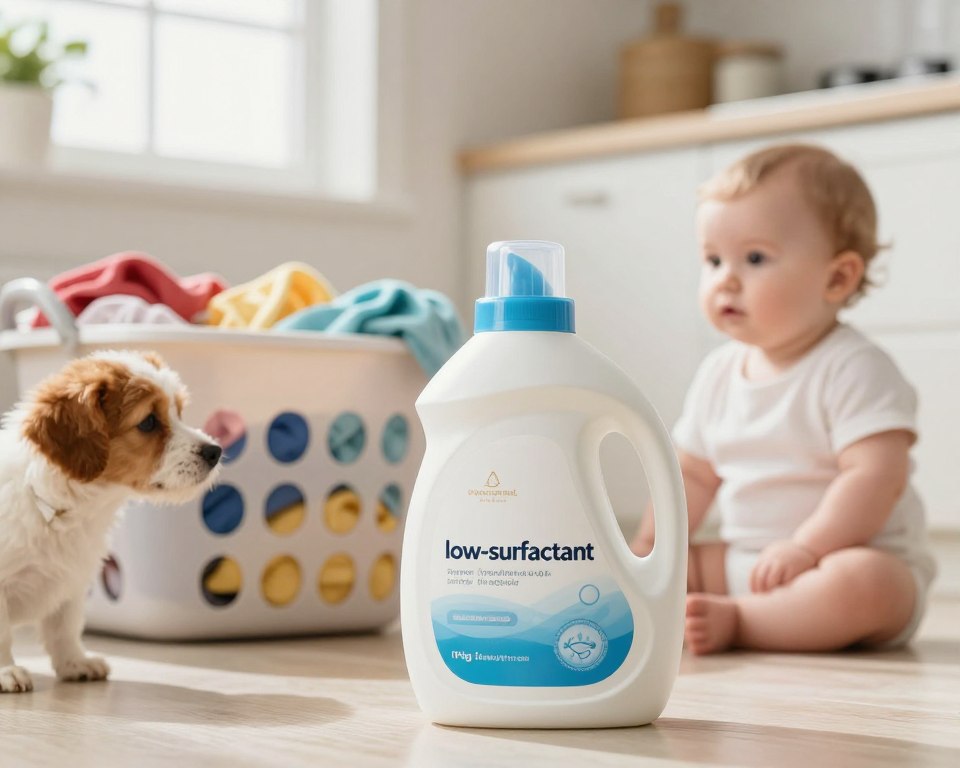
Regular laundry products often have harmful additives. These can cause allergies or breathing problems. They stay on clothes even after washing, making them toxic.
Choosing simple, chemical-free laundry is safer. When picking products for homes with kids or pets, look for these:
- Fragrance-free options: Stay away from artificial scents that can irritate airways.
- Rinse efficiency: Pick detergents that leave no soap residue.
- Ingredient transparency: Go for brands that list all ingredients to avoid harmful chemicals.
Keeping laundry safe is more than just reading labels. It’s about understanding how chemicals affect our homes. By using cleaner ingredients, we make a healthier space for our most vulnerable family members.
Cost-Benefit Analysis of Premium vs. Mass-Market Detergents
It’s key to know the real cost of laundry detergent performance when picking for your home. Mass-market detergents are cheap but might not be the best value for your clothes or health.
Premium, eco-friendly brands use strong formulas that need less per load. They might cost more upfront, but they’re cheaper in the long run. Longevity matters here, as these soaps clean well without synthetic fillers.
When looking at laundry detergent performance, think about how it affects your clothes. Cheap detergents can damage fabrics, causing them to fade and wear out faster. Choosing a detergent that cares for your clothes can make them last longer, saving you money in the long run.
To see how different detergents compare, check out the best and worst laundry detergents from Consumer Reports. This table shows the main differences between cheap and premium detergents to help you decide.
| Feature | Mass-Market Detergent | Premium/Eco-Detergent |
|---|---|---|
| Upfront Cost | Low | High |
| Concentration | Standard | High |
| Fabric Impact | Potential Wear | Gentle/Protective |
| Laundry Detergent Performance | Variable | Consistent |
User Experiences and Long-Term Fabric Maintenance
Looking at user experiences shows a link between detergent ingredients and how clothes last. Many people focus on getting rid of stains. But, long-term fabric maintenance is key to keeping clothes in good shape. If we ignore this, clothes can wear out faster and lose their texture.
Many users say that regular detergents leave a film on clothes after many washes. This film attracts dirt and oils, making delicate fibers break down faster. This makes clothes feel stiff, dull, or even scratchy.
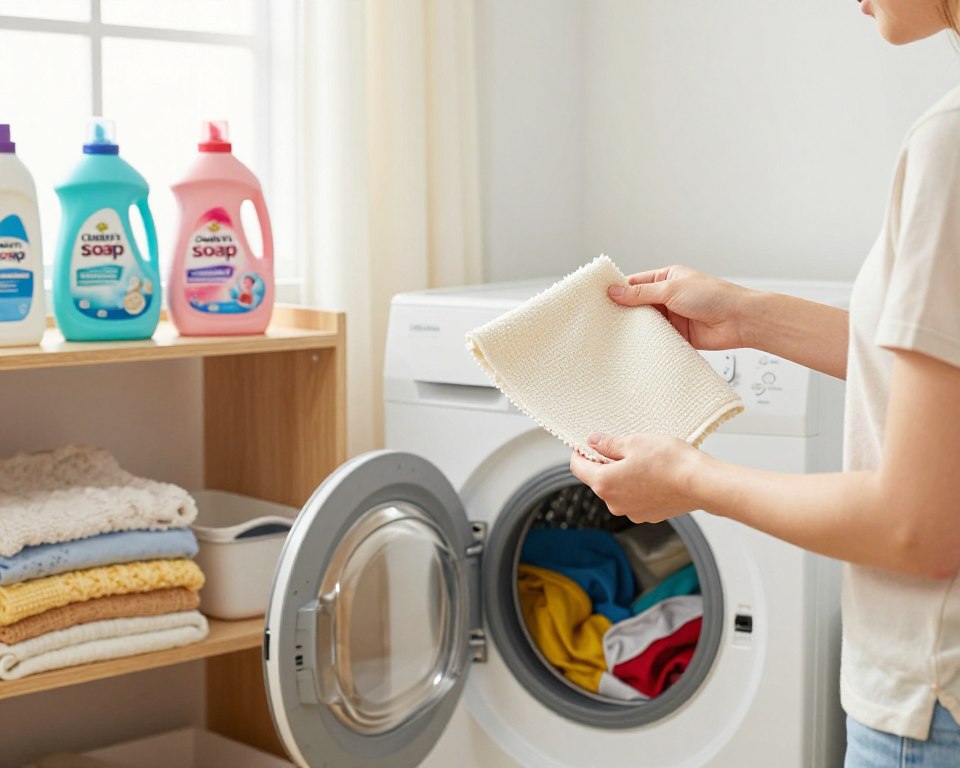
On the other hand, users who use low-surfactant, additive-free soaps see big improvements. Without the harsh chemicals in common products, clothes stay cleaner and softer. This means clothes stay soft and colorful for a longer time.
Not using chemical additives also helps prevent fibers from breaking down. Choosing a simpler formula helps keep clothes in better shape. Using gentle cleaning agents regularly helps clothes last longer, whether they’re everyday items or special linens.
Regulatory Standards and Labeling Transparency
Many people think all cleaning products are tested by the government. But, the truth is more complex. In the U.S., companies don’t always list every chemical on their labels. This makes it hard for consumers to know if a product might harm them or the environment.
Because of this, third-party certifications are very important. The EPA Safer Choice program is a good example. It checks if products are safe for people and the planet before giving them a seal of approval.
Choosing products with these certifications means you’re choosing safety for your family and the Earth. Many people also want biodegradable cleaning products to reduce their impact on the environment. It’s important to know the difference between what’s claimed and what’s actually true, like with is Dawn dish soap toxic or other cleaners.
Being open about what’s in products lets you make choices that match your values. By looking for brands that share their full ingredient lists, you control what comes into your home. Below is a table showing the differences between what’s required by law and what’s offered by third-party certifications.
| Feature | Standard Labeling | EPA Safer Choice |
|---|---|---|
| Ingredient Disclosure | Partial/Voluntary | Full Disclosure Required |
| Safety Review | Manufacturer Self-Report | Independent Third-Party |
| Environmental Focus | Minimal Requirements | Biodegradable Cleaning Products |
| Transparency Level | Low to Moderate | High/Verified |
Conclusion
Choosing the right cleaning products is key to a healthy home. By looking at what’s in them, you control the safety of your space. Knowing how these products affect your skin helps avoid irritation and allergies.
Many families compare products like Purex Free & Clear versus All Free to find the best fit. They balance cost with safety. This helps them pick the right laundry products for their needs.
Following strict laundry detergent standards is a good way to find safer options. Look for third-party checks that confirm the products are free from harmful additives. This makes it easier to keep your home safe for everyone.
Make smart choices by reading labels and checking how products are tested. Paying attention to these details helps keep your home safe for babies, pets, and people with sensitive skin. Choosing products based on evidence makes your home a healthier place.
FAQ
How do surfactants in Charlie’s Soap differ from those in mass-market brands like Tide or Persil?
Most detergents use lots of synthetic surfactants to make lots of suds. This can trap dirt in the fabric. Charlie’s Soap uses natural soda ash and ethoxylated alcohols. It works by lowering water’s surface tension to lift oils and dirt without leaving chemicals behind.
Can low-surfactant detergents effectively clean clothes in high-efficiency (HE) washing machines?
Yes, they work great in HE machines. They make fewer suds, which is good because too many can cause problems. Using a low-surfactant detergent helps the machine work right and keeps it safe for septic systems.
Why are optical brighteners and synthetic fragrances considered skin irritants?
Optical brighteners are dyes that make clothes look whiter by reflecting UV light. They and synthetic fragrances can cause skin irritation. Since they stick to fibers, they keep touching the skin, leading to irritation in some people.
Is Charlie’s Soap safe for washing cloth diapers and infant clothing?
Dermatologists say simple formulas are best for baby skin. Charlie’s Soap is good for cloth diapers because it doesn’t have fabric softeners or perfumes. It rinses completely, keeping baby’s skin safe.
How does water hardness impact the performance of biodegradable detergents?
Hard water, with lots of calcium and magnesium, can weaken many cleaners. Sodium carbonate in low-surfactant formulas softens water, letting the cleaners work better. In very hard water, you might need a booster to stop mineral buildup on fabrics.
Does switching to a low-residue detergent help with laundry room odors and machine maintenance?
Yes, it can. Odors often come from detergent and fabric softener buildup. Switching to a biodegradable detergent removes these residues. This can make your clothes last longer and your machine work better.
What third-party certifications should I look for to verify environmental safety?
Look for the EPA Safer Choice label. It means every ingredient has been checked for safety. Products like Charlie’s Soap are biodegradable, so they don’t harm local waterways.
Are low-surfactant cleaners effective for removing heavy stains like grease or grass?
They’re good for general cleaning but might need extra help for tough stains. For stains like grease or grass, use a concentrated spray first. This helps the detergent work better in the wash cycle.