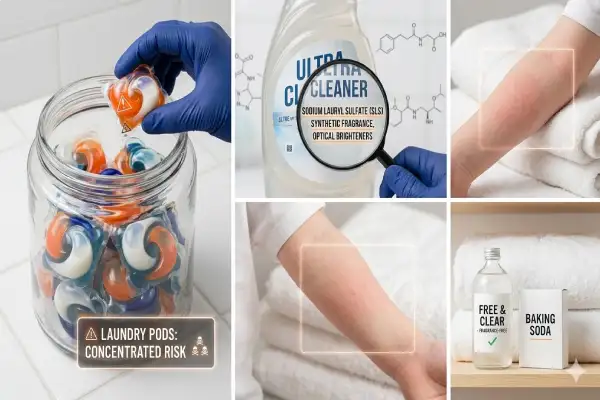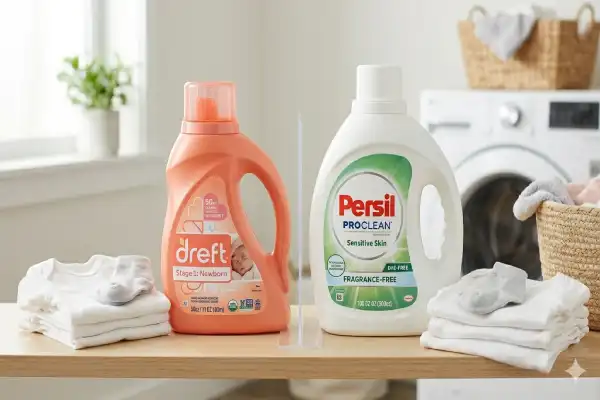
Did you know the Environmental Working Group has checked over 2,500 household cleaners? Many think a clean home is always healthy. But, hidden chemicals in everyday items can be dangerous for people with sensitive lungs.
If you have breathing problems, your cleaning might be the cause. Identifying harmful ingredients is key to protecting your lungs. By picking safer options, you make a healthier home environment.
Key Takeaways
- The EWG has assessed thousands of household items for respiratory safety.
- Common household chemicals often act as unexpected irritants for sensitive individuals.
- Awareness of ingredient labels helps reduce exposure to dangerous fumes.
- Small changes in your routine significantly improve indoor air quality.
- Proactive habits lead to a more comfortable and breathable living space.
Understanding the Link Between Household Chemicals and Respiratory Health
It’s important to know how household chemicals affect our breathing. Many think a clean home means it’s healthy. But, many cleaning products and asthma triggers are in our cleaning supplies.
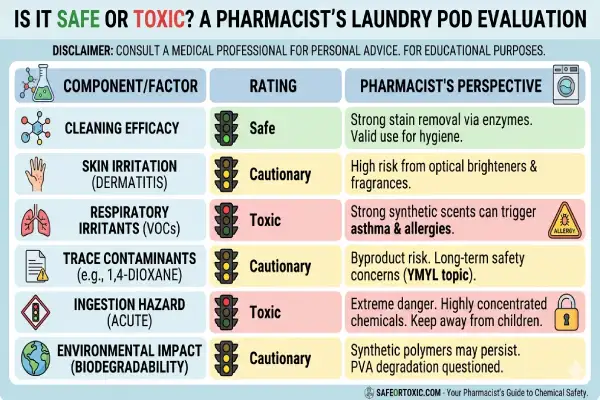
Household cleaners often have chemicals like volatile organic compounds (VOCs). These are used for smell, to dissolve things, and to keep products fresh. But, these chemicals can stay in the air, making it harder to breathe.
Studies show that these chemicals can lead to asthma and breathing problems. If you’re already sensitive, it’s key to learn about cleaning with asthma. Knowing which chemicals bother you can help you choose better products.
Many people find relief by using safer cleaners. Looking into safe cleaning products for asthma can help reduce harmful fumes. Here’s how different chemicals affect our breathing:
| Chemical Category | Common Use | Respiratory Impact |
|---|---|---|
| Volatile Organic Compounds | Solvents and Fragrances | Airway irritation and inflammation |
| Ammonia | Glass and Surface Cleaners | Severe throat and lung irritation |
| Bleach | Disinfectants | Triggering of asthma exacerbations |
| Phthalates | Synthetic Scents | Potential hormonal and respiratory stress |
Controlling your environment is key to better health. Knowing how cleaning products and asthma work together helps you keep your home clean and healthy. Choosing the right products can greatly improve your breathing over time.
Can Cleaning Products Trigger an Asthma Attack
Keeping your home clean is important, but it can also harm people with asthma. Many think a clean home is always healthy. But, the cleaning products you use might actually harm your breathing.
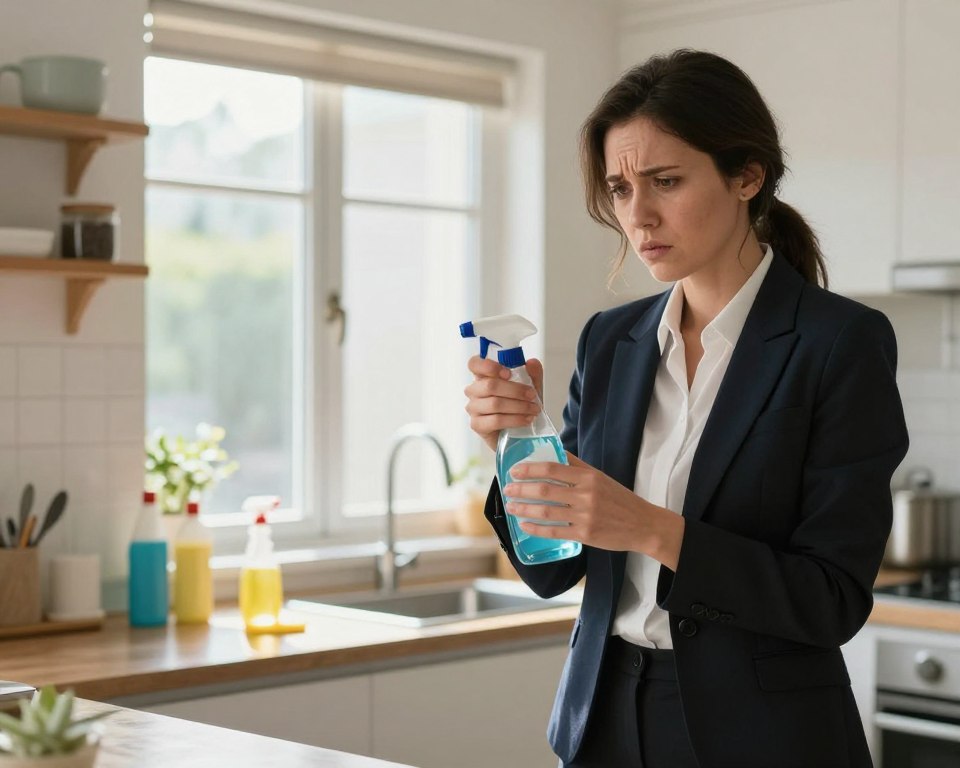
So, can cleaning products trigger an asthma attack? Yes, they can. Spraying, scrubbing, or polishing releases harmful chemicals and particles into the air. These can irritate your airways, causing discomfort or even an asthma attack.
Even simple household tasks can be dangerous if you use the wrong products. Many cleaners have harsh ingredients that stay in the air for a long time. If you’re pregnant, it’s crucial to check if cleaning products are safe for you and your.
Understanding this trigger is the first step to changing your habits. By knowing that cleaning can cause problems, you can make better choices. Taking charge of your environment is key for your long-term health and peace of mind.
Common Ingredients That Act as Asthma Triggers
When you clean your home, it’s important to watch out for asthma triggers. Many cleaning products have harsh chemicals that can irritate your lungs. Knowing which chemicals to avoid helps keep your home safe, if you’re sensitive to fumes.
Volatile Organic Compounds and Their Impact
Cleaning products often have volatile organic compounds (VOCs). These are used as solvents, fragrances, or preservatives. They can easily turn into air when you spray them, which can irritate your lungs or trigger asthma.
It’s key to know if household cleaning products are safe when they release gases. Many people don’t know that even “low-odor” products can harm indoor air quality. Always check labels for harmful chemicals like formaldehyde or benzene.
The Role of Fragrances and Synthetic Scents
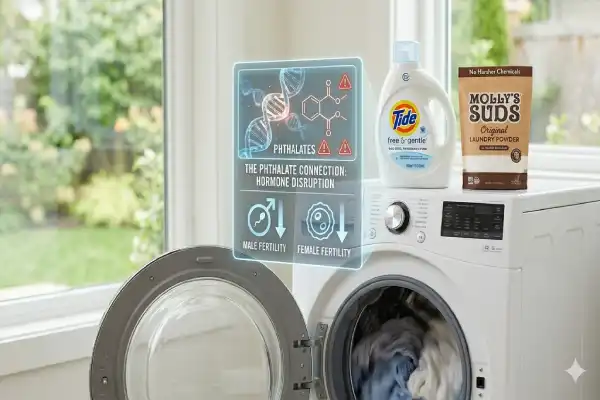
Synthetic fragrances are common asthma triggers in cleaners. They’re added to hide the smell of chemicals, but they can contain phthalates and other irritants. These scents can stay in the air, posing a risk to those with sensitive lungs.
Ammonia and Bleach: The Hidden Dangers
Bleach and ammonia are common in homes but can cause breathing problems. They release strong fumes that can irritate your throat and lungs. Mixing them is even more dangerous, as it can create toxic gases that are severe asthma triggers.
| Ingredient Category | Common Examples | Potential Health Impact |
|---|---|---|
| VOCs | Formaldehyde, Benzene | Airway inflammation |
| Synthetic Fragrances | Phthalates, Musk | Allergic respiratory response |
| Disinfectants | Bleach, Ammonia | Acute lung irritation |
Recognizing Early Asthma Symptoms and Cleaning Product Sensitivity
Knowing how your body reacts to cleaning agents is key to a safer home. Many people don’t notice the signs that cleaning products are affecting their breathing until it’s too late. By paying attention, you can manage your Asthma Symptoms and Cleaning Products before it gets serious.
Physical Signs of Respiratory Distress
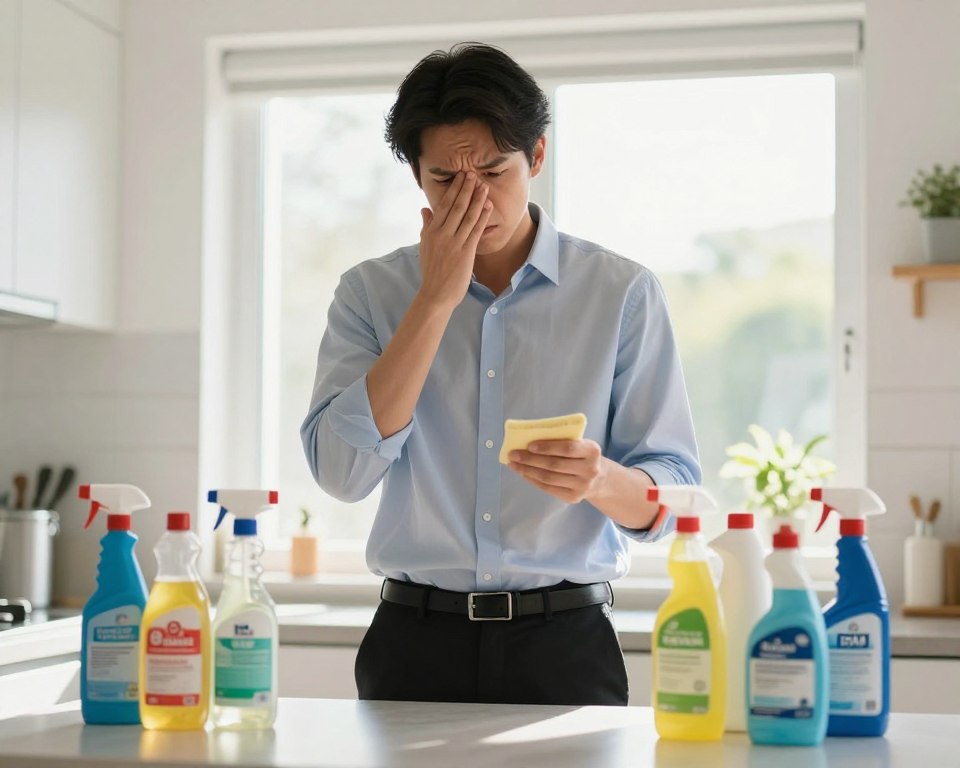
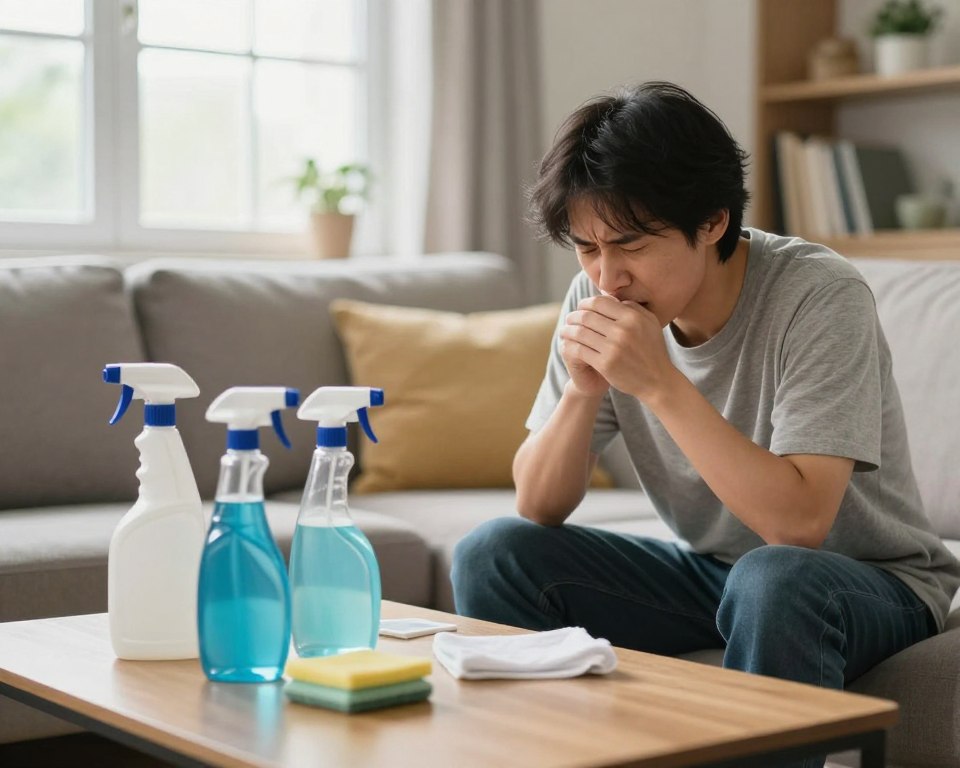
When you start cleaning, your body might show signs of trouble right away. Look out for persistent coughing, wheezing, or chest tightness. You might also feel short of breath or have more mucus after using sprays or strong detergents.
Tracking these signs is crucial. They often mean you’re sensitive to Cleaning Products Sensitivity. If cleaning makes it hard to breathe, your lungs are reacting to harmful chemicals. Studies show even small irritants can cause big problems for sensitive people.
Differentiating Between Irritation and Allergic Reactions
Telling the difference between irritation and an allergic reaction is key for your health. Irritation happens when chemicals damage your airway lining, causing discomfort right away. Allergic reactions, on the other hand, are your immune system overreacting, leading to more serious symptoms.
The table below shows the main differences between irritation and allergic reactions to household cleaners:
| Symptom Type | Chemical Irritation | Allergic Reaction |
|---|---|---|
| Primary Cause | Direct contact with harsh fumes | Immune system sensitivity |
| Onset Speed | Immediate upon inhalation | Can be delayed or immediate |
| Common Signs | Dry cough, throat scratchiness | Wheezing, hives, watery eyes |
| Duration | Short-lived after leaving area | May persist for several hours |
Knowing the difference helps you choose safer products for your home. If you think you’re sensitive to Cleaning Products Sensitivity, talk to a doctor. They can help you keep your Asthma Symptoms and Cleaning Products under control.
The Science Behind Cleaning Products and Asthma Exacerbation
Many household items can irritate and trigger allergies. Using these items releases chemicals that can harm your lungs. This can cause discomfort, mainly for those who are sensitive.
How Inhaled Particles Affect Lung Airways
Using cleaners releases tiny particles and chemicals into the air. These particles can reach deep into your lungs, causing harm. It’s important to know if certain products are safe for you, like multi-surface sprays.
Your body sees these particles as threats, leading to an immune response. This can make your airways narrow and produce more mucus. For people with asthma, this can lead to an attack.
Long-term Exposure Risks for Frequent Cleaners
Regularly being exposed to these chemicals can harm your lungs over time. This can lead to long-lasting respiratory problems. This is a big worry for those who clean often or have a strict cleaning routine.
Studies show that long-term exposure to harsh cleaners can change lung function. Knowing the risks of Cleaning Products Respiratory Health helps you choose safer options. Using better ventilation and safer products is key to keeping your lungs healthy.
Identifying High-Risk Cleaning Products to Avoid with Asthma
If you have asthma, it’s important to know which cleaning products to avoid. Not all household supplies are safe. Some can trigger breathing problems right away. Learning about Cleaning Products to Avoid with Asthma helps keep your home safe for you and your family.
Aerosol Sprays and Their Fine Particulate Matter
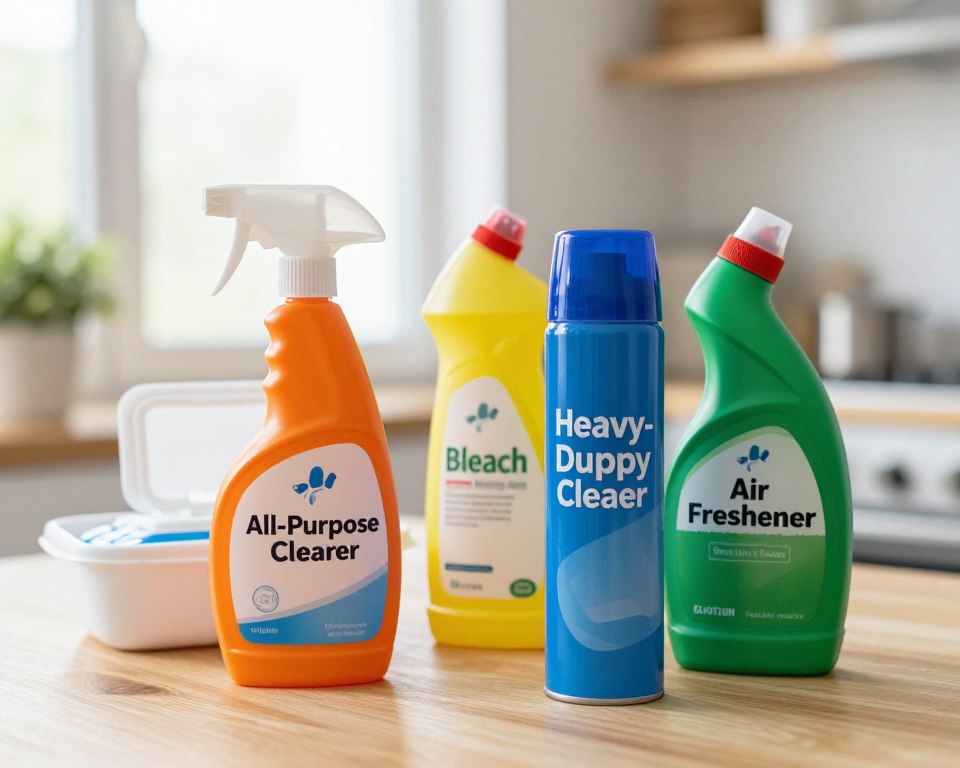
Aerosol sprays are bad for people with asthma. They release chemicals into the air as a fine mist. This mist can go deep into your lungs and cause trouble.
Many air fresheners, furniture polishes, and glass cleaners are in aerosol cans. It’s better to use pump-spray bottles or liquids. These don’t create as much air pollution. Reducing airborne particles helps keep your lungs healthy.
Heavy-Duty Degreasers and Oven Cleaners
Heavy-duty cleaners are very harsh. They use strong chemicals to remove grease. The fumes can make people with asthma cough or wheeze right away.
If you must use these cleaners, make sure the area is very well-ventilated. But for people with asthma, it’s best to use gentler alternatives. Avoiding these cleaners helps keep your airways clear.
Disinfectants Containing Quaternary Ammonium Compounds
Disinfectants are important for cleanliness, but many have quats. These are known to irritate the lungs. Using bleach too often can also lead to asthma.
Always check the label for quats and bleach. Choose Cleaning Products to Avoid with Asthma that use safer ingredients. Being careful about the chemicals in your home is key to staying healthy.
Safe Cleaning Alternatives for Asthma-Friendly Homes
Creating an asthma-friendly home means changing the products under your kitchen sink. Many cleaners have volatile compounds that can harm your lungs. Simple swaps can keep your home clean without harming your health.
The Efficacy of Vinegar and Baking Soda
You don’t need harsh chemicals for a deep clean. White vinegar and baking soda are great for most tasks. They are safe for those with low respiratory health concerns.
Vinegar is a natural disinfectant for surfaces. Baking soda scrubs away grime. Together, they are a safe, affordable way to clean your home.
Benefits of Using Plant-Based Cleaning Solutions
Pre-made cleaners can be convenient. Look for plant-based ones. These are gentler on your airways than traditional cleaners.
These brands often list their ingredients clearly. This helps you avoid hidden toxins. Choosing plant-based options supports sustainable practices and helps manage Cleaning Products Sensitivity.
Selecting Fragrance-Free and Hypoallergenic Products
Synthetic fragrances can trigger asthma attacks. Even “natural” products can have hidden scents. Always choose fragrance-free or hypoallergenic products.
Hypoallergenic products are tested to reduce allergic reactions. This is a vital step in protecting your home. Reading labels and avoiding artificial perfumes helps you breathe better.
Best Practices for Asthma Attack Prevention While Cleaning
Cleaning your home shouldn’t harm your breathing. Even with safer cleaning products, how you clean matters a lot for Asthma Attack Prevention. By following a few easy steps, you can clean without causing health problems.
The Importance of Proper Ventilation
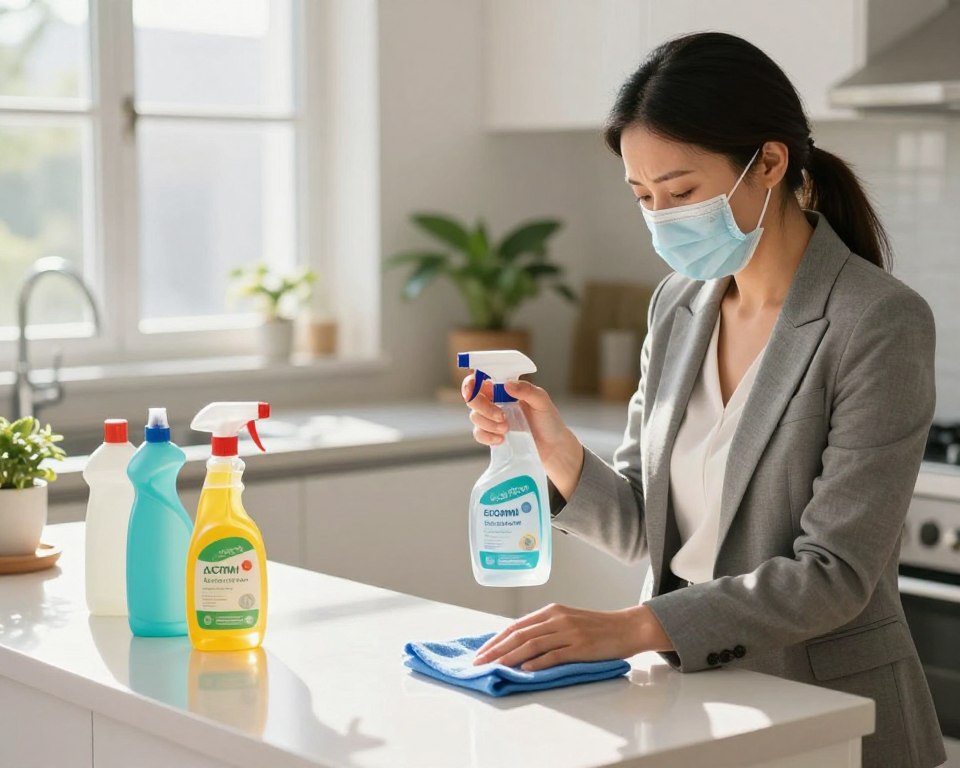
Having fresh air is crucial when cleaning. Start by opening windows and doors for a breeze that takes away chemical smells. If it’s not possible to open windows, use exhaust fans in kitchens or bathrooms to move the air around.
Good air flow is key to cut down on asthma triggers. If you feel dizzy or smell strong chemicals, stop and get outside for clean air. Learn more about what to do if you breathe in cleaning fumes to be ready for any accidents.
Using Protective Gear Like Masks and Gloves
Wearing the right gear protects your lungs and skin from harmful chemicals. A simple N95 mask can block small particles that can hurt your breathing. Gloves also keep chemicals from getting into your skin, a big part of Asthma Attack Prevention.
- Wear gloves: Keep your skin safe from harsh cleaners.
- Use a mask: Cut down on breathing in sprays or dust.
- Wear long sleeves: Cover your arms when using strong cleaners.
Diluting Concentrated Solutions Correctly
Many think using more cleaner is better. But, using too much can release harmful fumes. Always follow the label to dilute the cleaner safely.
Use a measuring cup or a marked spray bottle to get the right mix every time. This simple step is vital for Asthma Attack Prevention. It stops harmful compounds from building up in your air. Being consistent keeps your home safe and comfy for everyone.
Managing Indoor Air Quality to Reduce Asthma Risks
Creating a healthy home starts with clean air. By controlling your indoor air, you lower Asthma Attack Risks. This is because you remove harmful particles that are invisible to the eye.
Utilizing HEPA Air Purifiers
High-Efficiency Particulate Air (HEPA) purifiers are key for catching tiny particles that cause breathing problems. They work by pushing air through a mesh that catches pollen, pet dander, and dust mites.
Wondering if these devices really work? Learn more about are HEPA filters worth it for your needs. Also, keep your home clean. Vacuuming at least weekly with a vacuum that has HEPA filtration is a good idea. It helps trap dust and keeps it from flying around.
The Role of Humidity Control in Preventing Mold
Too much moisture in your home is bad news for mold and mildew. These are known to increase Asthma Attack Risks, more so in damp places or rooms with poor air flow.
To keep your air clean, try these humidity control tips:
- Use a dehumidifier in basements or bathrooms to keep humidity below 50%.
- Make sure your kitchen and bathroom exhaust fans are on during and after use.
- Fix any leaky pipes or faucets right away to stop water from building up.
- Use a hygrometer to check indoor humidity and keep it in the ideal range.
By keeping your home dry and air clean, you build a protective barrier against common breathing problems. Regular upkeep of your indoor space is a simple yet effective way to support your lung health over time.
How to Safely Store Cleaning Supplies in Your Home
Did you know that how you store cleaning products can affect your respiratory health? Many people focus on what’s in their cleaners but forget about storage risks. Creating a safe storage routine is a simple way to cut down on harmful fumes.
Keeping Chemicals Out of Living and Sleeping Areas
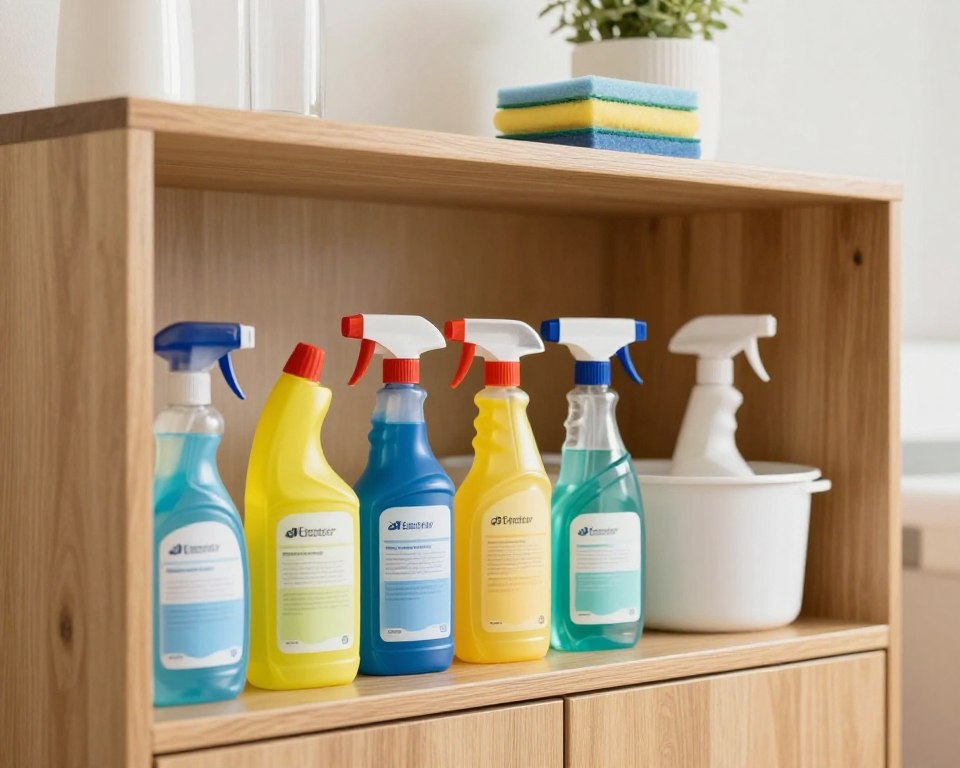
The best way to avoid chemical exposure is to keep cleaners away from where you live and sleep. Bedrooms and living rooms should be chemical-free zones. This lets your lungs rest while you’re in bed. Storing them in a garage, utility closet, or shed keeps your home air clean.
Choose a storage spot with excellent ventilation. If inside, use high cabinets or locked bins away from vents. This stops fumes from spreading through your home’s air system.
“A clean home should be a sanctuary for your health, not a source of hidden respiratory triggers.”
Ensuring Airtight Storage for Volatile Liquids
Many cleaners have volatile compounds that can release fumes even when closed. Always store your cleaning supplies in airtight containers. This stops vapors from getting into your air.
If you’re unsure about a product, like mold remover spray, check the maker’s guidelines. Use plastic bins with tight lids as a reliable barrier against spills and fumes. Follow these tips to keep your home safe:
- Use clear, labeled bins to avoid mixing chemicals by mistake.
- Keep containers upright to prevent leaks from the nozzle.
- Wipe down bottles after use to remove residue.
- Store products in a cool, dry place to keep chemicals stable.
Professional Cleaning Services and Asthma Considerations
If you use professional cleaning services, it’s crucial to talk clearly about your needs. This way, your home stays safe from asthma triggers. Setting clear boundaries is essential to keep your space healthy.
Communicating Your Health Needs to Cleaning Staff
Begin by talking openly with your cleaning team before they start. Tell them about your asthma and how certain smells or chemicals can make you sick. Being proactive shows them it’s a health issue, not just a choice.
To stay safe, follow these easy steps when talking to your service provider:
- Give them a list of ingredients or brands to avoid.
- Ask them to avoid dusting or vacuuming when you’re around to cut down on dust.
- Request they open windows during and after cleaning to improve air flow.
Requesting Eco-Friendly Cleaning Protocols
Many cleaning companies are open to changing their ways if they know about your sensitivities. Ask them to use eco-friendly cleaning protocols with safe ingredients. Knowing why your cleaning products matter is the first step to a healthier home.
If they’re not willing to change, offer to bring your own safe products. This way, you can be sure your Cleaning Products Respiratory Health standards are met. Consistency is key to avoiding long-term problems and keeping your home safe for asthma sufferers.
When to Seek Medical Attention for Respiratory Issues
Household cleaning can sometimes lead to health problems. Knowing when to see a doctor is key. Some asthma triggers in cleaning supplies can worsen quickly. Being aware of how your body reacts helps avoid serious asthma attack risks.
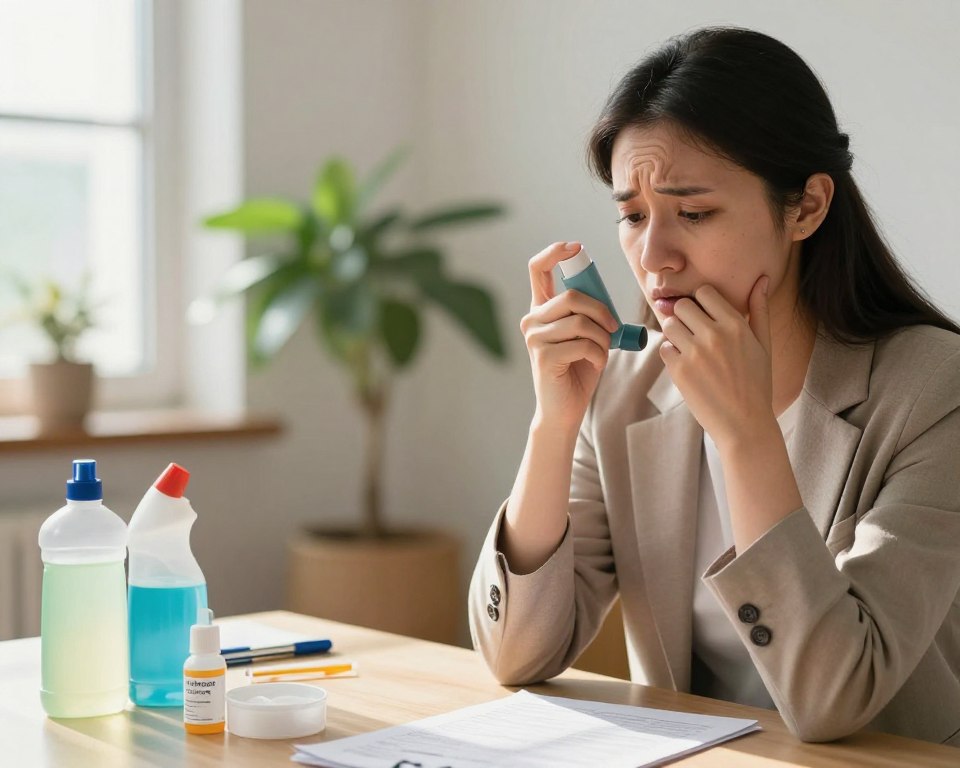
Recognizing the Signs of a Severe Asthma Attack
It’s important to know the signs of a severe asthma attack. If you have trouble speaking fully, gasping, or see a bluish color around your lips or nails, get help right away. These signs mean your airways are very blocked and need a doctor’s help.
If your rescue inhaler doesn’t help, don’t wait. Persistent coughing, tight chest, and fast heart rate are signs you need urgent care. Spotting these asthma attack risks early can save your life.
Creating an Asthma Action Plan with Your Doctor
Having a personal asthma action plan is crucial. Work with your doctor to list your triggers, medication, and emergency steps. This plan helps keep your asthma under control.
Regular doctor visits are important to keep your treatment working. If your Asthma Control Test (ACT) score is 15 or lower, your asthma is not well-controlled. This score means you need to see your doctor to adjust your treatment and avoid harmful asthma triggers.
| Symptom Category | Mild/Moderate Signs | Severe/Emergency Signs |
|---|---|---|
| Breathing Pattern | Shortness of breath during activity | Gasping for air at rest |
| Speech Ability | Can speak in short sentences | Unable to speak in full sentences |
| Physical Appearance | Mild wheezing | Blue-tinted lips or fingernails |
| Inhaler Response | Relief after rescue medication | No improvement after rescue medication |
The Impact of Cleaning Habits on Children and Pets
Children and pets often spend their time close to the floor. This makes them more likely to come into contact with chemicals from cleaning products. Their smaller size means their lungs can react more strongly to these chemicals. It’s important to understand how Asthma Symptoms and Cleaning Products are linked to keep your home healthy for everyone.
Why Vulnerable Populations Are at Higher Risk
Research shows that children and teens are more at risk from environmental triggers than adults. Their lungs are still growing, making them more sensitive to chemicals in household cleaners. These chemicals can easily be inhaled by those who play or crawl on the floor.
Pets also face risks because they are always in contact with surfaces. They might swallow chemical residues or breathe in strong fumes during cleaning. It’s important to remember that pets can’t tell us when they’re uncomfortable, which is why managing Asthma Symptoms and Cleaning Products is crucial.
Reducing Chemical Exposure for Toddlers and Infants
To reduce risks, choose safer, non-toxic cleaners. Plant-based cleaners are a good option because they have fewer harsh chemicals. Make sure to rinse surfaces well with water after cleaning to remove any remaining chemicals that could irritate airways.
Good ventilation is also key. Open windows while cleaning to let in fresh air and reduce airborne irritants. By being careful with your cleaning, you can make your home safer for your family’s breathing health.
| Household Member | Primary Risk Factor | Mitigation Strategy |
|---|---|---|
| Infants/Toddlers | Floor-level contact | Use non-toxic, residue-free cleaners |
| Pets | Grooming residues | Rinse surfaces thoroughly after use |
| Children | Developing lungs | Ensure proper ventilation during chores |
Debunking Myths About Natural Versus Chemical Cleaners
Many people think a “green” label means a product is safe for those with asthma. But, the truth is often more complicated. It’s important to know that some Cleaning Products to Avoid with Asthma hide behind eco-friendly packaging.
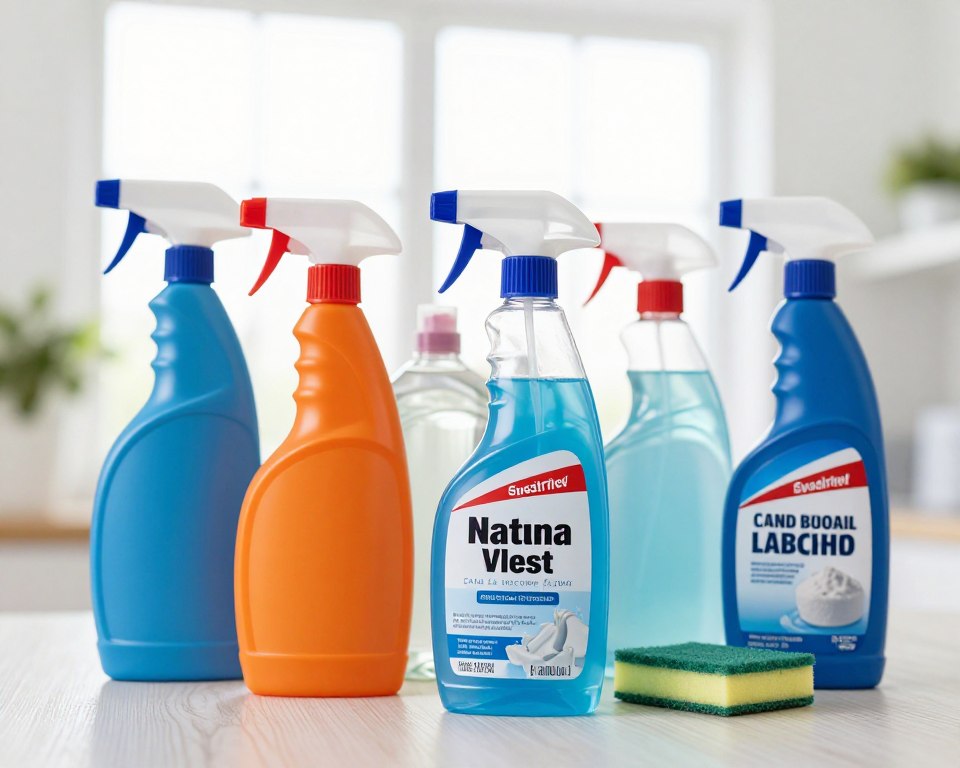
Understanding Greenwashing in Cleaning Product Marketing
Greenwashing happens when companies use terms like “all-natural” or “earth-friendly” without proof. These labels can distract from the actual ingredients. Marketing tactics aim to build trust but don’t always show the product’s impact on breathing.
Be cautious of products that highlight one “green” ingredient but hide harsh additives. These hidden ingredients are often Cleaning Products to Avoid with Asthma because they can irritate airways. Always look for third-party certifications instead of just trusting the label.
Evaluating Safety Claims on Product Labels
“Natural” doesn’t always mean “asthma-safe.” For example, plant-based cleaners with essential oils like pine or lavender can still cause asthmatic reactions. These oils release compounds that can affect people with asthma.
To make smart choices, look for products labeled as fragrance-free or hypoallergenic. The table below shows the difference between marketing terms and actual safety for your home.
| Marketing Claim | What It Often Means | Asthma Risk Level |
|---|---|---|
| All-Natural | Derived from plants, but may contain strong scents. | Moderate |
| Eco-Friendly | Biodegradable packaging or ingredients. | Low to Moderate |
| Fragrance-Free | No added synthetic or natural perfumes. | Low |
| Non-Toxic | Subjective term; lacks strict regulation. | Variable |
By focusing on ingredient transparency, you can avoid Cleaning Products to Avoid with Asthma. Always choose your health over clever branding to keep your space safe and breathable.
Creating a Personalized Asthma-Safe Cleaning Schedule
Keeping your home clean is key for your health, but cleaning can also bring in bad air. By making a cleaning plan, you can help prevent asthma attacks and keep your home neat. This way, you can do chores without harming your breathing.
Breaking Down Tasks to Minimize Exposure Time
Protecting your lungs means avoiding long, intense cleaning. Instead, break your chores into smaller, manageable segments throughout the week. This helps avoid overexertion and limits exposure to triggers.
Try to finish one room or task at a time. For example, dust the living room for fifteen minutes on Monday. Vacuum on Tuesday. This method is crucial for Asthma Attack Prevention as it keeps exposure low and steady.
Establishing Routine Maintenance to Reduce Dust
Consistency is key to fighting allergens like dust mites and pollen. A regular maintenance schedule stops these allergens from building up. Small, frequent efforts are better than deep cleans that stir up dust.
Use a damp cloth for dusting to trap particles. Clean high-traffic areas often to keep your home safe. Adding these habits to your weekly routine helps prevent asthma attacks and keeps your airways healthy.
Conclusion
Managing asthma at home needs careful thought about the products and habits you use. Making small changes in your daily life can make your home safer for everyone.
Improving air quality is key. Using safer cleaning products and ensuring good ventilation can make a big difference. Knowing what might trigger asthma helps you control your environment better.
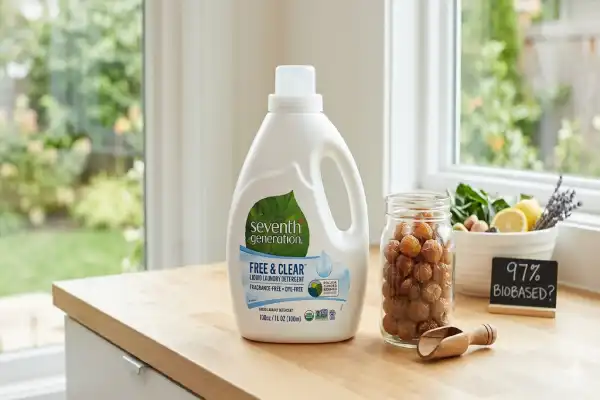
Choosing products from brands like Seventh Generation or Method can help. They offer safer options. You can also use simple items like white vinegar or baking soda to clean without harming your lungs.
Making cleaning a regular part of your routine is good for your health. Start by checking what you have under your sink. This helps keep your home safe and healthy. Your efforts to keep your space clean are a strong defense against asthma attacks.
FAQ
Can Cleaning Products Trigger an Asthma Attack even if I am not in the room?
Yes. Products like Pledge or Glade air fresheners release VOCs that stay in the air for hours. If you have asthma and the air is not well-ventilated, you can still have an attack even after the room has been cleaned.
What are the primary Asthma Triggers found in laundry rooms?
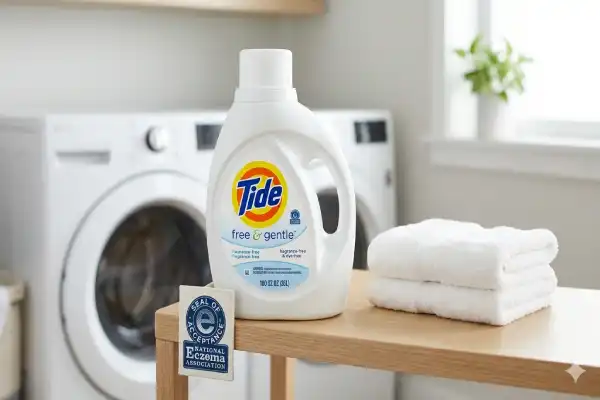
In laundry rooms, asthma triggers are often found in detergents and fabric softeners. Products like Tide and Downy can cause problems. Dryer sheets also release chemicals that can irritate the airways.
Why is the connection between Cleaning Products and Asthma so high among professional cleaners?
Professional cleaners are at higher risk because they are exposed to strong chemicals often. This can lead to “occupational asthma,” where the lungs become very sensitive to chemicals.
What are the most common Asthma Symptoms and Cleaning Products reactions?
Common symptoms include feeling tight in the chest, coughing, wheezing, or itchy eyes. If you use a product like Windex and feel a tickle in your throat, it’s a sign of sensitivity.
Which specific Cleaning Products to Avoid with Asthma should I look for on my next shopping trip?
Avoid aerosol sprays, bleach, and products with “Quats.” Heavy-duty degreasers and acidic cleaners like Lysol Power Toilet Bowl Cleaner can release strong fumes.
What is the most effective method for Asthma Attack Prevention during house chores?
The best method is to ensure good ventilation. Open windows and use exhaust fans. Using “Free & Clear” plant-based brands also lowers the risk of respiratory problems.
How can I tell if I have a permanent Cleaning Products Sensitivity?
If you always get respiratory distress or skin irritation from a specific brand, you likely have a sensitivity. Keeping a symptom diary can help you and your doctor find out which chemicals are your triggers.
Can using a HEPA filter improve my Cleaning Products Respiratory Health?
Yes. Using a vacuum with a HEPA filter, like a Miele Complete C3, traps dust and chemicals. A Blueair air purifier can also remove VOCs from the air after cleaning.