Did you know that the average kitchen surface harbors more bacteria than a bathroom floor? As a pharmacist, I frequently observe how homeowners prioritize aesthetic shine over chemical hygiene. Many people inadvertently apply industrial-grade agents to surfaces where they prepare meals, often without considering the long-term health implications of residual toxins.
Determining if a stainless steel cleaner safe for food contact is essential for maintaining a healthy home. We must balance the desire for a polished kitchen with the critical need to prevent chemical contamination. This guide provides an evidence-based framework to help you evaluate product ingredients and application methods.
My goal is to offer professional clarity on how these substances interact with your culinary environment. By understanding the chemistry behind your household supplies, you can make informed decisions that protect your family from unnecessary exposure. Let us examine the intersection of maintenance and food preparation to ensure your kitchen remains truly clean.
Key Takeaways
- Most household polishing agents are not designed for direct food contact.
- Chemical residues can migrate from surfaces into your meals during preparation.
- Always check the manufacturer’s label for toxicity warnings regarding food zones.
- Natural alternatives often provide effective results without the risk of harsh synthetic additives.
- Proper rinsing protocols are necessary if you use chemical products on countertops.
Understanding Stainless Steel Cleaners
Understanding the chemical composition of stainless steel cleaners is vital for safe kitchen maintenance. These products are formulated to remove fingerprints, grease, and oxidation without compromising the protective chromium oxide layer that gives stainless steel its durability. By identifying how different cleaners interact with metal surfaces, users can make informed decisions that prioritize both cleanliness and material health.
Types of Stainless Steel Cleaners
Most commercial cleaners fall into two primary categories: oil-based polishes and water-based surfactants. Oil-based cleaners are highly effective at hiding streaks and fingerprints by leaving a thin, protective film on the surface. While they provide a high-gloss finish, they can sometimes attract dust over time if applied too heavily.
In contrast, water-based cleaners rely on surfactants to lift grime and oils away from the metal. These formulas typically evaporate quickly and leave little to no residue behind. They are often preferred for surfaces that come into frequent contact with food, as they generally contain fewer heavy solvents.
Ingredients to Look For
When evaluating a cleaner, look for ingredients that balance cleaning power with surface safety. Effective products often include mild surfactants that break down organic matter without being abrasive. Some high-quality cleaners also incorporate food-grade mineral oils to restore the luster of the steel while providing a temporary barrier against future staining.
Avoid products that contain harsh acids or abrasive particles, as these can scratch the finish or strip away the protective oxide layer. Instead, prioritize cleaners that list non-toxic solvents and pH-neutral components. This approach ensures that your equipment remains in peak condition while maintaining a safe environment for food preparation.
| Cleaner Type | Primary Mechanism | Best Use Case | Finish Quality |
|---|---|---|---|
| Oil-Based | Leaves protective film | Decorative appliances | High-gloss |
| Water-Based | Surfactant emulsification | Food prep surfaces | Streak-free matte |
| Abrasive Paste | Mechanical scrubbing | Deep stain removal | Textured/Dull |
Safety Standards and Regulations
Navigating the complex landscape of chemical safety requires a clear understanding of federal oversight. When you choose a stainless steel cleaner for food-safe surfaces, you are relying on standards designed to protect public health. These regulations ensure that the products used in your kitchen do not leave behind harmful residues.
FDA Guidelines on Food Contact Surfaces
The Food and Drug Administration (FDA) maintains strict oversight regarding substances that come into contact with food. Specifically, 21 CFR 175.105 outlines the requirements for adhesives and components that may migrate from surfaces into food products. Manufacturers must prove that their formulas meet these safety thresholds to be considered appropriate for use in food preparation areas.
When evaluating a stainless steel cleaner for food-safe surfaces, look for products that adhere to these federal guidelines. Compliance ensures that the chemical composition is stable and does not pose a risk of contamination. Key considerations include:
- The chemical stability of the cleaner under heat.
- The potential for residue migration into food items.
- The toxicity levels of ingredients used in the formulation.
EPA Regulations and Cleaner Safety
While the FDA focuses on direct food contact, the Environmental Protection Agency (EPA) monitors the broader impact of cleaning agents. The EPA regulates volatile organic compounds (VOCs) to maintain healthy indoor air quality. High levels of VOCs can be hazardous, especially in enclosed kitchen environments where ventilation may be limited.
Selecting a stainless steel cleaner for food-safe surfaces that is low in VOCs is a smart safety practice. These regulations help limit your exposure to harsh fumes while you maintain your appliances. By following these established standards, you can confidently keep your kitchen clean without compromising the safety of your food or your home environment.
Benefits of Using Stainless Steel Cleaners
Maintaining a pristine kitchen environment requires more than just surface-level wiping. Using an effective stainless steel cleaner provides significant advantages for both daily hygiene and the long-term durability of your high-end appliances.
By integrating specialized products into your routine, you protect your investment while ensuring a sanitary space for food preparation. These cleaners are specifically formulated to remove residues that standard soaps often leave behind.
Enhancing Food Safety
Stainless steel is naturally non-porous, which makes it the gold standard for professional and home kitchens. However, this benefit only holds true if the surface remains free of microscopic pits and scratches where bacteria can hide.
An effective stainless steel cleaner helps maintain this smooth finish by removing organic debris and oils. When you keep these surfaces clean, you minimize the risk of cross-contamination during meal preparation.
Maintaining Equipment Longevity
Kitchen appliances are significant investments that deserve proper care to function at their best. Over time, exposure to moisture, salt, and acidic food particles can lead to pitting or surface corrosion.
Regular application of an effective stainless steel cleaner creates a protective barrier against these harsh elements. This simple habit prevents the degradation of the metal, ensuring your equipment remains functional and aesthetically pleasing for years.
| Benefit Category | Primary Advantage | Impact on Kitchen |
|---|---|---|
| Hygiene | Bacteria Reduction | Safer food prep |
| Durability | Corrosion Prevention | Extended appliance life |
| Aesthetics | Surface Restoration | Maintains original finish |
Consistent maintenance is the key to balancing safety with performance. By choosing an effective stainless steel cleaner, you ensure that your kitchen remains a reliable and hygienic hub for all your culinary activities.
Common Ingredients in Stainless Steel Cleaners
Selecting a non-toxic stainless steel cleaner requires a clear understanding of what goes into the bottle. Many commercial products rely on complex chemical blends to remove grease and fingerprints, but not all of these substances are suitable for areas where food is prepared.
By examining the specific components of these cleaners, you can make informed decisions that prioritize both cleanliness and safety. It is important to look past marketing claims and focus on the actual chemical profile of the product.
Non-toxic vs. Toxic Chemicals
Most conventional cleaners utilize surfactants and degreasers to break down oils. While effective, some formulas contain volatile organic compounds (VOCs) or harsh solvents that can leave behind residues. Safety-conscious consumers should avoid products containing ammonia, bleach, or heavy petroleum distillates when cleaning surfaces near food.
A high-quality non-toxic stainless steel cleaner typically uses plant-derived surfactants that are biodegradable and less likely to cause respiratory irritation. These ingredients effectively lift grime without the need for aggressive chemical reactions that might compromise food safety.
Natural Alternatives to Consider
If you prefer to avoid synthetic chemicals entirely, an eco-friendly stainless steel cleaner often utilizes ingredients like citric acid, vinegar, or plant-based oils. These substances provide a natural way to polish metal while maintaining a food-safe environment.
A natural stainless steel cleaner can be highly effective for daily maintenance, though it may require more frequent application than heavy-duty industrial alternatives. The following table outlines common ingredient categories found in various cleaning formulations.
| Ingredient Type | Common Examples | Safety Profile | Primary Function |
|---|---|---|---|
| Surfactants | Sodium Lauryl Sulfate | Generally Safe | Lifts surface oils |
| Solvents | Petroleum Distillates | Use Caution | Dissolves heavy grease |
| Natural Acids | Citric Acid | Food Safe | Removes mineral spots |
| Polishing Agents | Mineral Oil | Food Safe | Protects the finish |
How to Choose the Right Stainless Steel Cleaner
Selecting the right cleaning product for your kitchen requires a careful look at what is inside the bottle. Many commercial cleaners contain harsh solvents that may leave behind residues, which is a concern when working near food preparation surfaces. By developing a systematic approach to evaluating these products, you can ensure your kitchen remains both clean and safe.
Reading Labels and Ingredient Lists
The first step in evaluating a product is to look past the marketing claims on the front of the packaging. You should always turn the bottle over to review the full ingredient list. Transparency is a hallmark of reputable manufacturers, and they will typically list all active and inactive components clearly.
Be cautious of products that use vague terms like “surfactants” or “fragrance” without further explanation. These broad categories can sometimes hide synthetic chemicals that may cause respiratory irritation or skin sensitivity. If you are unsure about a specific chemical name, a quick search through a reliable database like the EPA’s Safer Choice program can provide clarity on its safety profile.
Certifications to Look For
Third-party certifications serve as an independent verification of a product’s safety and environmental impact. When you see a seal from a recognized organization, it indicates that the manufacturer has met specific, rigorous standards. Choosing an eco-friendly stainless steel cleaner often means the product has been tested for toxicity and environmental degradation.
Look for labels such as Green Seal, EcoLogo, or the EPA Safer Choice label. These certifications confirm that the product does not contain known carcinogens or reproductive toxins. Relying on these standards simplifies the shopping process, as it allows you to filter out products that do not meet your personal safety requirements.
| Certification Type | What It Verifies | Consumer Benefit |
|---|---|---|
| EPA Safer Choice | Human and environmental safety | Reduced chemical exposure |
| Green Seal | Sustainability and performance | Eco-friendly stainless steel cleaner |
| Leaping Bunny | Cruelty-free testing | Ethical manufacturing |
Best Practices for Using Stainless Steel Cleaner
Even the most effective cleaning agents can become a liability if they are handled without proper care or stored in the wrong locations. Maintaining a safe kitchen environment requires a disciplined approach to how you manage and apply these substances near food preparation areas.
Proper Application Techniques
When you use a gentle stainless steel cleaner, the goal is to achieve a streak-free shine without leaving behind harmful chemical residues. Always apply the product directly to a microfiber cloth rather than spraying it onto the appliance surface.
This method prevents the cleaner from drifting onto nearby countertops or food items. After cleaning, always wipe the surface thoroughly with a clean, damp cloth to ensure that no chemical film remains on the metal.
Safe Storage Practices
Proper storage is the most effective way to prevent accidental ingestion or cross-contamination in your home. You should keep all cleaning agents in a dedicated cabinet that is clearly separated from your pantry or food storage zones.
If you choose a gentle stainless steel cleaner, ensure the bottle is tightly sealed after every use to prevent leaks. Storing these items on a low shelf or in a locked cupboard is particularly important if you have young children or pets in the house.
By following these simple, consistent habits, you create a protective barrier between your maintenance routine and your family’s health. Safety in the kitchen is built on these small, intentional actions taken every single day.
Potential Risks of Certain Cleaners
Understanding the potential risks of specific cleaners is essential for maintaining a safe kitchen environment. While many products promise a streak-free shine, some contain chemical agents that can compromise the integrity of your appliances. Learning about the risks of cleaning stainless steel with the wrong substances helps you protect your investment and your family’s health.
Hazardous Ingredients to Avoid
Certain chemical agents, such as strong acids or harsh alkalis, can react negatively with metal surfaces. These substances are often too aggressive for daily use in food preparation areas. You should strictly avoid products containing high concentrations of bleach or ammonia, as these can cause long-term damage.
Beyond surface damage, these chemicals may pose inhalation risks in confined kitchen spaces. When you spray these cleaners, fine mists can linger in the air, potentially irritating the respiratory system. Always prioritize products that are labeled as non-toxic and safe for food-contact surfaces.
Signs of Chemical Reactivity
Recognizing the warning signs of chemical reactivity is a key component of protecting your equipment. If a cleaner is too aggressive, you may notice immediate or gradual changes to the metal finish. Discoloration is often the first indicator that the chemical composition of the cleaner is incompatible with the alloy.
Pitting, which appears as tiny, deep holes in the surface, is a more severe sign of corrosion. Once pitting occurs, the protective chromium oxide layer of the stainless steel is permanently compromised. This creates a porous environment where bacteria can thrive, making it difficult to maintain a truly sanitary kitchen.
| Ingredient Type | Effect on Stainless Steel | Safety Level |
|---|---|---|
| Strong Acids | Causes etching and pitting | High Risk |
| Harsh Alkalis | Leads to dulling and discoloration | Moderate Risk |
| Chlorine Bleach | Triggers rapid corrosion | Very High Risk |
| pH-Neutral Cleaners | Maintains surface integrity | Safe |
DIY Stainless Steel Cleaner Solutions
For those who prioritize minimalism, homemade cleaning solutions provide a reliable alternative to store-bought products. Many consumers prefer to create their own mixtures to ensure complete transparency regarding the substances used near food preparation areas. This approach allows for a controlled environment where every ingredient is known and accounted for.
Homemade Recipes Using Safe Ingredients
A simple, non-toxic stainless steel cleaner can be formulated using basic pantry staples. The most common method involves mixing equal parts white vinegar and distilled water in a spray bottle. This solution effectively cuts through light grease and fingerprints without leaving behind harsh chemical residues.
To achieve a polished finish, apply a small amount of olive oil to a soft microfiber cloth after cleaning. Buffing the surface with the grain helps restore the natural luster of the metal. This natural stainless steel cleaner method is both cost-effective and gentle on kitchen surfaces.
Effectiveness Compared to Commercial Cleaners
When evaluating whether a DIY solution serves as an effective stainless steel cleaner, it is important to consider the specific needs of the surface. Homemade mixtures excel at daily maintenance and light cleaning tasks. They are particularly useful for households that wish to avoid synthetic fragrances or aggressive solvents.
However, commercial products often contain specialized surfactants and protective polymers that DIY solutions lack. These additives provide a protective barrier that resists future smudges and water spots. While homemade options are safer for frequent use, they may require more physical effort to achieve the same high-gloss finish as professional-grade cleaners.
| Feature | DIY Solution | Commercial Cleaner |
|---|---|---|
| Ingredient Transparency | High | Variable |
| Grease Removal | Moderate | High |
| Surface Protection | Minimal | High |
| Cost per Use | Very Low | Moderate |
User Reviews and Recommendations
Many homeowners rely on online reviews to find the best stainless steel cleaner, but popularity does not always equate to food-safe chemistry. While high ratings often reflect ease of use or aesthetic results, they rarely account for the long-term safety of residues left on food preparation surfaces. It is essential to filter popular opinion through the lens of scientific transparency.
Popular Brands Among Consumers
Market leaders such as Weiman and Therapy Clean frequently dominate consumer lists for the best stainless steel cleaner. These products are widely praised for their ability to remove streaks and fingerprints with minimal effort. However, users should remain cautious and always verify the specific ingredient list on the back of the bottle.
Popularity is not a substitute for safety. Even top-rated brands may contain surfactants or solvents that are not intended for direct contact with food. Always check if the manufacturer explicitly states that the product is safe for use on food-contact surfaces before applying it to your countertops or appliances.
Expert Opinions on Safety
From a professional standpoint, the best stainless steel cleaner is one that prioritizes ingredient transparency over aggressive chemical performance. As a practitioner, I look for products that avoid volatile organic compounds (VOCs) and harsh synthetic fragrances. A truly safe cleaner should be formulated with biodegradable components that do not pose a risk if trace amounts remain on a surface.
Consumers should prioritize products that carry third-party certifications, such as those from the EPA’s Safer Choice program. These labels indicate that the formulation has been vetted for human health and environmental impact. Relying on verified safety data rather than anecdotal evidence ensures that your kitchen remains a healthy environment for food preparation.
Cleaning Tips for Food Prep Areas
Establishing a consistent cleaning routine is the foundation of a safe and hygienic food preparation area. By prioritizing regular maintenance, you reduce the need for heavy-duty chemicals that may pose risks near your ingredients. A proactive approach ensures that your kitchen remains both functional and sanitary.
When selecting products for these high-traffic zones, it is essential to prioritize safety. Always opt for a stainless steel cleaner for food-safe surfaces to ensure that no harmful residues remain on your countertops or appliances. This simple choice protects your household while maintaining the aesthetic appeal of your equipment.
Recommended Cleaning Frequency
Daily maintenance is the most effective way to prevent the buildup of grease and food particles. A quick wipe-down after each meal preparation session prevents grime from hardening on the metal. This habit significantly reduces the time required for deep cleaning later.
For a more thorough sanitation process, perform a deep clean once a week. During this time, focus on high-touch areas like handles, knobs, and edges where bacteria often accumulate. Consistency is key to keeping your kitchen environment safe without over-relying on aggressive cleaning agents.
Techniques for Stubborn Stains
Even with a regular schedule, stubborn stains can occasionally appear on stainless steel surfaces. When dealing with these spots, avoid using steel wool or harsh scouring pads, as these can scratch the protective finish. Instead, apply a gentle stainless steel cleaner to the affected area and allow it to sit for a few minutes to break down the residue.
After the cleaner has had time to work, use a soft microfiber cloth to wipe the surface in the direction of the metal grain. This technique effectively lifts the stain while preserving the integrity of the steel. If a spot remains, repeat the process rather than applying excessive force, as a gentle stainless steel cleaner is designed to work safely over multiple applications.
Frequently Asked Questions
Consumers frequently ask if the products they use on their appliances are appropriate for food-contact surfaces. Navigating the variety of available products requires a clear understanding of what is truly stainless steel cleaner safe for your specific kitchen environment.
Is All Stainless Steel Cleaner Food Safe?
It is a common misconception that every product designed for metal surfaces is suitable for areas where you prepare meals. Many commercial cleaners contain harsh solvents or abrasive chemicals that are not intended for ingestion or direct contact with food.
Using a product that is not explicitly labeled as food-safe can pose health risks if residue remains on countertops or cutting boards. Always verify the manufacturer’s instructions to ensure your chosen stainless steel cleaner safe formula is appropriate for surfaces that touch your ingredients.
Can I use stainless steel cleaner on other surfaces?
While it might be tempting to use one bottle for your entire kitchen, most specialized cleaners are formulated specifically for metal alloys. Applying these substances to porous materials like granite, marble, or wood can lead to permanent damage or discoloration.
Chemicals designed to polish steel often contain oils or surfactants that may leave a greasy film on stone surfaces. To keep your home in top condition, stick to products specifically tested for the material you are cleaning. Maintaining this distinction ensures that your stainless steel cleaner safe practices do not inadvertently harm other valuable surfaces in your home.
Conclusion: Making Safe Choices
Selecting the right cleaning product requires a focus on ingredient transparency and regulatory awareness. You protect your household by prioritizing items with clear labels that verify safety for food-prep environments.
Synthesizing Safety Priorities
Effective maintenance of your kitchen surfaces relies on understanding chemical interactions. You should seek out non-toxic or natural alternatives that minimize risks to your family and pets. Choosing the best stainless steel cleaner involves looking for certifications that confirm the product meets strict health standards.
Guidance for Future Purchases
My professional recommendation is to audit your current supplies against the ingredient lists provided by manufacturers like Weiman or Therapy Clean. Consistent application of safe, verified solutions ensures your equipment remains in top condition without compromising food safety. Identifying the best stainless steel cleaner for your specific needs empowers you to maintain a healthy home environment with confidence.
FAQ
Is All Stainless Steel Cleaner Food Safe?
No, not all products are formulated for use near food. Many commercial polishes contain petroleum distillates or harsh solvents that can be harmful if ingested. To ensure a stainless steel cleaner safe for your kitchen, you must verify that the product is specifically labeled as a stainless steel cleaner for food-safe surfaces or complies with FDA 21 CFR 175.105 guidelines regarding indirect food additives.
Can I use stainless steel cleaner on other surfaces like granite or wood?
It is generally not recommended. Most specialized cleaners, such as those from Weiman or Therapy Premium, contain oils and surfactants designed specifically for non-porous metals. These ingredients can seep into the pores of wood or natural stone, causing permanent staining or degradation. For multi-surface needs, it is better to use a gentle stainless steel cleaner that is explicitly marked as pH-neutral and safe for various materials.
What defines a non-toxic stainless steel cleaner?
A non-toxic stainless steel cleaner is typically free from volatile organic compounds (VOCs), synthetic fragrances, and caustic chemicals. From my clinical perspective, these formulations rely on plant-derived surfactants or citric acid to lift grime without leaving behind hazardous residues. Products like Better Life or Aunt Fannie’s are excellent examples of how to achieve an effective stainless steel cleaner profile without compromising household safety.
Are there natural stainless steel cleaner options that actually work?
Yes. Simple household items can be used to create a natural stainless steel cleaner. A mixture of white vinegar and water works well to cut through grease, while a small amount of olive oil or coconut oil can be used to buff the surface to a shine. While these DIY solutions are safe, they may require more manual effort than a specialized eco-friendly stainless steel cleaner found in stores.
How can I identify the best stainless steel cleaner for a home with pets and children?
The best stainless steel cleaner for sensitive environments is one that carries third-party safety certifications, such as the EPA Safer Choice label. Look for transparent ingredient lists that avoid “fragrance” (which can hide phthalates) and opt for a non-toxic stainless steel cleaner that specifies it is biodegradable and phosphate-free.
Should I worry about chemical reactivity when cleaning my appliances?
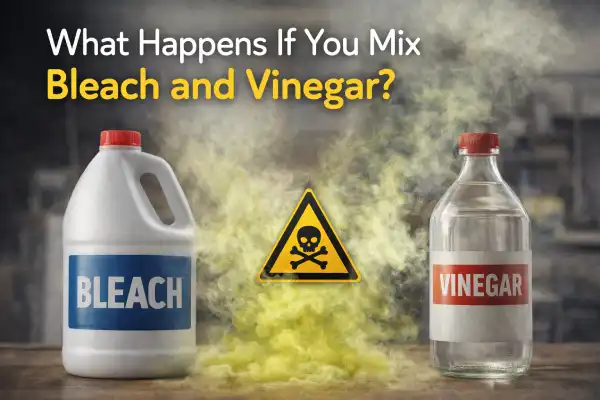
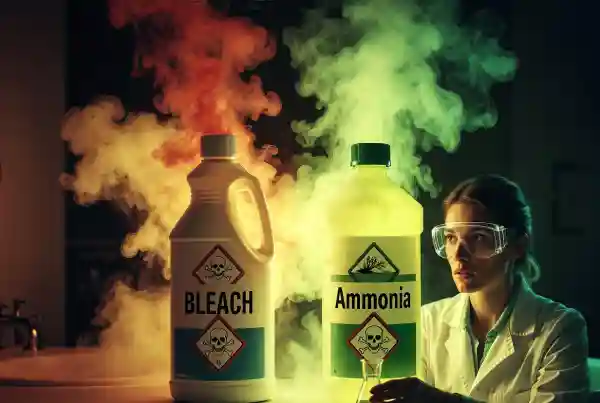
Yes, chemical reactivity is a legitimate concern. Using bleach or highly acidic cleaners can damage the protective chromium oxide layer of the metal, leading to pitting and rust. To maintain equipment longevity, always use a gentle stainless steel cleaner and avoid mixing different cleaning products, which can create dangerous fumes or surface discoloration.
How often should I use an effective stainless steel cleaner in food prep areas?
For high-touch areas, a daily wipe-down with a damp microfiber cloth is sufficient. However, for deep cleaning and to maintain the metal’s integrity, using an effective stainless steel cleaner once a week is recommended. This frequency prevents the buildup of organic matter that can harbor bacteria without overexposing the environment to unnecessary chemical residues.