Did you know indoor air is often five times dirtier than outside air? Many people use household products to keep their homes smelling fresh. But, they rarely think about what’s in these products. As a pharmacist, I check safety data to help families understand what they’re breathing in every day.
My job involves looking at how different chemicals affect our lungs. When you spray a fabric refresher spray, you release chemicals into your home. It’s important to know if these chemicals are toxic when you breathe them in for a long time.
This article looks into the science behind these cleaners. I want to give you clear, science-backed advice. This way, you can make smart choices about your home’s air.
Key Takeaways
- Indoor air quality is often worse than outdoor air because of chemicals in our homes.
- Pharmacists study product safety to find health risks for families.
- Particles from cleaners can stay in the air after you spray them.
- It’s crucial to rely on science to check if household items are safe.
- Making smart choices can make your home air healthier and safer.
Understanding the Chemical Composition of Fabric Refreshers
Many people think fabric refreshers are just water, but they’re actually complex mixes. They’re made to get rid of smells and leave a lasting scent. Knowing what’s in them is key to keeping your home safe.
Common Synthetic Fragrances and Phthalates
The smell of fabric sprays comes from synthetic fragrances, not nature. These fragrances have phthalates to keep the scent on fabrics longer.
Phthalates help the smell last, but some might harm our hormones. Since they’re not always listed, it’s hard to avoid them. Look for products that tell you what’s inside.
The Role of Propellants in Aerosol Sprays
Aerosol sprays need propellants to turn the liquid into a mist. These gases are usually hydrocarbons or compressed gases.
These gases can release VOCs when you spray. Even though it’s a small amount, using it a lot in small rooms can build up. Think about how it’s delivered when you’re choosing a product.
Surfactants and Solvents in Modern Formulas
Modern formulas also have surfactants and solvents for odor removal. Surfactants help the product stick to fibers, and solvents keep everything mixed. They trap or break down odor molecules.
These ingredients are a big part of the chemical mix in sprays. Knowing how they affect your air is crucial for keeping it clean. Here’s a table showing what they do.
| Component Type | Primary Function | Common Concern |
|---|---|---|
| Synthetic Fragrances | Provides long-lasting scent | Potential allergen triggers |
| Phthalates | Stabilizes fragrance molecules | Endocrine disruption risks |
| Propellants | Enables aerosol dispersion | VOC emission during use |
| Surfactants | Neutralizes odor molecules | Potential skin irritation |
Is Fabric Refresher Spray Toxic Breathe Indoors?
Many homeowners wonder if fabric refresher spray is toxic to breathe in living areas. These products are made for safe use at home. But, how and where you use them affects indoor air quality.
It’s key to find a balance between convenience and avoiding harmful chemicals. This balance helps keep your home healthy.
Analyzing Indoor Air Quality Standards
The Environmental Protection Agency (EPA) sets guidelines for household cleaners. But, these guidelines mainly focus on big-scale exposure, not small, local use. Using fabric refresher spray can increase airborne chemicals in your area.
Most sprays are made to evaporate fast, assuming good air flow. But, in small, closed spaces, the chemical levels can get very high. The size of the room matters a lot when thinking about risks.
Short-Term Exposure vs. Chronic Inhalation
There’s a big difference between occasional and daily use of these sprays. Occasional use is usually safe for healthy adults. But, chronic inhalation in tight spaces can harm air quality over time.
If you use these sprays a lot, chemicals might stay in the air longer. This is when worries about fabric refresher spray toxicity grow. Good air flow is key to avoiding these problems during cleaning.
Regulatory Oversight and Safety Labeling
Labels must list ingredients, but they often don’t give enough detail. Many products hide behind the term “fragrance,” which can be a mix of many chemicals. This makes it hard for people with allergies to know what to avoid.
Because labels aren’t always clear, be careful if you have breathing issues. Look for products with detailed ingredient lists. This way, you can choose safer options for your home.
Potential Health Risks of Inhaling Volatile Organic Compounds
When we spray fabric refreshers, we release harmful chemicals into the air. These chemicals, called volatile organic compounds (VOCs), can affect our health. They evaporate quickly and stay in the air for a long time.
Respiratory Irritation and Asthma Triggers
Inhaling these chemicals can be very harmful. It can cause inflammation in the airways, leading to coughing and wheezing. It can also make it hard to breathe.
People with asthma or chemical sensitivities are at higher risk. Even small amounts of VOCs can make breathing hard at home.
Indoor air quality is often compromised by the very products we use to improve it. Reducing the chemical load in our living spaces is a fundamental step toward protecting long-term respiratory health.
Neurological Effects of Prolonged Exposure
Long-term exposure to solvents in household sprays can harm the nervous system. Users often experience headaches, dizziness, and trouble concentrating. These symptoms can be a sign of chemical exposure.
While these effects are usually temporary, they are a warning. The body can react to these substances even when they smell mild or pleasant.
Allergic Reactions and Skin Sensitization
The chemicals in fabric refreshers can cause skin problems. When these particles settle on fabrics, they can lead to redness, itching, or rashes in sensitive people.
The following table outlines common physiological responses associated with exposure to various indoor chemical triggers:
| Symptom Category | Common Manifestation | Primary Physiological Trigger |
|---|---|---|
| Respiratory | Wheezing and coughing | Airway inflammation |
| Neurological | Headaches and dizziness | Central nervous system stress |
| Dermal | Itching and contact dermatitis | Immune system sensitization |
| Ocular | Watery or burning eyes | Mucous membrane irritation |
Knowing about these risks is key to a healthy home environment. By identifying potential irritants, we can make better choices about the products we use at home.
Vulnerable Populations and Respiratory Sensitivities
Keeping vulnerable family members healthy means checking the products we use every day. Some people can handle common household sprays without problems. But others are more sensitive to chemicals. It’s important to understand these differences to keep our homes safe for everyone.
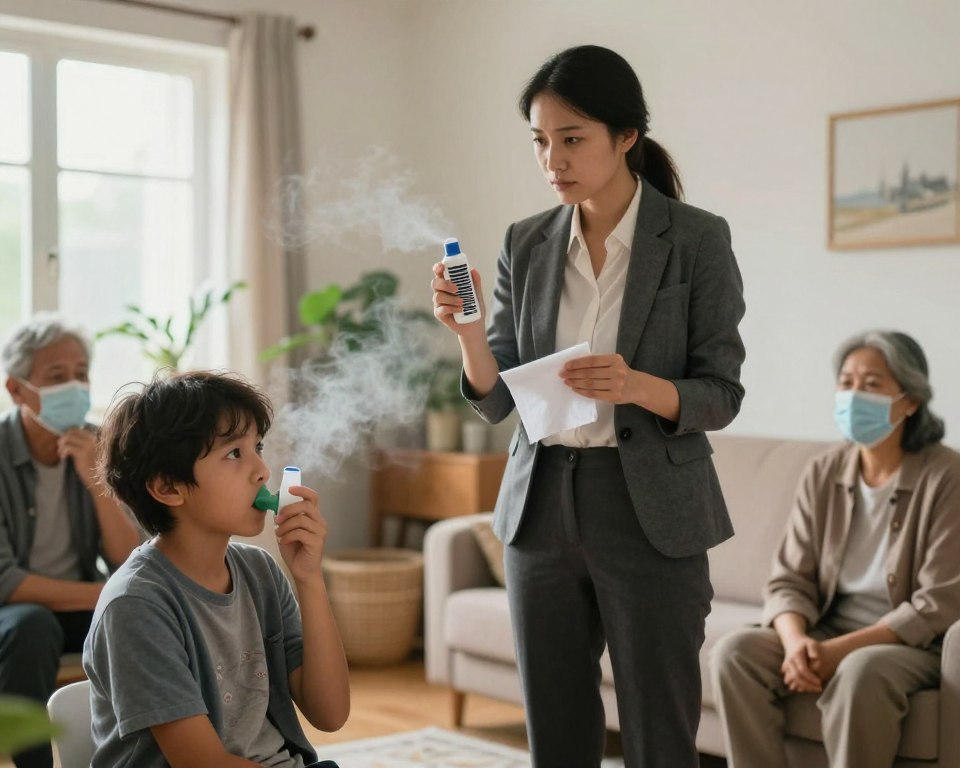
Protecting Infants and Young Children
Infants and young kids are at higher risk from air pollutants because their bodies are still growing. They breathe more air than adults, so even small amounts of chemicals can harm them more.
Parents should choose safe products for nurseries and playrooms. Using non-toxic sprays and avoiding aerosols helps keep kids’ lungs healthy. Since kids spend a lot of time in small spaces, it’s crucial to keep the air clean.
Managing Risks for Elderly Residents
Older adults are more at risk from bad air inside because their bodies can’t handle pollutants as well. They might have heart or lung problems that make it harder to breathe. Chemicals from sprays can make things worse.
Caregivers should watch what cleaning products are used near seniors. Good air flow is key to avoid trapping harmful particles. Cutting down on chemicals at home helps keep seniors healthy.
Considerations for Individuals with Pre-existing Lung Conditions
People with lung problems like asthma or COPD need to be careful about the air they breathe. Studies show that certain pollutants can make breathing harder. Even a little bit of spray can cause trouble for them.
It’s best to stay away from scented sprays in their rooms. Using fragrance-free cleaners or natural products helps a lot. Keeping the air clean is very important for those with lung issues.
| Population Group | Primary Risk Factor | Recommended Action |
|---|---|---|
| Infants | High respiratory rate | Avoid aerosol use in nurseries |
| Elderly | Reduced lung capacity | Ensure maximum ventilation |
| Asthma Patients | Airway inflammation | Use fragrance-free alternatives |
Veterinary Insights on Household Air Quality and Pets
Keeping your home smelling fresh is important. But, it’s crucial to think about how this affects your pets. Pets often get in touch with chemicals in fabrics and carpets first. Knowing this helps make a safer home for dogs and cats.
Why Pets Are More Susceptible to Airborne Toxins
Pets are more at risk from household chemicals because of their size and how they process things. Synthetic fragrances in sprays can be more harmful to them. Also, pets breathe in more of the chemicals that settle on floors.
When pets groom themselves, they might swallow chemicals from the air. This constant exposure can cause health problems that are hard to see at first.
Signs of Respiratory Distress in Dogs and Cats
Watch for small changes in your pet’s behavior after using cleaning products. Signs of trouble might look like allergies or tiredness. Watching your pet closely helps spot problems early.
Look out for these signs:
- Persistent sneezing or nasal discharge.
- Frequent coughing or wheezing after a room has been sprayed.
- Unusual lethargy or a sudden lack of interest in play.
- Watery or irritated eyes.
Safe Practices for Pet Owners Using Fabric Sprays
You don’t have to give up fabric sprays, but use them safely. Make sure the area is well-ventilated before letting pets back in. It’s best to keep pets away until the spray dries and the air clears.
Apply products directly to fabrics, not in the air. This reduces what your pet might breathe in. If your pet seems uncomfortable, stop using that product right away. Taking these steps keeps your home fresh and safe for everyone.
Identifying Common Ingredients to Avoid
It’s important to know what’s in your cleaning supplies to keep your home safe. Many people don’t check the labels and end up using harmful products. Learning to spot bad ingredients on labels is crucial for anyone who cares about their health.
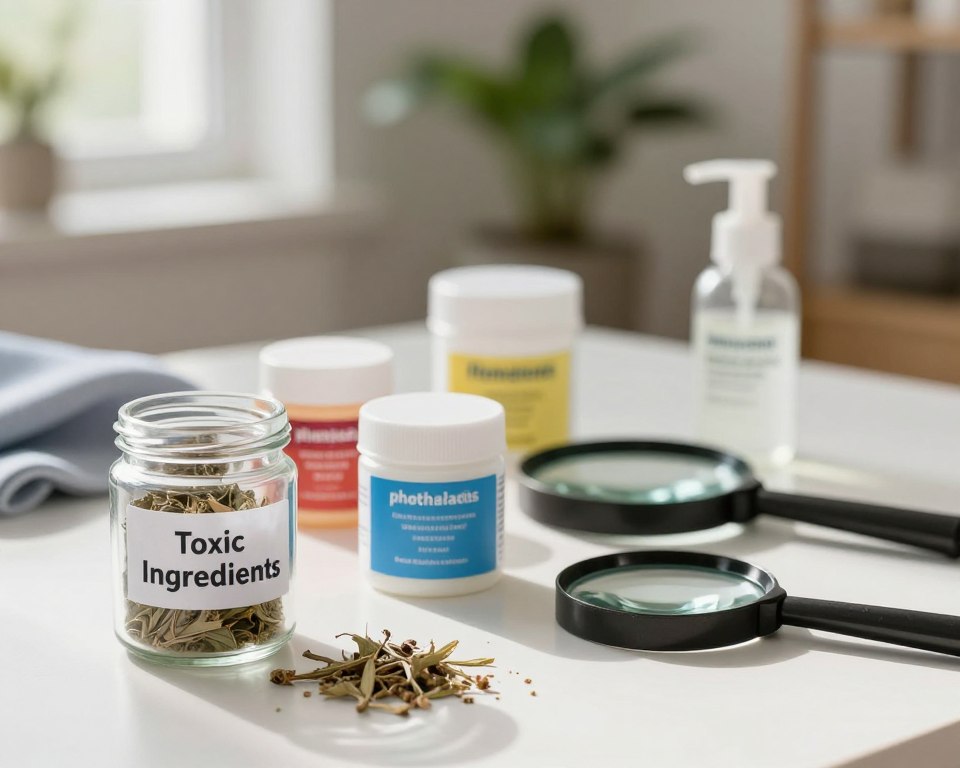
Dangers of Formaldehyde-Releasing Preservatives
Some products use preservatives that release formaldehyde to stop germs. While they keep products fresh longer, they can irritate your lungs. Prolonged exposure can cause serious breathing problems, mainly for those with sensitive airways.
Want to know more about the dangers in your home? Check out the risks of common household air fresheners. It’s safer to choose products without these preservatives to keep your air clean.
The Impact of Synthetic Musks
Synthetic musks give fabric sprays a lasting scent. But, they don’t break down quickly and build up in dust. This means you keep breathing in these chemicals long after you spray.
By using fewer products with synthetic musks, you can reduce the chemicals in your home. Reducing your reliance on these products is a good step towards cleaner air.
Why You Should Avoid Unspecified Fragrance Mixtures
“Fragrance” on a label means a mix of many chemicals, but you don’t know what they are. Companies don’t have to tell you what’s in these mixes. This makes it hard to know if a product is safe.
Ingredient transparency is a sign of a safer product. If a label doesn’t list what’s inside, it’s best to be careful. Choose brands that tell you what’s in their products to avoid hidden dangers.
Benefits of Switching to Non-Toxic Fabric Freshener Alternatives
Many families are now switching to non-toxic fabric freshener to clean their homes better. This change helps make their homes safer for everyone. It also cuts down on harmful chemicals in the air.
Improving Indoor Air Quality for Better Sleep
The air you breathe at night affects your sleep. Many sprays release chemicals that can bother your breathing. Using a non-chemical fabric spray can help keep the air cleaner. This might help you sleep better and longer.
Reducing Chemical Load in Your Living Space
Using regular sprays means adding chemicals to your space. These chemicals stay around long after you spray. Choosing a non-toxic fabric freshener means less chemicals in your home.
Long-Term Health Advantages of Natural Ingredients
Going for natural ingredients in your products is good for your health. It lowers the chance of breathing problems and skin issues. Using a non-chemical fabric spray helps keep your home healthier for years.
How to Properly Ventilate Your Home During Cleaning
Proper ventilation is key to keeping your home free from airborne chemicals. Cleaning products release vapors that can stay in the air for a long time. Active airflow is the best way to fight these risks and keep your home healthy.
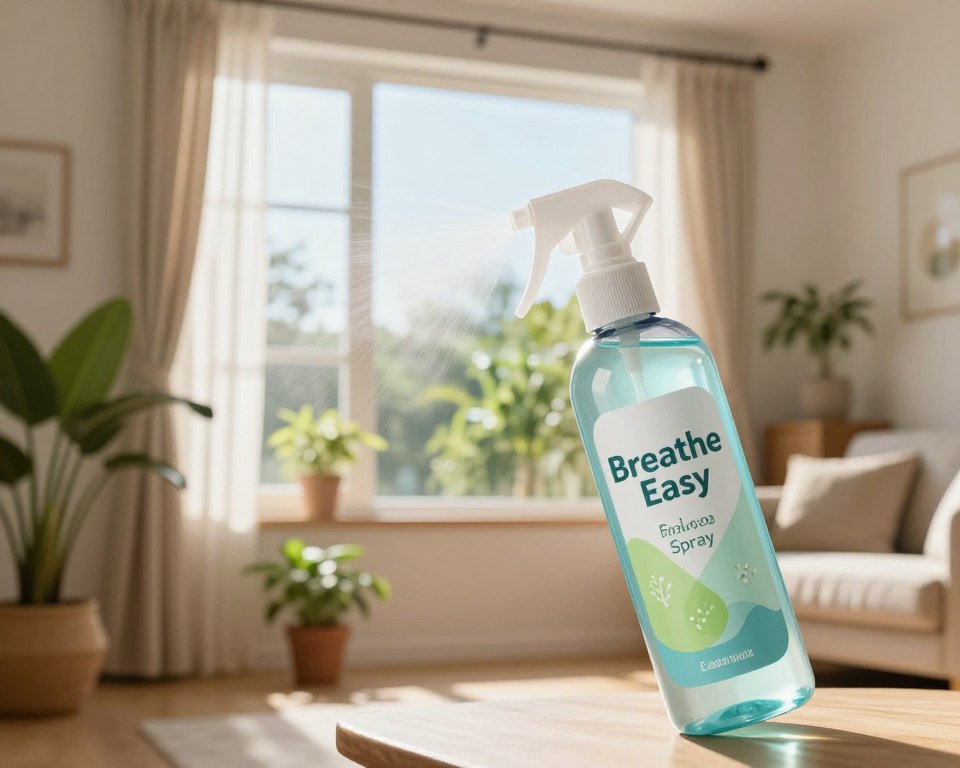
The Importance of Cross-Ventilation
It’s important to let fresh air in and stale air out. Open windows on opposite sides of a room to create a cross-breeze. This method gets rid of vapors faster than opening just one window.
If your home doesn’t allow for natural cross-ventilation, fans can help. Use a fan to push air out of a window, and open another window to let fresh air in. This mechanical assistance keeps chemical levels low.
Using Air Purifiers with HEPA and Carbon Filters
Air purifiers with HEPA and carbon filters offer extra protection. HEPA filters catch particles well, but don’t handle gases. Look for air purifiers with activated carbon filters too.
Activated carbon filters remove volatile organic compounds and smells. Running an air purifier during and after cleaning gets rid of chemical residues. This is a critical step for those with sensitive lungs.
Timing Your Cleaning Routine for Maximum Airflow
When you clean can affect your indoor air quality. Clean when the outdoor air is good and the wind is blowing. Stay away from cleaning on still days or when pollen is high.
Matching your cleaning schedule with good outdoor conditions boosts ventilation. This way, any breathe easy fabric spray or cleaning agent is quickly gone. Regular timing and airflow lead to a cleaner, safer home.
Evaluating Eco-Friendly Air Freshener Certifications
Choosing an eco-friendly air freshener is more than just looking at the packaging. Many products use unclear language that can trick you. It’s better to trust third-party certifications for the safety and environmental impact of your home products.
Understanding Green Seal and EPA Safer Choice Labels
The EPA Safer Choice label is a top standard for household cleaners. It means the product has been thoroughly checked by the Environmental Protection Agency. They make sure it’s safe for humans and the environment.
Green Seal certification looks at a product’s whole life cycle. This includes getting raw materials, making the product, and how it’s disposed of. An eco-conscious fabric refresher with these labels has been checked by experts, not just the maker.
Decoding Ingredient Transparency on Product Packaging
Real transparency means more than just a list of ingredients. Good brands tell you everything about their ingredients, including fragrance chemicals.
If a label says “fragrance” without details, it might hide harmful chemicals. An eco-conscious fabric refresher should list all ingredients clearly. This helps you avoid harmful substances. Look for brands that share full ingredient lists on their websites.
The Difference Between Natural and Organic Claims
It’s key to know the difference between real certifications and marketing tricks. “Natural” is often used loosely and doesn’t mean much in cleaning.
A product might use plant-based ingredients but still have synthetic additives or harmful propellants. Always choose products with verifiable third-party certifications over those with “natural” or “organic” labels. This choice helps keep your indoor air clean.
DIY Natural Fabric Odor Eliminator Recipes
Making a natural fabric odor eliminator at home is a smart way to keep your space smelling good. You avoid harmful chemicals found in many products. These easy methods help get rid of bad smells for good.
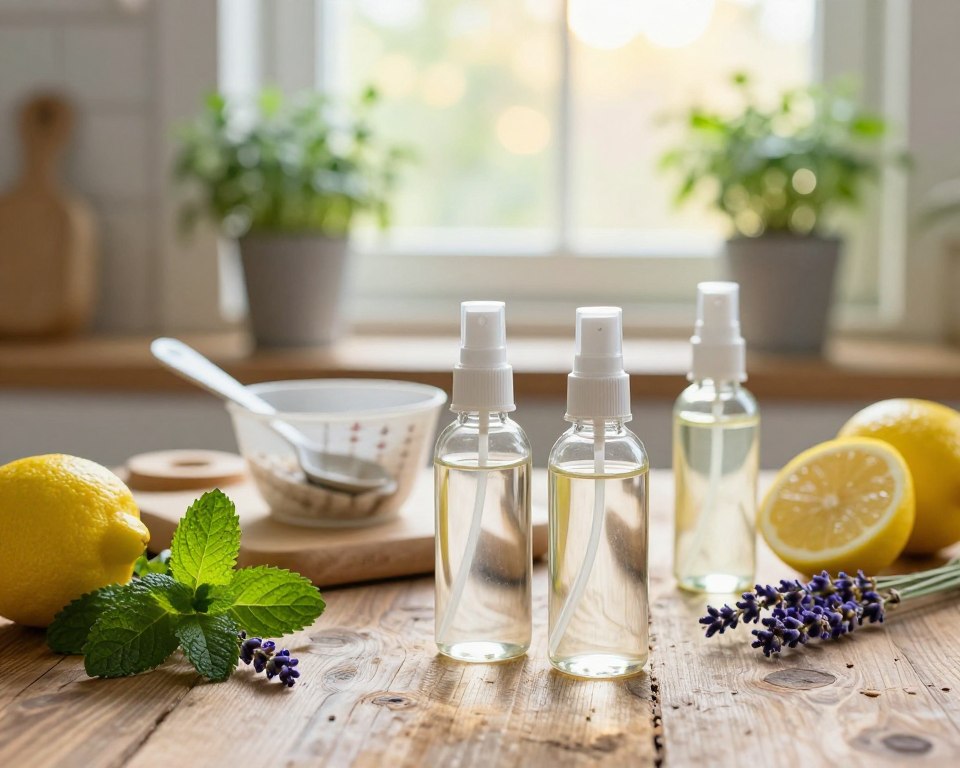
Using Distilled Water and Essential Oils Safely
When making a fresh air spray for fabrics, the water you use is key. Always pick distilled water to stop mineral buildup and bacteria. This keeps your spray bottle safe for use on furniture and curtains.
Essential oils add a nice smell, but use them carefully. Mix them well with water to avoid skin or breathing problems. Start with 10 to 15 drops of oil per cup of water. Shake the mix well before each use.
The Power of Baking Soda and Vinegar Solutions
Baking soda and vinegar are great for fighting bad smells. Vinegar breaks down odor-causing molecules, while baking soda absorbs smells. This combo is perfect for fabrics that can’t be washed easily, like big drapes or rugs.
The best way to keep air fresh is to get rid of the smell source, not just cover it up with strong fragrances.
Creating Sustainable Fabric Deodorizer Sprays at Home
Using a sustainable fabric deodorizer is good for your wallet and the planet. Reusing glass bottles and using common ingredients cuts down on chemicals. These homemade sprays are a better choice than store-bought ones.
| Ingredient | Primary Function | Safety Note |
|---|---|---|
| Distilled Water | Solvent base | Prevents contamination |
| White Vinegar | Neutralizes odors | Use in well-ventilated areas |
| Baking Soda | Absorbs moisture/smells | Avoid on dark fabrics |
| Essential Oils | Natural fragrance | Dilute to avoid irritation |
Using these natural solutions regularly keeps your home smelling fresh. Always test a small area first to make sure the fabric won’t change color. With these steps, you can keep your home clean and safe for your family and pets.
Best Practices for Safe Fabric Deodorizer Usage
Getting the most out of a safe fabric deodorizer is more than picking the right one. How you use it matters a lot. Even with safer ingredients, how you apply it affects your safety.
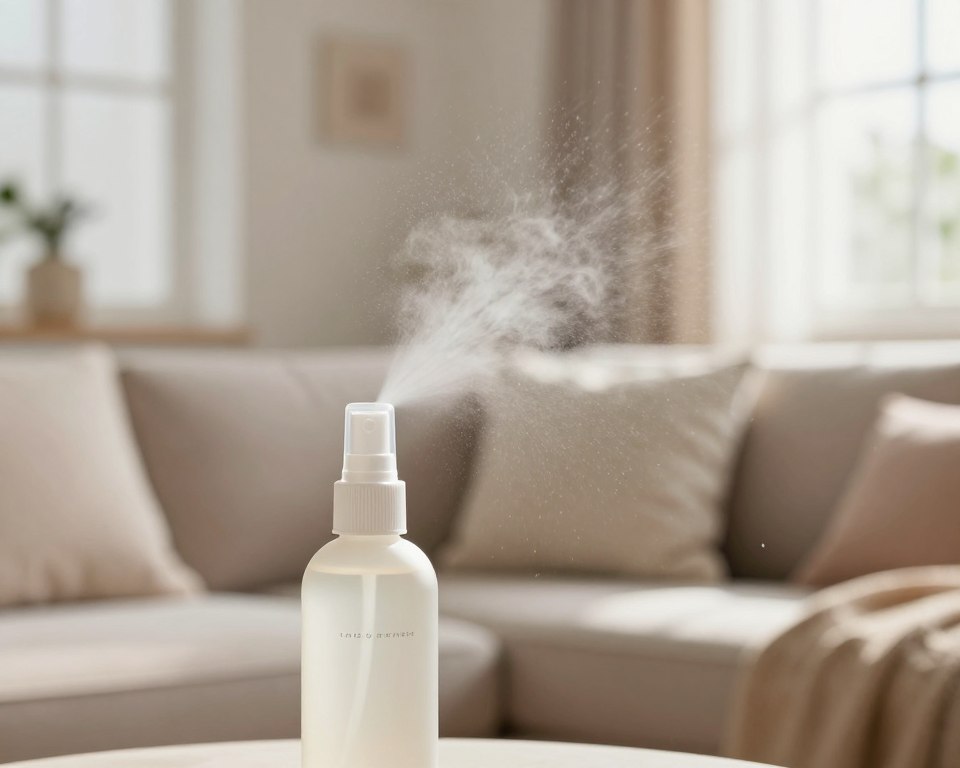
Applying Sprays Directly to Fabrics Instead of Air
Changing how you use the product is key to avoiding chemicals. Always spray it right on the fabric, not into the air.
This method stops the product from spreading into the air. By keeping it on the fabric, you reduce what you breathe in.
Limiting Frequency of Use in Enclosed Spaces
Small, closed rooms can quickly fill with harmful chemicals. Using it less in these places helps keep the air clean.
Open windows or use a fan when treating fabrics. This keeps your home free from bad smells and chemicals.
Storing Products Away from Heat and Sunlight
Storing your safe fabric deodorizer right is crucial. Keep it in a cool, dark spot, like a closet.
Heat and sunlight can damage the product. This can change its makeup, making it less effective or even harmful.
Image Disclosure and Educational Context
We value transparency in our editorial process, including the images we use. We believe that clear communication is not just about text. It’s also about the images that help explain complex safety ideas.
Understanding the Use of AI-Generated Visuals
Some images in this article are AI-generated. They help show important veterinary concepts, like arthritis management and medication safety. These images are educational tools to make hard-to-understand information easier to grasp.
Remember, these illustrations are for educational purposes only. They should not replace professional veterinary care or a clinical diagnosis. If you’re worried about your pet’s health or household safety, always talk to a qualified expert.
Commitment to Accurate Veterinary and Safety Information
Our main goal is to give you scientifically accurate, pharmacist-verified information. We use modern tech to improve our content, but our commitment to truth remains strong.
These images are not medical or veterinary advice. We suggest using this info as a foundational guide for making smart choices. Your active approach to safety is key to a healthy home for your family.
Conclusion
Keeping your home smelling fresh doesn’t mean you have to risk your health. You can manage smells and keep your family and pets safe from harmful chemicals.
Begin by checking the products under your sink. Look for brands like Seventh Generation or Mrs. Meyer’s Clean Day. They often have clearer ingredient lists than regular aerosol sprays. Reading labels helps spot potential irritants before they reach your home.
Small changes can make a big difference in your health. Always make sure to ventilate your home by opening windows. If you must use sprays, spray them on fabrics, not the air. This cuts down on the harmful chemicals you breathe in while cleaning.
Choosing wisely is key to a healthy home. Making small changes every day can greatly improve your indoor air. Teach these safe practices to your family to make your home a cleaner, safer place for everyone.
FAQ
Is fabric refresher spray toxic to breathe indoors during regular use?
Most products are safe for occasional use. But, the risk of breathing in toxins depends on how much you use and if there’s good air flow. As a pharmacist, I say that breathing in chemicals in small spaces can irritate your lungs. Always make sure there’s plenty of air and don’t overdo it with the spray.
How can I identify a truly non-toxic fabric freshener?
Look for products with EPA Safer Choice or Green Seal certifications. A good, eco-friendly spray will list all its ingredients. This way, you avoid hidden chemicals like phthalates and synthetic musks that can harm your health.
Are there specific health risks for children and the elderly when using these sprays?
Yes, kids and older people are more at risk. Babies breathe more air than their body size, so they’re more exposed to toxins. Older folks with lung or heart problems might also react more strongly. It’s best to use natural sprays to avoid asthma or allergies.
Is it safe to use a fabric deodorizer in a home with pets?
Pets are more likely to get sick from chemicals in the air because of their small lungs and close living space. Use a safe spray on the fabric, not in the air. Watch for signs of sickness in your pets and make sure the fabric is dry before letting them back in.
What ingredients should I avoid when shopping for an eco-friendly air freshener?
Stay away from products with formaldehyde, phthalates, and 1,4-dichlorobenzene. These can cause lung problems and harm your health over time. Choose a spray that uses natural ingredients to get rid of smells without releasing harmful vapors.
Can I create my own fresh air spray for fabrics at home?
Yes, you can make a natural spray using water and baking soda or vinegar. If you want a nice smell, use essential oils that are safe for skin. This homemade spray is cheap and doesn’t have harmful chemicals.
What are the best practices for using a safe fabric deodorizer effectively?
Spray the fabric in a room with good air flow. Open windows on opposite sides of your house for better ventilation. If you’re very sensitive, an air purifier can help remove any remaining chemicals from the air.