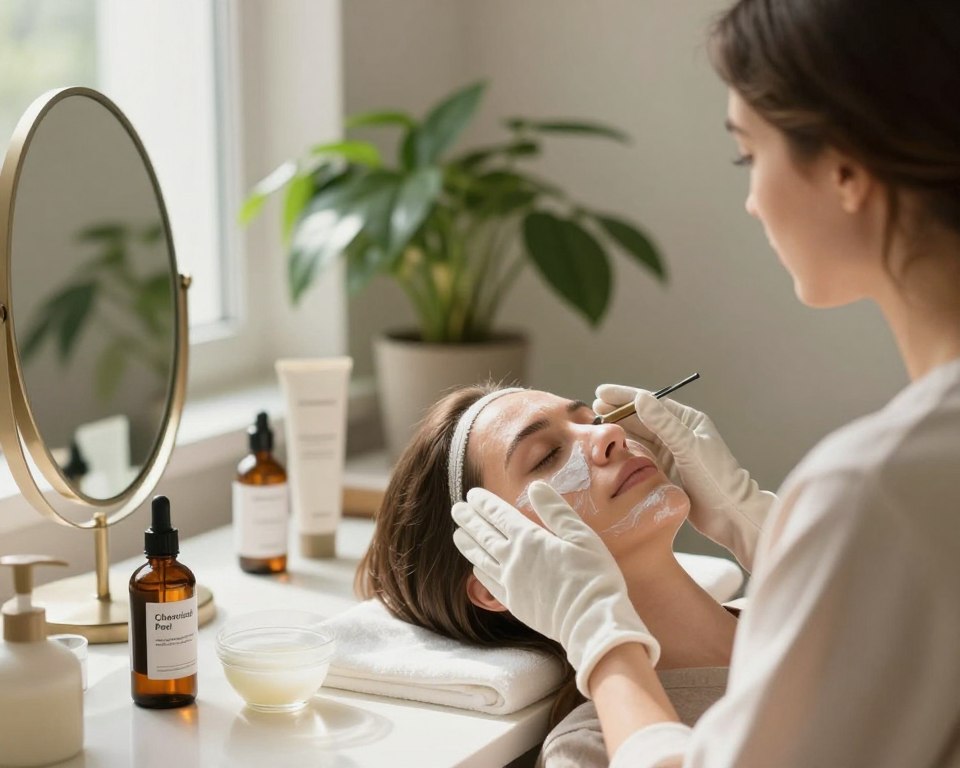
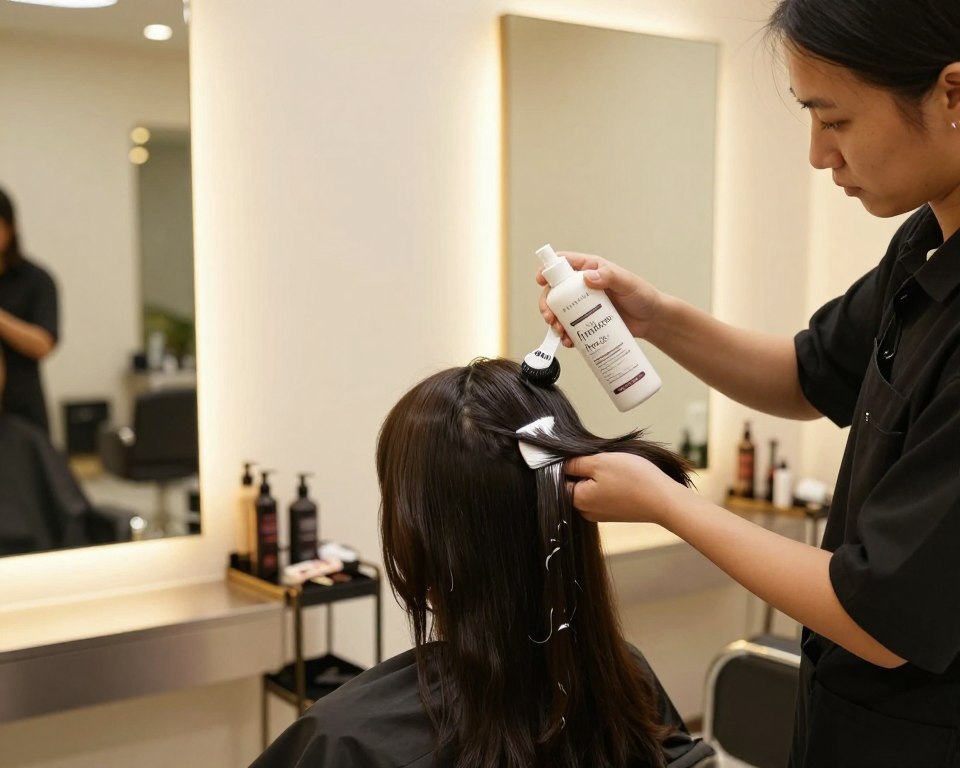
Did you know that nearly 20% of personal care products contain ingredients to prevent microbial growth? These substances help keep products fresh but also pose hidden risks.
Salon workers often use smoothing services that expose them to a harmful gas. This gas is a Group 1 carcinogen, according to the World Health Organization. Knowing the chemical makeup of these formaldehyde-releasing preservative cosmetics is key to a safe work environment.
As a pharmacist, I focus on evidence-based information to help you understand these risks. We need to find out if there’s a keratin treatment formaldehyde safe method. Or if we need better safety measures in the industry.
Key Takeaways
- Formaldehyde is a known human carcinogen that requires strict handling protocols in professional settings.
- Many smoothing products rely on chemical releasers that pose cumulative exposure risks to stylists.
- Occupational health depends on proper ventilation, personal protective equipment, and ingredient transparency.
- Regulatory gaps in the United States often place the burden of safety awareness on the salon worker.
- Prioritizing evidence-based alternatives is the most effective way to mitigate long-term health concerns.
The Reality of Formaldehyde Exposure in Professional Salon Settings
Formaldehyde is a silent threat in many hair salons. It’s a colorless, strong-smelling gas that the World Health Organization calls a Group 1 carcinogen. For salon workers, it’s a constant, invisible presence during their workday.
Exposure is highest when applying and heat-sealing keratin treatments. High heat releases volatile organic compounds into the air. Without good airflow, these gases stay, making the environment dangerous for stylists and clients.
Many professionals don’t realize the cumulative impact of daily exposure. A single treatment might seem okay, but long-term exposure is risky. It’s a myth that occasional exposure is safe. In reality, occupational health demands caution.
Salon air quality is often ignored in busy salons. Standard ventilation isn’t enough to remove chemicals from the air. To keep workers safe, salons need strict environmental controls for keratin treatments.
Is Keratin Treatment Formaldehyde Safe for Salon Workers?
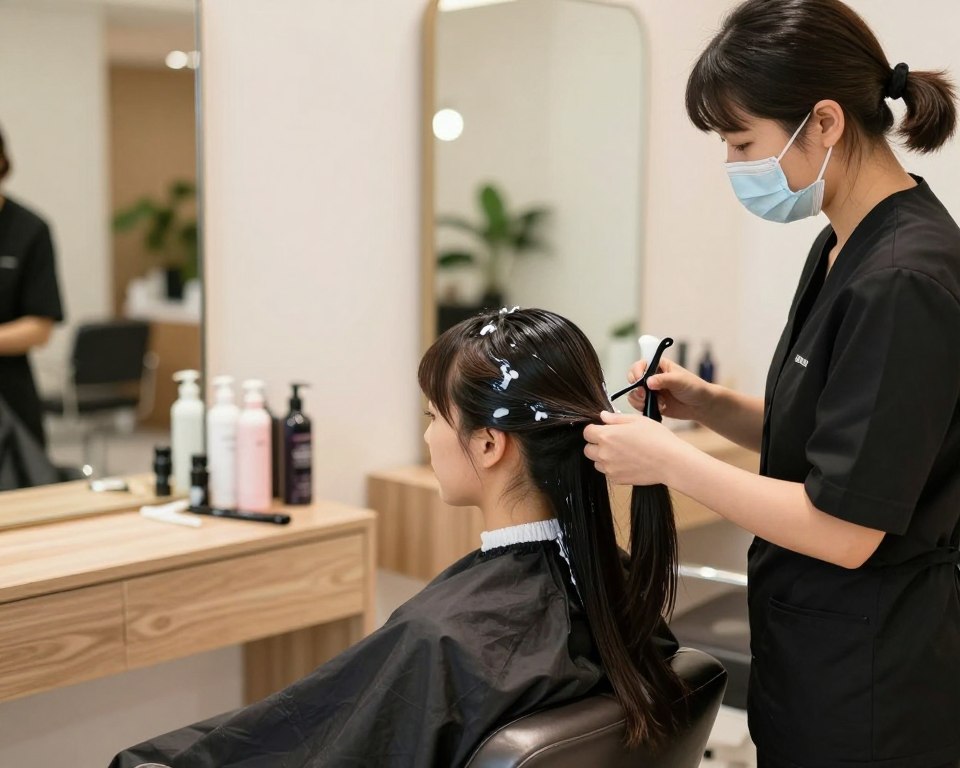
The question of whether a keratin treatment formaldehyde safe label is accurate is a big worry for salon workers today. Many products on the market use tricky marketing terms to hide harmful chemicals. These labels make workers think they’re using safe products, but the truth is different.
Many smoothing treatments have formaldehyde or agents that release formaldehyde. These chemicals stay hidden until a flat iron heats them up. When heated, they turn into vapors that can fill the air, making it unsafe for those nearby.
No amount of exposure to a known carcinogen is safe at work. The FDA has decided to ban hair smoothing products with formaldehyde by 2024. This change shows how important it is for salons to check the real chemicals in their products, not just the labels.
The table below shows the gap between what products claim and what they actually contain.
| Marketing Claim | Chemical Reality | Safety Status |
|---|---|---|
| “Formaldehyde-Free” | Contains methylene glycol or glyoxylic acid | Potentially hazardous when heated |
| “Natural Smoothing” | Uses formaldehyde-releasing preservatives | Risk of respiratory irritation |
| “Salon Grade Safe” | High concentration of volatile compounds | Requires professional ventilation |
To make a keratin treatment formaldehyde safe place, we need honesty and careful checking of products. Salon owners should choose products that don’t use harmful chemicals. Sticking to science over marketing is the best way to keep workers safe.
Understanding the Chemical Composition of Traditional Smoothing Treatments
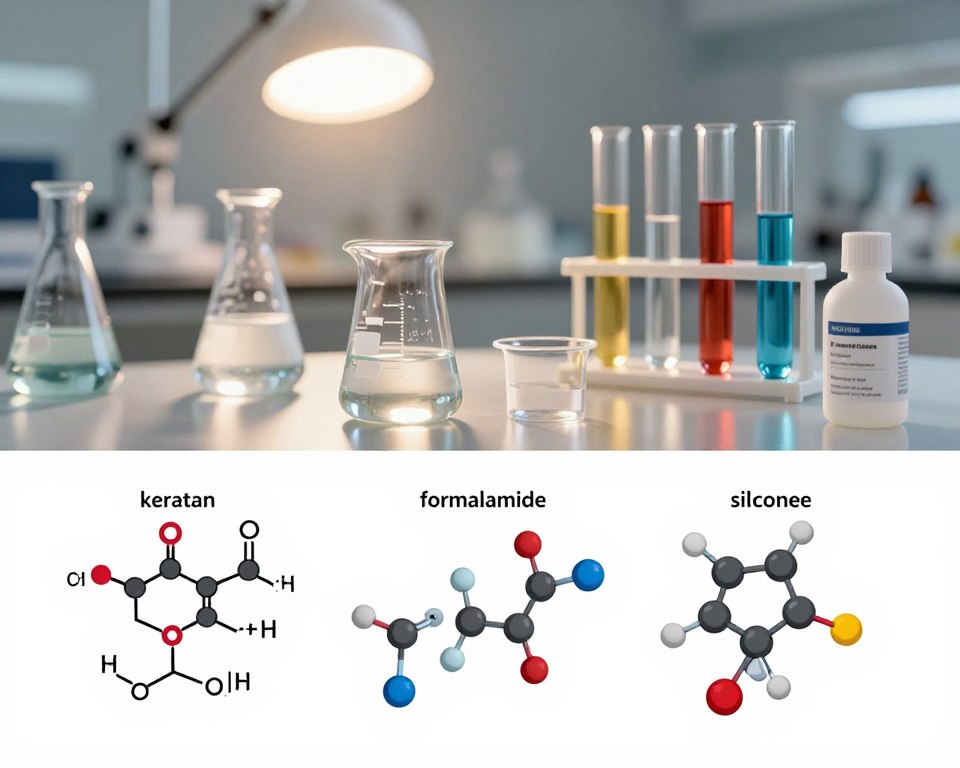
Knowing the chemistry of hair smoothing is key for a safe salon. These treatments use a chemical reaction to bind keratin to the hair shaft. This creates a durable, sleek finish, but involves volatile substances that need careful handling.
Methylene glycol is a main part of these formulas. When heated, it turns into formaldehyde gas. This change is important for salon workers to watch, as breathing in these vapors can cause health issues.
Salon staff should always check Safety Data Sheets (SDS) for hidden dangers. Manufacturers might use different names for formaldehyde, making it hard to spot risks without knowledge. Knowing these names helps reduce exposure at work.
“The safety of a salon environment depends on the transparency of product labeling and the professional’s ability to interpret complex chemical data before application.”
The table below shows common parts of traditional smoothing systems and what they do during treatment:
| Chemical Component | Primary Function | Safety Consideration |
|---|---|---|
| Methylene Glycol | Formaldehyde donor | Releases gas when heated |
| Keratin Protein | Structural reinforcement | Generally inert and safe |
| Glyoxylic Acid | Alternative bonding agent | Lower volatility than formaldehyde |
| Cyclopentasiloxane | Smoothing and shine | Common silicone carrier |
Understanding these processes helps professionals make informed decisions about their products. Regular education on chemical makeup keeps stylists and clients safe. Always check the ingredients list to meet modern safety standards.
Health Risks Associated with Chronic Formaldehyde Inhalation
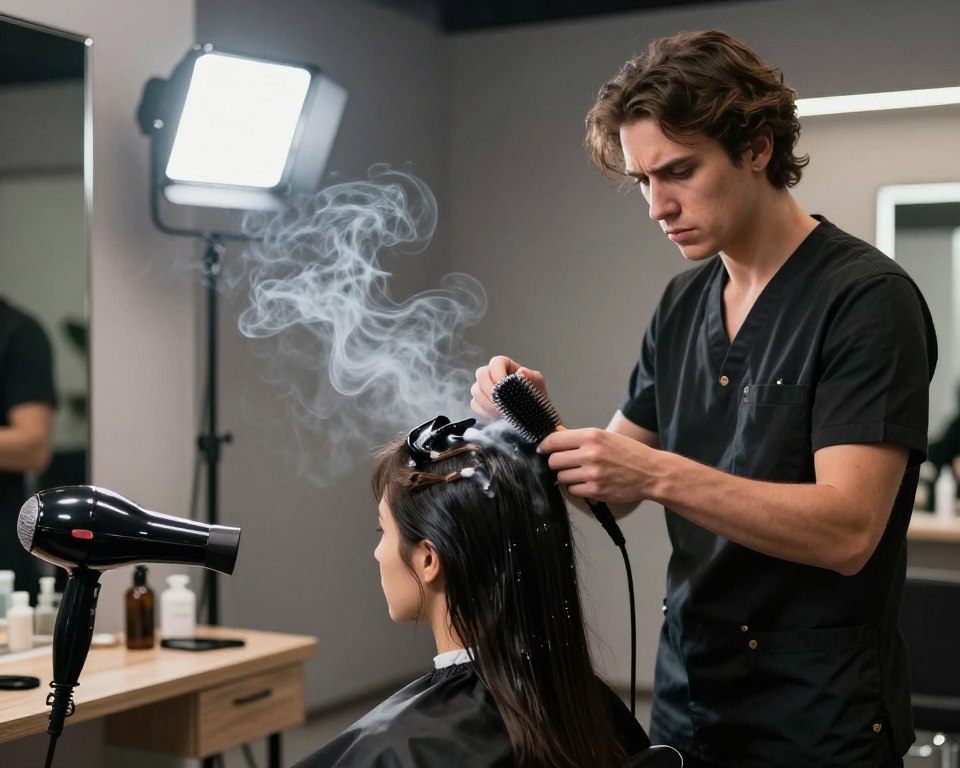
It’s crucial for salon pros to know how long-term formaldehyde inhalation affects the body. When levels hit 0.1 ppm, the body quickly reacts. These signs are key to spotting potential harm to your respiratory health.
Common symptoms include watery eyes, coughing, and wheezing. These aren’t just minor issues. They’re your body’s warning that you’re breathing in harmful stuff. Ignoring these signs can lead to serious health problems later on.
Long-term exposure to formaldehyde can cause serious lung damage. It can also raise the chance of getting chronic breathing problems. Studies also show a link between long-term exposure and certain cancers.
As a pro, seeing these symptoms as early warning signs is key. Keeping your salon safe means watching air quality closely. It’s essential for your health in the beauty world.
Regulatory Standards and OSHA Guidelines for Salon Ventilation
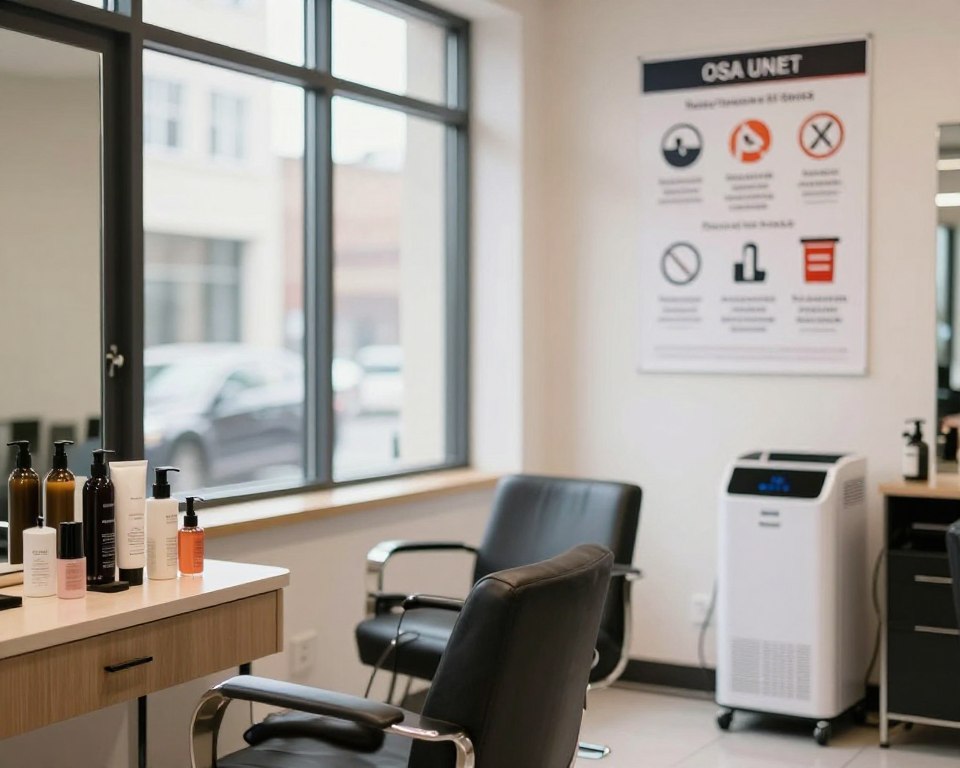
The Occupational Safety and Health Administration (OSHA) sets clear rules for air quality in beauty salons. The OSHA standard 29 CFR 1910.1048 limits formaldehyde in the air to keep workers safe. Following these rules is a must for any business in the U.S.
Good salon ventilation stops harmful chemical vapors from building up. Employers must make sure their places have systems that remove fumes from staff and clients’ air. If these systems fail, chemicals can reach dangerous levels, harming health.
“The employer is responsible for providing a workplace free from recognized hazards that are causing or are likely to cause death or serious physical harm to employees.”
Workplace safety also depends on training staff. Everyone who uses smoothing products needs to know about chemical risks and how to use safety gear. Not teaching this or ignoring air quality rules breaks the law.
The table below shows what’s needed to keep a safe and compliant work environment.
| Requirement | OSHA Standard Focus | Action Item |
|---|---|---|
| Formaldehyde Limits | 29 CFR 1910.1048 | Monitor air quality levels |
| Ventilation Systems | Engineering Controls | Ensure high-volume exhaust |
| Staff Training | Hazard Communication | Conduct safety workshops |
| Workplace Safety | Compliance Audits | Review protocols annually |
Salon owners should check their safety steps often. By focusing on these key safety rules, businesses keep their workers safe. They also stay true to their values and follow the law.
Evaluating the Rise of Formaldehyde-Free Hair Straightening Treatments
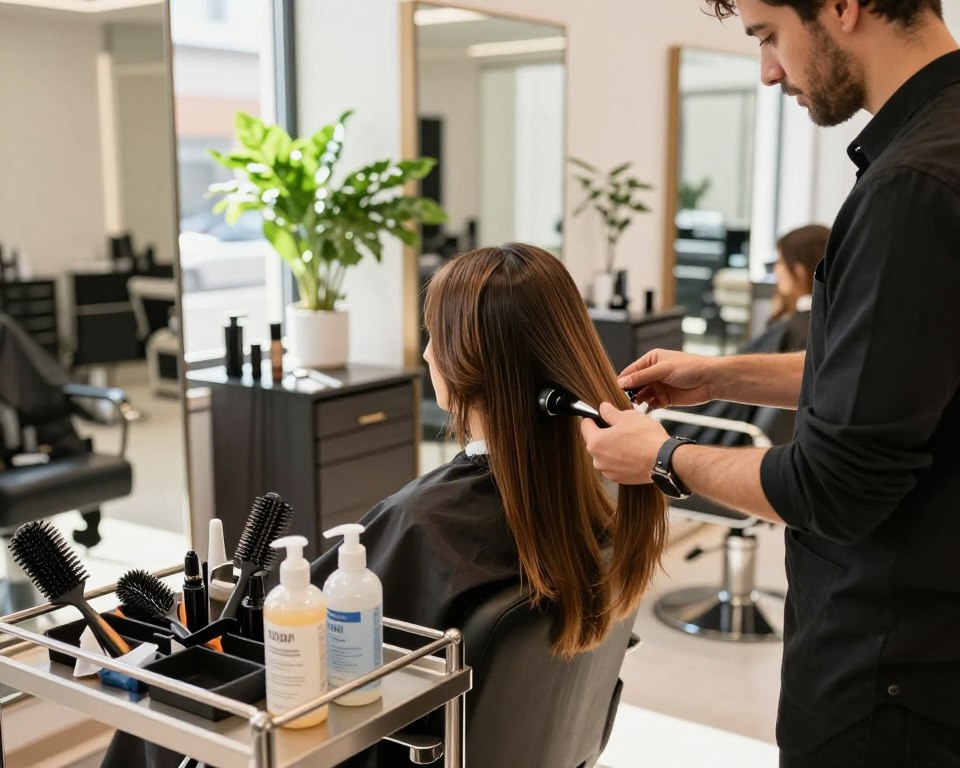
Looking for hair smoothing products means you need to check what’s inside. Many brands say they’re formaldehyde-free, but it’s not always true. They might not list the chemical name, but still have agents that are harmful.
Stylists and customers should look for a safe keratin smoothing treatment beyond what’s on the label. Just looking at the front of a bottle isn’t enough to know it’s safe. You need to check the whole list of ingredients to find out if it’s safe.
When searching for a safe keratin treatment, watch out for formaldehyde donors. These chemicals turn toxic when heated, making the air in salons unhealthy. It’s hard to find out what’s really in beauty products.
To find a formaldehyde free hair straightening treatment, look for products with glyoxylic acid or other safe alternatives. These work differently and don’t use harmful chemicals. Always check the safety data sheets from the maker before using a new product in your salon.
Keeping everyone safe is up to making smart choices. Choosing products that don’t use toxic chemicals helps make salons healthier. Education and vigilance are key to keeping high standards in hair care today.
Comparing Professional Keratin Treatment Without Formaldehyde to Traditional Methods
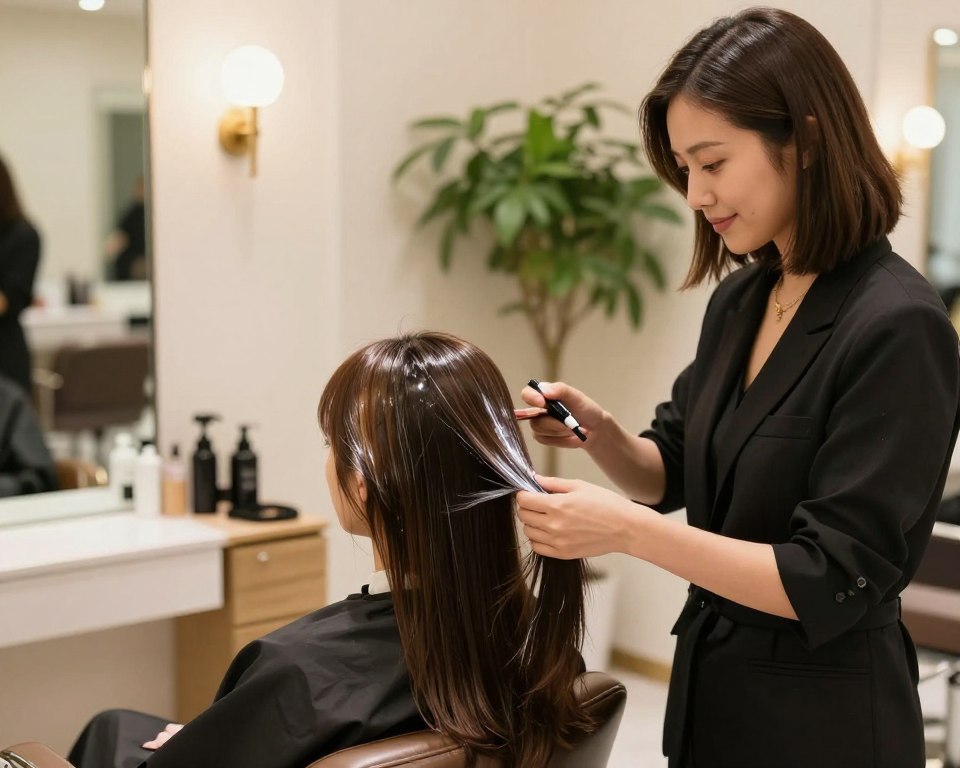
The move to professional keratin treatment without formaldehyde marks a big step forward in salon safety. For a long time, salons used harsh chemicals to get hair to look sleek and stay straight. But these methods were tough on the lungs of salon workers.
Switching to a safe keratin treatment means changing how we think about hair care. Old methods used quick chemical reactions to smooth hair fast. New methods use glyoxylic acid or plant proteins, which need careful application and take longer to work.
Choosing a keratin treatment for straightening without formaldehyde means giving up speed for safety. As a stylist, I focus on keeping workers healthy over getting hair straightened fast. Keeping the salon air clean is a must today.
“The true measure of a successful salon service is not just the shine of the hair, but the sustained health of the professional performing the work.”
Here’s a table showing the main differences between old and new hair care methods:
| Feature | Traditional Methods | Modern Alternatives |
|---|---|---|
| Chemical Base | Formaldehyde/Methylene Glycol | Glyoxylic Acid/Amino Acids |
| Application Time | Fast/Aggressive | Requires More Precision |
| Safety Profile | High Respiratory Risk | Low Toxicity/Safe |
| Result Longevity | Very High | Moderate to High |
Choosing safer products is a smart move for a long career. With a professional keratin treatment without formaldehyde, stylists can keep hair looking great. They also create a healthier work environment for everyone.
Identifying Effective Keratin Treatment Formaldehyde Alternatives
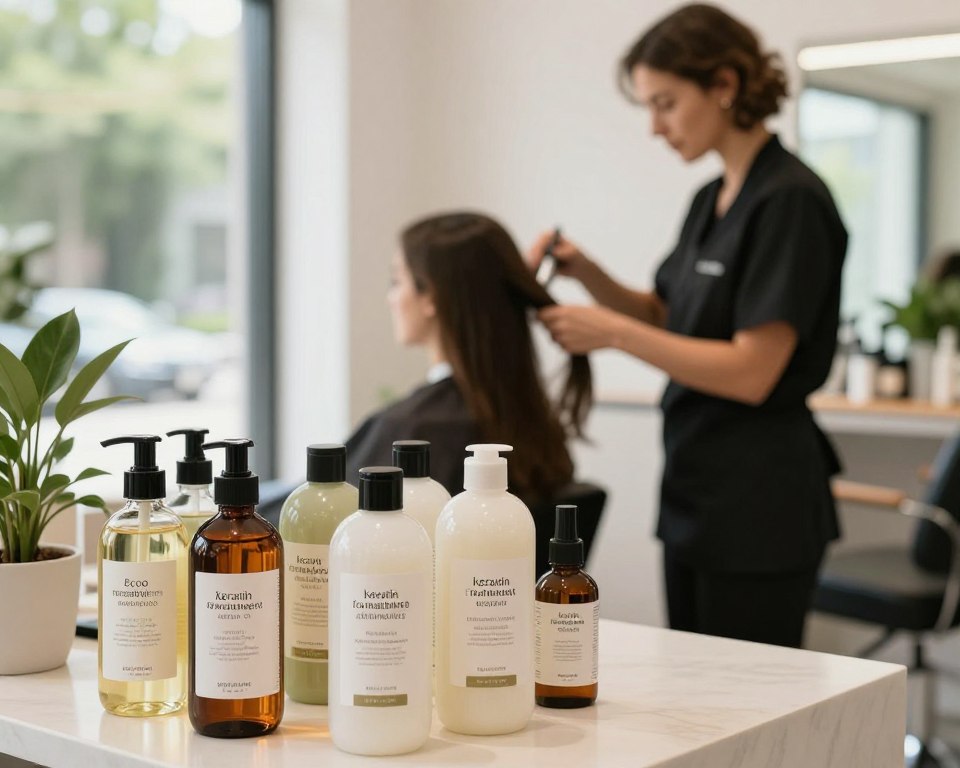
Stylists looking for the best formaldehyde free keratin treatment need to focus on clear ingredients and safety. Today’s hair treatments use plant proteins and amino acids to smooth hair. They strengthen hair without the harmful gas release of old methods.
When checking out new products, stylists should avoid methylene glycol and formaldehyde agents. A top formaldehyde safe keratin treatment uses glyoxylic acid or special polymers. These ingredients smooth hair without harming the air or stylists’ health.
“Safety in the salon is not merely about compliance; it is about choosing products that respect the long-term health of both the stylist and the client through rigorous ingredient vetting.”
To meet top standards, stylists should ask for full ingredient lists and safety tests. Choosing keratin treatment formaldehyde alternatives means being proactive in picking products. The table below shows the main differences between old and new treatments to help you decide.
| Feature | Traditional Treatments | Modern Alternatives |
|---|---|---|
| Active Agent | Formaldehyde/Methylene Glycol | Amino Acids/Plant Proteins |
| Heat Reaction | Releases toxic gas | Stable/Non-gassing |
| Safety Profile | High respiratory risk | Low toxicity/Safe |
| Smoothing Mechanism | Hardens hair cuticle | Bonds and repairs cuticle |
Switching to these safe, non-toxic options helps salons keep quality high and the environment safer. Make sure the maker clearly states what’s in their products. This shows they care about safety and excellence in the beauty world.
Best Practices for Maintaining a Safe Salon Environment
A safe salon keratin treatment environment needs the right products and team habits. Choosing low-toxicity formulas is key, but it’s just the start. Owners must follow strict safety rules to keep everyone safe.
Managing chemicals well is crucial for a safe workspace. Keep all substances in their original, labeled containers. This helps prevent mistakes and keeps everyone safe. For more on chemical safety, visit safeortoxic.com.
Ongoing education is vital for a safe workplace. Make sure everyone knows how to handle emergencies. A well-trained team can keep the salon safe every day.
Checking the air quality is also important. Even the best systems need regular checks. Here are steps to keep your salon safe:
- Regularly inspect your HVAC and ventilation systems.
- Have a clear safety policy that everyone reviews each year.
- Keep a log of all chemicals used in the salon.
Creating a safe culture protects your team from health risks. By following these best practices, your salon stays a healthy place. A focus on safe salon keratin treatment means a healthier team for years to come.
Educational Limitations and the Role of Visual Aids
When looking into health info, it’s key to know the difference between visual aids and real evidence. Pictures and graphics make hard topics easier to understand. But, they’re meant to guide, not to be the final word. Always check official sites like OSHA guidelines for hair salons for the real rules on safety.
Understanding the Use of AI-Generated Imagery in Hair Education
Today’s learning tools use AI pictures to make learning better. These tools are exceptionally useful for showing off details or chemical steps that are hard to see. They make complex info easier to get at first.
But, it’s key to remember that these pictures can change how things look. They’re made to help learn, not to show every single thing. Visual aids should never be used as a substitute for professional clinical assessment.
Why Clinical Assessment Must Supersede Digital Illustrations
Digital pictures are great for learning, but they can’t replace a doctor’s opinion. Trying to figure out health issues by yourself with pictures can lead to wrong conclusions. Clinical expertise is needed to really understand health problems in real life.
The table below shows the main differences between learning pictures and doctor’s checks. It helps keep things clear when looking at health info.
| Feature | Educational Visual Aids | Clinical Assessment |
|---|---|---|
| Primary Purpose | Orientation and learning | Diagnosis and treatment |
| Accuracy | Illustrative/General | Patient-specific/Precise |
| Reliability | Supportive tool only | Medical standard |
| Actionable Advice | General guidance | Personalized medical plan |
When to Seek Medical Evaluation for Occupational Exposure
Knowing the signs of chemical exposure is key for salon pros. Many hair smoothing products release formaldehyde when heated. It’s important to watch your body’s signs closely.
Recognizing Early Symptoms of Chemical Sensitivity
Early signs of chemical sensitivity can be mild and easy to miss. You might feel eye watering, headaches, or dizziness. These could mean bad air or too much chemical in the air.
Don’t ignore signs like a scratchy throat or trouble breathing. If these happen often with certain products, your body might be reacting badly. Long-term exposure can make you more sensitive, even to small amounts.
Steps to Take When Suspecting an Adverse Product Reaction
If you think a product is harming you, act fast. Write down the product’s ingredients and when your symptoms started. This info is crucial for talking to a doctor.
Your health is more important than using a product that hurts you. If you have bad rashes, breathing problems, or eye issues, see a doctor right away. They can figure out if it’s from occupational exposure and tell you how to fix your work area.
| Symptom Category | Common Indicators | Recommended Action |
|---|---|---|
| Respiratory | Coughing, wheezing, throat irritation | Improve ventilation and consult a doctor |
| Dermal | Redness, itching, persistent rashes | Discontinue use and seek medical advice |
| Neurological | Dizziness, headaches, nausea | Step away from the area and seek fresh air |
| Ocular | Burning, tearing, blurred vision | Flush eyes and seek professional evaluation |
Navigating Client Expectations and Safety Transparency
Professional safety transparency is key to trust between stylists and clients. In the beauty world, professional ethics mean stylists must be clear about hair treatments. They should talk openly about the ingredients used.
This openness makes clients feel valued and safe. It’s important for making informed decisions about health. Knowing what’s in hair products helps clients decide what’s best for them.
Looking into safer keratin alternatives is a big part of this. These options focus on long-term health over quick fixes.
Stylists need to explain safety info in a way everyone can understand. They should use simple terms, not too much technical stuff. If a client is worried, stylists should offer help or point them to a medical disclaimer.
Meeting client expectations with strict safety rules keeps everyone safe. Here’s a table to help with safety talks. It makes sure all important points are covered.
| Communication Topic | Client Goal | Safety Priority |
|---|---|---|
| Ingredient Disclosure | Understand product contents | Identify potential allergens |
| Ventilation Standards | Ensure air quality | Minimize chemical inhalation |
| Treatment Alternatives | Explore safer options | Reduce formaldehyde exposure |
| Post-Care Guidance | Maintain hair health | Prevent adverse reactions |
The Future of Safe Salon Keratin Treatment Technology
Hair care is moving towards safer, eco-friendly options. The FDA is cracking down on harmful chemicals like formaldehyde. This change is crucial for a safe salon keratin treatment that keeps stylists healthy.
New hair treatments bond molecules instead of using harsh chemicals. They use plant proteins and amino acids. This way, hair stays smooth and healthy without toxic risks. Many stylists are looking into formaldehyde-free options to keep their workspaces safe.
This shift is a big step towards a greener beauty industry. Innovation now means focusing on health as much as looks. Here’s a comparison of old methods and the new safe salon keratin treatment technology.
| Feature | Traditional Methods | Future-Focused Technology |
|---|---|---|
| Active Ingredient | Formaldehyde/Methylene Glycol | Bio-based Amino Acids |
| Health Impact | High respiratory risk | Low to zero toxicity |
| Environmental Footprint | High chemical waste | Biodegradable components |
| Regulatory Status | Under strict scrutiny | Compliant and sustainable |
Conclusion
Keeping salon workers safe from formaldehyde is a big job for every boss. It needs constant watching, learning, and a strong focus on safety.
The beauty world needs to move away from harmful smoothing treatments. Choosing safer, formaldehyde-free options lets pros keep quality high without health risks.
Stylists should keep up with new rules from places like OSHA. Pushing for better air and safer products makes salons safer for everyone.
Good service doesn’t mean using dangerous chemicals. New tech gives great looks without harming staff’s health.
Check your products today to meet safety rules. Tell your team about it to build a healthy beauty industry culture.
Is a keratin treatment formaldehyde safe for long-term use in a salon environment?
No level of formaldehyde is safe in work places. It’s a known cancer-causing agent. Even a little can irritate, and daily use can harm stylists’ health. It’s key to use safe keratin treatments to protect workers.
What are the best formaldehyde free keratin treatment options currently available for professionals?
The best options use glyoxylic acid to smooth hair. They don’t release harmful gases. Brands like Cezanne and Goldwell Kerasilk offer safe, effective treatments.
How can I identify a professional keratin treatment without formaldehyde if the label is misleading?
Look beyond labels like “organic” or “natural”. Check the Safety Data Sheet (SDS) for methylene glycol or formalin. These are liquid forms of formaldehyde that turn to gas when heated.
Are there effective keratin treatment formaldehyde alternatives that provide similar straightening results?
Yes, new alternatives are effective and safe. They use amino acids and silk proteins instead of harsh chemicals. These treatments are safer for stylists and clients.
What does OSHA require for a safe salon keratin treatment involving chemical smoothing?
OSHA says salons must keep formaldehyde levels under 0.1 ppm. To meet this, salons need good ventilation, staff training, and protective gear. Without these, they break federal safety rules.
Is a formaldehyde free hair straightening treatment as durable as traditional methods?
A good formaldehyde free treatment lasts two to four months, like many traditional ones. The main difference is how they work. Safer treatments improve hair’s look and feel without harming health.
When should I seek medical evaluation for symptoms related to salon chemical exposure?
See a doctor right away if you have breathing problems, coughing, or “occupational asthma”. Also, if you get skin or eye irritation during treatment, it’s a sign of toxicity. Always report the chemicals used and talk to a doctor about possible sensitization.