Did you know the skin barrier is just 0.1 millimeters thick? It’s your main defense against harmful things outside. Yet, many hair care products can damage it. As a clinician, I see many patients with irritation from harsh surfactants in regular shampoos.
People often switch to a sulfate free shampoo hoping for relief. These shampoos are gentler, but the truth is more complex than ads say. It’s important to know how certain ingredients affect a sensitive scalp for lasting skin health.
This article dives into the science behind these shampoos to see if they really protect you. We’ll look beyond trends to find safe hair care strategies backed by evidence.
Key Takeaways
- The skin barrier is highly susceptible to damage from aggressive cleansing agents.
- Clinical evidence suggests that surfactant choice significantly impacts skin hydration levels.
- Marketing labels do not always correlate with improved dermatological outcomes for all users.
- Individual skin chemistry dictates how different hair products affect your comfort.
- Professional guidance helps navigate the complex landscape of modern hair care ingredients.
The Science of Sulfates and Scalp Health
To grasp scalp sensitivity, we must look at surfactants like sodium lauryl sulfate (SLS) and sodium laureth sulfate (SLES). These are powerful detergents that create a rich lather. They also remove surface debris.
Surfactants lower water’s surface tension. This lets shampoo mix with oil and dirt on the hair shaft. It effectively removes buildup, making hair feel clean and light. But, this can be excessively aggressive for some skin types.
The scalp has a natural lipid barrier to keep moisture in and protect against irritants. Harsh sulfates can disrupt this barrier. They remove essential oils along with unwanted grime.
This often leads to transepidermal water loss. This results in a dry, tight, or itchy scalp. For those with sensitive skin, this chemical interaction is a main cause of discomfort.
Because these detergents are good at breaking down fats, they can’t tell the difference between oils to remove and those needed for skin health. This explains why many people get irritation, even with daily cleansing products.
Evaluating the Sulfate Free Shampoo Sensitive Scalp Connection
A sulfate free shampoo sensitive scalp connection is key for those with chronic irritation. People with sensitive skin often find regular shampoos make things worse. This is because they strip away important oils.
These shampoos use gentler ingredients to clean hair without losing moisture. They help keep the skin’s lipid barrier intact. Keeping this barrier strong is vital to avoid dryness and inflammation.
In dermatology, the sulfate free shampoo sensitive scalp link is clear. Those with sensitive skin see big improvements with these shampoos. They are less likely to cause skin reactions or redness.
These shampoos aim to keep the scalp’s natural barrier intact. Without harsh cleaners, the skin can better control moisture. This is key for those with sensitive scalps.
Choosing a sulfate free shampoo sensitive scalp product is a step towards better skin health. It helps avoid flare-ups and supports the scalp’s natural healing. Studies show these shampoos are better for people with sensitive skin.
Common Irritants Found in Conventional Hair Care

Do you often feel scalp tightness or itching? It might be from your shampoo. Many shampoos use harsh surfactants for a rich lather. But these agents can also take away the oils that protect your skin.
When your scalp loses its natural oils, it becomes open to harm from the environment. This can cause visible redness, chronic dryness, and a tight feeling. Losing these oils can also change the scalp’s balance, leading to more irritation.
Damage from sulfates isn’t just on the scalp. Your hair might also become brittle, dull, and hard to manage after washing. This happens because the same harsh detergents that irritate the skin also damage the hair’s outer layer, causing it to lose moisture and weaken.
It’s key to know when a product is harming your skin. Just like checking if fabric softeners are safe for babies, you should be careful with your hair care. Switching to gentler products can help fix these problems and keep your scalp healthy.
Knowing how these products work helps you make better choices. Choosing gentle, non-stripping ingredients is a smart move for your scalp’s health. By avoiding these common irritants, you can stop the damage cycle that affects sensitive skin.
The Role of pH Balance in Gentle Scalp Care Shampoo
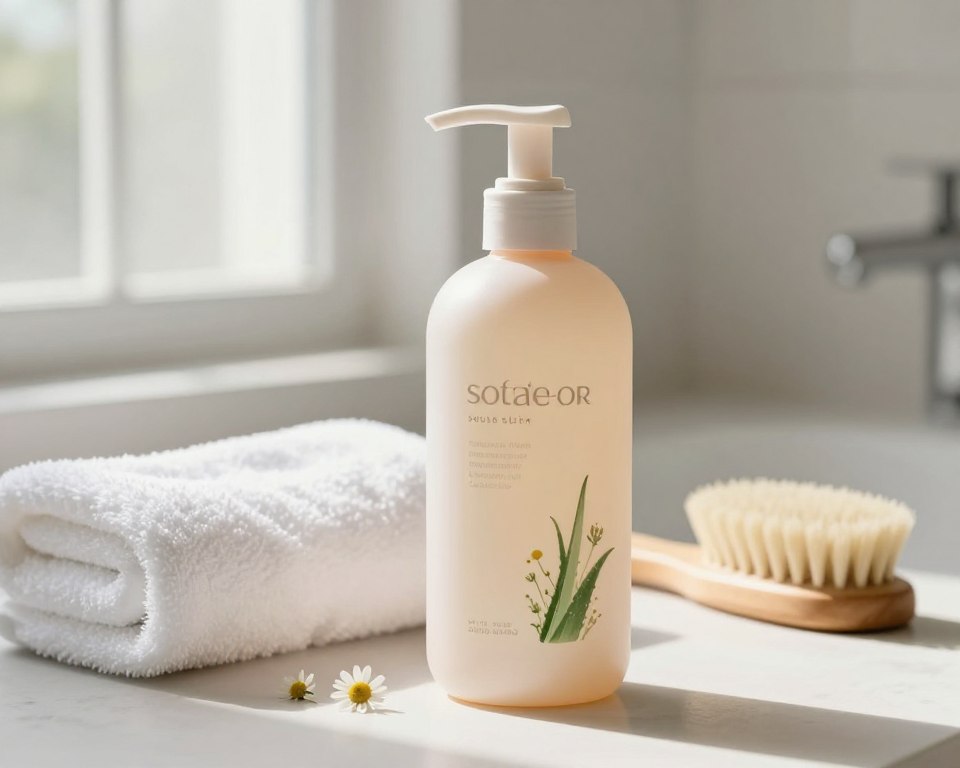
Keeping your scalp’s acid mantle healthy is key for your hair’s long-term well-being. Your scalp naturally has a slightly acidic pH, between 4.5 and 5.5. This acidity acts as a protective barrier against harmful things and germs.
Using products with a high pH can harm your scalp’s natural oils. Many regular cleansers are too alkaline. This can upset your skin’s balance and cause long-term irritation. Choosing a gentle scalp care shampoo helps keep this acidic environment safe.
A balanced scalp is important to prevent dryness and keep it healthy. If the pH is off, your scalp can get dry, itchy, and inflamed. Using a gentle scalp care shampoo is a smart choice for keeping your scalp healthy.
Knowing how products affect our skin helps us make better choices. Look for shampoos that keep the pH balanced. This way, your scalp stays healthy over time. Choosing a gentle scalp care shampoo is more than just cleaning. It’s about keeping your scalp in balance for health.
Natural Sulfate Free Shampoo: Myth Versus Reality
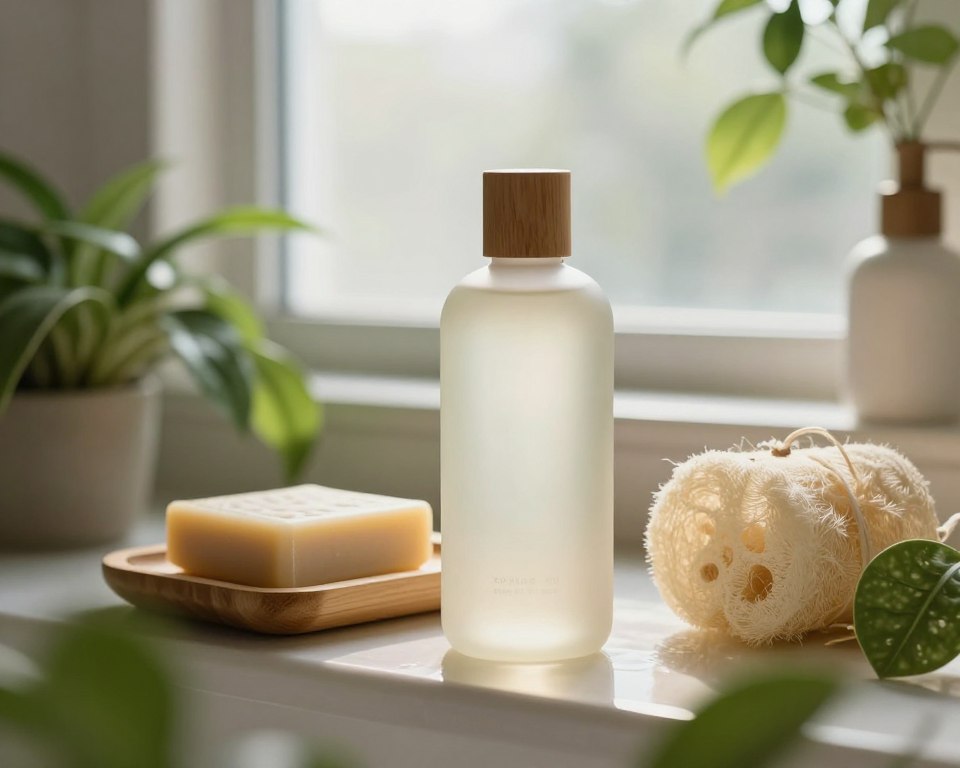
Switching to a natural sulfate free shampoo can be confusing. Many think that thick foam means the shampoo is cleaning well. But, the foam comes from chemicals that can dry out your scalp.
Using a natural sulfate free shampoo might mean less foam. But, it doesn’t mean it’s not cleaning. These shampoos use gentler ingredients that clean without harming your scalp. This is important for those worried about product safety, like checking if is Gain detergent safe for sensitive skin.
“The scalp is a complex ecosystem; when we remove harsh detergents, we allow the natural microbiome to stabilize, which often requires a period of patience during the initial transition.”
Starting with a natural sulfate free shampoo can take time. In the first two to four weeks, your scalp might make more oil. This is normal and not a sign the shampoo isn’t working.
| Feature | Traditional Shampoo | Sulfate-Free Shampoo |
|---|---|---|
| Lather Production | High/Dense | Low/Creamy |
| Cleansing Mechanism | Aggressive Stripping | Gentle Emulsification |
| Adjustment Period | None | 2-4 Weeks |
| Scalp Impact | Potential Irritation | Moisture Retention |
Stick to your routine during this time. This helps your scalp adjust. Most people find their hair and scalp feel better after a few weeks.
Identifying the Best Shampoo for Sensitive Scalp Needs
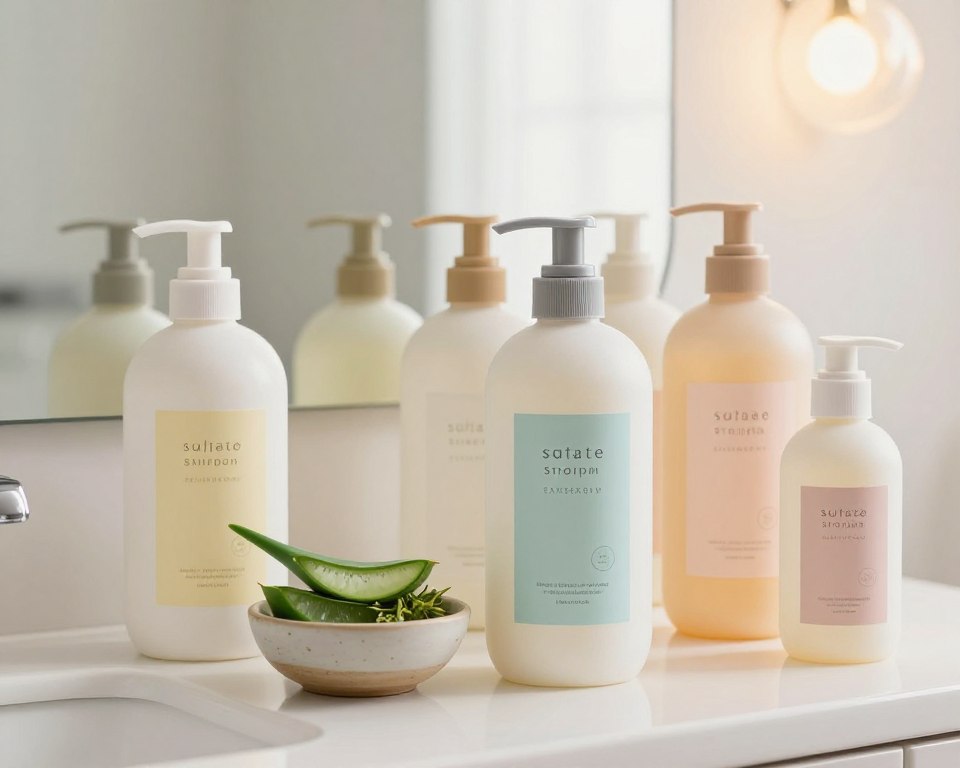
Finding the best shampoo for sensitive scalp needs can be tricky. Everyone’s skin is different, so what works for one might not work for another. It’s important to focus on what your skin really needs, not just what the label says.
Dermatologists often suggest using a sulfate free shampoo sensitive scalp for people with conditions like eczema or psoriasis. These shampoos are gentle because they don’t have harsh chemicals. They help keep your skin’s natural oils in place.
When you look at shampoo labels, don’t just glance at the front. The full ingredient list on the back is where the truth is. If you’re not sure about a chemical, check with a doctor or a reliable online source.
Here are some things to think about when picking a shampoo:
- Fragrance-free status: Fragrances can cause skin irritation.
- pH balance: A shampoo that matches your scalp’s natural pH helps keep it moist.
- Minimalist formulations: Shampoos with fewer ingredients are less likely to cause problems.
Remember, consistency is key when trying a new shampoo. Start with one product at a time. Watch how your scalp reacts over a few weeks. This way, you can figure out what works best for you without harming your skin.
Why Hypoallergenic Shampoo Labels Can Be Misleading
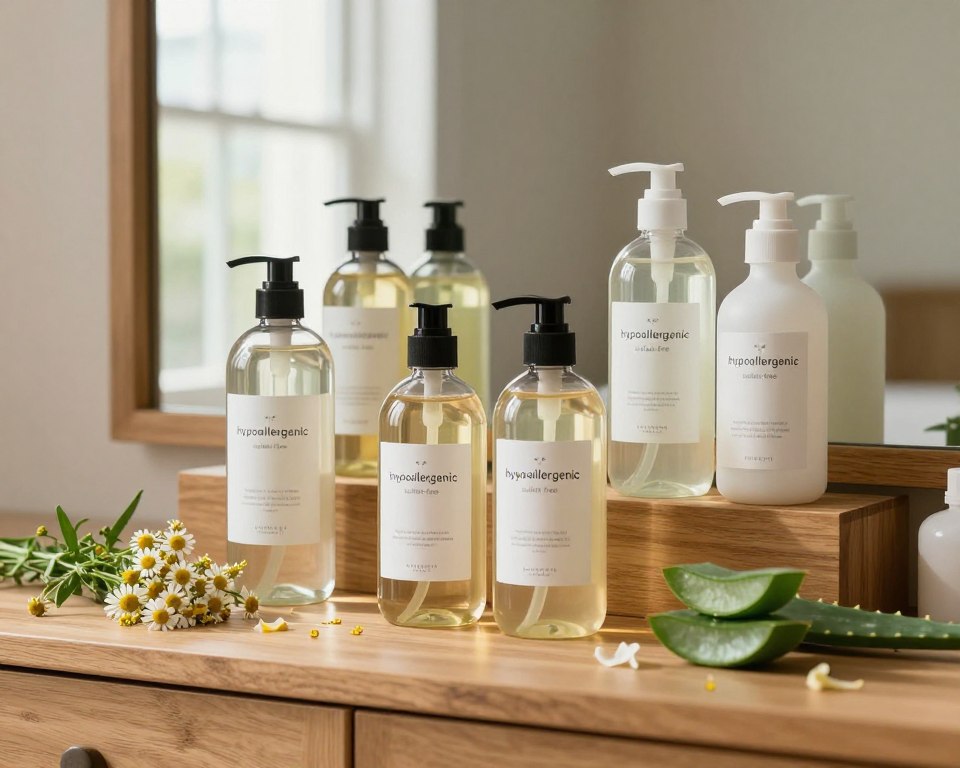
Terms like hypoallergenic shampoo can make people think they’re safe for sensitive skin. But, the truth is more complex. In the U.S., the FDA doesn’t strictly control this term.
Since there’s no set rule for using this label, companies can apply it loosely. Even if a shampoo is called hypoallergenic, it might still cause skin problems. This is because it could have ingredients that irritate some people’s skin.
It’s smarter to be careful when picking a shampoo. Look at the whole list of ingredients, not just the label. If your scalp is often sensitive, finding out what irritates it is better than just picking a shampoo.
Remember, a hypoallergenic shampoo label isn’t enough. If you keep getting scalp problems, see a dermatologist. They can do tests to figure out what’s safe for your skin.
The Importance of Gentle Cleansing Shampoo Formulations
Switching to a gentle scalp care shampoo can greatly help your skin. Unlike harsh detergents, these shampoos keep your scalp’s natural oils intact. This helps prevent dryness and inflammation.
Regular shampoos can dry out your scalp by removing too much moisture. This can upset the balance of your scalp’s natural bacteria. Studies on dermatological care show that keeping this balance is crucial for healthy skin.
A gentle cleansing shampoo uses gentler ingredients. These ingredients clean your scalp without harming it. This helps avoid irritation and keeps your scalp healthy over time.
“The goal of modern hair care should be the maintenance of the scalp’s physiological balance rather than the total removal of all surface oils.”
Here’s a comparison of traditional detergents and gentle shampoos:
| Feature | Conventional Detergents | Gentle Formulations |
|---|---|---|
| Surfactant Strength | High (Aggressive) | Low (Mild) |
| Microbiome Impact | Significant Disruption | Minimal Disturbance |
| Moisture Retention | Low | High |
| Irritation Risk | Elevated | Reduced |
Choosing gentle shampoos helps your scalp heal from harsh products. While a “squeaky clean” scalp might feel good, it can mean your skin is too dry. Using a gentle scalp care shampoo helps your skin heal, not harm it.
Navigating Paraben Free Shampoo and Other Additives
If you have a reactive scalp, finding a paraben free shampoo is key. Parabens are used to stop mold and bacteria in beauty products. But, they can irritate people with sensitive skin.
Many people and doctors like paraben free shampoo more. These shampoos use gentler preservatives. This helps avoid irritation on sensitive scalps. It’s important to check the ingredients, not just the label.
Look for methylparaben, propylparaben, and butylparaben in the ingredient list. If they’re there, the shampoo has parabens. Switching to a paraben free shampoo helps keep your scalp healthy.
Also, watch out for synthetic fragrances or formaldehyde-releasers. Choosing products with clear labels is best for your skin. Opt for simple, quality ingredients to care for your scalp and hair.
Chemical-Free Scalp Shampoo: Is It Truly Possible?
Many people look for a chemical-free scalp shampoo. But, from a scientific view, this is not possible. Every substance, like water and plants, is made of chemicals. When a brand says a product is “chemical-free,” they use a marketing trick.
People want these products because of worries about harsh additives. But, the term “chemical-free” is misleading. It suggests natural things aren’t chemicals. What really matters is the safety of the ingredients, not where they come from.
Instead of looking for “chemical-free” products, it’s better to avoid certain irritants. Many find success with a natural sulfate free shampoo that cares for the scalp. These shampoos use gentler cleaners that don’t take away the scalp’s natural oils.
“The dose makes the poison. Even the most natural substances can cause reactions if they are not formulated with clinical precision and balance.”
When picking hair care, use these better terms to help you choose:
- Synthetic-free: Products made only from plants or minerals.
- Fragrance-free: Products without any scents, natural or synthetic, which can irritate skin.
- pH-balanced: Products that match the scalp’s natural acidity to protect it.
Looking for clear ingredient lists is more helpful than the “chemical-free” label. By choosing products with easy-to-read ingredient lists, you can handle scalp sensitivity better. Always check if each ingredient does what you need for your hair.
Soothing Scalp Shampoo Ingredients to Look For
When your scalp feels irritated, the shampoo’s ingredient list is key. Look for specific, proven ingredients to find the best shampoo for sensitive scalp. These ingredients help calm irritation and prevent more problems.
A top-notch soothing scalp shampoo has a few key ingredients. These ingredients help your skin right away and also make it stronger. This way, your skin stays healthy and doesn’t get dry.
Oat extract is great for itching. It has avenanthramides that reduce inflammation and redness right away. In a soothing scalp shampoo, oat extract protects your scalp from harm.
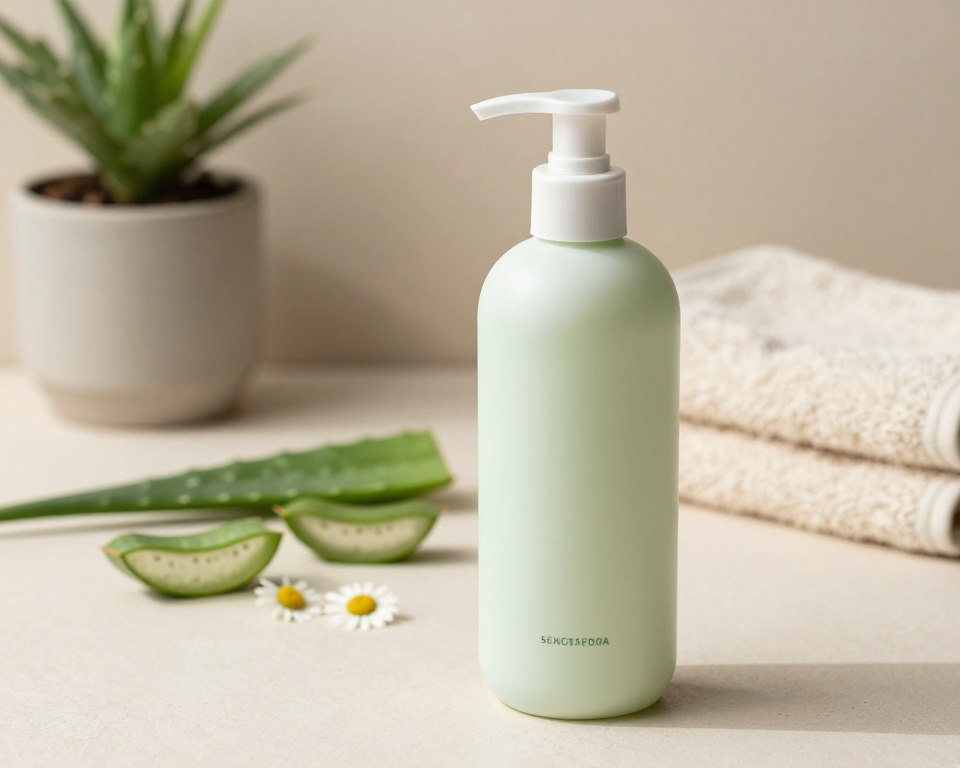
Aloe vera is also key for keeping your scalp hydrated. It cools and moisturizes without feeling heavy. Glycerin does the same, keeping your skin moist.
When looking for the best shampoo for sensitive scalp, check the ingredient list. Ingredients like oat extract, aloe vera, and glycerin are important. They make sure your shampoo is gentle and effective for your scalp’s health.
Visual Aids and Educational Limitations in Dermatological Content
Understanding scalp health means knowing the difference between learning tools and real medical proof. Digital tools can be helpful, but they’re not meant to replace a doctor’s check-up. Visual clarity is important, but it’s not the same as a professional medical look.
Understanding AI-Generated Imagery in Scalp Health Education
Some images on this site might be made by AI or edited to make things clearer. This editing helps show scalp conditions better. But these pictures are just to help you learn and understand.
Don’t use these images to guess your health or decide on treatments by yourself. AI can make things look simpler or wrong. Always see these images as teaching tools, not as proof of your health.
Why Clinical Assessment Must Supersede Digital Visuals
This information helps you talk better with your doctor, but it’s not a replacement for a doctor’s opinion. A doctor can see things that pictures can’t, like how sensitive your skin is or if there’s inflammation. They also know your health history.
“Digital health information is a powerful tool for patient education, yet it remains a supplement to, not a substitute for, the nuanced evaluation of a qualified medical professional.”
The table below shows the big differences between learning pictures and a real doctor’s check-up. It helps you know what to expect.
| Feature | Educational Visuals | Clinical Assessment |
|---|---|---|
| Primary Purpose | Orientation and learning | Diagnosis and treatment |
| Accuracy | Conceptual/Representative | Patient-specific/Evidence-based |
| Context | General overview | Comprehensive medical history |
| Decision Making | Not for self-diagnosis | Basis for medical intervention |
Going to a doctor for a check-up is the best way to make sure you get the right care. Use our content to learn more, but always talk to a dermatologist for serious scalp issues.
When to Seek Professional Medical Evaluation
Knowing when to worry about scalp sensitivity is key. Many small problems can be fixed by changing your hair care. But, some signs need a doctor’s help right away.
If you think a product is causing a bad reaction, act fast. Your safety is the top priority to avoid lasting skin damage.
Recognizing Signs of Severe Allergic Reactions
An allergic reaction that gets worse fast is a big deal. You need to get help right away if you see swelling, lots of hives, or trouble breathing after trying something new.
Even if it just feels itchy or red on your scalp, it could get worse. Don’t ignore any signs of trouble that go beyond just itching or redness. If you’re not sure, it’s best to talk to a doctor.
The Risks of Self-Diagnosis for Chronic Scalp Conditions
Some people try to fix scalp problems on their own, but it can make things worse. Guessing what’s wrong can hide real health issues that need special treatments.
Conditions like seborrheic dermatitis or psoriasis can look like just dry skin or sensitivity. Getting a proper check-up is key to getting the right treatment. Trying to fix it yourself can make things worse instead of better.
A dermatologist can tell if it’s just a short-term problem or something serious. Getting expert advice means your scalp gets the right care to heal right.
Conclusion
Finding the right hair care routine is all about finding what works for you. Sulfates might not be bad for, but they can be too harsh for some. Choosing products that fit your hair type is key to a healthy scalp.
Being consistent is just as important as what you use. If you have oily hair, washing it daily might help. But if you have dry or curly hair, you might need to wash it less and use creamier products. Always condition the lower half of your hair to keep it healthy.
Try to use heated styling tools less to avoid damaging your hair. If you need a quick fix between washes, a sulfate-free dry shampoo can help. It adds volume without taking away your hair’s natural oils. Pay attention to how your scalp reacts to these changes to find the best routine for you.
If you have ongoing scalp issues, always get advice from a doctor. Combining the right products with professional advice helps keep your hair care routine effective and healthy.
FAQ
Why is switching to a sulfate free shampoo sensitive scalp formula recommended by dermatologists?
Sulfates like Sodium Lauryl Sulfate (SLS) are good at cleaning but can be too harsh. They can damage the skin’s outer layer, making it hard for the skin to keep its natural oils. Using a sulfate free shampoo helps keep the skin healthy and prevents dryness and inflammation.
How can I identify the best shampoo for sensitive scalp conditions when shopping?
Look for shampoos with few ingredients and avoid things like synthetic fragrances and essential oils. Brands like Vanicream and CeraVe are good choices because they use safe ingredients. A good shampoo will also have a pH level close to the skin’s natural acidity, which helps keep the scalp healthy.
Will a natural sulfate free shampoo produce the same amount of lather as a traditional product?
No, natural sulfate free shampoos don’t create as much foam. But, they are still effective at cleaning without being harsh. They use gentler ingredients that are better for your scalp in the long run.
Is a hypoallergenic shampoo guaranteed to be reaction-free?
Not always. The term hypoallergenic is not strictly defined. Even though products like Aveeno Skin Relief are made to be gentle, it’s still important to check the ingredients. For very sensitive skin, a shampoo without parabens and fragrances is usually the safest choice.
What should I look for in a soothing scalp shampoo to reduce itching?
Look for shampoos with ingredients that calm the scalp. Things like colloidal oatmeal, allantoin, and aloe vera are good for soothing itchiness. When combined with a gentle base, they can help repair the scalp’s barrier.
Why do experts suggest avoiding products labeled as “chemical-free”?
The term “chemical-free” is misleading. Every ingredient, even water and plant extracts, is a chemical. Instead, focus on the safety of the ingredients. Choose shampoos without parabens and synthetic dyes for a gentle scalp care routine.
When does a sensitive scalp require a professional medical evaluation?
If your scalp is still itchy or flaky after using a soothing shampoo, see a dermatologist. Symptoms like scaling, oozing, burning, or sudden hair loss need medical attention. These could be signs of serious conditions like seborrheic dermatitis or psoriasis.