Recent surveys show that about 80% of people who go to salons often don’t know about the radiation from their manicure tools. These tools give a long-lasting finish but need strong light to work. This light is what makes the coatings hard.
This article looks into how using this technology for beauty can affect your skin. We talk about the fine line between looking good and the risks of radiation to your dermis.
We use the latest research to explain how these tools work. Our aim is to give you a clear view on keeping your long-term health while using today’s beauty tech.
Key Takeaways
- Understanding the difference between UVA and UVB radiation exposure.
- Evaluating the cumulative impact of frequent cosmetic light exposure.
- Identifying protective measures to minimize potential cellular damage.
- Reviewing clinical data regarding dermatological risks in salon settings.
- Balancing aesthetic desires with evidence-based wellness practices.
Understanding the Mechanics of Gel Nail Curing
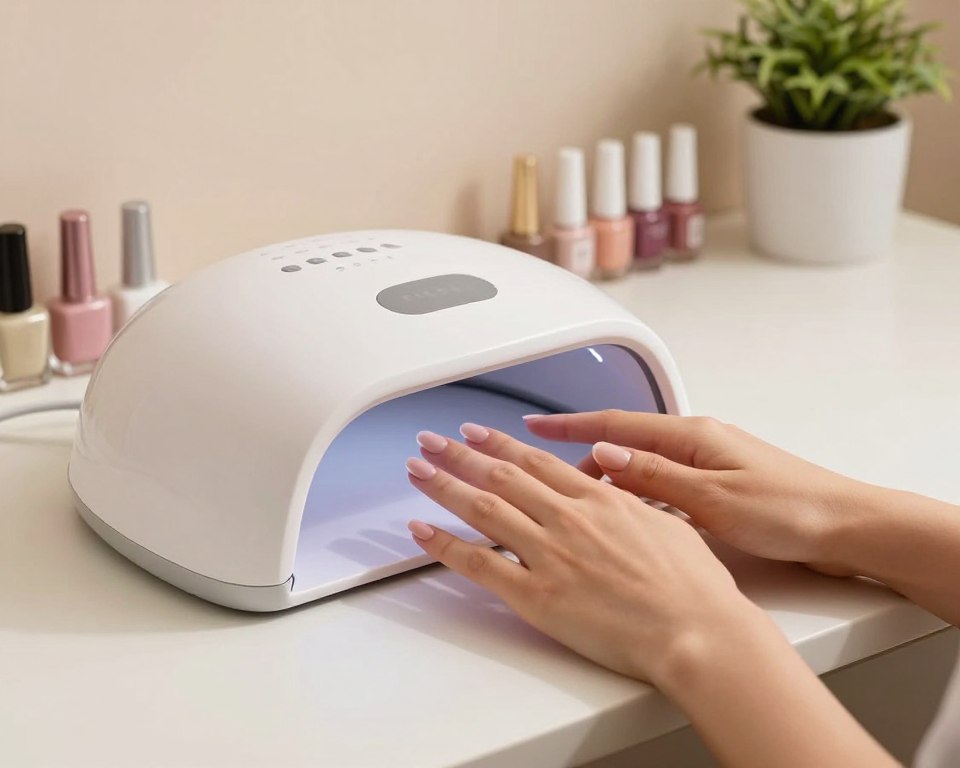
Learning about a gel nail curing lamp shows us the science behind a great manicure. It’s not just about drying; it’s a complex chemical change called polymerization. This change turns the polish into a strong, shiny solid.
How UV Lamps Interact with Gel Polish
A uv lamp for gel nail polish sends out light that goes through the polish layers. When this light hits the polish, it gives it the energy to harden quickly. The light’s strength is key to how well the molecules bond.
“The beauty of modern nail chemistry lies in the invisible reaction that turns a simple liquid into a resilient, protective shield for the nail plate.”
The Role of Photoinitiators in Polymerization
Photoinitiators are key to this hardening process. They start the chemical reaction when they get light from a uv lamp for gel nail polish. This light energy makes them react.
This reaction links small molecules into long, strong chains. Without these light-sensitive agents, the gel nail curing lamp can’t make the product solid. Right exposure makes the gel strong, so it doesn’t peel or chip early.
Is Gel Nail UV Lamp Safe Skin Practice?
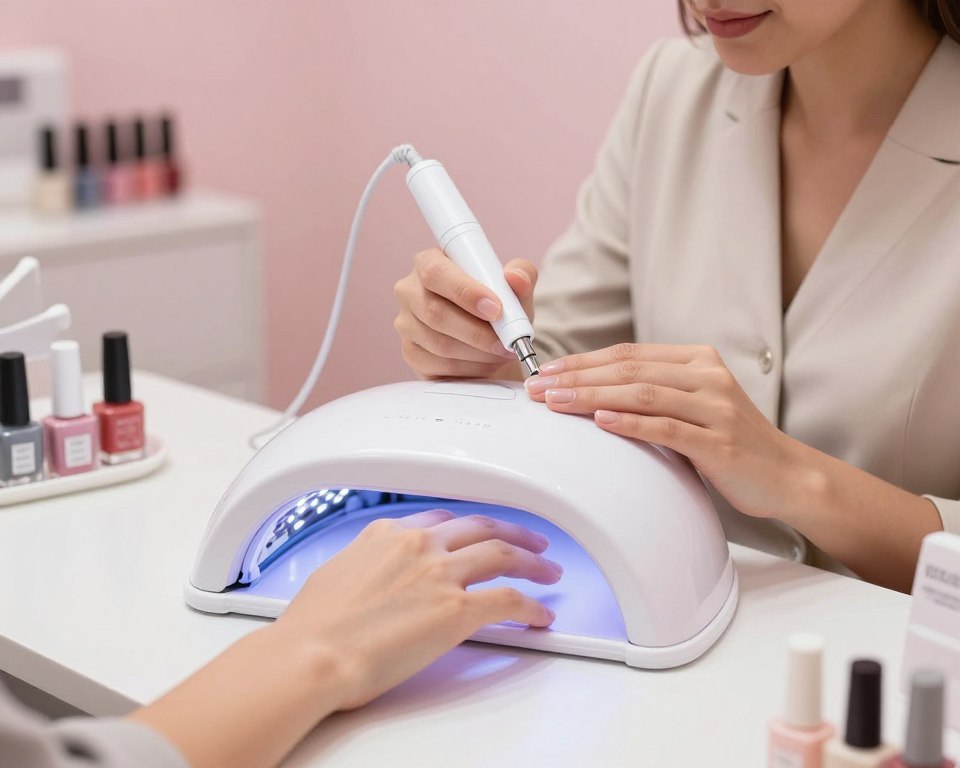
To find out if a gel nail uv lamp safe skin practice exists, we need to look at the radiation it emits. These devices have changed the beauty world, using light to harden polish. Knowing how they work helps us make better choices.
Evaluating Current Dermatological Perspectives
Dermatologists say the risk from gel manicures is low for most people. But, the long-term effects of frequent use are still being studied. They stress that uv lamp safety for skin depends on how often you use it and its intensity.
To keep your skin healthy, follow these tips:
- Don’t get gel manicures too often to let your skin recover.
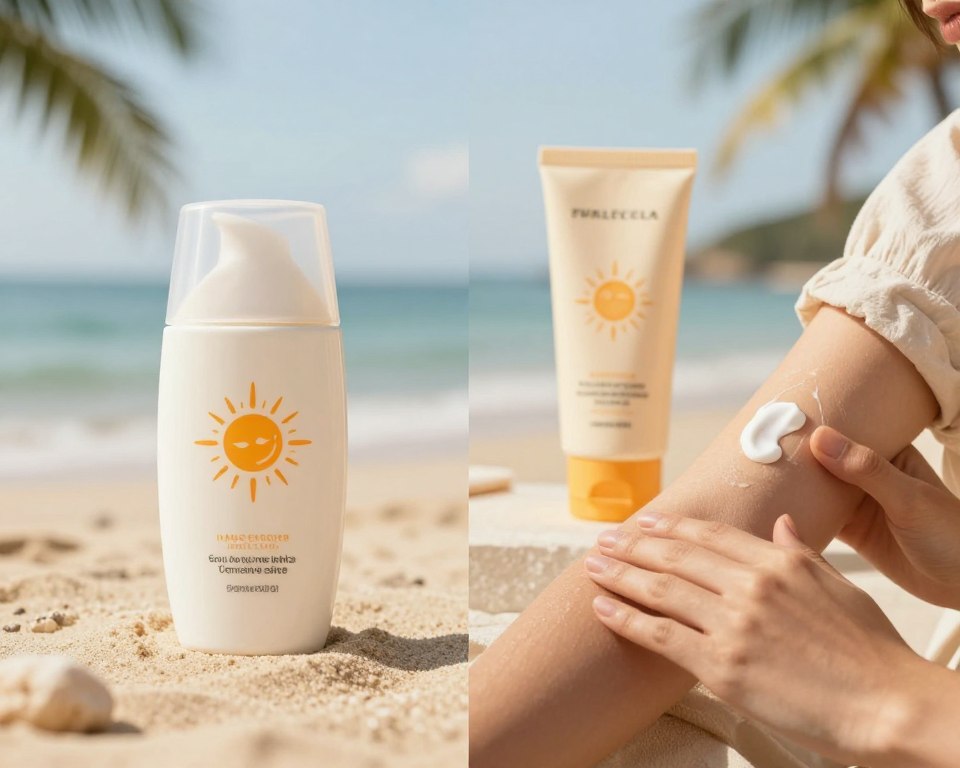
- Put on sunscreen on your hands before using the lamp.
- Wear fingerless gloves for extra uv lamp skin protection during use.
The Difference Between UVA and UVB Exposure
It’s important to know the difference between UVA and UVB rays from these lamps. Most nail lamps give off UVA rays, which go deep into the skin.
UVA rays cause long-term damage and aging, unlike UVB rays that cause sunburn. Here’s a comparison of the two:
| Feature | UVA Rays | UVB Rays |
|---|---|---|
| Penetration | Deep (Dermis) | Surface (Epidermis) |
| Primary Effect | Photoaging | Sunburn |
| Nail Lamp Use | Commonly Emitted | Rarely Emitted |
By focusing on uv lamp safety for skin, you can control your exposure. Adding uv lamp skin protection to your routine helps enjoy beauty benefits safely. If you notice any skin issues after a manicure, talk to a professional.
The Reality of UV Exposure During Manicures
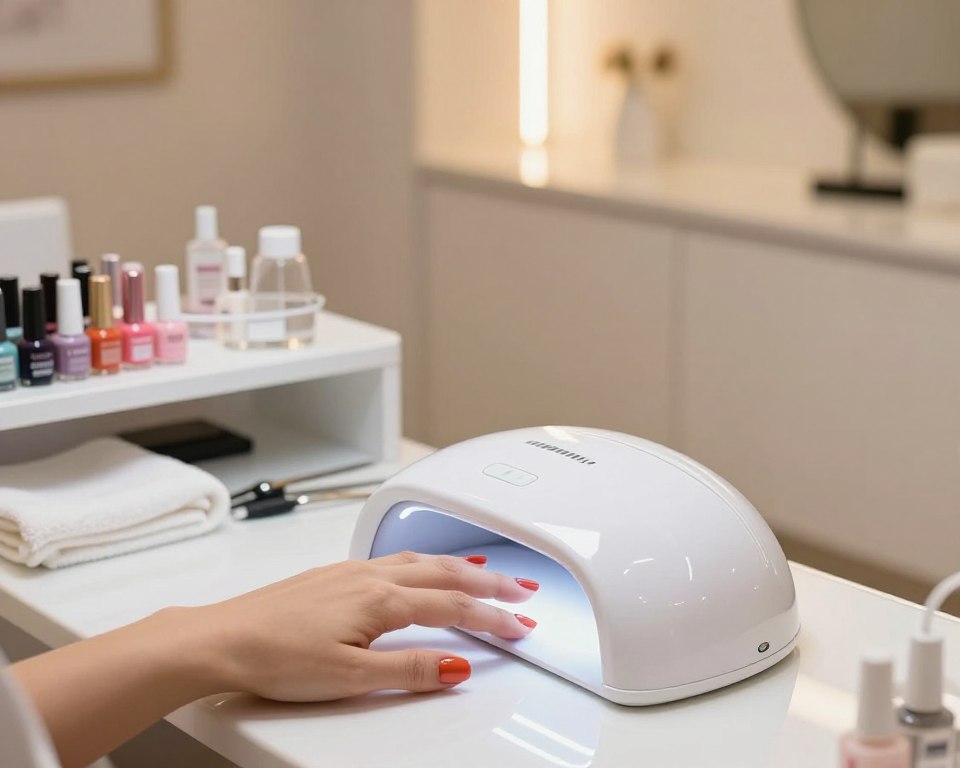
The amount of radiation from manicure tools varies a lot. These tools harden polish fast, but not all gel nail curing lamps are the same. Knowing these differences is key for skin health.
Quantifying Intensity and Duration
Studies show that these devices can emit a lot of radiation. A 10-minute session can be as much as outdoor workers get in a day. This is why how long you stay under the light matters a lot for gel lamp skin safety.
During a uv lamp gel manicure, how long your hands are under the light affects your exposure. Shorter sessions are better to avoid too much radiation. Paying attention to time during your manicure is important for your skin.
Comparing Professional Salon Lamps vs. At-Home Devices
Salon equipment and home devices are different. Salon tools are made for efficiency and consistency, sometimes with higher intensity. Home devices can vary a lot in power, leading to different curing times.
Choosing a good gel nail curing lamp is crucial for your manicure and safety. Home devices don’t get the same testing as salon tools. So, it’s important to pick devices that are safe and reliable.
The risk of a uv lamp gel manicure depends on how often you use it and the lamp’s technology. By understanding these factors, you can make choices that are good for your looks and skin health.
Potential Risks to Skin Health
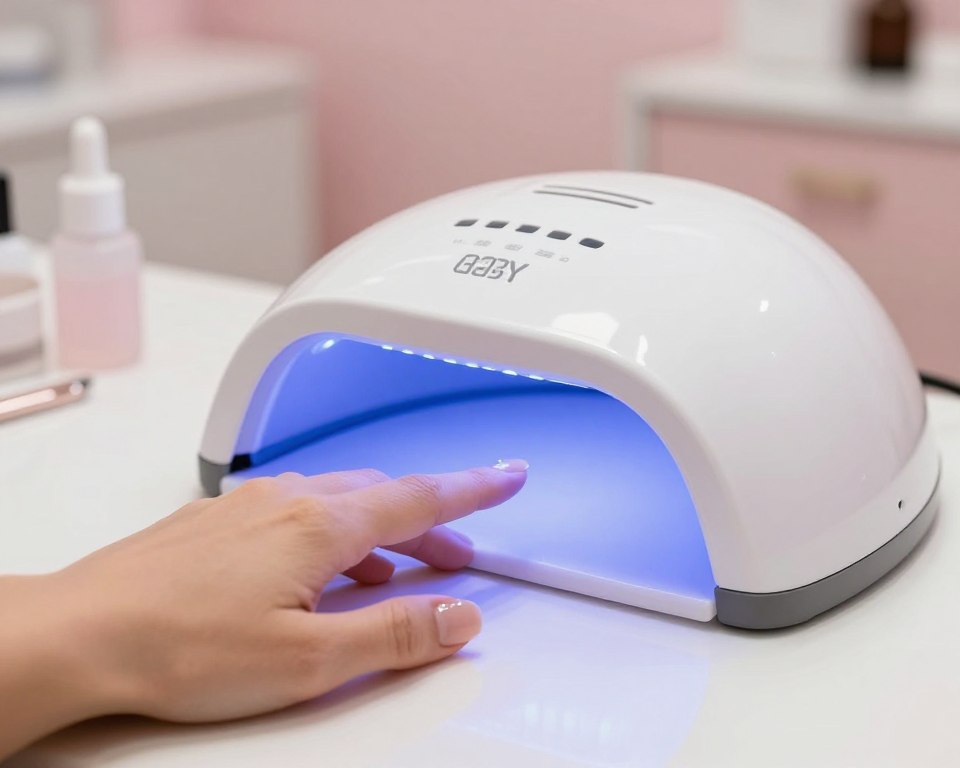
Research shows that UV nail lamps can affect skin health. They use ultraviolet light, which might harm skin over time. It’s important to know how these lamps work to keep our skin safe.
Understanding Photoaging and DNA Damage
UVA radiation from UV lamps can cause skin damage. Studies show it can harm skin cells and lead to early aging. This includes wrinkles and uneven skin color.
There’s also a risk of DNA damage from UV lamps. While occasional use might not be a big deal, long-term exposure can harm cells. It’s crucial to be careful with UV lamps for our skin’s health.
Risk Factors for Skin Sensitivity and Allergic Reactions
How skin reacts to UV lamps can vary. Some people might get red, itchy, or have skin problems. This is more likely if the skin touches uncured gel.
It’s important to watch for signs of skin stress. Look for redness, itching, or texture changes after using UV lamps. The table below shows what can affect skin reactions to UV lamps.
| Risk Factor | Impact on Skin | Safety Consideration |
|---|---|---|
| Cumulative UV Dose | Increased oxidative stress | Limit frequency of use |
| Skin Sensitivity | Higher risk of irritation | Perform patch testing |
| Uncured Gel Contact | Allergic sensitization | Ensure proper curing |
| Pre-existing Conditions | Reduced barrier function | Consult a dermatologist |
Educational Limitations and Image Disclosure
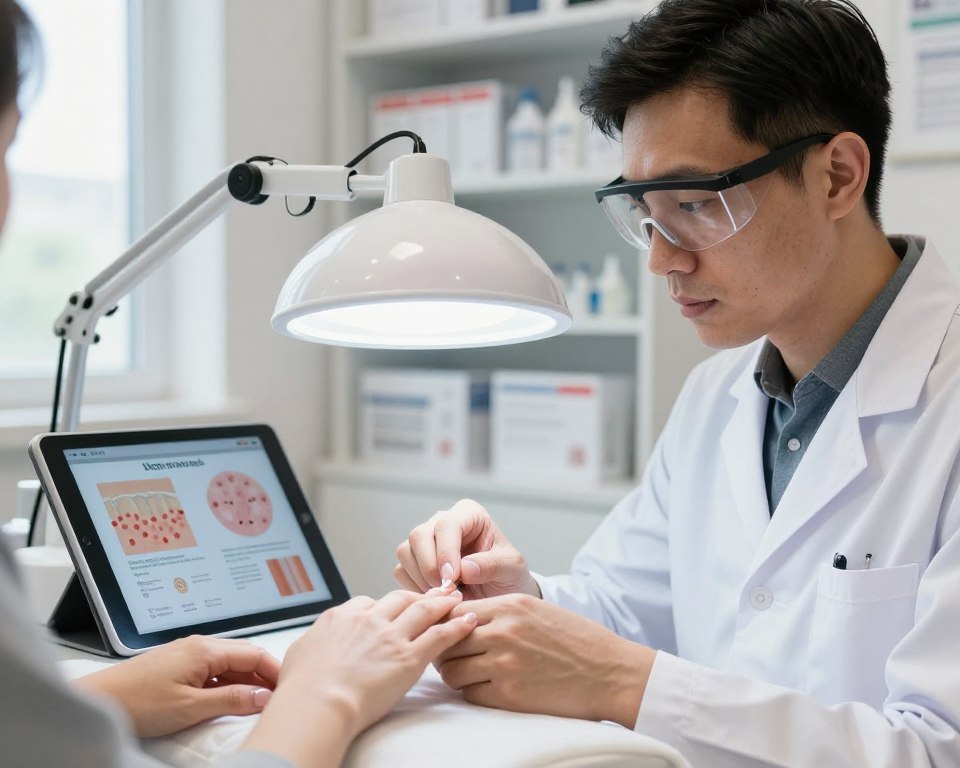
Images in medical articles are helpful guides but have limits. They are meant to give educational orientation, not replace medical advice. It’s important to know what these images are for.
Why Visual Aids Are for Orientation Only
These images help you understand skin health concepts. They show how light affects nail products, making it easier to grasp. But, they should not be used for self-diagnosis or treatment decisions.
If you see changes in your skin, don’t compare them to digital images. Only a qualified clinician can accurately assess your health. Always seek professional advice over visual comparisons.
The Role of AI-Generated and Digitally Enhanced Imagery
Some images on this platform are AI-generated or digitally enhanced. This editing makes features clearer but can change skin textures or lesions. These enhancements aim to improve learning but might alter appearances.
Limitations of Digital Representations in Dermatology
Digital images can’t fully capture the complexity of skin conditions. Factors like lighting and resolution can greatly affect how conditions appear. Digital images can’t replace a real dermatological exam.
| Feature | Educational Imagery | Clinical Assessment |
|---|---|---|
| Primary Goal | Conceptual learning | Diagnosis and treatment |
| Accuracy | Illustrative/Enhanced | Direct observation |
| Reliability | Orientation only | Medical standard |
| Outcome | Increased awareness | Personalized care plan |
When to Seek Professional Medical Evaluation
Knowing when to get medical help for a cosmetic reaction is key. Websites like safeortoxic.com are great for learning, but they can’t replace a doctor’s advice. If you keep getting symptoms or they worry you, it’s best to see a doctor.
Identifying Signs of Adverse Skin Responses
Watch your skin after using chemical beauty products. Sometimes, a bad reaction doesn’t show up right away. It might take hours or days to see symptoms.
If you see any of these, call a doctor:
- Persistent rashes that last more than 48 hours.
- Unusual pigmented lesions or unexplained discoloration around the nail bed.
- Severe swelling, blistering, or intense itching that disrupts your daily routine.
- Signs of infection, such as warmth, pus, or spreading redness.
The Danger of Self-Diagnosis for Nail-Related Rashes
Trying to fix a skin issue at home can be counterproductive and risky. Many skin problems look like simple irritations. Using creams without a doctor’s say-so can hide real issues or delay treatment.
A dermatologist can tell the difference between a simple rash and a serious problem. They make sure you get the right treatment for your skin. If you think a nail product or curing process is causing a problem, see a doctor.
Best Practices for Minimizing UV Exposure
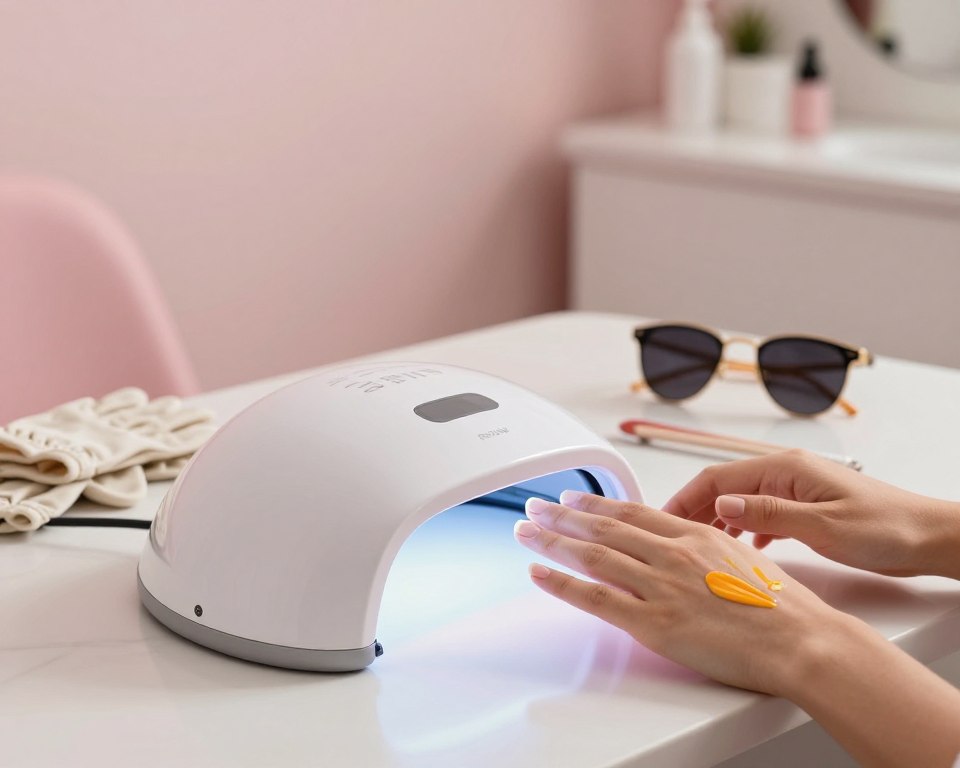
By taking certain steps, you can enjoy gel manicures safely. This means less UV radiation for your skin. Using a gel nail curing lamp wisely can help a lot.
Applying Protective Measures During Curing
The Skin Cancer Foundation has a great tip. Apply broad-spectrum sunscreen to your hands twenty minutes before your gel manicure.
This way, the sunscreen is fully absorbed. It offers the best uv lamp skin protection. Fingerless gloves are also a good choice to protect your skin.
These gel nail lamp skin precautions are simple to follow. Using them regularly helps prevent long-term skin damage.
Selecting the Best UV Lamp for Gel Nails
Choosing the right UV lamp is key. Look for ones with built-in timers and standard output levels. This ensures your nails are cured well and safely.
Quality lamps cure polish quickly. This means your skin is under the light for less time. Stay away from cheap, untested lamps that might not be safe.
Make sure your lamp meets safety standards. Good technology makes your manicure look great and is safe.
The Importance of Proper Product Application
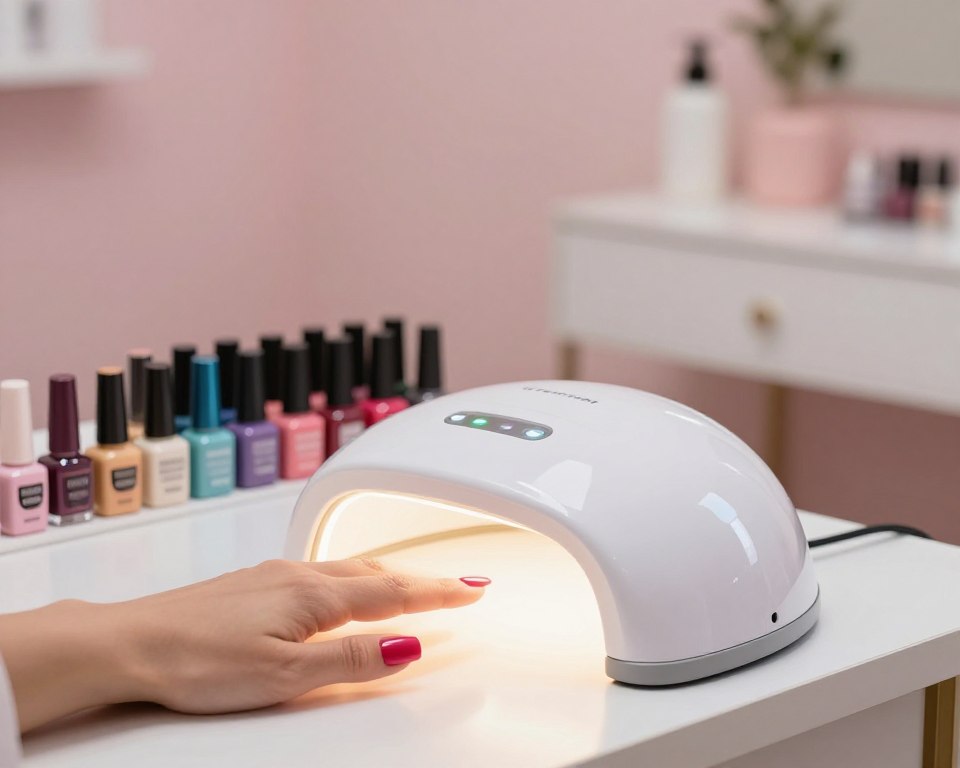
Many people focus too much on the curing device. But how you apply gel polish is just as important for your skin. Choosing a good uv lamp for gel nail polish is key, but how you apply it matters more for your safety.
Being precise when painting your nails helps avoid chemicals touching your skin. This is crucial for the skin around your nails.
Avoiding Skin Contact with Uncured Gel
Touching uncured gel to your skin can cause problems. It can lead to contact dermatitis or make you allergic to it over time. Consistency and cleanliness are your best friends to avoid these issues.
To stay safe, remember these tips:
- Wipe away any stray polish from your skin before using the device.
- Use a small, clean brush with acetone to clean the nail edges.
- Make sure the gel layer is thin and even to avoid pooling at the cuticle.
“Proper handling of chemical agents is the cornerstone of dermatological safety in cosmetic procedures, as highlighted in recent clinical research on nail product safety.”
The Role of Proper Curing Times in Safety
Using a uv lamp for gel nails right means more than just turning it on. Following the curing times given by the maker is crucial. If the gel isn’t fully cured, it can still irritate your skin.
Learning how to use uv lamp for gel nails well means your nails will harden fully. A fully hardened nail coating is safer for your skin. Always follow the product’s curing time for a safe and lasting finish.
Navigating Salon Safety Standards
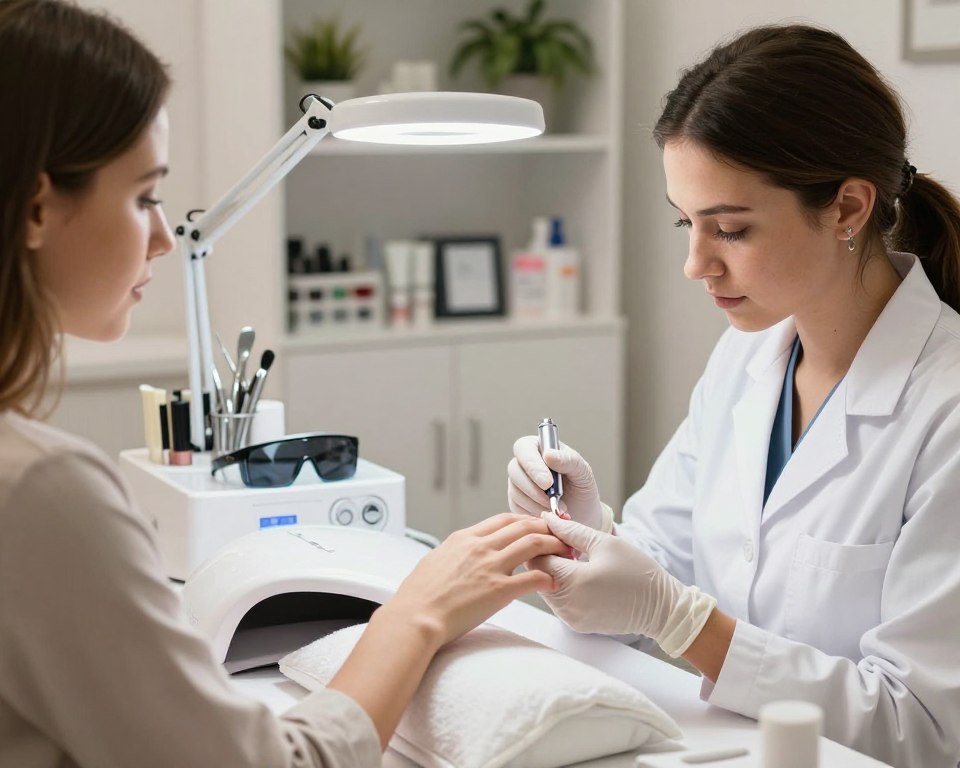
Before you get a gel manicure, protecting your skin is key. Choose a reputable salon that follows strict safety rules. This step is crucial for your skin’s health. By checking the environment, you learn about uv lamp safety for skin and make sure your visit is safe.
What to Look for in a Professional Environment
A good salon focuses on cleanliness, air flow, and the right curing tools. Visible hygiene shows a salon’s commitment to cleanliness. Look for places with licenses and a tidy workspace.
Good air flow is vital to avoid chemical vapors. Also, make sure the salon uses the right lamps for their products. Wrong lamps can cause skin problems.
Questions to Ask Your Nail Technician
Ask your technician about their lamp’s maintenance and products. Being informed helps you choose health over convenience. Ask about bulb replacement and following guidelines on how to use uv lamp for gel nails.
Knowing how a technician works shows their safety focus. If they can’t explain their methods or ignore your worries, find another salon. Good communication is key for a safe visit.
| Safety Indicator | Professional Standard | Red Flag |
|---|---|---|
| Equipment Maintenance | Regular bulb replacement | Flickering or dim lights |
| Product Knowledge | Matches lamp to gel brand | Mixing incompatible systems |
| Sanitation | Sterilized tools in pouches | Tools reused without cleaning |
| Technician Training | Certified and knowledgeable | Unwilling to answer questions |
Knowing how to use uv lamp for gel nails right is about the technician’s skill and your knowledge. By asking the right questions, you ensure your nails look good without harming your skin. Always choose salons that are open and follow safety rules.
The Evolution of Gel Lamp Technology
Nail lamps have changed a lot over time. They used to be big and slow, but now they are small and fast. When looking for the best uv lamp for gel nails, knowing about these changes helps.
Advancements in LED-Curing Systems
LED-curing systems are a big step forward. They are faster and use less energy than old bulbs. This means your skin is under the light for less time.
These systems are also more durable and save energy. They start working right away, making the process quicker and easier.
Are LED Lamps Safer Than Traditional UV Lamps?
Some think LED lamps are completely safe. But, they still give off UVA radiation. The main difference is in the light they produce.
When looking for the best uv lamp for gel nails, consider these points:
- Emission Spectrum: LED lamps match the light needed for gel polish.
- Intensity Levels: LED lamps are less intense but more focused.
- Exposure Duration: They cure faster, so you’re under the light less.
It’s important to know the risks of UVA light. Making informed choices is key. Choose devices that are safe and work well.
| Feature | Traditional UV Lamp | Modern LED Lamp |
|---|---|---|
| Curing Speed | Slower | Faster |
| Bulb Lifespan | Short | Long |
| UVA Emission | Higher | Lower/Focused |
Addressing Common Myths About Gel Manicures
It’s important to know the truth about nail services. Many people worry about their health when they go to the salon. Looking at scientific studies helps us understand the real risks of these services.
Debunking Misconceptions Regarding Skin Cancer Risks
Some people think uv lamp gel manicure sessions can cause skin cancer. But, the UV light used in manicures is not strong enough to be a big risk. A 2014 study in JAMA Dermatology found that going to the salon every two weeks is unlikely to increase cancer risk.
It’s key to understand the safety of gel lamp skin safety. Most doctors say that while we should be careful, the UV light from these lamps is not as dangerous as tanning beds. Knowing this can help reduce worries for those who get manicures often.
Clarifying the Impact of Occasional vs. Frequent Use
How often you get manicures affects your risk. People who go to the salon less often face less risk than those who go more often. How often you get your nails done is a big factor in how much UV light your skin gets.
Here’s a comparison to help you understand your risk:
| Exposure Factor | Occasional User | Frequent User |
|---|---|---|
| Salon Visits | Once every 6-8 weeks | Every 2 weeks |
| UV Intensity | Low/Standard | Low/Standard |
| Cumulative Risk | Negligible | Low but measurable |
| Protective Needs | Minimal | Recommended |
Choosing to get a uv lamp gel manicure should be based on your health and comfort. If you’re worried about gel lamp skin safety, wearing gloves or using sunscreen can help protect your skin.
The Role of Patient Empowerment in Nail Care
Empowerment in the salon begins with knowing how to protect your skin. By using evidence-based knowledge, you can balance style and safety. Making smart choices before the curing process is key to uv lamp skin protection.
Balancing Aesthetic Desires with Health Priorities
Enjoying great manicures doesn’t mean you have to ignore skin health. By taking gel nail lamp skin precautions, you can avoid harm. Knowing what happens during your service helps you take care of your skin.
Think of your manicure as a health choice, not just a beauty treatment. Asking about the tools and safety steps changes your role. It turns your beauty routine into a positive part of your life.
How to Monitor Your Skin Health Over Time
Checking your skin regularly is crucial if you use light-curing devices. Look for redness, spots, or texture changes after each manicure. If these signs last more than a few days, see a dermatologist.
Being consistent helps catch problems early. Keep a proactive health log to track your skin’s reactions. This way, you can see how different products and times affect your skin over time.
| Habit Type | Proactive Action | Benefit |
|---|---|---|
| Preparation | Apply broad-spectrum sunscreen | Reduces UV absorption |
| Monitoring | Monthly skin self-exam | Early detection of changes |
| Communication | Ask about lamp wattage | Ensures appropriate exposure |
| Maintenance | Limit frequency of services | Allows skin recovery time |
Regulatory Oversight and Industry Standards
Safety standards for beauty devices often lag behind new tech. Many salon tools get basic electrical tests. But, uv lamp safety for skin needs more detailed checks. Current rules mainly focus on preventing burns or electrical shocks, not long-term health risks.
How Safety Regulations Protect Consumers
Current safety rules mainly cover quick reactions like skin irritation. They don’t fully address the risk of non-melanoma skin cancer (NMSC). This means devices might be seen as safe without checking their long-term effects.
It’s key to remember that regulatory compliance doesn’t mean no risk. Since rules are limited, people must look out for their health. Taking regular gel nail lamp skin precautions is a good way to protect yourself.
The Responsibility of Manufacturers in Device Safety
Manufacturers must clearly share data on their devices’ radiation. Without this info, it’s hard to choose safe options. Transparency in technical documentation builds trust and helps users understand risks.
Starting change needs consumer action. By asking for clear labels and safety data, we push for better health focus. Using gel nail lamp skin precautions now helps until rules get stronger.
Future Directions in Nail Care Research
New studies are showing how often using light-curing devices can affect the skin. As uv lamp gel manicures become more popular, scientists are focusing on long-term effects. This helps people make better choices for their beauty routines.
Emerging Studies on Long-Term UV Exposure
Research is now looking at the long-term effects of UV light on the skin. Scientists want to know how often using a uv lamp gel manicure can harm skin cells over years. They aim to find out when beauty meets health risks.
They’re also checking how products react to UV light. It’s important to know this, as it relates to formaldehyde in cosmetics. Soon, we’ll have better guidelines on safe use.
Innovations in Safer Curing Alternatives
The beauty world is looking into new tech to make curing safer. Engineers are working on lights that are safer for the skin but still strong. Knowing the right nail lamp is key to using these new options.
Here are some exciting new things in uv lamp gel manicures:
- Targeted Wavelengths: Lamps that only use safe light to reduce skin damage.
- Advanced Protective Gear: UV-blocking gloves for salon workers.
- Smart Curing Sensors: Devices that adjust light intensity for quick curing.
Keeping up with these new ideas helps you update your beauty routine. By choosing these safer options, you can look great while keeping your skin healthy.
Conclusion
Modern beauty routines use advanced technology for lasting results. Gel nail lamps are key, but we must balance UVA radiation. Knowing how these devices work helps you enjoy manicures safely.
Protecting your skin is easy. Use sunscreen or wear fingerless gloves at the salon. These steps help keep your skin healthy over time.
Watch for any skin changes after your manicures. If you see rashes or irritation, see a doctor. Getting expert advice is crucial for your skin’s health.
Make choices that keep your health and beauty goals in line. Stay updated on safety and technology. This way, you can enjoy new nail trends while caring for your skin.
FAQ
How does a gel nail curing lamp actually transition liquid polish into a solid state?
The process is called polymerization. Gel polishes have photoinitiators that react when exposed to specific light from a lamp. This reaction makes the molecules bond tightly, creating a hard finish.
Without the right light, the polish stays soft. This can cause problems like skin sensitivity.
Is using a gel nail uv lamp safe skin practice for long-term health?
Dermatologists say occasional use of these lamps is mostly safe. But, UVA radiation can cause damage over time. It’s important to protect your skin.
Use sunscreen and protective barriers like gloves to stay safe.
How can I ensure maximum uv lamp skin protection during my appointment?
Apply sunscreen to your hands 20 minutes before. Or wear UPF-rated gloves to protect your skin.
What is the best uv lamp for gel nails in terms of both efficacy and safety?
Look for lamps made by the same company as your gel polish. CND LED Lamp or OPI STAR LIGHT are good choices. They cure polish quickly and safely.
Are LED-based systems better for gel lamp skin safety than traditional UV bulbs?
LED lamps also emit UVA radiation, but they are more efficient. They cure polish in 30–60 seconds, reducing exposure time.
How to use uv lamp for gel nails at home without increasing my risk of injury?
Avoid skin contact with uncured gel. Follow the manufacturer’s timing carefully. This prevents damage and skin irritation.
Should I be worried about the risk of skin cancer from a uv lamp for gel nail polish?
The risk of skin cancer from manicures is low. Use high-quality equipment and limit visits if you’re sensitive to the sun.
What signs indicate I should seek medical evaluation after a manicure?
See a doctor if you have redness, itching, or blisters. Also, watch for changes in skin pigmentation or new spots. These could be signs of damage.