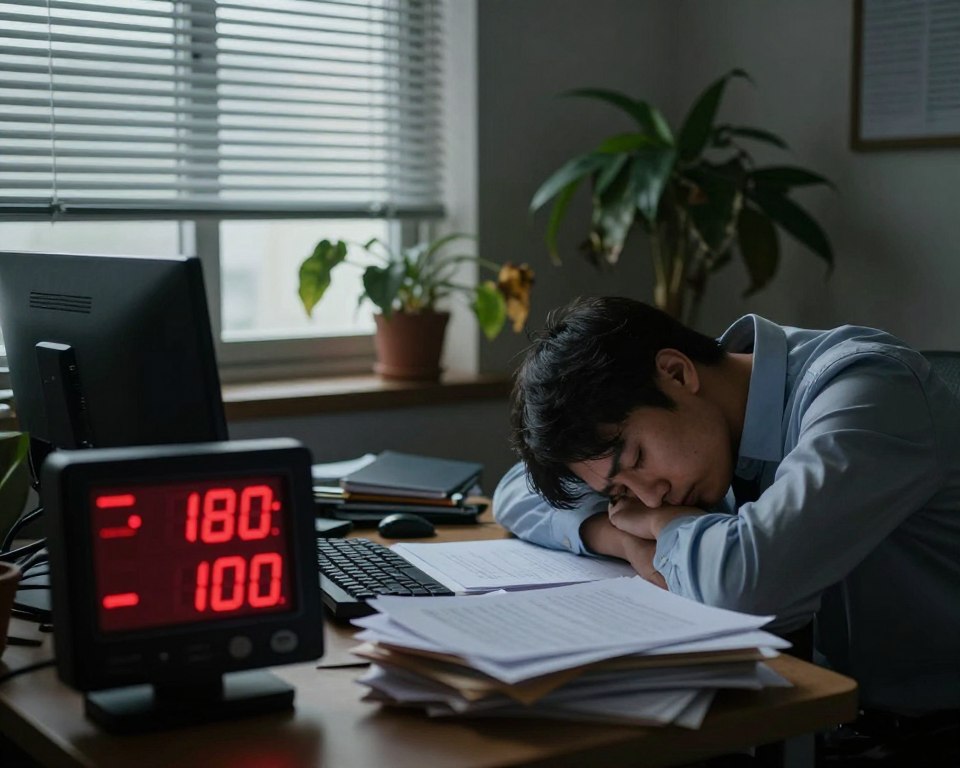
Most of us spend about 90% of our time indoors. Yet, many don’t know about the hidden dangers in their surroundings. Feeling tired is often linked to work stress or not enough sleep. But, the air we breathe inside our homes and offices also affects our energy levels.
As a pharmacist, I see many people ignore the role of their environment in feeling tired. Chemicals from everyday items, like nail polish remover, can quickly build up in closed spaces. This can cause problems like brain fog or feeling very tired.
It’s important to understand how indoor air quality and fatigue are connected. By finding out what’s causing your tiredness, you can make your living space better. This can help you feel more energetic and healthy in the long run.
Key Takeaways
- Modern buildings often trap volatile organic compounds that impact neurological function.
- Persistent exhaustion may be a physiological response to high concentrations of airborne chemicals.
- Ventilation is the most effective method for diluting indoor pollutants and maintaining alertness.
- Small, enclosed rooms without proper airflow represent the highest risk for chemical vapor accumulation.
- Pharmacists recommend evaluating your daily environment as a standard part of a wellness assessment.
The Invisible Burden of Modern Indoor Environments
An invisible burden exists in our homes and offices. It comes from how we design modern spaces. We focus on saving energy and controlling the climate, but this traps pollutants inside. This change has greatly affected the indoor air quality we breathe every day.
Modern buildings use airtight facades and mechanical systems to save energy. These features help our wallets but limit fresh air. Without enough air, harmful chemicals, biological particles, and carbon dioxide build up. This can harm our health.
The problem is huge, with global health groups seeing it as a big challenge. The World Health Organization found that indoor air pollution caused about 1.5 million deaths in 2000. This shows we need to focus more on the air in our homes.
Understanding this is key to a healthier home. Seeing our buildings as part of our health is important. We need to change how we maintain and ventilate our homes. This includes the materials we use.
Can Poor Indoor Air Cause Fatigue: A Clinical Perspective
Can poor indoor air cause fatigue? Yes, it can. The World Health Organization says indoor air pollution is the third biggest health risk worldwide. It shows how bad air quality can harm our bodies.
In my work, I see many patients who are always tired. They can’t shake off the feeling of being exhausted. It’s not just feeling a bit sleepy; it’s a deep, lasting tiredness.
People often feel better when they leave a place with bad air. This shows their bodies are reacting to something in the air, not a long-term illness.
Looking at fatigue symptoms helps us understand the body’s fight against pollution. Being constantly exposed to bad air makes the immune system work too hard. This uses up a lot of energy, leading to feeling very tired and drained.
It’s important to tell the difference between just being tired and being sensitive to the environment. By finding out what pollutants are causing the problem, people can often feel better. This is done by making changes to the air and improving ventilation.
Common Indoor Air Pollutants and Their Physiological Impact
It’s key to know the sources of indoor air pollutants to keep our homes healthy. Many things in our homes can make us feel tired. By knowing what causes it, we can do better to stay energetic every day.
Volatile Organic Compounds and Neurological Exhaustion
Volatile Organic Compounds, or VOCs, are chemicals that turn into gas at room temperature. They come from things like paints, cleaners, and new furniture. When we breathe them in, they can make our brains feel tired and foggy.
Our bodies might feel tired because of these chemicals, but we might not smell them. Using less of these chemicals helps keep our brains healthy.
Particulate Matter and Systemic Inflammation
Particulate matter is tiny particles in the air. These indoor air pollution sources can make our eyes and noses hurt. Studies show they can make us feel heavy-headed and tired.
When these particles get into our blood, they can make our whole body fight off an infection. This fight uses up a lot of energy, making us feel tired all day. Being around dust and smoke all the time makes our bodies always on guard.
Carbon Dioxide Accumulation in Sealed Buildings
New buildings are built to save energy by being very tight. But this makes the air inside full of carbon dioxide (CO2). Too much CO2 can make us less sharp and less alert.
Without enough fresh air, the air inside gets thick with our breath. This makes it hard to focus. We need good air flow to stay sharp and full of energy indoors.
The Science of Sick Building Syndrome
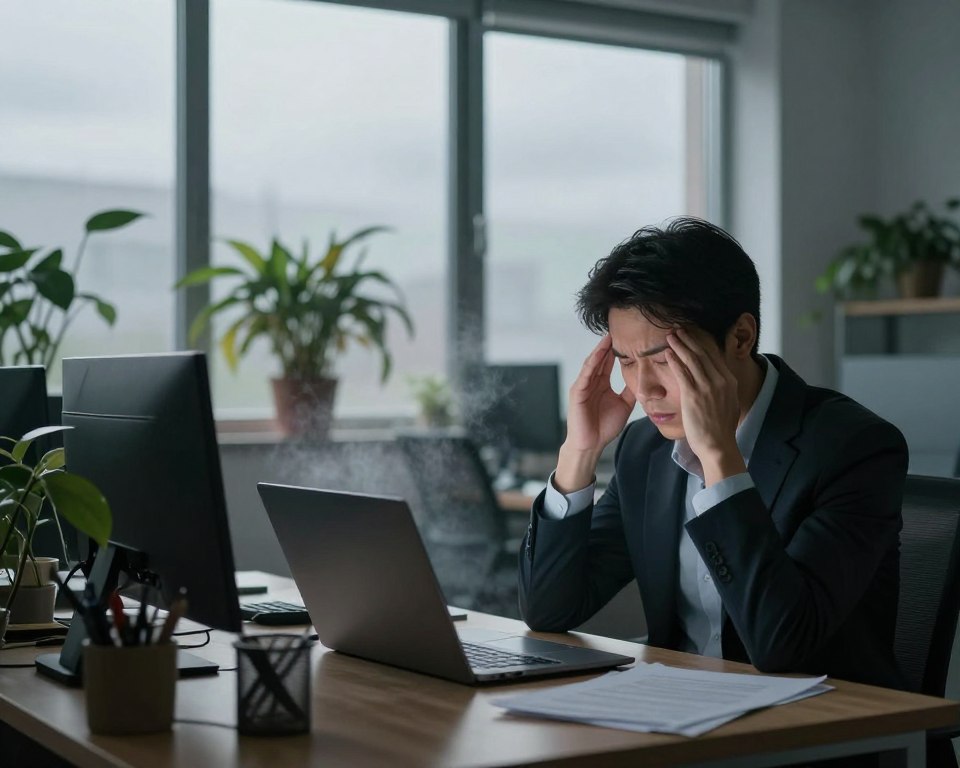
Sick Building Syndrome (SBS) changes how we see indoor health. It’s when people feel sick from being inside a building, but no disease is found. This happens because of health effects of poor air quality.
People often feel better when they leave the building. This shows the problem is with the environment, not a germ. It’s a big challenge for health experts today.
Historical Context of Building-Related Illness
In the 1970s, buildings became more airtight to save energy. Architects made them tighter to use less air.
This made buildings cheaper to run but trapped pollutants inside. It led to more headaches and breathing problems for people inside.
Distinguishing Between Fatigue and Chronic Lethargy
It’s important to tell normal tiredness from the tiredness caused by air quality in buildings. Normal tiredness goes away with rest. But SBS tiredness keeps coming back, even after sleeping well.
When fatigue symptoms only happen in one place, it’s often because of the environment. Knowing this helps find solutions like better air or removing harmful chemicals.
| Symptom Type | Standard Fatigue | Building-Related Lethargy |
|---|---|---|
| Primary Trigger | Physical or mental exertion | Poor indoor air quality |
| Duration | Short-term | Persistent while in building |
| Relief Method | Sleep or rest | Leaving the environment |
| Associated Signs | Muscle soreness | Eye, nose, or throat irritation |
Ventilation Systems and the Oxygen Paradox
Indoor climate control has a paradox. Mechanical systems move air but don’t always refresh it. Ventilation systems aim to keep us comfortable but can trap air instead. This makes us feel tired, even when it’s cool.
The Role of HVAC Maintenance in Air Quality
Keeping systems clean is key to good air. Clogged filters and dusty ducts spread pollutants. Regular service is not just for the equipment; it’s for our health too.
“A building that does not breathe is a building that fatigues its occupants. True comfort requires a constant, invisible exchange of air that mechanical systems must facilitate, not obstruct.”
Ignoring your HVAC can lead to health issues. To keep your space lively, focus on these maintenance tasks:
- Replace high-efficiency filters every 90 days or sooner in high-traffic areas.
- Inspect condensate pans to prevent mold growth that can be aerosolized.
- Verify that intake vents are not blocked by exterior debris or landscaping.
Natural Ventilation Versus Mechanical Filtration
The choice between natural and mechanical ventilation is complex. Mechanical filters are crucial in polluted cities. But, they can’t replace a natural breeze.
Natural ventilation boosts our mood and health by reducing CO2. Yet, it’s not always possible in polluted areas. A mix of mechanical and natural methods often works best for our well-being.
Chemical Sensitivities and Energy Depletion
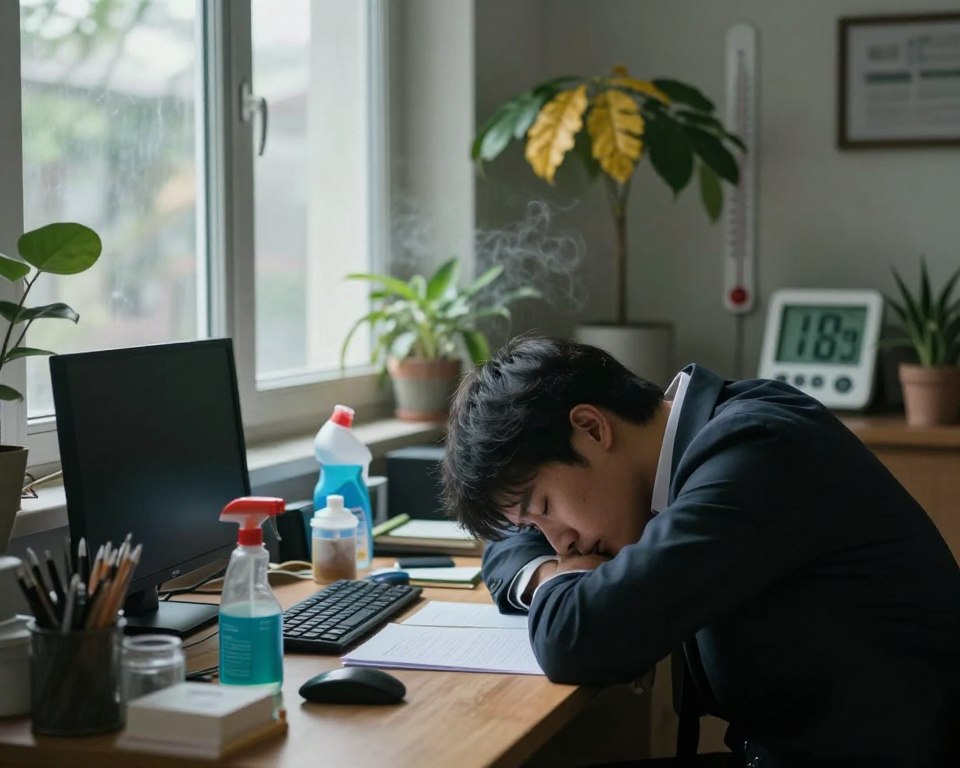
The things around you every day might be making you tired. We often look outside for answers, but our homes can be full of indoor air pollutants. These can cause chemical sensitivities, making you feel constantly fatigued.
Off-gassing from Furniture and Building Materials
Modern furniture and building materials release harmful chemicals called volatile organic compounds. This is called off-gassing. New carpets, pressed-wood furniture, and synthetic paints slowly release these chemicals into the air. These indoor air pollution sources are often smellless, making them hard to spot without special tools.
When these chemicals get into your blood, they can mess with your hormones. This hormonal upset often feels like constant tiredness. To lessen your exposure, try these tips:
- Choose solid wood furniture over particleboard or laminate options.
- Opt for low-VOC or zero-VOC paints during home renovations.
- Allow new furniture to air out in a garage or well-ventilated area before bringing it into living spaces.
The Cumulative Effect of Household Cleaning Agents
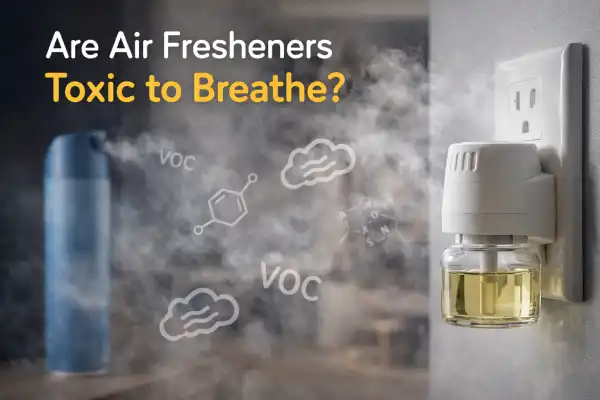
Household cleaning products also add to the toxic load in our homes. Many air fresheners contain petrochemicals. They may smell nice but can weaken your immune system and make you feel tired.
Using many cleaning products daily creates a mix of chemicals. People who are very sensitive might feel foggy or exhausted after cleaning. To lower your risk, use these safer options:
- Replace synthetic fragrances with natural ventilation or essential oils.
- Use vinegar, baking soda, or plant-based cleaning solutions.
- Ensure adequate airflow while using any chemical-based household products.
By spotting these indoor air pollution sources, you can make your environment better. Cutting down on chemicals is key to keeping your energy and mind sharp.
Biological Contaminants and Immune System Stress
Biological contaminants are often hidden but harm your immune system. These indoor air pollutants cause inflammation and can make you feel tired and have breathing problems. Your body works hard to fight these invaders, making it hard to stay healthy.
Mold Spores and Mycotoxin Exposure
Mold in damp places releases harmful spores and mycotoxins. When you breathe them in, they stress your body. Long-term exposure can make you feel very tired or mentally foggy.
Small airborne particles are very dangerous. They can get deep into your lungs and may increase lung cancer risk. Keeping your home dry is key to avoiding these indoor air pollutants.
Pet Dander and Dust Mite Allergens
Pet dander and dust mite waste often cause allergies. They make your immune system release histamines, leading to swelling in your nose and airways. This makes you feel tired all day.
To fight these allergens, clean often and use good filters. By reducing these indoor air pollutants, your immune system can rest. Here’s a table showing the main traits of these common threats.
| Contaminant | Primary Source | Health Impact |
|---|---|---|
| Mold Spores | Damp walls, HVAC systems | Respiratory inflammation, fatigue |
| Pet Dander | Skin flakes from cats/dogs | Allergic rhinitis, immune stress |
| Dust Mites | Bedding, carpets, upholstery | Asthma exacerbation, lethargy |
| Mycotoxins | Active mold colonies | Neurological strain, chronic exhaustion |
The Connection Between Humidity Levels and Alertness
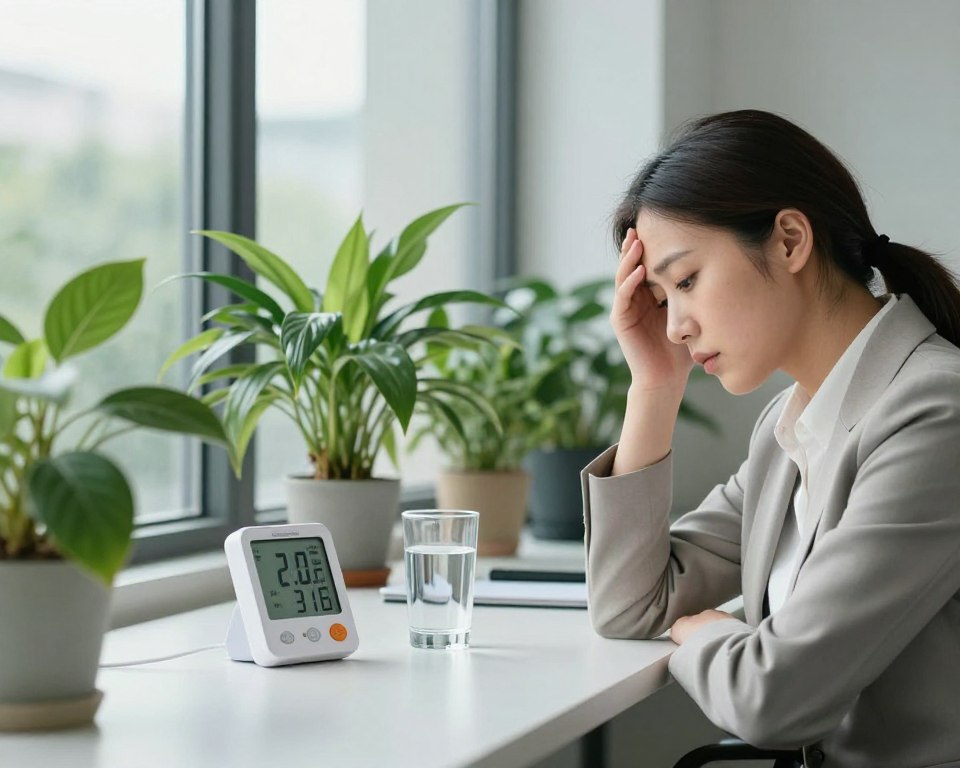
Keeping the right humidity balance is key to avoiding fatigue symptoms. Many focus on temperature, but moisture in the air is just as important. It affects comfort and how our bodies work.
When indoor air is stale or off-balance, we feel less sharp and less energetic. This is because our bodies have to work harder to stay comfortable.
Optimal Humidity Ranges for Cognitive Function
Studies show that 40% to 60% relative humidity is best for our brains. If humidity is too high or too low, we feel tired or dizzy. Checking humidity levels regularly can make a big difference.
Wondering how long cleaning product fumes last? They can mix with humidity and make air worse. Good ventilation and controlling humidity help keep your space focused and energizing.
The Link Between Dry Air and Mucosal Fatigue
Dry air takes moisture from our airways, causing irritation and tiredness. This is called mucosal fatigue. It makes us more prone to allergens and irritants.
Long-term, this constant irritation leads to fatigue from poor indoor air. Our immune system stays stressed, making us feel tired.
The table below shows how humidity affects our health and energy:
| Humidity Level | Physical Impact | Cognitive Effect |
|---|---|---|
| Below 30% | Dry skin, throat irritation | Reduced focus, increased lethargy |
| 40% – 60% | Optimal hydration | High alertness, mental clarity |
| Above 70% | Mold growth, heavy air | Drowsiness, physical discomfort |
Keeping your home in the right humidity range helps fight fatigue from poor indoor air. Small changes to your HVAC or using a humidifier can greatly improve your day.
Lighting and Air Quality: The Dual Impact on Circadian Rhythms
Things like air purity and light exposure shape your sleep-wake cycle. Many focus on light, but air quality is just as important. Poor indoor air can lead to fatigue by affecting your body’s natural rhythm.
How Poor Air Quality Disrupts Sleep Architecture
Air pollutants can harm your sleep by affecting your nervous system. Your body has to deal with toxins at night, making it hard to sleep deeply. This can cause persistent exhaustion in the morning.
“The quality of the air we breathe is as fundamental to our health as the food we eat and the water we drink, yet it remains the most neglected aspect of our daily environment.”
Household pollutants, like those in cleaning products, can also cause inflammation. This keeps your body awake, making it hard to sleep. So, you might feel very tired, even after sleeping a lot.
The Synergy of Light and Air in Workplace Productivity
In work settings, light and air quality affect how well you think. Good light helps keep your body clock in sync. But bad air can make your brain foggy.
To stay alert at work, focus on these key factors:
- Natural Light Exposure: Work near windows to keep hormones balanced.
- Air Exchange Rates: Good ventilation stops CO2 buildup.
- Pollutant Reduction: Use fewer synthetic fragrances to improve air quality.
By improving light and air, you can fight fatigue from poor indoor air. A well-designed workspace keeps you energized and focused all day.
Geographic and Environmental Factors in the United States
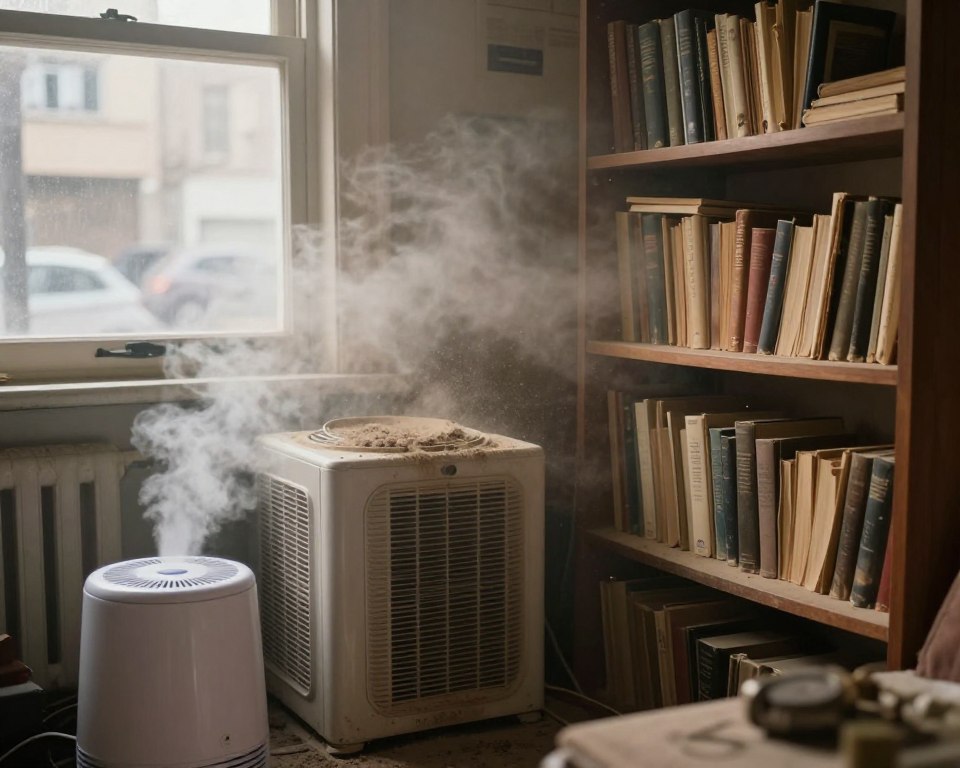
When we talk about indoor air quality, we often forget about where we live. The place you call home affects how well your air gets in and out. Knowing this can help you spot indoor air pollution sources that might be making you feel tired.
Urban Air Quality and Indoor Infiltration
In many U.S. cities, jobs in services and manufacturing make air inside homes harder to keep clean. Cities have more pollution from factories and cars. This pollution can sneak into homes through small openings.
Being in a crowded area means the air outside affects the air inside your home. If outside air is bad, your home’s filters have to work extra hard. Knowing where indoor air pollution sources come from is the first step to making your home healthier.
Seasonal Variations and Indoor Air Stagnation
As the seasons change, so does how we handle air in our homes. In very cold or hot weather, we seal our homes tight. This can make the air inside stale, leading to feelings of tiredness.
In humid places like the Southeast, warmer months bring more biological threats. In dry areas like the West, dust and particles can get into homes more easily. No matter where you live, changing seasons mean you need to stay on top of indoor air pollution sources to keep your home energizing.
Diagnostic Challenges in Identifying Environmental Fatigue
Finding the cause of constant tiredness can be hard. Symptoms like headaches and feeling tired are often seen as signs of a cold. But, the link between indoor air quality and fatigue is often missed.
Why Doctors Often Overlook Air Quality
Doctors usually look for viruses when someone says they’re always tired. Since the body reacts to bad air like it does to a cold, they don’t think about the air at home or work. This is because they learn more about diseases than about environmental toxicology.
Patients don’t often talk about their living or work environment. Without this info, doctors just treat the symptoms. They don’t look for the real cause. It’s important to see how indoor air quality and fatigue are connected.
Tools for Monitoring Your Personal Air Environment
Getting data on your air quality is key to taking care of your health. Today, you can use tools like Airthings or PurpleAir to check for pollutants. These devices show you levels of harmful substances in the air.
Keeping a record of your air quality and how you feel can help. If you feel worse when CO2 levels go up, you have proof. This way, you can show doctors what’s really going on.
| Symptom | Viral Infection | Poor Air Quality |
|---|---|---|
| Fatigue | Sudden onset | Chronic/Cyclical |
| Congestion | Often accompanied by fever | Linked to specific rooms |
| Headaches | General pressure | Related to CO2/VOCs |
| Recovery | Improves with rest | Improves with ventilation |
Mitigation Strategies for a More Energizing Home
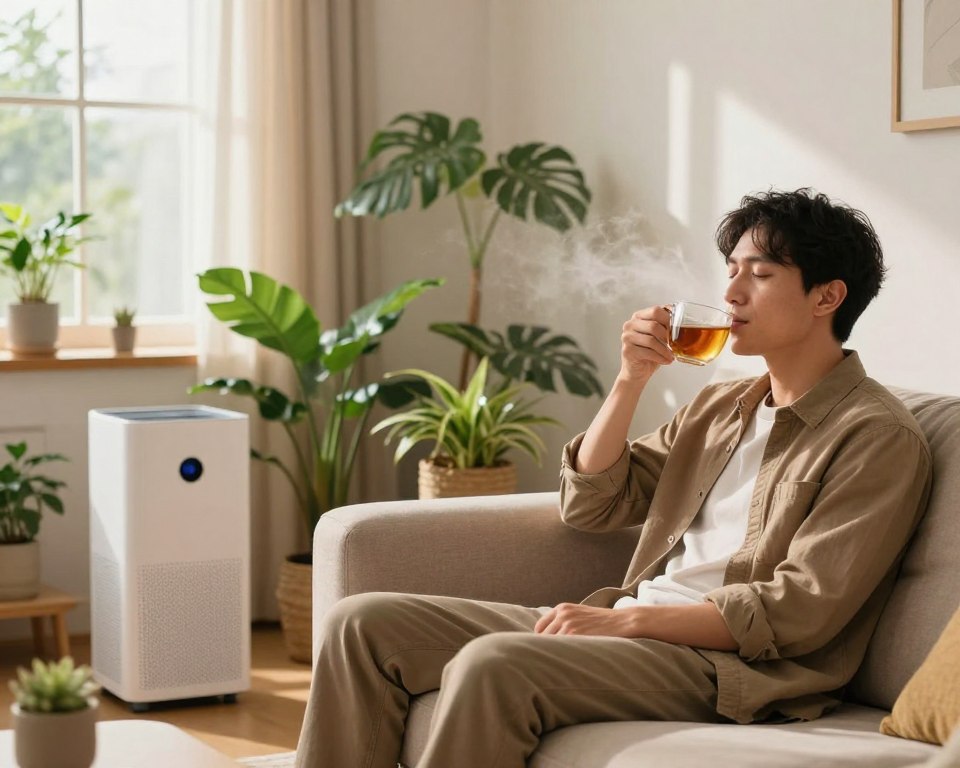
Practical strategies can help fight the environmental factors that cause indoor air quality and fatigue. By controlling your surroundings, you can lessen the impact of airborne pollutants. Knowing the impact of indoor air quality is key to getting your energy back.
High-Efficiency Particulate Air Filtration Systems
HEPA filtration is a top way to cut down indoor pollutants. These systems catch tiny particles like dust, pollen, and smoke. Getting a certified HEPA unit keeps your air clean and helps avoid feeling tired.
Strategic Use of Indoor Plants for Air Purification
While ventilation systems are crucial, plants also help purify the air naturally. Plants like spider plants or peace lilies can remove harmful chemicals. Placing them around your home can make the air fresher, but don’t forget about strong filtration.
The Importance of Regular Duct Cleaning
Dust, pet dander, and other pollutants build up in your HVAC system’s ductwork over time. If not cleaned, they get circulated back into your home. Regular duct cleaning is vital to stop allergens and debris from spreading. Clean ducts mean cleaner air for you and better health.
The Role of Building Design in Long-Term Wellbeing
The start of long-term wellness is in the building’s design. Today, design focuses more on health than looks. Designers aim to improve air quality in buildings from the start. This way, they create spaces that boost energy and brain function.
Sustainable Architecture and Air Exchange Rates
Sustainable design aims to keep air fresh by letting in more outdoor air. It stops indoor pollutants that make us tired. Ventilation systems that work well are key, balancing air flow with energy use.
Buildings that follow these ideas use smart designs to stay healthy. Windows are placed wisely and materials are safe for our bodies. This makes the building a health protector.
Smart Home Technology for Real-Time Air Monitoring
Smart home tech has changed how we manage our homes. It gives us instant info on air quality. This lets us fix air problems before they affect our work.
Now, systems can automatically clean the air when needed. This proactive management makes keeping a healthy home easy. With these tools, homes stay great for our health and minds.
Image Disclosure and Educational Context
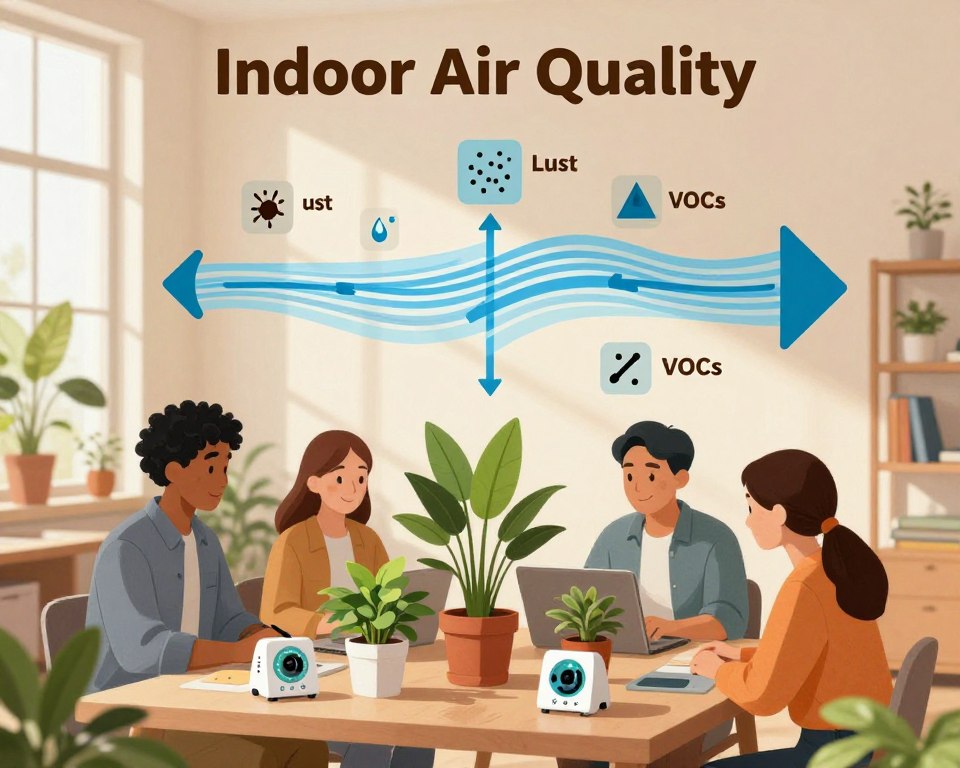
We make sure to be clear about the images we use in this guide. Some pictures are AI-generated and help explain things in a simple way.
These pictures are made to make hard topics easy to understand. They help us get a better grasp of environmental and vet issues.
Remember, these images are for educational purposes only. They should not replace a vet’s check-up or medical advice.
We aim to give you the right info and keep our teaching high-quality. If you’re worried about your health or your pets’, talk to a vet.
Professional Veterinary Considerations for Household Pets
Domestic animals spend more time indoors than humans. This makes them more likely to be affected by environmental toxins. Their smaller size and faster breathing rates mean they can feel the effects of poor air quality faster. Keeping their environment clean is key to being a good pet owner.
How Poor Air Quality Affects Animal Energy Levels
Poor indoor air can make pets feel tired and less energetic. They might seem less interested in playing or moving around. This is a sign that they are stressed by their environment. Knowing how air pollution affects pets helps you spot these changes.
Poor air quality makes it harder for pets to get enough oxygen. This can make them tired all the time. Keeping your home’s air clean helps keep your pet’s energy up.
Recognizing Respiratory Distress in Domestic Pets
Respiratory distress is a serious issue that needs vet attention right away. Look out for signs like coughing, wheezing, or breathing too fast. If your pet is struggling to breathe or breathing with their mouth open, it’s a big warning sign.
Many household items, like cleaning supplies or aerosols, can cause these problems. Make sure your home products are safe. Some items, like rug deodorizer powder, can make breathing issues worse. Reducing chemical use helps keep your pets safe and healthy.
Conclusion
Persistent lethargy often comes from the places we rest. It’s important to understand if poor indoor air can cause fatigue. Making small changes in ventilation and filtration can greatly improve your energy levels.
You can turn your home into a place of rest and renewal. By keeping an eye on carbon dioxide levels and reducing chemical off-gassing, you help your body. These actions lead to better sleep and brain function for everyone at home.
Managing air quality is key to long-term health. By tackling hidden pollutants, you boost your physical and mental performance. Checking your environment is a crucial step to regain your energy.
We encourage you to check your home’s air quality with reliable monitors. Talk about it with your family to make your home healthier and more lively. Your effort to improve air quality today will lead to better health tomorrow.
FAQ
Can poor indoor air cause fatigue in healthy individuals?
Yes. Fatigue can be linked to poor indoor air quality. This is because our bodies react to pollutants in the air. This reaction can make us feel tired and weak, but leaving the area can help.
What are the primary indoor air pollutants responsible for causing exhaustion?
Main pollutants include VOCs from furniture and cleaning products. Also, particulate matter and high CO2 levels in closed spaces can cause exhaustion. These factors can make us feel tired and less alert.
How can I distinguish between general tiredness and Sick Building Syndrome?
Sick Building Syndrome shows up quickly after being in a building. It comes with symptoms like irritation and headaches. If you feel tired only in certain places, check the air quality.
Do modern ventilation systems always guarantee high-quality air?
No. Ventilation systems are not always perfect. They can spread pollutants or not bring in enough fresh air. Good systems, like Honeywell or Carrier, are needed for clean air.
Can household items really cause chemical sensitivities and energy depletion?
Yes. Items like synthetic carpets and cleaning products release harmful gases. These gases can affect our health and make us feel tired over time.
How do biological contaminants like mold and pet dander affect my energy?
Mold and pet dander stress our immune system. This stress can make us feel tired all the time. Using tools like Dyson vacuums helps keep these allergens away.
What role does humidity play in cognitive function and alertness?
Humidity affects our health. Dry air can make us tired and irritated. But, too much humidity can also harm us. Keeping humidity between 30% and 50% helps us stay alert.
How does poor air quality impact sleep and circadian rhythms?
Poor air quality disrupts our sleep and energy levels. Pollutants can mess with our nervous system, making us tired during the day. Bad lighting and air together can really hurt our health and energy.
Why do medical professionals often overlook air quality as a cause of fatigue?
Fatigue from air quality is hard to diagnose. Doctors often look for other causes. Using devices like Awair can help show the air quality problems to doctors.
What are the most effective mitigation strategies for improving air at home?
To improve air, use HEPA filters and clean ducts regularly. Choose low-emission materials and add plants for extra air cleaning. But, always use strong filtration and fresh air exchange.
Are pets more susceptible to the health effects of poor air quality than humans?
Yes. Pets are more affected by poor air because they spend more time indoors. Watch for signs of tiredness or breathing problems in pets to know if the air is bad.