Ever wondered if that chemical smell in your bedroom is just a bother or a real health risk? As a pharmacist, I talk to many patients worried about indoor air quality. They’re concerned about how household items might affect their health over time.
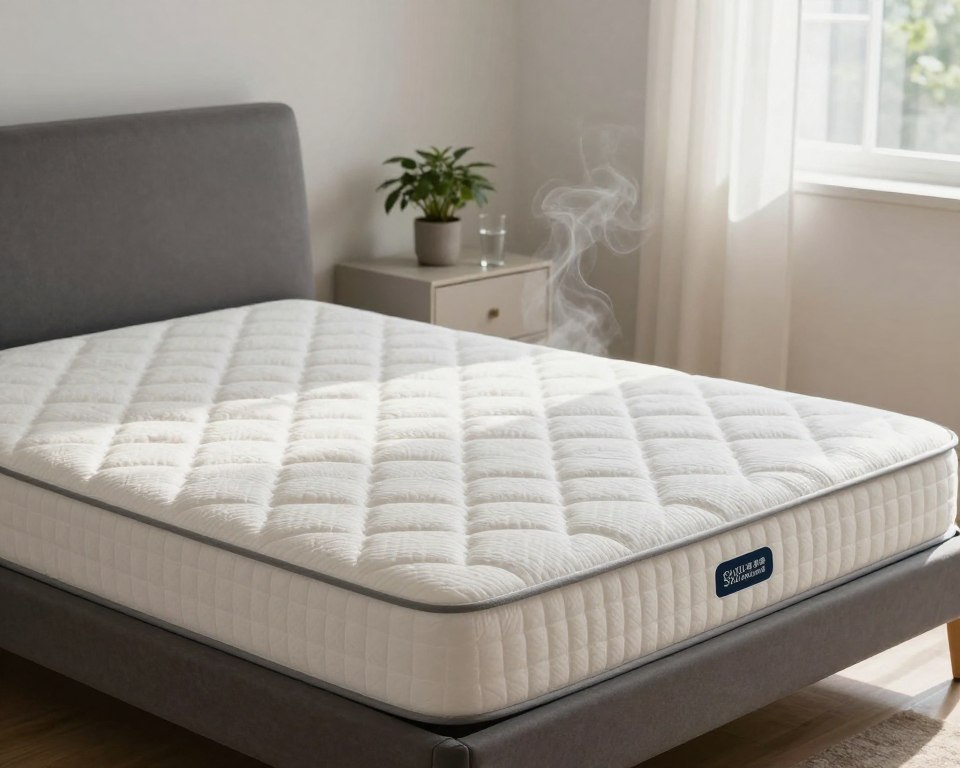
When you open a bed-in-a-box or a memory foam mattress, you might notice a strong smell. This is called off-gassing. It happens when volatile organic compounds (VOCs) are released into your bedroom. While these smells are common, it’s important to understand the science behind them to make safe choices for your home.
It’s key to know the difference between harmless byproducts and real health risks. We’ll dive into the chemistry to help you figure out if your mattress needs better air flow. Or if it’s safe to sleep on without worry.
Key Takeaways
- Off-gassing refers to the release of volatile organic compounds from manufactured goods.
- Most odors dissipate within a few days of proper ventilation.
- Pharmacists often evaluate indoor air pollutants to assess possible respiratory or skin sensitivities.
- Not all chemical scents mean high levels of harmful substances.
- Choosing products with third-party certifications can lower your exposure to unwanted chemicals.
Understanding the Chemistry of Off-Gassing
Learning about the “new mattress smell” is key to a healthier sleep area. This smell, or off-gassing, happens when products release chemicals into the air. It’s common in today’s products.
Getting a new memory foam mattress means bringing a product sealed in plastic into your home. Chemicals are used to make the foam strong. When you open the packaging, these chemicals turn into gas and spread in your room.
What Causes the New Mattress Smell
The smell of new bedding comes from gases released quickly. A memory foam mattress has more of these gases than other bedding. The foam holds onto these chemicals until it’s exposed to air.
The smell’s strength depends on the materials and how long the mattress was stored. While it fades over time, knowing how long cleaning product fumes last helps. Good air flow is essential to clear the air faster.
Common Volatile Organic Compounds Found in Foam
The gases from off-gassing are called volatile organic compounds (VOCs). These are chemicals that turn into gas easily at room temperature. In foam, you might find formaldehyde, benzene, and phthalates.
Not all VOCs are dangerous, but they’re common in synthetic products. They help make foam comfortable, fire-resistant, and strong. Knowing about these chemicals helps you choose better for your home.
Is New Mattress Smell Toxic to Human Health
Is new mattress smell toxic, or is it just a bad smell from making mattresses? The smell’s strength depends on the materials and foam quality. Many find it annoying, but it’s mainly from off-gassing. This is when chemicals in the mattress get released into the air.
As a pharmacist, I tell patients to think about the chemicals in their homes. It’s like checking if cleaning products are safe during pregnancy. We should be careful about what we breathe at night. Even if most adults are okay, it’s best to avoid it for everyone’s safety.
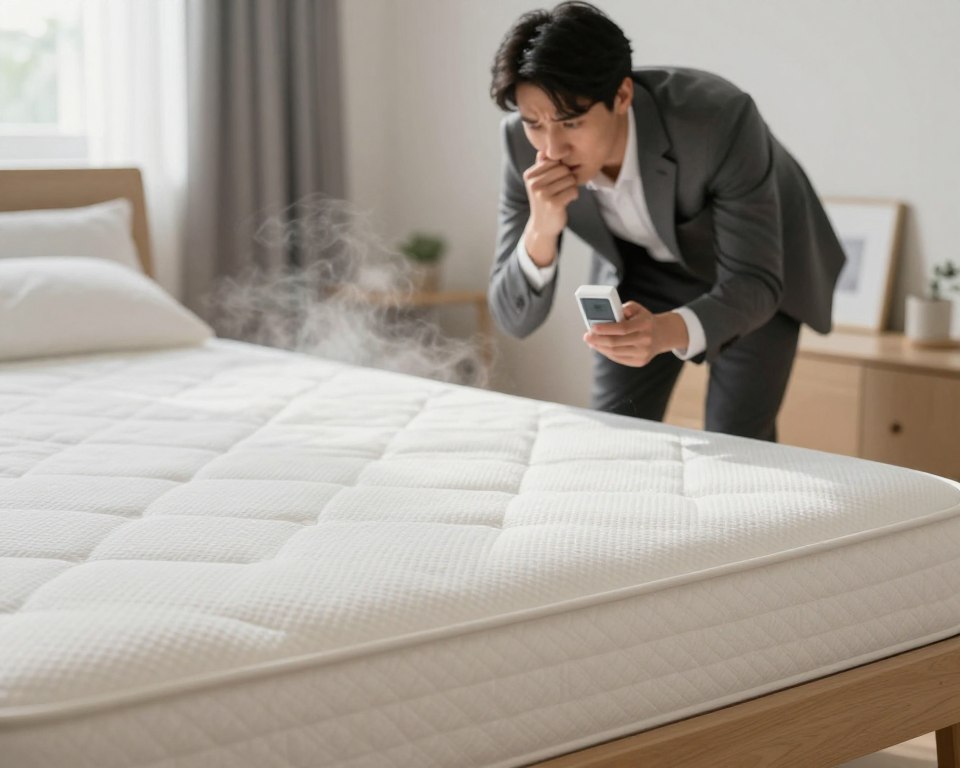
Acute Symptoms of Chemical Exposure
When a mattress releases volatile organic compounds, some people might feel sick right away. These VOC exposure symptoms happen soon after the mattress is opened and put in a bedroom.
Common symptoms include:
- Persistent headaches or migraines.
- Dizziness or lightheadedness.
- Nausea or stomach discomfort.
- Irritation of the eyes, nose, and throat.
These symptoms usually go away as the mattress airs out. If you feel these signs, open windows to reduce chemical levels in the air.
Long-term Health Considerations and Research
Looking at the mattress health risks from long-term exposure is tricky. While we’re learning more, experts say good air quality is key for health.
Being around chemicals in the house can hurt your lungs over time. Evidence-based guidance says people with asthma or chemical sensitivities should be careful with new bedding.
In short, while a new mattress smell is usually not a big deal, it’s a sign to choose low-emission products. Making smart choices helps keep your sleep area healthy, not harmful.
The Role of Polyurethane Foam in Mattress Manufacturing
Polyurethane foam is key in making most modern mattresses. It’s chosen for its support and comfort. By changing its makeup, makers can adjust its firmness to fit what people like.
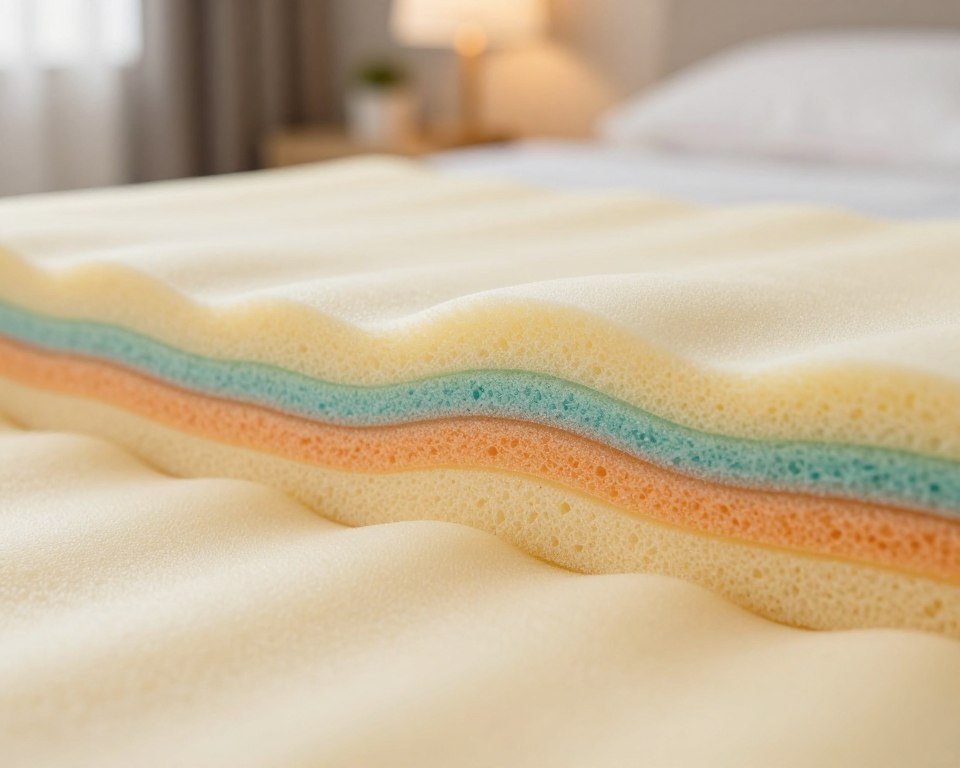
How Memory Foam is Produced
Making a memory foam mattress starts with mixing polyols and diisocyanates. These are made from oil and are mixed with special helpers to start a chemical reaction. This makes a foam that changes shape with your body’s heat and pressure.
Next, special agents are added to make the foam’s cells. These agents make the foam expand, keeping its shape but feeling soft. The foam is made from oil, so it might smell a bit when it’s first made.
Additives and Flame Retardants in Modern Bedding
U.S. laws say mattresses must not catch fire easily. To meet these rules, makers add mattress flame retardants to the foam or fabric. These help stop fires from spreading quickly.
The chemicals in a mattress can change because of these safety treatments. There are a few ways to make a mattress safe:
- Chemical barriers: Applying fire-resistant coatings directly to the foam.
- Intumescent fibers: Using special materials that grow when it gets hot.
- Borate-based treatments: Adding mineral-based compounds to stop fires.
These mattress flame retardants are important for safety but add to the chemicals in mattresses. Knowing about these helps us understand why new memory foam mattresses need to air out first. The industry keeps working to make mattresses safe and comfy, using less harmful chemicals.
Regulatory Standards and Safety Certifications
Understanding mattress safety certifications is key for health-conscious buyers. These programs help check the chemicals in bedding. They use tests to help you choose safer sleep options.
Knowing about these labels helps spot real safety from just marketing. When products are tested, they must meet strict limits for harmful chemicals. This is important for modern safety in making things, ensuring they’re safe for your home.
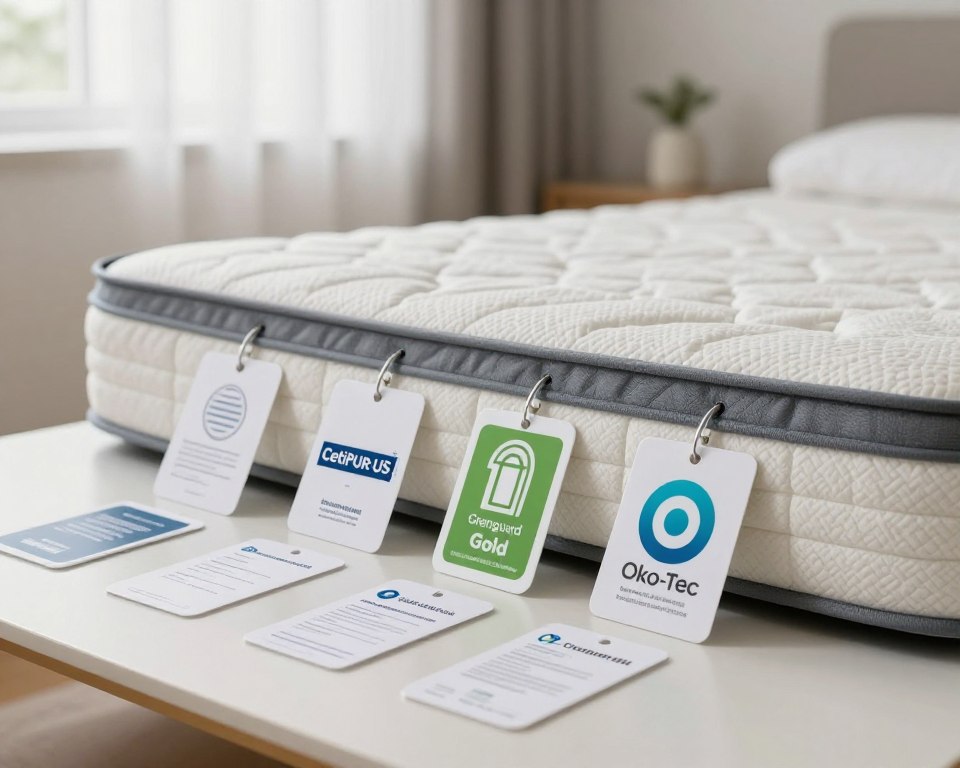
Understanding CertiPUR-US Certification
The CertiPUR-US label is well-known for foam safety. It checks for harmful chemicals like formaldehyde and heavy metals. This ensures the foam is safe.
This label also checks for low VOCs to keep air clean. It’s a sign of safety for homes, great for pet owners and parents.
The Significance of GREENGUARD Gold Standards
The GREENGUARD Gold standard looks at the whole product’s air quality impact. It’s strict, focusing on safety for all, including kids and the elderly. It sets high standards for VOCs.
Getting this certification means a mattress is tested for air quality. It’s a step towards a healthier sleep space. It keeps your bedroom safe from harmful chemicals.
Identifying High-Risk Materials in Mattresses
Knowing what’s in your mattress is key to cleaner air at home. Not all parts of a mattress are created equal when it comes to chemicals. Knowing this helps you pick safer options for your bedroom.
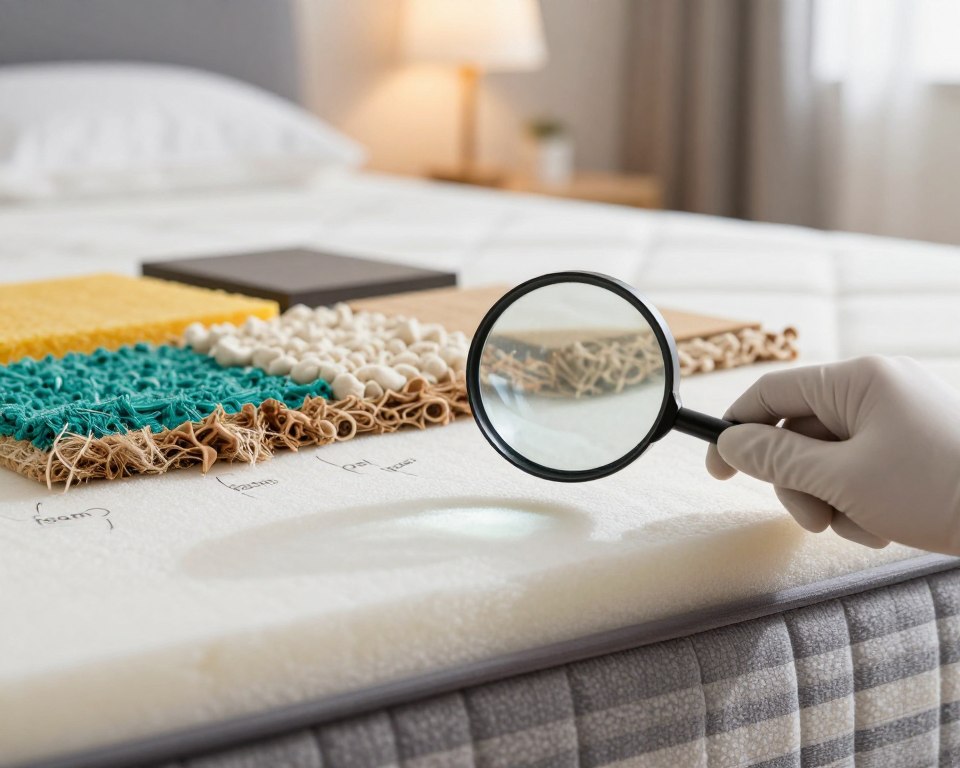
Synthetic vs Natural Latex Components
When looking at mattresses, it’s important to know the difference between synthetic vs natural latex. Synthetic foams need lots of chemicals to be soft and last long. These chemicals can release harmful fumes over time.
Natural latex, on the other hand, comes from rubber trees and needs fewer chemicals. Opting for organic or natural materials can greatly reduce your exposure to harmful chemicals. For more info, check out toxic materials in mattresses to know what to avoid.
The Impact of Adhesives and Glues
Adhesives and glues are often overlooked as sources of air pollution in mattresses. They’re used to stick different parts of the mattress together. But these substances can also release harmful chemicals into the air.
Good manufacturers are starting to use safer adhesives. Look for products with low-VOC adhesives to improve your sleep environment.
| Material Type | Chemical Risk Level | Common Additives |
|---|---|---|
| Synthetic Polyurethane | High | Flame retardants, VOCs |
| Synthetic Latex | Moderate | Stabilizers, synthetic polymers |
| Natural Latex | Low | Minimal processing agents |
| Organic Cotton/Wool | Very Low | None (Natural fibers) |
How to Properly Air Out a New Mattress
Getting rid of a new mattress’s smell needs a smart plan for air flow. By following certain steps right after you open the box, you can cut down the time it takes to get rid of the smell. This method also reduces harmful chemicals in your bedroom.
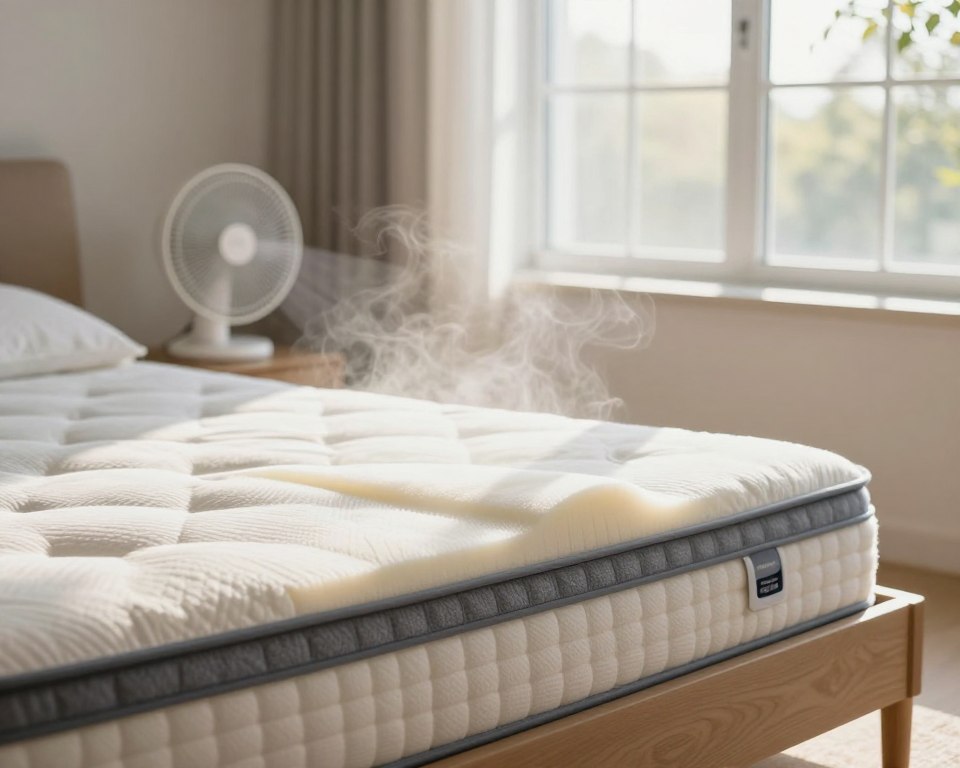
Effective Ventilation Techniques for Bedrooms
The best way to mattress ventilation is to make a cross-breeze in the room. Open windows on opposite sides to let fresh air in. If you can’t open windows, use strong box fans to blow air over the mattress.
Take off all bedding, like mattress protectors and sheets, for the first few days. This lets the foam breathe better. Putting the mattress in a room with a ceiling fan on high helps get rid of trapped gases faster.
“Consistent airflow is the single most effective tool for improving indoor air quality when introducing new synthetic materials into a living space.”
Recommended Timeframes for Off-Gassing
The mattress off-gassing timeline usually lasts from three to seven days. Most smells go away in this time, but it depends on the foam’s density and the room’s temperature. Warmer rooms speed up gas release, while cooler ones slow it down.
Being patient is key to making sure the mattress is fully ready. If you’re sensitive to smells after a week, try using an air purifier with HEPA and activated carbon filters. The table below shows how different methods work during this time.
| Method | Effectiveness | Time Required |
|---|---|---|
| Cross-Ventilation | High | 3-5 Days |
| Box Fan Circulation | Moderate | 4-6 Days |
| Air Purifier Use | Moderate | 5-7 Days |
| Passive Airing | Low | 7+ Days |
Vulnerable Populations and Chemical Sensitivity
Clinical studies show that chemical sensitivity changes a lot with age and health. A healthy adult might see a new mattress smell as a small problem. But for others, it can be a big trigger. It’s key to know these risks to keep our homes safe.
Risks for Infants and Children
Infants and young kids are very sensitive to chemicals. Their bodies are growing fast, and they breathe in more air than adults. This means they might get more chemicals from their mattresses.
Children sleep a lot, so they get more chemicals from their mattresses. Parents should choose mattresses tested for low chemical emissions. Choosing certified materials helps protect their kids’ health.
Considerations for Individuals with Respiratory Issues
People with asthma, COPD, or chemical sensitivities need to be careful. Even small amounts of chemicals can make their airways hurt. Synthetic foams and adhesives can make symptoms worse.
Those with chemical sensitivity should look for mattresses made with clear materials. It’s safer to avoid mattresses with unknown chemicals. This helps manage mattress health risks and improves sleep.
Comparing Synthetic Mattresses to Organic Alternatives
Choosing between synthetic and natural materials is key to a better sleep environment. Conventional foam beds use complex chemicals, while organic mattress alternatives are cleaner. Knowing the difference between synthetic vs natural latex helps find safer products.
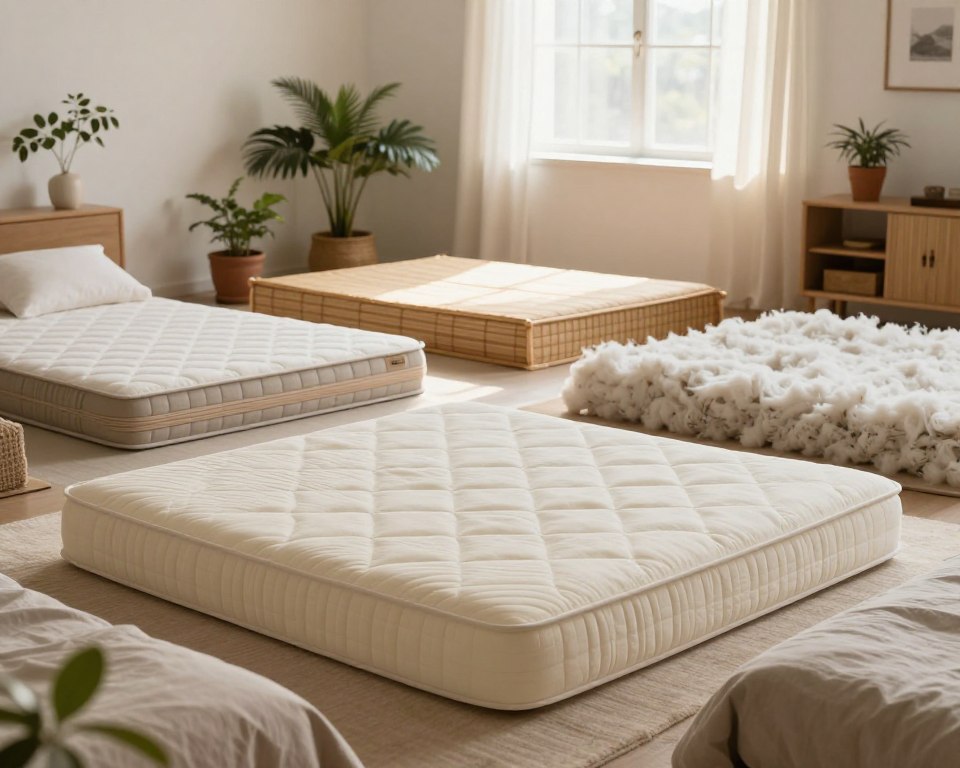
Many look for mattress safety certifications to ensure their purchase is pure. Labels like GREENGUARD Gold show a product has passed strict chemical tests. This reduces exposure to harmful compounds found in many beds.
Benefits of GOTS Certified Organic Cotton
GOTS (Global Organic Textile Standard) certified organic cotton is top-notch, sustainable bedding. It’s made without synthetic pesticides or harsh chemicals. This means the fibers are free from chemical residues found in regular cotton.
Organic cotton mattress covers are breathable and hypoallergenic. They offer a natural barrier without the need for chemical treatments. For those worried about toxins, GOTS-certified materials ensure clean, non-toxic fibers.
Why Wool is Used as a Natural Flame Barrier
Chemical flame retardants are often used in mattresses, but wool is a natural flame barrier. Its protein structure and moisture content prevent it from igniting easily. This makes wool a safe, effective alternative to synthetic chemicals.
Wool is also great for regulating temperature and moisture. It keeps the sleeper cool and comfortable. Choosing wool over synthetic chemicals helps avoid indoor air quality issues.
| Material Feature | Synthetic Foam | Organic Materials |
|---|---|---|
| Primary Source | Petrochemicals | Plant/Animal Fibers |
| Flame Retardants | Chemical Additives | Natural Wool |
| Breathability | Low | High |
| Chemical Residue | Potential VOCs | Minimal to None |
The Impact of Indoor Air Quality on Sleep Hygiene
Your bedroom should be a peaceful place. But, invisible pollutants can harm your sleep hygiene. It’s not just about the mattress or pillows. The air you breathe at night is also key.
Keeping your environment clean is vital for your health and recovery.
How VOCs Affect Sleep Architecture
Volatile organic compounds can mess with your sleep. They might irritate your breathing, breaking up your sleep. This can cut down on deep, restful sleep.
Dealing with these chemicals keeps your body awake. This can cause long-term tiredness and affect your brain function.
Monitoring Air Quality in the Bedroom
To better your indoor air quality, you need to watch and improve it. Use digital air quality monitors to track pollutants. These tools show when to open windows or change filters.
Regular checks help spot problems, like chemical increases from new furniture. Keeping these levels down makes your bedroom a place for true rest.
| Factor | Impact on Sleep | Recommended Action |
|---|---|---|
| High VOC Levels | Fragmented sleep cycles | Increase ventilation |
| Dust Accumulation | Respiratory irritation | Use HEPA air purifiers |
| Low Humidity | Dry throat and snoring | Utilize a humidifier |
| Optimal Airflow | Enhanced recovery | Keep windows cracked |
Pharmacist Insights on Chemical Exposure
As a pharmacist, I often look into how things like a new memory foam mattress affect health. Many people don’t know that their indoor environment can really affect their health. It’s key to know if you’re sensitive to chemicals to make your bedroom safe and restful.
When to Consult a Healthcare Professional
New bedding might smell a bit, but ongoing health problems are not okay. If you’re experiencing VOC exposure symptoms like headaches, dizziness, or breathing issues that keep coming back, watch out. I tell patients to see a doctor if these problems last more than a week.
Seeing a doctor is very important if you have asthma or are sensitive to chemicals. When talking to your doctor, be ready to share:
- The exact date you started using the new mattress.
- A detailed list of your symptoms and how long they’ve lasted.
- If you have any allergies or breathing problems.
- What you’ve done to improve air in your room.
Managing Allergic Reactions to New Bedding
Dealing with mattress chemical exposure means taking steps to improve air quality indoors. Even though the mattress off-gassing timeline is usually short, some people react more. If you think you’re allergic, try to stay away from the source of the problem.
Here are some steps to help you manage your space while you get better:
- Increase ventilation: Open windows and use fans to bring in fresh air.
- Use a barrier: A good, tight mattress protector can keep chemicals in.
- Temporary relocation: If you can, sleep in another room until the smell goes away.
- Air purification: Use a HEPA air purifier to clean the air.
Remember, your health is most important. If your symptoms get worse or don’t get better, get medical help. It’s important to know if you’re just uncomfortable or if it’s a real health issue.
Image Disclosure and Educational Illustration
We want to clear up where the images in this guide come from. We use different graphics to make complex chemical and environmental ideas easy to see. This helps turn hard-to-understand concepts into accessible visual formats.
These images connect technical info with how it affects your sleep. By making complex ideas simple, we aim to help you make smart choices about your home.
Purpose of AI-Generated Visuals
Some images in this article are AI-generated for learning. We use this tech to show abstract ideas clearly. It’s hard to take pictures of these concepts, so AI helps us out.
These pictures focus on certain chemical structures or how they interact with the environment. They give a visual framework that goes along with the text. This makes the info easier for more people to understand.
Limitations of Educational Illustrations
It’s key to remember these images are for learning only. They should never be seen as medical advice, proof of health, or a replacement for a doctor’s check-up.
Even though these graphics are made to be accurate, they are artistic takes on scientific facts. Always trust the written, evidence-based info for your health choices, not just the pictures.
| Feature | Educational Illustration | Clinical Data |
|---|---|---|
| Primary Goal | Conceptual Clarity | Diagnostic Accuracy |
| Source | AI-Generated/Artistic | Peer-Reviewed Research |
| Application | General Understanding | Medical Decision Making |
| Reliability | High for Visualization | High for Health Safety |
Maintenance Tips to Reduce Lingering Odors
To tackle lingering smells, you need smart protection and airflow. A proactive approach can greatly improve your indoor air quality. It also keeps your bedding fresh for a long time.
Using Mattress Protectors to Seal VOCs
A good, breathable mattress protector is key. It acts as a shield between you and the foam. These covers catch particles but let air flow to stop moisture.
“The right protective layer acts as a filter, helping to contain volatile compounds while ensuring the surface remains comfortable and hygienic for daily use.”
Choose a protector that’s free from harmful chemicals. This keeps your mattress odor removal efforts safe from synthetic substances.
Routine Cleaning and Air Circulation Practices
Regular mattress ventilation is best for getting rid of smells. Strip your bed often to let the foam breathe, mainly in the first few weeks.
When cleaning your mattress, remember these tips to keep the foam in good shape:
- Avoid harsh chemicals: Don’t use industrial cleaners or bleach, as they can harm the foam and trap smells.
- Use natural solutions: A light dusting of baking soda can neutralize smells. Just vacuum it off well after a few hours.
- Maximize airflow: Open bedroom windows or use a ceiling fan to help air move. This clears out trapped VOCs.
Consistency is key in managing these factors. By making these habits part of your routine, you protect your investment and health. You do this without harsh cleaning agents.
Common Myths Regarding Mattress Toxicity
Is new mattress smell toxic, or is it just a sign of modern manufacturing? Many people notice a strong smell when they open a new mattress. This smell makes them worry about the air inside their homes. But, just because there’s a smell doesn’t mean it’s harmful.
Debunking Misinformation About Off-Gassing
The term off-gassing is often misunderstood. It means the release of chemicals from materials like polyurethane foam as they settle. These smells might be unpleasant, but they’re usually not dangerous.
Many think a stronger smell means more chemicals. But, the smell’s strength often shows how fresh the product is, not its chemical content. Proper ventilation can usually get rid of these smells in a few days.
Distinguishing Between Odor and Toxicity
It’s important to tell the difference between a smell and a real health risk. A strong smell doesn’t always mean danger. Our noses can pick up on tiny amounts of chemicals.
When choosing a mattress, think about the natural vs synthetic materials. This helps you understand what you’re bringing into your home.
If you’re worried about synthetic materials, look into organic mattress alternatives. These use natural materials like latex or wool. They have their own smells, unlike synthetic chemicals. Making a good choice means looking beyond the smell and checking for safety and transparency.
Conclusion
Switching to a new sleep surface needs patience and proactive steps. The smell of a fresh mattress is normal, part of making most foam products. Knowing about these smells helps you handle your space well without worry.
You can get rid of new mattress smell. Make sure there’s good airflow and use simple ways to soak up smells. Tools like baking soda or activated charcoal can help get rid of odors. This way, your bedroom stays a peaceful place for sleep, not a source of irritation.
Choosing products with third-party certifications like CertiPUR-US or GREENGUARD Gold adds safety. These standards mean less harmful stuff and better air quality. Making smart choices and keeping good air flow in your bedroom helps everyone sleep better.
Good sleep hygiene comes from the quality of your space. Watch how you react to new bedding and keep your area clean. Making smart choices leads to better sleep and peace of mind every night.
FAQ
What exactly is mattress off-gassing and why does it happen?
Off-gassing is when materials release chemicals into the air. This happens with bedding, like memory foam mattresses. They release VOCs like formaldehyde and benzene.
Are the VOCs released by a new mattress toxic to my health?
The smell from a new mattress might be a temporary problem. But, some people might get headaches or feel sick. It’s best to keep your home chemical-free for your health.
How can I tell if a mattress has low chemical emissions?
Look for certifications like CertiPUR-US. It means the foam is safe and has low VOCs. GREENGUARD Gold is even stricter, testing for many chemicals.
Which mattress materials carry the highest risk for chemical off-gassing?
Synthetic materials, like polyurethane, are risky. Natural latex and organic cotton are safer. They don’t need as many chemicals.
What is the most effective way to air out a new mattress?
Open windows and use fans. Let the mattress air out for 24 to 72 hours. This helps get rid of chemical smells.
Should I be concerned about my child’s mattress off-gassing?
Yes. Kids are more vulnerable to air pollution. Choose low-emission or organic mattresses for their health.
Can a mattress protector help reduce exposure to VOCs?
A good mattress protector can help. It traps VOCs. But, it’s best used with airing out the mattress first.
When should I consult a healthcare professional regarding my mattress?
If you have allergies or breathing problems after getting a new mattress, see a doctor. It’s important to know if it’s just a smell or a real health issue.
Is a strong smell always an indicator of high toxicity?
No. A strong smell doesn’t always mean it’s toxic. Some smells are harmless. But, a strong chemical smell means you should air it out more.