Do you really need advanced air cleaning to breathe safely at home? Many think high-efficiency particulate air technology is the only way to a healthy home.
This belief can lead to spending too much on expensive filters. These devices catch tiny particles but aren’t a fix for every home.
We need to look beyond the marketing to see how well these systems work. It’s important to know if the clinical benefits are worth the cost for most people. By looking at the facts, we can decide if your home needs such filters or if simpler, cheaper methods work better.
Key Takeaways
- High-efficiency mechanical systems are not the only way to improve indoor air quality.
- Marketing often exaggerates the necessity of specialized filtration for healthy individuals.
- Cost-benefit analysis is essential before investing in expensive purification hardware.
- Source control and ventilation often outperform mechanical cleaning in many residential settings.
- Evidence-based guidance helps consumers avoid paying for features they do not actually need.
Understanding the Science Behind HEPA Filtration
Clean indoor air starts with a complex process that catches tiny pollutants. It’s not just about moving air; it’s about catching particles we can’t see. These systems keep the air clean, protecting us from harmful airborne particles.
Defining High-Efficiency Particulate Air Standards
HEPA stands for High-Efficiency Particulate Air. It means a filter can catch 99.97% of particles that are 0.3 microns in size. Even better, H13 filters can remove 99.95% of particles, making the air even cleaner.
“The quality of the air we breathe indoors is a fundamental pillar of public health, requiring rigorous standards for the technology we use to clean it.”
How Mechanical Filtration Traps Microscopic Particles
Mechanical filters have a dense mat of fibers, usually made of fiberglass. They catch particles through three ways: interception, impaction, and diffusion. Larger particles hit the fibers, while smaller ones get caught in the filter’s mesh.
This method ensures even the tiniest pollutants are caught. The fibers are arranged to be dense enough to filter well but not block airflow. This balance is key for the filter to work well over time.
The Difference Between True HEPA and HEPA-Type Filters
Products labeled as “HEPA-type” or “HEPA-like” can be confusing. These labels mean the filter hasn’t met the strict HEPA standards. True HEPA filters offer the best protection for your air.
| Filter Type | Efficiency Rating | Particle Size Captured |
|---|---|---|
| True HEPA | 99.97% | 0.3 Microns |
| HEPA-Type | 85% – 99% | 2.0 Microns |
| Standard Mesh | Below 80% | Large Dust Only |
When choosing a device, look for certification to ensure it meets air filtration standards. Choosing certified technology means your investment will provide the health benefits you expect. Always choose certified units over those with vague labels.
The Health Benefits of Improved Indoor Air Quality
Studies show that indoor air often has more pollutants than outdoor air. This is because modern homes are built to save energy, trapping particulate matter inside. Making your indoor air quality better is a key step to staying healthy and managing symptoms.
https://www.youtube.com/watch?v=6PcBk2umEWA
Reducing Airborne Allergens and Pollen
Pollen and outdoor allergens can get into homes through open windows and doors. Once inside, they can settle on surfaces or stay in the air, causing allergies. Using high-efficiency filters can stop these tiny particles before they bother you.
Mitigating Pet Dander and Dust Mite Exposure
Our homes often have a lot of dander and dust mite waste. These tiny allergens can become airborne easily, like when we walk or vacuum. Keeping the air clean with air purifiers can greatly reduce these allergens, making your home healthier for your family.
Impact on Respiratory Health and Asthma Management
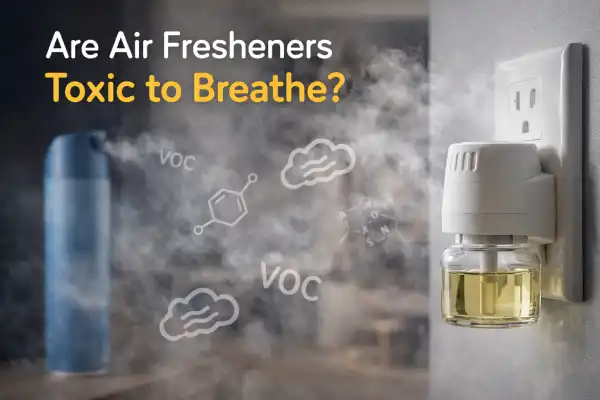
For people with health issues, clean air is not just about comfort; it’s essential. Lowering exposure to air triggers can reduce airway inflammation, which is key for asthma management. It’s also important to make sure your home is safe for all, including ensuring air fresheners are safe for everyone.
| Pollutant Type | Primary Source | Health Impact |
|---|---|---|
| Pollen | Outdoor infiltration | Allergic rhinitis |
| Pet Dander | Domestic animals | Respiratory irritation |
| Dust Mites | Soft furnishings | Asthma exacerbation |
| Fine Particulate Matter | Combustion/Cooking | Cardiovascular stress |
Are HEPA Filters Worth It for Pet Owners
When pets live with us, keeping the air clean is key. A good air purifier helps a lot. But, it’s just one part of keeping your home clean.
Managing Pet Hair and Odor Control
Pet hair needs regular vacuuming and grooming. An air purifier catches some of the air-borne fur. But, it’s not a full replacement for cleaning.
To keep the air fresh, avoid scented candles and smoking inside. These actions are key ways to fight indoor pollution. They help even the best filters work better.
Addressing Dander-Related Allergies in Households
Pet dander is tiny skin flakes that stay in the air. A true HEPA filter is very good at catching these allergens. They often cause problems for people who are allergic.
Using an air purifier in busy spots can lower allergen levels. Regular use makes your home more comfortable for those with pet allergies.
Image Disclosure Regarding Veterinary Educational Illustrations
Some pictures in this article might be AI-made for teaching. They help explain vet ideas better. But, they shouldn’t replace a vet’s real check-up or diagnosis.
Always talk to a vet about your pets’ health needs. Getting advice from a vet is the best way to handle any pet health issues.
Evaluating the Limitations of HEPA Technology
HEPA filters are great at catching solid particles. But, they can’t handle all air quality issues. They are made to catch solid matter, not gases or chemicals.
Why HEPA Filters Cannot Remove Gaseous Pollutants
HEPA filters work by catching dust, pollen, and mold. But, gases and chemicals pass right through. This is because they are too small for the filters to catch.
“True air purification requires a multi-stage approach, as no single filter technology can address the full spectrum of indoor contaminants.”
Using a HEPA filter alone won’t get rid of cooking smells or chemical odors. These need special treatments to be removed.
The Necessity of Activated Carbon for VOCs
For gases, HEPA filters need a partner: activated carbon. This material traps gas molecules, making the air cleaner.
Without activated carbon, your air purifier can’t handle gases. Look for devices with lots of activated carbon for better protection.
Understanding the Role of Airflow and CADR Ratings
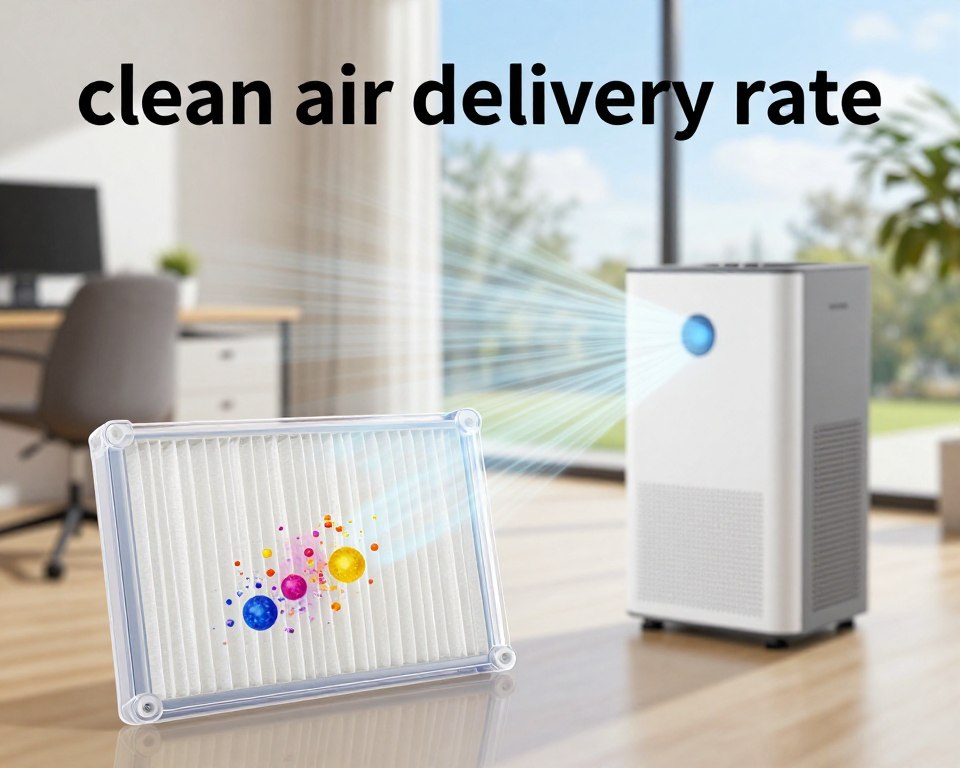
The clean air delivery rate, or CADR, shows how well an air purifier works. It’s the product of filter efficiency and airflow volume.
A strong filter won’t help if the fan is weak. A weaker filter might work better if it moves more air.
- CADR helps compare different air purifiers.
- Good airflow is as important as filter quality.
- Make sure the clean air delivery rate fits your room size.
The Economic Reality of Long-Term Maintenance
The real cost of an air purifier isn’t just the initial price. Ongoing maintenance costs can also affect your budget. It’s important to consider these expenses when deciding on an air purifier.
Knowing these costs helps you make a choice that’s both effective and affordable. Proper air purifier maintenance is key to the air purifier cost over time.
Calculating the Cost of Replacement Filters
High-quality air purifiers use special HEPA filters that need to be replaced every six to twelve months. These filters are made just for the manufacturer, so you can’t use cheaper alternatives. Doing so could harm your warranty or reduce how well the filter works.
When planning your yearly budget, remember to include the cost of a full filter set. Some systems also need pre-filters or activated carbon layers. These might need to be replaced more often, which is important if you’re dealing with cleaning product fumes or other smells.
Energy Consumption and Operational Expenses
Air purifiers run all the time to keep the air clean. This means you’ll have to pay for electricity every month. The cost depends on how efficient the motor is and how fast the fan is set.
Look for Energy Star ratings on modern units. They use less power but work well. A more powerful motor might seem expensive, but it can be cheaper in the long run because it exchanges air more efficiently.
Comparing Budget Models Versus Premium Units
Budget models are cheaper upfront but might need more frequent filter changes or use more electricity. Premium units, on the other hand, have bigger, longer-lasting filters. This can make them cheaper over five years.
The table below shows how different air purifiers affect your wallet over time.
| Feature | Budget Model | Premium Unit |
|---|---|---|
| Initial Price | Low | High |
| Filter Lifespan | 3-6 Months | 12-18 Months |
| Energy Efficiency | Moderate | High |
| Maintenance Effort | Frequent | Minimal |
By focusing on air purifier maintenance and understanding long-term costs, you can make a smart choice. Pick a unit that fits your budget and maintenance needs for the best value.
HEPA Filters and Viral Particle Capture
Keeping the air clean in your home is more than just turning on an air purifier. These devices can catch tiny particles, but they need the right conditions to handle viral particles.
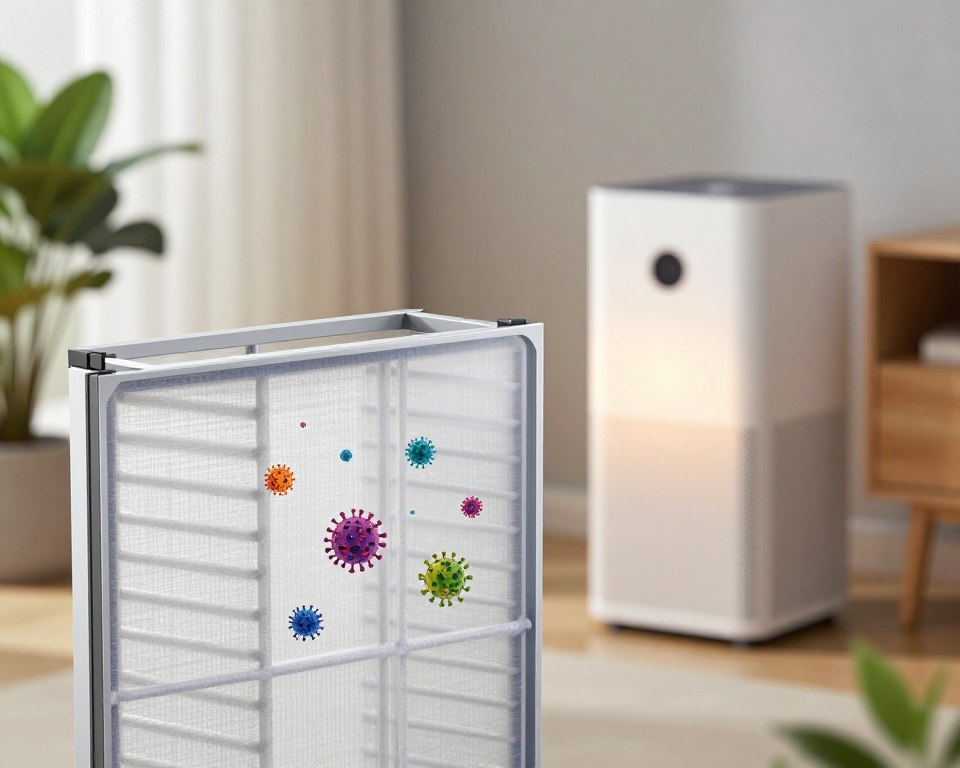
The Efficacy of Filtration Against Airborne Pathogens
HEPA filters work by catching particles through several methods. They are highly effective at trapping viruses because they can catch the larger droplets that carry them.
To keep the air clean, homes need good air flow as set by ASHRAE 241 standards. Consistent filtration lowers the air’s pathogen levels, making it safer to breathe.
Real-World Performance in Residential Settings
In a lab, filters can catch almost all particles. But, in real homes, things are different. The layout and furniture can affect how well the air moves.
An air purifier can only clean what it pulls in. So, the clean air delivery rate is key. It shows how fast a unit can clean the air in a room.
The Importance of Proper Room Sizing and Ventilation
Choosing the right size for your room is important. A unit that’s too small can’t clean the air enough. This means the clean air delivery rate won’t be enough to keep the air safe.
Good ventilation helps by bringing in fresh air. This mixes with the filtered air to create a stronger defense against airborne threats.
| Particle Type | Typical Size (Microns) | Capture Efficiency |
|---|---|---|
| Large Dust | 10.0+ | Excellent |
| Respiratory Droplets | 1.0 – 5.0 | High |
| Viral Aerosols | 0.1 – 0.3 | Very Good |
| Clean Air Delivery Rate | Variable | Critical Metric |
Common Misconceptions About Air Purification
It’s important to know the difference between real air cleaning tech and marketing tricks. Many people get confused by technical terms and choose devices that don’t meet HEPA standards. Knowing how these machines work helps you choose the right one for your health, not just a brand.
Debunking Myths About Ozone-Generating Purifiers
Some air purifiers make ozone to hide smells or kill germs. But ozone can hurt your lungs and make breathing problems worse. True air purification doesn’t use harmful gases in your home.
Why Ionizers Are Not a Substitute for HEPA
Ionizers charge air particles so they stick to surfaces. But they don’t remove pollutants from the air. Unlike HEPA filters, ionizers leave dust and allergens on your walls and furniture. Using them instead of HEPA filters doesn’t clean your air well.
Clarifying the Difference Between Filtration and Sterilization
Filtration and sterilization are different. Filtration catches particles, while sterilization kills germs. Some companies, like Levoit, have changed their marketing after complaints. This shows the need for clear info on CADR ratings and how well filters work. You can find out if these devices really work by looking at real performance data, not just claims.
| Technology | Primary Function | Particle Removal | Ozone Risk |
|---|---|---|---|
| HEPA Filter | Mechanical Capture | Excellent | None |
| Ionizer | Particle Charging | Poor | High |
| Ozone Generator | Chemical Oxidation | None | Very High |
| Activated Carbon | Gas Adsorption | Low | None |
Optimal Placement for Maximum Efficiency
The place where you put your air purifier is as important as the technology inside. Even top systems can’t keep air clean if they’re stuck in corners or hidden by things. Knowing how to place your air purifier right is key to its best performance.
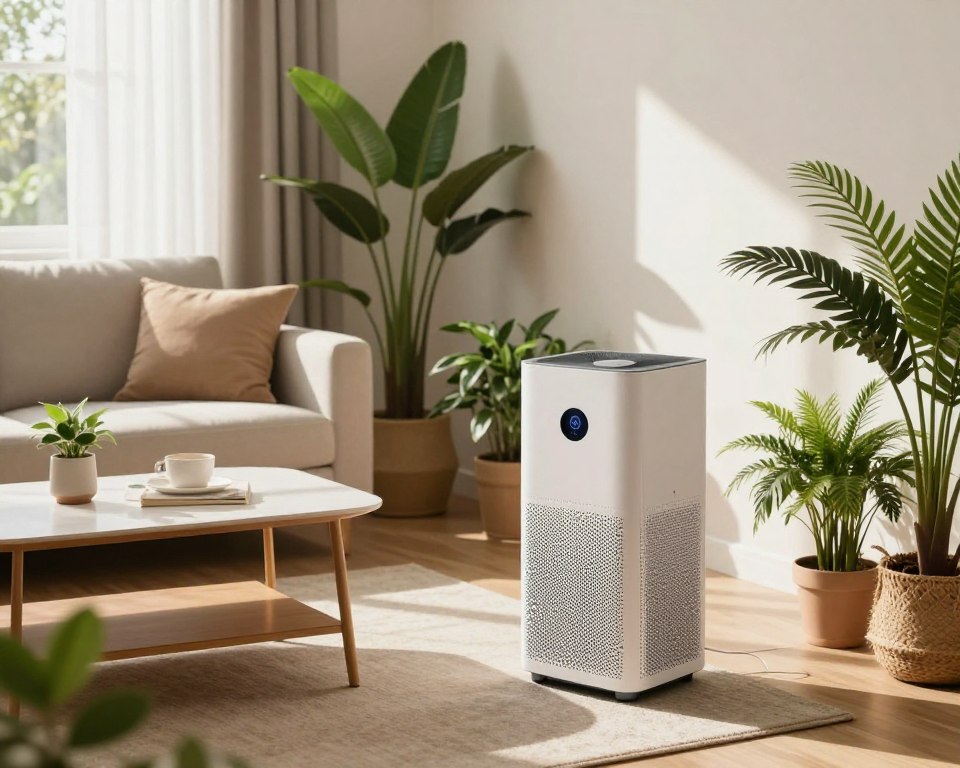
Positioning Units for Better Air Circulation
For the best results, put your unit where air moves a lot or naturally flows. Check out expert tips on air purifier placement to get the most out of your device. Raising the unit a bit or placing it in the room’s center helps fans pull in air from all sides.
Avoiding Obstructions That Hinder Performance
Things that block air flow are the biggest problem for air purifiers. Don’t put the device behind curtains, under heavy furniture, or against walls. These barriers cut down on air flow, making the unit work harder for less clean air.
Also, keep the area around the unit free of clutter to avoid recirculating stale air. It’s smart to avoid placing units near places where you use chemicals, as some chemicals can be harmful if they get too close to the intake. Keeping a three-foot space around the unit is a best practice for good performance.
Managing Airflow in Multi-Room Environments
In big homes, finding the right spot for your air purifier can be tricky. Putting it in a hallway or open area helps air move better between rooms. Even though one unit can’t clean the whole house, placing it near doors helps push clean air into other rooms.
If you’re dealing with air quality in many rooms, think about your home’s natural airflow. Positioning the unit to follow the easiest air path helps air move around the house. This way, you’re not just cleaning one spot, but improving air quality everywhere.
The Role of Pre-Filters in Extending HEPA Life
A high-quality air purifier has a multi-stage system. The pre-filter is the first defense. It catches large particles, while the HEPA filter handles the small ones. Regular air purifier maintenance keeps both working well.
Why Pre-Filters Are Essential for Large Debris
Pre-filters catch big particles before they hit the HEPA filter. Without them, your air purifier would get clogged fast. They trap things like:
- Pet hair and fur
- Large dust bunnies
- Lint and fabric fibers
- Human hair
Maintenance Schedules for Washable Pre-Filters
Most air purifiers have washable pre-filters. Check them every month. If you have pets or lots of dust, clean them more often.
Just rinse the filter with warm water and let it dry. This keeps your air purifier running smoothly and saves energy.
How Pre-Filters Protect the Primary HEPA Layer
The HEPA filter is the most expensive part. The pre-filter keeps it from getting clogged. Cleaning the pre-filter makes your HEPA filter last longer.
A clean pre-filter lets air flow well. This means the HEPA filter can focus on removing allergens and pathogens. Cleaning your pre-filter is key to saving money in the long run.
HEPA Filtration in Commercial Versus Residential Spaces
Air purification needs change when moving from a home to a big commercial space. Homes use air purifiers quietly in bedrooms or living rooms. But, commercial areas need strong systems to handle lots of air. Knowing these differences helps manage the air purifier cost better over time.
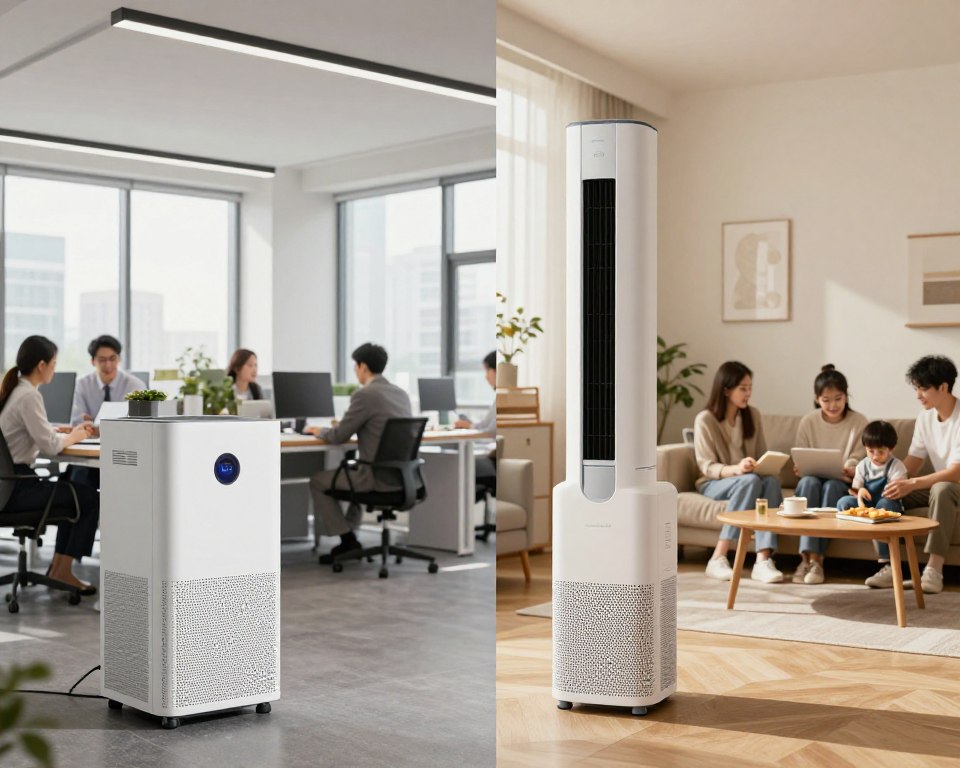
Scaling Filtration Needs for Large Open Floor Plans
Big open spaces, like office areas or public lobbies, need systems that can move a lot of air. A home unit can’t keep air clean in these big areas. For example, the Medify MA-112 is made for these big spaces, moving air well.
“Effective air purification in commercial settings is not just about filter quality; it is about the volume of air processed per hour.”
When you need more air, the air purifier cost goes up. You might need more units or bigger systems. Using the wrong size can lead to bad air and high energy use. The right plan keeps air clean and saves parts from wearing out too fast.
Differences in Filter Durability and Build Quality
Commercial air purifiers are made with stronger materials than home ones. They can run for thousands of hours without getting weak. You’ll see steel housings and strong motors that last a long time, even if they’re not the prettiest.
- Extended filter life: Commercial filters are thicker and hold more dirt.
- Motor reliability: They’re made for running all day, every day.
- Maintenance access: They’re easy to change filters to keep them running.
Even though commercial air purifiers cost more upfront, they save money in the long run. They don’t need to be replaced as often. This means less money spent on repairs or new systems in busy places.
When to Consider Industrial-Grade Air Scrubbers
Industrial air scrubbers are needed for places with lots of pollution, like construction sites or factories. They can handle pollution that would quickly clog a home filter. These machines are key for places where air quality must be very good.
If your area has a lot of dust or chemicals in the air, a regular purifier won’t do. Industrial scrubbers are made for heavy-duty cleaning. Make sure to check the air quality before choosing a system to keep everyone safe.
Environmental Factors Affecting Filter Lifespan
Things outside your home can affect how long your air filter lasts. Even though makers give a time frame, this is for average homes. If your home is different, more particulate matter can make the filter wear out faster.
The Impact of High Humidity on Filter Integrity
High humidity is tough on air filters. When it’s too wet, the filter can get damp. This is perfect for mold or bacteria to grow.
Moisture also weakens the filter’s fibers. This makes it harder to catch small particulate matter.
If you live in a humid area, you might smell something musty. This means the filter is too wet and needs to be changed. Good ventilation can help keep your air cleaner and your filter working longer.
Dealing with Heavy Smoke or Construction Dust
Places near wildfires or homes being renovated have bad air. The air gets full of particulate matter quickly. This can clog a filter fast.
Construction dust is also bad. It has sharp particles that can damage the filter. Turn off your air purifier when sanding or demolishing. A pre-filter can also help catch big debris.
Recognizing Signs That a Filter Needs Replacement
It’s important to watch your air purifier. You should know when to replace your HEPA filter. Look for a drop in airflow or a change in filter color. These signs mean it’s time for a new one.
| Environmental Factor | Primary Effect | Recommended Action |
|---|---|---|
| High Humidity | Mold growth/Media degradation | Use dehumidifier/Replace early |
| Wildfire Smoke | Rapid saturation | Use high-capacity carbon/HEPA |
| Construction Dust | Abrasive clogging | Use pre-filter/Turn off unit |
| Standard Usage | Normal wear | Follow manufacturer schedule |
Integrating HEPA Filters with HVAC Systems
Adding air filtration to your heating and cooling system is a smart move. It helps keep your home air clean by filtering all the air. This way, your home stays free from harmful particles.
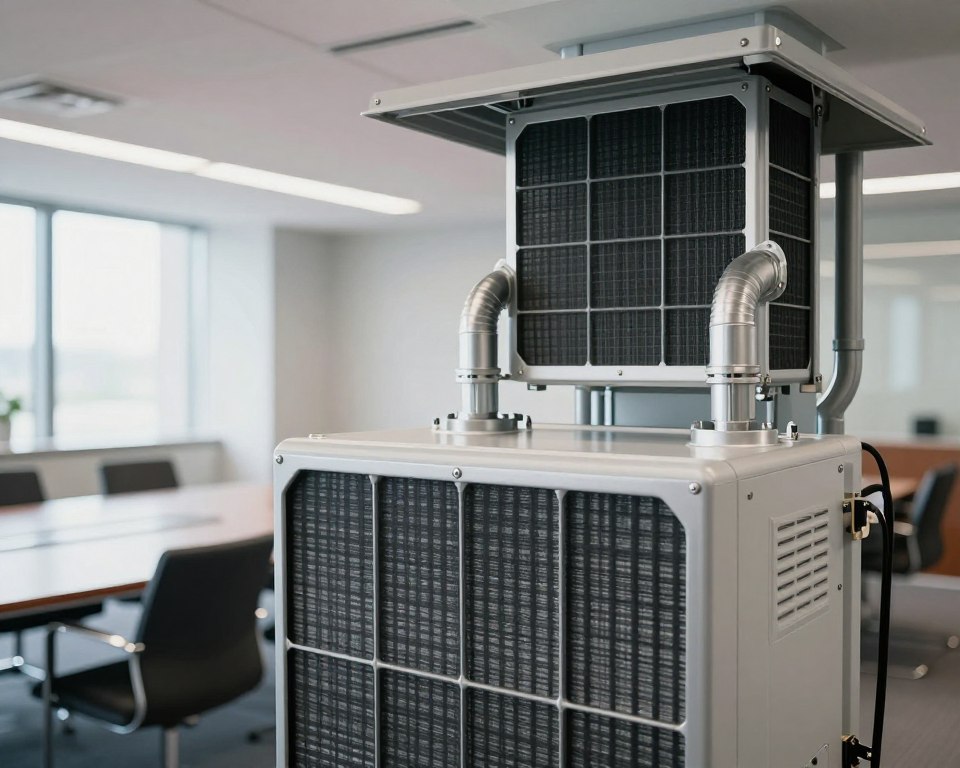
The Feasibility of Whole-Home Filtration
Today’s standards, like ASHRAE 241, stress the need for clean air in homes. To get whole-home protection, you might need to upgrade your HVAC. This upgrade should support more efficient filters.
“The most effective way to ensure clean indoor air is to treat the air at the source and throughout the entire distribution system.”
Compatibility Issues with Standard HVAC Blowers
Before adding high-efficiency filters, check your blower motor. Most HVAC systems are made for low-resistance filters. High-efficiency filters can cause a big pressure drop.
If your blower can’t handle this drop, airflow might decrease. This could make your system less efficient or even damage the motor. Always talk to an HVAC expert to see if your system can handle the needed air filtration.
Pros and Cons of Centralized Versus Portable Units
Deciding between a central system and portable units depends on your home and needs. Central systems are quiet and don’t take up space. But, they need a pro to install and specific parts.
Portable units are flexible and clean specific rooms. They’re not as good as whole-home solutions. Knowing the differences helps you choose the best air filtration for your home.
| Feature | Centralized System | Portable Unit |
|---|---|---|
| Coverage | Entire Home | Single Room |
| Maintenance | Professional/Annual | User-Friendly/Frequent |
| Noise Level | Very Low | Variable |
Noise Levels and Sleep Quality Considerations
It’s important to think about the sound your air purifier makes. These devices help keep the air clean, but loud noises can make it hard to sleep. You want your space to be both clean and quiet.
Evaluating Decibel Ratings for Bedroom Use
When picking an air purifier for your bedroom, check the decibel rating. Look for units with a low decibel on the quietest setting. This is usually around 20 to 30 decibels, which is as quiet as a whisper.
Where you place your air purifier can also help. Put it on a stable surface away from your bed. This can reduce the noise you hear at night.
The Trade-off Between Fan Speed and Noise
Fan speed and air movement are linked. Faster fans move more air but are louder. Slower fans are quieter but clean less air.
“The most effective way to manage sound is to run the unit on a high setting while the room is unoccupied, then switch to a low or ‘sleep’ mode when you are ready to rest.”
Running your air purifier on high when you’re not home and low when you sleep helps. This way, you get clean air without disturbing your rest.
Features to Look for in Quiet Operation Models
New air purifiers have features to reduce noise. Look for ones with a “Sleep Mode” that lowers the fan and dims lights. These are key for those who are easily disturbed by sound and light.
Also, choose models with brushless DC motors. These motors are quieter and smoother than older ones. A good air purifier with these motors won’t disturb your sleep.
Smart Features and Connectivity in Modern Purifiers
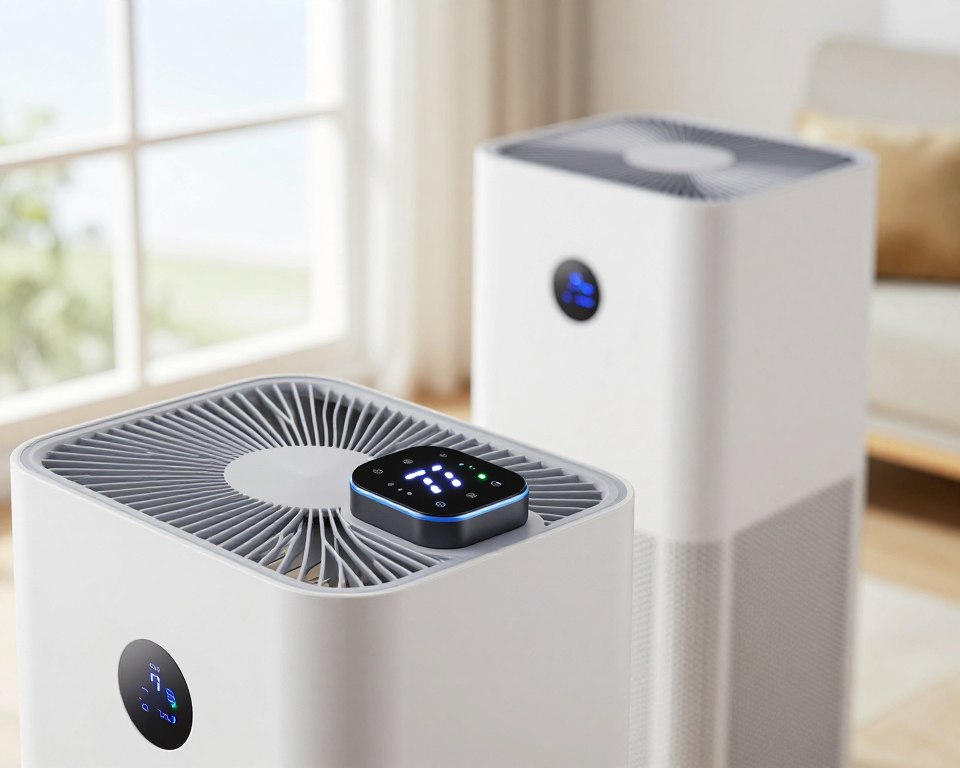
Today’s air purifier models are packed with smart features. They offer users control over their air like never before. These devices have become intelligent systems that watch and adjust to air changes in real time.
Thanks to digital tech, keeping your home air healthy is easier than ever. You can do it with little effort.
The Utility of Real-Time Air Quality Sensors
The heart of a smart purifier is its integrated sensors. These air quality sensors always check the air for things like dust and pollen. They give feedback so the device shows pollution levels, often with colors or numbers.
“The transition to sensor-driven purification allows for a proactive approach to respiratory health, moving away from the guesswork of manual settings toward data-backed environmental management.”
Automated Modes and Energy-Saving Capabilities
Modern units use sensor data to change fan speeds automatically. If it finds more pollutants, it blows harder to clean the air fast. When it’s safe, it slows down to save energy.
This energy-efficient operation means the device only works when it needs to. It lasts longer and uses less power. Avoiding harmful chemicals at home is also key, like not using a toxic fabric refresher spray.
App Integration and Remote Monitoring Benefits
WiFi-connected models let you check your home air from anywhere. You can see air quality history and get alerts for filter changes. You can even set it to run only when you’re home.
| Feature | Basic Model | Smart Model |
|---|---|---|
| Air Quality Monitoring | None | Real-time Sensors |
| Fan Speed Control | Manual | Automated/Adaptive |
| Remote Access | Not Available | App-based Control |
| Energy Usage | Constant | Optimized |
These smart features add real value for those who want ease and accuracy. While basic models work well, modern air purifiers make upkeep easier. They keep your air clean and fresh.
Comparing HEPA to Alternative Air Cleaning Technologies
HEPA filters are top for cleaning home air, but other techs exist too. Each works differently, so knowing the differences helps choose the best for your home.
Electrostatic Precipitators Versus Mechanical Filters
Mechanical filters, like True HEPA, catch particles with a dense mat. Electrostatic precipitators, on the other hand, use an electric charge to attract pollutants.
New systems, like AirSoap, use electric plates to trap particles without filters. They need regular cleaning to work well.
UV-C Light Integration for Germicidal Action
Modern air purifiers often use UV-C light to kill germs. This light damages germs’ DNA or RNA, stopping them in their tracks.
Remember, UV-C light is extra help, not a replacement for filters. For the best results, use it with a good filter to catch all kinds of particles.
Determining the Best Technology for Your Specific Needs
Choosing the right system depends on what you need, like dust control or odor removal. Look at these comparisons to help decide:
- HEPA Filters: Great for catching 99.97% of particles down to 0.3 microns.
- MERV-13 Rated Filters: Good for HVAC systems to balance airflow and particle capture.
- Electronic Systems: Perfect for those who want to avoid frequent filter changes.
When you shop, look for air quality sensors for instant feedback. Also, check the air purifier noise level, important for bedrooms or quiet areas. The best system meets your needs and fits your lifestyle.
Conclusion
Choosing the right air purification technology is key to a better living space. When thinking about HEPA filters, look at the science behind them. Studies show they help reduce asthma and improve heart health by catching tiny particles.
Standard HEPA filters catch 99.97% of particles at 0.3 microns. But, ISO-Aire HEPA filters do even better. They help keep the air clean, which is good for everyone’s breathing. Choosing filters based on real data is a smart move for your home.
It’s more important to look at CADR ratings and maintenance than just following trends. HEPA filters are great for clean air, but they work best with good air flow and regular changes. Whether HEPA filters are worth it depends on your health needs and your home’s air quality.
Choose filters that fit your room size and offer clear performance info. A smart approach to air quality makes your home healthier. Use these tips to pick the best filters and keep your home clean and safe.
FAQ
What is the technical difference between “True HEPA” and “HEPA-type” filters?
True HEPA filters meet strict standards, capturing 99.97% of particles as small as 0.3 microns. “HEPA-type” filters, on the other hand, are marketing terms. They might look like HEPA filters but don’t meet the Department of Energy standards.
Can HEPA filters effectively manage pet dander and household odors?
HEPA filters are great at catching pet dander and allergens. But, they can’t handle odors. For that, you need a filter with activated carbon or charcoal.
What does the Clean Air Delivery Rate (CADR) tell me about a device?
CADR shows how much air a unit can clean. A high CADR is key, as it means the air is changed often. This keeps pollutant levels low.
Do air purifiers remove viruses and other airborne pathogens?
Yes, HEPA filters can trap viruses. But, how well they work in homes depends on air flow and ventilation. Look for brands like IQAir or Blueair for good pathogen capture.
Are ionizers and ozone-generating purifiers safe for home use?
Be careful with ozone-generating devices. Ozone can irritate lungs and worsen breathing problems. For safety, choose a CARB-certified HEPA filter.
Where should I place my air purifier for maximum efficiency?
Place your air purifier in a central spot, away from walls or curtains. This ensures good air flow. For big rooms, using multiple units might be better than one big one.
Why is the pre-filter important for long-term maintenance?
The pre-filter catches big debris, like pet fur. It keeps the main HEPA filter clean, making it last longer. Many units have washable pre-filters to save money.
Can I integrate a HEPA filter into my existing HVAC system?
Integrating HEPA filters into HVAC systems is possible. But, they can strain the system. Always check with an HVAC expert to ensure compatibility.
Does high humidity or smoke affect how often I need to replace filters?
Yes, high humidity and smoke can damage filters. Watch for signs of wear or a drop in airflow to know when to replace them.
Are smart features like air quality sensors worth the additional cost?
Real-time sensors are valuable. They adjust fan speeds based on air quality. This saves energy and ensures clean air when needed.
How loud are air purifiers during sleep?
Air purifiers are usually quiet, around 20 to 30 decibels. Look for “Sleep Mode” features to keep them even quieter at night.
When is it necessary to upgrade to industrial-grade air scrubbers?
You’ll need industrial-grade air scrubbers for big spaces or heavy pollution. These units are more durable and powerful for large-scale filtration.