
Ever thought about the hidden moisture in your home? It might be quietly creating a health risk. Many people don’t see the connection between air moisture and mold growth in their homes.
Mold needs the right conditions to grow, and homes with poor moisture control often provide them. High indoor moisture levels make surfaces perfect for mold spores to spread.
Knowing this link is key to a healthy home. By managing your home’s climate, you can lower mold risks. When thinking about is mold spray safe indoors, remember prevention is the best defense. Regular monitoring helps you keep your air quality in check before problems get worse.
Key Takeaways
- Fungi thrive in environments where moisture levels are consistently elevated.
- Maintaining indoor levels below 60% is a critical step in preventing spore proliferation.
- Regular use of a hygrometer helps track environmental changes in real-time.
- Proper ventilation and dehumidification are the most effective tools for moisture control.
- Early detection of dampness in high-risk areas like bathrooms prevents future outbreaks.
The Science of Indoor Humidity and Fungal Growth
Fungal growth is not random. It happens when certain conditions are met. When air holds too much water vapor, it condenses on surfaces. This moisture is key for fungi to grow in buildings.
Understanding Relative Humidity and Dew Point
To keep a home healthy, knowing about temperature and moisture is important. Relative humidity levels show how much water vapor is in the air. It compares to how much the air can hold at that temperature.
The dew point is when air is full of water vapor. At this point, moisture condenses, helping fungi grow. Keeping indoor humidity below 50% is key to prevent mold.
How Moisture Levels Trigger Spore Germination
Mold spores are everywhere but need the right conditions to grow. Moisture is the main trigger for mold spore germination. It tells the spores to start growing.
Several things affect how fast spores grow once moisture is there:
- Surface Porosity: Materials like drywall and wood hold moisture, helping growth.
- Temperature Stability: Warmth and high humidity speed up growth.
- Nutrient Availability: Dust and debris give fungi the food they need.
By managing these factors, homeowners can stop mold spores from growing. Keeping the indoor air dry and stable is the best way to prevent damage.
Is Air Humidity Related to Mold Exposure
Many homeowners wonder if air humidity is related to mold exposure in their homes. Mold spores are everywhere, but they need moisture to grow. Keeping indoor humidity levels in check is key to preventing mold.
The Direct Link Between Airborne Moisture and Mold Colonies
Mold grows by soaking up moisture from the air or surfaces. When humidity is high, materials like drywall and wood can get wet. This makes them perfect for mold to grow.
When materials get wet enough, mold spores start to grow. This can spread fast if moisture isn’t controlled. Keeping surfaces dry and air moving helps prevent mold.
Why High Humidity Levels Create Ideal Breeding Grounds
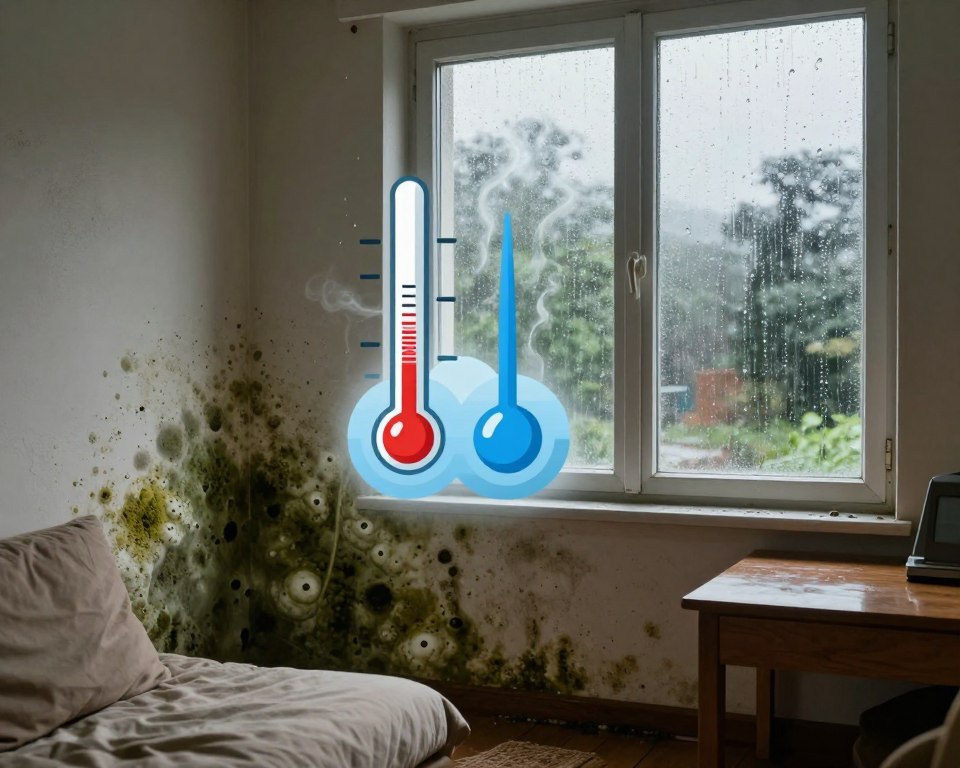
Temperature and humidity together decide if mold will grow. Warmer air can hold more water, leading to more moisture on cool surfaces. Knowing these mold growth triggers helps manage risk.
Every environment has its own mold risk based on heat and moisture. Watch out for these signs:
- 65% Relative Humidity at 80°F: This mix is very risky for mold growth.
- 72% Relative Humidity at 60°F: Even cooler, this moisture level is enough for mold to start.
Keeping your home’s climate balanced lowers mold risk. Regular checks help you adjust air flow or use dehumidifiers before mold shows up. Staying within safe humidity levels is the best defense against mold damage.
Common Sources of Excess Indoor Moisture
To control moisture effectively, you need to know how both building weaknesses and daily habits affect your home. Spotting these sources is key to stopping mold growth.
Structural Issues and Water Intrusion
Buildings are meant to keep out the weather, but they can wear down over time. When foundations, roofs, or window seals get damaged, water can get in, causing structural water damage.
Materials like drywall, wood, and insulation soak up water like sponges. Once they’re wet, they hold moisture for a long time, creating a perfect spot for mold to grow.
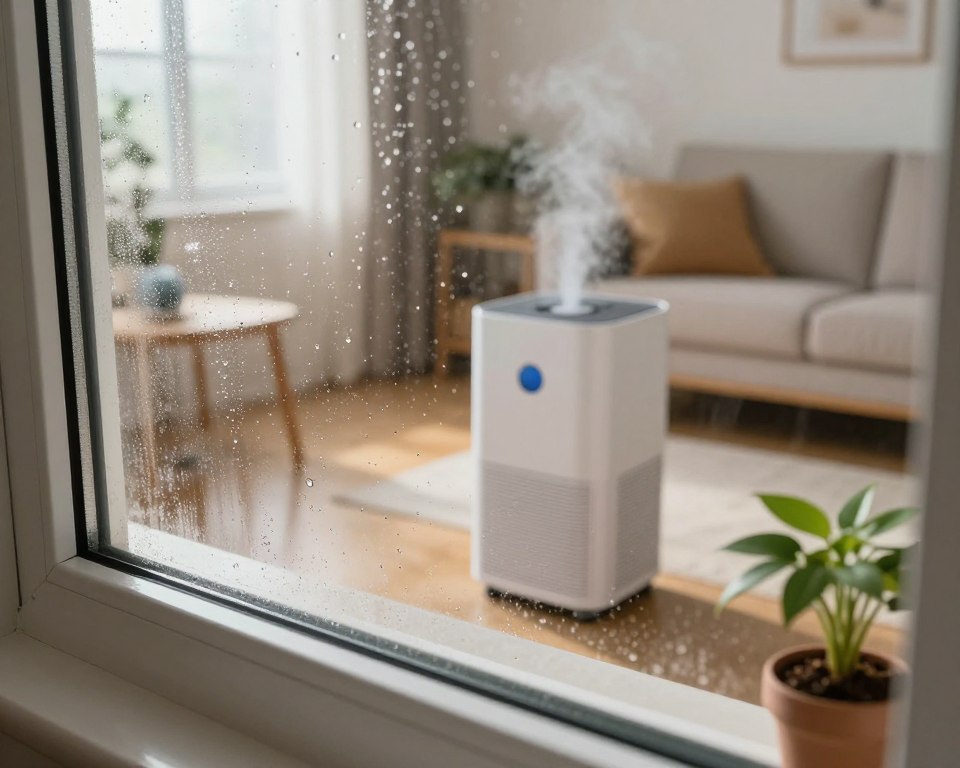
“The integrity of a building’s envelope is the primary defense against the silent accumulation of moisture that leads to long-term structural decay.”
Daily Household Activities That Increase Humidity
Inside your home, everyday tasks also add to the humidity. Simple things like boiling water, taking hot showers, and using the dryer release a lot of water vapor into the air.
If you don’t have good ventilation, this vapor stays trapped. It raises the humidity in your home. Over time, this can cause water to condense on cold surfaces, giving mold spores the water they need to grow.
Keeping your indoor environment balanced is an ongoing task. By fixing structural water damage issues and controlling daily moisture, you can create a strong moisture control system. This protects your home and keeps you healthy.
Health Implications of Mold Exposure
It’s important to know the health signs of mold exposure to keep your home safe. When humidity is too high, mold grows easily. It releases spores and toxins that can harm your respiratory health.
Respiratory Sensitivities and Allergic Reactions
People often react to mold spores in different ways. For many, it causes irritation in the nose and throat. Symptoms include:
- Persistent sneezing or nasal congestion
- Itchy, watery eyes or skin irritation
- Wheezing or difficulty breathing
- Increased frequency of coughing
These reactions happen because the body sees mold spores as threats. For some, this can lead to serious allergies or make asthma worse. It’s key to spot these signs early to avoid bigger problems.
Long-term Effects on Indoor Air Quality
Living in a moldy environment can make the air inside your home worse over time. This can turn your home into a place of constant stress. Many toxins from mold are invisible to the eye.
Long-term exposure to these toxins can cause more than just allergies. People in humid homes often feel tired or have headaches all the time. Keeping the air in your home clean is essential for your respiratory health.
Identifying Signs of Mold in Your Home
Looking out for mold is key to catching it early. Regular walks around your home help spot moisture problems before they damage your structure or health.
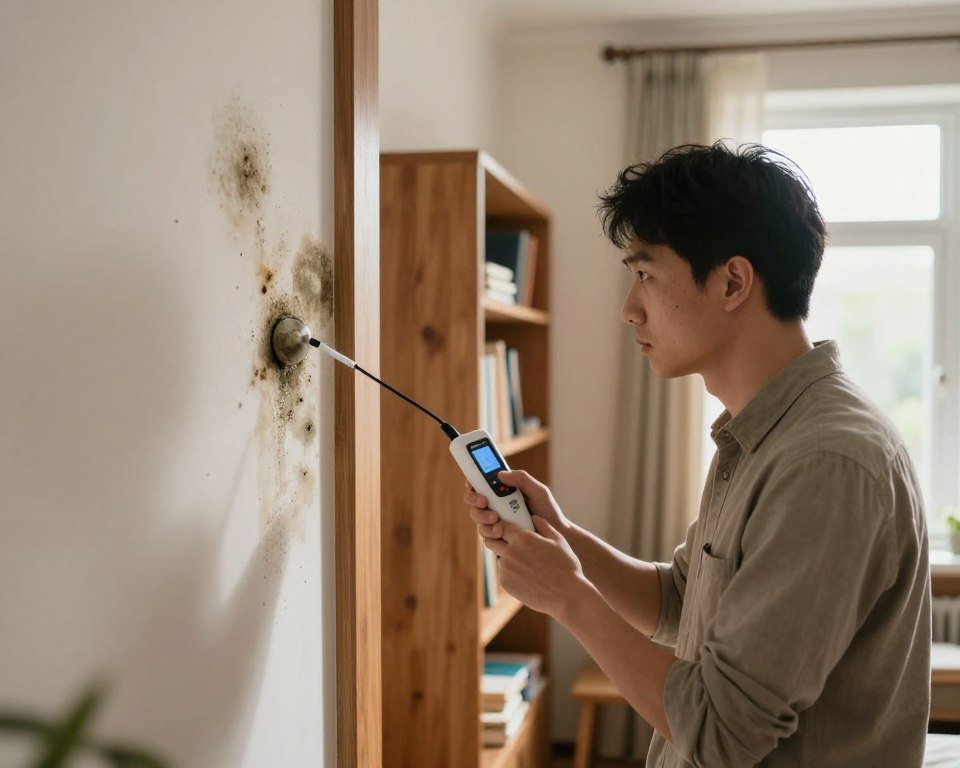
Visual Indicators and Discoloration
Spotting mold is easy with a close look at your walls, ceilings, and insulation. Look for discoloration like dark spots, fuzzy patches, or streaks of black, green, or white. These signs show moisture has gotten into the material.
Check areas near windows, plumbing, and corners where moisture often gathers. If paint peels, wallpaper bubbles, or drywall stains, it’s a sign of moisture. Catching these signs early is important for indoor mold detection.
The Role of Musty Odors in Detection
At times, mold is first noticed by its smell. A musty odor means mold is active in your home. This smell is common in basements, crawl spaces, or poorly ventilated rooms.
If a damp or earthy smell lingers, it’s a sign to look deeper. This smell often means mold is growing out of sight, behind walls or under floors. Trusting your sense of smell is a big part of indoor mold detection, as it warns you of hidden problems.
The Role of HVAC Systems in Humidity Control
Your home’s climate control system does more than just regulate temperature. It also fights indoor moisture. These systems keep air moving, controlling the water vapor that can lead to mold. Keeping your home dry is key to stopping mold growth.

How Air Conditioning Units Dehumidify Indoor Spaces
Air conditioning units pull in warm, humid air and cool it over evaporator coils. As it cools, the air can’t hold moisture anymore. This turns water vapor into liquid, which is then drained outside.
This process is vital for clean air inside. A 2-ton air conditioner can remove 8 to 10 gallons of water on a humid day. Keeping humidity below 60 percent is essential for good air quality.
Maintenance Tips for Preventing Mold in Ductwork
Regular HVAC maintenance is key to avoiding contamination. Moisture in dirty ducts is perfect for mold. Regular checks can spot blockages in the condensate drain.
Change air filters every one to three months to keep air flowing well. If air flow is poor, coils might freeze, causing moisture buildup. Annual HVAC maintenance is needed to clean coils and check for mold.
| Maintenance Task | Frequency | Impact on Moisture Control |
|---|---|---|
| Filter Replacement | Monthly/Quarterly | Ensures optimal airflow and coil efficiency |
| Condensate Line Flush | Bi-annually | Prevents water overflow and mold growth |
| Evaporator Coil Cleaning | Annually | Maximizes moisture extraction capacity |
| Ductwork Inspection | Annually | Identifies leaks that introduce humid air |
By sticking to these HVAC maintenance tips, your system will keep your home dry. A well-working unit is your best defense against mold.
Effective Dehumidification Strategies
Keeping your home dry is key to its long-term health. Central HVAC systems help with air quality, but they can’t reach all damp spots. That’s where special equipment comes in, making sure your home stays healthy.
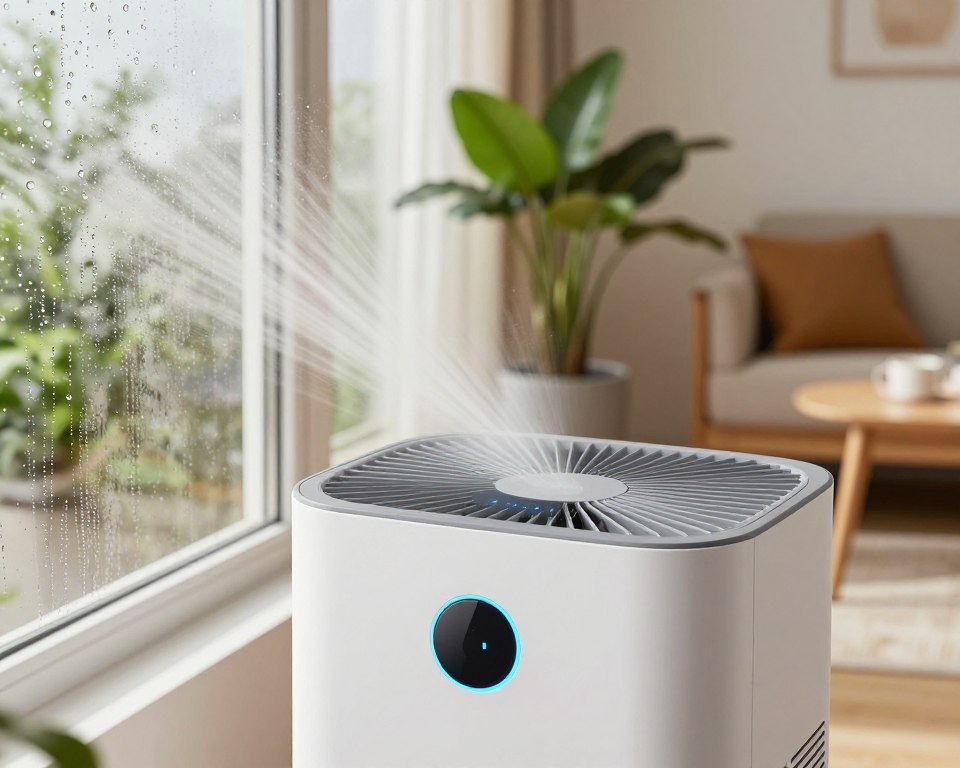
Choosing the Right Dehumidifier for Your Square Footage
Finding the right dehumidifier depends on your space’s size and how damp it is. Dehumidifiers are rated by how much moisture they remove in 24 hours. A unit that’s too small will work too hard, while one that’s too big might not run enough.
For big areas like basements, choose a dehumidifier with a big tank or one that drains continuously. Consistent drainage means you won’t have to empty it by hand. Make sure the unit is the right size for your space, as recommended by the maker.
| Space Size (Sq. Ft.) | Damp Conditions (Pints/Day) | Wet Conditions (Pints/Day) |
|---|---|---|
| Up to 500 | 20-25 | 30-35 |
| 500 – 1,500 | 30-40 | 50-60 |
| 1,500 – 2,500 | 50-60 | 70+ |
Optimal Humidity Settings for Different Climates
Keeping humidity between 30% and 50% helps stop mold. In very humid places, you might need to adjust this to keep moisture out. It’s also important to manage moisture in the crawlspace, as it can spread damp air into your living space.
Sealing your crawlspace well can make it dry in just 8 weeks with regular dehumidification. This keeps mold spores from growing. Check your settings often to keep up with changes in the weather.
Ventilation Techniques to Reduce Mold Risk
Effective ventilation strategies are key to fighting off airborne water vapor. Keeping air moving helps stop the buildup of moisture that mold loves. Knowing how air moves is essential for better indoor air, as explained in indoor environmental health resources.
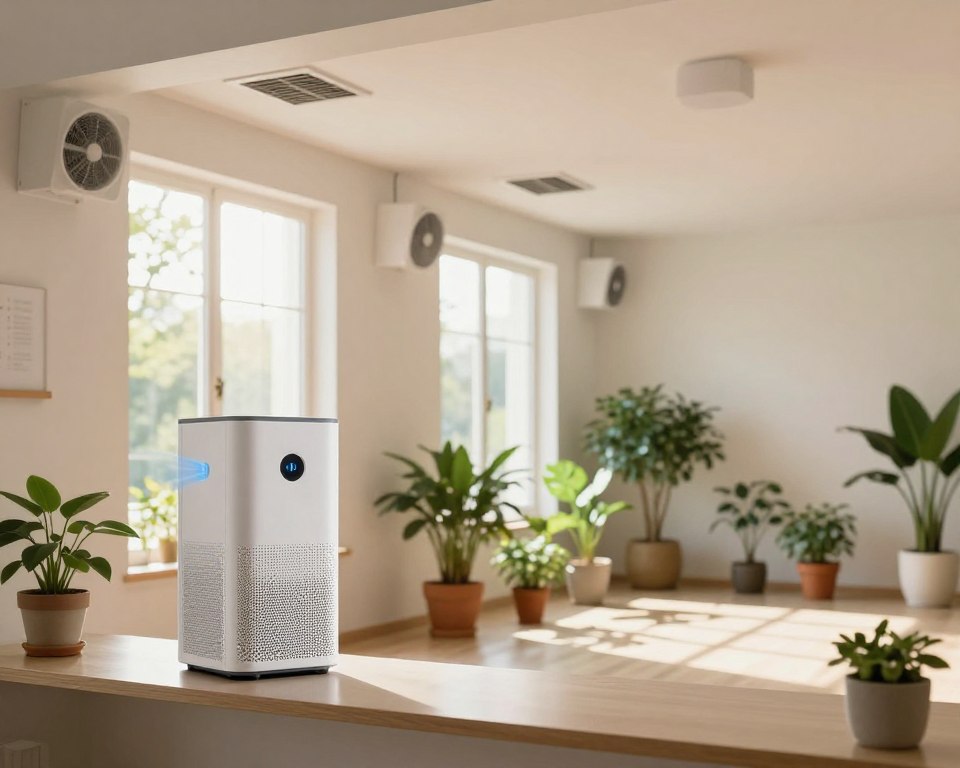
Importance of Exhaust Fans in Bathrooms and Kitchens
Bathrooms and kitchens are high-moisture zones that need extra help to control humidity. Exhaust fans are critical in pulling out water vapor before it can cause damage. Regular use of these fans greatly lowers mold risk in hidden spots.
Make sure these fans vent outside, not into attics or crawl spaces. Venting to the wrong place can just move the moisture problem elsewhere. Always check that your fans are clean and working well, just like you would with nail polish remover for safety.
Natural Ventilation Practices for Better Airflow
Natural ventilation strategies are also powerful for reducing humidity. Opening windows on opposite sides of your home creates a flow of air. This pushes out stale, moist air and brings in fresh, dry air. It’s a great method when the weather is mild and you don’t need to cool your home.
Using fans in strategic spots can also help move air through tight areas where moisture likes to stick. Keeping air moving makes it hard for mold spores to settle and grow. Regular airflow is a cornerstone of proactive home maintenance.
| Method | Primary Benefit | Best Use Case |
|---|---|---|
| Exhaust Fans | Targeted moisture removal | Bathrooms and kitchens |
| Cross-Ventilation | Whole-home air exchange | Mild, dry weather |
| Portable Fans | Localized air circulation | Basements and closets |
Monitoring Your Indoor Environment
Understanding the invisible factors that influence mold growth starts with consistent environmental monitoring. Many homeowners focus on visible signs of damage. But the most effective mold prevention tips involve tracking conditions before colonies can establish themselves. By using the right tools, you can keep your living space healthy and protect your property from moisture-related issues.
Using Hygrometers to Track Humidity Trends
A hygrometer is key for any homeowner worried about air quality. It measures water vapor in the air, giving you accurate relative humidity levels in real-time. Digital models are great because they track trends over days or weeks.
Put these devices in moist areas like basements, bathrooms, or near exterior walls. Regular indoor humidity monitoring helps spot spikes that happen at certain times or after activities. Keeping a log of these readings gives you a solid baseline for your home’s environment.
Interpreting Data for Proactive Mold Prevention
After collecting data, it’s important to know how to act on it. Keeping relative humidity levels below 60% is key to stopping fungal growth. If your hygrometer shows readings above this, it’s time to increase ventilation or use a dehumidifier.
Good indoor humidity monitoring is about watching numbers and patterns. If moisture goes up in the evening, adjust your HVAC or run exhaust fans longer. Using these mold prevention tips based on real data makes your approach proactive. This keeps your home safe and dry.
Professional Mold Remediation vs. DIY Cleanup
Choosing between DIY and professional mold remediation depends on the mold’s extent. Minor mold can be handled with household items. But, large infestations need special tools and skills to ensure safety.
When to Call in Certified Mold Inspectors
Call a certified inspector for mold over ten square feet or hidden in walls or HVAC systems. They use tools like moisture meters and thermal cameras to find the source of moisture.
Experts are also needed for ongoing respiratory problems or allergies. They give a detailed report on mold type and damage. This is key for effective professional mold remediation.
Safety Protocols for Handling Small Mold Patches
For small mold patches, wear protective gear. Use an N95 respirator, gloves, and goggles to avoid spore inhalation and skin contact.
Seal off the area with doors and plastic sheeting to stop spore spread. Clean with a mild detergent or mold-killing solution. Make sure the area is dry to prevent mold from coming back.
| Feature | DIY Cleanup | Professional Remediation |
|---|---|---|
| Scope | Small, surface-level patches | Large or hidden infestations |
| Equipment | Basic household tools | Industrial-grade containment |
| Safety | Standard PPE required | Advanced containment protocols |
| Expertise | General knowledge | Certified technical training |
Image Disclosure and Educational Context
Some images in this guide are made by artificial intelligence. We use these images to make hard-to-see environmental health ideas clearer.
Understanding the Use of AI-Generated Illustrations
We aim to make information easy for everyone to understand. AI images help us show abstract ideas like moisture patterns or structural weaknesses in a clear way.
These images are educational tools to help you understand better. They are not meant to show real homes or health cases.
Limitations of Visual Aids in Veterinary and Health Contexts
Remember, these images can’t replace a real doctor or vet visit. While they help with learning, they can’t cover all the details of your situation or your pets’ health.
If you think your home or pets might be affected by bad air, here’s what to do:
- Consult a professional: Always get advice from a certified inspector or vet for a true diagnosis.
- Prioritize safety: Use trusted sources like the health hazards prevention and solutions guide to learn about risks.
- Verify findings: Don’t just look at pictures to figure out health risks in your home.
Transparency is key for us. By being clear about our images, we help you focus on the solid advice in this article.
Impact of Seasonal Changes on Indoor Humidity
The weather outside changes the air inside your home. As seasons change, so does the moisture in the air. This can lead to mold growth in your home.
By watching the weather, you can adjust your home’s climate before moisture becomes a problem. This way, you can keep your home mold-free all year.
Managing Humidity During Humid Summer Months
Summer brings hot temperatures and high dew points. This moist air can get into your home, creating a mold-friendly environment.
Air conditioning is key in removing this moisture. Make sure your AC is the right size for your home to keep the air dry.
Keep your AC in good shape to remove humidity well. If your home feels too damp, think about getting a dehumidifier.
Preventing Condensation During Cold Winter Seasons
Winter brings its own challenges, like warm air meeting cold surfaces. When humid air hits cold walls, it turns into water.
To stop mold, it’s important to prevent condensation in winter. Improve insulation and keep furniture away from walls to help air flow.
Using exhaust fans in kitchens and bathrooms helps remove moisture. Keeping your home’s temperature steady is also key to preventing moisture damage in winter.
Building Materials and Their Moisture Retention
Choosing the right materials for your home renovation is key. It can make a big difference in keeping your home healthy. The walls, floors, and ceilings play a big role in managing moisture. Using mold-resistant building materials helps fight off mold.
Why Porous Surfaces Are More Susceptible to Mold
Porous materials soak up moisture, holding it for a long time. Items like drywall, wood, and fabric give mold what it needs to grow. Once these materials get damp, they stay wet, creating a perfect place for mold to grow.
“The most effective way to prevent mold is to eliminate the moisture sources that allow it to grow, starting with the very materials that make up our homes.”
These surfaces are hard to dry without professional help. If moisture gets deep into the material, just cleaning the surface won’t stop mold. It’s important to replace water-damaged materials to keep the air inside your home clean.
Selecting Mold-Resistant Materials for Renovations
When renovating, picking the right materials is critical, even more so in wet areas like bathrooms or basements. Today, there are mold-resistant building materials that can handle humidity without supporting mold. These are often made of inorganic materials, which mold can’t eat.
Here are some materials to consider for a stronger home:
- Fiberglass-faced drywall: It doesn’t have cellulose, which mold loves.
- Ceramic or porcelain tile: These surfaces are great for wet areas and easy to clean.
- Cement board: It’s durable and keeps moisture out, perfect for tile in showers.
- Composite decking: A better choice than wood for areas where moisture moves from outside to inside.
These materials might cost more upfront, but they save you money in the long run. They help avoid damage to your home and keep you healthy. Always talk to a professional contractor to make sure these mold-resistant building materials are installed right.
Legal and Insurance Considerations for Mold Damage
Dealing with mold damage is more than just cleaning it up. It’s also about following legal and insurance rules. Homeowners and renters need to know their rights to protect their health and money during the fix.
Documenting Moisture Issues for Insurance Claims
First, document the mold damage well. Detailed documentation is key for insurance claims for mold. Adjusters need clear proof of the damage.
Begin by taking photos of the mold and where the moisture came from. Keep a log of when you first saw the mold, any steps you took, and all inspection reports.
Understanding Landlord Responsibilities Regarding Mold
In rental homes, landlords must keep the place safe and healthy. If a tenant finds mold, the landlord must check it out and fix it fast.
If landlords ignore leaks or bad air, they might break the law or face health code issues. Tenants should write down their mold concerns to protect themselves if there’s a disagreement about safety.
| Action Item | Responsible Party | Key Objective |
|---|---|---|
| Moisture Source Repair | Landlord | Restore Habitability |
| Evidence Collection | Tenant/Owner | Support insurance claims for mold |
| Professional Remediation | Certified Specialist | Ensure Safety Standards |
| Written Communication | Tenant | Establish Legal Record |
Conclusion
Keeping moisture levels in check is key to stopping fungi in homes. Regular checks of your living space help keep both your home and health safe. By following these mold prevention tips, you can fight off common allergens.
Good indoor air quality needs constant care in ventilation and humidity. Making small changes in your daily life can make a big difference. Tools like hygrometers help track moisture levels, which change with the seasons.
Being proactive with maintenance is the best way to care for your home long-term. Fixing small issues early saves money and health problems. We suggest using these proven methods to keep your home clean and comfy for your family.
FAQ
At what relative humidity level does mold begin to grow?
Mold starts growing when the humidity is 60% or higher. I always suggest keeping humidity indoors between 30% and 50%. This range is recommended by the Environmental Protection Agency (EPA) to prevent mold growth.
How does air temperature affect the risk of mold exposure?
Warmer air can hold more water vapor. When warm, humid air meets a cold surface, it condenses. This creates moisture that can trigger mold growth on surfaces like drywall or wood.
Can my HVAC system effectively prevent fungal outbreaks?
Yes, a well-maintained HVAC system can help control humidity. But, if the ductwork is neglected, it can become a mold breeding ground. Regular maintenance is key.
What are the primary health symptoms associated with indoor mold?
People often experience respiratory issues like sneezing, nasal congestion, or wheezing. These symptoms happen when the body reacts to mold spores and toxins in the air. Recognizing these signs early is important for maintaining good air quality indoors.
How do I choose the correct dehumidifier for my home?
Choose a dehumidifier based on your home’s size and moisture level. For big, damp areas like basements, you’ll need a powerful unit. These devices help keep moisture levels stable, preventing mold growth.
Why is ventilation in kitchens and bathrooms so critical?
Activities like showering and cooking increase humidity. Using exhaust fans, like those from Broan-NuTone, helps remove moisture. Without them, mold can easily grow, forming in areas with poor airflow.
When should I hire a professional for mold remediation instead of doing it myself?
For small mold areas, you might handle it yourself. But for bigger problems, it’s best to call a certified mold inspector. They ensure the mold is safely removed and the moisture issue is fixed.
Are the visual aids in this guide useful for diagnostic purposes?
No. The illustrations in this guide are for educational purposes only. They should not replace professional testing or medical exams.
How can I monitor my home’s moisture levels proactively?
Use a digital hygrometer, like those from Honeywell or AcuRite, in damp areas. Tracking humidity daily helps you take action before mold grows.
Do certain building materials resist mold better than others?
Yes. Materials like standard drywall and carpeting are more prone to mold because they hold moisture. Using mold-resistant products, like Georgia-Pacific’s DensArmor Plus, can help protect against water damage.