Ever thought that the device cleaning your home air might actually be harmful? Many people think all air purification methods are safe. But, the truth is often different.
As a pharmacist, I see patients confused by claims about air treatment technology. It’s important to know the difference between the protective ozone in our atmosphere and the harmful gas in our homes.
To keep your air clean, you need to understand how these devices work. We must tell the difference between good filtration and systems that release harmful gases. This guide will help you make smart choices for your family’s health.
Key Takeaways
- Ozone is a reactive gas that can cause respiratory irritation when present at ground level.
- There is a critical difference between stratospheric protection and residential air contamination.
- Many air purifiers marketed as “cleaners” may inadvertently produce harmful byproducts.
- Pharmacists recommend prioritizing mechanical filtration over chemical-generating devices.
- Understanding chemical labels is the first step toward protecting your home environment.
Understanding the Chemistry of Ozone in Residential Spaces
The chemistry of ozone gas shows why it’s not good for cleaning the air in homes. Ozone is not like the protective layer around Earth. It’s different inside our homes and can be harmful. Knowing about its chemistry helps keep our homes safe and healthy.
The Molecular Structure of Ground-Level Ozone
Ozone has three oxygen atoms together. This makes it unstable compared to the oxygen we breathe. It’s highly reactive and always tries to lose an oxygen atom to be stable.
When ozone meets other substances in your home, it starts oxidation. This can change the chemical makeup of things in your house. This is why ground-level ozone is harmful, not helpful.
How Ozone Forms Indoors Through Chemical Reactions
Ozone inside homes usually comes from special devices or reactions. These ozone-generating air cleaners make ozone, but they don’t clean the air well. They can even make new, harmful chemicals.
The table below shows the big difference between stable oxygen and ozone. It helps you see the dangers of ozone in your home.
| Property | Oxygen (O2) | Ozone (O3) |
|---|---|---|
| Molecular Stability | Highly Stable | Unstable/Reactive |
| Primary Function | Supports Life | Oxidizing Agent |
| Health Impact | Essential | Respiratory Irritant |
| Indoor Presence | Natural | Pollutant |
Knowing that ground-level ozone is unstable helps homeowners choose better air quality options. Using devices that make ozone gas can actually harm your indoor air.
Is Indoor Ozone Dangerous to Human Health
It’s important to know how ozone gas affects our health at home. This molecule is strong and can harm when inside. Knowing the ozone health risks helps keep our air safe.
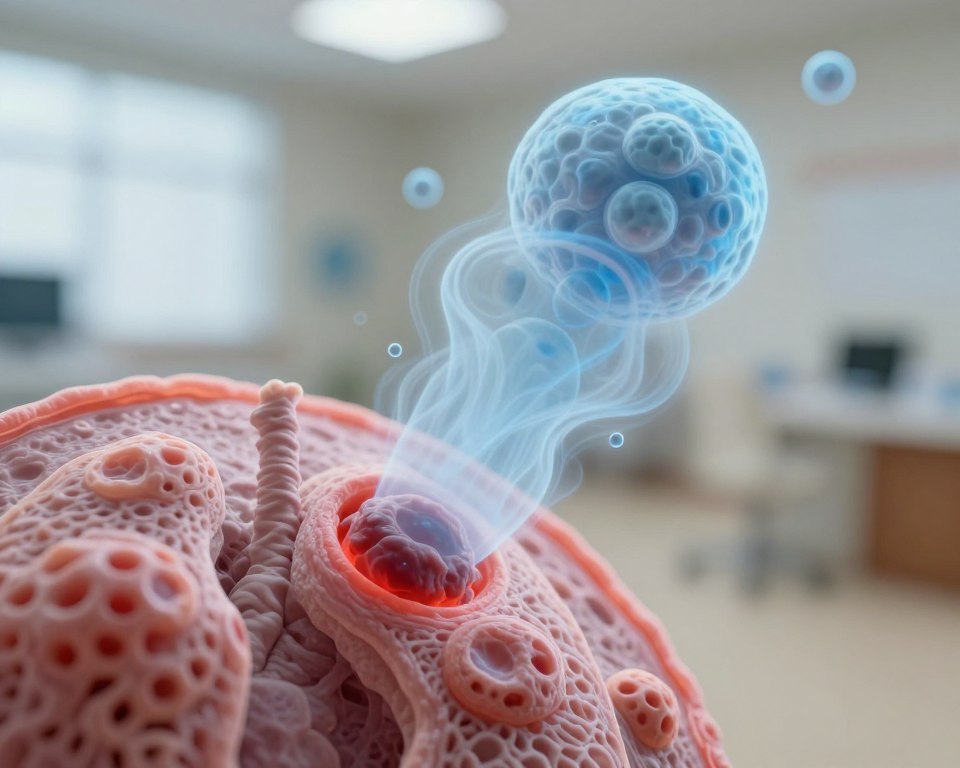
Respiratory Impacts and Lung Function
Ozone gas can hurt the lungs when we breathe it in. It causes inflammation and can make breathing harder. I’ve seen people cough and feel tight in their chest after being exposed.
Long-term exposure can damage the lungs. The body tries to fix these injuries, but it can’t always succeed. This can lead to lasting lung problems.
“The respiratory system is not designed to process high concentrations of reactive oxidants like ozone; even low levels can compromise the delicate alveolar structures in the lungs.”
The Vulnerability of Children and the Elderly
Some people are more at risk from bad air. Kids have growing lungs and breathe more, so they get more pollution. The elderly also face more problems because their bodies can’t fight off ozone as well.
The table below shows how different groups are affected by ozone:
| Population Group | Primary Risk Factor | Clinical Concern |
|---|---|---|
| Children | Developing lung tissue | Reduced long-term capacity |
| Elderly | Lowered immune response | Exacerbation of chronic issues |
| Asthmatics | Hyper-reactive airways | Increased frequency of attacks |
To keep these groups safe, we need to watch our indoor air. By reducing ozone gas, we help prevent lung damage. This helps everyone in the family breathe better.
Common Sources of Ozone Generation in the Home
Many everyday appliances can create ozone without us knowing. This gas is often linked to outdoor smog, but it also builds up indoors. Knowing where it comes from is key to lowering our exposure.
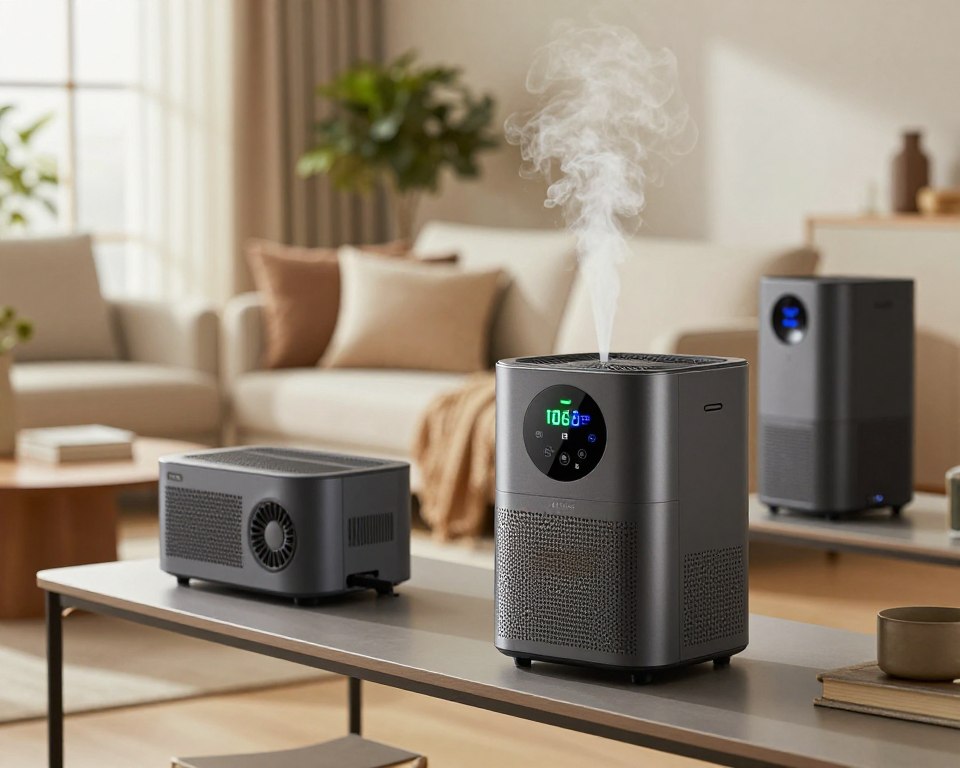
Electronic Air Purifiers and Ionizers
Some air cleaners aim to make our air better, but they can also make it worse. Ozone generators are made to create a lot of ozone to hide smells. But, using them in homes can be dangerous. Other devices, like negative ion generators, also make ozone as they work.
“The most effective way to improve indoor air quality is to remove the source of the pollution, not just mask it with devices that may introduce new hazards.”
Laser Printers and Photocopiers in Home Offices
Home offices often have equipment that adds to indoor pollution. Laser printers and photocopiers use high voltage to charge the drum. This process makes ozone, which is then released into the room.
To cut down on risks, keep your office gear in a well-ventilated spot. Regular upkeep, like changing ozone filters and cleaning parts, can help. Being smart about where you put your equipment makes your home air safer for everyone.
The Role of Volatile Organic Compounds in Ozone Formation
Volatile organic compounds (VOCs) play a key role in ozone creation indoors. These carbon-based chemicals evaporate easily at room temperature. When they build up in closed spaces, they start chemical reactions that can make ground-level ozone.
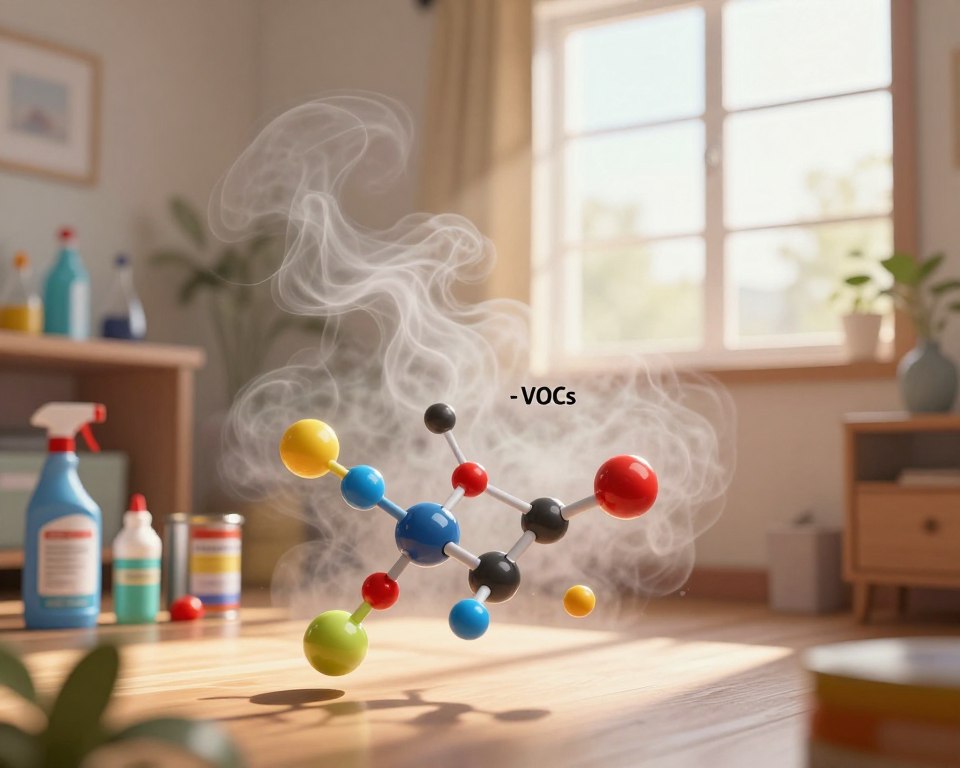
Chemical Interactions Between Cleaning Products and Ozone
Many household items have chemicals that react with ozone or help make it. Using certain sprays or detergents can release gases that harm the air. It’s vital to check if multi-surface sprays are toxic and affect air quality.
The air’s temperature and humidity affect how cleaning agents react. Warmer temperatures speed up these reactions. To stay safe, follow these tips:
- Open windows for good air flow during and after cleaning.
- Opt for products with low or zero VOCs to cut down chemical exposure.
- Don’t mix different cleaning products to avoid harmful reactions.
The Impact of Terpenes from Household Scents
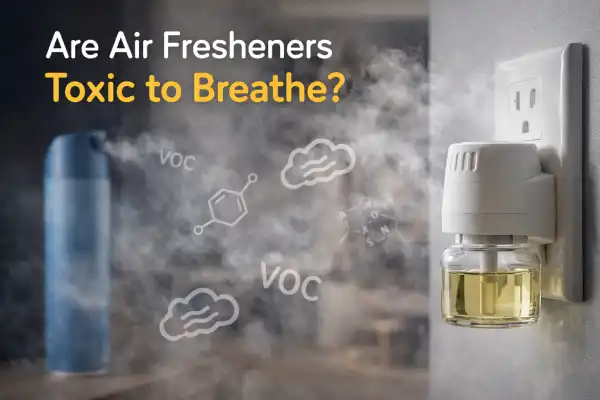
Scented products also impact indoor chemistry. Air fresheners, candles, and scented cleaners use terpenes for their smell. These scents may hide odors but are harmful when ozone is present.
Terpenes react with ozone to form harmful particles and irritants. This is more common in homes with air purifiers or ionizers, which can make ozone. Reducing scented product use can help keep your home air cleaner and healthier.
Short-Term Exposure Symptoms and Warning Signs
When ozone levels go up indoors, people often notice symptoms right away. These signs act as a early warning system that your air might not be clean. Spotting these signs early helps you fix the problem before it hurts your health for a long time.
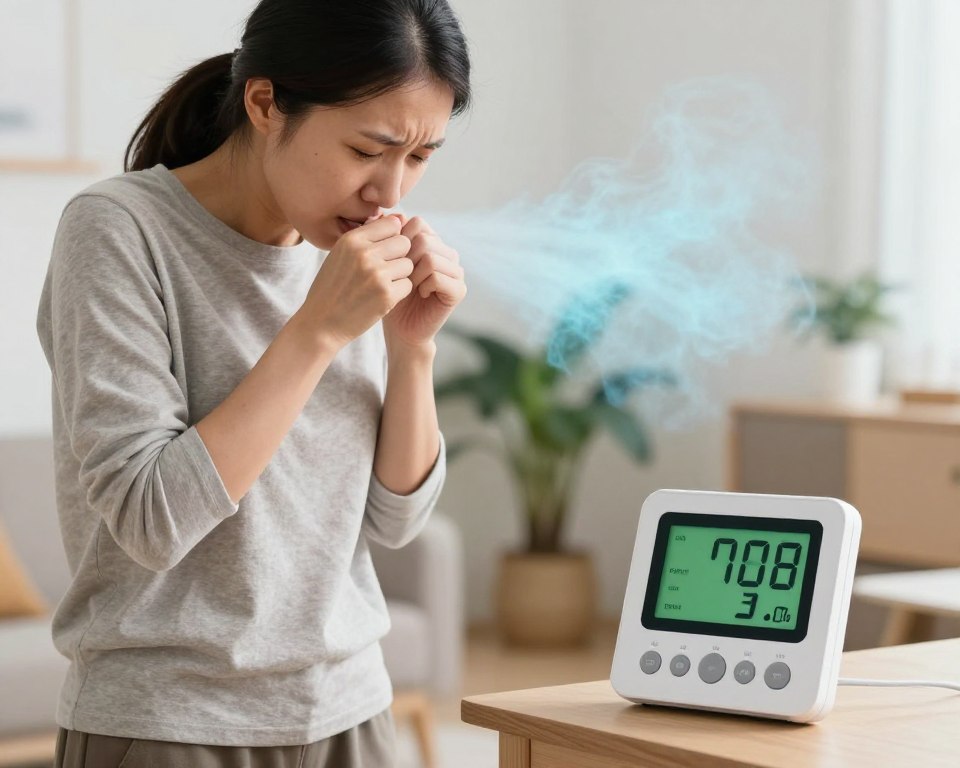
Immediate Respiratory Irritation and Coughing
The lungs are very sensitive to bad air. Breathing in too much ozone can make you cough or feel tight in the chest. This is your body’s way of trying to protect your lungs from harm.
Some people might also wheeze or have trouble breathing deeply. These problems are worse for those with sensitive airways. If you cough a lot in one room, look for ozone exposure sources right away.
Eye, Nose, and Throat Discomfort
The upper respiratory system and mucous membranes can also get upset. You might feel a burning in your eyes or a scratchy throat. These are signs of respiratory irritation from chemicals in your home.
Many think these feelings are from allergies or dry air. But if they keep happening, it could be from indoor pollutants. Keeping a log of when symptoms happen can help find the cause.
| Symptom Category | Common Physical Sign | Typical Duration | Severity Level |
|---|---|---|---|
| Respiratory | Persistent Coughing | Short-term | Moderate |
| Ocular | Eye Stinging | Immediate | Mild to Moderate |
| Throat | Dryness/Scratchiness | Immediate | Mild |
| Airway | Chest Tightness | Short-term | Moderate |
Long-Term Health Risks Associated with Chronic Exposure
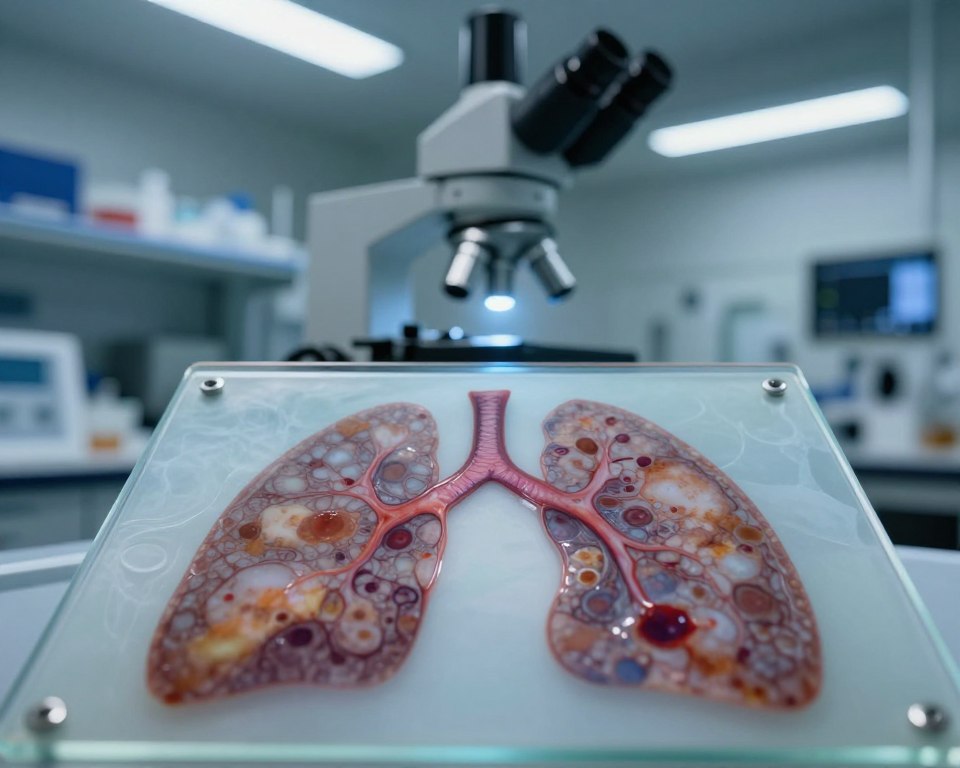
Chronic exposure to indoor ozone is a silent threat to your lungs. It can cause respiratory irritation over time. This damage often goes unnoticed until it’s too late.
Potential for Permanent Lung Tissue Damage
Ozone is a strong oxidant that harms the lungs. Repeated exposure makes it hard for the body to repair itself. This can lead to permanent lung tissue damage.
Over time, lung capacity and gas exchange efficiency may decrease.
“The cumulative nature of ozone inhalation means that even low-level, chronic exposure can contribute to the gradual degradation of pulmonary function, particular in sensitive individuals.”
Exacerbation of Pre-existing Asthma and COPD
For those with asthma or COPD, ozone is a big problem. It can make symptoms worse, leading to more frequent attacks. Knowing the ozone health risks is key to a safe home.
The table below shows how ozone exposure affects health:
| Exposure Type | Primary Symptom | Long-Term Risk | Clinical Concern |
|---|---|---|---|
| Acute (Short-term) | Coughing | Temporary inflammation | Low |
| Sub-chronic (Weeks) | Chest tightness | Reduced lung function | Moderate |
| Chronic (Years) | Shortness of breath | Permanent tissue scarring | High |
Good air quality is more than just comfort. It’s essential for your long-term health. By reducing ozone sources, you protect your lungs from lasting damage.
Evaluating Ozone-Generating Air Cleaning Devices
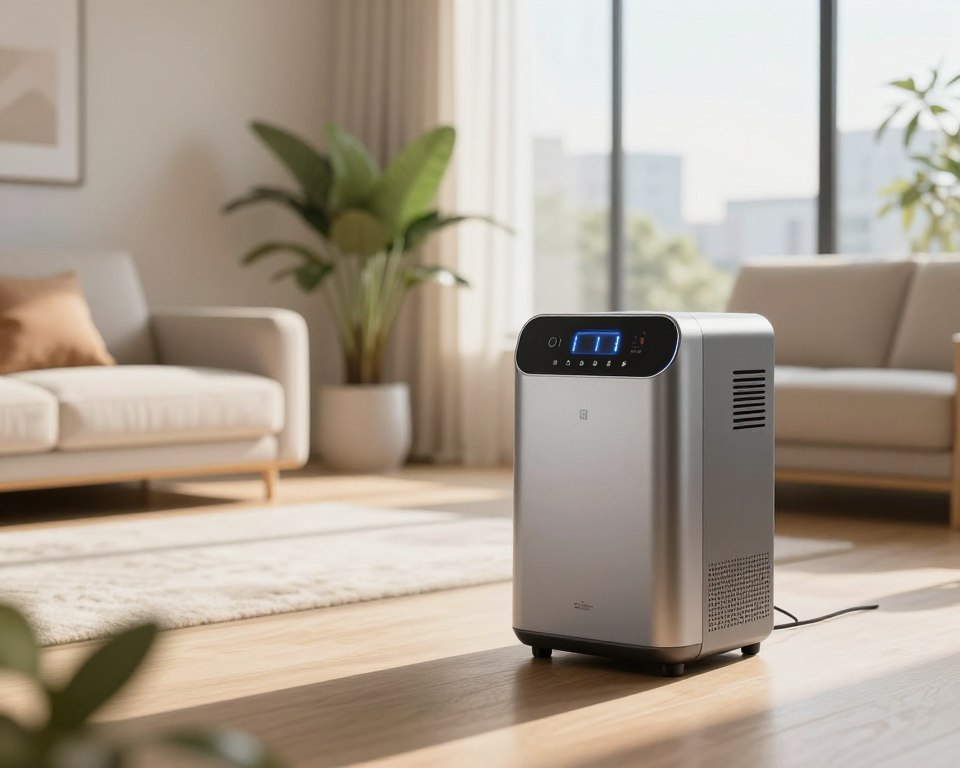
The market is full of devices called air purifiers that actually make harmful ozone gas. These products are sold as ways to get rid of smells or clean rooms. But they often don’t meet basic air purifier safety standards. People buy these units without knowing they bring a harmful gas into their homes.
The Misconception of Ozone as an Air Purifier
Many think ozone is a good air cleaner, but science disagrees. Ozone is a very reactive gas that doesn’t just clean the air. It reacts with things in your home, making harmful byproducts that are worse than the original problems.
Companies making ozone generators use tricky marketing to make them seem safe. But these devices can’t clean the air safely for humans or pets. Using them can make you feel safe when the air is actually getting worse.
Regulatory Standards and EPA Guidelines
The Environmental Protection Agency (EPA) has clear rules about these devices. They warn against using ozone-generating equipment in places where people live. Ozone is bad for lungs, and the EPA says it’s not safe to use it to get rid of smells.
When picking something for your home, choose proven filters over chemical solutions. Here’s a table showing the main differences between good filters and ozone-based devices.
| Feature | HEPA Air Purifiers | Ozone Generators |
|---|---|---|
| Primary Function | Physical Particle Removal | Chemical Oxidation |
| Safety Status | Generally Safe | Not Recommended for Occupied Spaces |
| Byproduct Risk | None | High (Secondary Pollutants) |
| Effectiveness | High for Dust/Allergens | Poor for Air Cleaning |
Impact of Indoor Ozone on Pets and Veterinary Health
Pets often show signs of breathing trouble first when indoor air quality drops. They may react more strongly to air pollutants than humans do. Watching your pets closely for breathing changes or less activity can help keep your home safe.
Respiratory Sensitivity in Domestic Animals
Domestic animals, like those with short snouts or health issues, are very sensitive to ozone. Ozone can cause lung inflammation, leading to coughing, wheezing, or tiredness. Owners should watch out if they use ozone-producing devices, as these can harm small lungs quickly.
If your pet seems to be having trouble with air quality, see your vet right away. You can also check out air cleaner info for consumers to avoid harmful pollutants. Keeping air clean is key for pet care and vet health.
Image Disclosure: Some images used in this article may be AI-generated for educational illustration purposes. They are designed to explain veterinary concepts more clearly and should not replace professional veterinary examination or diagnosis.
The pictures in this section aim to show how the environment affects animals. Remember, they are for learning only. They can’t replace a vet’s check-up or diagnosis.
Measuring Ozone Levels in Your Living Environment
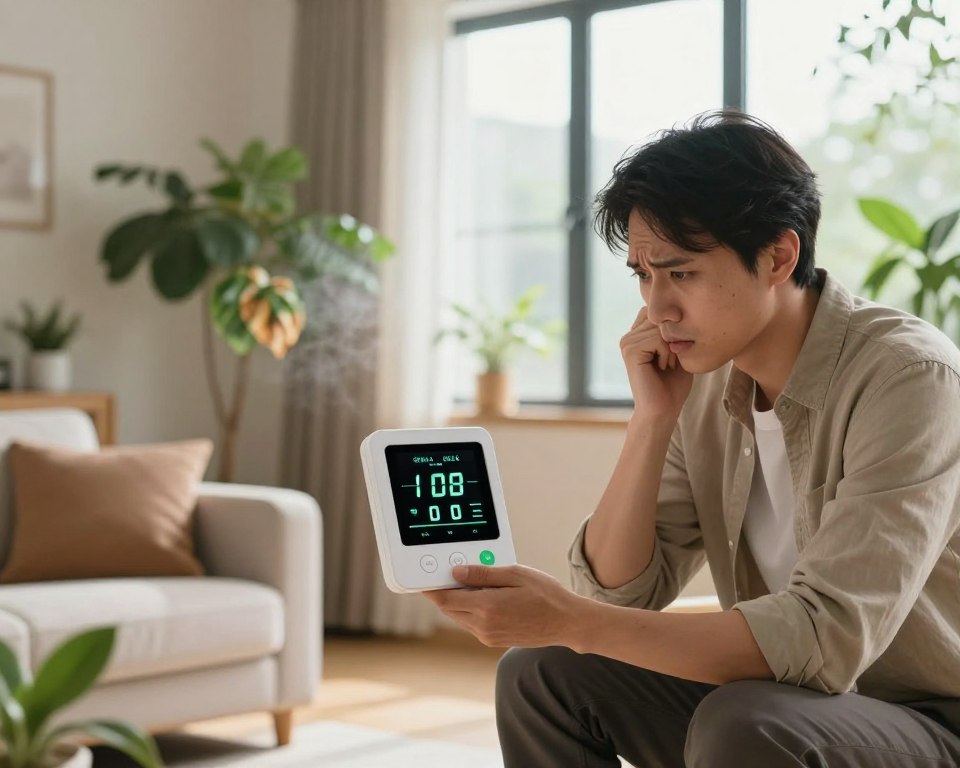
You can’t manage what you don’t measure, and that’s true for invisible gases in your home. Guesswork is not enough to keep your home safe from harmful gases. To ensure your home is safe, you need to regularly check ozone levels.
If you worry about the air you breathe, ozone testing is key for clean air in Florida homes. Special equipment helps you find hidden pollutants in your home.
Types of Indoor Air Quality Monitors
Today, there are many ways to check your home’s air. Many people use portable monitors for quick checks. These devices let you move around to find pollution sources.
For long-term tracking, fixed units are a good choice. They can connect to your smart home and alert you to high ozone levels. The right tool depends on whether you need a quick check or a detailed air quality history.
Interpreting Parts Per Billion (ppb) Readings
Ozone levels are measured in parts per billion, or ppb. Even small amounts can bother people with sensitive lungs. Knowing these numbers helps you decide when to open windows or turn off devices.
The table below shows safe ozone levels for homes:
| Concentration (ppb) | Risk Level | Recommended Action |
|---|---|---|
| 0 – 20 ppb | Low / Background | Maintain normal ventilation |
| 21 – 50 ppb | Moderate | Increase airflow; check devices |
| 51 – 100 ppb | Elevated | Remove sources; evacuate area |
| Above 100 ppb | High / Hazardous | Immediate professional intervention |
By watching these numbers closely, you can keep your home healthy. Regular checks help you fix small problems before they get big.
Ventilation Strategies to Reduce Indoor Ozone Concentrations
Controlling indoor pollutants starts with simple home changes. The best way to lower ozone is by diluting it with fresh air. Replacing stale air with clean outside air boosts your indoor air quality.
The Importance of Natural Air Exchange
Natural air exchange is key for managing gas levels at home. Opening windows on opposite sides creates a cross-breeze. This quickly removes trapped particles and gases.
If outdoor pollution is high, use window screens or mechanical systems with filters. These let in fresh air while keeping out big debris and some particles. Regular airflow stops ozone buildup from household chemicals.
Using HEPA Filtration as a Safer Alternative
When natural air isn’t enough, mechanical cleaning is needed. It’s important to choose air purifier safety by avoiding ozone-emitting devices. HEPA filters are top for removing particles without adding chemicals.
Unlike ionizers or ozone generators, HEPA units use physical barriers. They are reliable and safe for use in rooms. The right technology ensures your air cleaning efforts don’t harm your health.
| Method | Primary Function | Ozone Risk | Effectiveness |
|---|---|---|---|
| Natural Ventilation | Dilution | Low | High (Weather dependent) |
| HEPA Filtration | Particle Removal | None | High (Constant) |
| Ozone Generators | Chemical Reaction | Very High | Low (Unsafe) |
The Relationship Between Outdoor Air Quality and Indoor Levels
Your home is not a sealed bubble. Outdoor air quality greatly affects the air inside. Many people focus on indoor pollution, but ground-level ozone often comes from outside. It gets in through open windows and small gaps in buildings.
How Smog Infiltration Affects Indoor Air
Smog gets into buildings through pressure differences or air exchange. Once inside, it mixes with volatile organic compounds like cleaning agents. You can find more about safe household chemicals on nail polish remover and acetone safety.
The mix of outdoor air and indoor chemicals is complex. Outdoor air brings oxygen and contaminants that can worsen breathing problems. Studies on air quality and health show why controlling air entry is key for those with sensitive health.
Seasonal Variations and Peak Ozone Hours
Ground-level ozone levels change with the seasons. They are highest in summer due to sunlight. It’s best to keep windows closed during the hottest times.
Peak ozone hours are in the mid-to-late afternoon. By checking local air quality reports, you can keep windows closed during these times. This helps prevent indoor pollutants.
| Factor | High Risk Period | Low Risk Period |
|---|---|---|
| Outdoor Temperature | Summer (High Heat) | Winter (Low Heat) |
| Sunlight Intensity | Mid-Afternoon | Early Morning/Night |
| Ventilation Strategy | Use HEPA Filtration | Natural Air Exchange |
| Pollutant Potentia | High Smog Levels | Low Smog Levels |
Safety Precautions for Using Office Equipment
Keeping your home workspace healthy is key. Devices like laser printers and photocopiers can release ozone. It’s important to use ventilation strategies to prevent harmful levels in your home.
Proper Placement and Ventilation for Printers
Where you put your printer matters. Don’t place high-output machines in small, enclosed spaces. Instead, put them in rooms with ample airflow or near windows for natural air exchange.
If space is tight, here are some tips for better ventilation strategies:
- Keep printers at least three feet away from where you sit.
- Make sure the exhaust vents are not blocked by walls or furniture.
- Use an air purifier with a HEPA filter in the same room to catch particles.
- Avoid placing equipment in bedrooms or areas where you spend a lot of time.
Maintenance Tips to Minimize Ozone Emissions
Regular maintenance is not just for longevity; it’s a safety must. Dust and toner residue can make machines work harder and increase ozone. Routine cleaning of rollers and paper paths helps them run smoothly.
Here are some maintenance tips to keep emissions low:
- Replace toner cartridges as the manufacturer suggests to avoid leaks.
- Clean the corona wire and sensors as your manual advises.
- Check and replace ozone filters for your printer model.
- Turn off the device completely when not in use for a while.
By following these simple steps, you can have a home office without harming your air quality. Proactive care makes sure your technology helps your work, not hurts your health.
Myths and Misinformation Regarding Ozone Generators
The market is full of false claims about ozone generators. These devices are often sold as a quick fix for bad smells. But, the science behind them is more complicated and less effective than ads say.
Debunking Claims of Odor Elimination Efficacy
Many people buy ozone generators thinking they’ll get rid of smells for good. But, these machines usually don’t tackle the root cause of the smell. Instead, they might just cover it up or create new, worse smells.
“The use of ozone in occupied spaces is not recommended because the concentrations required to effectively remove odors are often high enough to be harmful to human health.”
Ozone can react with household chemicals to make formaldehyde or ultrafine particles. These can actually make indoor air worse, not better. This shows that marketing fluff can’t replace real safety standards.
Why Ozone Generators Are Not Recommended for Occupied Spaces
Ozone generators aren’t safe for areas where people or pets live. To kill smells, ozone levels need to be too high for safety.
Being exposed to these high levels can hurt your breathing and damage your lungs over time. Because they can’t safely remove smells without being harmful, experts say don’t use them in homes or offices.
Legal and Safety Standards for Ozone Exposure
Keeping public health safe means following strict ozone exposure limits everywhere. It’s not just about outdoor air quality. Indoor air standards are also key for our health. These rules help us know if the air we breathe is safe.
OSHA and NIOSH Workplace Exposure Limits
The Occupational Safety and Health Administration (OSHA) and the National Institute for Occupational Safety and Health (NIOSH) set tough rules for ozone exposure at work. They set limits to stop breathing problems and lung damage. These limits are important for everyone, not just workers.
Keeping ozone levels low at work makes it safer for employees. Knowing these limits helps us spot risks from ozone-making devices. Regular checks are the best way to keep indoor air safe.
Consumer Protection Laws Regarding Air Cleaning Devices
Laws protect us from false claims about air cleaners. Companies must tell the truth about ozone output. This helps us choose the right air cleaners.
Groups watch over air cleaners that use ozone. When buying air cleaners, check for safety stamps. Following these rules keeps our homes safe from ozone.
| Regulatory Body | Focus Area | Standard Type |
|---|---|---|
| OSHA | Workplace Safety | Permissible Exposure Limit (PEL) |
| NIOSH | Occupational Health | Recommended Exposure Limit (REL) |
| EPA | Consumer Products | Safety Guidelines |
Conclusion
Keeping your home’s air clean is more about good habits than fancy gadgets. Many wonder if indoor ozone is harmful. The science shows that even small amounts can hurt your breathing.
For lasting safety, stick to using filters and opening windows. This is the best way to keep the air in your home healthy.
Choosing air purifiers that don’t make ozone is key to a safe home. Knowing how household items and appliances react with each other is also important. This helps you avoid hidden dangers.
When you think about indoor ozone dangers, think about the sources in your space. This helps you make smart changes.
Looking after your home’s air quality keeps your family and pets safe. Making small changes in how you handle printers and cleaning can make a big difference. This knowledge helps you fight for cleaner air in your home.
By choosing safe, proven methods, you make your home a healthier place. This way, you can enjoy a better quality of life every day.
## FAQ
### Q: Are ozone generators safe for use in occupied rooms?
A: No. The Environmental Protection Agency (EPA) warns against using ozone generators in rooms where people live. These devices need to produce ozone levels that are harmful to health. At these levels, ozone can cause lung problems and breathing issues.
### Q: What are the primary symptoms of ozone exposure?
A: People exposed to ozone may feel eye, nose, and throat discomfort. They might also have trouble breathing, wheeze, or cough. These signs mean your body is reacting to the chemical and you need to get more air.
### Q: Can office equipment like printers contribute to indoor air pollution?
A: Yes. Devices like laser printers and photocopiers can release ozone. To stay safe, keep them in areas with good air flow. Also, make sure to maintain them regularly to avoid ozone emissions.
### Q: How do volatile organic compounds (VOCs) affect ozone levels?
A: VOCs, found in things like paints and cleaners, can help create ozone. Using fewer products with strong smells can help keep the air cleaner.
### Q: Are children and elderly individuals at higher risk?
A: Yes. Kids and older adults are more at risk because their lungs are not as strong. People with breathing problems like asthma are also more likely to get sick from ozone.
### Q: Is ozone effective at removing household odors?
A: No. Ozone generators might not get rid of smells as promised. They can even make things worse by reacting with chemicals in your home.
### Q: How can I accurately measure the ozone levels in my home?
A: Use air quality monitors that show ozone levels in parts per billion (ppb). These tools help you know when ozone levels are high. Then, you can take steps to improve the air, like opening windows or using HEPA filters.
### Q: How does indoor ozone affect the health of pets?
A: Pets can get sick from ozone too. They might breathe harder or act differently before you notice the air is bad. Keeping their air clean is important for their health.
### Q: What are the safest alternatives for cleaning indoor air?
A: HEPA filters or activated carbon filters are safer than ozone generators. They clean the air without making harmful gases. This is better for your home and health.
### Q: What legal standards exist to protect me from ozone exposure?
A: OSHA and NIOSH set safety rules for workplaces, but they help keep homes safe too. Laws also limit how much ozone air cleaners can make. This keeps the air in your home safe.