
Have you ever thought about how your home might affect your mind? Many people blame stress or lack of sleep for feeling foggy. But they often ignore the hidden chemicals in their homes.
Indoor air quality is critical for your brain’s health all day. We usually think about outside pressures, but air pollutants can quietly harm our brains. It’s time to check if Can VOC Exposure Cause Brain Fog in your home.
Knowing about these environmental triggers is key for better brain function. By looking into the science of household pollutants, we can find the real causes of mental tiredness.
Key Takeaways
- Indoor air quality significantly influences daily cognitive function and mental sharpness.
- Mental fatigue is frequently misattributed to stress or sleep deprivation instead of environmental factors.
- Invisible airborne contaminants are common in modern residential settings.
- Scientific evidence links specific household chemicals to neurological symptoms.
- Proactive monitoring of your home environment is a vital step for long-term health.
Understanding Volatile Organic Compounds in Modern Environments
Volatile organic compounds (VOCs) are a big part of the air we breathe indoors. They are carbon-based chemicals that evaporate easily at room temperature. This lets them move freely in closed spaces.
Many household products contain VOCs. Their buildup can harm indoor air quality in ways we might not see right away.
Common Sources of VOCs in Residential Spaces
Many items in homes release VOCs through off-gassing. Paints, varnishes, cleaning agents, and synthetic carpets are common culprits. Over time, these items release volatile organic compounds into the air.
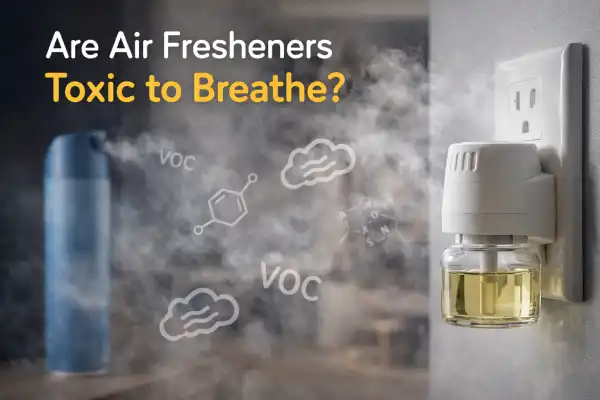
This can lead to a buildup of chemical vapors if the space doesn’t have good ventilation. Personal care products like hairsprays and perfumes also add to the chemical load of a home. Even simple activities like cooking or using scented candles can introduce more particles.
Knowing where these sources come from is key to improving your home environment.
Industrial and Occupational Exposure Risks
People working in industrial settings face higher levels of chemical vapors than those at home. Places like manufacturing plants, printing facilities, and labs use solvents and adhesives with high VOC levels. Occupational safety protocols aim to reduce these risks, but long-term exposure is a concern.
Workers should watch out for the chemicals used in their workspaces. Employers must provide safety data sheets that list the hazards of materials. Regular checks of the work environment help keep exposure levels safe.
The Chemistry of Indoor Air Quality
The air in homes is made up of many gases and particles. A key measure is the level of carbon dioxide, which shows how well a home is ventilated. In a well-ventilated home, carbon dioxide levels are usually between 400 and 1,000 parts per million (ppm).
If ventilation is poor, these levels go up. This often means other pollutants are building up too. Keeping indoor air quality high means managing chemical sources and airflow well. The table below shows common indoor pollutants and where they come from.
| Pollutant Type | Primary Source | Health Impact |
|---|---|---|
| Formaldehyde | Pressed wood furniture | Respiratory irritation |
| Benzene | Tobacco smoke, paints | Neurological stress |
| Toluene | Solvents, adhesives | Dizziness, fatigue |
| Carbon Dioxide | Human respiration | Reduced mental clarity |
Can VOC Exposure Cause Brain Fog and Cognitive Decline
Many people wonder if VOC exposure can cause brain fog. Is it just from being busy, or is it something else? Studies show that the air in our homes and offices affects our brains. Breathing in too many volatile organic compounds can hurt how well we think.

Defining Brain Fog in a Clinical Context
In medical terms, brain fog isn’t a single disease. It’s a subjective experience of feeling mentally cloudy. People say it’s hard to focus, remember things, and feel mentally tired. It’s like not being able to pay attention to complex tasks or feeling “out of it” even after sleeping well.
It’s often blamed on stress, but it’s also linked to bad air. When we’re in places with poor air, our brains work harder to stay focused. This leads to feeling mentally drained, a common problem in today’s buildings.
Neurological Pathways Affected by Chemical Inhalants
The human brain is very sensitive to chemicals we breathe in. These chemicals can get into the brain and cause inflammation. This can mess up how our brain cells talk to each other, making it hard to think clearly and quickly.
Other pollutants like PM2.5 can make things worse. These tiny particles can get past our body’s defenses and cause inflammation. This stress on the brain makes it harder to think well.
Short-term Versus Long-term Cognitive Impacts
Poor air quality can affect our brains right away. For example, too much carbon dioxide means bad air. Studies show that when CO2 levels go up, our thinking skills can drop by 15%. This is true for tasks that need strategic thinking and quick responses.
Short-term exposure might make us feel slow, but long-term effects are not fully understood. Chronic exposure could lead to lasting problems with mental clarity. The table below shows how different air quality markers can affect our brains.
| Pollutant Level | Typical Source | Cognitive Impact |
|---|---|---|
| Low (CO2 < 800 ppm) | Well-ventilated space | Optimal focus and clarity |
| Moderate (CO2 1,000-2,000 ppm) | Poorly ventilated office | 15% decline in strategic thinking |
| High (VOCs & PM2.5 present) | New construction/solvents | Increased mental fatigue and memory lapses |
The Biological Mechanism of Neurotoxicity
The brain is very sensitive to pollutants because of how substances get in and affect it. Understanding neurological health means knowing the brain isn’t alone. It works with the body through special transport systems.

How VOCs Cross the Blood-Brain Barrier
The blood-brain barrier is like a protective wall around the brain. It keeps harmful things out. But, some chemicals can get through because they dissolve in fats.
Also, tiny particles can go from the lungs into the blood. Then, they can help other harmful chemicals get into the brain. This is because they can cross the blood-brain barrier easily.
Inflammatory Responses in the Central Nervous System
Toxins getting past the barrier can start neuroinflammation. This is the brain’s way of fighting off threats. It involves immune cells called microglia.
Being exposed to these chemicals a lot can keep the brain on high alert. This can harm healthy brain cells and mess with how they talk to each other. This is why we might feel foggy or have trouble thinking.
Oxidative Stress and Neuronal Function
The last step is oxidative stress. When the body can’t handle toxins, they cause damage. This is called neurotoxicity.
This damage makes it hard for brain cells to work right. It’s important to keep the brain healthy by reducing toxin exposure. This helps prevent thinking problems.
| Biological Process | Mechanism of Action | Impact on Brain |
|---|---|---|
| Barrier Penetration | Lipophilic diffusion | Toxins enter neural tissue |
| Neuroinflammation | Microglial activation | Chronic cellular stress |
| Oxidative Damage | Free radical accumulation | Neuronal dysfunction |
Common Symptoms Associated with Chemical Sensitivity
Feeling uncomfortable in certain places might be more than just a minor issue. It could be a sign of sick building syndrome. This happens when people feel sick after being in a building, but get better once they leave. It’s important to understand chemical sensitivity to see how our surroundings affect our health.

Cognitive Impairment and Memory Lapses
Being around certain chemicals can really mess with your brain. Many people feel like they’re in a fog, having trouble focusing or remembering things. These changes can be hard to notice at first, making it tricky to connect them to where you are.
It’s also important to remember that the environment can make health problems worse. For example, mold can make symptoms of chemical sensitivity. When your brain doesn’t work right, it’s a clear sign that the air inside needs to be checked.
Fatigue and Mental Exhaustion
Feeling extremely tired is common for those with chemical sensitivity. It’s not just about not sleeping enough. It’s a deep feeling of being mentally drained, even after getting plenty of rest. The body works hard to deal with toxins in the air, leaving it feeling drained.
Headaches and Dizziness as Early Warning Signs
Headaches and feeling dizzy are often the first signs of bad air quality. These symptoms can happen after being around strong cleaners or artificial scents. If you think you’ve breathed in something harmful, knowing what to do is very important.
Spotting these signs early is key to avoiding serious health problems. By paying attention to how your body reacts to certain places or products, you can take steps to stay healthy. Being proactive is the best way to keep your living space safe and productive.
Identifying High-Risk Indoor Environments
Your home might have hidden sources of indoor pollutants that affect your brain health. Modern homes save energy but trap chemicals, causing volatile organic compounds to build up. A detailed check of your home can help find and fix these problems.

New Construction and Off-gassing Materials
New homes or renovations are big sources of chemical exposure. Items like pressed-wood cabinets, laminate floors, and fresh paint release gases for a long time. This is called off-gassing and is a big source of volatile organic compounds in homes.
Adhesives, sealants, and insulation also add to the chemical load in new homes. If you’ve recently renovated, make sure to air out the place. Opening windows during the first few months can greatly reduce harmful air.
The Role of Cleaning Products and Solvents
Many household cleaners have harsh chemicals that stay in the air long after cleaning. These products are big sources of indoor pollutants. For example, using a wood polish spray can introduce solvents that may cause sensitivity or breathing problems.
It’s smart to check what’s in your cleaning products. Choose low-VOC or fragrance-free options to cut down on daily exposure. Simple changes, like using microfiber cloths or water-based cleaners, can help improve your air quality.
Furniture and Synthetic Textiles
Furniture and textiles are often treated with chemicals to last longer or be flame-resistant. These items slowly release volatile organic compounds into the air, worse in poorly ventilated rooms. Synthetic carpets, curtains, and upholstery are common culprits.
To check your home for these risks, follow these steps:
- Look at labels on new furniture for fire retardant treatments.
- Choose natural fibers like cotton, wool, or linen for upholstery and rugs.
- Vacuum often with a HEPA-filter vacuum to catch dust with chemicals.
- Make sure rooms with new synthetic items are well-ventilated to let off-gassing happen.
By spotting these high-risk areas, you can control your indoor environment. Making small, consistent changes can greatly reduce your exposure to indoor pollutants.
Diagnostic Challenges in Linking VOCs to Brain Fog
Figuring out how indoor air quality affects our brains is tough for doctors. People might feel slow-minded, but finding the exact cause is hard. It takes looking closely at where they live and work.

Differentiating Environmental Triggers from Other Conditions
It’s hard to tell if brain fog comes from chemicals or other health problems. Symptoms like feeling tired or forgetful can be blamed on stress or getting older. But sometimes, it’s really about the air we breathe.
Being around chemicals for a long time can cause neuroinflammation. This makes it hard to tell if it’s a brain problem or something else. Doctors have to check for other health issues first to find the environmental cause.
The Limitations of Standard Medical Testing
Most medical tests can’t find the effects of small amounts of chemicals over time. They look for quick, big problems, not the slow, hidden ones from indoor air.
It’s easy to measure high levels of carbon dioxide. But the mix of chemicals in our homes is hard to test in a doctor’s office. This makes it hard for patients to get a clear diagnosis for their symptoms.
The Importance of Patient History and Exposure Logs
Because tests can’t always find the problem, knowing a patient’s history is key. Doctors need to hear about the patient’s daily life and what chemicals they might be exposed to.
Keeping an exposure log is essential. It helps track when and how symptoms happen. This includes things like cleaning products, paints, or nail polish remover. By noting when symptoms get worse, patients can help doctors find the exact cause.
Vulnerable Populations and Increased Sensitivity
Understanding why some people are more affected by chemicals is key to protecting neurological health. While many can handle small amounts of pollutants, certain groups are at higher risk. This includes those who might see a drop in cognitive function. Knowing who is most at risk helps us make homes safer for everyone.

Impact on Children and Developing Brains
Children are very sensitive to toxins because their bodies and brains are growing fast. The brain uses a lot of oxygen, even though it’s small. This makes it very important to have clean air. Exposure to volatile organic compounds can harm their development.
Children breathe more air than adults because their metabolism is faster. This means they get more pollutants in their bodies. Parents should watch what products they use in nurseries and playrooms. Even things like disinfectant spray can be harmful to young children.
Elderly Individuals and Cognitive Resilience
As we get older, our bodies can’t clean up toxins as well. This makes it harder for older adults to handle environmental stress. Even small changes in air quality can affect their memory and focus.
Long-term exposure to pollutants can make age-related brain decline worse. Keeping homes clean and well-ventilated is important for seniors. By reducing chemicals, we can help them live better lives.
Pre-existing Conditions and Chemical Intolerance
People with chemical sensitivity or chronic conditions react more strongly to indoor pollutants. Their immune systems are already stressed, making it hard to handle synthetic chemicals. This can cause inflammation that affects the nervous system.
Those with respiratory or neurological problems need to be careful about their environment. Avoiding synthetic fragrances and harsh cleaners is a good start. Talking to a doctor can help find out what’s causing their symptoms.
Mitigation Strategies for Improving Indoor Air Quality
Modern homes can trap pollutants, affecting our health. To improve air quality, we need to tackle chemical off-gassing and enhance airflow. A well-planned approach to indoor air quality management is key to reducing our chemical exposure.
Effective Ventilation Techniques
Good air exchange is essential to dilute airborne chemicals. While opening windows helps, it’s not enough for all seasons. Using mechanical ventilation strategies ensures constant fresh air, no matter the weather.
Installing an Energy Recovery Ventilator (ERV) is a smart choice for tight homes. These systems, costing under $1,000, offer a cost-effective way to exchange air. ERV systems also save energy by using outgoing air to pre-condition incoming air.
Selecting Low-VOC Building Materials and Furnishings
Preventing chemical buildup starts with choosing the right materials. When renovating, pick materials labeled as low-VOC or zero-VOC. This includes paints, adhesives, and wood products that don’t release harmful gases.
Furniture and textiles also impact air quality. Opt for natural materials like solid wood, organic cotton, or wool. Choosing non-toxic furnishings helps avoid the off-gassing from synthetic foams and chemical flame retardants.
Air Purification Technologies and Their Efficacy
When source control and ventilation aren’t enough, air purification is needed. These devices capture fine particles, including PM2.5, which can carry chemicals deep into our lungs. A unit with a true HEPA filter is vital for trapping these tiny pollutants.
Standard filters often miss gaseous VOCs. For full protection, look for air purifiers with a large activated carbon stage. Activated carbon adsorbs chemical vapors, providing a critical defense for those sensitive to chemicals.
The Role of Veterinary and Pet Health Observations
Animals often show signs of chemical sensitivity before humans do. This is because they have faster breathing rates and are smaller. Pets can be silent sentinels for detecting indoor pollutants in homes.
Why Pets Are Often the First Indicators of Poor Air Quality
Pets may act differently when there are high levels of chemicals in the air. Look for signs like being tired, not wanting to eat, or acting strangely. These could mean the air is not safe.
Watching for these changes can help you know if your home is safe. If your pet suddenly acts weird or seems sick, think about the air quality.
| Factor | Human Sensitivity | Pet Sensitivity |
|---|---|---|
| Respiratory Rate | Moderate | High |
| Indoor Pollutants | Variable | Significant Impact |
| Cognitive Function | Self-reported | Behavioral Indicators |
Image Disclosure Regarding Educational Illustrations
Some images in this article are AI-made for learning. They help explain vet concepts clearly. But, they should not replace a vet’s real check-up or diagnosis.
Understanding AI-Generated Visuals in Veterinary Contexts
These digital pictures help readers see complex health ideas. They show how the environment affects animals. By making things simpler, they help pet owners understand better.
Limitations of Digital Illustrations in Clinical Diagnosis
Remember, these images are not diagnostic tools. They can’t replace a vet’s knowledge of your pet’s health. Always talk to a vet if you’re worried about your pet’s health or if they might be exposed to toxins.
Lifestyle Adjustments to Reduce Chemical Load
To make your home healthier, you need to tackle the hidden chemicals. Find out where pollution comes from and take action. Making small changes can greatly improve the air you breathe.
Detoxifying Your Home Environment
Start by checking your home for chemicals. Things like old carpets and harsh cleaners can make you sick. Get rid of them to reduce sick building syndrome.
Next, work on the air flow. Good ventilation strategies help clear out bad air. Open windows to let in fresh air and get rid of VOCs.
Natural Alternatives to Synthetic Fragrances
Synthetic fragrances are a big problem. Products like fabric refresher spray can harm your health. Switch to natural options to avoid these dangers.
Use essential oils or beeswax candles instead. They smell nice without the chemicals. Make sure to use high-quality essential oils and diffuse them in well-ventilated areas.
Monitoring Humidity and Temperature to Control Off-gassing
Temperature and humidity affect how chemicals are released. Keep your home cool and dry to slow down off-gassing. This is important for your health, as shown in this study on indoor air quality.
Use a hygrometer to check humidity levels. Keep it between 30% and 50% to avoid mold and chemical release. If your home is hard to control, consider air purification systems. A cool, dry home is safer for your health.
Regulatory Standards and Public Health Perspectives
Government agencies set standards for indoor air quality. But these standards don’t always fit everyone. They mainly aim to prevent sudden harm, not long-term neurological health issues. This leaves people who react to “safe” levels of chemicals in the dark.
Current Guidelines for Indoor Air Quality
In the U.S., the EPA gives advice on pollutants. But many of these guidelines are voluntary or only for big industrial places. They focus on big dangers like carbon monoxide and lead. Yet, they often miss the effects of small amounts of chemicals in our homes.
The Gap Between Safety Standards and Individual Sensitivity
People with chemical sensitivity face a big problem. Safety limits are based on averages, not individual needs. This means some people can get sick from tiny amounts of chemicals. Safety rules often ignore the slow damage to our brains from constant, small chemical exposure.
| Standard Type | Primary Focus | Health Goal |
|---|---|---|
| Regulatory Compliance | Acute Toxicity | Prevent Immediate Harm |
| Health-Conscious Building | Chronic Exposure | Optimize Cognitive Function |
| Industry Benchmarks | Cost-Efficiency | Minimal Legal Liability |
Advocacy for Healthier Building Practices
Groups are now pushing for buildings that care more about people than rules. By using materials that don’t release many chemicals, we can make buildings better for our brains. This shows that indoor air quality is key for our health, not just a rule to follow.
To really protect people, we need to be open about what materials we use and how we ventilate. When we focus on chemical sensitivity in building codes, we make spaces that help us think clearly and stay healthy. This big change is vital for better living spaces today.
When to Seek Professional Medical Advice
Knowing when to get medical help is key to staying healthy. Simple irritations might clear up with fresh air. But, if you notice lasting brain changes, it’s time to see a doctor.
Recognizing When Symptoms Require Clinical Intervention
If you can’t shake off persistent cognitive impairment even after leaving your home, get help. Memory problems or brain fog that affect your work or daily life need a doctor’s check-up.
Doctors can figure out if your symptoms come from prolonged exposure to harmful chemicals. Early action is important to avoid serious health issues and rule out other health problems.
Preparing for Consultations with Environmental Health Specialists
Getting ready for your doctor’s visit is important. Specialists need accurate info to check for neurotoxicity in your home.
Before you go, collect this info:
- A detailed log of when symptoms occur and their severity.
- A list of recent home renovations, new furniture, or cleaning products introduced to your space.
- Documentation of any air quality testing results you may have conducted.
- A timeline of your symptoms in relation to your time spent indoors versus outdoors.
Integrating Lifestyle Changes with Medical Treatment
Recovery often needs both doctor’s advice and changes at home. Your doctor might recommend treatments, but they work better with a cleaner indoor environment.
Here’s how to support your treatment:
- Prioritize ventilation: Increase fresh air intake to dilute indoor pollutants.
- Remove sources: Identify and eliminate products that contribute to high chemical loads.
- Monitor progress: Continue tracking your symptoms to see how lifestyle adjustments influence your recovery.
By teaming up with your healthcare provider, you can tackle your exposure to harmful chemicals. This way, you treat symptoms and tackle the cause of your environmental worries.
Conclusion
Good indoor air quality is key to keeping our minds sharp. It’s important to keep our surroundings clean from harmful chemicals.
Making small changes in how we ventilate and choose materials can make a big difference. Using products that don’t release chemicals and opting for natural cleaners helps our brains stay clear. These actions can help prevent brain fog and keep our minds focused.
By taking charge of our living and work spaces, we can improve our health. Knowing what products we use at home is a big step. Start checking your air quality today for a healthier tomorrow for you and your loved ones.
FAQ
What are the most common sources of volatile organic compounds (VOCs) in a typical home?
Everyday items in your home release volatile organic compounds (VOCs). These include Sherwin-Williams paints, new wood furniture, and synthetic textiles. Cleaning products like Lysol and Clorox also contribute. In workplaces, chemicals and solvents can make air quality worse.
How exactly does air pollution lead to “brain fog” and cognitive decline?
Airborne toxins, like PM2.5 and VOCs, can get into your brain. This causes systemic inflammation and oxidative stress. These effects can make you feel foggy and slow.
High CO2 levels can make these problems worse.
What is “Sick Building Syndrome,” and how can I identify it?
A: Sick Building Syndrome (SBS) happens when people feel sick in a building. Symptoms include headaches, dizziness, and feeling tired. These problems go away when you leave the building.
To spot SBS, keep a detailed exposure log. Look for patterns in your symptoms and where you were.
Are children and the elderly more susceptible to poor indoor air quality?
Yes. Kids’ brains are growing, and they breathe more than adults. This makes them more vulnerable to air pollution. Older people also face risks because their brains are less resilient.
Why are pets often the first to show signs of chemical exposure?
Pets, like birds and small dogs, are sensitive to chemicals. Their small lungs and fast metabolism make them show signs of illness early. They can warn us about bad air before we notice.
What are the most effective strategies for mitigating VOC exposure at home?
To reduce VOCs, start by choosing low-VOC products. Use Energy Recovery Ventilators (ERVs) to bring in fresh air. Also, get air purifiers like Blueair or IQAir to clean the air.
How do humidity and temperature affect the concentration of indoor toxins?
High heat and humidity make chemicals in furniture and materials release faster. Keeping your home cool and dry slows down this process. This helps keep the air cleaner.
When should I consult an environmental health specialist?
See a specialist if you’re feeling tired, forgetful, or foggy all the time. Bring a detailed exposure log to your appointment. They can help figure out what’s causing your problems and find ways to fix it.