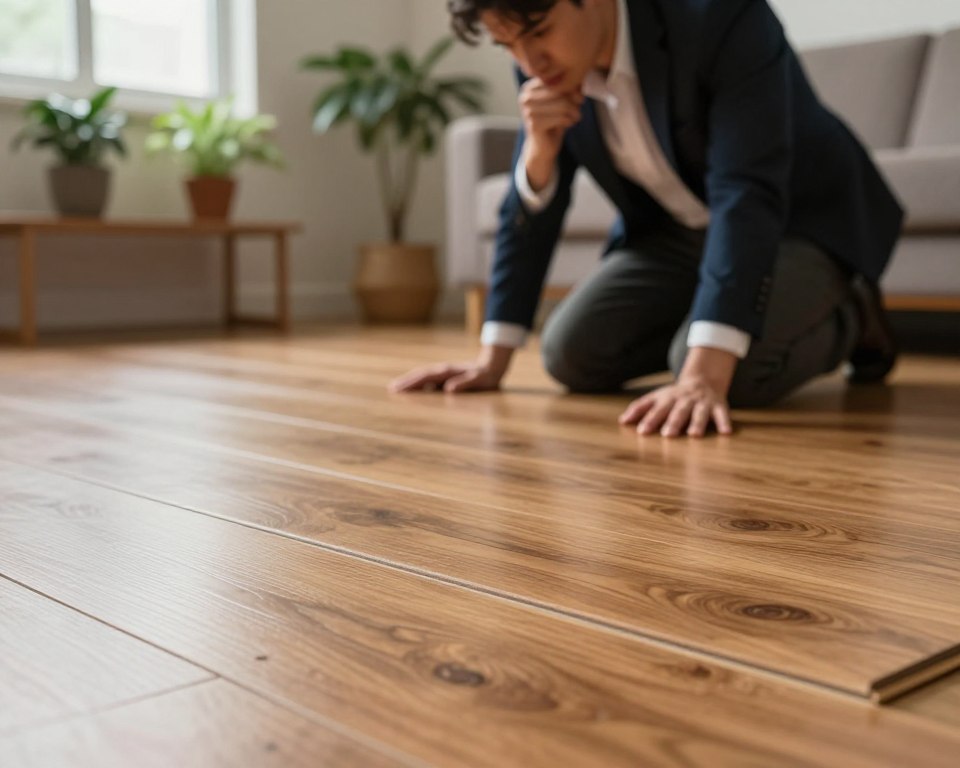
Ever thought the fresh smell of a home renovation might be a warning? Many think modern building materials are safe. But, the truth about indoor air quality is more complex. Installing new floors can bring volatile organic compounds into your home.
Knowing about off-gassing is key to keeping your home safe. Even with better standards, some products can harm your health. For safer choices, check out the ultimate guide to non-toxic flooring. Prioritizing transparency in materials is the best way to keep your air clean.
Key Takeaways
- Indoor air quality is greatly affected by the materials used in home renovations.
- Off-gassing is common, where building products release volatile organic compounds over time.
- Not all modern surfaces are safe; some have adhesives or finishes that can be harmful.
- Natural materials like solid hardwood are often the safest for sensitive homes.
- Certification labels help find products with lower emissions for better safety.
Understanding the Phenomenon of Off-Gassing in New Flooring
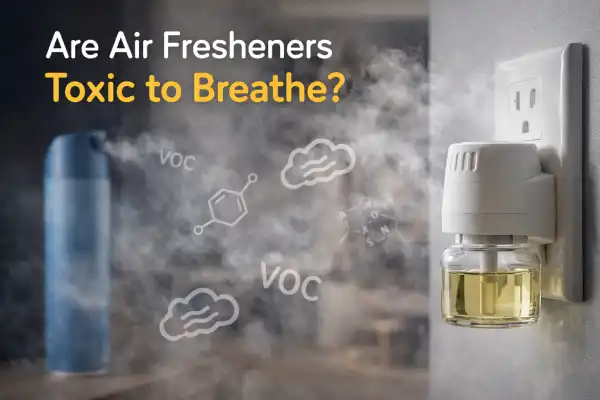
Off-gassing is when chemicals in flooring materials turn into gas in your home. This happens when volatile organic compounds (VOCs) change from solid or liquid to gas. Knowing how off-gassing works in your new home is key to keeping the air clean.
The smell from new flooring is usually strongest right after it’s put in. At this time, there are lots of particles in the air. Chemical evaporation happens because of how synthetic materials are made.
“Indoor air quality is often compromised by the very materials we choose to improve our homes, making awareness of chemical emissions a necessity for modern living.”
The smell from new flooring might go away in a few weeks. But off-gassing can keep going for months or even years. How fast it happens depends on things like temperature, humidity, and what’s in the flooring. Because you can’t see or smell these gases after a while, they can keep affecting your home for a long time.
Can New Flooring Release Toxic Chemicals and Why It Happens
Many families wonder: can new flooring release toxic chemicals into their homes? The answer is yes, due to the complex chemistry in modern flooring. These floors are not just simple materials but are made from advanced composites for durability and looks.
These products use synthetic resins, bonding agents, and coatings to become what we see. During making, these chemicals might not fully dry before reaching your home. This can cause the flooring to release harmful gases, known as off-gassing.
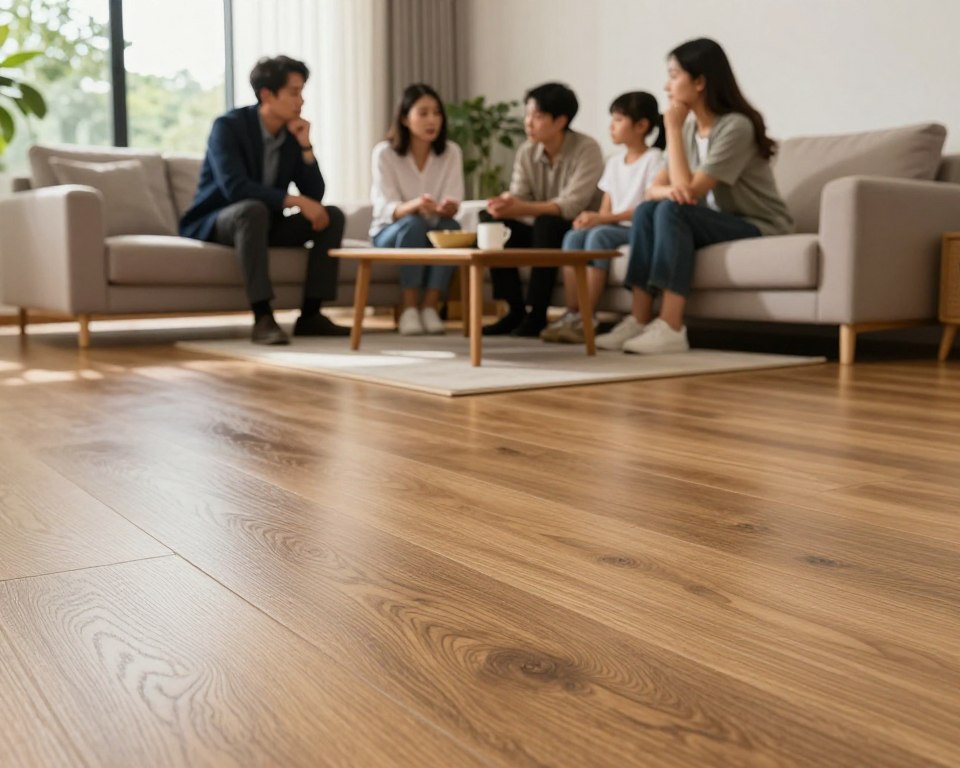
The way these materials interact with your home’s air depends on temperature, humidity, and air flow. When you put in new flooring, the exposed area is at its highest. This often means more chemicals are released in the first few weeks. Understanding these mechanisms is key for anyone concerned about toxic chemicals from new flooring.
Manufacturers add these chemicals to make floors more resistant to moisture, fire, and scratches. While these benefits are great, they also mean chemicals can move from the floor into the air. Knowing about these additives helps homeowners make better choices for their homes.
Common Volatile Organic Compounds Found in Flooring Materials
Modern flooring products have chemicals to make them last longer, look better, and resist moisture. These chemicals are called VOCs, or Volatile Organic Compounds. They can turn into gases over time and mix with the air.
Knowing about these chemicals is key for those who care about clean indoor air. By learning about the chemicals in different flooring, you can choose better.
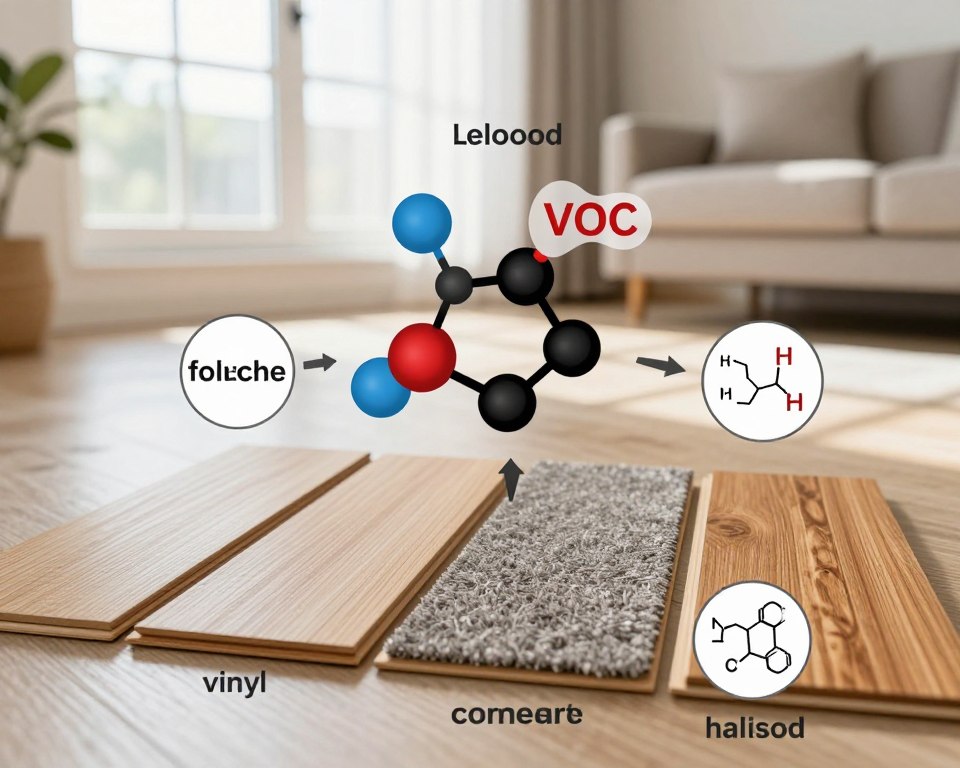
Formaldehyde Emissions in Laminate and Engineered Wood
Laminate flooring and engineered wood use synthetic resins to stick together. These resins often have urea-formaldehyde, a strong glue.
As time goes by, these products can release formaldehyde emissions into the air. This happens most when the flooring is new or when the room’s temperature and humidity change a lot.
Phthalates in Vinyl and Resilient Flooring
Vinyl flooring is known for being flexible and durable. This is thanks to plasticizers, like phthalates, which make PVC soft.
Even though phthalates work well, they’re not stuck to the plastic. So, they can slowly move into dust or air.
Benzene and Other Solvents in Adhesives
Many flooring types need special adhesives to stick to the subfloor. These adhesives have solvents like benzene and other petroleum-based chemicals. They keep the adhesive liquid while it’s applied.
When these adhesives dry, they release vapors. Choosing adhesives that don’t release much or are solvent-free can help keep your home air cleaner.
The Role of Manufacturing Processes in Chemical Release
Industrial manufacturing techniques are key in making residential flooring. When raw materials are turned into building materials, chemical reactions happen. These reactions can leave behind volatile residues that stay trapped until the product is installed.
Synthetic Resins and Binding Agents
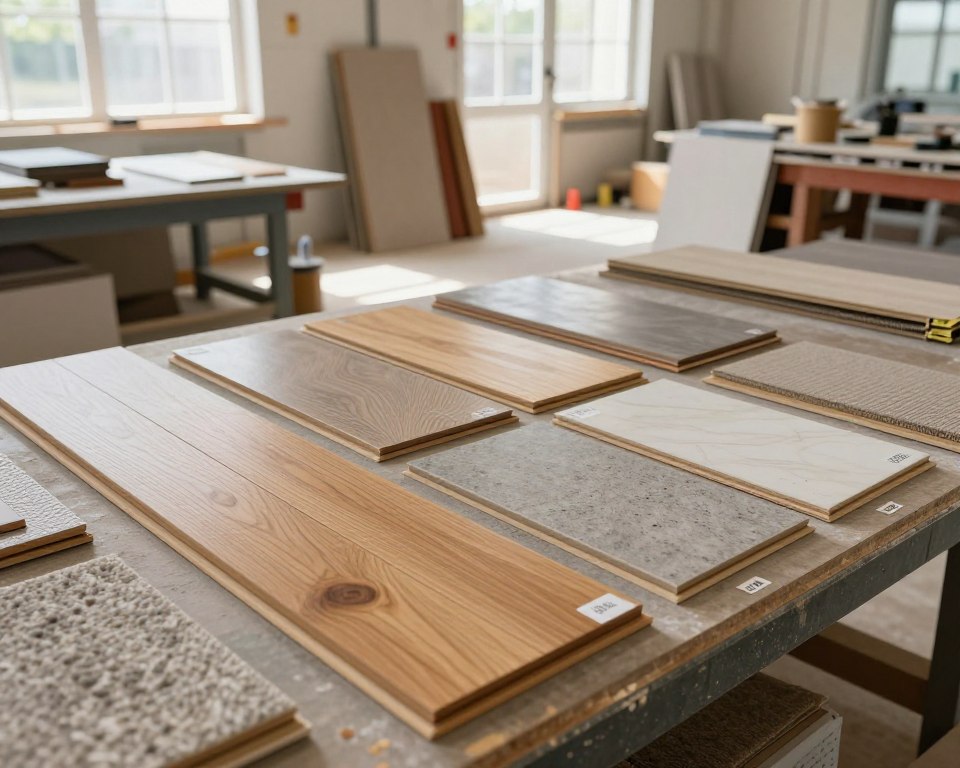
Engineered flooring often uses synthetic resins to hold it together. These resins, like urea-formaldehyde, make the flooring durable and resistant to moisture. But, they can also cause off-gassing as the chemicals slowly release over time.
The curing process is not always 100% complete at the factory. This means that residual monomers can stay in the building materials. These monomers can then escape into the indoor air. This is a concern for those looking into the safety of certain chemical treatments in their homes.
Surface Treatments and Protective Coatings
Manufacturers also add surface treatments to make flooring more durable and look better. These treatments include polyurethane, acrylics, or aluminum oxide layers. While they protect the floor, they can also add to the chemical load of the product.
“The complexity of modern flooring chemistry means that even seemingly inert surfaces can act as reservoirs for volatile compounds, which are released under specific temperature and humidity conditions.”
The table below shows how different parts of flooring contribute to its chemical profile:
| Component | Primary Function | Potential Emission Risk |
|---|---|---|
| Urea-Formaldehyde Resins | Structural binding | High (Formaldehyde) |
| Polyurethane Coatings | Surface protection | Moderate (VOCs) |
| Plasticizers (Phthalates) | Flexibility | Moderate (Semi-volatile) |
| Solvent-based Adhesives | Layer lamination | High (Benzene/Toluene) |
Knowing about these manufacturing inputs is key for those who care about indoor air quality. By choosing building materials with low-emission resins and water-based finishes, homeowners can lower chemical exposure in their homes.
Health Implications of Exposure to Flooring Chemicals
Chemical exposure from modern building materials is a big concern for families. New flooring often releases harmful gases into the air. Knowing about these risks helps create a healthier home.
Short-Term Respiratory and Irritation Symptoms
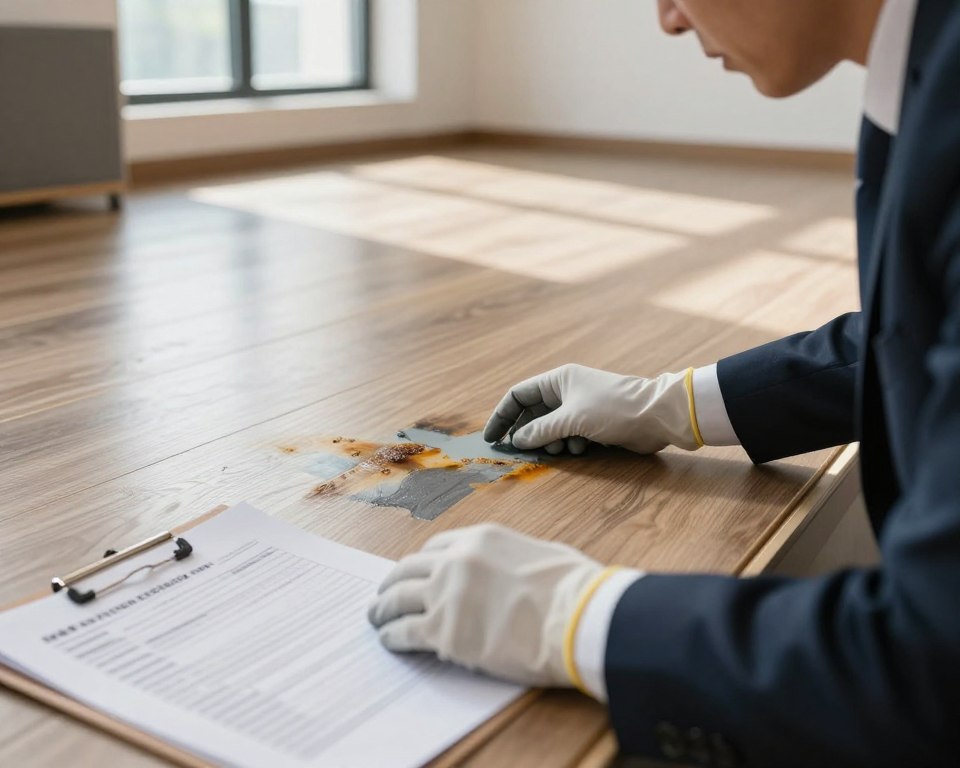
Inhaling these gases can irritate your eyes, nose, and throat. Many people get headaches, feel dizzy, or nauseous soon after. This is often tied to the is vinyl flooring toxic debate, as some materials release more gases when they first dry.
People with breathing problems, like asthma, might feel worse. How you react can vary a lot. Just like some people get sick from nail polish remover, flooring fumes can bother some people a lot.
“The quality of indoor air is a fundamental pillar of public health, yet it is often compromised by the very materials we choose to surround ourselves with in our homes.”
Long-Term Health Risks and Chronic Exposure
Long-term chemical exposure is more serious than just irritation. Breathing in toxins over time can cause serious health problems. Studies show that some chemicals can harm the nervous system or liver.
Children are more at risk because their bodies are growing and they spend a lot of time on the floor. To protect them, take these steps:
- Make sure there’s good air flow during and after installation.
- Watch for symptoms that don’t go away after the fumes fade.
- Choose materials that release fewer chemicals to lower chemical exposure.
By being informed and taking action, homeowners can reduce risks from modern flooring. Keeping your home’s air clean is key to a safe space for your family.
Identifying High-Risk Flooring Materials
Choosing the right flooring means knowing which materials might harm your indoor air. Many modern floors are safe, but some older types can release harmful chemicals. Knowing which ones to avoid helps keep your air clean.
Vinyl Composition Tile and Luxury Vinyl Plank
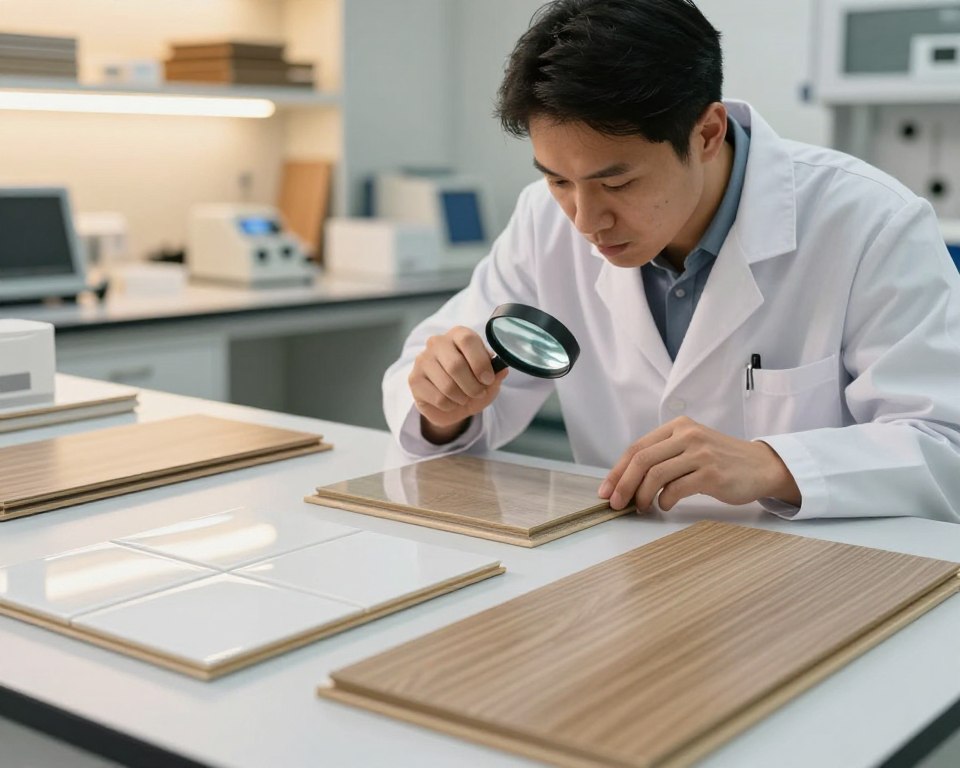
Vinyl flooring is loved for its toughness and looks, but it often has synthetic additives. These additives, like phthalates, make the vinyl soft. Over time, these chemicals can leak into the air you breathe.
Be careful with older or cheap vinyl floors. They might not be safe. Always check if the vinyl is free from harmful chemicals. Choosing floors with low emissions is the best way to avoid these dangers.
Pressed Wood Products and Particleboard
Many laminate flooring and engineered wood products use urea-formaldehyde resins. These resins hold the wood together but can release formaldehyde if not sealed well. This is a big problem with pressed wood, particleboard, and MDF.
The biggest risk is in the first few months after you install it. To lower the risk, make sure the materials meet strict standards. Proper installation and good air flow during the first few months can also help.
| Flooring Material | Primary Chemical Concern | Risk Level |
|---|---|---|
| Standard Vinyl Plank | Phthalates | Moderate to High |
| Budget Laminate | Formaldehyde | Moderate |
| Solid Hardwood | None (Natural) | Low |
| Ceramic Tile | None (Inert) | Very Low |
Safer Alternatives for Home Flooring Projects
Creating a healthy home begins with the right flooring. Opt for natural, non-synthetic materials to reduce harmful chemicals. These choices are durable and safer for your family.

Natural Hardwood and Solid Timber Options
Solid hardwood is a top choice for avoiding chemicals. Unlike engineered wood, it’s made from a single piece of timber. This means no formaldehyde-based resins are used.
Choose wood with natural oils or water-based sealants. These protect the wood without harsh chemicals. With care, these floors last long and look great.
Ceramic and Porcelain Tile Benefits
Ceramic and porcelain tiles are perfect for a healthy home. They’re fired at high temperatures, removing impurities. This makes them stable and non-porous, without harmful gases.
These tiles also fight mold and dust mites, keeping air quality high. Use low-VOC thin-set mortars and grouts for safe installation. This combo offers a durable, easy-to-clean surface.
Linoleum and Natural Fiber Flooring
True linoleum is different from vinyl. It’s made from natural ingredients like linseed oil and jute. This makes it biodegradable and free from phthalates.
Natural fibers like cork and bamboo are also good choices. Cork comes from tree bark, and bamboo is fast-growing. Both offer comfort and insulation without chemicals.
Certifications and Standards for Low-Emission Flooring
When you’re looking for new floors, knowing the safety standards is key. This helps keep harmful toxins out of your home. Third-party certifications show if a floor is really safe. They help you choose floors that are good for your health and air quality.
FloorScore Certification Explained
The FloorScore program is well-known in the U.S. for hard floors and adhesives. It’s made by the Resilient Floor Covering Institute and SCS Global Services. It checks if floors meet high air quality standards.
Choosing FloorScore products means your floors won’t release many chemicals.
GREENGUARD Gold Standards
If you want the best, look for GREENGUARD Gold. It’s the top level in the industry. It’s great for people who are very sensitive, like kids and the elderly. It has strict limits on chemicals.
It’s a good choice for bedrooms or nurseries, even with solid hardwood or other natural floors.
“The air we breathe indoors is often more polluted than the air outside, making the selection of low-emission building materials a critical step in protecting human health.”
California Air Resources Board Compliance
The California Air Resources Board (CARB) has strict rules for formaldehyde in wood products. These rules are followed across the U.S. They make sure particleboard, medium-density fiberboard, and plywood are safe.
When a product says it’s CARB-compliant, it means it passed tough tests. This shows it’s safe from toxic chemicals.
Best Practices for Minimizing Exposure During Installation
Reducing chemical exposure in home renovations starts early. Homeowners can lower airborne pollutants by being proactive. These steps help keep your home safe during construction.
Proper Ventilation Strategies
Good ventilation is key to reducing airborne pollutants. Open windows and doors to let fresh air in. If it’s too windy, use strong exhaust fans to remove air.
It’s also smart to keep the work area separate. Use plastic sheeting to block off doorways. This stops dust and fumes from spreading. For more on air quality, check out this guide to VOCs and safe flooring.
Selecting Low-VOC Adhesives and Underlayments
The adhesives and underlayments you choose are very important. Many traditional adhesives have high VOCs that can last weeks. Always choose products with FloorScore or GREENGUARD Gold certifications for low emissions.
For underlayments, pick ones that don’t need chemical glues. Modern options have low-VOC backings. Just like checking if a rug deodorizer is safe for pets, ask for the Safety Data Sheet for any adhesive.
| Strategy | Primary Benefit | Implementation Level |
|---|---|---|
| Cross-Ventilation | Dilutes airborne VOCs | High |
| FloorScore Adhesives | Low chemical emissions | High |
| Room Isolation | Prevents pollutant spread | Medium |
| GREENGUARD Gold Underlayment | Certified air safety | High |
Post-Installation Mitigation Techniques
After installing flooring, it’s important to manage the environment to reduce chemical exposure. Some materials release volatile compounds right away. You can take steps to improve indoor air quality by removing airborne particles and controlling off-gassing from new surfaces.
Air Purifiers and Filtration Systems
Standard air filters can’t catch the tiny molecules from new flooring. Use an air purifier with a activated carbon filter to effectively handle these emissions. Activated carbon adsorbs chemical vapors and odors, unlike HEPA filters that trap dust.
Choose an air purifier that fits the room size where the flooring was installed. Running it on high during the first few weeks can greatly reduce pollutants. Consistent use is key to keep the air safe during the initial curing period.
“The most effective way to improve indoor air quality is to remove the source of pollution, but when that is not possible, high-efficiency air cleaning can provide a necessary safety net.”
Temperature and Humidity Control to Reduce Off-Gassing
Chemical release is influenced by environmental conditions. Higher temperatures and humidity levels speed up off-gassing. By raising your home’s temperature, you can make materials release chemicals faster.
This method, called a “bake-out,” should be done when no one is home to avoid inhaling strong vapors. After heating, open windows and use exhaust fans to clear out the chemicals.
Keeping humidity levels stable after the initial phase prevents further damage to the flooring. Staying within the manufacturer’s recommended humidity range helps control off-gassing throughout the product’s life.
The Impact of Flooring on Indoor Air Quality
Flooring materials are a big source of chemicals in homes. They cover a lot of space, making them a key factor in indoor air quality. New flooring often releases chemicals that stay in the air for a long time.
Measuring VOC Levels in Residential Spaces
To find volatile organic compounds, or VOCs, you need special tools. Homeowners can get their air tested by professionals. This shows how much VOCs from flooring add to the air.
For those who want to keep an eye on air quality, there are air sensors for homes. They’re not as precise as lab tools but can spot big changes. Using them regularly helps keep the air in your home clean.
How Flooring Interacts with Other Household Pollutants
Flooring is part of a bigger chemical mix in homes. It mixes with VOCs from furniture, paints, and cleaners. This mix can make more pollutants than any one thing alone.
Things like temperature and humidity can make flooring chemicals spread faster. When these chemicals mix with dust or pet hair, they can get trapped in carpets or hard surfaces. Keeping your floors clean is key to avoiding health problems.
Special Considerations for Vulnerable Populations
Creating a healthy home is key for those who are more sensitive. Flooring covers a lot of space in a room. The materials used can greatly affect the air quality for everyone.
Protecting Infants and Children
Infants and young kids are more at risk from chemicals in the air. They spend a lot of time on the floor while crawling or playing.
Their young bodies are more susceptible to harmful chemicals. To keep a healthy home, parents should choose materials that are certified to have low emissions. This helps keep the air near the floor clean and safe.
Managing Risks for Individuals with Chemical Sensitivities
People with Multiple Chemical Sensitivities (MCS) or chronic breathing problems can react quickly to pollutants. For them, picking the right materials is rigorous and proactive.
It’s important to check safety data sheets and look for third-party certifications. Choosing natural materials like solid wood or ceramic tile can help reduce health risks. Keeping a healthy home means paying close attention to these details for everyone’s safety and comfort.
Educational Illustration Disclosure
This article uses visual aids to guide you on home safety and air quality. Some images are made by artificial intelligence. They help show how chemicals and health interact in our homes.
These images are tools to help understand complex ideas. They make technical info easier to read. But, they should not replace medical or vet checks. If you’re worried about safety, talk to an expert. This is like checking if toilet bowl cleaner is toxic in your home.
Understanding the Use of AI-Generated Visuals
AI images show invisible chemical processes. They help us see how volatile organic compounds work in rooms. These images are for educational use only. They make complex science easier to understand.
We make sure our advice is based on science. The images help readers see the risks of building materials. They don’t show real products or cases.
Limitations of Educational Illustrations in Veterinary and Health Contexts
Digital images have limits in health and safety. They can’t replace a real doctor or vet. Professional diagnosis needs a physical check-up.
The table below shows the difference between educational images and real health advice. It helps our readers understand.
| Feature | Educational Illustration | Professional Consultation |
|---|---|---|
| Primary Purpose | Conceptual understanding | Diagnosis and treatment |
| Data Basis | General scientific principles | Patient-specific history |
| Accuracy Level | Representative/Schematic | Clinical/Diagnostic |
| Actionable Advice | General safety awareness | Personalized medical plan |
Don’t rely only on images for health decisions. Always check verified safety data sheets and talk to experts. They know more about keeping your home safe.
Regulatory Landscape and Consumer Protection in the United States
Understanding the rules for building materials is key for good indoor air quality. The market has many flooring choices, but the government sets safety standards. Knowing how to read safety data sheets helps you choose safer options for your home.
Federal Oversight of Building Materials
In the U.S., several groups regulate the chemicals in home products. The Environmental Protection Agency (EPA) sets limits on formaldehyde in wood products. This affects many laminate and engineered floors. These rules help keep the air in your home cleaner.
The California Air Resources Board (CARB) also plays a big role. They set high standards for products. Products that meet these standards show a strong commitment to safety.
How to Read Product Safety Data Sheets
A Safety Data Sheet (SDS) gives detailed info on a product’s chemicals. You can ask for them at stores or online. Knowing how to read these sheets is important for anyone who cares about health.
Look at the “Composition/Information on Ingredients” section. This lists the chemicals in the floor, including any that might be harmful. If you see “formaldehyde” or “phthalates,” check health guidelines to see if it’s safe for you.
Also, check the “Handling and Storage” section. It tells you how to handle the floor to avoid chemical release. By using safety data sheets, you help keep your indoor air quality safe and your home healthy.
Conclusion
Creating a healthy home starts with the materials you choose. Low-emission flooring is key to reducing harmful chemicals. Always check the safety data sheets from the manufacturer before you start.
Look for FloorScore or GREENGUARD Gold certifications for air quality. These labels show products meet strict standards. They make it easier to choose safe options for your home.
Keeping your home safe is more than just flooring. Good ventilation and cleaning are also important. Be careful with products like Pine-Sol and follow the instructions to avoid accidents.
Making smart choices helps protect your family and pets. By doing your research and keeping up with maintenance, your home will stay a safe haven. Always update your knowledge on new products and cleaning agents.
FAQ
How long does the off-gassing process typically last for new flooring?
Off-gassing, or the release of VOCs, varies by material. The strongest smells usually fade in 72 hours. But, chemicals can keep releasing for months or years.
Products like Luxury Vinyl Plank or engineered hardwood might take longer. This is because they contain urea-formaldehyde resins.
What are the primary health risks associated with breathing in flooring chemicals?
Short-term exposure can cause irritation, headaches, and dizziness. Long-term exposure to substances like formaldehyde or phthalates can be harmful. People with asthma or allergies may see their symptoms worsen.
Are there specific brands or certifications I should look for to ensure safety?
Look for FloorScore or GREENGUARD Gold certifications. These show low chemical emissions. Brands like Forbo and Mohawk meet strict standards, including CARB Phase 2 and TSCA Title VI.
Is vinyl flooring more toxic than laminate?
Both have risks. Vinyl flooring may release phthalates and microplastics. Laminate and engineered wood might have formaldehyde emissions. The best way to compare is by checking the Safety Data Sheet (SDS).
How can I effectively reduce VOC levels after installing new floors?
The best way is to prevent VOCs from the start. If that’s not possible, increase air flow. Use air purifiers with activated carbon filters, not just HEPA.
Keep the room’s temperature and humidity moderate. High heat and moisture can make chemicals release faster.
Why are children and pets considered more vulnerable to flooring toxins?
Kids and pets breathe more air and have higher metabolic rates than adults. They also spend a lot of time on the floor. This increases their risk of inhaling or absorbing toxins.
What are the safest flooring alternatives for someone with chemical sensitivities?
Natural materials are best for those with MCS. Solid hardwood, ceramic or porcelain tile, and natural linoleum are good choices. These materials don’t have the complex chemicals found in synthetic flooring.
What information should I look for on a flooring Product Safety Data Sheet (SDS)?
Focus on Section 3 (Composition/Information on Ingredients) and Section 9 (Physical and Chemical Properties). Look for styrene, ethylbenzene, or isocyanates. Brands like Armstrong World Industries or Interface provide detailed information.