
Many home chefs feel unsure when they pick their favorite pots and pans. They want to cook healthy meals for their family without worrying about chemicals in their kitchen tools.
They often ask: Is Aluminum Cookware Dangerous for everyday cooking? This question comes from mixed reports online, making meal planning stressful.
We aim to clear up doubts by looking at the chemical makeup of these metals. We use the latest research to show how heat and acidity affect your cooking tools.
By understanding the science, you can feel confident and empowered in your cooking choices. We want to replace fear with clear facts, so you know what happens when you cook.
Key Takeaways
- Most healthy individuals face minimal risk from standard metal pots.
- Acidic foods can increase the leaching of metal ions into your meals.
- Anodized surfaces provide a protective barrier that reduces chemical reactivity.
- Current scientific consensus does not link standard usage to severe health outcomes.
- Choosing high-quality, reputable brands helps ensure material purity and safety.
Understanding the Composition of Modern Aluminum Cookware
Knowing how your pots and pans are made is key to safe cooking. Aluminum is great for heat transfer but can react with some foods. To fix this, makers use special finishes to make it last longer.
The Manufacturing Process of Anodized Aluminum
Anodization is a electrochemical process that makes aluminum’s surface stronger. It involves dipping the metal in acid and using electricity. This makes the surface non-reactive and resistant to corrosion.
This method creates a layer that’s part of the metal, so it won’t chip. This makes anodized aluminum safe and durable for cooking. It has a smooth finish that can handle tough cooking tasks.
Distinguishing Between Bare and Coated Aluminum Surfaces
Bare aluminum is simple but can react with acidic foods. This can make your food taste metallic and might leach aluminum into it. So, it’s best to avoid it for acidic dishes.
Coated aluminum, on the other hand, has a barrier between food and metal. This can be PTFE or ceramic. It helps prevent metal from getting into your food. Your choice depends on your cooking style and ingredients.
Is Aluminum Cookware Dangerous to Your Long-Term Health
When we talk about aluminum cookware risks, it’s key to separate facts from myths. Many worry about metal getting into food during cooking. But, how much it affects our health depends on many factors that are often missed.
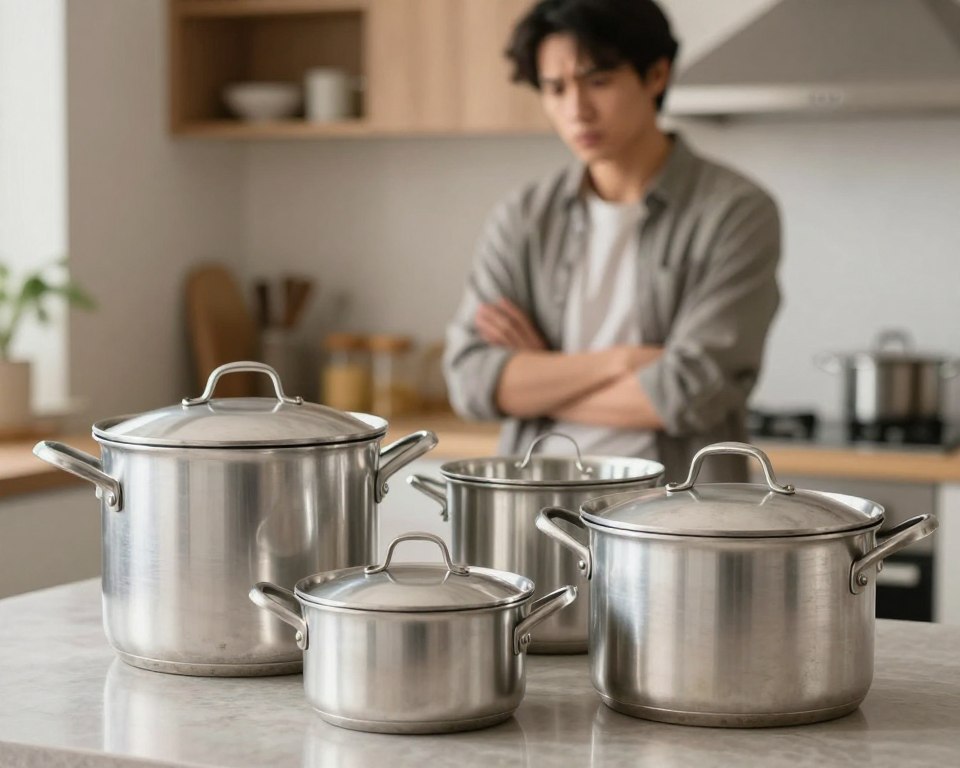
Evaluating Scientific Research on Aluminum Toxicity
Studies show our bodies are great at getting rid of aluminum. Most of it is removed by the kidneys in healthy people. Scientific consensus says the metal leached from cookware is usually very small compared to what we eat.
Experts have studied health concerns of aluminum cookware for years. They found that for most people, the amount of aluminum from pots and pans is safe. Our bodies keep a balance that stops these metals from building up.
The Role of the Blood-Brain Barrier in Aluminum Exposure
The blood-brain barrier is a key part of our body. It acts as a filter, keeping most aluminum out of the brain. This protective mechanism makes it unlikely for aluminum to harm our brain from what we eat.
To understand aluminum cookware health effects, we must see how our body handles substances. The barrier limits how much aluminum can get into our blood. Even if some does, it doesn’t reach our brain. This is why most experts say using kitchenware is safe.
| Source of Exposure | Absorption Rate | Health Impact |
|---|---|---|
| Cookware Migration | Very Low | Negligible |
| Processed Foods | Moderate | Regulated |
| Drinking Water | Low | Minimal |
| Natural Soil/Plants | Low | Safe |
How Aluminum Leaches into Food During Cooking
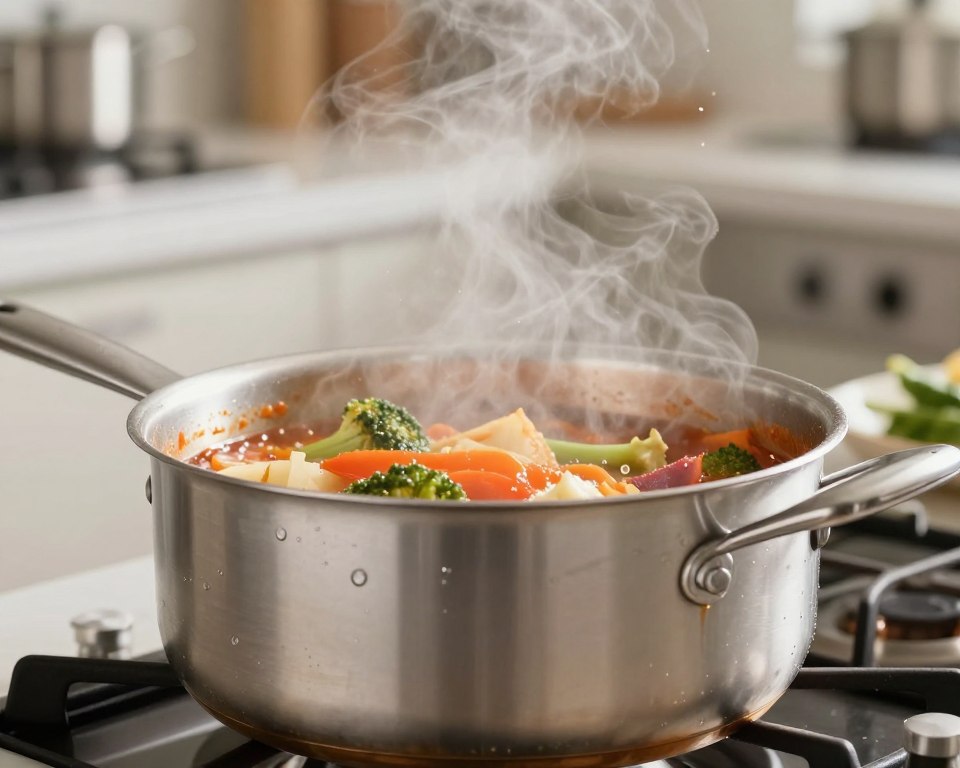
It’s important to know how aluminum can get into food when cooking. This is key for those worried about aluminum cookware health effects. When food touches metal, a process called ion migration can happen. This only occurs under certain conditions, like the food’s chemical makeup and the heat used.
The Impact of Acidic Ingredients on Metal Migration
Acidic foods can damage metal surfaces. Foods like tomatoes, citrus juices, and vinegar-based sauces are very reactive. They can break down the metal’s protective layer, letting aluminum ions get into the food.
To stay safe, it’s best to avoid storing acidic foods in metal containers for a long time. You can find more info on safe use of aluminum by checking out this link. Using non-reactive materials for acidic recipes can help avoid aluminum cookware health effects.
Temperature Variables and Their Effect on Leaching Rates
Heat speeds up chemical reactions in the kitchen. Higher temperatures make metal ions move faster from the pan into the food. Low heat might not cause much migration, but high heat or long boiling can increase metal levels in your food.
The table below shows how different factors affect metal migration during cooking:
| Variable | Low Leaching Risk | High Leaching Risk |
|---|---|---|
| Ingredient pH | Neutral (e.g., Water, Oil) | Acidic (e.g., Tomato, Lemon) |
| Cooking Heat | Low/Simmering | High/Searing |
| Surface Condition | Anodized/Coated | Bare/Scratched |
| Duration | Short (Minutes) | Long (Hours) |
By watching these factors, you can make choices that help your health. Using the right cooking methods and equipment is key to managing aluminum cookware health effects at home.
Comparing Anodized Aluminum Versus Non-Stick Coatings
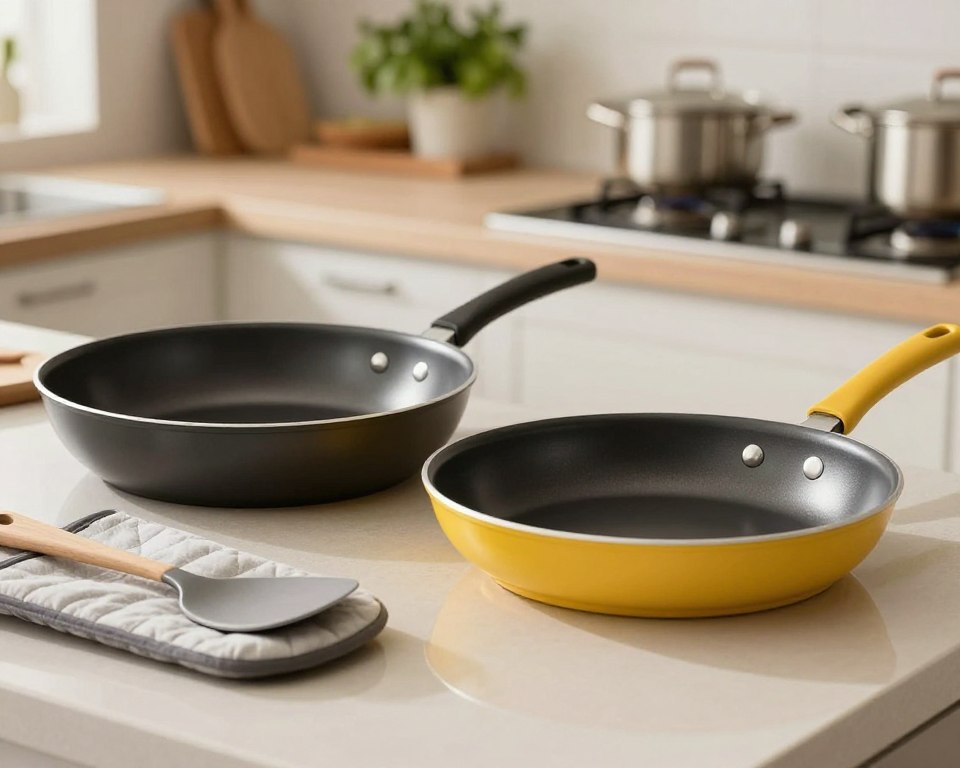
Choosing aluminum pans often comes down to hard-anodized finishes or non-stick coatings. Each method changes the metal to boost performance but in different ways. Knowing these differences is key to keeping your gear and health safe.
Benefits of Hard-Anodized Surfaces
Hard-anodized aluminum gets a thick, tough layer through an electrochemical process. This makes a non-reactive, metallic finish that’s harder than stainless steel. Since it’s part of the metal, it won’t chip or flake off.
This method is known for exceptional durability. The pans can handle metal utensils and acidic foods without corrosion. They’re great for high-heat tasks where regular aluminum might react.
Safety Profiles of PTFE and Ceramic-Coated Aluminum
Non-stick coatings, like PTFE or ceramic, make food release easy. PTFE is a synthetic that’s safe at the right temperatures. It’s stable for daily use.
Ceramic coatings, made from sand, offer good heat resistance. But they might lose their non-stick over time. Both need gentle care to avoid damage and expose the aluminum.
“The safety of modern cookware relies less on the material itself and more on the integrity of the surface treatment. Proper maintenance is the most effective way to ensure that your cookware remains a neutral participant in your culinary process.”
| Surface Type | Primary Benefit | Durability | Heat Tolerance |
|---|---|---|---|
| Hard-Anodized | Non-reactive finish | Very High | High |
| PTFE Non-Stick | Superior food release | Moderate | Low to Medium |
| Ceramic Coating | Chemical-free release | Low to Moderate | High |
Regulatory Standards and Safety Guidelines in the United States
In the United States, the safety of cookware is managed through a strict framework. This includes federal oversight and international health standards. People often wonder who makes sure their pots and pans are safe for food.
This system relies on constant monitoring of scientific data. It aims to protect public health.
FDA Oversight of Food Contact Substances
The Food and Drug Administration (FDA) is key in regulating materials that touch food. Under the Federal Food, Drug, and Cosmetic Act, the FDA classifies cookware components as food contact substances. Manufacturers must ensure these materials do not harm food.
The FDA does not approve every pan individually. But, it sets strict safety thresholds for coatings and metals. Using products like a grill cleaner spray safe for food areas is crucial. The agency keeps updating its guidelines as new research comes out.
International Health Organization Perspectives on Aluminum Intake
Global health organizations like the World Health Organization (WHO) and the European Food Safety Authority (EFSA) help us understand aluminum safety. They set a Tolerable Weekly Intake (TWI). This is the amount of a substance that can be safely ingested over a lifetime.
These guidelines come from detailed toxicological studies. They look at how the body handles aluminum. By combining data worldwide, these organizations help national regulators make safer policies. This ensures safety is backed by the latest scientific evidence.
| Regulatory Body | Primary Focus | Safety Mechanism |
|---|---|---|
| FDA (USA) | Food Contact Substances | Migration Limits |
| WHO/FAO | Global Dietary Intake | Tolerable Weekly Intake |
| EFSA (Europe) | Toxicological Assessment | Risk Characterization |
Common Myths Regarding Aluminum and Neurological Conditions
It’s important to separate fact from myth when looking at health concerns of aluminum cookware. For years, people have wondered if kitchen items like pots and pans can harm our brains. But these worries often come from old studies that don’t match today’s medical knowledge.
Addressing Concerns About Alzheimer’s Disease Links
In the 1960s and 1970s, some thought aluminum might cause Alzheimer’s disease. But big health studies have shown no clear link. Current clinical evidence says using aluminum cookware doesn’t lead to brain diseases.
“There is no convincing evidence that aluminum exposure from food or consumer products is a primary cause of Alzheimer’s disease in the general population.”
Distinguishing Between Dietary Intake and Cookware Exposure
The dangers of aluminum in cookware are often exaggerated. Most of our aluminum exposure comes from food and water, not from pans. The metal that might get into our food is very little and safe, according to health rules.
Let’s look at where we get aluminum from:
| Source Category | Relative Exposure Level | Primary Mechanism |
|---|---|---|
| Processed Foods | High | Additives and leavening agents |
| Drinking Water | Moderate | Natural mineral content |
| Aluminum Cookware | Very Low | Surface leaching during cooking |
| Pharmaceuticals | Variable | Antacids and buffered medications |
By looking at our whole diet, not just kitchen items, we can make smarter choices. Evidence-based guidance shows that using well-maintained cookware is safe for most people.
Identifying Signs of Wear and Tear in Your Cookware
Keeping your kitchen safe means watching your cooking gear closely. Knowing when your kitchenware is wearing out helps you avoid aluminum cookware risks. Even the best pans can’t handle constant heat and wear forever.
When to Retire Scratched Non-Stick Pans
Non-stick pans need a smooth surface to work right. Deep scratches or flaking mean the metal is exposed. This is a big worry for those who care about their health.
Seeing your spatula scratch the pan is a sign it’s time for a new one. These scratches can trap food and bacteria. Also, dangers of aluminum in cookware grow when the protective layer is gone.
The Risks of Pitting and Corrosion in Bare Aluminum
Bare aluminum pans can get pitted, showing as small holes. This happens when they react with acidic or salty foods. Pitting means the pan is no longer safe for cooking.
Seeing a lot of pitting means metal can get into your food. While some discoloration is okay, deep corrosion is a sign of breakdown. Replacing such pans keeps your kitchen safe.
| Condition | Visual Indicator | Recommended Action |
|---|---|---|
| Deep Scratches | Visible metal beneath coating | Replace immediately |
| Surface Pitting | Small, dark, rough indentations | Retire from service |
| Warped Base | Pan does not sit flat | Evaluate for safety |
| Flaking Coating | Loose particles in food | Discard pan |
Watching for these signs helps you stay safe from dangers of aluminum in cookware. Regular checks keep your tools safe and working well.
Best Practices for Safe Cooking with Aluminum
To cook safely with aluminum, you need to take care of your kitchen tools. Keeping your cookware in good shape means less risk of metal leaching. This way, your pans will last for many years.
Selecting the Right Utensils to Prevent Surface Damage
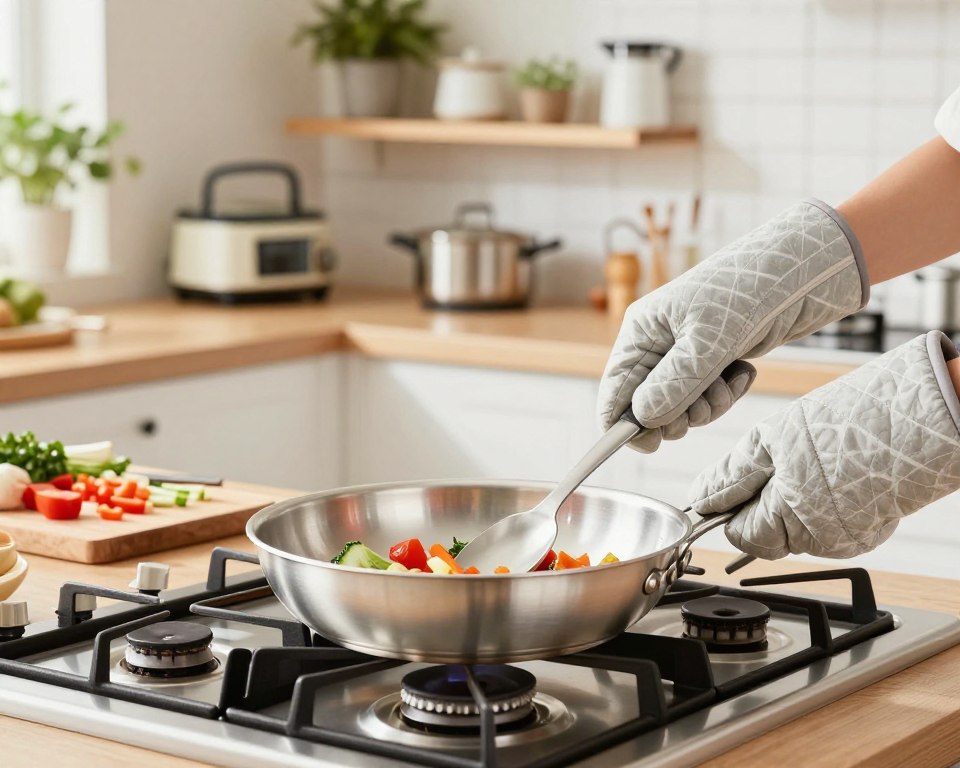
When using aluminum, avoid scratching the surface. Metal utensils can cause damage and let food and acid in. Instead, use softer materials that won’t harm the metal.
Choose silicone, nylon, or wooden utensils for everyday use. These are gentle on your cookware and prevent wear and tear. By following these aluminum cookware safety tips, your pans will stay smooth and corrosion-resistant.
Cleaning Techniques That Preserve Protective Layers
Cleaning your cookware right is as important as cooking itself. Avoid harsh cleaners and abrasive scrubbers. They can damage the protective layer and expose the aluminum underneath. For the best best aluminum cookware practices, always clean gently.
Wash your cookware by hand with mild soap and a soft sponge. Don’t put it in the dishwasher, as the heat and chemicals can harm it. If food sticks, soak the pan in warm, soapy water instead of scrubbing it with steel wool.
| Action | Recommended Tool/Method | Reasoning |
|---|---|---|
| Stirring Food | Silicone or Wood | Prevents surface scratching |
| Cleaning | Soft Sponge & Mild Soap | Protects chemical integrity |
| Storage | Pan Protectors or Cloths | Avoids stacking abrasion |
| Maintenance | Hand Wash Only | Avoids harsh dishwasher chemicals |
Storage Considerations for Aluminum Pots and Pans
Storing your aluminum kitchenware right is key to keeping it safe and lasting longer. Many people focus on cooking, but how you store your gear is just as important. Following aluminum cookware safety tips helps avoid damage and chemical issues.
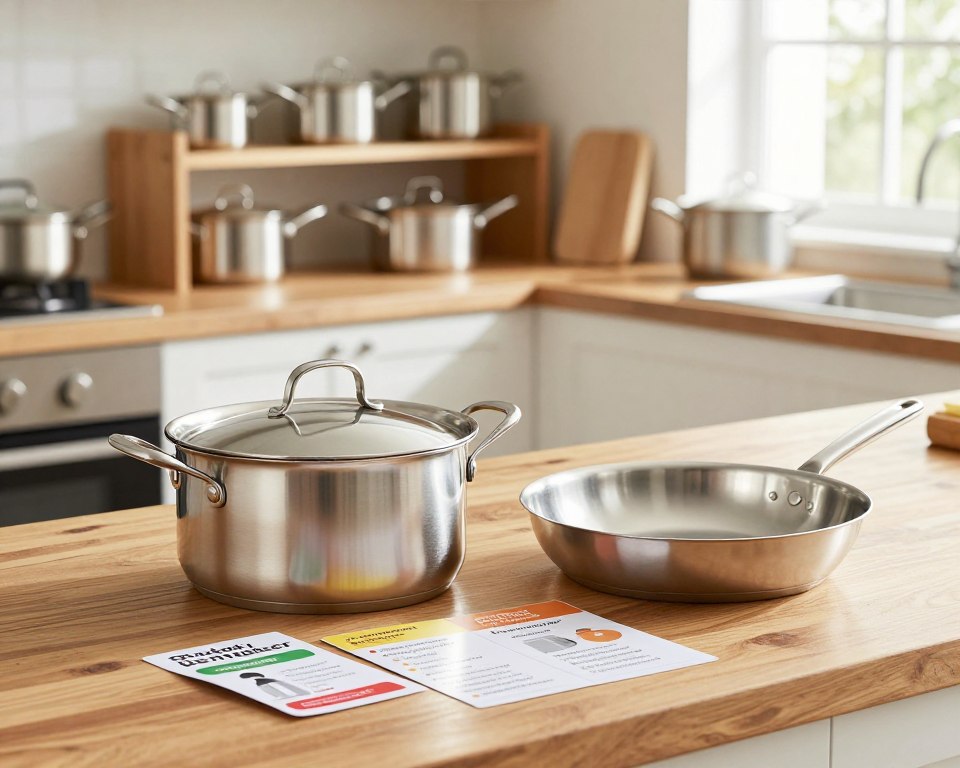
Why Storing Acidic Foods in Aluminum is Discouraged
It’s easy to put leftovers in the pot they were cooked in. But, aluminum reacts with acidic or salty foods. This can make the metal leach into your food, changing its taste and safety.
Things like tomato sauce or vinegar can damage the metal’s protective layer. To keep your cookware safe, move leftovers to glass or plastic containers right after you’re done eating.
Proper Organization to Prevent Surface Abrasion
When pans are stacked carelessly, they can get scratched. These scratches can ruin non-stick coatings or expose the metal. Using soft barriers is a simple way to protect your cookware.
Try using felt protectors or soft cloth dividers to stop pans from rubbing against each other. If you don’t have enough space, hanging your cookware on a wall is a great alternative. It keeps your kitchen tidy and prevents scratches.
| Storage Practice | Benefit | Risk of Neglect |
|---|---|---|
| Use Glass Containers | Prevents chemical leaching | Metallic taste in food |
| Insert Felt Dividers | Protects non-stick layers | Deep surface scratches |
| Wall Hanging | Avoids stacking pressure | Dents and surface wear |
| Cooling Before Storage | Prevents warping | Structural deformation |
By following these essential storage tips, you’ll make your cookware last longer. Taking good care of your tools means they’ll stay safe and work well for years. Always remember these aluminum cookware safety tips to keep your kitchen in top shape.
The Role of Dietary Aluminum from Non-Cookware Sources
Aluminum is everywhere, not just in your pots and pans. Most of what we get comes from other places. Knowing where it comes from helps us understand how much we really take in.
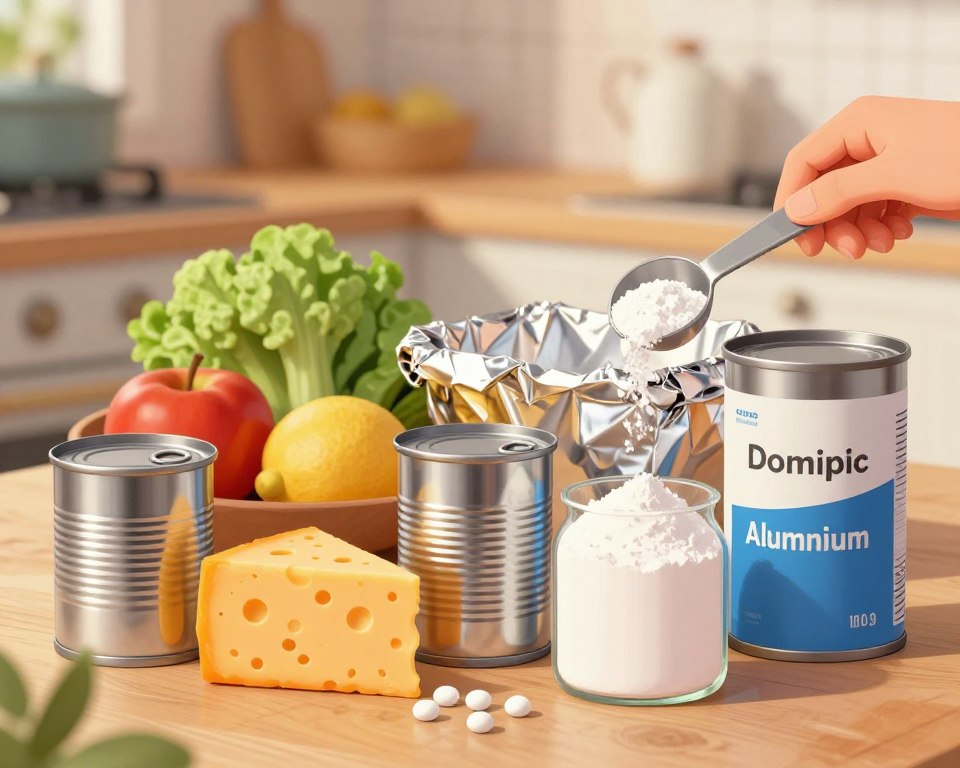
Aluminum in Processed Foods and Additives
Processed foods are a big source of aluminum. Food additives often include aluminum to improve texture or prevent clumping.
These additives help keep food fresh and stable. Here are some examples:
- Leavening agents: Sodium aluminum phosphate is in baking powders and self-rising flours to make dough rise.
- Anti-caking agents: Aluminum silicates are in powdered items like non-dairy creamers and table salt to prevent clumping.
- Food coloring: Aluminum lakes give bright colors to snacks and candies.
Natural Occurrence of Aluminum in Water and Soil
Aluminum is also found naturally in the Earth’s crust. It’s in the soil and water that grow our food.
Plants pick up small amounts of aluminum from the soil. This means many vegetables and grains have a bit of it. Also, aluminum is used in water treatment to clear it and remove impurities.
Even though these amounts are small, they are always there. When you add these to additives in food, you see that cookware is a small part. Looking at your whole diet is key to understanding your aluminum intake.
Evaluating Alternatives to Aluminum Cookware
Looking into other options than aluminum cookware lets you pick what’s best for your kitchen. Some people stick to best aluminum cookware practices for safety. Others choose to avoid aluminum altogether. The right choice depends on how you cook and your need for a safe kitchen environment.
Stainless Steel as a Durable Kitchen Staple
Stainless steel is seen as the top choice for a non-reactive cooking area. It’s safe because it doesn’t mix metals with your food. It’s also very tough and doesn’t rust, making it a great investment for any cook.
Stainless steel, though, doesn’t heat up as well as aluminum. To fix this, makers often use aluminum or copper in the middle of the steel. This way, you get the even heating of metals but the food only touches the safe steel.
Cast Iron and Carbon Steel Performance Characteristics
Cast iron and carbon steel are great for those who want a natural, non-stick surface. They need to be seasoned with oil to create a slick layer. With the right care, these pans hold heat well and sear food perfectly.
These materials are heavier than aluminum but last much longer. They can last for generations if taken care of. Adding these to your kitchen is a smart move to mix up your cooking tools.
| Material | Reactivity | Heat Retention | Maintenance |
|---|---|---|---|
| Stainless Steel | Low | Moderate | Easy |
| Cast Iron | Low | High | High |
| Carbon Steel | Low | High | High |
Image Disclosure and Educational Context
Transparency is key when talking about health and cookware safety. We aim to give you the most accurate info. We also make sure our explanations are simple to understand.
We use visual aids to make complex science easier to grasp. These tools help connect scientific research to what you do in the kitchen.
Understanding the Use of AI-Generated Illustrations
Some images in this article are made by artificial intelligence. These pictures help explain tricky concepts, like how metal particles affect food.
By using visual tools, we aim to make hard-to-understand info clear to all. Our goal is to help everyone, no matter their science background.
Limitations of Visual Representations in Health Education
Remember, these images are for educational use only. They should not replace a doctor’s visit.
Visual aids can’t replace a doctor’s advice. They don’t consider your health history or specific conditions. If you’re worried about your health, always talk to a healthcare expert.
| Feature | Educational Illustrations | Professional Medical Advice |
|---|---|---|
| Primary Goal | Conceptual clarity | Diagnosis and treatment |
| Scope | General safety principles | Individual health assessment |
| Reliability | High for general concepts | Essential for clinical decisions |
| Source | AI-generated or stock media | Licensed medical professionals |
Expert Recommendations for Kitchen Safety
My experience shows that making informed choices is key to a safe kitchen. Many worries about cookware are not true for everyone. It’s important to know about safe cooking with aluminum and your own health needs.
Consulting with Nutritionists and Toxicologists
If you worry about metal sensitivity or health issues, get expert advice. Nutritionists check your diet, and toxicologists explain how metals affect you. Professional guidance helps you make choices based on facts, not fears.
Experts can tell if your kitchen habits are good for your health. They might suggest tests or diet changes if they see metal issues. Getting advice from doctors makes your cooking safer.
Balancing Convenience with Health-Conscious Choices
Finding a balance between easy cooking and health is up to you. You don’t have to throw away all your cookware to cook safely with aluminum. Just keep your cookware in good shape and avoid acidic foods.
The table below shows how to manage your kitchen for safety and performance.
| Cookware Type | Best Use Case | Safety Priority | Maintenance Level |
|---|---|---|---|
| Hard-Anodized | Searing and Sautéing | High (Non-reactive) | Moderate |
| Bare Aluminum | Boiling Water | Low (Avoid Acids) | High |
| Coated Aluminum | Low-Fat Cooking | Medium (Surface Care) | High |
| Stainless Steel | General Purpose | Very High | Low |
By following these tips, you can use your cookware safely and effectively. Consistency in cleaning and storing your cookware is the best way to keep your kitchen safe.
The Environmental Impact of Aluminum Cookware Production
The impact of aluminum cookware goes beyond the kitchen. It affects global energy use and waste management. Looking at the life cycle of kitchen tools shows a mix of energy use and sustainability. Choosing wisely can help both your health and the planet.
Recyclability and Sustainability of Aluminum Products
Aluminum is seen as a very sustainable material for everyday items. It can be recycled endlessly without losing quality. This makes aluminum cookware part of a circular economy, reducing the need for new raw materials.
Opting for durable, high-quality items helps the environment. Long-lasting products cut down on waste and the need for constant new production. Investing in well-constructed pans reduces the demand for new manufacturing.
Energy Consumption in the Manufacturing Lifecycle
Aluminum production starts with mining bauxite ore, a very energy-intensive process. This stage needs a lot of electricity, increasing the carbon footprint. But recycling aluminum uses much less energy than making it from scratch.
Using recycled aluminum lowers the environmental cost of your cookware. Brands that focus on recycled content help reduce ecological damage. Selecting brands that use sustainable and energy-efficient methods is key for eco-conscious consumers.
Thinking about the life cycle of your home items is crucial for health. Balancing convenience with environmental care makes your kitchen safe and sustainable. Making smart choices today benefits your family and the planet for the future.
Conclusion
Understanding kitchen equipment is key. Many wonder if aluminum cookware is safe due to online debates. But, most experts agree it’s safe for everyday use.
Knowing what your cookware is made of helps keep you safe. Choose high-quality materials or alternatives to control your cooking space. This way, you avoid myths and focus on facts.
Think about what you need and how you cook when picking new kitchen tools. Whether it’s All-Clad stainless steel or Calphalon non-stick, make informed choices. This way, you create a safe and fun place to cook for your family.
Your health is the top priority in the kitchen. Keep up with safety standards and maintenance to make your cookware last. Knowing the truth about your kitchen tools is the first step to safe cooking.
FAQ
Is aluminum cookware dangerous for long-term health?
Most experts agree that aluminum cookware is safe for most people. While aluminum can be harmful in very high amounts, the small amounts that might get into your food are not a big worry. Your body’s kidneys are very good at removing aluminum from your system.
Does using aluminum pots and pans lead to Alzheimer’s disease?
There’s no solid proof that aluminum cookware causes Alzheimer’s. Older studies found aluminum in brain plaques, but newer research suggests it’s more likely a result of the disease. Health groups like the Alzheimer’s Association don’t think aluminum cookware is a major risk.
What are the primary health concerns of aluminum cookware when using acidic foods?
Cooking acidic foods in aluminum can be a concern. Foods like tomato sauce can make aluminum leach into your food. But, this usually doesn’t reach dangerous levels. For acidic dishes, use pans like All-Clad or Le Creuset.
What are the best aluminum cookware practices to minimize metal exposure?
To cook safely with aluminum, avoid using metal utensils. Use silicone, wood, or plastic instead. Also, don’t store food in aluminum pans for too long to prevent metal migration.
Is hard-anodized aluminum safer than standard bare aluminum?
Yes, hard-anodized aluminum is safer and more durable. The anodization process makes the surface non-porous and non-reactive. This layer greatly reduces the risk of leaching and corrosion.
What are the dangers of aluminum in cookware that has been scratched or pitted?
Scratched or pitted aluminum cookware is riskier. Pitting or deep scratches can let metal leach into your food. Brands like Calphalon suggest replacing pans when they show significant wear.
Are there specific aluminum cookware safety tips for cleaning and maintenance?
To keep your cookware safe, hand-wash it instead of using a dishwasher. Dishwasher detergents can damage the protective surfaces. Always use mild soap and soft pads to clean.
How does the blood-brain barrier protect against aluminum exposure?
The blood-brain barrier is a strong defense against toxins, including aluminum. It keeps most aluminum out of the brain. The kidneys also quickly remove aluminum from the bloodstream, reducing health risks.
Should I switch to stainless steel or cast iron if I am concerned about aluminum?
If you want to avoid aluminum, stainless steel and cast iron are good choices. Stainless steel is non-reactive, and cast iron can be seasoned for a non-stick surface. But, many chefs still prefer aluminum for its heat conductivity, choosing high-quality, hard-anodized options.