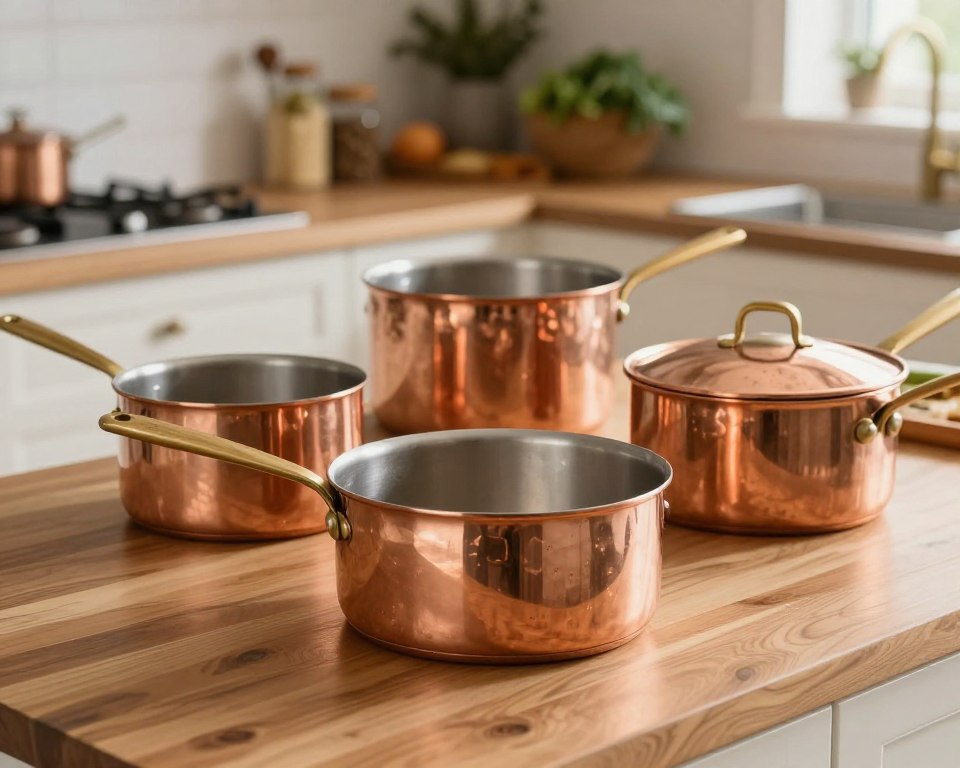
As a pharmacist, I get asked a lot about cooking tools. Many people ask, Is Copper Cookware Safe for our health? My training helps me understand how metals react with food acids.
The main worry is chemical reactivity. When metal touches food, it can mix into your meal. This changes its makeup. Knowing about cookware safety means looking at the protective layers on these pots and pans.
Good quality items have a lining, like stainless steel or tin. This stops the metal from touching your food. By picking well-lined pots, you get the heat benefits without health risks. This keeps your kitchen safe and healthy.
Key Takeaways
- Copper is highly reactive when exposed to acidic foods.
- Lined surfaces act as a vital barrier against metal migration.
- Unlined pots pose a higher risk of chemical leaching.
- Stainless steel or tin linings are standard for modern culinary tools.
- Informed selection is essential for maintaining kitchen health standards.
The Historical Significance of Copper in Culinary Arts
Copper is more than just a material in cooking. It has a special place in both cooking history and human health. For ages, top chefs have chosen copper for its superior thermal conductivity and exact heat control. These copper cookware benefits let chefs do fine techniques that need quick temperature changes.
Copper’s importance goes beyond the kitchen. It’s a key mineral in our bodies, helping keep us healthy. It’s needed for many body functions that keep us at our best.
Here are some key roles of copper in our bodies:
- Helping make red blood cells.
- Keeping nerves and blood vessels healthy.
- Boosting our immune system.
For a long time, cooks have used copper pans for their benefits. Even with new kitchen safety rules, copper’s value is still seen. Chefs love copper for its unmatched quickness in heat changes.
The lasting use of copper in kitchens shows a deep knowledge of science and health. By understanding copper’s two sides, we see why it’s been a favorite for so long. Looking at these copper cookware benefits connects old traditions with today’s safety needs.
Understanding the Chemical Properties of Copper
To grasp culinary metal safety, we must first look at copper’s basic chemistry. Copper is a highly reactive metal. It easily swaps electrons with other substances around it.
This reactivity shows up in oxidation. When copper meets oxygen and moisture, it changes chemically. This creates a green patina, like the Statue of Liberty’s surface. In kitchens, this happens fast when copper touches acidic foods.
Copper’s reactivity means it can get into food if not protected. This is why raw copper is rarely used for cooking. Managing this interface is key to culinary metal safety.
Manufacturers solve this by lining copper pans. These linings stop copper from reacting with food. They let the cook use the metal’s great heat transfer. Knowing this helps cooks choose the right equipment.
Is Copper Cookware Safe for Daily Use
The safety of copper cookware depends on its interior surface. Copper is great at conducting heat but can react with food. Knowing if is copper cookware safe for your kitchen depends on the pan’s construction and care.
In my experience, the main worry is copper leaching. This happens when copper ions get into your food, sped up by acidic ingredients. Cooking with unlined copper means no barrier to stop this chemical exchange.
An acidic food reaction can happen fast with dishes like tomato sauces or citrus glazes in unprotected pans. While copper is good for us, too much can be bad. To keep your kitchen safe, follow these tips:
- Make sure your copper cookware has a non-reactive lining like stainless steel or tin.
- Don’t use unlined copper for acidic recipes that simmer for a long time.
- Check your pans often for damage to the lining.
- Use lined copper for everyday cooking to avoid copper leaching.
With a protective layer, you can enjoy copper’s heat without health risks. Professional chefs use copper because they know how to handle it. Used right, copper is safe and effective for home cooks.
The Role of Linings in Modern Copper Cookware
The secret to safe copper cooking is the protective barrier inside. Copper is great for heat but can react with acidic foods. Modern cookware fixes this with special linings.
These linings act as a shield, keeping your food away from raw copper. When picking cookware, you’ll find two main types: tin-lined copper and stainless steel lining. Each has its own benefits for cooking at home.
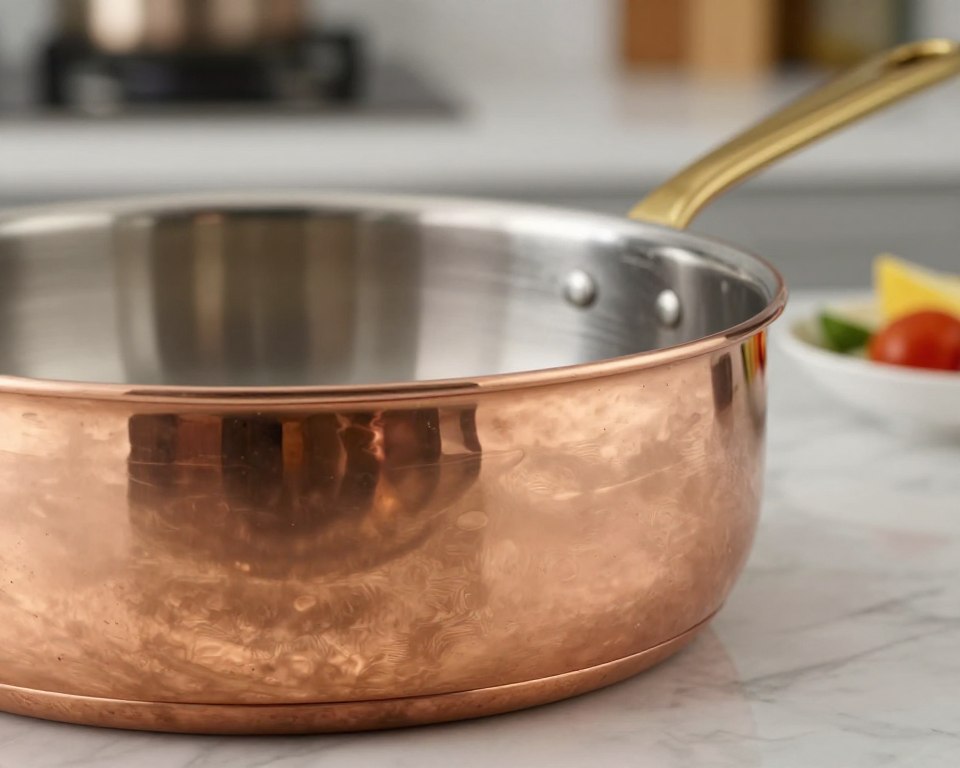
Choosing between these linings depends on your cooking style and how you like to clean. Here are some key things these linings do:
- Chemical Neutrality: They stop metallic tastes from getting into your food.
- Durability: Good linings make copper pots last longer.
- Food Safety: They make a safe, food-grade surface that meets today’s health standards.
“The integrity of a copper pan is defined by its lining; without a proper barrier, the copper is simply too reactive for daily culinary use in a modern kitchen.”
A stainless steel lining is great for its toughness and heat resistance. On the other hand, tin-lined copper is loved for its natural non-stick and easy fix. No matter the choice, the lining is key for keeping your food safe and healthy while using copper’s great heat control.
Tin Linings: Traditional Benefits and Limitations
Tin-lined copper has been a key part of kitchens for centuries. Chefs love it for its heat efficiency and smooth cooking surface.
Tin is an inert metal, which means it doesn’t react with acidic foods. This keeps your food’s flavor pure. Plus, tin makes cooking and cleaning easy with its naturally nonstick surface.
But, tin-lined copper has its limits. Tin melts at about 450°F (232°C). If a pan gets too hot without food, the tin can melt or wear off. This means you’ll need a pro to re-tin it.
To keep your cookware in top shape, remember these key points:
- Thermal Conductivity: Tin transfers heat almost as well as copper, for even cooking.
- Safety: It’s safe for many dishes because it’s inert.
- Temperature Sensitivity: Don’t heat empty pans too high to avoid damaging the tin.
- Maintenance: Use wooden or silicone tools to avoid scratching the tin.
By following these guidelines, you can enjoy tin-lined copper for years. It’s still a top choice for those who want kitchen precision.
Stainless Steel Linings: The Modern Standard
The move to stainless steel lining in high-end kitchen tools marks a big change. It has become the top choice for copper cookware. This material combines great heat transfer with lasting durability.
This lining keeps the copper away from your food, preventing flavor changes. It also lasts longer than other options, handling daily cooking well.
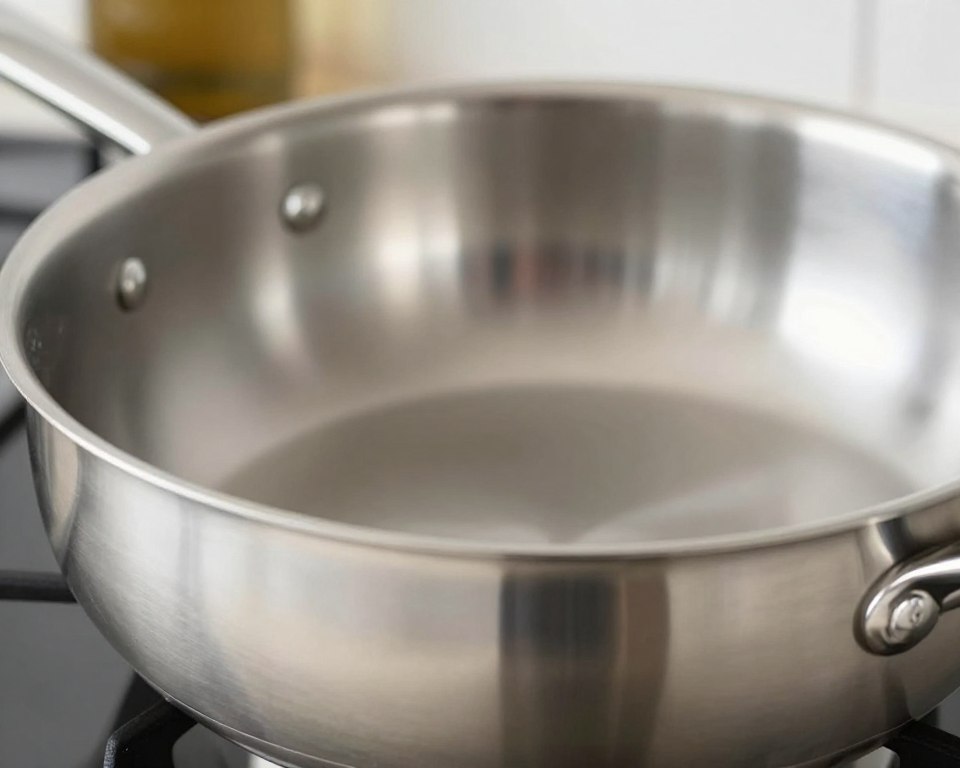
Professional chefs love stainless steel lining for its ability to handle high heat. It stands up to tough cooking without losing shape. This makes it perfect for busy kitchens.
“The move to stainless-lined copper was a game-changer for professional kitchens, offering the perfect balance of heat responsiveness and the rugged durability needed for high-volume service.”
Cleaning is easy with this modern choice. The surface is highly resistant to scratching and corrosion. This means less care is needed. You get to enjoy copper’s look while using the robust, non-reactive nature of the inside for cooking.
Potential Health Risks of Copper Leaching
When copper cookware is damaged or unlined, there’s a risk of copper leaching into your food. This is a health concern. The body needs a little copper, but too much can be harmful.
Acidic foods can react with the metal, causing copper ions to get into your food. This is when you might worry about heavy metal toxicity.
Dietary copper is usually found in foods like nuts, seeds, and whole grains. But, if copper gets into your food from cookware, it’s in too high amounts. The body can’t handle this well.
If you eat food cooked in damaged vessels, you might feel sick. You could get stomach pain, which is your body’s way of saying it’s too full of copper. Spotting these signs early is key to avoiding bigger problems.
The table below shows how much copper you’re exposed to and what health effects it might have:
| Exposure Level | Primary Mechanism | Common Clinical Signs |
|---|---|---|
| Low (Dietary) | Normal metabolic absorption | None (Essential nutrient) |
| Moderate (Chronic) | Accumulation in liver/tissues | Fatigue, mild nausea |
| High (Acute) | Rapid gastrointestinal irritation | Vomiting, diarrhea, jaundice |
To avoid these risks, make sure your cookware is in good shape. Keep it lined and scratch-free. Proactive maintenance is your best defense against copper getting into your food. This way, you can enjoy cooking with copper safely.
Identifying Signs of Wear and Damage
Checking your copper pots and pans regularly is a key safety habit for cooks. Even the toughest cookware will wear out over time. A quick look before cooking can help keep your gear in great shape.
The inside of your pan is most important to watch. Look for any cracks, flakes, or chips in the metal. If you see the copper base, it’s time to stop cooking with it.
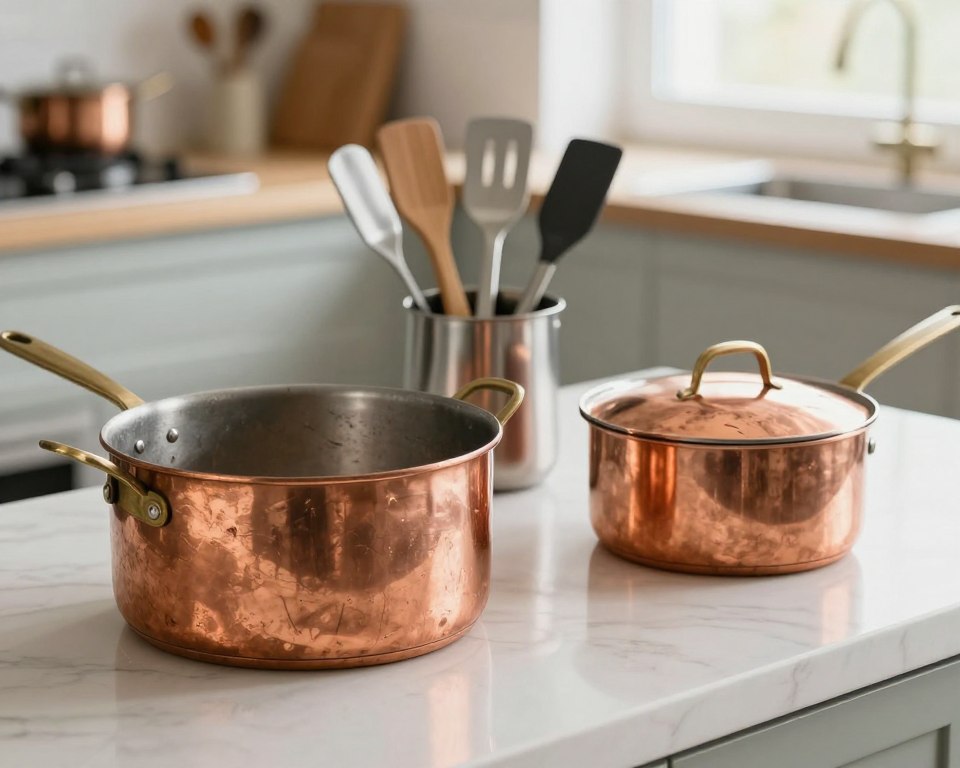
Also, watch for pitting and thinning. Pitting looks like small holes from salt or acid. Thinning is when the lining gets worn down, making it look uneven.
Spotting these problems early stops the copper from getting into your food. If you see big damage, don’t use it until it’s fixed. This keeps your food safe and your cookware lasting longer.
Proper Cleaning and Maintenance Techniques
Effective metal cookware maintenance is key to a safe kitchen. Copper, being reactive, needs careful cleaning to keep it looking good and safe. This helps prevent damage to the inside of the cookware.
Always let your copper pans cool down before washing. Hot copper can warp or damage the lining if it meets cold water too fast. For the best cleaning methods, check out these professional tips.
Don’t use harsh scrubbers or steel wool, as they can scratch the copper. Use a soft cloth or sponge with mild soap instead. If you’re worried about cleaning products, some are too harsh for copper and should be avoided.
Storing your cookware right is also important. Don’t stack pans without a soft barrier to prevent scratches. Use felt dividers or soft cloths to keep your pans safe and your kitchen safe for years.
| Cleaning Method | Status | Reasoning |
|---|---|---|
| Mild Dish Soap | Recommended | Gentle on protective linings |
| Steel Wool | Prohibited | Causes deep surface scratches |
| Oven Cleaners | Prohibited | Contains toxic, corrosive chemicals |
| Soft Microfiber Cloth | Recommended | Prevents abrasive damage |
Re-tinning Services and When to Seek Them
Keeping your metal cookware maintenance up is key to its longevity. Copper is great at conducting heat, but the tin inside wears out over time. High heat can make the tin melt or get too thin too soon.
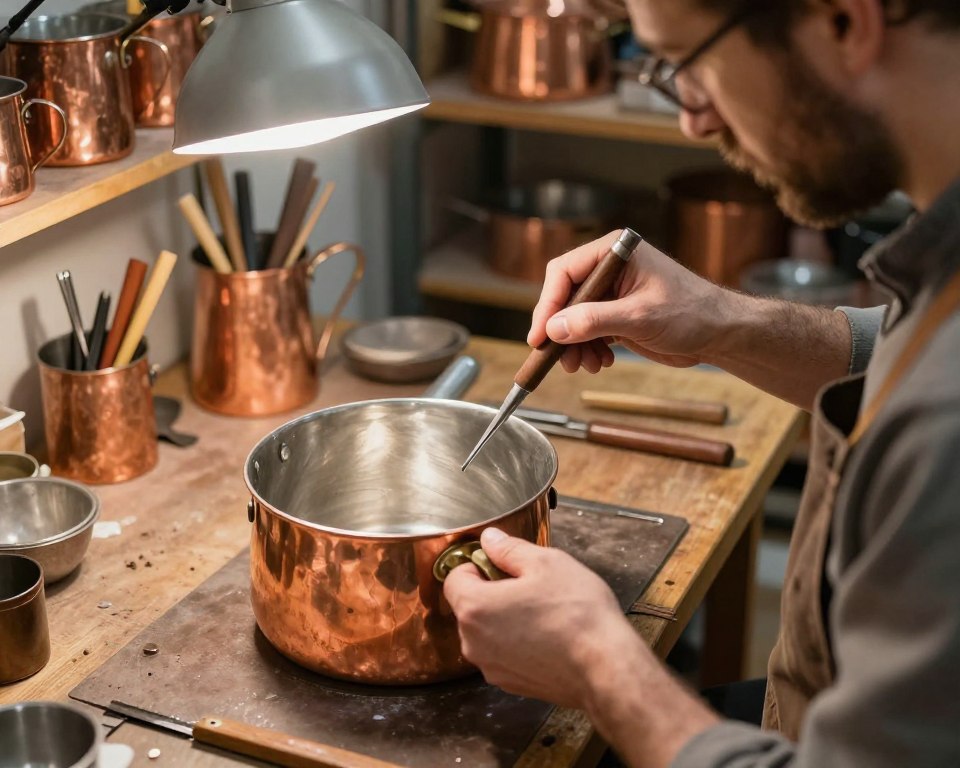
When the tin starts to wear, it’s not the end for your pan. It’s time for re-tinning copper to put back a new, safe layer. This involves removing the old tin and adding a new, pure tin coat.
Knowing when to get help is easy if you know what to look for. Look for these signs to decide when to get your pan re-tinned:
- The copper base is clearly visible through the silver-colored tin lining.
- The interior surface appears dull, pitted, or shows signs of flaking.
- Food consistently sticks to the surface, even when using adequate fats or oils.
- You have accidentally overheated the pan, potentially compromising the integrity of the existing coating.
Finding a good artisan for this job is crucial. Re-tinning copper needs skill and careful temperature control. Look for experts who have restored many pans before. They will make sure the new tin is smooth, strong, and well attached to the copper.
Choosing professional restoration keeps your cookware in top shape. It also avoids the dangers of cooking on bare copper. With regular checks and timely repairs, your pan will stay a valuable kitchen tool.
Copper Cookware and Acidic Foods
When cooking with acidic foods in copper pots, it’s important to pay attention. Acidic foods can react with copper, changing your food and the pan. This can affect both the taste of your dish and the pan’s surface.
Ingredients like tomatoes, citrus, and wine can break down copper. While copper is good for us, too much from cookware is not recommended. Safety experts advise against it.
The main worry is copper leaching causing bad tastes in your food. Acid can make copper taste sharp and unpleasant. This is more likely when cooking sauces for a long time.
To keep your food tasting great, use copper only for boiling water or sugar syrups. For acidic foods, use lined cookware like stainless steel or tin. This stops the acidic food from touching the copper.
The table below shows which foods react with copper:
| Ingredient Category | Examples | Reactivity Level |
|---|---|---|
| High Acid | Lemon juice, Vinegar, Wine | High (Avoid in unlined copper) |
| Moderate Acid | Tomatoes, Yogurt, Fruits | Moderate (Use caution) |
| Low Acid | Water, Grains, Vegetables | Low (Safe for use) |
| Neutral | Sugar, Fats, Oils | Negligible (Safe for use) |
Knowing how acidic foods react with copper helps you use your cookware safely. Following these tips keeps your copper cookware in top shape for cooking.
Comparing Copper to Other Cookware Materials
When you’re picking out cookware, it’s key to compare copper to other common materials. You need to think about how well it heats up and its cookware safety features. Copper is great for quick heat transfer, but other materials have their own perks like being less reactive and easier to care for.
Fully clad stainless steel pans heat evenly and are non-reactive, making them safe for many homes. They don’t need a lining to prevent metal leaching, which is a big plus for non-toxic cookware. These pans are tough and can handle high heat without damaging their interior.
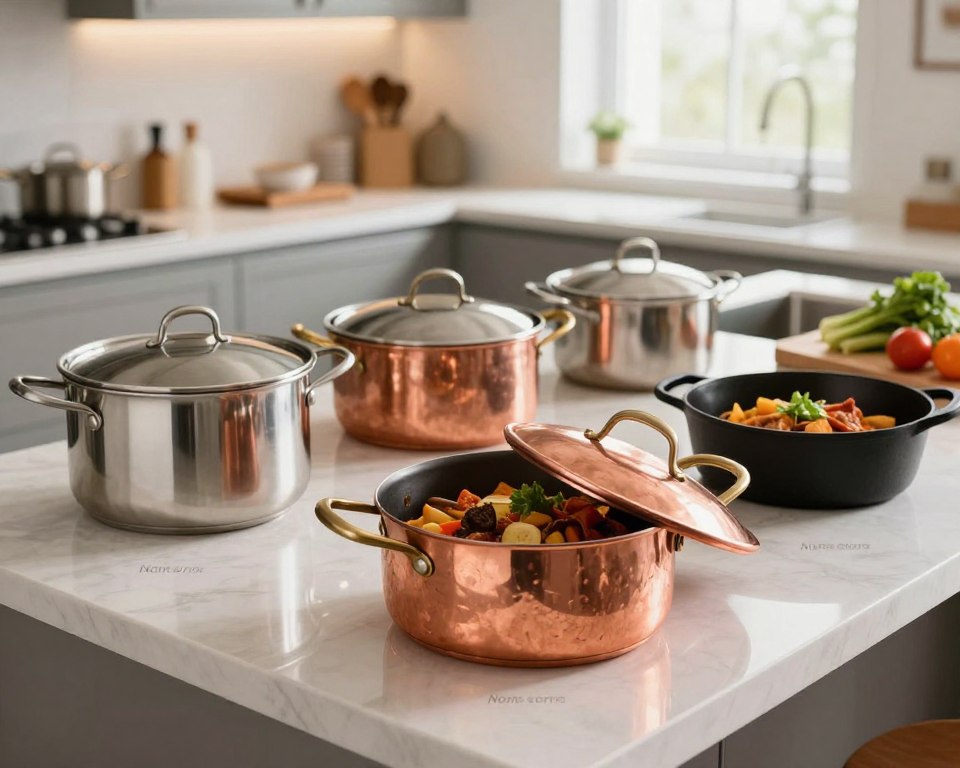
Cast iron is another durable choice, known for its natural non-stick surface when seasoned right. It’s heavy and keeps heat well, perfect for slow cooking or braising. But, it needs special care to avoid rust and can’t handle acidic foods for too long.
| Material | Heat Conductivity | Reactivity | Maintenance |
|---|---|---|---|
| Copper | Excellent | High (requires lining) | High |
| Stainless Steel | Moderate | Low (non-reactive) | Low |
| Cast Iron | Low | Moderate | Moderate |
The right choice depends on your cooking style and how much upkeep you’re willing to do. If you want cookware safety and easy care, stainless steel is a top pick. For copper’s precision, make sure you’re ready to keep its lining in good shape.
Professional Chef Perspectives on Copper Performance
Many chefs see copper as the top choice in the kitchen. They love it for its unmatched ability to respond instantly to heat changes. This is key for making delicate sauces or complex dishes that need precise heat control.
The main copper cookware benefits are its thermal conductivity. Copper heats evenly, unlike other materials. This lets chefs adjust the flame and see the pan’s temperature change right away. This quick response helps prevent overcooking and keeps ingredients’ texture and flavor just right.
“Copper is not just a tool; it is an extension of the chef’s hand. When you need to drop the temperature of a reduction in seconds, nothing else performs with the same reliability.”
Even with the upkeep, experts still prefer copper for serious cooking. Kitchens handle copper’s safety needs with careful maintenance. They follow strict rules to keep their gear in top shape:
- Regular inspections for thinning or damaged linings.
- Immediate removal of pans showing signs of base metal exposure.
- Consistent use of high-quality, professional-grade linings like stainless steel.
- Scheduled re-tinning services to maintain a protective barrier.
Choosing copper is a smart move for chefs who need top performance. With regular maintenance and quality equipment, they get the most out of copper while avoiding risks.
Selecting High-Quality Copper Cookware Brands
When looking for copper cookware, it’s key to know the standards of different brands for kitchen safety. Not all copper cookware meets the same high standards. This can affect how well it performs and lasts.
Choose brands that are open about how they make their products. Good manufacturers share details about their copper’s purity and the lining inside. For more information, check out this guide on the best copper cookware out there.
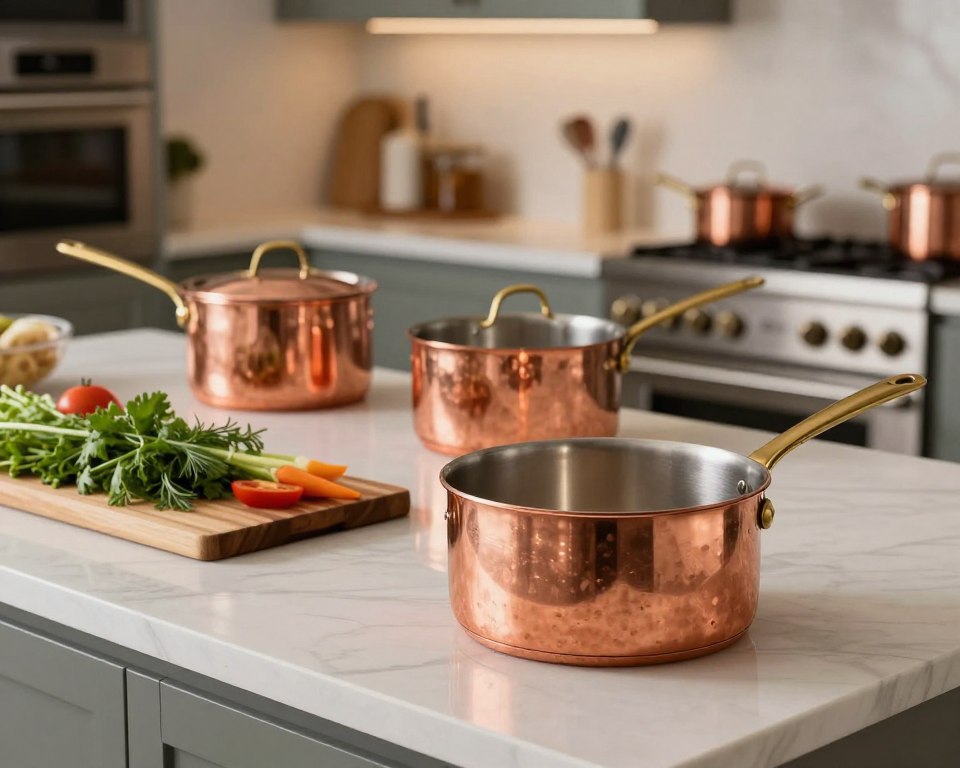
Look at the copper’s thickness when you’re shopping. Thicker copper means better heat spread and strength. It’s less likely to warp over time. Also, check the lining’s quality, whether it’s tin or stainless steel. It should be even and secure for kitchen safety.
Buying top-notch, well-made copper cookware is a smart move for better cooking. By picking brands that focus on quality and detail, you get a safer and more enjoyable cooking experience. Make sure the brand follows modern safety standards for the best kitchen safety at home.
Common Myths Regarding Copper Toxicity
Understanding kitchen safety means knowing what’s real and what’s not. Many worry about heavy metal toxicity from traditional cookware. But these fears often come from myths, not facts. Let’s look at the science to clear up kitchen safety myths.
People often worry about unlined copper. It’s true that acidic foods can react with copper. But the risk of poisoning from cooking is very low. Most people can handle small amounts of copper, which is good for us.
Some think tin linings are unsafe. But studies show tin doesn’t harm reproduction or cause birth defects. When talking about copper toxicity symptoms, remember we’re talking about tiny amounts, not huge amounts from work.
Here are some facts to debunk kitchen myths:
- Myth: Copper cookware is bad for pets. Fact: There’s no proof that well-kept copper cookware harms pets at home.
- Myth: Tin linings are toxic. Fact: Tin is safe and has been used for ages to protect copper pans.
- Myth: Touching copper makes you sick right away. Fact: Copper is a nutrient our bodies handle well, and cooking doesn’t make it toxic.
Using your cookware with confidence is key. By taking care of it and knowing its properties, you can enjoy copper’s benefits without worry. Trusting verified data keeps your kitchen safe for cooking.
Conclusion
Copper cookware is a top pick for home cooks who want precise heat control. Buying from trusted brands like Mauviel or Falk means you get durable, long-lasting gear. These tools are key for those looking for safe, non-toxic cooking every day.
Keeping your copper safe means taking good care of it and checking the lining often. This stops metal from touching your food. It keeps your meals safe and your copper in top shape.
Think of your copper as a valuable kitchen tool for years to come. Regular care keeps it working well for all your recipes. If you have health concerns, talk to a doctor about metal sensitivities or diet needs.
We invite you to share your copper care tips. Your stories help others find the right balance between great cooking and safety. Start improving your cooking today by choosing the right copper pieces for you.
FAQ
Is it safe to use copper cookware for daily meal preparation?
Yes, if the cookware has a protective barrier. Modern copper pans from Mauviel 1830 or Falk Culinair are lined. This prevents metal from getting into your food.
But, if the lining gets damaged, it’s not safe. This is because heat and moisture can cause metal ions to leak into food.
What are the primary differences between tin and stainless steel linings?
Tin is a traditional choice for its nonstick properties and heat efficiency. But, it melts at about 450°F (232°C), so you need to watch the temperature.
Stainless steel linings, found in Hestan or All-Clad copper, are more durable. They can handle high heat without losing their shape.
How can I tell if my copper pan needs to be re-tinned?
Check your cookware for signs of wear. If you see copper showing through or big pits, it’s time for a professional touch.
Artisans at Brooklyn Copper Cookware or Rocky Mountain Retinning can put on a new tin layer. This makes your pan safe to use again.
Why is it dangerous to cook acidic foods in unlined copper?
Acidic foods like tomatoes or lemon juice can make copper leach into your food. This can cause stomach problems and a bad taste.
Always use lined pans for acidic foods. Or, use unlined copper only for tasks like beating egg whites.
What are the clinical symptoms of excessive copper ingestion?
Too much copper can be toxic. It can cause stomach pain, nausea, and vomiting. Using lined cookware keeps your copper intake safe.
Will using copper cookware pose a toxicity risk to my pets?
No, it’s a myth. Copper cookware is safe and won’t harm your pets. Just make sure they don’t eat food cooked in damaged pans.
Does the copper patina affect the safety or performance of the pan?
The patina is just a natural look from oxidation. It doesn’t change how the pan cooks or its safety. Many chefs like the look, but you can clean it off if you want.
Is copper better than cast iron or tri-ply stainless steel?
Each material has its own strengths. Copper is great for precise heat control. Cast iron is good for keeping heat, and stainless steel is easy to clean.
For tasks like making Béarnaise sauce, copper is the best choice. It reacts quickly to temperature changes.