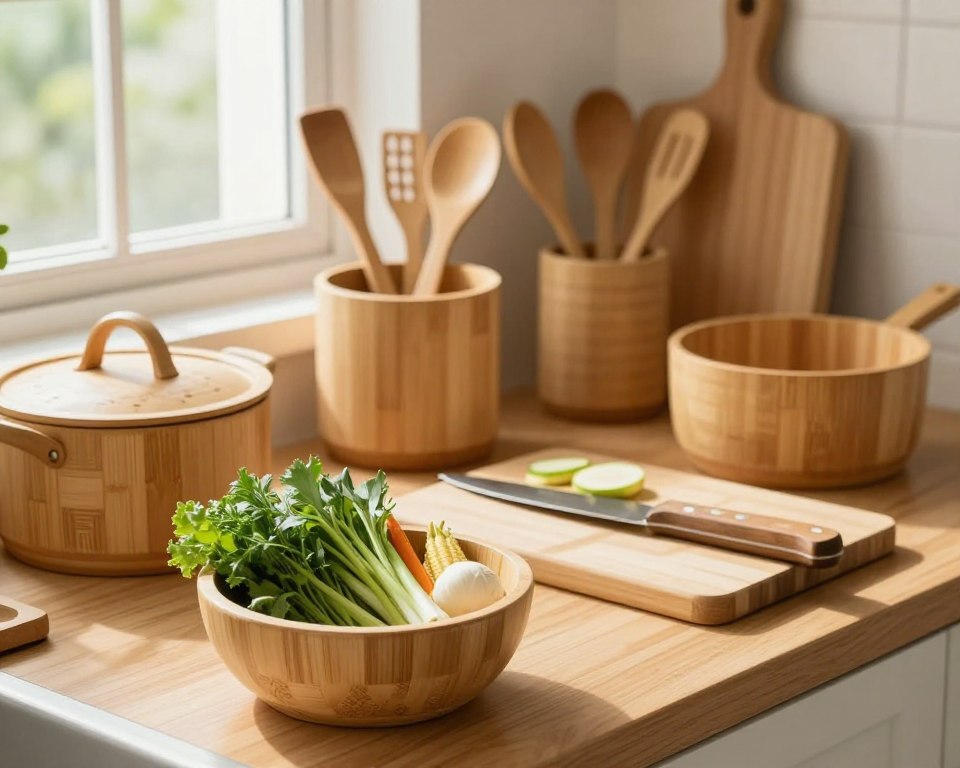
Many home kitchens now use wooden utensils as a green choice over plastic or metal. As a pharmacist, I often check how these items affect our food. It’s key to know what’s in them to keep our homes safe.
These tools are loved for being eco-friendly, but people worry about risks. We need to see if safe bamboo cooking meets our high standards. Check out our medical disclaimer for how we handle these health checks.
Evidence-based guidance helps us understand kitchen materials better. By looking at material quality, we can tell if they’re right for today’s cooking needs.
Key Takeaways
- Bamboo is a highly renewable and sustainable resource for kitchen tools.
- Pharmacists evaluate kitchen materials based on chemical stability and potential leaching.
- Proper maintenance is required to ensure long-term hygiene and safety.
- Always consider individual sensitivities when choosing food preparation surfaces.
- Scientific research provides the foundation for assessing material toxicity risks.
Understanding the Composition of Bamboo Kitchenware
The safety of your kitchen tools depends on how they’re made from bamboo. Many think bamboo is just a simple, natural material. But, the truth is more complex. To understand bamboo kitchenware safety, we need to see how these items are made.
Natural Bamboo vs. Engineered Bamboo Composites
Most bamboo products in stores aren’t carved from solid wood. They’re made from thin bamboo strips glued together. This engineered method makes it easier to create uniform shapes and sizes.
Solid-cut bamboo is more natural, needing no glue. But, it can warp and crack over time. Engineered composites are more stable but need additives for strength.
The Role of Adhesives and Resins in Manufacturing
Manufacturers use adhesives and resins to hold bamboo strips together. These chemicals are key for durability. But, they also add variables to bamboo kitchenware safety.
Quality products use food-grade, non-toxic glues. Cheaper options might use industrial-grade resins not safe for high heat.
Knowing these details helps you choose wisely for your home. Here’s a table showing the differences between bamboo product types:
| Material Type | Construction Method | Binding Agents | Safety Profile |
|---|---|---|---|
| Solid-Cut Bamboo | Carved from one piece | None | High |
| Laminated Bamboo | Pressed strips | Food-grade resin | Moderate |
| Bamboo Fiber Composite | Ground fibers/powder | Melamine/Plastic | Variable |
Knowing how your tools are made helps you understand their risks. Choosing products with clear manufacturing processes is crucial for bamboo kitchenware safety.
Is Bamboo Cookware Safe for Daily Food Preparation
Understanding how bamboo acts when heated is key for those wondering if it’s safe for their families. Bamboo is a popular, eco-friendly choice for kitchen items. Yet, its safety in daily use depends on its making. For more on this, check if bamboo cooking utensils are safe for your needs.
Chemical Leaching Risks in High-Heat Cooking
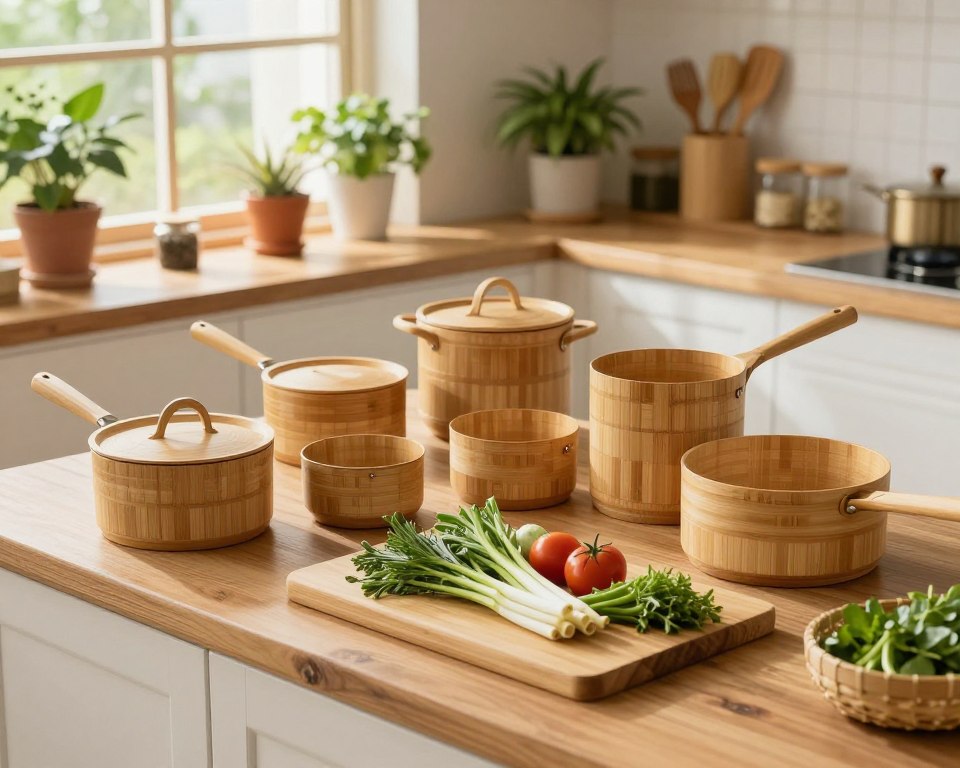
The main worry about bamboo chemical leaching is when it’s heated too much. Solid bamboo is usually okay, but many kitchen items are made from glued-together strips. High heat can weaken these bonds.
If the glue isn’t heat-proof, it might melt during intense cooking. This could let harmful substances into your food. For safe bamboo cooking, pick items made with heat-safe, food-grade adhesives.
- Avoid leaving bamboo utensils in boiling liquids for extended periods.
- Inspect tools for signs of separation or peeling at the seams.
- Choose solid-piece bamboo over laminated versions for high-heat tasks.
Evaluating Formaldehyde and Melamine Content
Many bamboo products use synthetic resins for durability and shine. But, some low-quality items might have formaldehyde, which is harmful. Look for certifications that show these products are safe.
Melamine is also used in some bamboo items to make them stronger. It’s crucial to ensure these products meet food safety standards. High-quality bamboo cookware often uses natural oils or waxes instead of synthetic coatings. This lowers the risk of chemicals getting into your food.
“The safety of composite kitchenware is determined by the quality of the bonding agents used during the manufacturing process. Consumers should prioritize products that explicitly state they are free from formaldehyde and BPA.”
The Science of Heat Resistance and Thermal Stability
Many home cooks think bamboo is indestructible, but it has limits. It’s strong, but knowing about bamboo heat resistance helps avoid damage. Taking care of your tools keeps them safe and useful for years.
How Bamboo Reacts to Direct Heat Sources
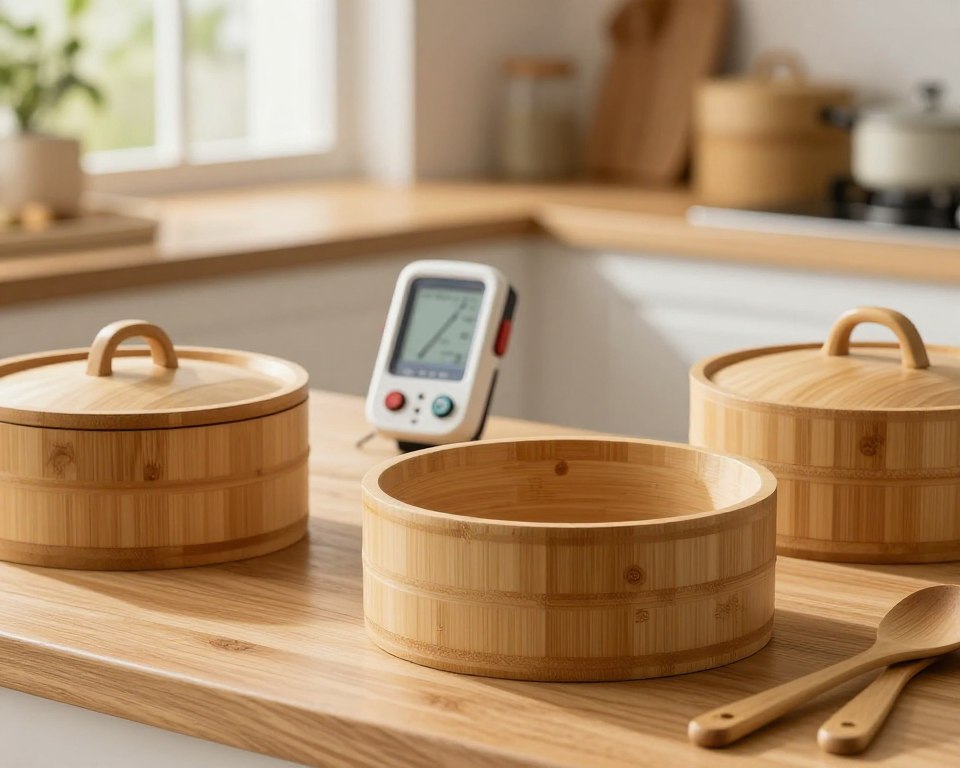
Bamboo, a natural fiber, reacts to direct heat in a certain way. When it meets hot surfaces, like a hot pan, its moisture evaporates fast. This makes it brittle and prone to cracking or breaking.
Long exposure to heat can char or carbonize bamboo. Once heated, it becomes porous and can absorb food or bacteria. Keeping bamboo away from direct heat is key to keeping it in good shape.
Safe Temperature Thresholds for Bamboo Utensils
To keep your kitchenware in top shape, stick to safe temperatures. Bamboo can handle normal cooking heat, but not extreme heat. Going beyond these limits can warp or change the wood’s finish.
| Condition | Temperature Range | Impact on Bamboo |
|---|---|---|
| Low Heat | Below 150°F | Safe for extended use |
| Medium Heat | 150°F – 300°F | Acceptable for brief stirring |
| High Heat | Above 350°F | Risk of charring and cracking |
| Direct Flame | Variable | Immediate structural damage |
Following these guidelines helps keep your bamboo heat resistance at its best. Never leave bamboo utensils in a hot pan, as the heat can be too much. Consistent care keeps your kitchen safe and efficient.
Analyzing Potential Chemical Contaminants
Chemicals from growing and making can harm your cooking tools’ safety. Bamboo is seen as a green choice, but making sure it’s safe for cooking is key. You want to pick non-toxic cooking tools for your kitchen.
Pesticides and Fertilizers in Bamboo Cultivation
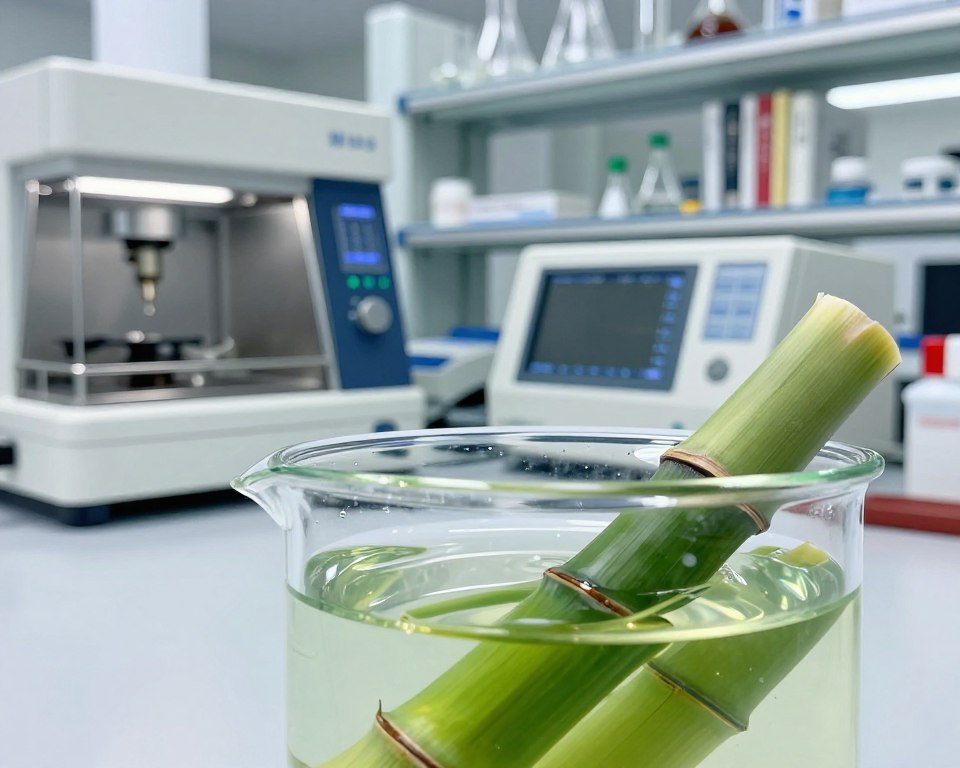
Bamboo grows fast and needs less pesticides than other crops. But, big farms might still use chemicals to grow more and fight pests.
These chemicals can get into the bamboo. If it’s not cleaned well, some might stay on it. This means there’s a chance of bamboo chemical leaching when it touches hot or oily foods.
Bleaching Agents and Finishing Chemicals
When bamboo is made, more chemicals are used. Bleach is often used to make bamboo look the same. This makes it lighter in color.
Then, bamboo is treated with synthetic stuff to make it last longer and look better. But, these coatings can break down and release chemicals into your food. Always clean your kitchenware with safe products to keep it safe.
Choosing non-toxic cooking tools means finding brands that are open about how they finish their products. Pick items that are treated with natural oils instead of harsh chemicals. This lowers the risk of bamboo chemical leaching when you use it every day.
| Contaminant Source | Potential Risk | Safety Impact |
|---|---|---|
| Synthetic Pesticides | Surface residue | Low to Moderate |
| Chlorine Bleach | Chemical absorption | Moderate |
| Synthetic Resins | Coating degradation | High |
| Food-Grade Oils | None | Negligible |
Durability and Wear Resistance Over Time
Knowing the limits of bamboo is key for kitchen safety. This material is strong but can wear out. How you treat it daily affects its bamboo durability.
Signs of Material Degradation and Splintering
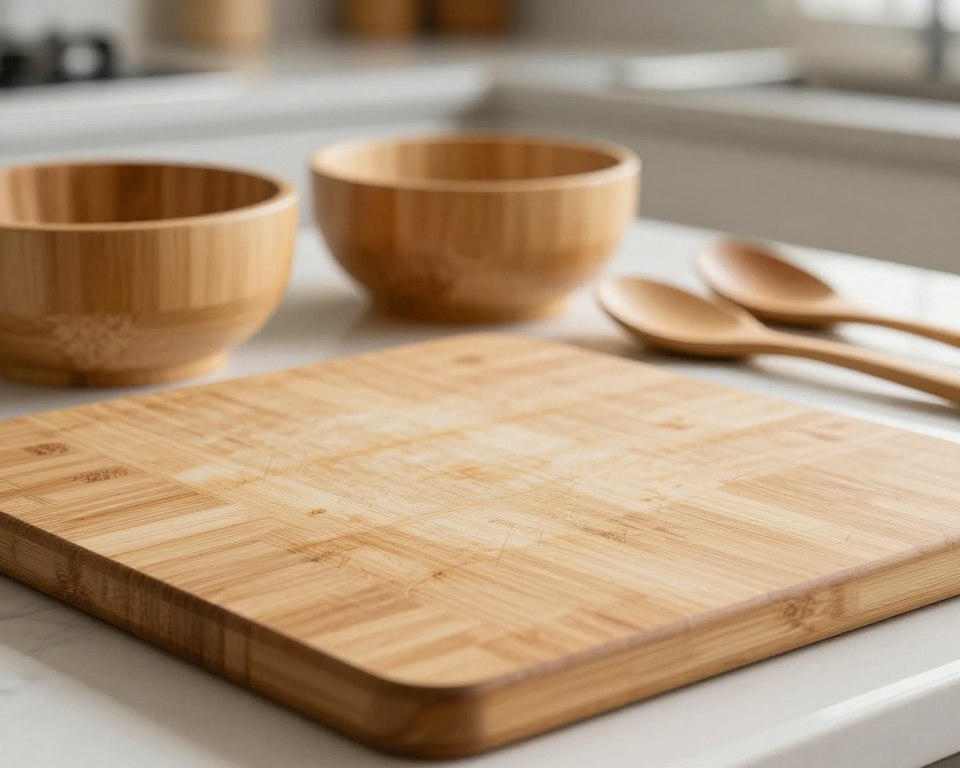
Fibers starting to separate is a sign of wear. If the surface feels fuzzy, the finish is gone. This can lead to dangerous splinters if not fixed.
Regularly check your bamboo utensils for damage. Deep cracks or loose fibers mean it’s time to replace them. Using damaged tools can harm your food and safety.
“Natural fibers need the right balance of moisture and protection. Without it, they can fail mechanically.”
Impact of Dishwasher Cycles on Structural Integrity
Dishwashers are tough on bamboo because of heat and moisture. This makes bamboo expand and contract, weakening it. Eventually, it can warp and break.
Hand washing is best for keeping bamboo tools in good shape. It avoids the harsh conditions of a dishwasher. Here’s how different cleaning methods affect your tools:
| Cleaning Method | Moisture Exposure | Heat Impact | Durability Risk |
|---|---|---|---|
| Hand Wash | Low | Minimal | Very Low |
| Dishwasher | High | High | High |
| Steam Cleaning | Moderate | Extreme | Critical |
Choose gentle cleaning methods to prevent bamboo splinter prevention. Keep your tools dry and avoid extreme temperatures. This helps your bamboo last longer.
Microbial Growth and Sanitation Concerns
Keeping your kitchen clean means understanding how bamboo deals with moisture and bacteria. Some think bamboo has bamboo antimicrobial properties that make it self-cleaning. But, no kitchen item is completely self-cleaning, and bamboo needs regular cleaning to be safe for food.
Porosity and Bacterial Retention in Bamboo Fibers
Bamboo is a natural, fibrous material with a porous structure. These tiny pores can catch food, liquids, and other debris. If not cleaned well, they can become breeding grounds for bacteria.
Because of its porosity, thorough cleaning is key to stop bacteria growth. Unlike non-porous materials like stainless steel, bamboo needs more than a quick wash. It needs a deep clean to remove all contaminants.
“The safety of any kitchen tool is not determined by the material alone, but by the diligence of the user in maintaining a clean and dry environment.”
Best Practices for Sanitizing Bamboo Surfaces
To keep bamboo tools clean, do more than just use soap and water. Here are some proven ways to keep surfaces sanitary:
- Hand wash utensils right after use with warm water and mild dish soap.
- Don’t soak bamboo in water, as it makes the fibers swell and more porous.
- Use proper bamboo mold prevention by drying items well with a clean towel before storing.
- Store bamboo in a well-ventilated area to let moisture evaporate fast.
If you see lasting smells or dark spots, it might mean there’s moisture or mold inside. In such cases, it’s best to replace the item. Regular care keeps your bamboo tools safe and useful in the kitchen.
Comparing Bamboo to Traditional Cookware Materials
Choosing the right kitchen tools is all about understanding how different materials hold up. A detailed kitchenware material comparison helps cooks find the best mix of safety, heat resistance, and lasting quality for their needs.
Bamboo Versus Silicone and Plastic Utensils
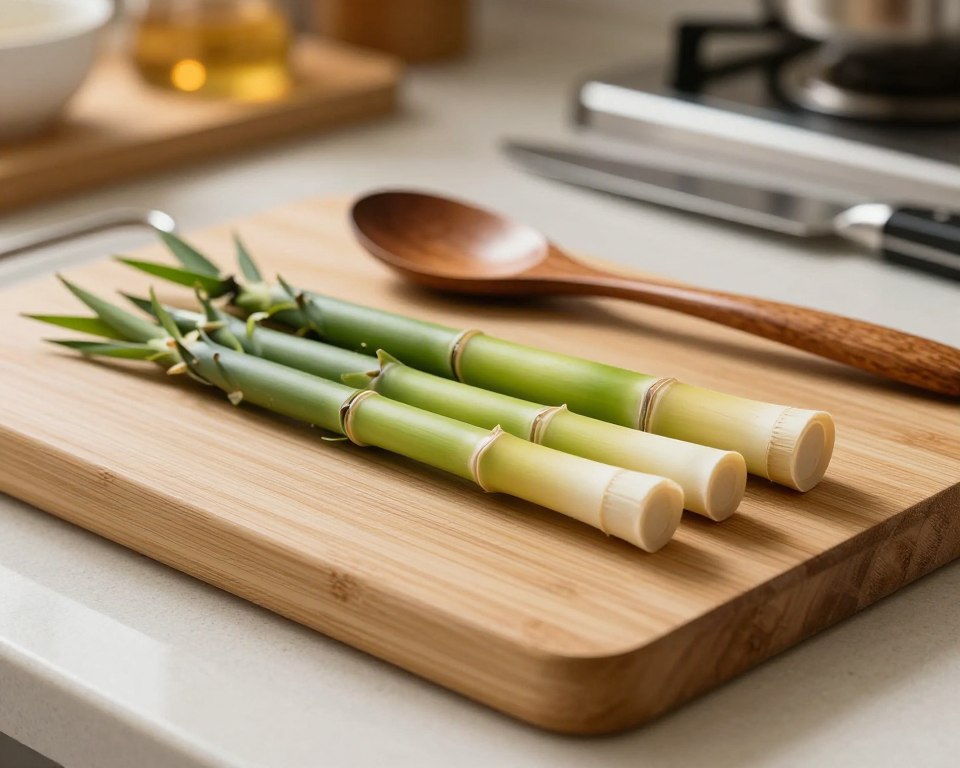
When looking at bamboo vs plastic utensils, the main worry is how they handle heat. Plastic can melt or release harmful chemicals when it gets too hot. But bamboo stays strong even when it’s hot.
Silicone is also a good choice because it can handle heat well and bends easily. Yet, it can’t match the solid bamboo durability that chefs love for tasks like scraping pans. High-quality teak bamboo cooking utensils give a natural, strong feel that plastic can’t match.
Bamboo Versus Stainless Steel and Wood
Stainless steel is prized for its smooth surface and ability to handle extreme heat. But it can damage delicate non-stick coatings, making it less versatile than bamboo. Bamboo is gentle on cookware and doesn’t conduct heat, which helps avoid burns during long cooking times.
Wood and bamboo are similar but different in density and how they absorb moisture. Bamboo, being a grass, is harder and less absorbent than many hardwoods. This makes it less likely to warp over time.
| Material | Heat Resistance | Durability | Porosity |
|---|---|---|---|
| Bamboo | High | Excellent | Low |
| Silicone | Very High | Moderate | Non-porous |
| Plastic | Low | Low | Moderate |
| Stainless Steel | Extreme | Very High | None |
Environmental Impact and Sustainability Credentials
Looking into the bamboo environmental impact is key for those wanting a greener home. Bamboo is becoming a top choice for eco-friendly homes. It’s known for growing fast and needing little synthetic help.
Carbon Footprint of Bamboo Production
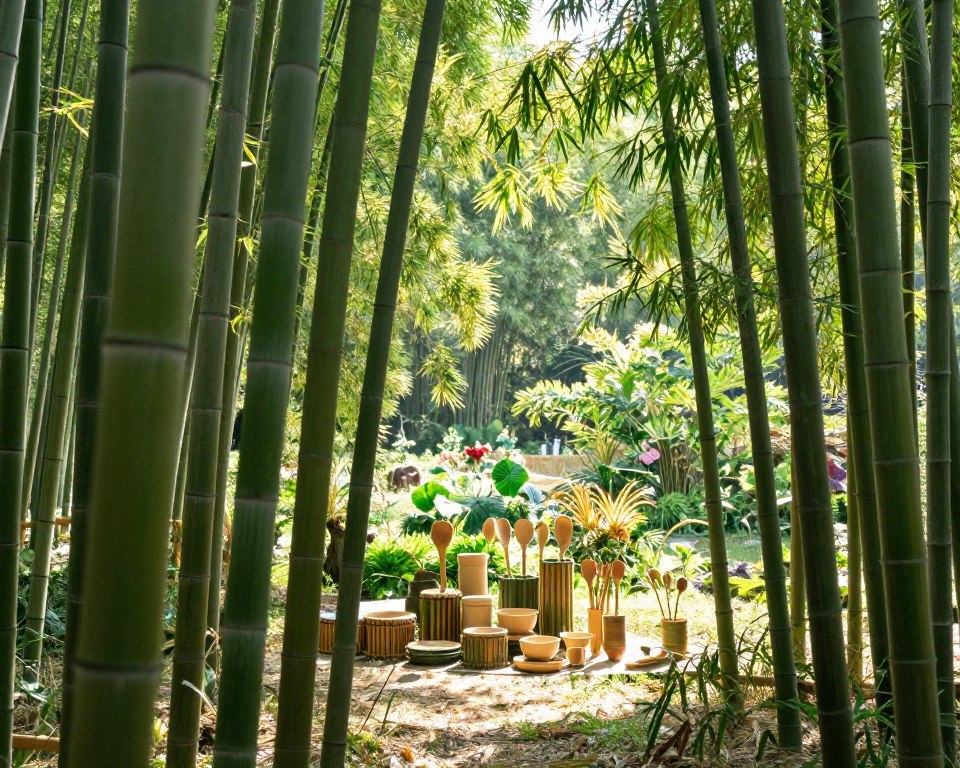
Bamboo is actually a grass, not wood, and can grow in just three to five years. This quick growth cuts down the carbon footprint a lot. It also absorbs a lot of carbon dioxide and releases oxygen.
The way bamboo is grown often doesn’t need chemical fertilizers or pesticides. This makes it better for the environment. Bamboo grows in many places, so it can be brought to market with less pollution. This makes it a great choice for making kitchen tools.
Biodegradability and End-of-Life Disposal
Bamboo’s natural cycle is a big plus. Unlike plastic, which lasts for ages in landfills, bamboo is fully biodegradable. When it’s done being used, it can be composted, giving back to the soil.
But, some bamboo products might have additives that stop them from composting well. It’s crucial to check if the product is 100% natural or has synthetic parts. Opting for products with less processing helps keep your kitchen green.
| Material Type | Renewability | Biodegradability | Carbon Impact |
|---|---|---|---|
| Bamboo | High (Fast Growth) | Excellent | Low |
| Plastic | Non-Renewable | Poor | High |
| Stainless Steel | Finite Resource | None | Very High |
Regulatory Standards for Food-Grade Bamboo
Choosing kitchen tools means knowing about bamboo’s rules. Bamboo is natural, but it might have adhesives and finishes. These must be safe. Look for standards to avoid harmful chemicals or metals.
FDA Guidelines for Kitchenware Safety
In the U.S., the FDA watches over food contact materials. There are no FDA bamboo guidelines just for it. But, bamboo is considered safe for food.
“The safety of food-contact materials is not merely a suggestion; it is a fundamental requirement for protecting public health from chemical migration.”
Products must not leach harmful substances into food. For clean tools, use a cutting board sanitizer spray. It keeps your bamboo tools clean without harming them.
International Certification Labels to Look For
International food-grade bamboo standards add extra safety. Third-party tests check for harmful chemicals. Look for labels that show a product meets global safety standards.
Good signs of safe products include:
- ISO 9001 Certification: Shows quality management in making.
- LFGB Compliance: A strict European rule that’s tougher than FDA on chemicals.
- FSC Certification: It’s mostly for the environment, but it means safe making too.
Choosing products with these certifications means you trust the evidence. Always check for these labels to be sure your kitchenware is safe.
Identifying High-Quality Versus Low-Quality Products
When looking for non-toxic cooking tools, the quality shows in the finish. Knowing food-grade bamboo standards helps you spot safe items. A good product feels solid and well-made.
Visual Indicators of Poor Manufacturing
First, check the bamboo’s surface for rough spots or splinters. Quality items should be smooth, showing they’ve been well-sanded and polished. Rough textures can trap food and moisture, leading to bacteria growth.
Look for even coloring and tight seams. Dark spots or visible glue lines mean the product might be low-quality. A good product has tight, uniform seams, showing it’s well-made.
The Importance of Food-Safe Coatings and Oils
The finish on your kitchenware is key. When choosing bamboo utensils, pick those with food-safe oils or waxes. These protect the wood from absorbing liquids and smells.
Stay away from shiny, plastic-like finishes. They can flake off, adding harmful particles to your food. Choose natural finishes for safe, long-lasting cooking tools.
Proper Maintenance for Longevity and Safety
Keeping bamboo kitchenware in good shape stops problems like splintering and fiber damage. Using bamboo maintenance tips helps keep your tools clean and strong for years. A regular care plan keeps the natural fibers safe and stops food from getting stuck.
Seasoning Bamboo Cookware with Food-Grade Oils
Seasoning is key to keeping bamboo utensils moist. Using food-grade mineral oil or beeswax keeps the wood from drying out. Do this when your bamboo looks dull or feels rough.
First, make sure your tools are clean and dry. Put a small amount of oil on a soft cloth and rub it in circular motions. Let it soak in for a few hours or overnight, then wipe off any extra with a paper towel.
Preventing Cracking and Warping Through Proper Storage
Good cleaning bamboo tools habits are just the start. Storing them right is also crucial to avoid warping. Bamboo reacts to humidity and temperature changes. Always keep your utensils in a cool, dry spot, away from heat.
Don’t let bamboo sit in water, as it can swell and crack. After washing, let your utensils dry standing up in a well-ventilated area. This stops moisture from building up and keeps them stable.
| Maintenance Task | Frequency | Recommended Action |
|---|---|---|
| Deep Cleaning | After every use | Hand wash with mild soap |
| Seasoning | Monthly | Apply food-grade mineral oil |
| Drying | Immediately after wash | Air dry in a vertical position |
| Inspection | Quarterly | Check for cracks or splinters |
Health Implications of Ingesting Micro-Particles
Worn-out bamboo utensils can be a health risk due to micro-particle ingestion. It’s important to know the bamboo utensil health risks from aging kitchenware. These tools are usually safe but can weaken with heat and moisture.
Physical Risks of Bamboo Splinters in Food
When bamboo tools start to fray or crack, they become dangerous. Small, sharp splinters can get into your food. These splinters are hard to spot and can hurt your mouth or digestive system.
To avoid bamboo splinter prevention, always check your utensils before and after use. If you see cracks, fuzzy texture, or splintering, it’s time to replace them.
- Visible cracks or deep fissures along the handle or head.
- A rough, fuzzy texture that indicates fiber breakdown.
- Any signs of splintering or loose, hair-like bamboo strands.
Long-term Exposure to Resin-Based Coatings
Many bamboo items use resins to stay strong. But these chemicals can break down with heat or harsh cleaning. This can make your food contain chemical residues.
Also, if the bamboo surface gets wet, it can grow mold. This is why bamboo mold prevention is key. Regular checks help keep your kitchen safe and healthy.
Common Myths Regarding Bamboo Kitchen Safety
When it comes to sustainable kitchenware, it’s important to know the facts. Many people think bamboo is safer than plastic because it’s natural and grows fast. But, this thinking can lead to not taking care of bamboo utensils properly.
Debunking Claims About Natural Antibacterial Properties
Some believe bamboo utensils are self-cleaning because of a substance called “bamboo kun.” But, this is not true. The natural compounds in bamboo don’t stay active in finished utensils.
Thinking bamboo is always clean can be dangerous. You should clean bamboo utensils just like you would wood or plastic. Hot, soapy water is the best way to keep them safe for food.
Clarifying Misconceptions About Heat-Proofing
Many think bamboo is heat-proof because it’s strong. But, bamboo can’t handle very high temperatures. The fibers and resins used in making bamboo utensils have limits.
Using bamboo at very high heat can damage it. This can make it dry out, crack, or even burn. Always use moderate heat to keep your utensils in good shape.
| Common Myth | Scientific Reality | Safety Implication |
|---|---|---|
| Bamboo is naturally antibacterial. | Processing removes active antimicrobial agents. | Requires standard soap and water cleaning. |
| Bamboo is heat-proof. | Organic fibers char at high temperatures. | Avoid direct contact with high-heat sources. |
| Bamboo never needs maintenance. | Material dries out and cracks over time. | Regular oiling prevents surface degradation. |
Conclusion
Bamboo cookware is a great choice for home cooks if you pick the right one. Look for certified products to ensure they meet health standards. Choose high-quality bamboo that doesn’t have harmful chemicals.
Check your utensils often for signs of damage. If you see deep cracks or wear, it’s time to get new ones. This prevents bacteria from growing. Restaurants use safe bamboo cooking to keep things clean, and you can too.
Wash your bamboo tools with warm, soapy water and a soft cloth. Use food-safe mineral oil to keep them moist. These steps help your tools last longer and keep your kitchen clean. By taking care of your bamboo, it will serve you well for many years.
FAQ
Are bamboo cutting boards and utensils truly antibacterial?
Many think bamboo stays “self-sanitizing” after it’s made. But, the truth is, the natural bio-agent called bamboo kun is mostly lost during processing. Bamboo can still hold onto harmful bacteria if not cleaned well.
To keep it safe, wash it with hot, soapy water. Make sure it’s dry before you store it.
Can I wash my bamboo kitchenware in the dishwasher?
No, don’t put bamboo in the dishwasher. High heat and harsh cleaners can damage it. This makes it unsafe and shortens its life.
Does bamboo leach chemicals like formaldehyde into food?
The risk of chemicals leaking into food depends on the product. Some bamboo products might use harmful resins. Always choose products that are FDA-approved and BPA-free.
What is the best way to maintain bamboo tools to prevent cracking?
Keeping bamboo tools in good shape is key. Season them monthly with food-grade oil. This protects the fibers from moisture and prevents damage.
Is bamboo safer than plastic or silicone kitchenware?
Bamboo is safer than plastic because it doesn’t have harmful chemicals. It’s also better than silicone because it’s more eco-friendly. But, stainless steel is more durable.
How can I identify high-quality, non-toxic bamboo products?
Look for products with a uniform grain and smooth finish. Check for third-party certifications like FSC. Avoid products with strong chemical smells.
What are the health risks of using damaged bamboo utensils?
Damaged bamboo utensils are not safe. They can splinter and harbor bacteria. Replace them to avoid health risks.
Does bamboo production involve heavy pesticide use?
Bamboo needs fewer pesticides than other woods. But, some products might still be treated with chemicals. Choose organic options to ensure safety.