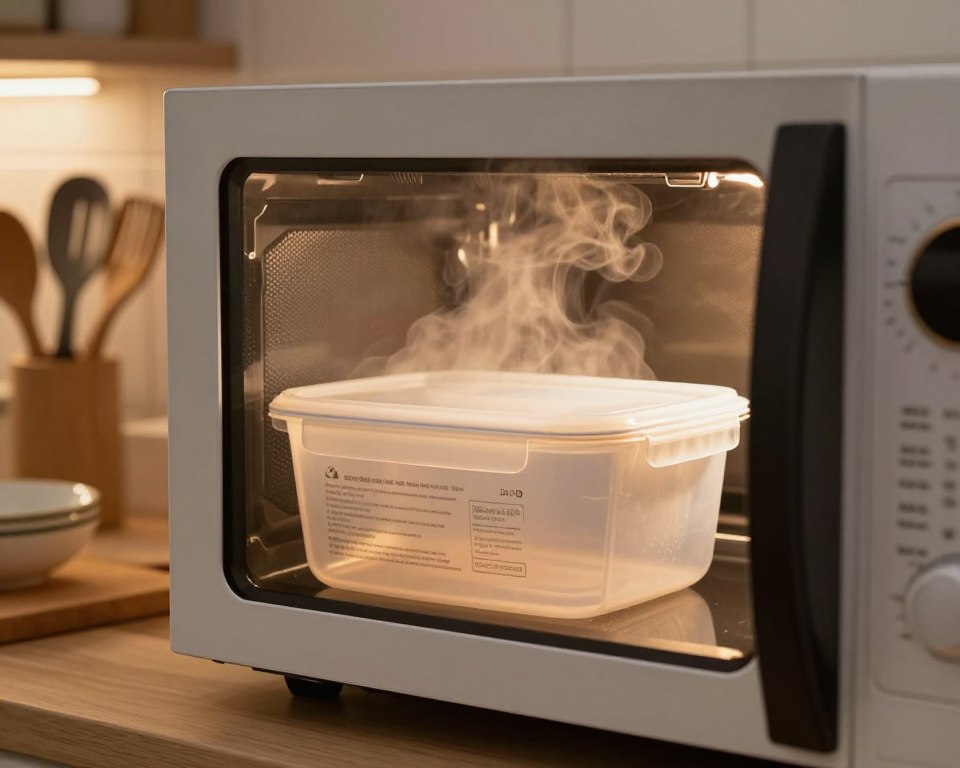
Many of us warm leftovers in the containers we store them in. It seems like a simple part of our busy lives. But, understanding the chemistry of these materials is key to our health.
When you heat synthetic polymers too high, their molecules can change. This might cause chemicals to leak into your food. Is reheating plastic containers safe? It depends on how heat affects different materials.
Even if something is labeled microwave-safe, be careful. Not all plastics can handle heat well. By looking at the facts, you can choose safely and efficiently.
Key Takeaways
- Heat can trigger the migration of chemicals from synthetic materials into food.
- Not all polymers are designed to withstand high microwave temperatures.
- Check for specific manufacturer labels before using any item in the microwave.
- Glass or ceramic alternatives offer a more stable option for heating meals.
- Prioritizing material safety helps reduce unnecessary exposure to potential toxins.
Understanding the Chemistry of Plastic Containers
Plastic is not just one thing; it’s a mix of polymers and additives. When I talk to patients about kitchen safety, I stress that these materials are made for certain properties, not to be completely safe. Just like the worries about dishwasher pod residue on dishes, we need to look closely at what we use to store food.
Polymer Composition and Additives
At the molecular level, plastic food containers are made of long chains called polymers. These chains are changed to make the plastic rigid, flexible, or heat-resistant. But, the base polymer alone can’t have all the needed traits.
To get the final product, thousands of plastic additives are added. These substances do many things:
- Stabilizers: Stop the plastic from breaking down from light or heat.
- Plasticizers: Make the plastic more flexible and durable.
- Colorants: Add color or brand identity.
- Antioxidants: Protect the plastic during making.
The Role of Plasticizers in Food Packaging
Plasticizers are key when talking about food safety. They make the plastic soft, so it doesn’t crack easily. At room temperature, these additives stay inside the plastic.
But, it’s important to know that these plastic additives aren’t stuck to the polymer. They can move out of the container under certain conditions. Even though plastic food containers are made to be stable, things like high heat can change that. This could let the additives move into the food, which is something we should think about for our health.
Is Reheating Plastic Containers Safe for Daily Use
Plastic storage is convenient but comes with hidden risks. Heating food in these materials can be dangerous. Many think a container is safe, but the truth is more complex.
Speed is often the priority, but heating plastic can harm our health. It’s important to think about the long-term effects.
Distinguishing Between Microwave-Safe and Non-Microwave-Safe Plastics
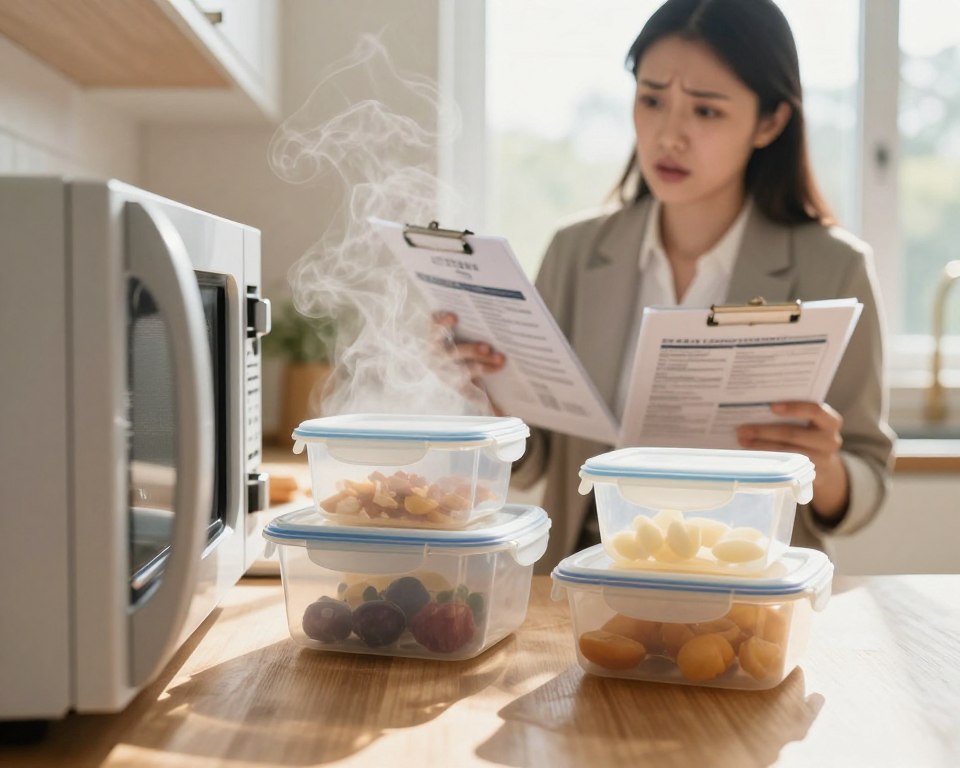
Products labeled as microwave-safe plastic won’t melt or warp. But, this doesn’t mean they’re safe for food. Even if a container looks fine, it might still leak harmful chemicals into your food.
Not all plastics are the same. The type of plastic used affects how it reacts to heat. Some plastics are made for high temperatures, while others are for cold storage or one-time use. Just because a container is labeled as safe doesn’t mean it’s always safe to use.
The Science of Chemical Leaching Under Heat
Chemical leaching happens when additives in plastic move into food. Heat makes this process faster. Even safe-looking containers can release millions of plastic particles when heated.
Studies show that baby food containers can release a huge number of particles when heated. This means containers can break down during microwave use. Here’s a table showing how different materials react to heat.
| Material Type | Heat Resistance | Leaching Risk | Recommended Use |
|---|---|---|---|
| Polypropylene (PP) | High | Low | Short-term heating |
| Polyethylene (PET) | Low | Moderate | Cold storage only |
| Borosilicate Glass | Very High | Negligible | All heating needs |
| Ceramic | Very High | Negligible | All heating needs |
Identifying Microwave-Safe Symbols and Labels
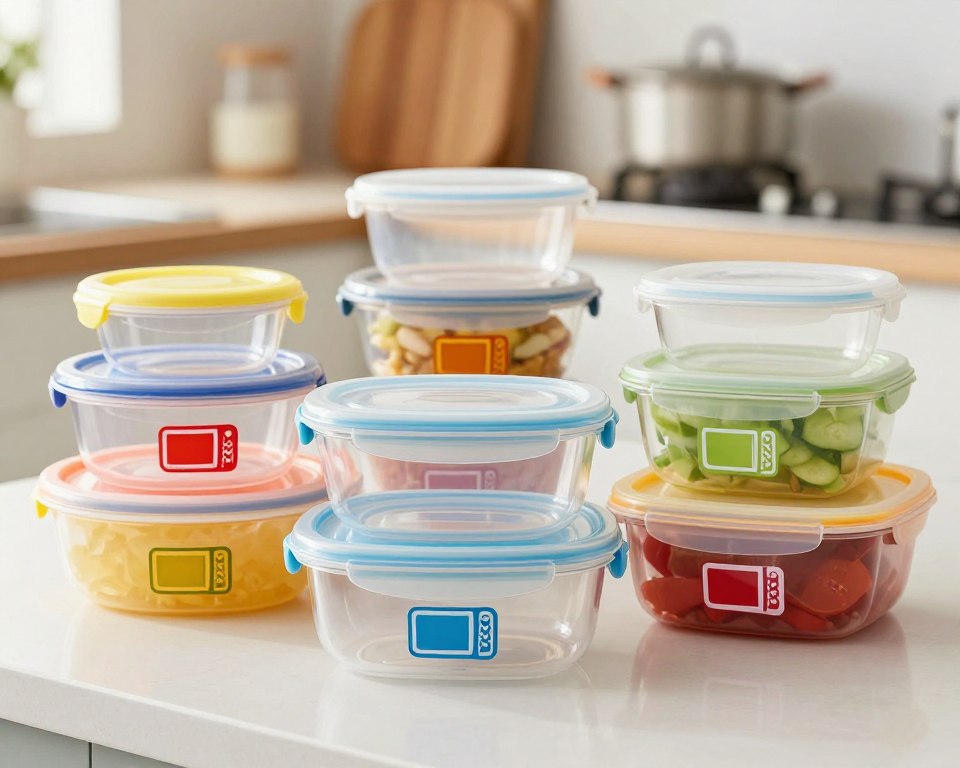
Understanding the codes on your kitchenware is key to knowing if it’s microwave-safe plastic or not. Many think any container with a recycling symbol is okay for the microwave. But, these symbols often mean something else.
Decoding Resin Identification Codes
The small number inside the triangle on a container is a Resin Identification Code. These numbers, from 1 to 7, tell you what kind of plastic it is. But, many think these numbers mean it’s safe for the microwave.
For example, a number 1 (PET) is usually for single-use water bottles and not for heat. On the other hand, a number 5 (Polypropylene) can handle more heat but still needs care. These codes are mainly for recycling, not for safety in cooking.
What the Microwave-Safe Symbol Actually Means
The term microwave-safe plastic is often misunderstood. When something is labeled as microwave-safe, it means it won’t warp or melt. But, it doesn’t mean it’s safe from chemicals at high temperatures.
Tests for microwave safety check if the plastic stays intact, not if it’s safe for chemicals. So, even if it doesn’t melt, it might still leak chemicals into your food. It’s best to choose materials that are tested for safety under heat.
| Plastic Type | Resin Code | Heat Resistance | Microwave Suitability |
|---|---|---|---|
| PET | 1 | Low | Not Recommended |
| HDPE | 2 | Moderate | Use Caution |
| Polypropylene | 5 | High | Generally Safe |
| Polycarbonate | 7 | High | Avoid Heating |
The Risks of Bisphenol A (BPA) and Phthalates
Many common plastic containers contain substances that may interfere with human biology. Plastic is convenient but often uses chemical additives for texture or durability. Researchers found about 16,000 chemicals in food packaging, with 3,200 being substances of concern.
Endocrine Disruption and Human Health
BPA and phthalates are under close watch. They are endocrine disruptors, affecting hormones in the body. This can harm metabolism, growth, and brain development.
People are often exposed to these toxic chemicals over time. Since they’re not chemically bound to plastic, they can get into food, more so when heated. This is a big issue for those using plastic for meals.
Regulatory Standards for Food-Contact Materials in the United States
In the U.S., the FDA checks the safety of food-contact materials. Manufacturers must prove any added substances are safe. But, new research can come out faster than rules can change.
The FDA checks these materials through a notification process. While many are allowed, it’s key for consumers to know the limits. Being cautious about toxic chemicals is wise for those looking after their health.
| Chemical Additive | Primary Function | Health Concern |
|---|---|---|
| BPA | Hardening agent | Hormonal interference |
| Phthalates | Flexibility agent | Endocrine disruption |
| Antioxidants | Prevent degradation | Potential toxicity |
How Heat Accelerates Chemical Migration
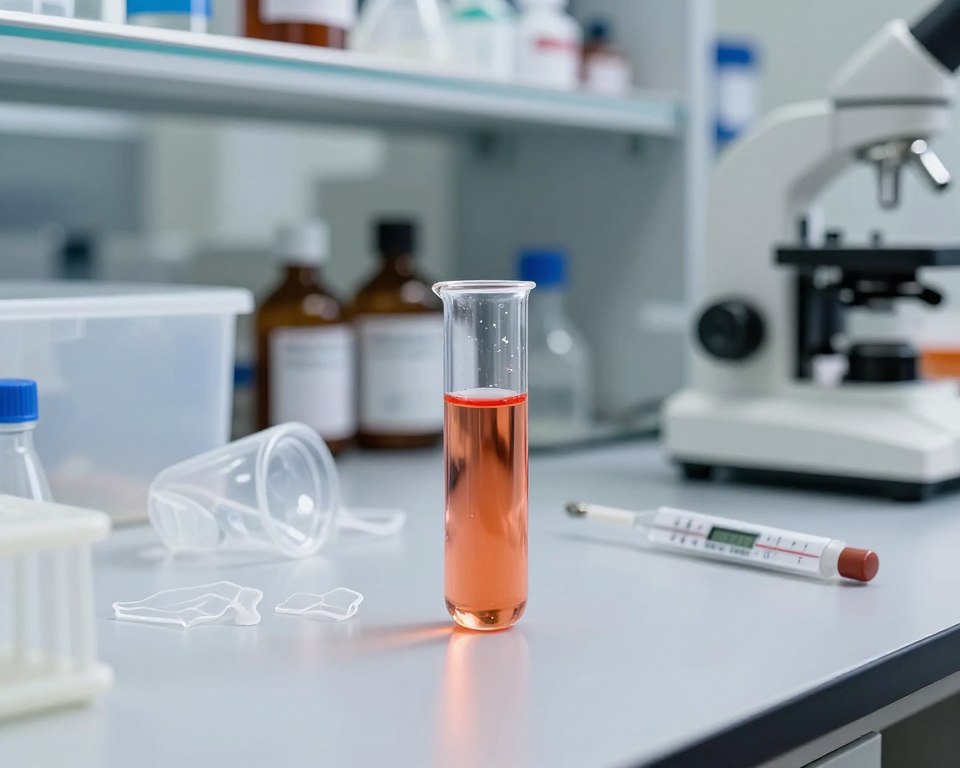
When you heat plastic, you speed up the movement of its molecules. This changes the plastic’s state, making it more likely to leach chemicals. Knowing this helps keep your food safe at home.
The Relationship Between Temperature and Molecular Stability
Plastic is made of long chains of molecules held together by bonds. At room temperature, these chains are stable and rigid. But when it gets hotter, the molecules start moving more.
This movement makes the chains vibrate and spread out. As a result, plastic additives can escape more easily. This heat-induced migration lets these substances get into your food.
Why Fatty and Acidic Foods Increase Leaching Risks
The type of food you store matters a lot. Some foods, like oils and meats, can pull chemicals out of plastic faster than others.
High-fat foods, such as oils and cheeses, can get into the plastic quickly. Acidic foods, like tomato sauce, can also break down the plastic, leading to more chemical leaching.
Not all surfaces can handle these interactions well. If you’re worried about your kitchen’s safety, look into cleaning products for food areas. Using the right materials for heating can keep you safe from harmful chemicals.
Common Signs That Your Plastic Container Is Damaged
Knowing how to spot plastic degradation is key for anyone who cares about their health. These items are meant to be convenient, but they’re not meant to last forever. Heat and cleaning cycles can cause changes that you can see.
Identifying Pitting, Warping, and Discoloration
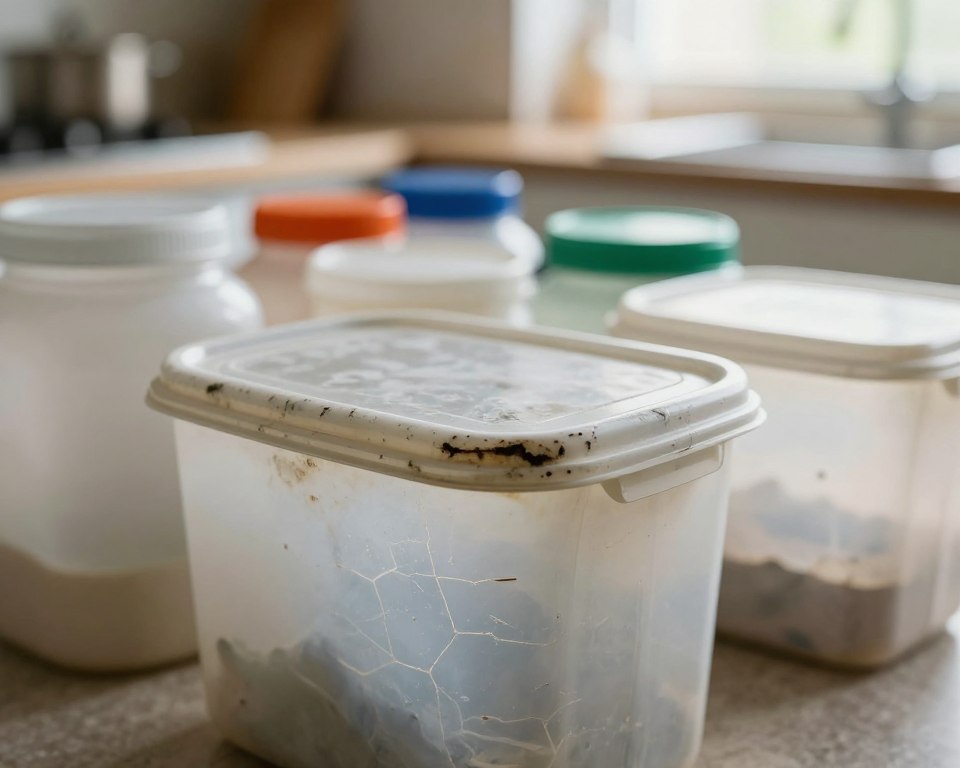
Look out for pitting, where the plastic gets tiny holes or a rough feel. This structural breakdown traps food and bacteria, making it hard to clean. Warping, where the shape changes, is another sign of wear.
Discoloration is also a sign of aging. If your container looks cloudy, yellow, or has stains, it’s likely damaged. These changes mean the material is not as stable as it used to be, which could lead to chemicals getting into your food.
“When in doubt, throw it out. The cost of a new container is negligible compared to the potential health risks associated with using compromised food-grade plastics.”
When to Discard Old or Worn Containers
If you see deep scratches, cracks, or significant warping, it’s time to stop using it. These problems are not just about looks; they show the material has failed.
Checking your plastic food containers regularly can help avoid chemical exposure. Replacing worn items regularly keeps your food storage safe.
| Damage Type | Visual Indicator | Safety Status |
|---|---|---|
| Surface Pitting | Rough, porous texture | Discard |
| Warping | Loss of original shape | Discard |
| Discoloration | Cloudy or yellow tint | Monitor/Discard |
| Deep Scratches | Visible grooves | Discard |
Comparing Plastic to Glass and Ceramic Alternatives
Choosing the right container for reheating food is key. Plastic is easy to use, but it’s not strong enough for high heat. Glass and ceramic are better because they don’t release harmful chemicals.
Thermal Stability of Borosilicate Glass
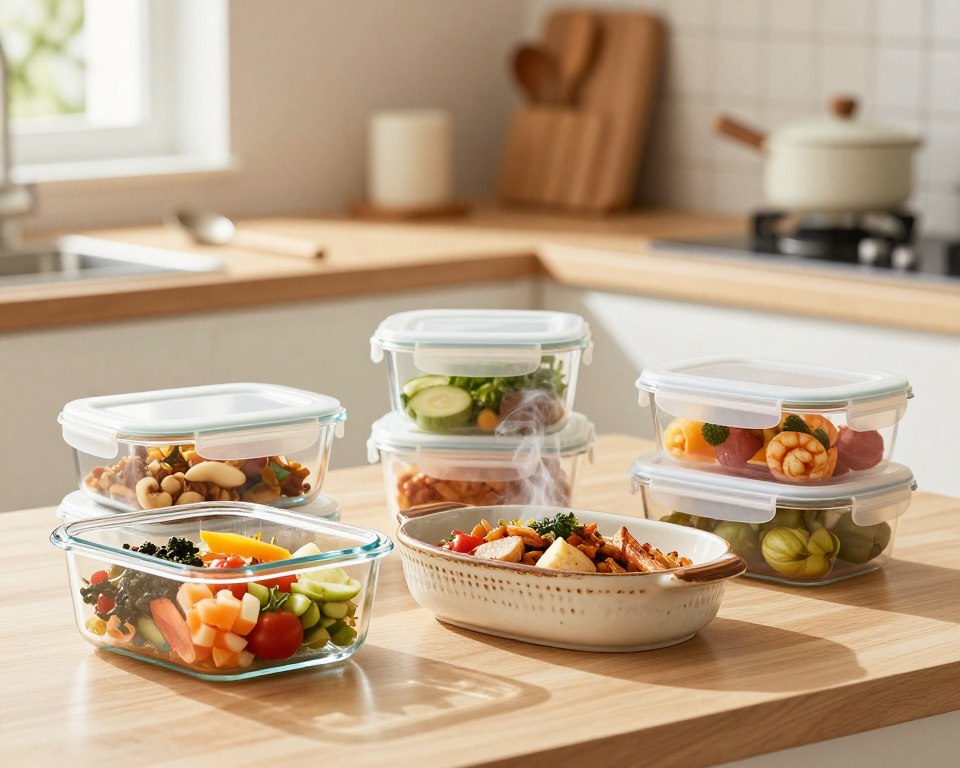
Borosilicate glass is great for the kitchen because it stays stable under heat. It won’t break like regular glass when it gets hot. It also doesn’t mix with chemicals, so your food stays safe.
This glass is also non-porous, which means it doesn’t hold smells or stains. It’s hygienic and lasts a long time. Heating food in it keeps the container safe and stable.
Why Ceramic Remains the Gold Standard for Reheating
Ceramic is the top choice for cooking and reheating. It’s made to last and doesn’t react with food. You can safely heat up acidic or fatty foods without worrying about it breaking or releasing harmful particles.
Many people like ceramic because it’s easy to use and clean. Here are some reasons why it’s better than plastic:
- Chemical Inertness: Glass and ceramic don’t add synthetic compounds to food when heated.
- Heat Resistance: These materials stay strong even when it gets very hot, unlike plastic.
- Longevity: Good ceramic and glass don’t wear out over time, unlike plastic.
- Ease of Cleaning: Their smooth surfaces are easy to clean and don’t hold onto bacteria or food.
Switching to glass or ceramic can make your kitchen safer. These materials help keep your food safe from contaminants when you reheat it.
The Impact of Microwave Power Levels on Plastic Integrity
It’s key to know how microwave power affects plastic to keep your kitchen safe. When plastic gets hit with a lot of energy, its molecules can get messed up. This often causes heat-induced migration, where chemicals from the plastic can get into your food.
High-Wattage Microwaves and Rapid Heating
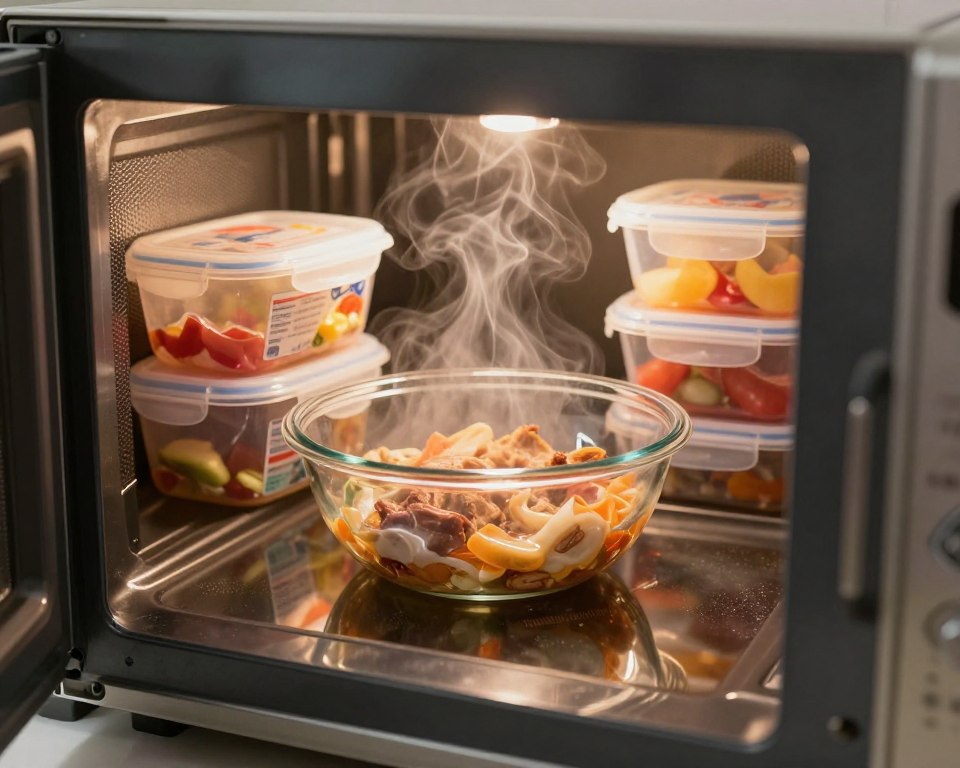
Modern microwaves heat food fast, but this can harm plastic containers. The quick heat can create localized hot spots that are too hot for plastic. These spots can make the plastic soft, warp, or even melt, breaking its structure.
When plastic gets too hot, it’s more likely to leak chemicals. Even if a container says it’s safe for microwaves, it might not handle constant high power well. Rapid, uneven heating is a big reason why plastic breaks down.
Best Practices for Lowering Power Settings
To cut down on heat-induced migration, try using 50% or 70% power when reheating. Lower power lets heat spread out more slowly, keeping plastic from melting. This small change helps keep the container safe and reduces chemical transfer.
If you see pitting, cloudiness, or warping, it’s time for new containers. For more on when to throw out microwaveable plastic, check out this link. Always choose glass or ceramic for fatty or acidic foods. These foods heat up faster and can damage plastic quicker.
Microplastics and Their Presence in Heated Food
When you heat food in plastic containers, tiny particles can get into your meals. This happens because plastic changes shape when it gets hot. It can release microplastics and even smaller nanoplastics into your food.
These tiny particles are hard to see but are a big worry for food safety. They can carry chemicals that might mess with your body’s hormones. This is because they act as endocrine disruptors.
Emerging Research on Microplastic Ingestion
Scientists are looking into how these tiny pieces affect our health. They’ve found that eating microplastics is not just from the environment. It also happens in our kitchens.
When we eat these particles, they might stay in our bodies. This could have serious effects. But, experts say it’s best to avoid them as much as we can.
The Connection Between Container Degradation and Particle Release
The main reason for particle release is when a container breaks down. Even if it looks fine, plastic degradation can cause tiny cracks. These cracks can let material into hot foods or oils.
Using a microwave makes this problem worse. The heat weakens the plastic, making it more likely to break down. This means more microplastics and chemicals can get into your food.
It’s key to remember that plastic damage adds up over time. Knowing this helps us choose better containers for heating food.
Safe Practices for Reheating Food in Plastic
Heating your meals in plastic containers is a common practice. It’s important to do it safely to protect your health. Even though other materials are better, many people still use plastic for convenience. By following certain habits, you can lower the risks of chemicals from plastic.
Using Lids and Vents to Prevent Pressure Buildup
When you heat food, steam is created. If a container is sealed too tightly, it can warp, crack, or even explode. Always make sure the lid is slightly ajar or use a vent to let steam out safely.
Good ventilation does more than just keep your container safe. It also stops the plastic from breaking down, which can release harmful particles. Keeping your container in good shape is a simple way to reduce chemical leaching.
Avoiding Direct Contact Between Plastic and High-Fat Foods
The type of food you heat matters a lot. Fats and oils can soak up chemicals from plastic when it’s hot. Avoid heating fatty foods like cheese, butter, or oily sauces in plastic containers.
If you must reheat fatty foods, move them to a glass or ceramic dish first. This step avoids direct contact between the fat and plastic. Being careful about these interactions helps you use your kitchenware safely and keeps your food clean.
The Role of FDA Regulations in Consumer Safety
Many people think all plastic containers are safe. But, the truth about FDA regulations is more complex. Federal agencies set strict rules for making products. Yet, these rules are just a starting point, not a complete safety promise.
It’s crucial to understand these standards to keep food safety in your home.
How Food Contact Notifications Work
The FDA regulations use a system called Food Contact Notification (FCN). Companies must show that a product is safe before it’s sold. If the FDA agrees, the product can be made and sold.
This method is faster than older ways. But, it relies on companies to prove their products are safe. This means consumers should be aware that no product is completely risk-free.
Limitations of Current Safety Testing Protocols
Testing for food safety often looks at short-term effects, not long-term exposure. It might not catch the effects of using many chemicals over years. Tests also don’t always match the real conditions of a busy kitchen.
So, it’s key to see government standards as a starting point. You can add extra safety by choosing better materials or using safe cleaning practices for your kitchenware. Taking care of your health goes beyond just following the law.
| Feature | Regulatory Oversight | Consumer Responsibility |
|---|---|---|
| Primary Focus | Industry-wide compliance | Individual kitchen habits |
| Testing Scope | Standardized lab conditions | Real-world usage patterns |
| Risk Management | Baseline safety thresholds | Proactive material selection |
| Outcome | Legal market access | Long-term health protection |
Environmental and Health Considerations of Single-Use Plastics
Single-use plastic food containers are made for quick use, not for heat or cleaning. They’re great for food delivery but not for keeping food long-term. Knowing how these materials work is key to a safe home.
The Lifecycle of Takeout Containers
Takeout packaging is made cheaply and meant to be thrown away. It’s not tested well for durability because it’s used once. When we wash and reuse these, they break down fast.
This breakdown can release chemicals and microplastics into our food. As plastic fails, the chance of chemicals getting into our food grows. It’s better to move food to glass or ceramic right after getting it.
Why Single-Use Plastics Are Not Designed for Reheating
Reusing low-quality plastic is risky, but black plastic is worse. It’s made from old electronics, which have flame retardants and toxic chemicals. These are bad for our health and should not be near heated food.
These containers aren’t safe for the microwave because they can’t handle heat. Even if they look clean, they might have bacteria or old food bits. Tossing them after one use is the best way to avoid these dangers.
| Container Type | Intended Use | Heat Resistance | Safety Profile |
|---|---|---|---|
| Single-Use Plastic | One-time delivery | Low | High risk of leaching |
| Reusable Polypropylene | Storage/Reheating | Moderate | Requires inspection |
| Borosilicate Glass | Versatile | High | Chemically inert |
| Ceramic | Versatile | High | Gold standard |
Best Practices for Storing and Reheating Leftovers
Storing and reheating leftovers is key to your health. Taking small steps in your kitchen can keep food safe and reduce chemical exposure. This way, you can stay healthy without losing convenience.
Transitioning Food from Plastic to Glass Before Heating
Removing food from plastic before heating is best. Even microwave-safe plastics can leak chemicals when hot. Switching to glass or ceramic keeps your food safe from contaminants.
Glass and ceramic don’t react with food or leach harmful particles. This simple change is a highly recommended practice. It ensures your meal is warmed safely.
Proper Storage Techniques to Minimize Plastic Exposure
Good safe food storage starts before heating. Always let hot food cool down before storing. Hot food in plastic can soften or degrade, leading to chemical transfer.
After cooling, store food in airtight containers to keep it fresh. If using plastic, make sure it’s not cracked or worn. This is a basic step to keep food safe for you and your family.
Conclusion
Modern convenience often hides the risks of heating food in plastic containers. These items are useful for storage but can be unstable at high temperatures. Using glass, ceramic, or stainless steel is safer because they don’t let chemicals leak into food.
Switching to non-plastic containers for microwaving is a smart move. It helps cut down on harmful chemicals and microplastics. These materials stay strong when heated, keeping your food safe from contaminants. Making small changes in your daily life can greatly improve your health over time.
Choosing the right materials for your kitchen helps you control what you eat. By avoiding plastic, you reduce your exposure to harmful chemicals. This choice makes your home a safer place for everyone.
FAQ
Does a “microwave-safe” label guarantee that no chemicals will leach into my food?
Not always. People often think this label means food is safe. But, it really means the container won’t melt or break when heated. Studies show that even safe containers can release harmful particles into food at high temperatures.
The label is about the container’s safety, not stopping all chemical leaks.
What are the specific health risks associated with BPA and phthalates?
These chemicals mess with our hormones. They can affect how our bodies grow and develop. I tell patients, like parents and those expecting, to avoid them to protect their health.
Why are fatty or acidic foods more dangerous when heated in plastic?
Certain foods can break down plastic faster. Fatty and acidic foods are like solvents. They help plastic additives and plasticizers escape into food when heated.
This is why it’s riskier to reheat oily foods in plastic than to store dry foods.
How can I identify if my plastic containers are no longer safe to use?
Check your containers for damage. Look for pitting, warping, or discoloration. These signs mean the plastic is no longer safe.
Once damaged, plastic releases more particles. It’s best to throw it away then.
Is it safe to reheat food in plastic takeout containers or “black plastic”?
No, it’s not safe. Single-use plastics and takeout containers aren’t made for microwave use. Black plastic is worse because it can contain harmful chemicals.
Use these containers only for carrying food, not for reheating.
What are the best alternatives to plastic for microwave use?
Use glass or ceramic instead. They’re safe and don’t melt like plastic. Move food to a glass or ceramic plate before microwaving to avoid plastic risks.
How does the FDA regulate chemicals in plastic food packaging?
The FDA checks chemicals through Food Contact Notifications. But, some say this doesn’t cover all risks. That’s why it’s wise to be careful with plastic in the kitchen.
Do high-wattage microwaves increase the risk of chemical leaching?
Yes, they do. High-wattage microwaves heat up fast, making plasticizers escape more easily. To be safe, use lower power and stir food often. But, the best way is to avoid heating food in plastic.