In my work as a pharmacist, I get asked a lot about keeping our kitchens clean. People often debate whether natural materials are better than synthetic ones for food preparation. They wonder if natural materials can fight off germs better.
Understanding how food and kitchen tools interact is key to a healthy home. Some think traditional surfaces have natural germ-fighting powers. Others say modern, non-porous materials are easier to clean. It’s important to pick the right cutting board sanitizer spray to keep your family safe from germs.
I aim to give you solid advice based on science. We’ll look at how different materials handle daily use. By knowing the facts, you can choose wisely, balancing ease and safety.
Key Takeaways
- Natural materials have unique porosity levels that affect how bacteria interact with them.
- Synthetic materials often have a non-porous surface, but can develop deep grooves over time.
- Keeping your kitchen tools clean, including using a food-safe sanitizer, is crucial, no matter the material.
- Studies show that regular cleaning is more important than the material itself.
- Always check your kitchen tools for deep gouges where germs can hide and grow.
The Science of Surface Porosity and Bacterial Growth
Many home cooks think smooth surfaces are always clean. But, the science of wood surface porosity shows a different truth. Smoothness doesn’t always mean cleanliness. The tiny details of a cutting board’s surface are key to keeping food safe.
Understanding How Bacteria Interact with Wood
Wood is a natural, fibrous material that handles moisture well. It pulls fluids and bacteria into its structure through capillary action.
Trapped inside, bacteria lack the moisture they need to live. Studies show bacteria often die quickly on wood. This makes wood a natural ally in keeping your kitchen clean.
Comparing Porous Wood Surfaces to Non-Porous Plastic
People often think plastic cutting board safety means no bacteria can get in. But, plastic’s lack of pores can be a problem.
Plastic boards with deep knife marks become a safe haven for bacteria. These marks trap food and bacteria, making them hard to clean. Unlike wood, plastic can’t naturally kill these germs.
In choosing between wood and plastic, think about how they look and last. Plastic might seem easy to clean at first. But wood’s durability helps prevent bacteria from sticking around.
Are Wooden Cutting Boards Safer Than Plastic Alternatives
In the kitchen, the type of cutting board you use is key to safety. Many think plastic cutting board safety is better because it’s non-porous. But, the truth is more complex than just the surface.
Evaluating Cross-Contamination Risks
Both wood and plastic cutting boards face cross-contamination risks. When you cut through meat or fat, tiny particles can get stuck in the board. Even after washing, these particles can stay in small spaces made by knives.
“The most effective way to ensure kitchen safety is to treat every cutting surface as a potential harbor for bacteria, regardless of the material used.”
Plastic boards can get deep, hard-to-clean grooves over time. These grooves are perfect for bacteria to hide from cleaning. Wood, on the other hand, needs special care to stay safe.
The Role of Self-Healing Properties in Wood
Wood has a special advantage called self-healing. Unlike plastic, wood’s fibers can close back up after a cut. This helps stop bacteria from getting stuck deep in the wood.
Wood’s ability to heal itself means it has fewer places for bacteria to grow. This is why many chefs choose wood for their kitchens. To keep wood safe, follow these tips:
- Regularly oil your board to keep fibers supple and resistant to moisture.
- Avoid using high-heat dishwashers that can cause wood to warp or crack.
- Sand down any rough patches to keep the surface smooth and hygienic.
Pharmacist-Verified Perspectives on Kitchen Hygiene
I’ve studied food safety for years. The data shows that kitchen hygiene is key, not just the material of your cutting boards. Keeping your surfaces clean is the best way to stop germs.
Clinical Views on Foodborne Pathogen Survival
From a medical view, foodborne pathogen survival depends on how well you clean. Washing your hands and using gloves are more important than the board’s material. If you don’t clean right, even the best materials can’t keep your food safe.
Consistency is the key to safety. It doesn’t matter if you use wood, plastic, or stainless steel. The goal is to get rid of places where bacteria can live. Bacteria need moisture and food to survive, which you remove by washing and drying well.
Why Surface Texture Matters for Sanitation
The texture of your cutting board affects how well you can clean. Boards with deep grooves or rough surfaces can trap food, making it hard to clean. So, it’s important to keep your board smooth and intact.
When we talk about foodborne pathogen survival, we must think about how cleaning works with the board’s texture. A smooth surface lets cleaning solutions cover evenly, ensuring all areas are treated. By focusing on kitchen hygiene and regular cleaning, you make your kitchen safer for every meal.
The Natural Antimicrobial Properties of Wood
Studies show that some wood types might stop bacteria from growing. Unlike other surfaces, wood is a living material that reacts with moisture and germs in special ways. This can lead to confusion about whether wooden kitchen items are safe.
How Tannins and Capillary Action Affect Bacteria
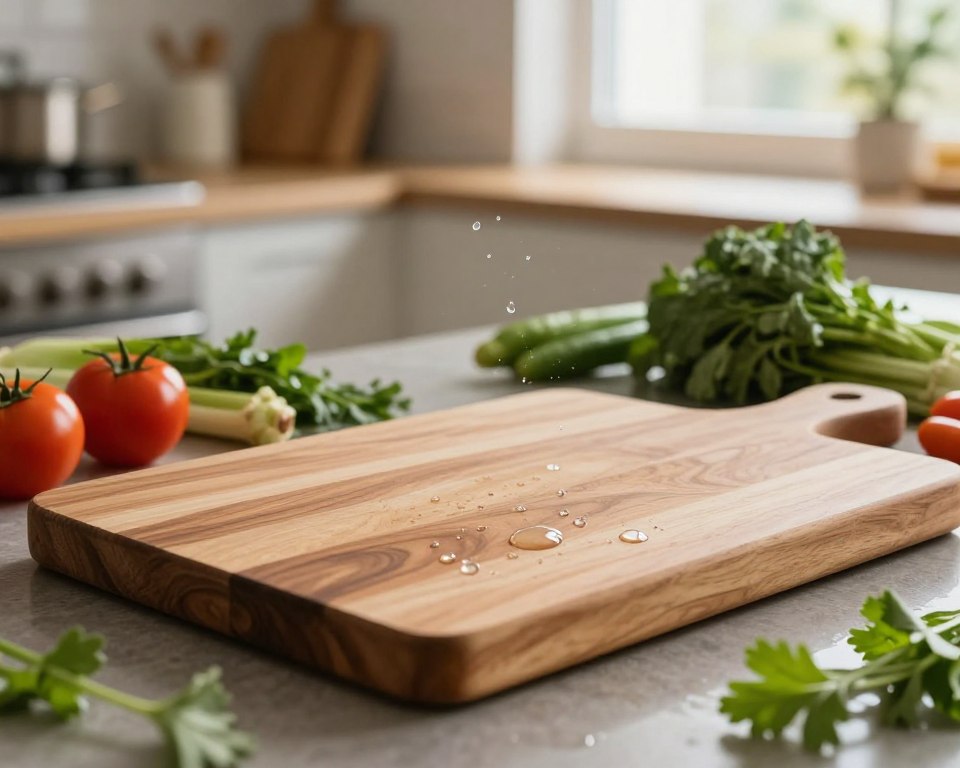
Wood has special chemicals called tannins, found in many trees. These help protect the tree and might slow down some bacteria. Also, wood’s capillary action helps manage moisture on its surface.
When bacteria-laden liquid touches wood, the capillary forces draw it deep into the wood. This action removes bacteria from the surface and keeps them inside. As the wood dries, the lack of moisture and tannins can kill these trapped germs, as research on surface hygiene shows.
Limitations of Natural Wood Defenses
Even though wood has antimicrobial properties, it’s not enough to skip cleaning. These natural barriers can’t handle big amounts of germs right away. Relying only on wood to clean itself is risky and can cause food poisoning.
Always wash, rinse, and sanitize your wooden boards to keep food prep areas safe. The table below shows how wood compares to other materials in terms of surface dynamics.
| Feature | Hardwood Surface | Plastic Surface |
|---|---|---|
| Moisture Absorption | High (Capillary Action) | None |
| Chemical Defense | Contains Tannins | None |
| Surface Integrity | Self-healing fibers | Prone to deep scarring |
| Sanitation Need | Required | Required |
Selecting the Right Wood Species for Your Kitchen
The life and cleanliness of your cutting board depend on the wood type you choose. Not all woods are good at fighting moisture and bacteria. Picking the right wood is key to a safe kitchen.
Hardwoods Versus Softwoods for Cutting Boards
The main difference is in the wood’s density. The hardwood vs softwood debate focuses on how they handle knives and liquids.
Softwoods, like pine or cedar, have open cells. They soak up liquids and food easily, making them a breeding ground for bacteria. So, they’re not the best choice for cutting boards.
Hardwoods, on the other hand, have a tighter grain. This makes them better at resisting cuts and keeping moisture out. Choosing a denser wood reduces where bacteria can hide.
Benefits of Maple and Walnut Boards
Professional kitchens often go for certain woods for their strength and durability. Hard rock maple is top-notch because of its tight grain and toughness.
Walnut is also a great pick, offering beauty and function. It’s as stable as maple, resisting knife marks well. This keeps the board clean longer.
Knowing the difference between hardwood vs softwood helps you buy lasting kitchen tools. Choosing dense hardwoods means your kitchen gear stays reliable and clean for years.
Maintenance Protocols for Long-Term Safety
Keeping your wooden surfaces clean is key to avoiding bacteria. Wood naturally fights off germs, but only if it’s in good shape. Taking care of your cutting board maintenance ensures it stays safe and useful in your kitchen.
The Importance of Regular Oiling and Conditioning
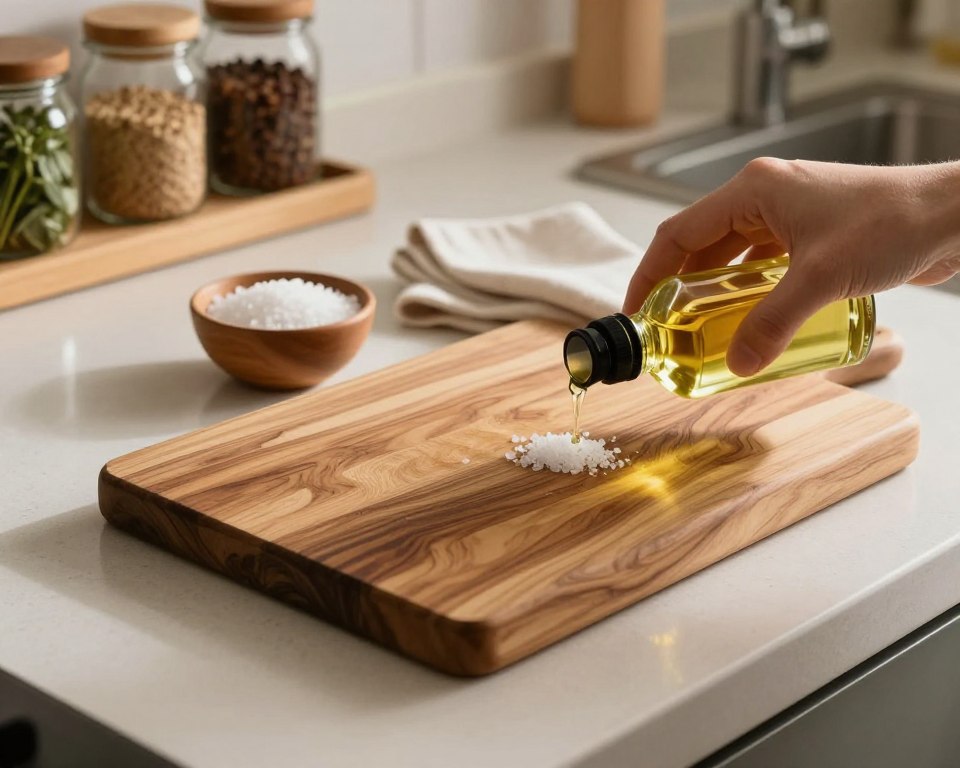
Wood changes size with the weather. Without oil, it can crack and splinter. Using food-safe oil or beeswax keeps the wood moist and strong.
This moisture barrier stops warping and keeps bacteria out. Regular conditioning makes the wood smooth and strong. A well-oiled board is much easier to clean than a dry one.
“A well-maintained wooden surface is not just an aesthetic choice; it is a fundamental requirement for a sanitary kitchen environment.”
Preventing Cracks and Crevices Where Bacteria Hide
Cracks in wood are a big risk for food safety. Dry wood develops cracks that trap food and moisture. These spots are hard to clean and perfect for bacteria.
Checking your tools for damage after each use is important. If you see deep cracks, it’s time to fix the board. Regular oiling stops cracks before they start, keeping the surface clean.
By cleaning and conditioning regularly, you block bacteria from getting in. This not only makes your tools last longer but also keeps your kitchen clean.
Cleaning Techniques to Minimize Pathogen Exposure
Cleaning wooden kitchenware needs a special approach to keep food safe and the wood intact. Unlike other materials, wood must be handled with care to avoid damage from moisture. A structured cleaning routine helps remove food bits and cuts down on harmful germs.
Effective Washing Methods for Wooden Surfaces
Washing a wooden board by hand right after use is the best method. Use warm water and a gentle dish soap. Scrub it well with a sponge or stiff-bristled brush.
Don’t soak the board in a sink. Too much water can make the wood warp or crack. After washing, rinse it well and dry it with a clean towel.
It’s important to stand the board upright to air dry. This helps moisture evaporate evenly. It prevents moisture from getting trapped, which can lead to unwanted growth.
“Cleanliness is the hallmark of a professional kitchen, and the tools you use are the foundation of that safety.”
When to Use Vinegar or Hydrogen Peroxide
For everyday care, a mix of salt and lemon juice is great. Sprinkle salt on the board and scrub with a lemon half. It’s a gentle way to keep things clean without harsh chemicals.
If you’ve handled raw meat or poultry, you might need something stronger. A light spray of 3% hydrogen peroxide or white vinegar can help. Always rinse the board well after using these solutions to remove any leftover residue.
The Risks of Deep Knife Scars in Cutting Boards
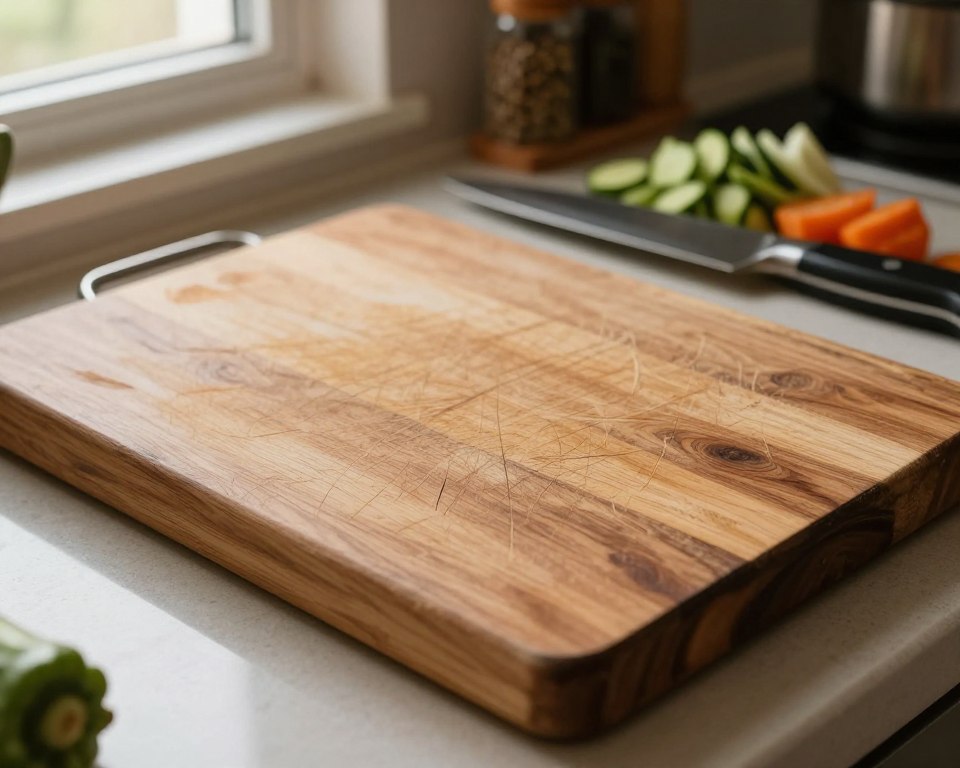
While a few light scratches are normal, deep knife scars can change your kitchen’s safety. These grooves are more than just looks; they are structural failures that can hide bacteria.
When a knife blade hits the same spot over and over, it makes a channel hard to clean. This allows bacteria to grow, even after washing.
How Deep Grooves Compromise Surface Integrity
The main risk of deep scarring is creating a micro-environment where food and moisture get trapped. These narrow crevices are too small for sponge bristles, making them perfect for bacteria to grow.
As time goes on, these cuts can hold onto smells and even spread germs. If your board stays damp or smells bad after cleaning, it’s likely damaged.
“A clean kitchen is the foundation of food safety, and the tools you use are the first line of defense against foodborne illness.”
Resurfacing and Sanding Techniques for Safety
If your board has deep scars, you might not need to throw it away. Many wooden boards can be fixed by sanding off the damaged top layer. This reveals a fresh, smooth surface.
To sand your board, start with medium-grit sandpaper and then use fine-grit to smooth it out. Always end with food-grade mineral oil to seal the wood and keep it safe from moisture.
But, you can only sand so much before the board gets too thin or unstable. If it’s warped, cracked, or too thin, it’s time for a cutting board replacement. Knowing when to replace a tool is as important as knowing how to keep it safe for your kitchen.
Managing Raw Meat Preparation on Wood
Handling raw meat on wooden surfaces needs special care to keep things safe. Wood naturally fights off bacteria, but it’s still important to handle raw proteins carefully. By knowing how to reduce cross-contamination risks, you can keep your kitchen clean and healthy.
Best Practices for Handling Poultry and Beef
When you’re working with poultry or beef, your main goal is to stop juices with harmful bacteria like Salmonella or E. coli. Make sure your wooden board is on a stable, non-slip surface to avoid spills. After you’ve worked with raw meat, clean the board right away to follow food safety best practices.
Use mild dish soap and hot water to clean the board well. Don’t soak the board, as too much water can damage the wood. If you’re working with high-risk items like raw chicken, rinse the board with a diluted vinegar solution for extra cleaning.
Dedicated Boards for Different Food Groups
The best way to avoid cross-contamination risks is to use different boards for different foods. Having one board for raw proteins and another for produce or bread stops the spread of pathogens. This simple rule is key to food safety best practices in any kitchen.
Label your boards or pick different wood types for different foods to stay organized. For example, use a big, thick maple board for meat and a smaller walnut board for veggies. This way, your kitchen stays safe and clean for every meal.
| Food Category | Recommended Board Type | Sanitation Priority |
|---|---|---|
| Raw Poultry | Hard Maple (End-Grain) | High (Immediate Wash) |
| Raw Beef/Pork | Hard Maple or Walnut | High (Immediate Wash) |
| Vegetables/Fruit | Any Food-Safe Wood | Moderate (Standard Wash) |
| Bread/Dry Goods | Softwood or Decorative | Low (Dry Clean) |
Environmental and Sustainability Considerations
Today, people care more about the planet and choose sustainable kitchenware for it. This choice helps reduce our impact on the environment. By looking at how our tools are made and used, we can help both ourselves and the planet.
Comparing Renewable Wood to Petroleum-Based Plastics
Wood and plastic come from different places and affect the environment differently. Wood is a renewable resource that helps forests grow and absorbs carbon. On the other hand, plastic comes from oil, a resource that won’t last forever.
Plastic boards can break down and release tiny plastic pieces. These can get into our water and harm the environment. Choosing sustainable kitchenware like wood avoids this problem.
Longevity and Waste Reduction in the Kitchen
Choosing durable items is key to being eco-friendly. Plastic boards get worn out quickly and need to be replaced often. But a good wooden board can last for decades with the right care.
By picking the best cutting board material, your kitchen tools will last longer. Wood can be refinished and reused, making it a smart choice for a green kitchen. This way, you keep your kitchen safe and efficient while helping the planet.
Common Myths About Wooden Kitchenware
Many people think wood is less safe for kitchens because it’s natural and porous. But, science shows this isn’t true. Wood can actually be safer than other materials.
Debunking the Idea That Wood Is Inherently Unsanitary
Some believe wood holds onto bacteria, making it hard to clean. But, high-quality wood has special properties that kill germs. Scientific studies prove wood can be cleaner than plastic.
“The structural integrity of wood, combined with its natural chemical defenses, creates an environment that is surprisingly hostile to common foodborne pathogens.”
When we ask if wooden cutting boards are safer, we must consider how they fight microbes. Unlike plastic, wood can clean itself through a process called capillary action.
Addressing Concerns About Moisture Absorption
People worry that wood absorbs too much moisture. But, wood doesn’t soak up bacteria when you take care of it. Oiling the wood creates a protective layer that keeps it dry and clean.
| Feature | Wooden Boards | Plastic Boards |
|---|---|---|
| Surface Integrity | Self-healing fibers | Permanent scarring |
| Bacterial Survival | Lower (antimicrobial) | Higher (in deep cuts) |
| Maintenance | Requires oiling | Dishwasher safe |
The safety of your kitchen tools really depends on how well you take care of them. Proper care, like regular oiling and quick cleaning, makes wood a safe choice for cooking. Are wooden cutting boards safer? Yes, if you take good care of them, they are a great option for any kitchen.
The Impact of Humidity and Kitchen Environment
Keeping your wooden cutting board in good shape means understanding humidity’s role. Wood absorbs or releases moisture based on the air around it. This can change your kitchen tools’ structure if not managed right.
How Ambient Conditions Affect Board Stability
When your kitchen is too dry, wood loses moisture and shrinks. This can cause warping or small cracks. On the other hand, too much humidity makes wood swell, stressing glued joints.
Keeping your kitchen stable is key to avoiding these problems. Don’t store your boards near heat sources like ovens or dishwashers. These areas have quick changes in temperature and moisture, damaging your board’s flat surface.
Preventing Mold and Mildew Growth
Mold and mildew love damp, still air where moisture can’t escape. To stop them, make sure your board has adequate airflow. Don’t leave a damp board flat on a countertop, as it traps moisture and fosters fungal growth.
Instead, store your boards vertically or lean them against a wall. This lets both sides dry evenly. If you live in a humid area, use a dehumidifier or apply food-grade mineral oil often. This barrier limits wood’s moisture absorption.
| Environmental Factor | Effect on Wood | Risk Level | Recommended Action |
|---|---|---|---|
| High Humidity | Excessive Swelling | Moderate | Increase Ventilation |
| Low Humidity | Shrinking/Cracking | High | Apply Mineral Oil |
| Direct Heat | Warping/Splitting | Critical | Relocate Storage |
| Poor Airflow | Mold/Mildew | High | Store Vertically |
Comparing End-Grain Versus Edge-Grain Construction
The choice between end-grain and edge-grain construction is more than looks. It affects how your board handles moisture, bacteria, and knives over time.
Structural Differences and Their Impact on Hygiene
Edge-grain boards are made by gluing wood strips together with the long fibers facing up. This makes a hard, smooth surface that resists deep cuts but doesn’t soak up liquids easily.
End-grain cutting boards, on the other hand, are made by stacking wood blocks on their ends. This exposes the vertical fibers, making the board more porous. It absorbs oils well, creating a natural barrier against moisture and bacteria.
Durability and Knife Maintenance Factors
End-grain cutting boards have a big advantage: they can “self-heal.” When a knife hits the surface, it slides between the wood fibers, not cutting through them.
This means the fibers don’t get cut, so they can close back up after the knife is gone. Your knives stay sharp longer because they don’t have to cut through the wood fibers like they do with edge-grain surfaces.
| Feature | Edge-Grain | End-Grain |
|---|---|---|
| Knife Impact | High resistance | Gentle absorption |
| Self-Healing | Minimal | Excellent |
| Maintenance | Standard oiling | Frequent oiling |
| Durability | Very high | High |
When to Replace Your Cutting Board
Knowing when to replace a wooden cutting board is key to a safe kitchen. Even top-quality wood can wear down over time. Replacing your cutting board can keep your kitchen clean and safe.
Identifying Signs of Irreparable Damage
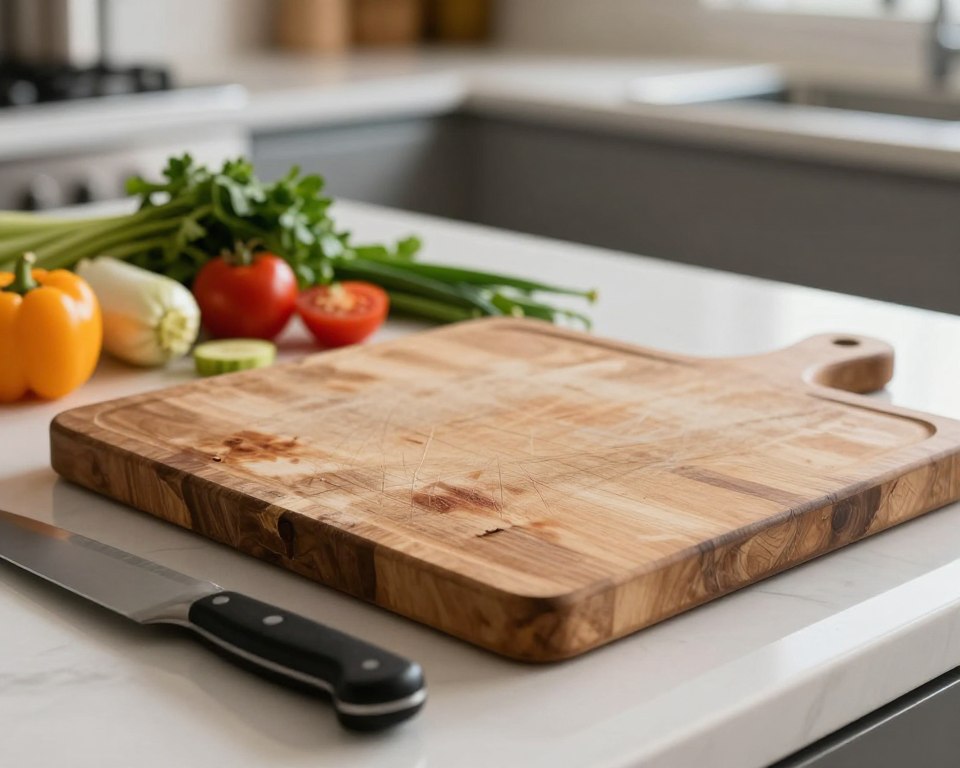
Deep, jagged knife scars are a big sign that a board needs to be replaced. These scars trap food and moisture, making cleaning hard. If your board warps, it’s also a sign of damage.
Strong, sour smells can mean bacteria are growing in the wood. Even cleaning it won’t get rid of these smells. At this point, it’s time for a new cutting board to avoid contamination.
Safety Thresholds for Aging Kitchen Tools
Knowing when to replace a tool depends on its condition. If it’s too rough to clean, it’s time for a new one. The wood must dry out between uses to stay safe.
Keeping your tools in good shape helps them last longer. But, deep damage can’t be fixed. If your board needs constant sanding, it’s time for a new one. Here’s a guide to check your tools.
| Condition | Severity | Recommended Action |
|---|---|---|
| Light surface scratches | Low | Continue use with regular oiling |
| Deep, visible grooves | High | Resurface or replace immediately |
| Persistent foul odors | Critical | Immediate cutting board replacement |
| Significant warping | Critical | Discard and replace |
Integrating Wooden Boards into a Modern Kitchen Workflow
Keeping your kitchen safe is easy with the right mindset towards wooden boards. These surfaces add a touch of warmth and style to your kitchen. But, they need care to stay clean and safe for food prep.
Balancing Aesthetics with Practical Safety
Wooden boards are often the kitchen’s focal point. Yet, their beauty doesn’t mean they’re always clean. Wood is a natural, absorbent material that needs regular cleaning and drying.
Unlike plastic boards, wood doesn’t hold onto chemicals. It’s a safe choice for your kitchen. Choose boards made for heavy use to handle daily tasks well.
Establishing a Routine for Board Care
Regular care is key to keeping your boards in top shape. A routine helps prevent moisture and food buildup. This stops bacteria from growing. Here are some easy steps to follow:
- Immediate Cleaning: Clean the board with mild soap and water right after use. This stops food bits from getting stuck in the wood.
- Thorough Drying: Let the board dry standing up. Make sure both sides get air to dry completely.
- Regular Conditioning: Use food-grade oil or wax every month. This keeps the wood moist and protected.
- Scheduled Inspection: Look for deep cuts or splinters. Light sanding can fix these and make the board safe again.
By following these steps, you make caring for your boards a part of cooking. This keeps your kitchen safe and efficient for all your meals.
Conclusion
Choosing the right surface for food prep is key. It’s about the material and how well you take care of it. Whether you like maple’s natural look or plastic’s ease, keeping things clean is crucial.
Following food safety best practices makes your kitchen tools safe. Use separate boards for raw meat and veggies to avoid contamination. This simple step helps keep your kitchen clean.
Check your boards often for damage. If they’re too worn, it’s time for a new one. This keeps your kitchen safe from harmful bacteria.
Sticking to these habits makes your kitchen safe. Clean regularly, store right, and replace old tools. These steps protect your family and make cooking safer and more efficient.
FAQ
Are wooden cutting boards more hygienic than plastic alternatives?
Research from the University of California, Davis shows plastic isn’t always safer. Bacteria like Salmonella and E. coli stay longer on plastic. But wood’s capillary action traps bacteria, keeping them from coming back.
Which wood species provide the best balance of safety and durability?
Look for closed-grain hardwoods like Sugar Maple, American Cherry, and Black Walnut. They resist liquids and food well. Avoid softwoods like pine or cedar because they hold moisture and bacteria.
How do the “self-healing” properties of wood contribute to kitchen safety?
Wood doesn’t get permanent scars like plastic does. When cut, wood fibers close back up. This makes cleaning easier and safer.
Can I safely prepare raw poultry and beef on a wooden surface?
Yes, but follow strict sanitation protocols. Use separate boards for meats and produce. This helps prevent cross-contamination.
What are the most effective methods for sanitizing a wooden board?
Use hot water and dish soap for daily cleaning. For raw meat, try distilled white vinegar or hydrogen peroxide. Avoid the dishwasher to prevent damage.
Why is oiling a cutting board necessary for hygiene?
Oiling with mineral oil or Howard Butcher Block Conditioner keeps wood dry. This prevents bacteria from growing in the wood.
How do I know when it is time to resurface or replace my cutting board?
Check for deep grooves, odors, or warping. Minor scars can be sanded off. But deep cracks mean it’s time for a new board.
Does the kitchen environment affect the safety of wooden tools?
Yes, wood reacts to ambient humidity. Keep boards upright to prevent mildew growth.
Is wood a more sustainable choice than plastic?
Wood is renewable and biodegradable. Plastic ends up in landfills and sheds microplastics. A well-cared-for wooden board lasts longer than plastic.