As a pharmacist, I often get asked about common household items that come into contact with our food. Many families are curious if the thin, coated sheets we use for baking or wrapping leftovers are safe. It’s natural to worry about the materials we use with our meals, wanting the best for our loved ones.
It’s important to know what these kitchen staples are made of. While some products, like furniture wax, need careful handling because of chemicals, food-grade coatings are made differently. We’ll look into the facts to help you feel more confident in your kitchen.
Key Takeaways
- Most standard kitchen wraps are coated with paraffin, which is generally recognized as inert for food contact.
- These products are intended for room-temperature use rather than high-heat cooking applications.
- Always check packaging labels to ensure the product is specific for food preparation.
- Unlike industrial finishes, food-grade coatings do not contain volatile organic compounds or harsh solvents.
- When in doubt, parchment alternatives offer a heat-resistant option for oven-based tasks.
Understanding the Composition of Wax Paper
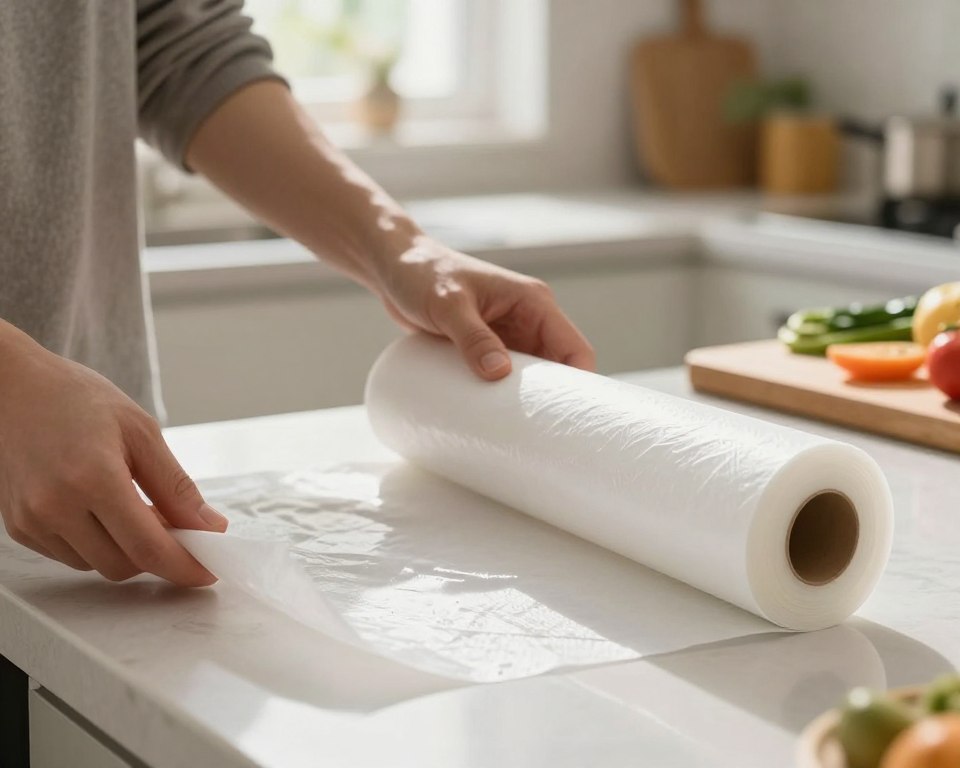
To understand wax paper, we need to look at what it’s made of. It starts with a paper base. Then, a thin layer of wax is added to make it resistant to moisture and non-sticky.
This simple mix makes wax paper useful for many things. You can use it to wrap sandwiches, separate food, or line containers. The type of wax used affects how it works with different foods.
The Manufacturing Process of Paraffin and Soy Wax Coatings
The making of wax paper involves applying paraffin wax coating to the paper. This is done by heating the wax until it’s liquid. Then, it’s spread evenly over the paper.
After cooling, the wax solidifies, creating a barrier that keeps water out. Paraffin wax is common, but soy wax is also used. Soy wax is made from plants and is good for those who want eco-friendly options.
The way wax is applied makes the paper flexible but strong. This is important for wrapping. The wax also has key features:
- Moisture resistance: Stops liquids from passing through.
- Non-stick surface: Makes it easy to remove sticky or moist foods.
- Flexibility: Allows the paper to bend and fit different shapes.
Distinguishing Between Food-Grade and Industrial Waxes
Not all waxes are safe for food. It’s important to know the difference between food-grade wax and industrial waxes. Food-grade wax is safe for eating because it meets strict standards.
Industrial waxes are made for other uses, like floor polish or lubricants. They might have chemicals that are not safe for food.
When picking wax paper for your kitchen, make sure it’s labeled as food-grade wax. This means it’s safe for food. Choosing trusted brands helps ensure the wax is safe for your health.
Is Wax Paper Safe for Direct Food Contact
Food safety is crucial in the kitchen. Most wax paper is safe for food contact. The wax coating is generally safe for accidental contact.
Some worry about wax paper toxicity. But, these worries often come from not knowing how wax paper is made. The materials used are strictly controlled to be safe for kitchen use.
Regulatory Standards and FDA Approval
The FDA sets strict rules for food contact materials. Manufacturers must use food-grade wax. This ensures no harmful chemicals get into your food.
“The safety of food packaging is a cornerstone of public health, ensuring that every material used in the kitchen meets stringent chemical and physical standards.”
Following these rules, companies protect consumers. This means the products you buy are safe and meet standards.
Potential Migration of Wax Particles into Food
Wax can sometimes move from the paper to food, mainly with warm or greasy items. This is normal and not harmful. The waxes used are inert, meaning they pass through your body without being absorbed.
Because these coatings are non-toxic, the risk of wax paper toxicity is very low. Even if you accidentally eat some wax, it’s not a health risk. Proper handling is still important for food quality, but wax paper is safe for everyday use.
The Science of Heat Resistance and Melting Points
Many kitchen accidents happen because people think wax paper is oven-safe kitchen paper. It’s great for storing and preparing food, but it’s not strong enough for high heat. Knowing the wax paper melting point is key to keeping your kitchen safe.
Why Wax Paper Should Never Be Used in the Oven
Wax paper can’t handle oven heat because it melts too easily. It starts to soften and melt at 115°F to 150°F. In a hot oven, it turns into liquid and can ruin your food or catch fire.
This can lead to several dangers in the kitchen:
- Fire Risk: The melted wax can catch fire if it touches hot parts.
- Smoke Production: As it burns, it makes bad smoke that can set off alarms and ruin your food’s taste.
- Structural Failure: The paper gets weak, making it hard to safely take food out of the oven.
Identifying the Smoke Point of Common Wax Coatings
The smoke point is when a substance starts to break down and smoke. Since wax paper’s wax is paraffin-based, it can’t handle oven heat. It will smoke before your oven gets hot enough for baking.
Remember, wax paper is never a good substitute for oven-safe kitchen paper. Always check the labels to make sure you’re using the right paper for your cooking. By knowing the wax paper melting point, you keep your kitchen safe and your equipment working right.
Comparing Wax Paper and Parchment Paper
Wax paper and parchment paper look similar but are used for different things in cooking. Home cooks often pick the nearest roll without knowing the difference. But, using the wrong one can cause smoke, melting, or even fires.
Structural Differences and Silicone Coatings
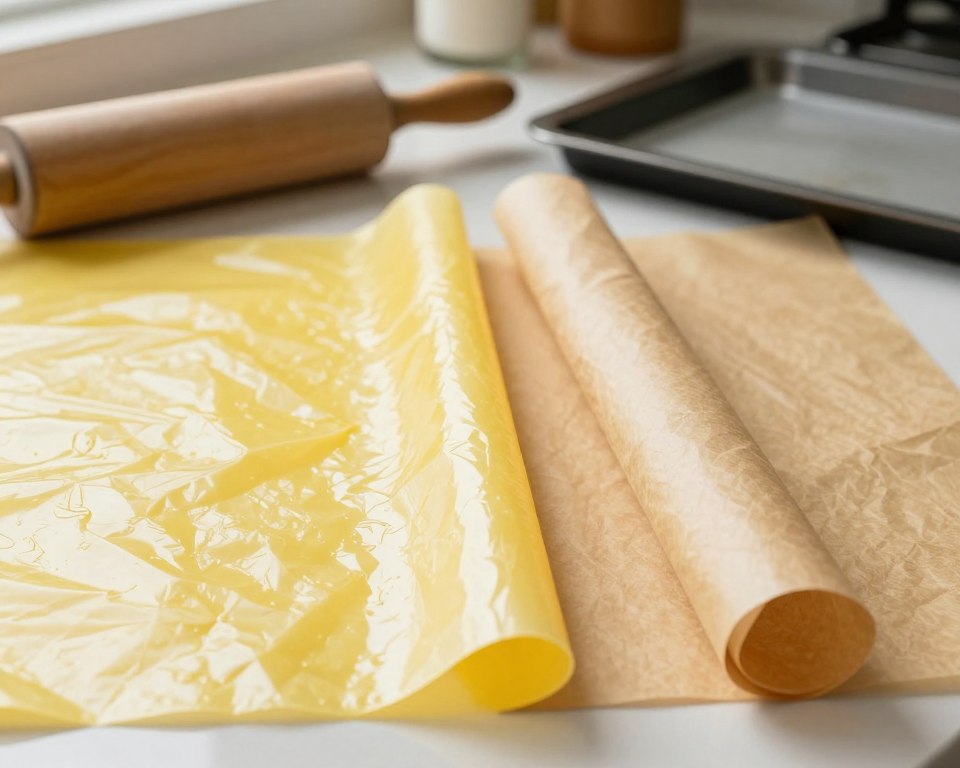
Wax paper has a thin layer of paraffin wax that keeps moisture out but melts at low heat. On the other hand, parchment paper is coated with silicone and can handle high heat without breaking down.
Parchment paper is better for baking because it doesn’t melt and food doesn’t stick. Wax paper is not good for baking because it melts easily. Always think about the heat when choosing between wax paper vs parchment paper.
When to Choose Parchment Over Wax Paper
Parchment is best for oven tasks like baking cookies or roasting veggies. It keeps food from sticking and prevents the paper from smoking. Use wax paper for cold tasks like wrapping sandwiches or covering bowls in the fridge.
Choosing silicone-coated paper like parchment ensures your food turns out right and safely. If you’re not sure about the heat needed, go with parchment. Here’s a table to help you decide.
| Feature | Wax Paper | Parchment Paper |
|---|---|---|
| Coating Material | Paraffin Wax | Silicone |
| Heat Resistance | Low (Melts easily) | High (Oven safe) |
| Primary Use | Cold storage/Prep | Baking/Roasting |
| Non-Stick Ability | Moderate | Excellent |
Safe Practices for Using Wax Paper in the Microwave
Using wax paper in the microwave needs you to know its heat limits. It’s often used to stop food from splattering everywhere. But, it’s different from oven-safe kitchen paper because of its wax coating.
Guidelines for Short-Term Reheating
Wax paper is good for quick reheats. It keeps food moist by trapping steam. Just use it for a minute or two to avoid overheating.
Not sure about your wax paper? Check out the differences between wax and parchment paper. Make sure it doesn’t touch your food to avoid wax transfer. Use microwave-safe paper for short, low-power heating.
Risks of Overheating and Wax Degradation
The biggest risk with wax paper is the wax coating melting. If it gets too hot, the wax can melt and ruin your food. This changes the taste and texture.
Also, too much heat can make the paper brittle or even catch fire. So, don’t use it for long or high-heat cooking. Treat wax paper as a microwave-safe paper for quick reheats to keep your food safe and tasty.
Wax Paper for Food Storage and Preservation
Effective food storage safety often relies on simple, reliable materials like wax paper. It protects your groceries by acting as a moisture-resistant barrier. This helps maintain the quality of ingredients and reduces food waste in your kitchen.
Maintaining Moisture Levels in Refrigerated Goods
The wax coating on the paper shields against dry air in most refrigerators. This is great for items that lose texture quickly, like leafy greens or sliced deli meats. You can store cooked food with wax paper to keep it juicy and crunchy.
Wrapping sandwiches or leftovers in wax paper prevents odor transfer. It creates a micro-environment that keeps food fresh longer. This simple step is key for food storage safety in busy homes.
Preventing Cross-Contamination in the Pantry
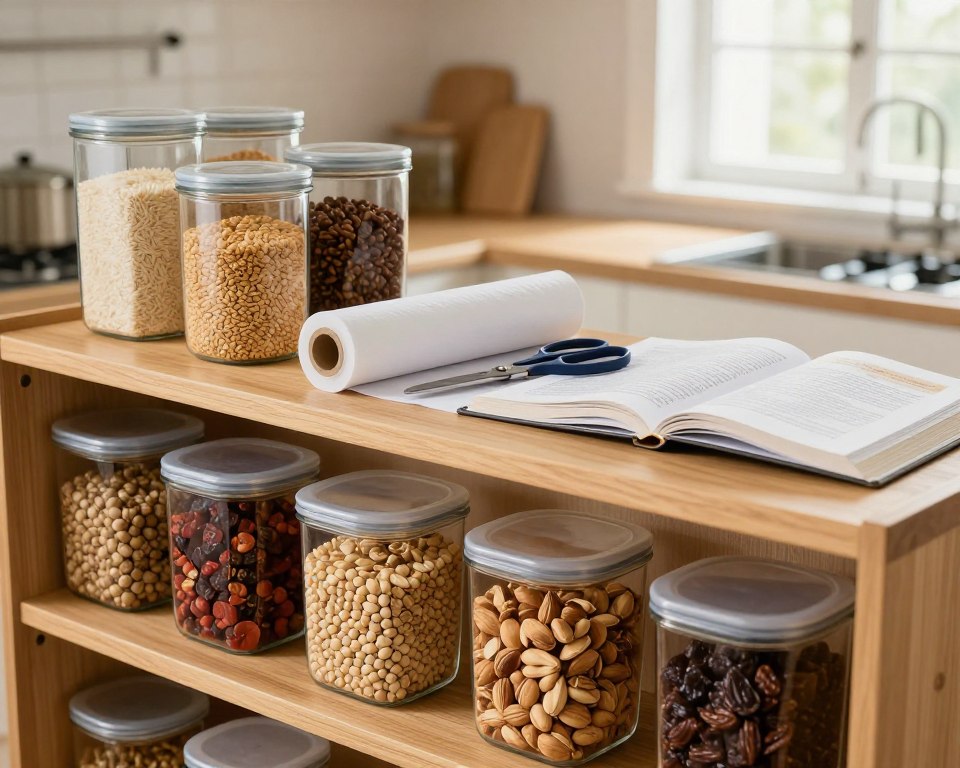
In the pantry, wax paper is great for separating dry goods and baked items. It prevents them from sticking together or absorbing moisture. This keeps your ingredients organized and clean.
Using wax paper between items reduces cross-contamination risk. This is crucial for food storage safety with bulk ingredients or homemade treats. Here’s a table comparing wax paper with other storage methods.
| Storage Method | Moisture Barrier | Best Use Case |
|---|---|---|
| Wax Paper | High | Sandwiches, cookies, cheese |
| Plastic Wrap | Very High | Liquids, raw meats |
| Aluminum Foil | Low | High-heat cooking, grilling |
Using these methods daily supports better food storage safety. By picking the right barrier for each item, you keep food fresh longer and your kitchen organized.
Potential Health Concerns and Chemical Leaching
As a pharmacist, I often get asked about the safety of household items. Many are concerned about the health risks of food wraps. The main worry is not chemical leaching, but how the material acts under certain conditions.
Analyzing Additives and Stabilizers in Commercial Brands
Commercial wax paper is made for kitchen tasks. It has additives to work better. These help the wax stick to the paper and keep it smooth. Rest assured, these are safe for food use.
But, when the wax paper melting point is hit, problems start. The wax softens or melts, losing its shape. This is seen as a chemical issue, but it’s just a change in the wax’s state.
Understanding the Impact of Petroleum-Based Products
Most wax papers use paraffin wax coating from petroleum. The term “petroleum-based” might scare some, but these waxes are very pure. They meet strict food standards and don’t react with food.
The chance of chemical leaching is very low at normal temperatures. But, high heat can make the wax mix with your food. This might change the taste and texture of your meal. Always keep in mind the wax paper melting point for safe use in the kitchen.
Environmental Impact and Biodegradability
Wax paper is common in many American kitchens. But its path from the pantry to the environment is complex. Knowing about wax paper biodegradability is key for those who care about the environment. Unlike some cleaners, wax paper is mostly safe. Yet, its makeup makes disposal tricky.
Compostability of Waxed Paper Products
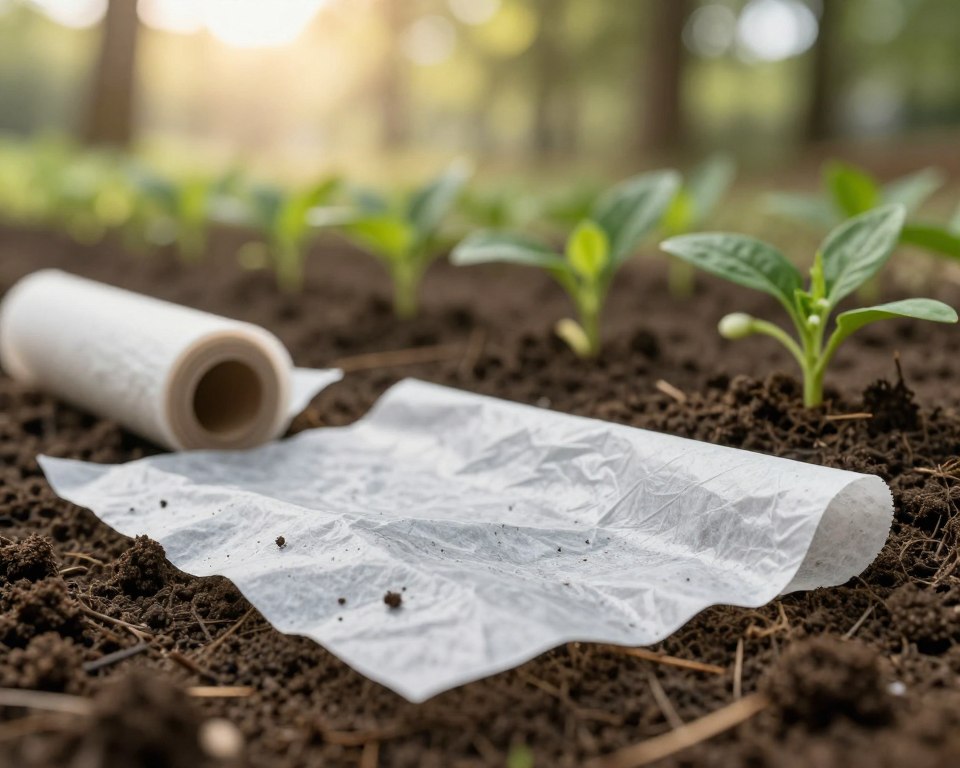
Wax paper’s ability to decompose depends on its coating. Most use paraffin, a petroleum product that breaks down slowly. But, some use soy or vegetable waxes, which are better for the environment.
Thinking about composting wax paper? Here’s what to remember:
- Check the label: Only products labeled as “compostable” or “biodegradable” will work in your compost.
- Avoid heavy contamination: Don’t compost paper with meat juices or oils to avoid pests.
- Breakdown time: Even eco-friendly wax takes longer to break down than plain paper.
Recycling Challenges Due to Wax Contamination
Many people wrongly put wax paper in recycling bins. The wax coating stops it from being recycled. It messes up the recycling process, ruining batches of recyclable materials.
So, wax paper biodegradability doesn’t matter much for recycling. It’s best to treat wax paper as trash. This way, you can reduce your environmental impact and support green practices at home.
Common Misconceptions About Wax Paper Safety
Many people worry about wax paper toxicity because of its treatment. They think it’s dangerous for food prep. But, when used right, it’s safe and stable.
Debunking Myths Regarding Toxicity
One big myth is that wax paper harms food with chemicals. But, food-grade paraffin wax is safe and doesn’t react with food. Scientific evidence shows it’s safe to use.
Here are some key facts to keep in mind:
- The wax is safe for food.
- It’s for cold or room-temperature use, not high heat.
- Misuse, like hot oven use, can cause worries about wax paper toxicity.
Clarifying the Difference Between Waxed and Coated Papers
People often mix up kitchen papers, wondering if is wax paper safe for certain tasks. It’s crucial to know the difference between wax-coated and other papers like parchment or silicone. Learn more about these differences in parchment vs wax paper to pick the right one.
Wax paper keeps moisture out but can’t handle heat like silicone-coated parchment. Is wax paper safe for your task? It depends on the temperature and how long it’s in contact. Following each product’s design ensures a safe kitchen.
Best Practices for Kitchen Safety
When it comes to kitchen safety tips, how you store and handle wax paper is key. It’s often overlooked but crucial. Improper care can cause the wax to break down too soon. Keeping up with good habits keeps your supplies safe and effective.
Proper Handling and Storage Techniques
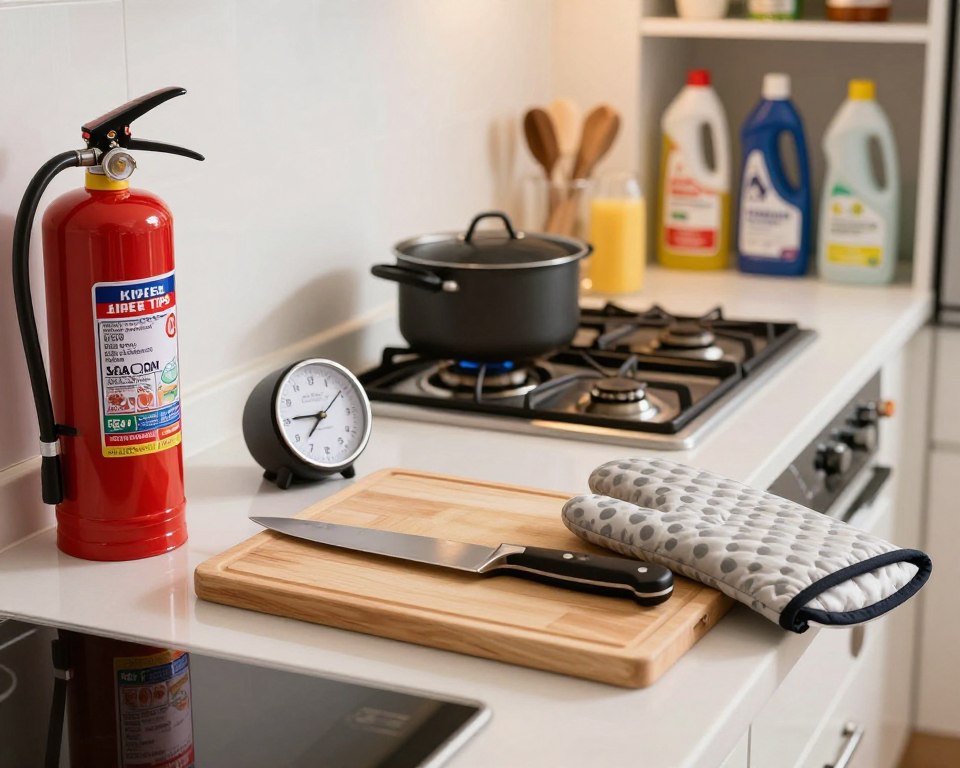
Keep your wax paper rolls in a cool, dry spot, away from sunlight. Heat can soften or melt the wax, ruining the paper’s non-stick quality. For more on keeping your pantry safe, check out how to safely store household cleaners.
Always keep the box closed to prevent dust from getting on the paper. Don’t store it near the stove or other heat sources. Consistent storage is key to keeping your kitchen essentials fresh.
Recognizing Signs of Degraded Wax Paper
Wax paper can age even with proper storage. Always check the sheets before using them. If they feel brittle or the wax is flaking, it’s time to throw them away.
Look out for changes in texture or smell. Oxidized wax can smell bad or turn yellow. Following these kitchen safety tips helps you avoid using bad materials in your cooking.
| Condition | Observation | Recommended Action |
|---|---|---|
| Optimal | Smooth, flexible, uniform coating | Safe for use |
| Heat Damaged | Sticky, uneven, or melted spots | Discard affected area |
| Expired/Aged | Brittle, flaking, or discolored | Dispose of the roll |
Alternatives to Traditional Wax Paper
Many people are moving away from single-use kitchen items towards more lasting and eco-friendly options. While paper products are useful, many are looking for wax paper alternatives that last longer and are better for the planet. The right choice depends on what matters most to you: heat resistance, reusability, or reducing waste.
Reusable Beeswax Wraps as a Sustainable Option
Beeswax wraps are becoming a favorite for covering food instead of using disposable wraps. Made from cotton, beeswax, resin, and jojoba oil, they create a flexible, clingy barrier. These wraps are washable and reusable for up to a year.
From an environmental standpoint, beeswax wraps are a big win. They are wax paper biodegradable. When they wear out, they can be composted at home, leaving no synthetic waste. This makes them a great choice for those wanting to reduce their kitchen’s environmental impact.
Silicone Baking Mats for High-Heat Applications
For tasks that involve high heat, paper products often can’t keep up. Silicone baking mats are a better choice for roasting and baking. They handle heat much better than silicone-coated paper. Plus, they have a non-stick surface that means you don’t have to replace them all the time.
The main advantage of these mats is their exceptional durability and heat resistance. They’re made to be used thousands of times without losing quality or releasing harmful chemicals into your food. Choosing high-quality silicone tools helps make your kitchen more efficient and sustainable, reducing the need for disposable items.
Wax Paper in Professional Culinary Environments
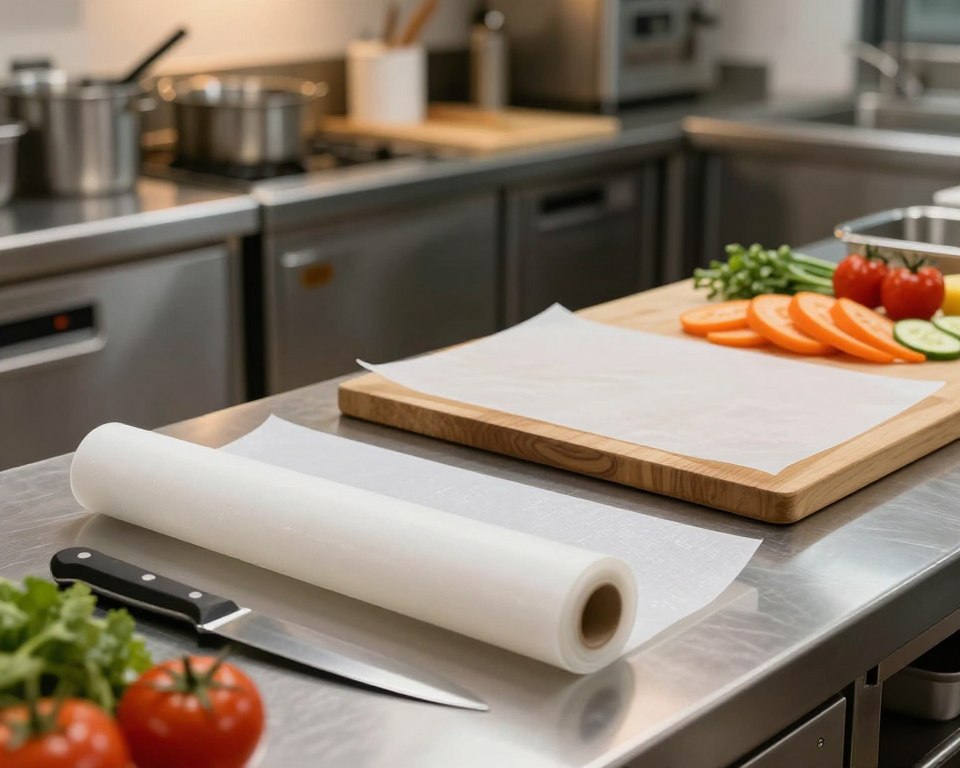
In the fast-paced world of professional culinary arts, wax paper is key for chefs. Home cooks see it as a simple item, but commercial kitchens need it for complex tasks. Its smooth, moisture-resistant surface is crucial for high-volume production.
Usage in Confectionery and Chocolate Work
Confectioners use wax paper for its non-stick surface. It helps with tempering chocolate and cooling sugar work without damage. Precision is paramount in these tasks, and wax paper’s smooth finish keeps chocolate looking right.
“The secret to perfect chocolate work lies in the tools that offer reliability without interference; wax paper remains a staple for its consistent performance in the pastry shop.”
Sanitation Protocols in Commercial Kitchens
Food safety in professional kitchens is strict. Chefs know wax paper is for one-time use, reducing cross-contamination risk. They follow kitchen safety tips to discard paper liners after touching raw ingredients.
For tasks needing more heat or durability, professionals use wax paper alternatives. This keeps kitchens safe and efficient. Wax paper is a trusted tool when used correctly.
The Role of Wax Paper in Food Packaging
In today’s fast world, wax paper is key for keeping food fresh. It’s a cost-effective way to wrap sandwiches, pastries, and more. This keeps food in top shape for when it reaches the customer.
Barrier Properties Against Grease and Moisture
Wax paper is great because it blocks grease and moisture. It keeps takeout containers strong, unlike regular paper. This is because standard paper can’t handle oils or sauces well.
Even though some want microwave-safe paper, wax paper is made for moisture control, not for cooking. Its non-stick surface keeps food like baked goods fresh. This is a big part of keeping food safe to eat.
Consumer Safety in Takeout and Deli Applications
Commercial kitchens need materials that are easy to use and clean. Wax paper adds a safe layer that keeps food clean until it’s eaten. This simple step is crucial for keeping food fresh and good to eat.
Choosing the right packaging shows a place cares about health. Using top-notch wax paper means food stays free from bad tastes or smells. This helps keep the food service industry safe and high-quality.
Evaluating Brand Quality and Safety Standards
Learning to read product labels is key to keeping your food safe at home. Many products look the same, but their making and quality checks differ. Being a smart shopper helps you choose better for your family’s health.
What to Look for on Product Labels
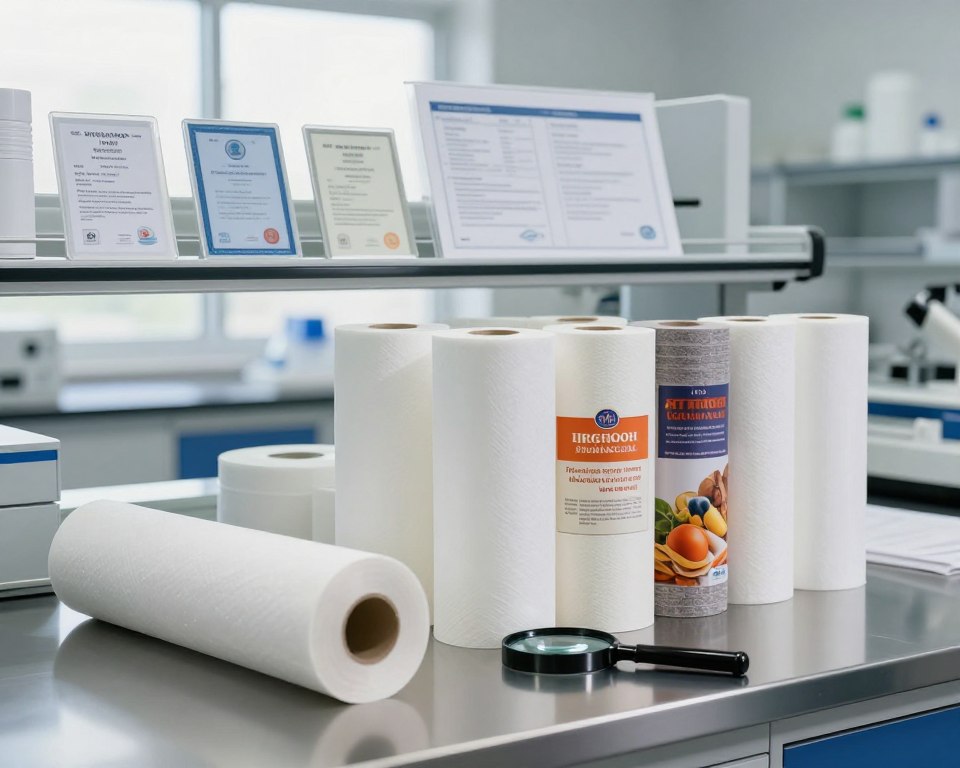
Look for signs that the product is safe for food. Good brands say their paper is food-grade. This means it meets strict rules for use with food. Stay away from products with unclear labels or vague chemical info.
Look for symbols showing the product meets health standards. Quality brands share details about their wax, like if it’s from animals or plants. This openness shows they care about your safety and avoid harmful additives.
“The responsibility of the consumer is to look beyond the marketing claims and verify the technical certifications that ensure a product is truly safe for food contact.”
Third-Party Testing and Certification Importance
Independent checks add a layer of trust that a brand follows strict safety rules. Third-party tests check for chemicals and heat safety, offering unbiased results. Brands that invest in these tests show they care more than just meeting laws.
Choosing brands that get regular checks helps keep food safe. You can find this info on the company’s website or in safety databases. Using these tools helps you make safer choices for your kitchen.
| Feature | Standard Quality | Premium Quality |
|---|---|---|
| Food-Grade Certification | Basic Compliance | Third-Party Verified |
| Label Transparency | Minimal Info | Detailed Ingredients |
| Safety Testing | Internal Only | Independent Audits |
| Packaging Integrity | Standard | Tamper-Evident |
Addressing Specific Dietary and Allergy Concerns
For people with allergies, knowing what’s in kitchen items is key. Most kitchen stuff is safe for most people. But, those with allergies need to know more about what they use to store or cook food.
Considerations for Sensitive Individuals
Many worry about the wax in products. Most use paraffin or soy wax. If you’re allergic to soy, make sure the wax isn’t from soy.
Transparency in labeling helps manage risks. Always check the packaging for what’s inside. If it doesn’t say, pick something else that does.
Ensuring Purity in Wax Coatings
Choosing a food-grade wax product is important. Look for high-quality ones that are pure. This keeps your food safe from chemicals.
The table below shows common coatings and their safety for sensitive users:
| Wax Type | Source | Sensitivity Risk | Best Use |
|---|---|---|---|
| Paraffin | Petroleum | Low (if refined) | General storage |
| Soy Wax | Soybeans | Moderate (soy allergy) | Eco-friendly storage |
| Beeswax | Honeybees | Low (unless allergic to bee products) | Reusable wraps |
To keep your kitchen safe, know what you’re using. Choose food-grade wax that’s tested well. This lowers the chance of chemical leaching and keeps your food safe.
Conclusion
Choosing the right material for your kitchen tasks is key to safety. Knowing the differences between wax paper and parchment paper helps you cook and store food better.
Wax paper is great for keeping cold foods fresh. It’s perfect for wrapping sandwiches or lining containers. It stops moisture, keeping your food fresh without needing to heat it up.
But, when you need to use the oven, parchment paper is the better choice. Its special coating can handle high heat. This makes it non-stick, unlike wax paper.
Using the right paper for each task keeps your kitchen safe. It helps you get better results and keeps your food clean. Check your supplies and sort them by heat resistance for better kitchen efficiency.
FAQ
Is wax paper safe for daily contact with my family’s food?
Yes, wax paper is safe for its intended use. Brands like Reynolds Kitchens use food-grade coatings. These meet strict FDA standards for safety. It’s good for cold storage, wrapping sandwiches, or as a prep surface. But, keep it away from high-heat environments where the coating could degrade.
What chemicals are used in the coating of products like If You Care wax paper?
Most wax papers are coated with paraffin wax or soy-based wax. These coatings are chemically inert and non-toxic. The manufacturing process ensures the wax adheres to the paper fibers. This provides a functional moisture barrier without harmful additives.
Can wax paper be used in a conventional oven for baking?
Absolutely not. Unlike parchment paper, wax paper is not heat-resistant. The wax coating melts at temperatures as low as 115°F. The paper itself can smoke or ignite at standard baking temperatures. For oven use, a silicone-coated product or a Silpat reusable mat is safer.
Is it safe to microwave food covered with a sheet of wax paper?
Wax paper is safe for short-term reheating in the microwave. It prevents splatters and retains moisture. But, it should not be used for long-duration cooking. Excessive heat can melt the wax off the paper and onto your food.
What is the main structural difference between wax paper and parchment paper?
The main difference is the coating. Wax paper uses paraffin or soy wax, which is great for cold applications but has no heat resistance. Parchment paper, like King Arthur Baking’s, is treated with silicone. This provides a non-stick surface stable at temperatures up to 450°F. Using the wrong one in the oven can cause kitchen smoke alarms.
Does wax paper pose a risk of chemical leaching into fatty or acidic foods?
When used at room temperature or in the refrigerator, there is no significant chemical migration. The food-grade paraffin used by reputable brands is stable. But, the risk of “migration” increases if the wax is heated to its melting point. Temperature control is the most critical safety factor.
Is wax paper biodegradable or can I put it in my recycling bin?
While the paper fibers are biodegradable, wax paper is generally not recyclable. The wax coating contaminates standard paper recycling streams. Some brands are compostable in industrial facilities. But, check the packaging for specific certifications to ensure responsible disposal.
Can individuals with soy allergies safely use wax paper?
Most traditional wax papers use petroleum-based paraffin, which is unlikely to cause an allergic reaction. But, “green” or “eco-friendly” brands may use soy wax. If you have a severe soy sensitivity, check the product label or contact the manufacturer to verify the wax coating’s source.
Why do professional chocolatiers prefer wax paper over other wraps?
Professional chocolatiers prefer wax paper for its exceptional non-stick properties with cooling fats. It ensures a clean release and a professional sheen when working with tempered chocolate. It excels in cold-application culinary environments.
How should I store my wax paper to ensure it stays safe for use?
Store the wax paper in a cool, dry pantry away from the stove or dishwasher. Exposure to fluctuating heat can cause the wax to become brittle or lose its non-stick efficacy. If the paper feels excessively tacky or has a “stale” odor, replace the roll.
Are there any toxic fumes released if wax paper accidentally melts?
If wax paper is accidentally exposed to high heat in an oven, it will produce smoke and potentially a flash fire. The food-grade paraffin does not release acutely toxic “poisonous” fumes in small household quantities. The main danger is the physical fire hazard and the inhalation of smoke, rather than specific chemical toxicity from the wax itself.
What are the best sustainable alternatives to single-use wax paper?
For reducing waste, Bee’s Wrap is an excellent reusable alternative for cold storage. It’s made with beeswax, jojoba oil, and resin. For high-heat cooking, silicone baking mats offer a permanent, non-stick, and heat-safe solution. They align with a more sustainable kitchen toolkit.