As a pharmacist, I often talk to families worried about hidden chemicals in their homes. We usually focus on what we eat, but forget about the vessels we use every day.
Choosing the right kitchen items is more than just easy access. It’s a clinical decision about chemical safety. I look at these common items with a scientific eye to keep your home safe from harmful chemicals.
It’s important to know how different materials react to heat and time for your health. This analysis gives you a clear view of safety and durability. It helps you move towards healthier habits.
Key Takeaways
- Clinical evaluation of material stability is vital for household safety.
- Chemical leaching remains a primary concern with synthetic containers.
- Non-porous materials offer superior resistance to bacterial growth.
- Heat exposure significantly alters the integrity of various synthetic polymers.
- Evidence-based choices support long-term health and environmental sustainability.
The Evolution of Kitchen Storage Materials
Looking back at the history of food containers sheds light on the glass vs plastic debate. For years, people used heavy, non-reactive materials like ceramic and glass. These were tough but hard to move around in a busy kitchen.
From Ceramic to Modern Polymers
The mid-20th century was a big change for kitchen storage. New synthetic polymers came along in the 1950s. This led to the creation of light, easy-to-use containers.
These new materials changed how containers interacted with food. People liked how easy they were to use. They chose convenience over the lasting quality of older materials.
The Rise of Convenience-Driven Storage
Plastic containers quickly became popular because of our fast-paced lives. They were light, affordable, and could be shaped in many ways. This made them perfect for the modern home.
- Portability: They were easy to carry for work or school.
- Affordability: They were cheap to make, so everyone could get them.
- Versatility: They could be molded to fit any space.
But, the focus on ease often ignored the risks of material breakdown. The glass vs plastic debate shows plastic’s rise was about convenience, not safety. Knowing this helps us see why plastic is still a big issue in kitchens today.
Is Glass Food Storage Better Than Plastic: A Pharmacist’s Perspective
When we talk about food storage safety, it’s key to watch out for chemicals moving from containers into our food. As a pharmacist, I see how kitchen materials can affect our health over time. Not all containers are the same when it comes to keeping chemicals stable.
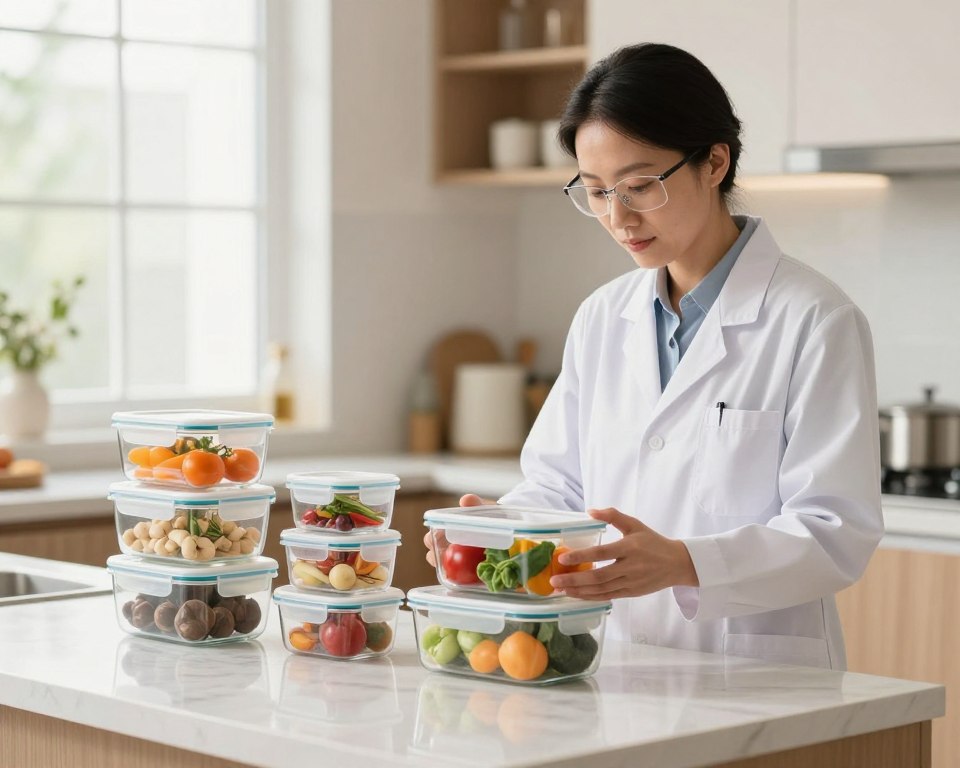
Evaluating Endocrine Disruptors in Food Contact Materials
Plastics can leak substances that are harmful. Chemicals like Bisphenol A (BPA) and phthalates are known endocrine disruptors. They can mess with our hormones, affecting estrogen, testosterone, thyroid, and adrenal hormones.
These chemicals can act like or block natural hormones. This can upset our body’s balance. Switching to glass removes this risk. Glass doesn’t let these endocrine disruptors get into our food, even when heated or with acidic ingredients.
The Role of Regulatory Standards in Consumer Safety
Rules are set to limit chemical exposure, but they often can’t keep up with new research. Even if plastics seem safe, they might still release chemicals under certain conditions. Relying only on labels can be risky for those focusing on health.
On the other hand, glass is naturally safe and doesn’t need special chemicals to stay strong. Keeping your kitchen clean is also important. Using a stainless steel cleaner safe for appliances helps maintain hygiene. Here’s why many experts choose glass for food storage safety.
| Material Type | Chemical Stability | Hormonal Risk | Durability |
|---|---|---|---|
| Standard Plastic | Low (Leaching potential) | High | High |
| Borosilicate Glass | High (Inert) | None | Moderate |
| Soda-Lime Glass | High (Inert) | None | Moderate |
In conclusion, glass is better than plastic for food storage safety because of its chemical makeup. Glass is a stable, non-reactive choice that keeps your food safe from chemical migration.
Understanding Chemical Leaching in Plastic Containers
Many people use plastic for its convenience. But, chemical leaching is a big worry for those who care about their health. This happens when chemicals from the plastic get into the food or drinks inside. Even though plastic seems stable, it’s not completely safe.
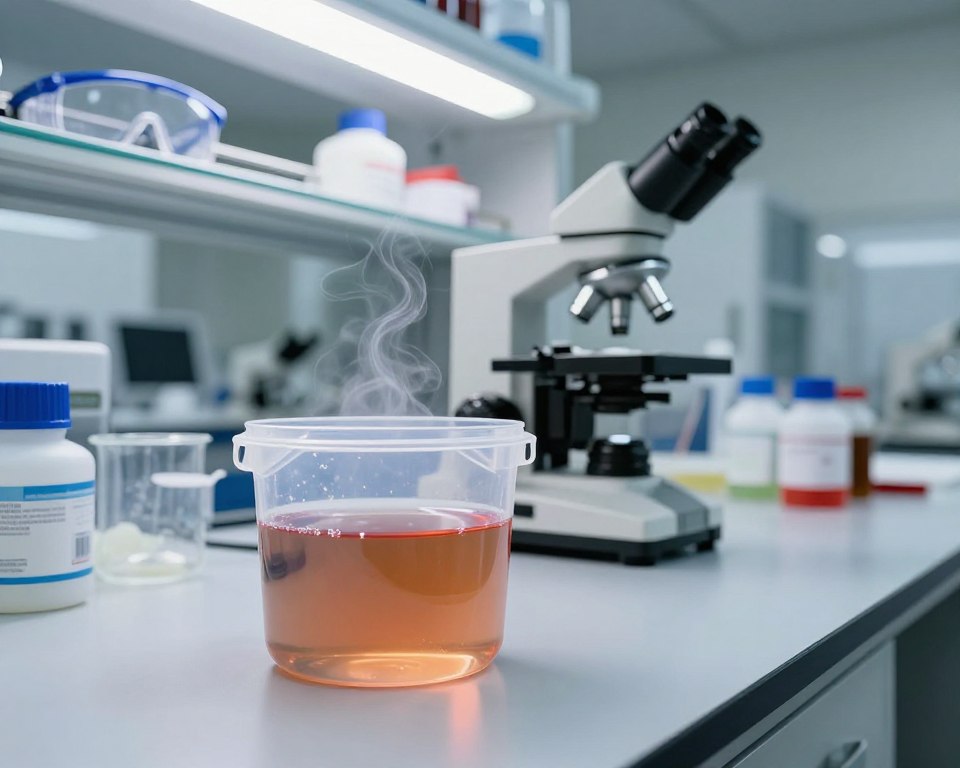
BPA and Phthalates: What You Need to Know
Bisphenol A (BPA) and phthalates make plastics more flexible and durable. But, they can mess with our hormones. Even BPA-free containers might use similar chemicals that are just as risky.
It’s important to know that plastic is made of many chemicals. Just because a product says it’s BPA-free doesn’t mean it’s safe. Learning how to store things safely can help you avoid these chemicals.
How Heat and Acidic Foods Accelerate Leaching
Heat and acidic foods can make chemicals in plastic escape faster. Heat gives molecules more energy to move. Acidic foods, like tomato sauce, can also damage the plastic, making chemicals leak out.
The Impact of Dishwasher Cycles on Plastic Integrity
Dishwashers can really hurt plastic. The hot water and strong cleaners cause tiny cracks. These cracks let chemicals get into your food more easily.
| Material Type | Chemical Stability | Heat Resistance | Leaching Risk |
|---|---|---|---|
| Polycarbonate | Low | Moderate | High |
| Polypropylene | Moderate | High | Low |
| Borosilicate Glass | Very High | Very High | Negligible |
Picking the right container is a smart move to cut down on chemicals. While BPA-free containers are better, glass is still the safest choice.
The Safety Profile of Borosilicate and Soda-Lime Glass
Choosing the right material for food storage is key. Different types of glass can affect your meals in various ways. It’s important to know how they compare to ensure your food stays safe.
Many people think all glass is the same. But, the way it’s made and its chemical makeup are crucial. Knowing this helps you pick the best glass for your kitchen.
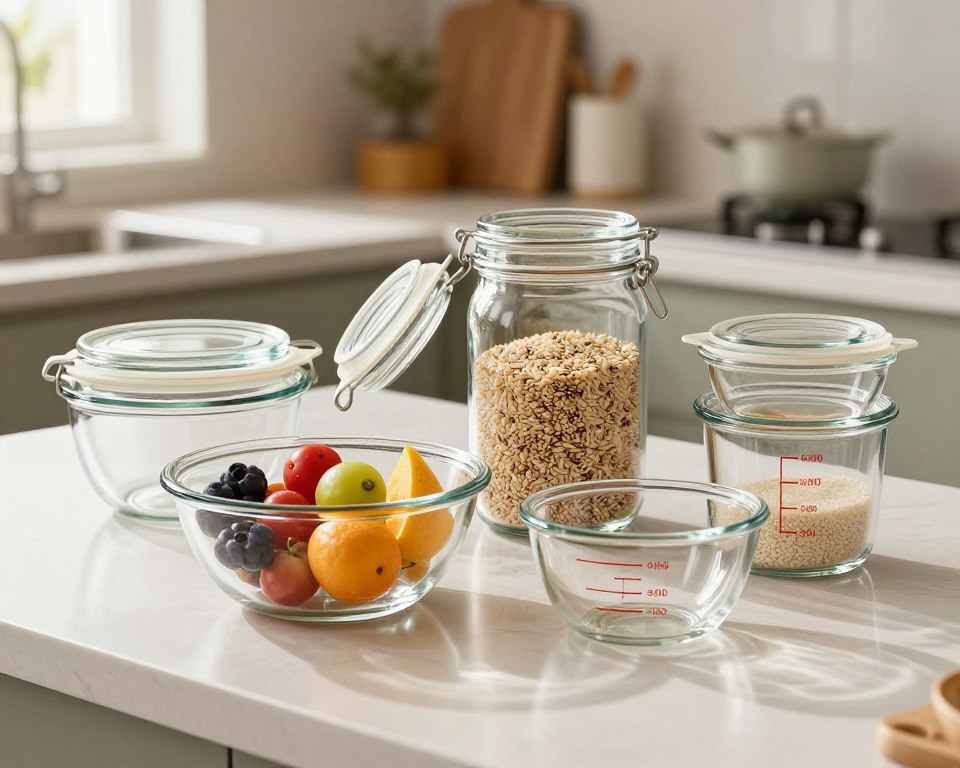
Why Borosilicate Glass is the Gold Standard
Borosilicate glass is top-notch for kitchens with lots of temperature changes. It has boron trioxide, which makes it less likely to break when hot or cold. This is a big plus for those who cook a lot.
This glass is also great for keeping food fresh for a long time. It’s strong and safe, making it perfect for busy kitchens.
Inert Properties and Non-Reactive Surfaces
Glass is good because it doesn’t react with food. It’s a non-porous storage option, so it won’t change the taste or nutrients of your food. This is a big advantage over some plastics or metals.
The non-reactive surface keeps your food fresh. By using high-quality glass, you avoid any bad chemicals getting into your food. This makes your kitchen a safer place.
| Feature | Borosilicate Glass | Soda-Lime Glass |
|---|---|---|
| Thermal Shock Resistance | High | Low to Moderate |
| Chemical Reactivity | Inert | Inert |
| Primary Use | Oven/Freezer/Microwave | Room Temp/Cold Storage |
| Durability | High | Moderate |
Durability and Longevity: Comparing Material Resilience
When picking storage for your home, think about how materials age. It’s key to see how daily use affects your kitchenware. Knowing the difference between glass and plastic containers helps you choose wisely.
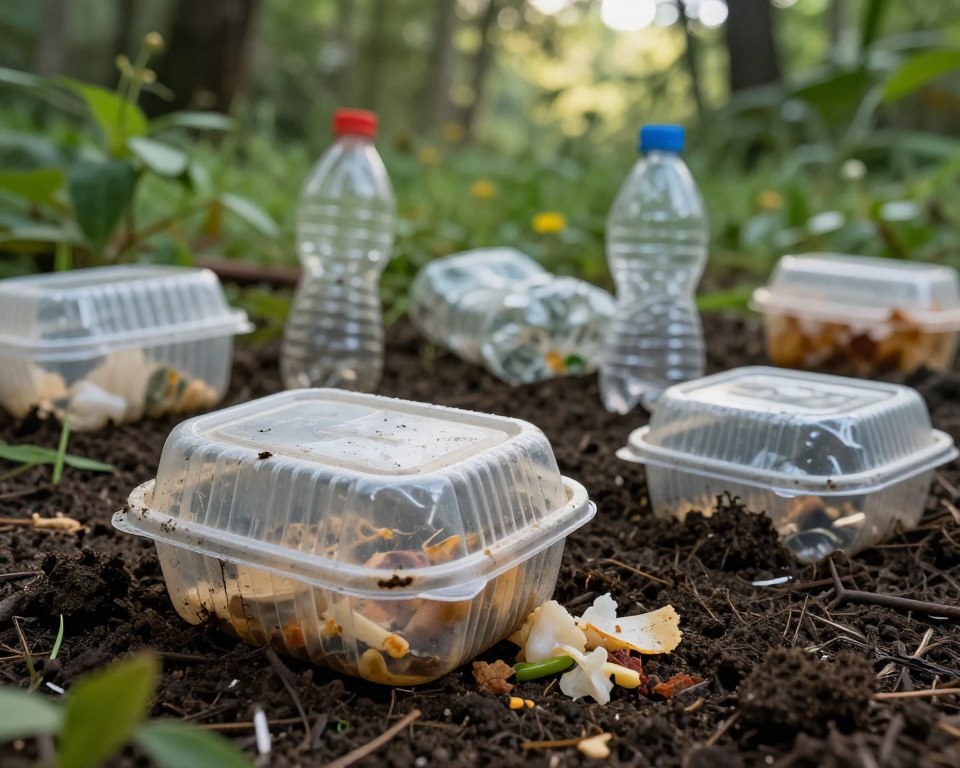
The Risk of Shattering vs. Plastic Degradation
Glass is known for being strong and not changing shape over years. It can break if dropped hard, but it stays the same chemically and physically. On the other hand, plastic container degradation happens when it breaks down from heat and cleaning.
Plastic can get cloudy, brittle, or change shape over time. This means you might need to replace it often. But, good glass can last for decades. Choosing durable materials means you won’t need to replace things as often.
Assessing Scratches and Bacterial Harboring
How a surface looks and feels is important for food safety. Plastic is soft and can get scratches easily. These scratches can hold onto bacteria and food, making it hard to clean.
Glass is hard and doesn’t get scratches. It has a non-reactive surface that doesn’t hold onto smells or food. This makes glass safer for storing food for a long time.
| Feature | Glass Containers | Plastic Containers |
|---|---|---|
| Surface Hardness | High (Scratch-resistant) | Low (Prone to scratching) |
| Structural Integrity | Maintains shape indefinitely | Susceptible to warping |
| Bacterial Risk | Minimal (Non-porous) | Higher (Due to surface wear) |
| Lifespan | Very Long | Short to Moderate |
Thermal Stability and Microwave Safety
When you move food from a cold fridge to a hot microwave, the container matters a lot. Thermal stability is about a container’s ability to handle quick temperature changes without breaking. Choosing the right material keeps your food container safe while your meal heats up.
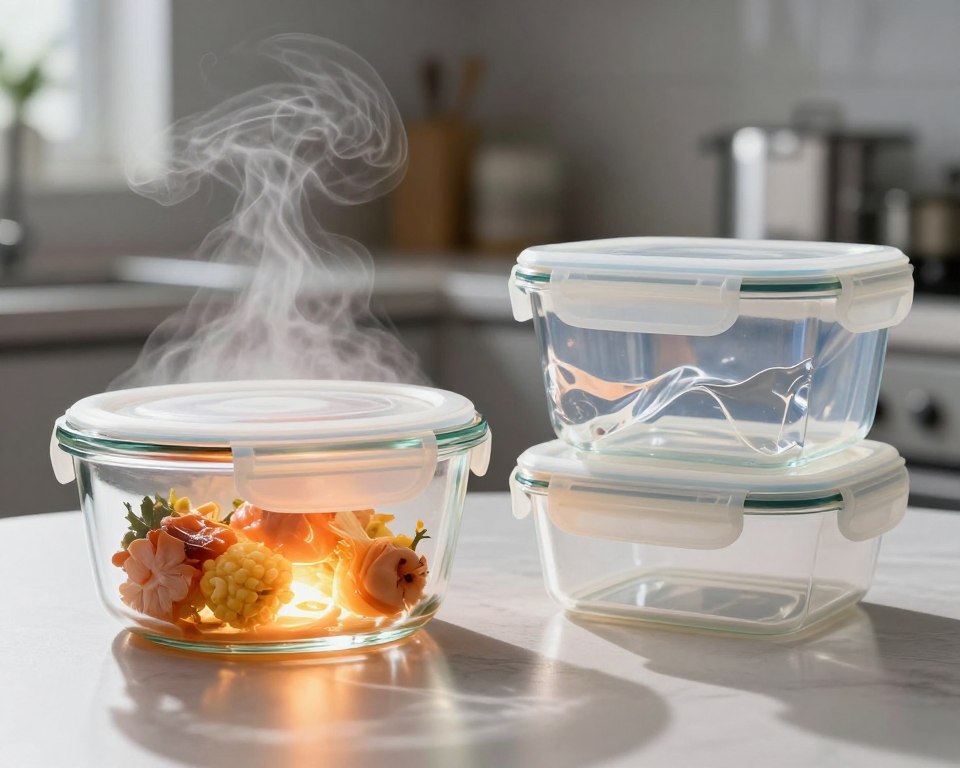
Thermal Shock Resistance in Glassware
Glassware, like borosilicate glass, is made to handle big temperature changes. It has high thermal shock resistance, letting it go from cold to hot safely. Unlike regular glass, borosilicate glass doesn’t break when it gets hot fast.
This special glass keeps its shape even when it’s hot. For cooks, this means you can reheat food without worrying about the container breaking. Reliability is key for good glass storage.
The Dangers of Heating Plastic Containers
Many people use microwave-safe plastic containers, but they might not be safe. Heating plastic can make it soft or break down at a molecular level. This can release chemicals like phthalates or BPA into your food.
“The convenience of plastic often masks the underlying risks of chemical leaching when exposed to high heat. It is safer to prioritize inert materials for all microwave applications.”
Even if a plastic container is labeled as microwave-safe, it’s not safe for long-term use. Heat can make the plastic age faster, leading to cracks and bacteria growth. To keep your food safe, avoid using plastic in the microwave.
| Feature | Borosilicate Glass | Standard Plastic |
|---|---|---|
| Thermal Shock Resistance | Excellent | Poor |
| Chemical Leaching | None | High risk when heated |
| Structural Integrity | High | Degrades over time |
| Microwave Safety | High | Variable/Questionable |
Weight, Portability, and Storage Efficiency
Plastic has its own perks, even if glass is safer. It’s lighter and easier to carry, making it perfect for busy lives. This makes it great for kitchen organization.
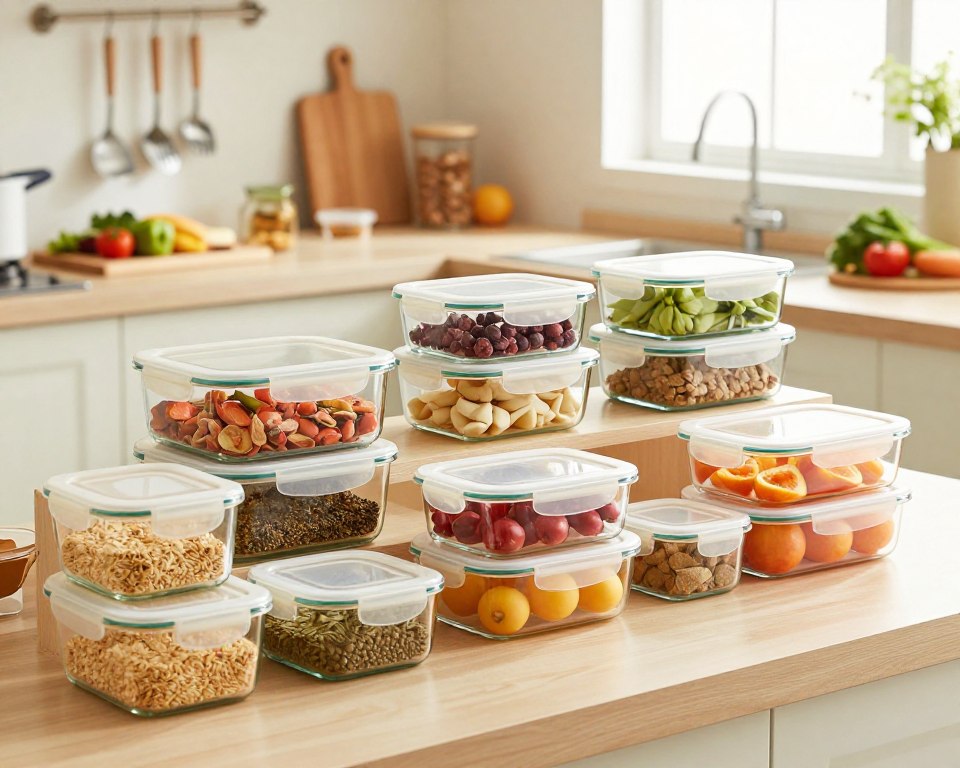
The Practicality of Lightweight Plastic for Commuting
Plastic containers are super light. This is a big plus when you’re on the go. Glass is great for staying put, but plastic is better for moving around.
Plastic is also shatter-resistant. It can handle daily wear and tear without breaking. This makes it a top pick for those who need something tough.
Stackability and Space Optimization in the Pantry
Good kitchen organization means your containers fit well together. Plastic ones are made to stack up, saving space in your kitchen.
They have special lids and bases that nest together. This makes them easy to store when not in use. Here’s why plastic is good for saving space:
- Lightweight construction means less strain on shelves.
- Modular shapes fit well in small spaces.
- Nesting capabilities save room for empty containers.
Even though glass is better for keeping food fresh, plastic is still key for kitchen organization. Knowing the differences helps you pick the best material for each task.
Environmental Impact and Sustainability Factors
Looking at the life cycle of your food containers is key to a greener home. As people think more about their impact on the planet, food storage sustainability is now a big deal in kitchens. Knowing how these items end up after use helps us make better choices.
Recyclability of Glass vs. Plastic
Glass is a top choice for being eco-friendly. It’s fully recyclable and can be reused endlessly without losing quality. This means a glass jar can be made into a new container without needing new raw materials.
Plastic, on the other hand, is a big problem. Most plastic can’t be recycled well and often ends up in landfills or nature. Even when it is recycled, it usually gets worse over time, making it useless eventually.
“The environmental impact of our daily choices is cumulative; choosing materials that support a circular economy is a simple yet powerful way to reduce waste.”
The Carbon Footprint of Manufacturing and Shipping
Even though glass is recyclable forever, its weight affects its carbon footprint. Glass is heavier than plastic, so it takes more energy to move, which can increase emissions. But, the long life of glass products is a big factor in the debate of glass vs. plastic.
Plastic is light, which means less energy to ship, but it’s often used for a short time. Investing in durable glass containers can pay off in the long run. Here’s a comparison of the two:
| Feature | Glass | Plastic |
|---|---|---|
| Recyclability | Infinite | Limited |
| Lifespan | Very High | Low to Moderate |
| Environmental Risk | Minimal | High (Microplastics) |
To make your food storage more sustainable, weigh the short-term benefits against long-term environmental health. Choosing materials that last longer reduces waste and helps the planet.
Cleaning, Maintenance, and Odor Retention
The life of your food containers depends on how well they fight off smells and stains. Many focus on ease, but keeping storage clean is key to kitchen health.
Why Plastic Retains Stains and Smells
Plastic is popular for being light, but it has tiny pores. These pores catch food bits and oils, causing plastic odor retention. Even after washing, you might still smell last night’s dinner.
Plastic also gets scratches easily. These scratches are perfect for bacteria and stains, making it hard to keep containers clean. This is a big problem for those who use plastic daily.
Sanitization Methods for Glass Containers
Glass, on the other hand, is non-porous storage. It doesn’t mix with food chemicals. This means it doesn’t stain or hold smells, making it great for keeping food fresh.
Keeping glass clean is easy and effective. You can use white vinegar or baking soda to clean it. Glass can also handle high heat, making it safe for the dishwasher. This ensures a clean that plastic can’t match.
| Feature | Plastic Containers | Glass Containers |
|---|---|---|
| Surface Porosity | High (Porous) | Low (Non-porous) |
| Odor Absorption | Significant | None |
| Stain Resistance | Low | High |
| Sanitization | Limited | Excellent |
Cost Analysis: Initial Investment vs. Long-Term Value
When looking at glass vs plastic, the first cost is just part of the story. Plastic containers are cheap at stores, but they cost more over time.
The Upfront Price Gap
Plastic storage is made in big batches, keeping prices low. You can buy lots of plastic containers for the price of one good glass one.
This makes plastic seem like a smart choice for those watching their budget. But, the real food storage cost is more than just the first buy. You’ll need to replace plastic often, adding to the cost.
Replacement Frequency and Economic Efficiency
Plastic containers can stain, warp, and hold smells, leading to quick replacements. Glass, on the other hand, lasts for years without losing quality.
Choosing glass means buying something that lasts longer. This is like the trend of cutting down on plastic packaging in the food industry. Glass is a one-time cost for lasting value.
In the end, picking between glass vs plastic is about what you value more. Glass costs more upfront but lasts longer, making it a better choice for a green kitchen.
Aesthetic Appeal and Kitchen Organization
Choosing the right containers makes your fridge look clean and professional. While safety is key, how your storage looks can also affect your habits. A tidy fridge helps you prepare meals better and waste less food.
Visual Clarity and Food Identification
Glass containers are better than plastic because they stay clear. Unlike plastic, which can get cloudy or discolored, glass stays pristine. This makes it easy to see what’s inside without opening it.
Seeing what you have in the fridge makes organizing easier. You can spot leftovers and fresh food quickly. This makes your fridge a clear display of your meal planning.
Creating a Uniform Look in Your Refrigerator
Glass containers help keep your fridge tidy and organized. They stack well and keep their shape, unlike plastic. This uniformity reduces clutter and makes your fridge look better.
Using a set of glass containers makes your kitchen look better. It replaces odd-sized plastic containers with uniform ones. This improves your kitchen’s flow and looks.
| Feature | Glass Containers | Plastic Containers |
|---|---|---|
| Visual Clarity | High (remains clear) | Low (clouds over time) |
| Surface Texture | Smooth/Non-porous | Prone to scratches |
| Uniformity | High (stackable) | Low (often mismatched) |
| Stain Resistance | Excellent | Poor |
Common Myths About Food Storage Safety
Understanding kitchen safety means looking beyond what’s on labels. Many people use products without knowing their limits. Knowing the truth helps you choose better for your family’s health.
Debunking the Microwave-Safe Label
The term “microwave-safe” is often misunderstood. It means the container won’t melt or warp in high heat. But it doesn’t mean the material is safe from chemicals.
Heating microwave-safe plastic can change its structure. This might let chemicals in your food. For safe food storage, remember these points:
- Labels show heat resistance, not chemical safety.
- High-fat and high-sugar foods can get too hot for plastic.
- Glass is safest for heating, as it doesn’t add synthetic compounds to food.
Clarifying Freezer Safety for Glass Containers
Many think glass is dangerous in the freezer. But glass is safe if you handle it right. The main risk is from liquids expanding into ice.
Water expands when it freezes, which can put pressure on containers. If a glass is too full, this pressure can break it. Always leave an inch of space at the top of glass containers in the freezer.
Also, don’t move hot glass to the freezer too fast. This can cause it to break. Let your containers cool down before moving them between extreme temperatures. This way, you can safely store food in glass for a long time.
Best Practices for Transitioning to Glass Storage
You don’t have to change everything at once to improve your food storage. A gradual approach helps you manage your budget and upgrade your kitchen slowly. This way, you get quality storage solutions that last.
Gradual Replacement Strategies
Start by replacing the containers you use most, like for heating food in the microwave. These are at the highest risk for chemical migration from old plastic. Replace these first to reduce your exposure to harmful chemicals.
If you still want to use some plastic, make sure it’s BPA-free containers. Check these items often for signs of wear, like cloudiness or deep scratches. When you see these signs, it’s time to switch to glass.
Proper Handling to Prevent Breakage
Glass is strong, but it needs special care. Use protective silicone sleeves for your glass containers, which helps prevent breakage. These sleeves also make it easier to hold onto the glass, which is great for busy kitchens.
Don’t stack glass containers without protection. Use felt dividers or store them side-by-side to keep them safe. This not only protects your glass but also makes your daily routine smoother.
| Strategy | Primary Benefit | Implementation |
|---|---|---|
| Phased Replacement | Budget Management | Replace 2-3 items monthly |
| Usage Prioritization | Safety Optimization | Target microwave-safe items first |
| Protective Storage | Longevity | Use silicone sleeves and dividers |
| Plastic Maintenance | Risk Reduction | Discard worn BPA-free containers |
Conclusion
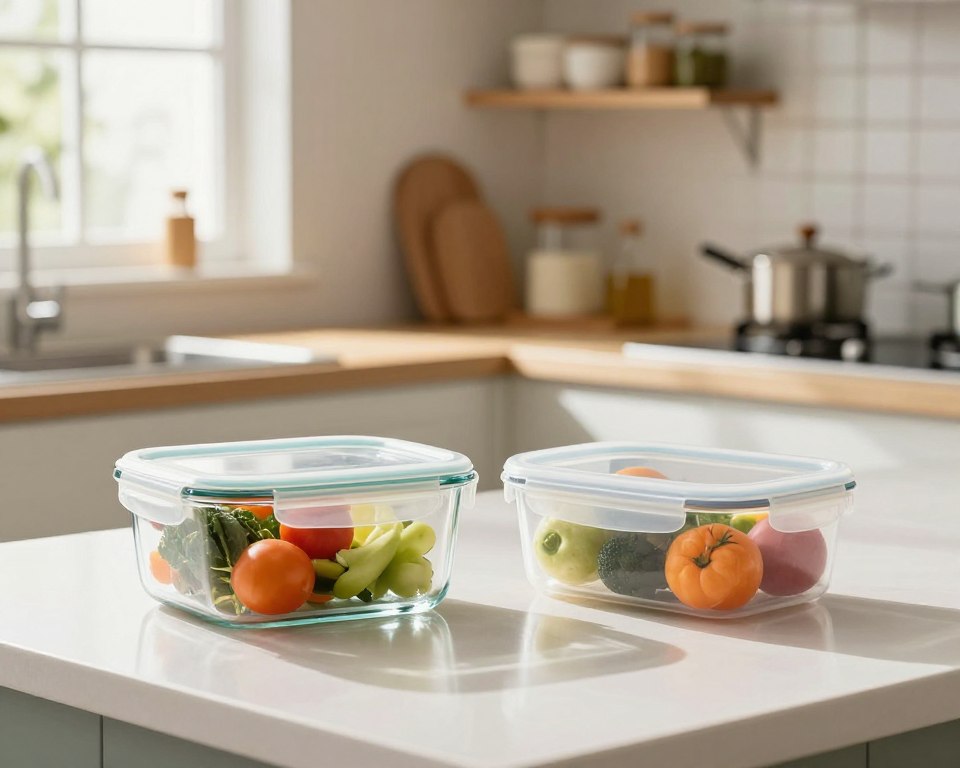
Switching to glass food storage is a smart move for your health and the planet. Plastic might be easy to carry, but it can leach harmful chemicals. This is a big concern for keeping you safe over time.
Wondering if glass is better for you? Glassware like Pyrex or Anchor Hocking is a solid choice. It keeps your food safe from harmful chemicals.
Looking at how you store food can make your home healthier. Is glass better than plastic for your family? Yes, glass is better because it doesn’t react with food.
Changing to glass storage can greatly improve your health. Start with a few key items and see the difference. It’s a small step towards better health.
FAQ
Is glass food storage safer than plastic for long-term health?
Glass is safer than plastic because it doesn’t react with chemicals. Unlike plastic, glass doesn’t have harmful chemicals like BPA or phthalates. These chemicals can get into your food and affect your hormones.
Using glass from brands like Anchor Hocking or Pyrex keeps your food safe. It doesn’t add any harmful substances to your meals.
Does “microwave-safe” on a plastic container mean it is completely healthy to use?
No. “Microwave-safe” means the plastic won’t melt or break. But it doesn’t mean it’s safe from chemicals. High heat and fats or acids can make chemicals in plastic get into your food.
For safety, move food to glass containers like OXO before microwaving.
Why do my plastic containers retain odors and stains even after washing?
Plastic traps food particles and oils, causing stains and smells. It also gets scratches easily, where bacteria can grow. Glass doesn’t have these problems.
To clean glass, try vinegar or bicarbonate of soda. It’s easy to keep glass clean and germ-free.
What is the difference between borosilicate and soda-lime glass?
Borosilicate glass is better at handling hot and cold changes. It’s less likely to break when you move it from the fridge to the oven. Soda-lime glass is also strong but not as good at handling extreme temperatures.
For the best kitchen use, choose borosilicate glass. It’s the most durable and reliable.
Is glass really more sustainable than plastic if it is heavier to ship?
Glass is heavier, but it’s more sustainable in the long run. Glass can be recycled forever without losing quality. Plastic, on the other hand, often ends up in landfills.
One Pyrex dish can last longer than many plastic containers. This reduces waste and saves resources.
Can I store glass containers in the freezer without them breaking?
Yes, but you need to leave space for food to expand. Use about one inch of space at the top. Borosilicate glass is also good for freezer use because it handles temperature changes well.
Is the higher cost of glass storage worth the investment?
Yes, glass is more cost-effective in the long run. Plastic containers wear out and need to be replaced often. Glass containers last for decades if taken care of.
Choosing glass saves money and keeps you away from harmful plastic chemicals.
How should I begin transitioning my kitchen to glass storage?
Start by replacing the containers you use most. Use glass for heating food or storing acidic items like tomato sauce. Replace plastic containers as they get damaged to build a safer pantry.