As a pharmacist, I often get questions from families about their home items. They worry if the tools we use to cook might harm us. Your health and peace of mind are paramount when choosing products for your home.
Many people ask, is silicone kitchenware toxic when it gets hot? They worry about chemicals getting into their food. We’ll look at the science and rules to clear up the confusion.
This guide will help you understand what’s in these popular items. We’ll talk about how they handle heat and how to find safe, food-grade products for your kitchen.
Key Takeaways
- Silicone is generally considered inert and stable for food preparation.
- Regulatory standards help ensure that products meet safety requirements for heat resistance.
- Chemical migration risks are minimized when using high-quality, food-grade materials.
- Proper identification of fillers is essential for maintaining product integrity.
- Evidence-based research supports the safe use of these tools in modern cooking.
Understanding the Chemistry of Food-Grade Silicone
To check if your cookware is safe, you need to look at its molecular structure. Unlike plastics made from oil, silicone is made from silicon and oxygen atoms. This makes it heat resistant and flexible, perfect for kitchen tools.
The Polymer Structure of Siloxanes
At the core of silicone are siloxanes, chains of silicon and oxygen atoms. This backbone is stronger than carbon-based plastics. It doesn’t break down easily, even at high temperatures.
This is why silicone doesn’t release harmful chemicals into food. It stays the same, not reacting with food. This is key to food-grade silicone safety in the kitchen.
Distinguishing Between Industrial and Food-Grade Silicone
Even though silicone comes from natural elements like sand, its quality depends on how it’s made. It’s important to know the difference between industrial and food-grade silicone. Industrial silicone may have additives not safe for eating.
On the other hand, kitchen-grade silicone is made carefully to be pure. It goes through a special process to meet strict standards. Choosing food-grade silicone means you’re picking products tested to be safe. Always check for 100% food-grade certifications to keep your kitchen safe.
Is Silicone Kitchenware Toxic in Daily Use
When we ask if Is Silicone Kitchenware Toxic, we must look at the type of silicone. Pure food-grade silicone is safe, but products with additives might not be. For many, silicone is a must-have because it’s flexible and non-stick. Knowing the good and bad of silicone cookware helps us choose safer kitchen items.
Evaluating Chemical Leaching at High Temperatures
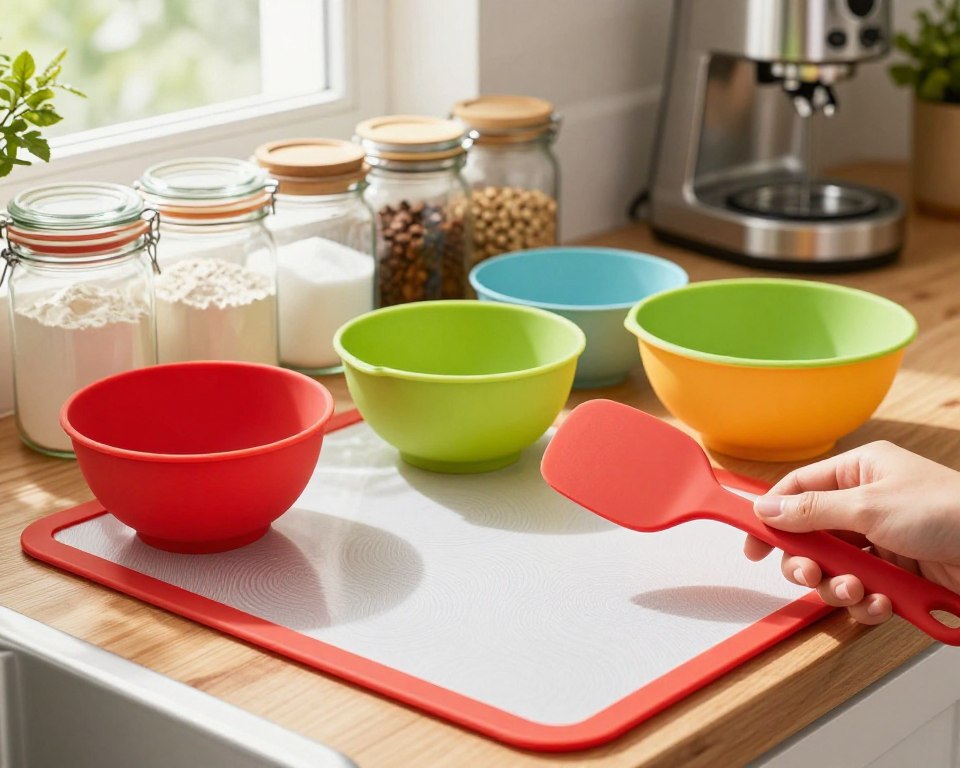
The main worry is silicone leaching when it gets very hot. At room temperature, silicone is safe, but heat can change it. Studies show that heating silicone above 150°C (302°F) can lead to more chemicals leaking out.
It’s important to use silicone within the safe temperature range. This way, the risk of harmful chemicals is very low. Always follow the maker’s temperature guidelines to keep your silicone safe.
The Role of Fillers and Additives in Low-Quality Products
Be careful with cheap products, as they might have silicone chemical fillers. These fillers, often plastic, can make the material break down quickly. They’re the main reason for safety concerns, not the silicone itself.
Good silicone is cross-linked for strength, but cheaper ones might not be. Here’s a table to show the difference between high-quality and low-quality silicone. It helps you pick safer kitchen items.
| Feature | High-Quality Silicone | Low-Quality Silicone |
|---|---|---|
| Material Purity | 100% Food-Grade | Contains Plastic Fillers |
| Heat Resistance | Stable up to 230°C+ | Degrades below 150°C |
| Pinch Test Result | Remains solid color | Shows white streaks |
| Odor Profile | Neutral/Odorless | Strong chemical smell |
Manufacturing Standards and Regulatory Oversight
Understanding silicone manufacturing standards is key when choosing kitchenware. Many products seem the same, but their safety varies. The rules they follow affect their chemical makeup and safety over time.
These rules ensure that food-contact materials are safe. They prevent harmful substances from getting into your food.
FDA Requirements for Food-Contact Substances
In the U.S., the FDA sets the main rules for safety. Since 1979, the FDA has known silicon dioxides are safe for food use. This lets makers of silicone kitchenware follow certain rules to avoid chemical leaks.
These silicone manufacturing standards mean strict tests to keep the material safe. Makers must check that their products don’t release harmful chemicals into food. This means you can usually trust items that meet these standards have been tested for safety.

LFGB Standards and Why They Matter for European Imports
The FDA sets a good base, but some say the German LFGB is even stricter. This European rule requires deep testing for purity and chemical leaks. Products that pass LFGB testing are seen as top-notch.
The main difference is in the testing depth. Key points for LFGB-compliant items include:
- Enhanced Purity Testing: Detailed checks for leftover chemicals.
- Volatile Organic Compound Limits: Tighter rules for chemicals released during heat.
- Material Integrity: Checks to make sure the silicone is pure, without fillers or plastics.
Choosing items that meet these silicone manufacturing standards adds peace of mind. For imports, look for the “knife and fork” symbol. It shows the item has passed European food safety tests.
Thermal Stability and Heat Resistance Limits
Knowing how silicone thermal stability works is key to keeping your kitchen tools in good shape. This material is great for many uses, but it has its own limits when it comes to heat. Knowing these limits helps keep your cookware safe and working well for a long time.
Behavior of Silicone in Ovens and Microwaves
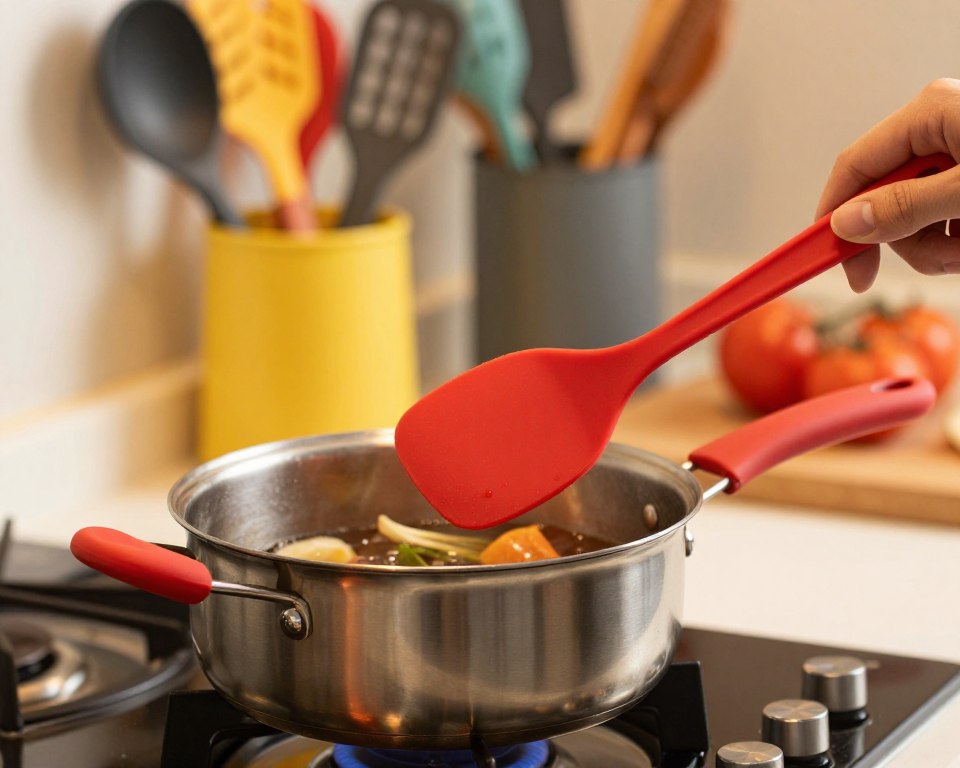
Good, food-grade silicone can handle temperatures up to 428°F (220°C). At these temperatures, it stays stable and doesn’t harm your food. But, going over these limits can damage the material’s structure.
In microwaves, silicone is usually safe because it doesn’t absorb microwave energy like metal or some plastics. Make sure it’s labeled as microwave-safe to avoid problems. Always check if your item is oven-safe before using it in a conventional oven.
Identifying Signs of Thermal Degradation
Even with good care, silicone thermal stability can wear off with too much heat. Look for signs that your kitchenware is getting old. A sticky or tacky surface means the material is breaking down.
Changes in color, like yellowing or dark spots, also mean it’s been too hot. If you see these signs, it’s time to get a new one. Taking care of your tools helps them last longer.
| Temperature Range | Material Status | Recommended Action |
|---|---|---|
| Below 400°F | Stable | Safe for daily cooking |
| 400°F – 450°F | Threshold Limit | Monitor for signs of wear |
| Above 450°F | Degradation Risk | Discard and replace immediately |
Potential Risks of Chemical Migration
When we talk about silicone cookware health risks, it’s important to look at how the material works. Chemical migration happens when substances from a container get into the food it holds. This is mainly because of how the material is made.

Understanding Volatile Organic Compounds in Silicone
Good, food-grade silicone is meant to be stable. But, if it’s not made right, it can have silicone volatile organic compounds. These come from a heating process called tempering that removes leftover stuff from making the silicone.
These compounds are usually small siloxanes. They’re not very toxic, but they show that the silicone wasn’t made to the highest standards. It’s best to choose products that have been well-cured to avoid these issues.
The Impact of Repeated Dishwashing Cycles
Kitchens can wear down silicone over time. Washing dishes a lot and using strong cleaners can damage it. This damage can make the silicone let go of chemicals into food.
To keep your kitchenware in good shape, knowing what wears it down is key. The table below shows what affects silicone the most during its life.
| Factor | Impact Level | Resulting Effect |
|---|---|---|
| High-Heat Curing | Low | Increased material stability |
| Harsh Detergents | Moderate | Surface micro-cracking |
| Mechanical Stress | High | Structural matrix breakdown |
| Frequent Dishwashing | Moderate | Accelerated aging of silicone |
While silicone cookware health risks are usually small, how long it lasts depends on how you take care of it. Using gentle cleaners and picking trusted brands can help avoid chemical migration. Knowing this helps keep your kitchen safe for cooking every day.
Silicone Safety for Infants and Children
It’s crucial for caregivers to understand silicone baby product safety. The chemical makeup of the material is key for parents who care about health. Silicone is liked for its toughness and flexibility, but its safety in a child’s life is important.
Evaluating Silicone Teethers and Feeding Utensils
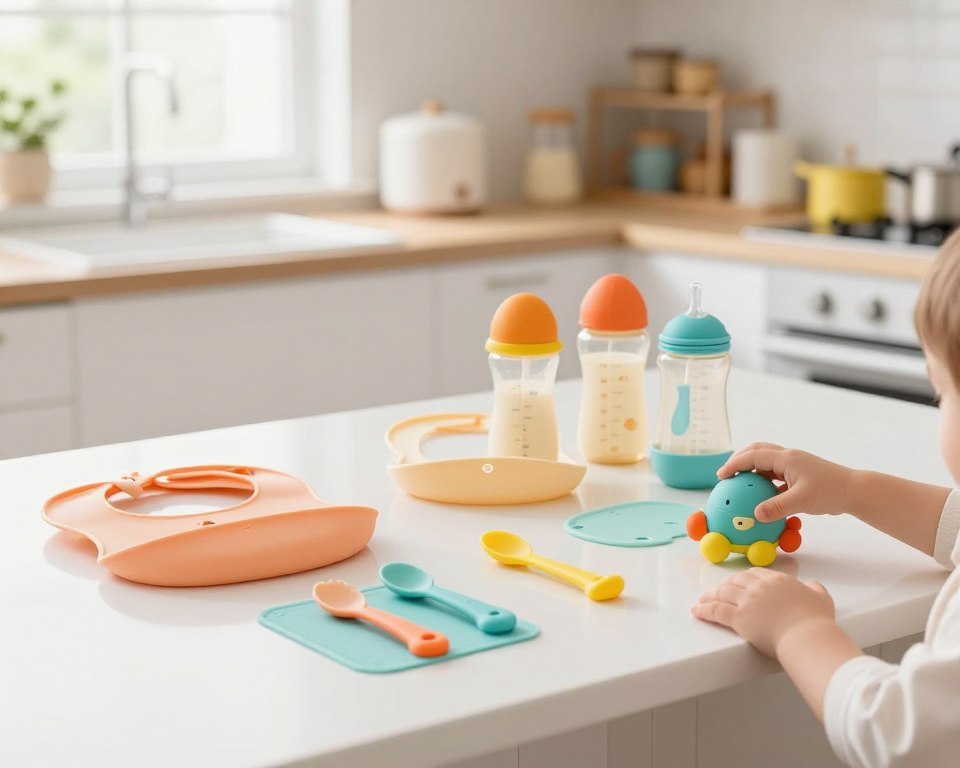
Silicone is often used for teethers and spoons because it’s gentle on gums and doesn’t break easily. These items are usually safe, but parents should check the manufacturing quality. High-quality, food-grade silicone doesn’t have harmful fillers that could leak into a child’s mouth.
For solid food items, silicone is great. But for liquids, like in baby bottles, I suggest glass or stainless steel. These materials are easier to clean and don’t harbor bacteria. Always look for third-party certifications to ensure silicone products meet safety standards.
Best Practices for Sanitizing Baby Products
To keep silicone baby product safety in check, cleaning is key. Silicone’s slightly porous surface can hold bacteria if not cleaned well. Keeping it clean is the best way to stop germs from growing.
Here’s how to keep your baby’s items clean and safe:
- Thorough Washing: Use hot, soapy water right after each use to get rid of food bits.
- Precision Drying: Make sure items dry completely in a clean spot, as dampness helps bacteria grow.
- Sanitization Cycles: Use boiling water or a steam sterilizer as the maker suggests.
- Regular Inspection: Look for wear, like cracks or sticky spots, which mean it’s time for a new one.
Following these steps helps manage risks from daily use. Regular care keeps the benefits of silicone without harming your child’s health.
Pet Safety and Silicone Feeding Accessories
Keeping your pet’s eating area safe is important. This means looking at the materials in their bowls and mats. Silicone is a top choice for these items because it’s durable and easy to clean.
It’s key to know how these products affect your pet’s behavior. This helps keep your home healthy for everyone.

Assessing Risks for Pets Chewing on Silicone Mats
Some pets, like puppies or active dogs, might chew on their mats. Unlike hard plastics, silicone is soft and doesn’t break into sharp, dangerous shards. If a pet bites off a piece, it usually stays big and not easy to swallow.
Even though this makes it safer, watching your pet is still important. Any foreign material can cause problems like blockages or pain. Keep an eye on your pet when they first try new feeding accessories to stop them from chewing on them.
Choosing Non-Toxic Materials for Pet Bowls
When it comes to silicone pet bowl safety, the main worry is the material’s purity. Cheap silicone might have chemicals that can get into food or water. Choose bowls made from 100% food-grade silicone to avoid harmful stuff like phthalates or lead.
Check for safety certifications to make sure the bowl is safe. A quick way to spot bad silicone is the pinch test. If it turns white, it has fillers. Going for top-quality silicone is a smart move for your pet’s health and silicone pet bowl safety.
Comparing Silicone to Traditional Kitchen Materials
Choosing the right kitchen tools is important. You need to think about what’s easy to use every day and safe for the long run. Looking at how materials handle heat and food helps you decide what’s best for your home.
Silicone Versus Plastic and BPA Concerns
Choosing silicone over plastic is a smart move. Many plastics have BPA or phthalates, which can harm your health. These chemicals can get into your food, worse when it’s hot.
Silicone, on the other hand, is safe and doesn’t leak chemicals. It keeps its shape even when it’s hot. This makes it a much safer choice for your kitchen.
Silicone Versus Stainless Steel and Glass
Silicone is flexible and non-stick, but it’s not as pure as glass or metals. When you compare silicone to stainless steel, stainless steel and glass are the best for avoiding chemical reactions.
These materials don’t mix with acidic or alkaline foods. They keep your food safe from unwanted chemicals. If you’re very careful about chemicals, glass and stainless steel are the safest. But, silicone is better than non-stick pans with PFAS, which can be harmful.
| Material | Heat Resistance | Chemical Inertness | Flexibility |
|---|---|---|---|
| Silicone | High | Moderate | High |
| Stainless Steel | Very High | Excellent | None |
| Glass | High | Excellent | None |
| Plastic | Low | Low | Moderate |
How to Identify High-Quality Silicone Products
It’s important to know the difference between top-notch silicone and lower quality ones. Many products look the same, but their materials can be very different. Choosing food-grade silicone safety means your cookware stays safe and doesn’t react with food.
The Pinch Test and Other Home Verification Methods
The silicone pinch test is a simple way to check your kitchen items. Just twist a part of the silicone between your fingers. If it turns white, it likely has silicone chemical fillers instead of pure silicone.
Pure silicone stays the same color, even when stretched. If it turns white, it might have plastic additives that aren’t safe for heat. This quick test can tell you a lot about the material’s quality.
Reading Labels and Certifications
Checking labels and certifications is also key. Look for products labeled as 100% food-grade silicone. Items that say “silicone-based” might have silicone chemical fillers that aren’t safe.
Make sure to find products with FDA or LFGB certifications. These have been tested to ensure they’re safe for food. Choosing these products is the best way to keep your kitchen safe.
Proper Care and Maintenance to Minimize Exposure
Learning about silicone kitchenware maintenance is key to enjoying your kitchen tools safely. Regular care stops damage and keeps your tools in great shape for years.
Cleaning Techniques to Prevent Bacterial Growth
Wash your silicone items in warm, soapy water after each use. Make sure they dry completely before storing. Moisture can make them sticky and attract dust.
Hand washing is better than the dishwasher for keeping them in good shape. If you cook outside, use a grill cleaner spray safe for food. Always rinse well to get rid of soap.
When to Replace Worn or Damaged Kitchenware
Even with good care, silicone can wear out over time. Check your tools often for signs of damage.
Replace them right away if you see:
- Visible cracks or deep tears that can hold bacteria.
- Unpleasant smells that don’t go away after cleaning.
- A sticky or gummy feel that doesn’t go away with washing.
- Big color changes or white spots that mean they’ve been damaged by heat.
Replacing them early keeps your kitchen safe. If unsure, it’s safer to throw away a damaged item than risk it.
Environmental Impact and Sustainability Considerations
Silicone is known for being tough and heat-resistant. But, its long-term effect on the environment is a big worry for those who care about the planet. It doesn’t break down, so silicone items stay in landfills forever unless they’re processed at special places. Knowing how silicone affects the environment is key to taking care of your kitchen.
The Lifecycle of Silicone Kitchenware
Silicone starts with silica, a sand-based material. It’s turned into a synthetic polymer. Unlike regular plastics, silicone doesn’t break down into tiny pieces when heated. This makes it last longer, which is good because you don’t need to replace it as often.
But, this durability also has a downside. Since it’s stable, it doesn’t break down in landfills or nature. So, the harm silicone causes depends on how long it’s used before it’s thrown away.
Recycling Challenges and Disposal Best Practices
Recycling silicone is hard because it can’t be melted and reshaped like plastic bottles. Most places in the U.S. don’t take silicone kitchenware in their recycling bins. This means it often ends up in landfills, even though it doesn’t harm the environment.
To lessen your impact, follow these tips:
- Prioritize longevity: Pick high-quality, thick silicone that lasts long and doesn’t tear or stain easily.
- Repurpose items: Think about using old silicone mats or molds for other things, like crafts or pet dishes.
- Seek specialized recycling: Look for local places or companies that recycle silicone. Some makers are starting to take back their products.
By making your kitchen tools last longer, you help reduce the need for new ones. Being mindful of what you buy is the best way to tackle the problems synthetic materials cause at home.
Pharmacist Perspectives on Household Chemical Exposure
As a pharmacist, I look at how everyday items affect our health. Modern kitchen tools are convenient but can be harmful over time. I focus on precautionary habits to keep our routines healthy.
Reducing Cumulative Exposure to Endocrine Disruptors
Many people worry about chemicals from synthetic materials. Even high-quality silicone might have silicone endocrine disruptors. These can affect hormones if we’re exposed too much.
To stay safe, choose products that meet strict safety standards. Opt for items certified for food contact. Consistency in material selection helps protect your health.
Balancing Convenience with Long-Term Health Goals
Looking at silicone cookware health risks means considering both safety and usefulness. There are safer options like glass, stainless steel, or cast iron for cooking.
The table below shows how different materials compare in safety and upkeep. It helps you choose better for your home.
| Material | Safety Profile | Heat Resistance | Maintenance Needs |
|---|---|---|---|
| Silicone | Generally Inert | High | Low |
| Glass | Excellent | Moderate | Low |
| Cast Iron | Superior | Very High | High |
| Stainless Steel | Excellent | High | Low |
The goal is to reduce chemical exposure without losing kitchen function. Diversifying your cookware makes your kitchen safer. Small, intentional changes can greatly benefit your health.
Conclusion
Choosing the right tools for your home is key. You need something that’s both easy to use and safe. High-quality, 100% food-grade silicone is a top pick for many. It’s safe and reliable, as long as it comes from trusted makers.
It’s important to pick products without fillers. This way, you avoid harmful chemicals when you cook. This is crucial for keeping your family safe.
Studies on health effects are still ongoing. But, you can take steps to protect your family. Avoid using items at very high temperatures. Also, replace anything that looks worn out or damaged.
These actions help keep your kitchenware in good shape. It’s a simple way to care for your kitchen.
Make sure to read labels and check for certifications before buying. Choosing high-quality materials makes your kitchen safer. Stay up to date with the latest safety guidelines to keep your kitchen a healthy place.
FAQ
Is silicone kitchenware toxic for everyday cooking?
Food-grade silicone is usually safe for cooking. But, its safety depends on the quality and the temperature used. Low-quality silicone or heating it too high can release harmful chemicals.
What is the difference between industrial-grade and food-grade silicone?
Food-grade silicone is made for safe use with food. It’s a pure synthetic polymer. Industrial-grade silicone, on the other hand, may have harmful additives and fillers.
At what temperature does silicone begin to leach chemicals?
Heating silicone above 150°C (302°F) can increase chemical migration. Most products are safe up to 428°F. But, using them too high or with poor quality can release harmful VOCs.
Why do experts prefer European LFGB standards over FDA regulations for silicone?
The FDA says silicon dioxides are safe, but the European LFGB is stricter. LFGB tests for higher purity and lower substance thresholds, making it safer for health-conscious consumers.
Is it safe to use silicone in the microwave or oven?
Yes, silicone is safe in these appliances if you follow the manufacturer’s heat limits. Watch for signs of wear like stickiness or discoloration. If you see these, it’s time to replace it.
Can repeated dishwashing affect the safety of silicone products?
Washing silicone many times can break it down. Studies show tempered silicone has less chemical migration than non-tempered after many washes.
Is silicone safe for baby products like teethers and bottles?
Silicone is good for baby teethers and utensils because it’s soft and durable. But, for bottles, glass or stainless steel is safer. Always clean and dry silicone items well to avoid bacteria.
Are silicone pet bowls safer than plastic ones?
Silicone is safer for pets because it doesn’t break into sharp pieces. But, choose high-quality, filler-free silicone. Check for wear if your pet chews a lot.
How does silicone compare to PFAS-coated or plastic cookware?
Silicone is safer than PFAS-coated cookware and doesn’t have BPA. But, for the safest option, choose materials like stainless steel, cast iron, or glass.
How can I tell if my silicone kitchenware contains low-quality fillers?
Do the “pinch test” at home. If the silicone turns white when pinched, it has fillers. Good-quality silicone stays colored.
What is the best way to maintain silicone to ensure it stays safe?
Wash silicone in warm, soapy water and dry it well. Avoid harsh cleaners. If it cracks, tears, or tastes soapy, replace it.
Is silicone an eco-friendly material?
Silicone is durable but not biodegradable. It stays in the environment forever unless recycled. Being eco-friendly means considering its long-term impact.
Should I be concerned about silicone as an endocrine disruptor?
I recommend caution with all household chemicals. While silicone risks are low, reducing exposure to endocrine disruptors is wise. Use silicone for convenience but choose glass for storage.