We’ve all stood in front of an open appliance, wondering if our favorite containers will make it through. Convenience often clashes with material science in the kitchen. Many items are marketed as safe, but high-temperature cleaning can be tricky.
Structural integrity varies a lot among synthetic materials. From tough lunchboxes to thin, disposable containers, what they’re made of matters. Knowing this can help prevent damage or chemical leaching during a wash.
Before you start the wash, figuring out what your items are made of is key. Protecting your belongings is more than just looking at a label. By understanding how polymers handle heat, you can make choices that keep your kitchen items in good shape.
Key Takeaways
- Not all synthetic kitchenware can handle high temperatures.
- What something is made of affects how it handles heat.
- Always check labels before starting a wash cycle.
- Thin, disposable containers often warp under pressure.
- Knowing about polymers can help avoid damage to your items.
The Science of Polymers and Thermal Stress
Every plastic container has a molecular structure that changes with temperature. When they go into a dishwasher, they face high heat. This heat makes their internal parts react in certain ways.
How Heat Affects Molecular Bonds
Plastics are made of long chains of molecules called polymers. When the dishwasher gets hot, these molecules start to vibrate more. This is because they absorb thermal energy.
This vibration can weaken the bonds that hold the plastic together. When the polymer thermal stability is lost, the plastic may change shape or lose strength. This change is often permanent, causing warping in lower-quality items.
Glass Transition Temperatures in Common Plastics
Every plastic has a special temperature called the glass transition temperature. Below this, the plastic stays rigid. But when it goes over this temperature, it becomes more flexible and rubbery.
It’s key to know this is different from the plastic melting point. The melting point is when the solid turns into a liquid. Many plastics will warp before they melt because they’ve already gone past their glass transition.
| Plastic Type | Heat Resistance | Stability Level |
|---|---|---|
| Polypropylene | High | Excellent |
| Polystyrene | Low | Poor |
| Tritan | Very High | Superior |
Knowing these limits helps you choose better for your kitchen. By respecting the polymer thermal stability of your items, you can avoid damage. Remember, even if a material has a high plastic melting point, heat cycles can still cause it to degrade over time.
Is Dishwasher Heat Damaging Plastic
Many people wonder: Is dishwasher heat damaging plastic items during cleaning? The answer depends on the plastic type and the dishwasher settings. Modern dishwashers can get very hot, which might harm some plastics.
Understanding Dishwasher Temperature Cycles
Dishwashers heat water to 130°F to 150°F to clean dishes well. This heat is good for removing grease and killing bacteria. But, it can also damage plastic if it’s not made for such heat.
To keep your plastic safe, always check the manufacturer’s heat guidelines. You can learn more about loading your dishwasher right to protect your plastic items.
The Role of Drying Cycles in Material Degradation
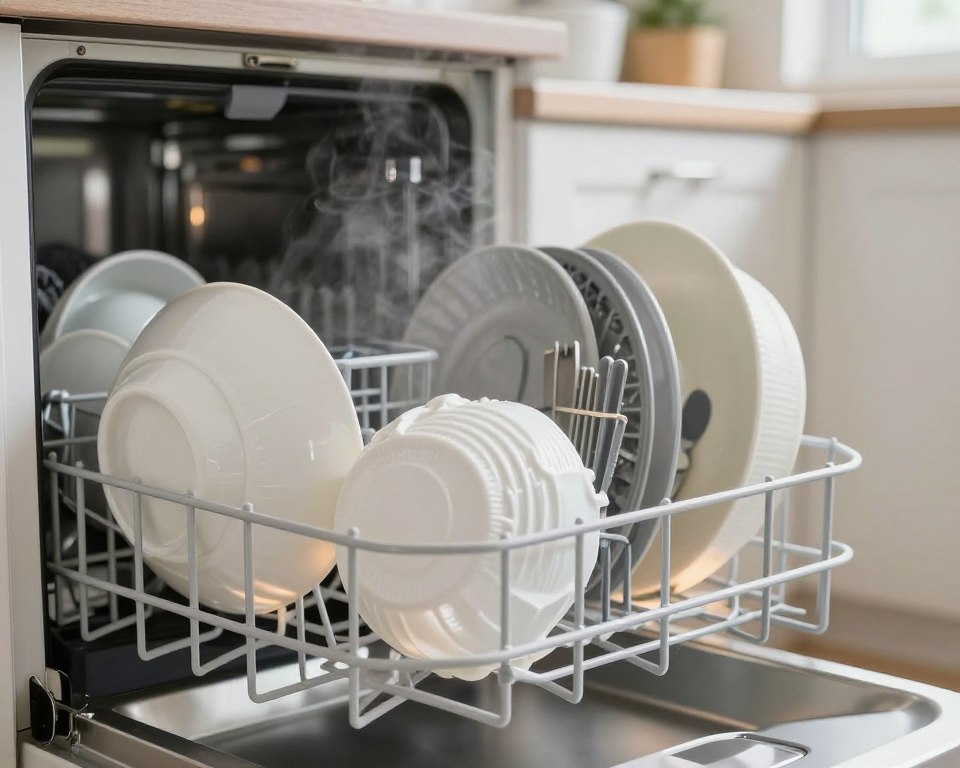
The drying cycle can be the most damaging part. Dishwashers use heat at the bottom to dry dishes, which can warp plastic if items are too close.
To avoid damage, put plastic items on the top rack, away from the heat. This keeps them cooler and safe while still getting clean. Here’s how different temperatures affect kitchen plastics:
| Temperature Range | Plastic Response | Recommended Action |
|---|---|---|
| Below 120°F | Stable and safe | Standard wash is fine |
| 120°F – 145°F | Potential for softening | Use top rack only |
| Above 150°F | High risk of warping | Hand wash recommended |
Identifying Dishwasher-Safe Symbols
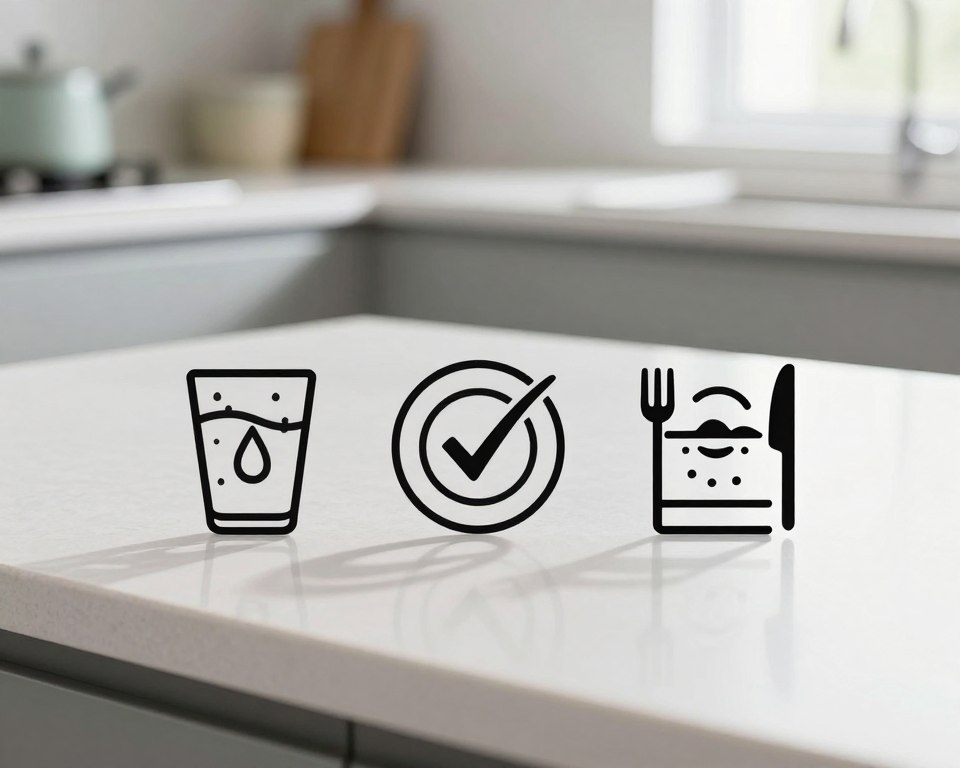
Understanding kitchen plastics means knowing the symbols on your containers. Many people miss the small marks on the bottom of their plastic dishes. These symbols are key to keeping your items in good shape.
To check if a container is dishwasher safe, look at its base.
Decoding Resin Identification Codes
Plastic items often have a number in a triangle on the bottom. These are Resin Identification Codes. They tell you what kind of plastic it is and if it can handle heat.
Polyethylene Terephthalate (Code 1) isn’t made for hot cycles. But Polypropylene (Code 5) can handle higher temperatures. Remember, these codes show what the plastic is made of, not if it’s safe for the dishwasher.
The Meaning of the Dishwasher-Safe Icon
Manufacturers also use a dishwasher safe icon to show if something is safe for the dishwasher. This icon looks like a square box with plates or glasses inside. It might have water droplets or lines to show it can handle the dishwasher’s heat and detergent.
If you don’t see this icon, it’s best to think the item isn’t meant for the dishwasher. Using dishwasher safe symbols helps prevent damage. Here’s a table to help you understand how different plastics handle heat.
| Plastic Type | Resin Code | Heat Resistance | Dishwasher Suitability |
|---|---|---|---|
| PETE | 1 | Low | Not Recommended |
| HDPE | 2 | Moderate | Top Rack Only |
| Polypropylene | 5 | High | Safe |
| Polycarbonate | 7 | Very High | Safe |
Common Plastics That Fail Under Heat
If you’ve ever pulled a warped container from your dishwasher, you know the problem with low-grade polymers. Many kitchen items aren’t made for the high heat of a dishwasher cycle. This leads to plastic warping. Knowing which plastics can’t handle heat is key to keeping your kitchenware in good shape.
Why Polystyrene Melts in High Heat
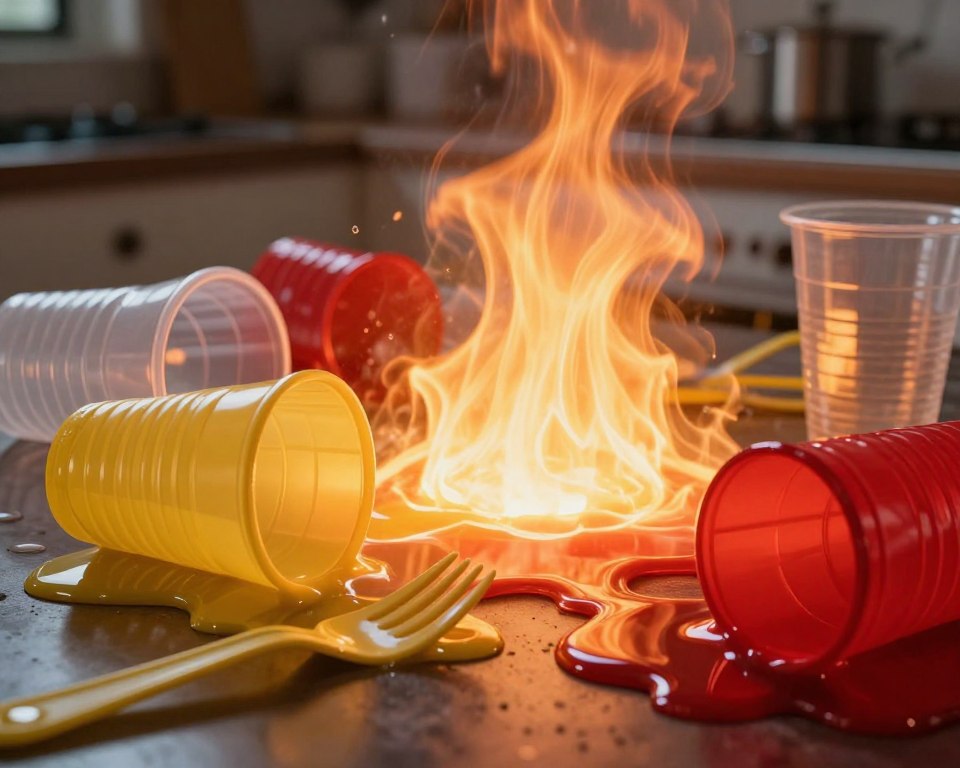
Polystyrene is a clear, rigid plastic used for disposable items and light food containers. It has a low plastic melting point, making it prone to deformation in hot water. When it gets too hot, it loses its shape and can even release chemicals into the water.
Because of this, polystyrene should never go in the dishwasher. For something more durable, consider silicone kitchen utensils. They are much better at handling heat than single-use plastics.
The Risks of Thin-Walled Polyethylene
Thin-walled polyethylene is common in single-use water bottles and cheap food storage tubs. These items are made for convenience, not durability. They often warp badly after just one hot cycle. Their thin walls can’t handle heat well, causing them to soften and collapse.
These containers can also harbor bacteria in the cracks that form when they cool. It’s best to wash them by hand or recycle them right away. Using high-quality, heat-resistant materials will save you from the hassle of replacing broken kitchen tools.
| Material Type | Heat Resistance | Common Use |
|---|---|---|
| Polystyrene | Low (Melts easily) | Disposable cutlery |
| Thin Polyethylene | Low (Warps easily) | Water bottles |
| Polypropylene | High (Stable) | Reusable containers |
| Tritan | Very High (Durable) | Premium bottles |
Durable Plastics Designed for High Temperatures
Not all plastics can handle the heat of a dishwasher. Manufacturers use special polymers that can take the stress. This keeps your dishes in good shape for a long time. Investing in dishwasher safe plastic helps avoid damage and wear.
Polypropylene and Its Heat Resistance
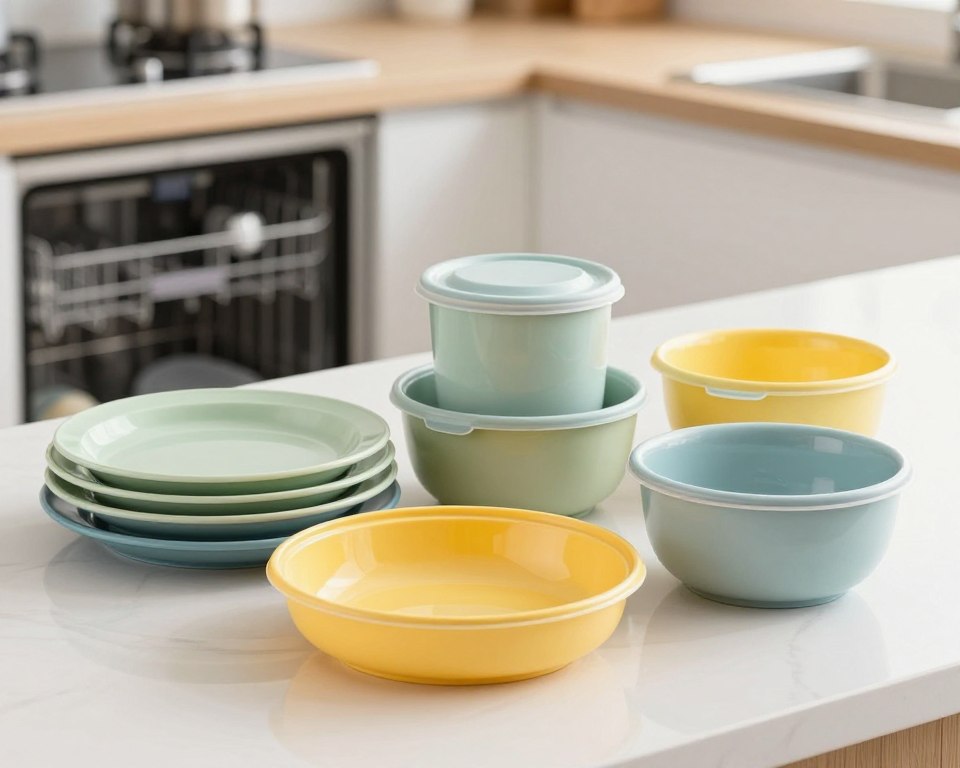
Polypropylene, marked by the resin code 5, is known for its high melting point and resistance to chemicals. It keeps its shape even in a dishwasher’s changing temperatures. This makes it a top choice for many because it’s both flexible and heat-stable.
“The durability of a polymer is not merely about its hardness, but its ability to dissipate thermal energy without breaking its internal molecular chains.”
Polypropylene is often used for dishwasher safe plastic because it doesn’t soften like cheaper plastics do. It’s safe for daily use without worrying about it changing shape.
The Stability of Tritan Copolyester
Tritan copolyester is a big step forward in kitchen materials. It’s exceptionally clear, tough, and can handle heat well. It doesn’t cloud or crack like other plastics do when exposed to hot water.
Tritan’s molecular structure makes it strong against heat. Choosing items made from this copolyester means you’re getting a top-notch dishwasher safe plastic. It’s perfect for those who want their kitchen items to look good and last long.
Chemical Leaching and Thermal Exposure
As a pharmacist, I look at how heat affects food-contact materials. When plastic containers get hot in a dishwasher, their structure changes. This can let chemicals from the plastic into your food or drinks.
BPA and Phthalate Migration Risks
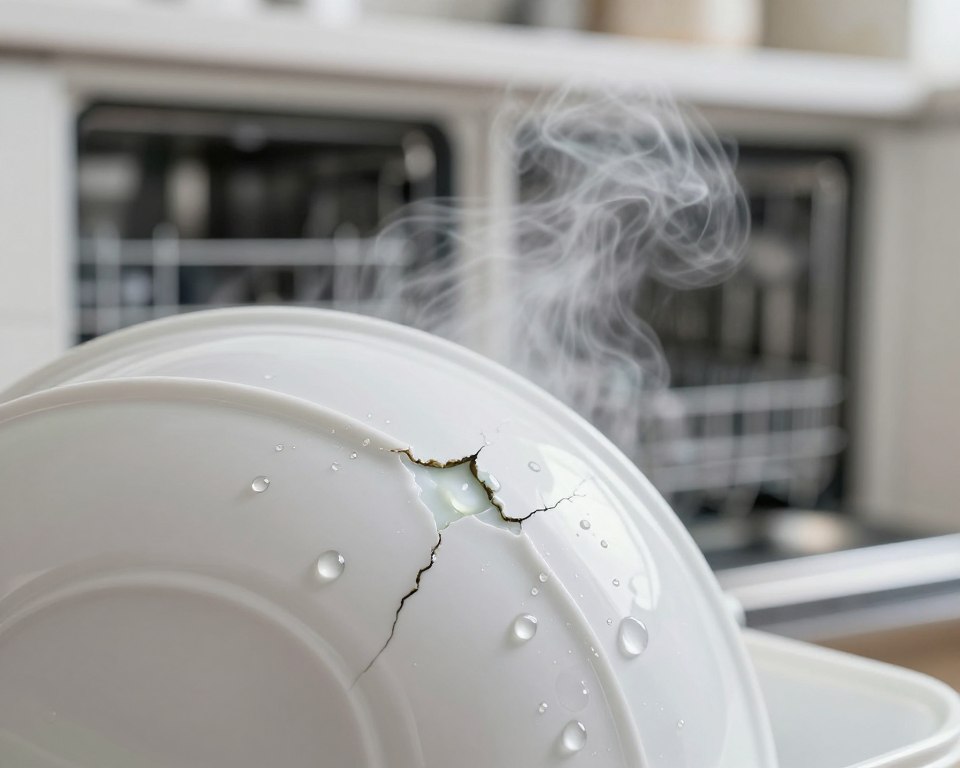
Heating plastic can lead to BPA leaching. Bisphenol A (BPA) is used to harden plastics but can disrupt hormones. High heat makes these chemicals move faster from the container walls.
Phthalates, added for plastic flexibility, also face risks with heat. When plastics get hot, the bonds holding these chemicals can break. This degradation means more of these substances could be in your food.
Pharmacist Perspectives on Plastic Safety
From a clinical view, use glass or stainless steel for hot items. If plastic is needed, check it’s BPA-free. But, “BPA-free” doesn’t mean it’s safe from all chemicals.
Recent studies show how material science affects health. You can find the latest on chemical safety and material integrity. Choosing better plastics helps avoid BPA leaching and other chemical issues.
Check your containers for damage like cloudiness or pitting. This means the plastic is breaking down. If unsure, it’s best to replace it. By watching for BPA leaching, you keep your home safe from chemicals during cleaning.
The Impact of Detergent Chemistry on Plastic Integrity
Many people don’t realize how dishwasher detergent chemistry can damage plastic over time. Thermal exposure is a known risk, but the chemical environment in your dishwasher matters too. Knowing this helps explain why even top-quality containers can wear out.
How Harsh Enzymes Accelerate Plastic Aging
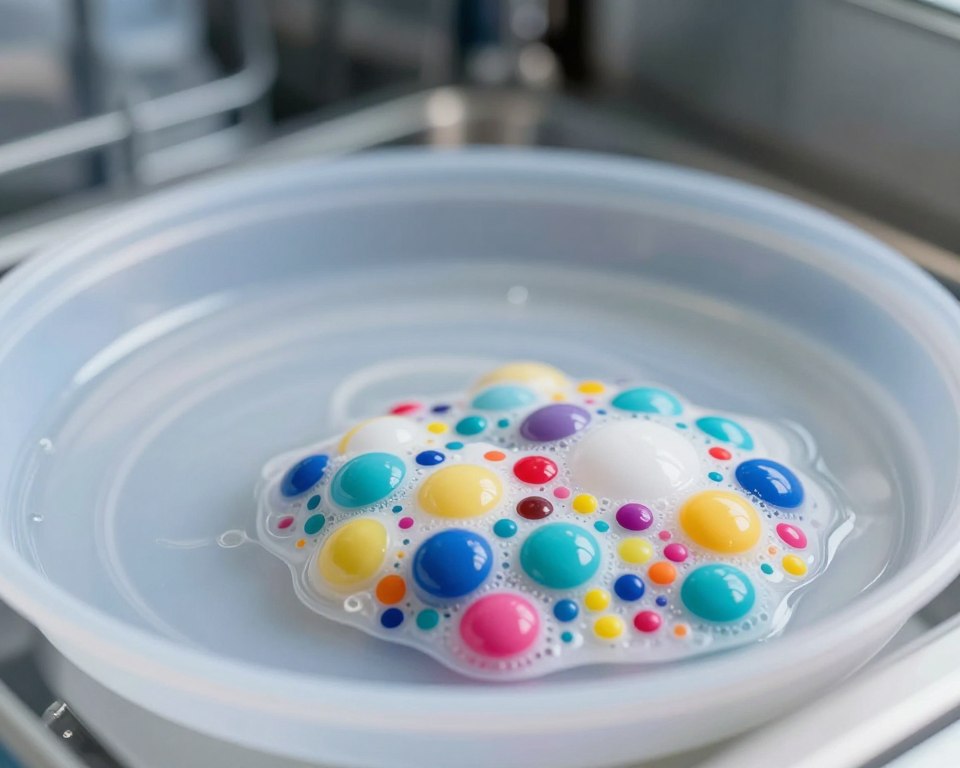
Today’s cleaning agents use special enzymes to break down food. These enzymes, like proteases and amylases, target proteins and starches. But they can also affect certain plastics.
With each wash, these enzymes can get into the plastic’s tiny pores. This causes surface degradation, leading to cloudiness or a rough feel. Once the surface is damaged, the plastic can stain and hold smells more easily.
The Interaction Between Heat and Detergent Chemicals
High temperatures and strong cleaners work together to wear down materials faster. Heat makes the plastic expand, letting chemicals get deeper into it.
This dishwasher detergent chemistry often includes very alkaline ingredients that can dull plastic. Adding the force of water jets makes things worse. To slow down aging, think about these points:
- pH levels: Very alkaline detergents can harm sensitive plastics.
- Cycle duration: Longer cycles mean chemicals stay on your dishes longer.
- Rinse efficiency: Bad rinsing can leave chemical residues that keep reacting with plastic.
Choosing gentler detergents or using shorter, cooler cycles can help your plastic last longer. Controlling your dishwasher detergent chemistry is a simple way to keep your kitchenware in good shape.
Signs of Heat Damage in Kitchenware
It’s important to spot early signs of heat damage to keep your family safe. Regular checks help you know when kitchen tools need to be replaced. This way, you keep your food storage safe and effective.
Visual Indicators of Warping and Deformation
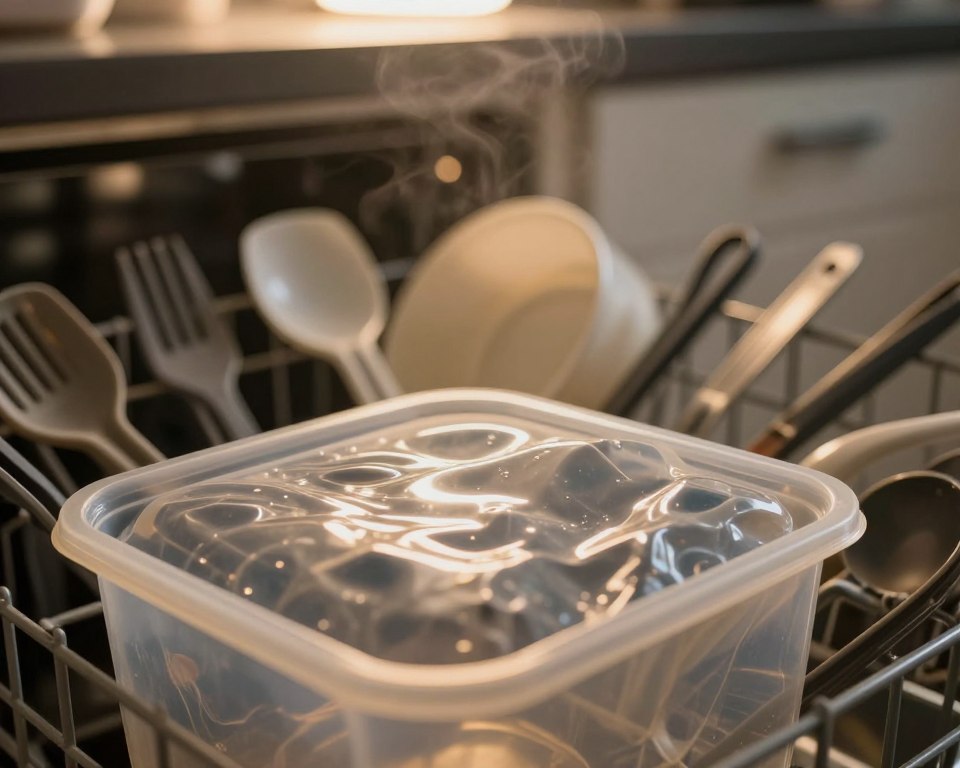
Plastic warping is a common sign of heat damage. It happens when items get too hot. You might see containers that don’t sit flat or lids that don’t fit right.
When containers start to look oval or uneven, it’s time for a new one. Deformed plastic can let air and moisture in, speeding up food spoilage. Using damaged containers can cause leaks and spills.
Micro-cracking and Surface Degradation
Look for small signs of damage too. High heat can make plastic brittle, causing tiny cracks. These cracks are hard to see but can hide bacteria and food particles.
If your container feels rough or looks cloudy, it’s not safe anymore. Plastic warping often means the surface has changed. Prioritizing your health means getting rid of these items when you see these signs.
Proper Loading Techniques to Minimize Heat Exposure
Keeping your dishwasher organized is key to avoiding heat damage on plastic items. Using dishwasher loading tips is crucial for dishwasher maintenance. It helps keep your kitchenware in good shape.
Top Rack Versus Bottom Rack Placement
Dishwashers have different temperature areas during washing and drying. The main heating element is usually at the bottom.
Putting plastic items on the top rack helps. It keeps them away from the hot bottom. This stops plastics from warping or deforming due to heat.
Avoiding Heating Element Proximity
Even on the top rack, make sure plastic items don’t move. Small or light items should go in secure racks or baskets. This stops them from touching the heating element.
If a plastic item falls to the bottom, it might melt or get deformed. Always check that your items are secure before starting the dishwasher. This keeps your dishwasher maintenance up to standard.
By following these dishwasher loading tips, you reduce thermal stress on your materials. Regularly checking where you place items keeps your plastic kitchenware safe and functional for a long time.
Alternative Cleaning Methods for Delicate Plastics
When it comes to delicate plastics, we often need to avoid the dishwasher. Modern appliances are convenient but not always safe for every item. Knowing which materials can handle high-pressure water and which need a gentle touch is key to dishwasher maintenance.
Hand Washing Best Practices
Hand washing is the best way to avoid damage to delicate plastics. Use lukewarm water instead of hot to protect the materials. Choose a mild, non-abrasive soap to prevent scratches and bacteria buildup.
“The longevity of your kitchenware is directly proportional to the care you provide during the cleaning process; manual washing remains the safest path for specialty polymers.”
Use a soft sponge or microfiber cloth for cleaning. Avoid steel wool or harsh pads to prevent damage. Let items air dry on a rack to avoid moisture buildup.
Sanitizing Without High-Heat Cycles
You don’t need high heat to clean safely. Many think only high-heat cycles sanitize, but chemical-free options work well. Unlike harsh dishwasher detergent chemistry, these methods are gentle and safe.
White vinegar and water can remove odors and residue. For deeper cleaning, a diluted hydrogen peroxide rinse is effective without harming the material. These methods keep your kitchenware safe for food without thermal stress risks.
| Cleaning Method | Temperature | Best For | Risk Level |
|---|---|---|---|
| Hand Wash | Lukewarm | Delicate Plastics | Low |
| Vinegar Soak | Room Temp | Odor Removal | Minimal |
| Dishwasher | High Heat | Durable Glass/Metal | High |
The Lifecycle of Plastic Kitchenware
Knowing when to replace plastic kitchen items is key to safety. Modern plastics are made to last, but they won’t last forever. Heat and cleaning products can wear them down over time.
When to Replace Your Plastic Containers
Check your containers often for damage. Visible warping, deep scratches, or a cloudy look mean it’s time to replace them. These signs can hide bacteria and make cleaning hard.
If a container can’t seal anymore or shows micro-cracking, it’s time to get rid of it. These problems can let harmful substances into your food. Replacing damaged items is crucial for keeping your kitchenware safe.
“The structural integrity of a polymer is not infinite; once the surface is compromised, the risk of chemical migration increases, necessitating a timely replacement of the vessel.”
Here’s a table to help you know when to replace your plastic items:
| Indicator | Severity Level | Recommended Action |
|---|---|---|
| Deep Scratches | Moderate | Replace if used for acidic foods |
| Warping/Deformation | High | Immediate disposal |
| Persistent Odors | Low | Deep clean or replace |
| Surface Clouding | Moderate | Monitor for further degradation |
Environmental Considerations of Frequent Replacement
Replacing plastic items often is a big environmental issue. Many plastics can’t be recycled because of food residue and additives. Choose long-lasting, high-quality materials that can handle heat better.
Opt for durable alternatives whenever you can. If you need to throw something away, check if it can be recycled. This way, you keep your home safe and help the planet.
Comparing Dishwasher Brands and Drying Technologies
Knowing how your dishwasher works can protect your dishes. The design of your dishwasher affects how it handles dishwasher heat cycles. This is important for keeping your plastic dishes safe.
Condensation Drying Versus Heating Elements
Older dishwashers use a heating element at the bottom. This can get too hot and melt or warp plastic dishes. These aggressive dishwasher drying cycles are too harsh for most plastics.
Newer dishwashers use a different method. They use the stainless steel walls to dry dishes. This method is gentler because it avoids sudden temperature changes.
How Bosch and Miele Technologies Differ
Bosch and Miele focus on keeping dishes safe. Bosch uses a drying system that doesn’t need electricity. This keeps the temperature stable during dishwasher heat cycles.
Miele uses a special airflow system. It opens the door at the end of the cycle. This lets moist air out, drying dishes faster without high heat. This way, even sensitive plastics stay safe.
| Technology Type | Heat Source | Plastic Safety | Energy Efficiency |
|---|---|---|---|
| Exposed Element | High-Heat Coil | Low | Moderate |
| Condensation | Residual Heat | High | High |
| Auto-Open Door | Ambient Air | Very High | Very High |
Safety Standards and Regulatory Guidelines
Ensuring plastic kitchenware safety begins long before it reaches your home. It starts with strict government oversight. Manufacturers must follow strict guidelines to prevent harmful substances from leaching into food or drinks.
FDA Regulations for Food-Contact Plastics
In the United States, the FDA is in charge of regulating food-contact materials. The Federal Food, Drug, and Cosmetic Act classifies these materials as indirect food additives.
Before hitting the market, companies must prove their products are safe. They do this through the FDA’s Food Contact Notification (FCN) program. The FDA reviews data on chemical migration and toxicity. This ensures high plastic kitchenware safety standards across the industry.
International Safety Testing Protocols
Many manufacturers also follow international standards for global compliance. The International Organization for Standardization (ISO) sets frameworks for testing polymers’ durability and chemical stability.
These tests include stress testing under high temperatures and various cleaning agents. By meeting these global benchmarks, companies offer more assurance to health-conscious consumers.
| Regulatory Body | Focus Area | Primary Goal |
|---|---|---|
| FDA (USA) | Food-contact substances | Prevent chemical migration |
| ISO (Global) | Material performance | Standardize testing methods |
| EFSA (Europe) | Consumer health | Risk assessment of plastics |
Choosing products that meet these safety standards is key to protecting your home. Certified items are a safe choice, backed by expert verification.
Myths and Misconceptions About Dishwasher Safety
Many people think that if a container is safe for the microwave, it’s also safe for the dishwasher. But, these two are not the same. The microwave test checks how materials handle short-term heat and radiation. The dishwasher, on the other hand, uses hot water, high pressure, and strong cleaners for a long time.
These two environments are not equivalent. Using a microwave-safe item in the dishwasher can cause it to warp or break early.
Debunking the Microwave-Safe Equals Dishwasher-Safe Myth
One big problem is that mixing these terms can lead to chemicals leaking into your food. When a plastic item is exposed to too much heat, its molecules can start to break down.
This breakdown can make it more likely for BPA or other chemicals to leak into your food. Always check the bottom of your containers for specific icons. Don’t just assume that a microwave-safe label means it’s safe for the dishwasher.
Clarifying Temperature Limits for Reusable Plastics
Knowing the dishwasher temperature limits is key to keeping your kitchenware safe. Most dishwashers get very hot, between 130°F and 170°F, during the wash and sanitize cycles.
If a plastic item has a low glass transition temperature, it will get soft and change shape in this heat. Here’s a table that shows the safety of common plastics in your home.
| Plastic Type | Microwave Safe | Dishwasher Safe | Heat Resistance |
|---|---|---|---|
| Polypropylene (PP) | Yes | Yes | High |
| Polystyrene (PS) | No | No | Low |
| Tritan Copolyester | Yes | Yes | Very High |
| Polyethylene (PE) | Varies | No | Low |
By following these guidelines, you can avoid BPA leaching and keep your containers safe. Always follow the manufacturer’s instructions. This way, you protect your health and your kitchen tools from the dishwasher temperature limits.
Conclusion
Managing plastic kitchenware is all about finding the right balance. You now know how to tell apart durable plastics from those that can’t handle heat. This knowledge helps prevent damage when using high-temperature settings.
Always check the labels on your containers before putting them in the dishwasher. Look for safety icons to avoid common mistakes like warping or chemical leaks. The right way to load your dishwasher is key to avoiding damage from the heat.
Keep an eye out for signs of wear on your containers, like micro-cracking or changes in the surface. Replacing them when needed keeps your food safe and your kitchen running smoothly. Making a few changes to your cleaning routine can also help protect your kitchenware.
By following these tips, you can keep your plastic items in good shape. Making informed choices helps keep your kitchen safe and healthy. Use this knowledge to tackle your kitchen tasks with confidence and care.
FAQ
Does dishwasher heat permanently alter the molecular structure of plastic kitchenware?
Yes. High temperatures can cause thermal degradation by stressing the molecular bonds of polymers. When a plastic item reaches its glass transition temperature, it becomes susceptible to warping and structural weakening. This is common in standard Whirlpool or GE models that use an exposed heating element for drying, leading to uneven expansion and contraction.
How can I distinguish between a recycling code and a dishwasher-safe symbol?
It’s important to tell the two apart. Resin Identification Codes—numbers 1 through 7 inside a triangle—show the plastic type for recycling, but don’t mean it’s heat-resistant. Look for the dishwasher-safe icon, like a wine glass or plates with water droplets, to ensure safety.
Why do certain plastics like polystyrene melt while others remain intact?
The type of plastic determines its heat tolerance. Polystyrene (Code 6) and thin-walled polyethylene melt easily in high heat. But Polypropylene (Code 5) and Eastman Tritan Copolyester can handle high temperatures without deforming.
From a clinical perspective, is there a health risk associated with washing plastic in high heat?
As a pharmacist, I see a risk of chemical leaching. High heat can release additives like BPA or phthalates into food. Even “BPA-free” plastics can leach chemicals in high heat. Always hand-wash plastics showing signs of damage.
Why is the top rack considered the safest location for plastic items?
The top rack is safest because it’s far from the heating element at the bottom. This reduces the risk of warping and deformation during washing and drying.
Do different dishwasher brands impact the longevity of my plastic containers?
Yes. Brands like Bosch use gentler drying methods, which are better for plastic. Choose a low-heat drying setting or “air dry” option to extend your containers’ life.
If a container is labeled "microwave-safe," is it automatically dishwasher-safe?
No. Being microwave-safe doesn’t mean it’s safe for the dishwasher. Always check both ratings to avoid damage.
How do dishwasher detergents affect the aging of plastic materials?
Detergents can strip plastics of their protective finish, leading to surface degradation and cloudiness. Use a mild detergent like Seventh Generation or Mrs. Meyer’s to preserve your plastics.
When should I stop using a plastic container and dispose of it?
Replace plastic items at the first sign of damage, like warping or crazing. These signs mean the container is no longer safe for food.