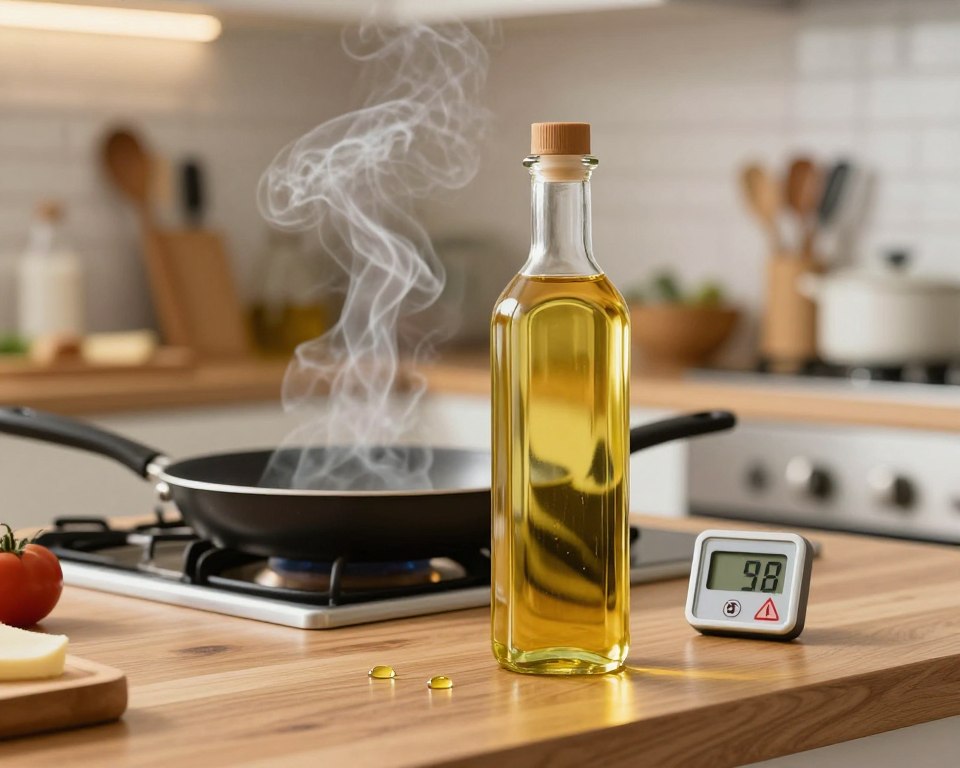
We’ve all seen smoke from a pan and wondered. As a pharmacist, I often hear about the dangers of cooking oil at high heat.
Knowing about fats is key for cooking oil safety. When fats get too hot, they change in ways that might affect their health benefits.
This guide looks into the science behind these worries. I aim to clear up myths and real risks. Knowing the truth helps you cook safely without worry.
Key Takeaways
- High temperatures cause chemical degradation in fats.
- Smoke points vary significantly between different fat sources.
- Distinguishing between minor smoke and dangerous oxidation is vital.
- Evidence-based practices reduce unnecessary health anxiety.
- Proper storage and usage extend the lifespan of your pantry staples.
The Chemistry of Cooking Oils and Thermal Degradation
Cooking oils change a lot when they get hot. These changes happen at a molecular level. It’s important to know this to keep your food safe and nutritious.
Understanding Smoke Points and Molecular Stability
Many cooks use the smoke point to check if oil is safe. This is when the oil starts to smoke. But, the smoke point isn’t everything.
True oxidative stability is about how well an oil stays the same when heated. An oil might not smoke until it’s already damaged. So, just looking at the smoke point isn’t enough.
The Process of Oxidation During High-Heat Cooking
When fats get hot, they react with oxygen. This makes new, possibly harmful compounds. The speed of this depends on the oil’s fatty acid profile.
Oils with more polyunsaturated fats are more prone to damage. But, oils with saturated or monounsaturated fats are better. Choosing the right fats can prevent unwanted byproducts.
The smoke point is helpful, but it’s not the only thing to look at. Oils with high oxidative stability are safer for high-heat cooking.
Can Burned Cooking Oil Become Toxic to Human Health
Many home cooks worry if smoke from a pan means it’s toxic. While a burnt meal now and then is usually okay, using oil too much at high heat is a different story. High-heat cooking is common, but it can damage oils.

Identifying Harmful Compounds Formed at High Temperatures
When oil gets too hot, it breaks down into harmful chemicals. Polar compounds are one big worry. They show the oil has lost its shape. These are checked in factories to see if oil is still good to use.
Acrylamide is another concern in food safety talks. It forms in starchy foods cooked very hot, mixing with fats. Though home-cooked acrylamide levels are usually low, knowing how it forms helps us choose better cooking ways.
The Role of Free Radicals in Cellular Damage
Oil breakdown also leads to free radicals. These unstable molecules harm healthy cells by stealing electrons. Chronic exposure to them might lead to health problems if our bodies can’t fight them off.
It’s key to keep things in perspective about these risks. Free radicals are a natural result of oil heating, but our bodies are strong. Most home cooking doesn’t get hot enough to make harmful amounts of these substances. This is true if the oil isn’t burned or reused too much.
Common Indicators That Your Cooking Oil Has Been Compromised
Knowing the signs of oil degradation is key for safe cooking at home. When fats are heated too much, they start to break down. Spotting these changes early helps you avoid using bad ingredients in your meals.
Visual Cues of Oil Degradation
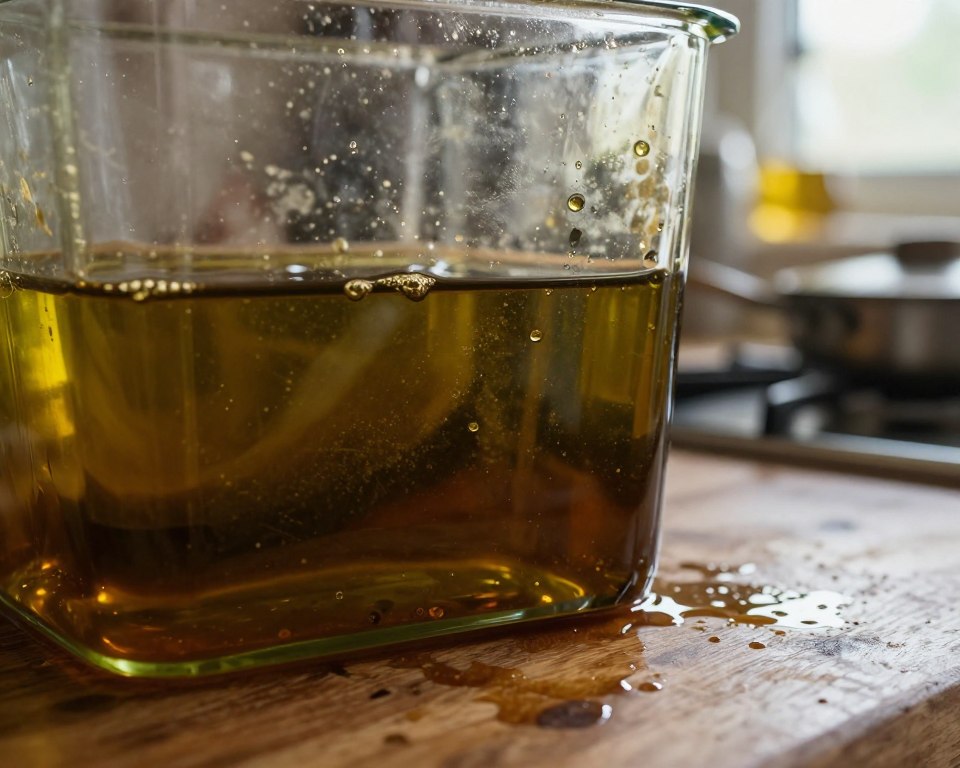
Checking the oil’s color is the first step. Fresh oil is clear and light. But as it degrades, it turns darker. It might also get thicker than before.
Another sign is foam that doesn’t go away when heating. A bit of bubbling is okay, but thick foam means the oil is unstable. Also, look for dark sediment or food bits at the bottom of your pan. These signs mean the oil is breaking down fast.
Sensory Changes in Smell and Taste
Your senses of smell and taste are also important. Good oil smells neutral or pleasant. A sharp, acrid, or rancid smell while heating is a bad sign.
Lastly, taste your food. If it tastes bitter or metallic, the oil is bad. Using such oil can ruin your dish and might be unhealthy. It’s better to throw it away than to use it again.
| Indicator Type | Fresh Oil State | Compromised Oil State |
|---|---|---|
| Color | Light, clear, or golden | Dark, murky, or brownish |
| Surface | Smooth with minimal bubbles | Persistent, thick foam |
| Aroma | Neutral or mild | Acrid, sour, or rancid |
| Consistency | Thin and fluid | Viscous or syrupy |
The Impact of Repeated Heating and Frying Cycles
Every time you heat oil for frying, you start a cycle of stress that changes it. Reusing oil might seem cheap, but each time you heat it, it breaks down more. This makes stable fats turn into harmful substances.

Why Reusing Oil Increases Toxicity Risks
When you cook at high heat, the oil reacts in ways that don’t stop when you turn off the heat. These reactions leave behind harmful residues that get worse with each use. Over time, the oil loses its good qualities and becomes a source of harm.
“The repeated use of frying oil leads to the formation of polar compounds that can negatively impact human health if consumed in excess.”
To keep your kitchen safe, think about these things:
- The number of times the oil has reached its smoke point.
- The presence of food particles left behind from previous frying sessions.
- The total duration the oil spent at elevated temperatures.
Chemical Changes in Deep-Frying Environments
Deep-frying is tough on oil. The intense heat causes it to produce harmful compounds, like acrylamide. This is a chemical that can form in foods cooked at high heat. It’s a worry because it comes from sugars and amino acids reacting with broken-down fats.
The fryer’s environment changes a lot as the oil darkens and gets thicker. This change shows the oil has broken down a lot. By not frying too much, you cut down on these bad substances in your food.
Health Risks Associated with Consuming Degraded Lipids
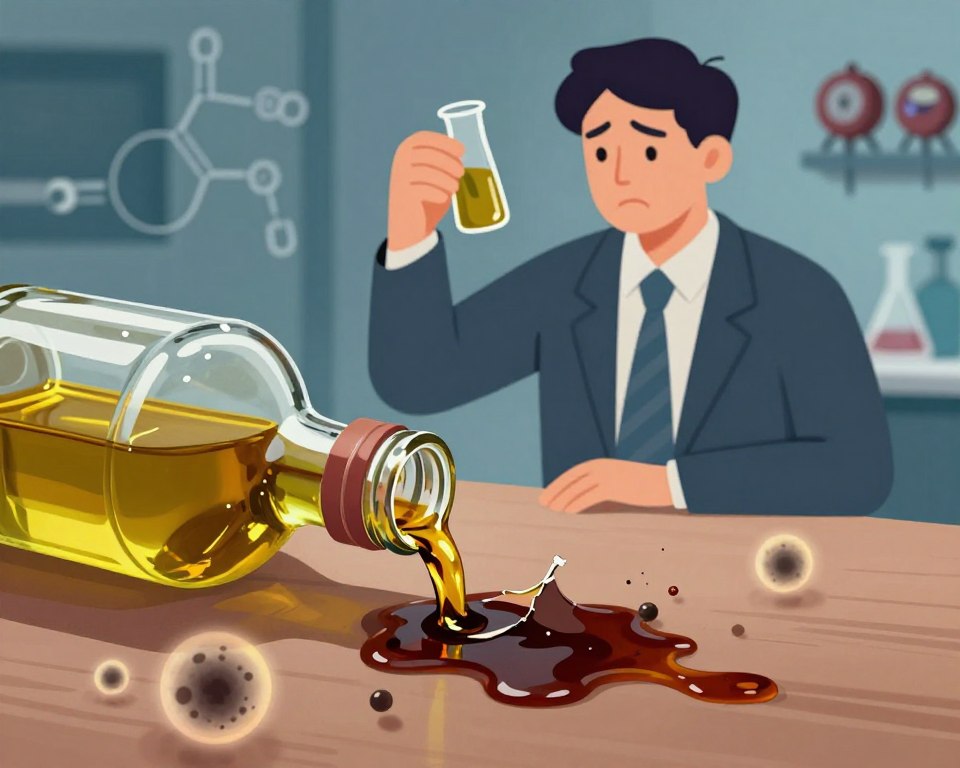
Consuming thermally degraded lipids can harm your health over time. Cooking oils change a lot when heated too high. These changes turn good dietary fats into harmful substances that can damage cells.
Potential Links to Chronic Inflammation
Studies show that eating oxidized oils can stress your body. These bad molecules in your blood can start chronic inflammation. This long-term inflammation can mess with your metabolism.
It’s important to eat stable fats to avoid these problems. Don’t use oils that have been heated too much. Choose fresh, good-quality oils to help your body fight off inflammation.
Cardiovascular Concerns and Lipid Peroxidation
Lipid peroxidation is a big worry with degraded lipids. It’s when fats react with oxygen, making free radicals that harm artery walls. This can lead to heart problems over time.
The table below shows how healthy fats differ from degraded ones:
| Feature | Healthy Dietary Fats | Degraded Lipids |
|---|---|---|
| Molecular Stability | High | Low |
| Inflammatory Impact | Neutral or Anti-inflammatory | Pro-inflammatory |
| Cellular Effect | Supports Membrane Health | Promotes Lipid Peroxidation |
| Long-term Risk | Low | Elevated |
Knowing about these changes helps you make better food choices. Avoid reusing oils and control the heat to keep your heart healthy. Taking care of your cooking space is a simple way to stay well.
Selecting the Right Oils for High-Heat Culinary Applications
Choosing the right oil for high-heat cooking is key for health-conscious chefs. The oil’s chemical makeup and processing method affect how it handles heat. By picking an oil that matches your cooking method, you keep your food safe and flavorful.
Refined Oils Versus Cold-Pressed Varieties
Refined oils are purified to remove impurities and particles that burn easily. This makes them great for searing or deep-frying because they have a high smoke point.
Cold-pressed oils, on the other hand, are made without heat or chemicals. This keeps their natural taste and nutrients but makes them less suitable for high heat. They’re better for dressings or finishing dishes.
Stability Profiles of Avocado, Grapeseed, and Refined Olive Oil
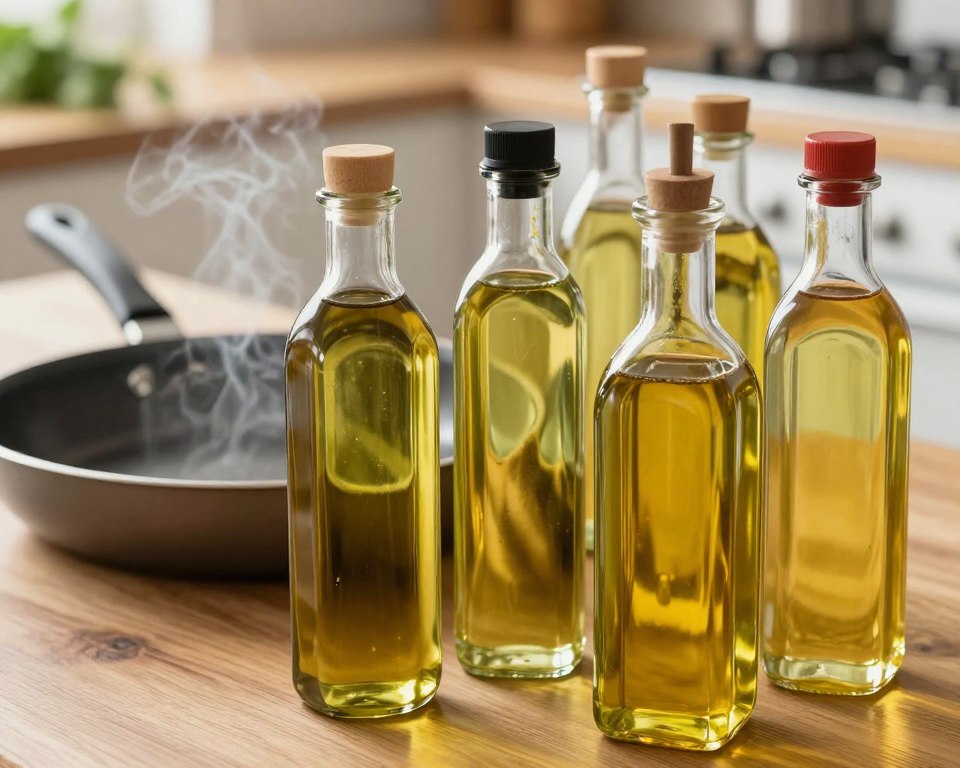
Avocado oil is known for its high smoke point and monounsaturated fats. This makes it very stable against heat damage. It’s a great choice for everyday cooking.
Grapeseed oil is also popular but needs careful use due to its high polyunsaturated fats. It works well in many dishes but isn’t as heat-resistant as avocado oil. Refined oils like light olive oil are a good middle ground. They handle heat well but don’t change flavor much.
Choosing oils with high oxidative stability is crucial. It prevents your cooking fats from becoming harmful. By picking the right oil, you protect your food and support your health. Always check the label to make sure you’re choosing the right oil for your cooking.
Safe Storage Practices to Prevent Premature Oxidation
Keeping your cooking oils fresh starts before you even cook. Storing them right is critical to keep them good. By controlling the storage space, you slow down oil degradation.
The Effects of Light, Heat, and Oxygen Exposure
Light, heat, and oxygen start chemical reactions in fats. These elements cause oils to break down, leading to rancidity. Even top-notch refined oils can spoil if not stored right.
Oxygen is bad because it creates free radicals. This starts a chain reaction that changes the oil’s taste and smell. Keeping your oils away from air is key to keeping them fresh.
Best Containers and Environments for Oil Longevity
To keep oils fresh, store them in a cool, dark spot. Heat from stoves or ovens can get in and spoil oils faster. A pantry or cupboard on an interior wall is best.
The right container is also important for keeping oils fresh. Here’s what to do:
- Use opaque or dark-colored glass bottles to block UV light.
- Keep lids tightly sealed to stop air from getting in.
- Avoid storing oils in plastic for a long time, as plastics can harm the oil.
By sticking to these tips, you protect your refined oils. Good storage habits keep your ingredients fresh and safe for cooking.
Pharmacist Perspectives on Dietary Fats and Oxidative Stress
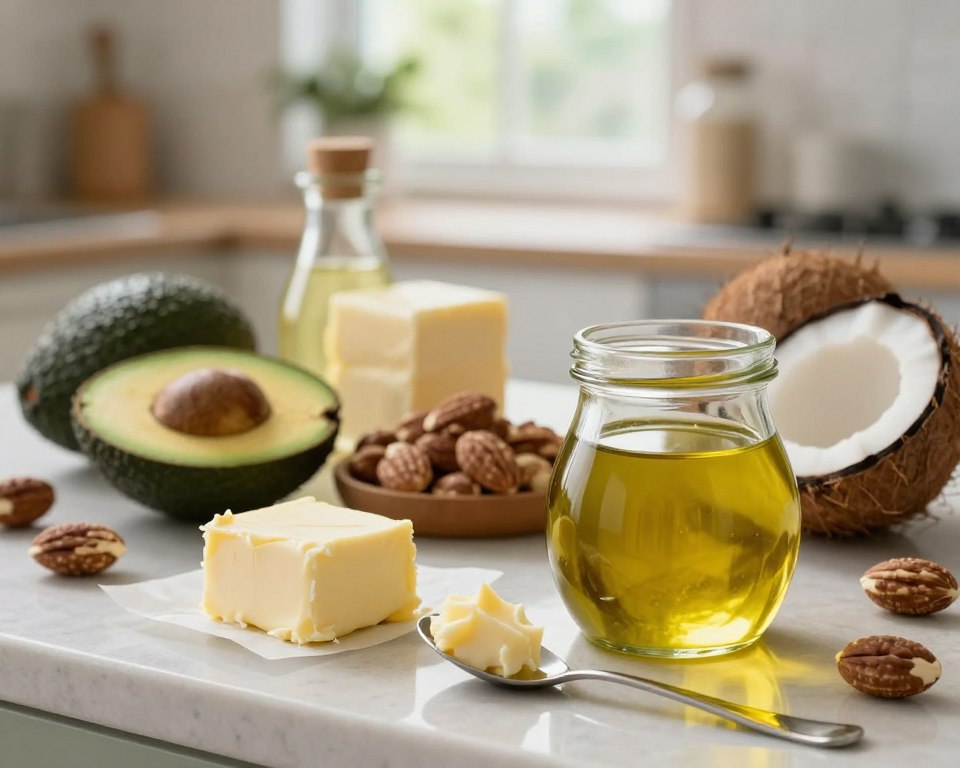
As a pharmacist, I often look at how fats affect our cells. It’s not just about calories, but the quality of fats we eat. The fats we use for cooking are key to our health.
Balancing Healthy Fats in a Modern Diet
Today, we often ignore the impact of heat on fats. Choosing the right oils for cooking is crucial. Oils like avocado or refined olive oil keep our body’s fats balanced.
“The quality of the fuel you provide your cells determines the efficiency of your body’s internal repair mechanisms.”
Not all fats handle heat the same way. Using stable oils helps keep our cells healthy. This is a big part of staying healthy.
Mitigating the Effects of Dietary Toxins
Heating oils too high can create free radicals that harm our cells. These molecules can damage our cells if our body can’t fight them off. But, we can avoid this by choosing the right oils and cooking methods.
Good oils have antioxidants that protect us from these harmful molecules. By not reusing oils and avoiding too much heat, we cut down on toxins. Making smart choices in the kitchen helps keep our bodies healthy.
The Science of Polar Compounds in Used Frying Oil
The breakdown of cooking oil is more than just a taste issue. It’s a scientific process involving polar compounds. When oil is heated over and over, its molecules change. This leads to the creation of these compounds.
These compounds are a good sign of how much oil has degraded. They tell us how long the oil has been used.
Measuring Oil Quality in Commercial Kitchens
Professional kitchens use special tools to check polar compounds in their fryers. This helps keep food safe and the taste consistent. They use:
- Electronic oil testers: Handheld devices that give quick oil degradation readings.
- Chemical test strips: Simple, color-changing strips that show free fatty acids.
- Laboratory analysis: Regular tests for big operations to check oil stability.
Checking oil regularly stops it from becoming unhealthy. It also saves money by only replacing oil when needed, not just guessing.
Regulatory Standards for Frying Oil Safety
Many places have strict rules on polar compounds in frying oil. These rules protect people from the bad effects of oxidized lipids. These can cause inflammation. If oil has too much, it must be thrown away.
Knowing these rules helps connect industrial safety with home cooking. Home cooks might not have fancy sensors, but the scientific principles are the same. To keep your kitchen healthy, avoid heating oil too much.
How to Properly Dispose of Burned or Spent Cooking Oil
Getting rid of used cooking oil is key to keeping your plumbing and the environment safe. Many people think it’s okay to pour a little oil down the drain. But, even a small amount can cause big problems for your plumbing.
Environmental Considerations for Oil Disposal
Oil doesn’t just go away when it gets into the sewer. It cools and turns into fatbergs that block pipes. This can lead to sewage backups and puts a strain on water treatment plants.
Also, oil can pollute local waterways. It forms a layer on water’s surface, cutting off oxygen and harming fish and plants. Taking care of your kitchen waste helps protect our environment.
Safe Handling Practices for Home Cooks
First, let the oil cool down before you handle it. Hot oil can melt plastic or burn you. Once it’s cool, you can deal with it safely.
For small amounts, use paper towels to soak up the oil and throw it away. For more oil, put it in a strong, leak-proof container. Many places have recycling programs for this oil, turning it into biodiesel or other products.
| Disposal Method | Best For | Environmental Impact |
|---|---|---|
| Solidification in Trash | Small amounts | Low |
| Local Recycling Center | Large volumes | Positive (Biofuel) |
| Pouring Down Drain | Never recommended | High (Severe) |
By following these easy steps, you can avoid expensive plumbing repairs and help the environment. Being consistent with how you dispose of kitchen waste is the best way to keep things safe.
Alternatives to High-Heat Frying for Healthier Cooking
Trying new cooking ways can lead to healthier meals without losing flavor. By choosing healthy cooking alternatives, you can avoid oil damage. This way, you keep more nutrients in your food.
These methods let you make many dishes while controlling fat quality. This helps keep you healthy in the long run.
Benefits of Air Frying and Steaming
Air frying is a hit for those wanting healthy cooking alternatives that taste like fried foods. It uses hot air to crisp food, needing much less oil.
Steaming cooks food with just water vapor. It cooks at a lower temperature than frying. This keeps nutrients safe and prevents harmful compounds.
Techniques for Flavor Extraction Without Excessive Heat
You don’t need high heat for great flavors. Use fresh herbs, citrus, and spices for depth. This way, you avoid heavy frying.
Slow cooking or braising in liquid makes flavors blend gently. These healthy cooking alternatives keep food tasty and safe. They avoid overheating risks.
Start with aromatics like garlic, ginger, and onions for a strong flavor base. These gentle methods help make delicious, healthy meals for your family.
Myths and Misconceptions About Cooking Oil Safety
Exploring the world of cooking fats means sorting out old myths from new science. Many worry that can burned cooking oil become toxic when it gets hot fast. But these fears often come from wrong info, not real lab tests.
Debunking Common Kitchen Folklore
Some think heating extra virgin olive oil ruins its health perks or makes it harmful. But, high-quality olive oil has antioxidants that keep it stable at moderate heat. Cooking with these oils is generally safe for most home cooking.
Another myth is that all oils act the same when heated. This is not true, as each oil’s chemical makeup affects its performance. To ensure cooking oil safety, pick the right oil for the job, not just fear the heat.
Clarifying the Difference Between Smoke Point and Toxicity
Many believe an oil turns toxic as soon as it hits its smoke point. But, the smoke point just shows when an oil starts to break down visibly. It’s not when it becomes toxic.
Toxicity comes from long, extreme heat, not just a quick smoke. Knowing this lets you cook without worry. Here’s a table to clear up these myths.
| Myth | Scientific Reality | Key Takeaway |
|---|---|---|
| Olive oil is unsafe for frying | It is stable due to antioxidants | Suitable for most cooking |
| Smoke point equals toxicity | It indicates initial breakdown | Not an immediate health risk |
| All oils are the same | Stability varies by fatty acid | Choose oil based on heat |
| Reusing oil is always fine | Repeated heating degrades lipids | Limit reuse for safety |
Conclusion
High-heat cooking changes fats in ways we can manage. By choosing stable oils like avocado or refined olive oil, you keep food quality high. These oils resist damage better when heated intensely.
Keep an eye on your cooking space to avoid harmful compounds. Look out for darkening colors or smoke that won’t go away. These are signs your oil needs to be replaced.
Your diet matters more than any single cooking session. Aim for balanced nutrition to support your health goals. Making small changes in how you handle fats can greatly improve your cooking.
Use these tips to feel more confident in the kitchen. Making informed choices keeps you safe while exploring different cooking methods. Share what you’ve learned to help others cook safely too.
FAQ
Is the smoke point the most important factor when choosing a cooking oil?
The smoke point is key, but not the only thing to consider. How well an oil resists reacting with oxygen under heat is crucial. For example, refined olive oil may have a lower smoke point than some seed oils. But, its monounsaturated fats help prevent the formation of harmful compounds.
What specific toxins are formed when oil is overheated?
Overheated oils can create harmful substances like acrylamide and aldehydes. These can cause cellular damage and increase oxidative stress in the body.
How many times can I safely reuse frying oil in a home kitchen?
I suggest reusing frying oil no more than two or three times. Each time, the oil’s smoke point drops, and oxidized lipids increase. Commercial kitchens check Total Polar Compounds (TPC) for safety. At home, discard oil if it darkens, becomes viscous, or smells bad.
Can consuming burned oil lead to long-term health problems?
Eating burned fats can lead to chronic inflammation and heart issues. The process of lipid peroxidation damages arterial walls and affects cholesterol levels. Using stable fats like Chosen Foods Avocado Oil for high-heat cooking can help avoid these problems.
Why is avocado oil often recommended over cold-pressed oils for searing?
Cold-pressed oils, like extra virgin olive oil, have delicate nutrients that lower their heat tolerance. Refined avocado oil, on the other hand, has been processed to remove these impurities. This makes it safer for high-heat cooking without creating toxins.
How should I store my cooking oils to prevent them from going bad?
Store oils in a cool, dark place to prevent oxidation. Light, heat, and oxygen can break down molecular bonds before cooking. Use dark glass bottles or tin containers to keep the oil fresh and preserve its antioxidants.
Is air frying a safer alternative to traditional deep-frying?
Yes, air frying uses less oil and keeps fats away from extreme temperatures. This means less oxidized fats and calories, while still giving crispy foods. It’s great for heart health.
What is the best way to dispose of burned or spent cooking oil?
Don’t pour used oil down the drain as it harms plumbing and the environment. Let it cool and put it in a sealable container. Many places recycle used oil into biofuel, making it eco-friendly.
Can the antioxidants in high-quality oil actually protect my health?
Yes, antioxidants in good oils can protect your health. They neutralize free radicals during cooking. Choosing oils with high antioxidant levels helps manage oxidative stress.
Does a “burnt” smell always mean the oil is toxic?
A burnt smell means the oil has degraded. While a single exposure is unlikely to be toxic, it’s a sign to stop cooking. It means the oil’s chemical structure has changed, and harmful compounds have formed.