The kitchen is the heart of the home, where we cook meals for our families. Many home cooks wonder if their cookware choice affects their health. Knowing the chemical makeup of your pans is key to cooking safety.
Deciding between metal and synthetic coatings means looking at how they handle heat. While convenience is tempting, research shows that what we use matters a lot. Making informed decisions helps us find a balance between good cooking and health.
This guide looks at the strength of common kitchen materials. We analyze how these surfaces react with food and heat. This helps you make smart choices about your kitchen tools with confidence.
Key Takeaways
- Material stability is a primary factor in maintaining a healthy kitchen environment.
- Synthetic coatings may degrade when exposed to extreme temperatures over time.
- Traditional metal pans offer durability but require specific maintenance routines.
- Evidence-based research helps consumers move beyond marketing claims.
- Prioritizing wellness starts with understanding the tools used for daily meal preparation.
Understanding the Composition of Modern Cookware
To choose the right cooking tools, you need to know how they’re made. The materials used in cookware affect how it performs. By looking at these materials, you can guess how your pans will handle heat and food.
The Chemistry of Traditional Cast Iron
Cast iron is mostly iron-carbon alloy, with 2% to 4% carbon. This mix makes it hold heat well, longer than other metals. If cared for, it gets a slick surface from fats bonding to the metal.
“The beauty of cast iron lies in its simplicity; it is a rugged, elemental tool that rewards the user for understanding its basic chemical needs.”
Cast iron needs regular care to avoid rust. It’s reactive, which can change food’s taste and nutrients. But, it’s great for searing food.
The Evolution of Nonstick Coatings
Nonstick cookware has changed a lot over time. Early versions used unstable polymers. Now, makers use safer, more controlled formulas.
Today’s nonstick pans have a smooth surface. They’re made to stay stable at cooking temperatures. This means they’re safer for food. Knowing this helps you use these pans right.
| Material Type | Primary Component | Thermal Property | Surface Nature |
|---|---|---|---|
| Cast Iron | Iron-Carbon Alloy | High Retention | Reactive/Seasoned |
| PTFE Nonstick | Fluoropolymer | Low/Moderate | Inert/Slick |
| Ceramic Nonstick | Sol-Gel Silica | Moderate | Inert/Hardened |
Is Cast Iron Safer Than Nonstick: A Comparative Analysis
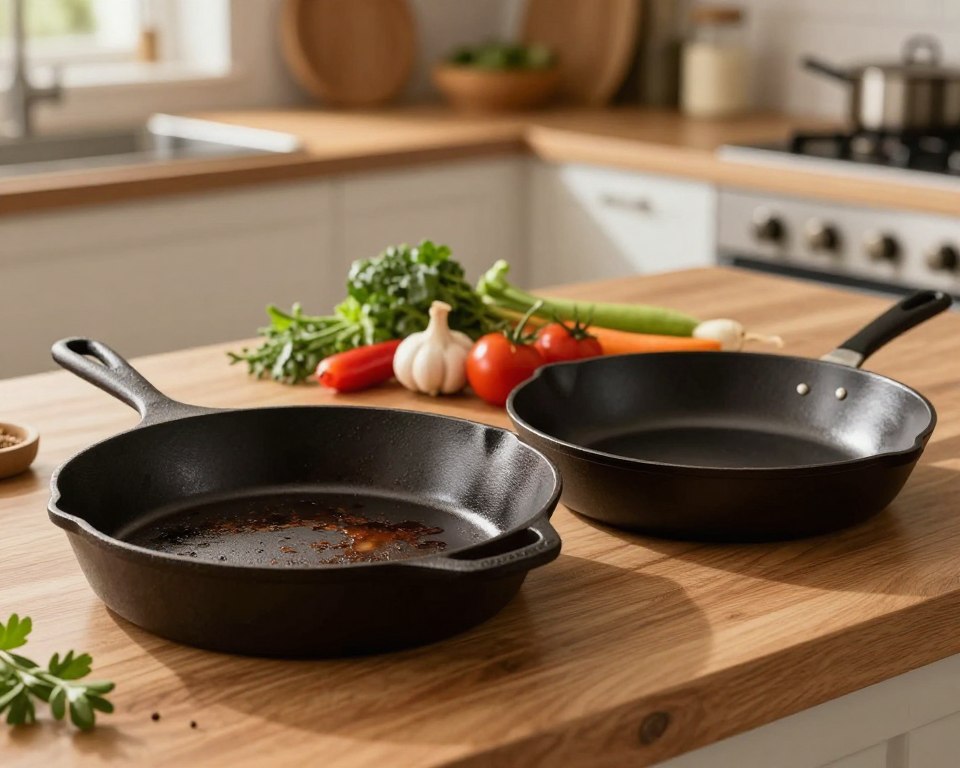
When we compare nonstick vs cast iron, we look at how they handle heat. Each has its own traits that affect cooking and food safety.
To see if cast iron is safer, we must examine how these pans handle heat. Nonstick pans are convenient but may break down at high temperatures. Cast iron, being simple and elemental, stays stable even at extreme heat.
Evaluating Chemical Stability at High Temperatures
Nonstick pans can release harmful fumes when too hot. This happens when the coating breaks down. This can pollute your kitchen.
Cast iron, made of iron and carbon, doesn’t have synthetic coatings. It stays chemically inert even at high heat, making it safe for searing or broiling.
Leaching Potential and Dietary Iron Intake
Cast iron can add iron to your food, which is good for most people. This happens when acidic foods cook in the pan.
Nonstick pans, on the other hand, are safe if their coating is intact. But if damaged, they can release synthetic particles into your food. Here’s a comparison of the two:
| Feature | Cast Iron | Nonstick Coating |
|---|---|---|
| Thermal Stability | Extremely High | Limited |
| Chemical Reactivity | Low (Iron migration) | Low (if intact) |
| Surface Durability | Very High | Moderate to Low |
Choosing between cast iron and nonstick pans depends on your cooking style. Cast iron is better for high-heat cooking. Nonstick pans are easier to clean and good for low-fat dishes.
The Science Behind Nonstick Coatings
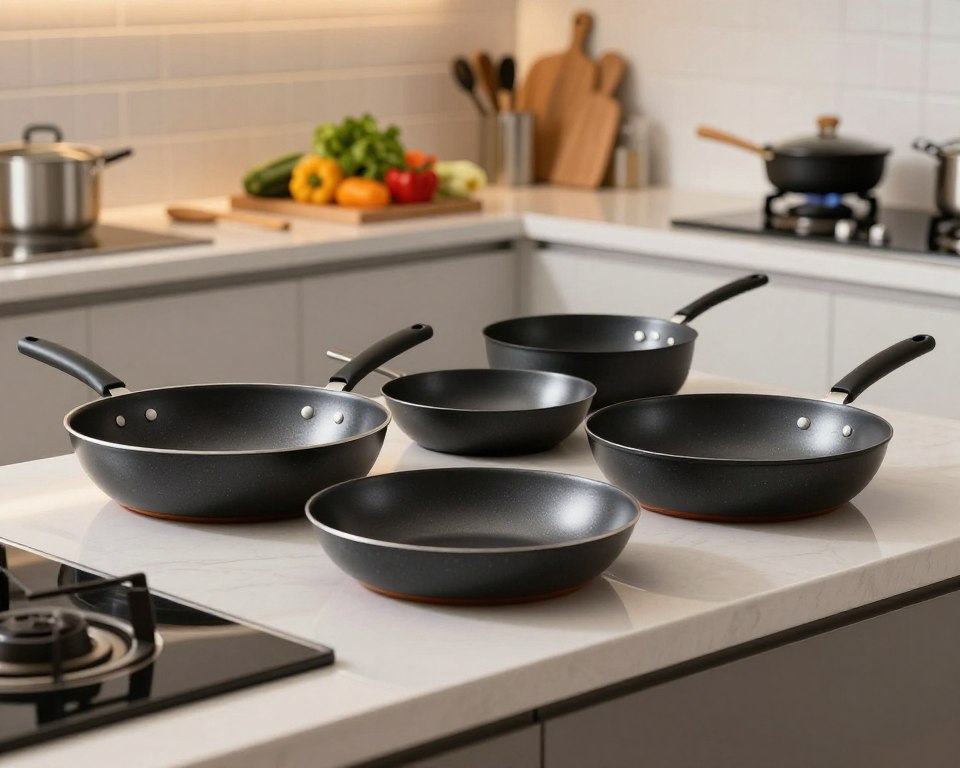
The world of cooking has changed a lot thanks to nonstick technology. It uses synthetic polymers to make food slide off easily. Knowing how nonstick pans work is key for safe and effective cooking.
Understanding PTFE and PFOA History
PTFE, or Polytefrafluoroethylene, was found by accident in the 1930s. It’s a synthetic material that doesn’t melt easily and is very slippery. For years, a chemical called Perfluorooctanoic acid (PFOA) helped stick the coating to metal.
“The transition away from legacy manufacturing chemicals represents a significant milestone in consumer product safety and industrial accountability.”
But PFOA was a problem because it stayed in the environment and our bodies. Even though PTFE is safe, PFOA’s use raised health and environmental worries. This led to big changes in how nonstick pans are made.
Modern Manufacturing Standards for Nonstick Surfaces
The cookware world changed a lot in the early 2000s. Companies stopped using PFOA to meet new safety rules. Now, almost all nonstick pans in the U.S. are PFOA-free.
Today, making nonstick pans is different. It uses new ways to apply the coating and make sure it lasts. These changes include:
- Enhanced bonding agents that replace old chemicals.
- Rigorous quality control for even coatings.
- Compliance with international safety standards for health.
These updates have made kitchenware safer. The industry has moved to cleaner ways of making things. This has greatly reduced the risks from old methods.
Health Risks Associated with Overheated Nonstick Pans
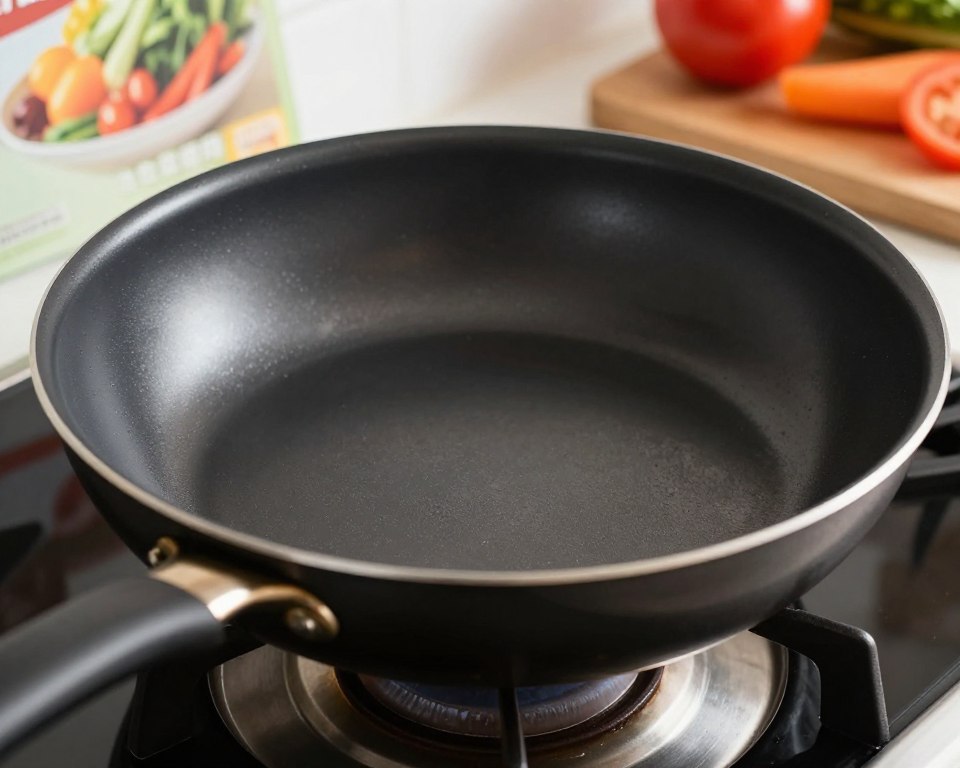
Many home cooks don’t know the dangers of using nonstick pans too hot. When these pans get too hot, the coating starts to break down. This releases gases that can harm your breathing.
Polymer Fume Fever Explained
Polymer Fume Fever happens when you breathe in gases from overheated pans. It makes you feel like you have the flu, with chills, fever, and headaches. These symptoms show up a few hours after you’ve been exposed and go away once you’re out of the bad air.
It’s important to know this is not a long-term illness. It’s a quick reaction to bad air. To avoid it, never heat up nonstick pans without food in them. Cooking at a moderate temperature keeps the coating safe.
Impact on Household Pets and Air Quality
Pets, like birds, are more sensitive to bad air than people. Their bodies can quickly absorb harmful gases, which can be deadly. If you have pets, be very careful with nonstick pans and make sure your kitchen is well-ventilated.
Bad air quality is not just a risk to pets. It can also make your home less safe. Always use a range hood or open windows when cooking at high temperatures. Good ventilation is key to keeping your family and pets safe from harmful fumes.
The Benefits of Cooking with Cast Iron
Cast iron cookware is a favorite in many kitchens. It offers great cooking performance and lasts a long time. This makes it a top choice for home cooks.
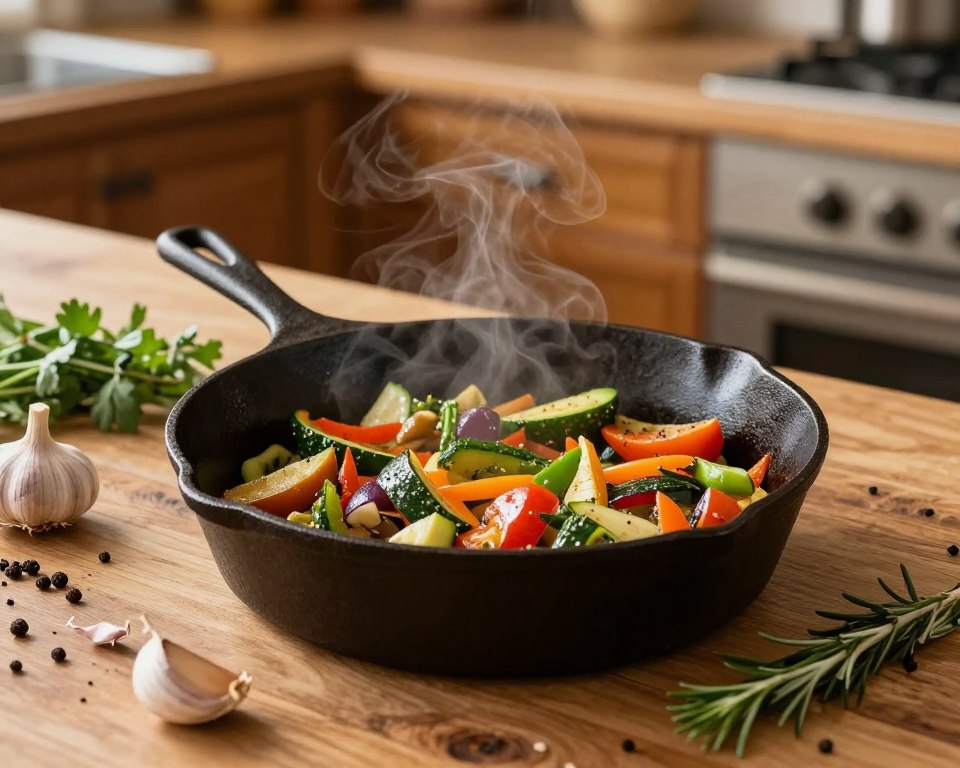
Natural Nonstick Properties Through Seasoning
Cast iron’s main benefit is its natural nonstick surface. This comes from a process called polymerization. It happens when oil is heated on the metal until it smokes.
The oil then bonds with the iron, making a slick layer. This layer stops food from sticking. Unlike fake coatings, this one gets better with each use of your cast iron cookware.
Durability and Longevity in the Kitchen
Cast iron is also known for its exceptional structural durability. A well-maintained pan can last for generations. It often becomes a treasured family heirloom.
Being made from one solid piece of metal, it’s stronger than other pans. This means your cast iron cookware will last for decades. It withstands the wear and tear that breaks down other pans.
Potential Drawbacks of Cast Iron Cookware
Cast iron cookware is known for lasting a long time. But, it comes with its own set of challenges. Many people love how these pans cook, but keeping them in good shape takes a lot of work. Knowing these downsides helps you decide if cast iron is right for you.
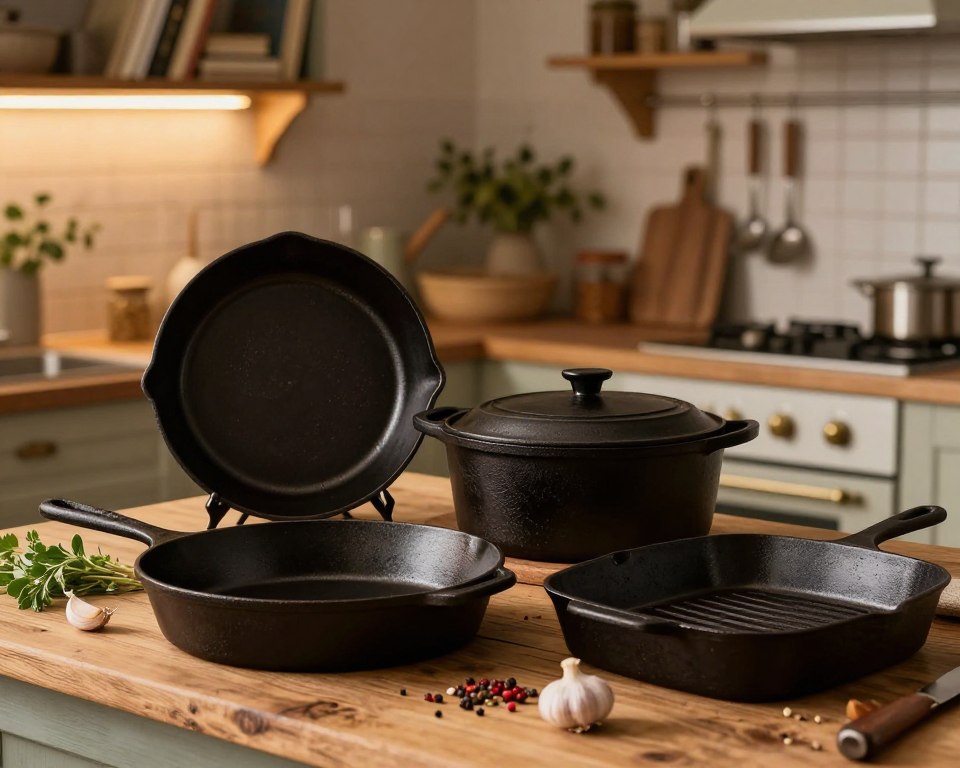
Maintenance Requirements and Rust Prevention
Cast iron pans can rust easily. Unlike other materials, they need a special oil coating to stay rust-free. If this coating gets damaged, the pan will rust quickly.
To keep your pans in great shape, follow these tips:
- Always dry the pan well after washing to get rid of moisture.
- Put a thin layer of neutral oil on the pan after each use to protect it.
- Don’t soak the pan in water, as it can rust fast.
- Keep your pans in a dry place to stop rust from humidity.
Weight and Handling Considerations
Cast iron pans are also heavy, which is a big challenge. They hold heat well but are hard to move for some people. This is because they are denser than other pans.
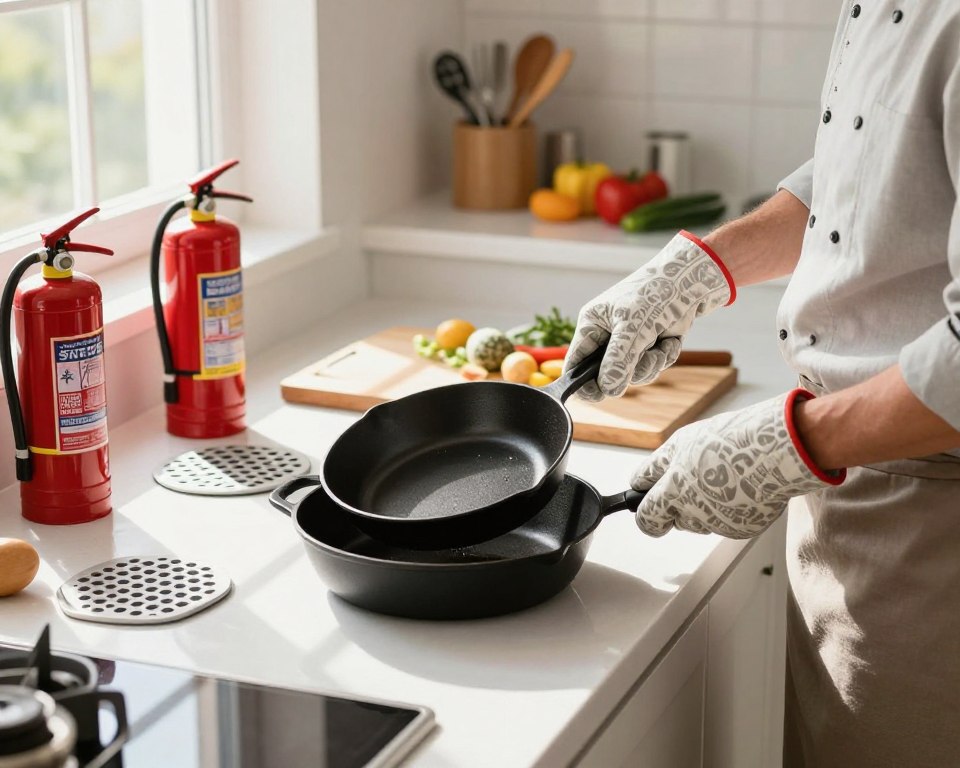
Many traditional pans don’t have cool handles, so you need thick mitts or covers. This makes lifting pans from the oven or stove tricky. For many, the effort needed to handle these pans is a big factor in choosing kitchenware.
Chemical Exposure and Food Safety
The safety of your kitchenware often depends on chemical reactions between your ingredients and the pan. When looking at safe cooking materials, it’s key to know how metals react with heat and moisture. This knowledge helps avoid unwanted metallic compounds in your food.
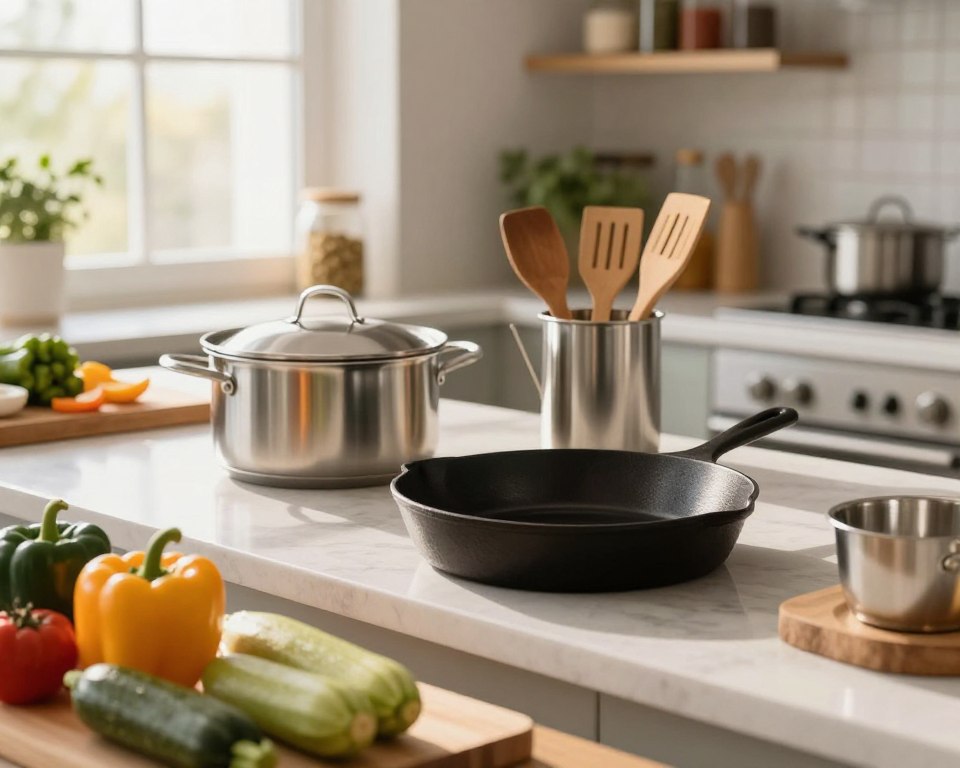
Analyzing Heavy Metal Leaching in Cookware
Heavy metal leaching happens when a pan’s protective layer breaks down or is naturally reactive. Metals like aluminum, copper, and some stainless steel can release ions into food when cooking. This is more common in older or damaged pans.
Even with modern standards, it’s important to check your cookware. Look for signs of pitting or deep scratches. These can increase the risk of metal migration.
The Role of Acidic Foods in Material Interaction
Acidic ingredients, such as tomatoes and citrus juices, can cause chemical reactions. When simmered in reactive pans, they can strip away metal. This process, called corrosion, can change the flavor and safety of your food.
To keep your kitchen healthy, use non-reactive materials like glass, ceramic, or high-quality stainless steel for acidic recipes. Choosing safe cooking materials reduces the risk of metallic flavors and chemical exposure. Here’s a table showing how different materials react to kitchen conditions.
| Material Type | Reactivity Level | Best Use Case |
|---|---|---|
| Cast Iron | High (Reactive) | Searing and frying |
| Stainless Steel | Low (Stable) | General cooking |
| Enamel/Ceramic | Very Low (Inert) | Acidic sauces |
| Copper | High (Reactive) | Professional heat control |
Environmental Impact of Cookware Production
Looking at the environmental impact of cookware means examining how they’re made and thrown away. Each kitchen item has a hidden cost, from raw material extraction to energy use and waste management. Knowing these factors helps you make choices that support long-term environmental health.
Sustainability of Cast Iron Manufacturing
Cast iron is known for its exceptional durability. These pans can last for generations with the right care. This makes them a key part of sustainable living, as they reduce the need for constant new purchases.
Also, cast iron is very recyclable. When a skillet’s time is up, it can be melted down and reused. This circular lifecycle is great for those wanting to cut down on waste.
The Environmental Footprint of Synthetic Coatings
Nonstick cookware, on the other hand, uses complex synthetic polymers. Making these coatings takes a lot of energy and results in industrial emissions. These materials are hard to recycle, so they often end up in landfills.
The shortened lifespan of coated pans leads to a cycle of waste and replacement. This cycle has a big environmental impact. While these pans are convenient, the total effect of making and throwing away millions of them is something to think about.
| Feature | Cast Iron | Synthetic Nonstick |
|---|---|---|
| Average Lifespan | Decades to Centuries | 1 to 5 Years |
| Recyclability | High (Fully Recyclable) | Low (Difficult to Process) |
| Production Energy | Moderate | High |
| Waste Impact | Minimal | Significant |
Best Practices for Maintaining Nonstick Pans
To keep your nonstick pans in top shape, manage heat well and choose the right tools. Regular care keeps the surface smooth and prevents harmful fumes. Follow these tips to keep your cookware safe and effective.
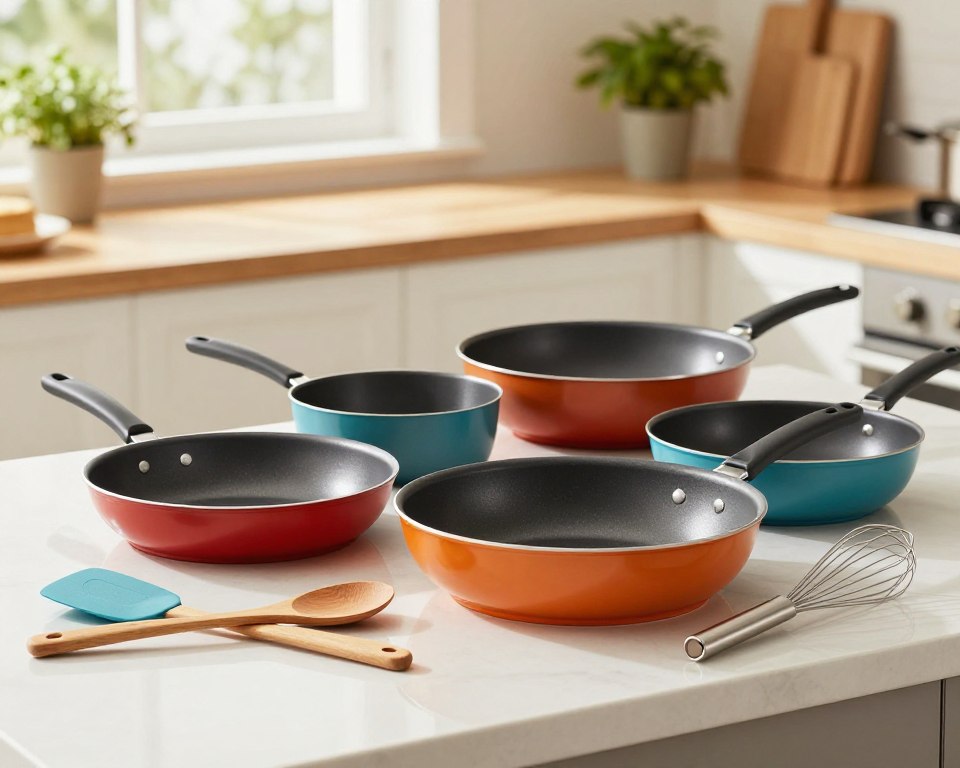
Temperature Control and Heat Management
Nonstick pans work best with low to medium heat. High heat can damage the coating, releasing harmful particles. Always avoid heating an empty pan on high, as it can get too hot too fast.
Use a steady, moderate flame instead. For searing meat, use stainless steel or cast iron pans. This helps keep your nonstick pan in good condition.
Selecting Appropriate Utensils to Prevent Scratching
The tools you use can harm your cookware. Metal utensils can scratch the nonstick layer. Once scratched, food sticks more, and the coating may flake off.
Choose tools that are gentle on your pans. Silicone, wood, and nylon are great for everyday use. They work well without damaging your pans.
| Utensil Material | Safety Rating | Impact on Nonstick Pans |
|---|---|---|
| Metal | Poor | High risk of scratching and coating removal |
| Nylon | Good | Safe for most surfaces if heat-resistant |
| Wood | Excellent | Gentle and non-abrasive |
| Silicone | Excellent | Ideal for protecting nonstick coatings |
Mastering the Art of Cast Iron Seasoning
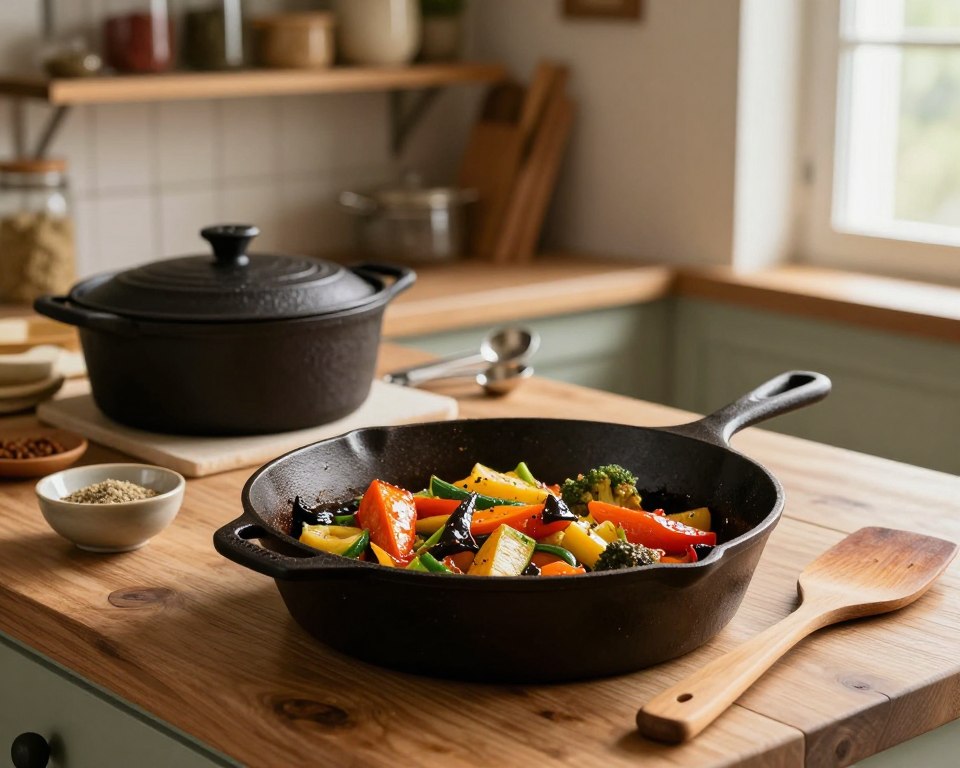
Proper care of cast iron cookware means creating a protective layer. This layer stops the metal from rusting. It’s made by heating liquid fats until they harden into a plastic-like coating.
This process, called seasoning, makes the cookware nonstick. It gets better with each use.
Choosing the Right Oils for Polymerization
The right oil is crucial for seasoning. Look for oils with a high smoke point. These oils can handle high heat without burning off too soon. Grapeseed oil, flaxseed oil, and refined vegetable oils are great choices.
Don’t use butter or extra virgin olive oil for seasoning. They can burn and leave a sticky residue. Consistency is key when building these layers over time.
Step-by-Step Maintenance for a Slick Surface
To keep your cast iron cookware in top shape, follow a simple routine. Clean the pan with warm water and a stiff brush. Avoid harsh detergents that can strip the seasoning.
After cleaning, dry the pan over low heat. Make sure it’s completely dry to prevent rust. Then, apply a thin layer of oil to the entire surface with a lint-free cloth. Buff it until the pan looks matte, not greasy.
Heat the pan until it just starts to smoke. This step ensures the oil bonds well to the metal. Your cast iron cookware will be ready for your next dish.
Comparing Performance Across Cooking Methods
The debate between nonstick vs cast iron often misses the key thermal properties. These properties make each material perfect for different cooking tasks. To get professional results at home, you need to understand how these surfaces handle heat and ingredients.
Searing and Browning Capabilities
Cast iron is great for high-heat searing. It keeps a steady temperature, even when adding cold proteins. This leads to the Maillard reaction, which brings out deep flavors in meats and veggies.
Nonstick pans, on the other hand, are for lower heat. Using them at high temperatures can damage the coating. So, it’s important to use the right cooking utensils to avoid harming the surface.
Even Heat Distribution and Retention
Cast iron is good at holding heat but heats up slowly and unevenly. It needs a long preheat to get evenly hot. Once hot, it’s great for slow-cooking or braising.
Nonstick pans, with their aluminum or stainless steel cores, heat up quickly and evenly. They’re perfect for cooking delicate foods like eggs or thin pancakes. Choosing the right cooking utensils, like silicone or wood, helps keep these pans in good shape.
| Feature | Cast Iron | Nonstick |
|---|---|---|
| Heat Retention | Excellent | Low |
| Heating Speed | Slow | Rapid |
| Best Use | Searing, Baking | Eggs, Delicate Foods |
| Durability | High | Moderate |
Image Disclosure and Educational Context
We believe in being open about where our images come from. This helps us keep your trust. We aim to give you clear, backed-up info for smart kitchen choices.
We use many images in this guide. Some are AI-generated to help explain tricky ideas.
Understanding AI-Generated Illustrations in Health Content
AI images help us show hard-to-see things like chemical processes or safety issues. They make complex info easier to understand.
These images are for educational purposes only. They’re not meant to show real-life photos.
Limitations of Visual Representations in Veterinary and Safety Advice
Visual aids, made by AI or photos, have their limits. They can’t replace a vet’s or doctor’s advice.
If you think your pet has been hurt by fumes or eaten something bad, get help fast. Visual representations can’t diagnose your pet’s health.
| Feature | Educational Illustration | Professional Consultation |
|---|---|---|
| Primary Purpose | Conceptual clarity | Clinical diagnosis |
| Accuracy Level | General representation | Patient-specific data |
| Actionable Advice | General safety guidelines | Personalized treatment plan |
| Reliability | High for learning | High for medical care |
Choosing the Right Cookware for Your Lifestyle
Choosing the right kitchenware is all about finding a balance. It’s about your daily habits and keeping your kitchen safe. Since everyone cooks differently, there’s no one material that fits all needs. Knowing what you need helps you save money and keep your kitchen safe and functional.
Assessing Your Cooking Frequency and Skill Level
How often you cook is key to choosing the right cookware. If you cook every day, you need durable materials that can handle heat and cleaning. If you cook less often, you might prefer easier-to-store and clean options.
Think about your cooking skills and habits:
- Technique: For high-heat cooking, like searing, cast iron or stainless steel is best. For delicate dishes, like eggs, nonstick is better.
- Volume: Big families need big, heavy pans for even heat.
- Maintenance: Consider if you’re okay with manual tasks like seasoning or washing by hand. Some materials need more care.
Budget Considerations for Kitchenware Investment
Finding the best cookware doesn’t mean spending the most. Think of it as an investment in your health and cooking skills. Quality pieces last long, saving you money in the long run.
Here’s how to budget for new kitchenware:
- Prioritize Essentials: Spend on a few good, versatile pans instead of a big, cheap set.
- Durability vs. Price: Spending a bit more on durable materials is worth it. They last longer and don’t warp.
- Safety First: Always choose products made with clear standards, even if they cost more.
By understanding your lifestyle, you can pick the right cookware. Making smart choices means a safer, more efficient kitchen.
Safety Standards and Regulatory Oversight
When you buy new pans, you’re counting on safety standards to keep you safe. These rules make sure the kitchenware you use is safe. It’s a team effort between government and makers to keep your cooking safe.
FDA and International Safety Guidelines
In the U.S., the FDA checks the safety of food contact materials. They set rules to stop harmful chemicals from getting into your food. This is key to making sure safe cooking materials are free from toxins.
Worldwide, groups like the European Food Safety Authority (EFSA) have strict rules like REACH. These rules help set global standards for safe products. By following these rules, makers show they care about your health.
How to Identify Certified Safe Cookware
Finding safe products means looking for certain labels and certifications. Good brands get tested by outside groups to prove their products are safe. Look for labels that say they don’t have PFOA, lead, or cadmium.
Choose products that tell you what they’re made of and how they’re made. If you’re unsure, check the maker’s website for safety info. Buying kitchenware that’s certified is a smart way to keep your home safe.
| Regulatory Body | Focus Area | Safety Standard |
|---|---|---|
| FDA (USA) | Food Contact Surfaces | GRAS (Generally Recognized as Safe) |
| EFSA (EU) | Chemical Migration | REACH Compliance |
| ISO | Quality Management | ISO 9001 Certification |
| NSF International | Public Health | NSF/ANSI Standards |
Expert Recommendations for a Healthy Kitchen
Creating the best cookware collection is not just about finding one item. It’s about mixing different materials for their strengths. A healthy kitchen uses a mix of materials for various tasks.
Balancing Convenience with Long-Term Safety
Nonstick surfaces are great for easy tasks like cooking eggs. But, they need careful heat control to avoid damage.
For safety, no single material is best for all tasks. Always clean with mild soaps and avoid harsh chemicals. This is important for your pans, as shown in guides on is Dawn dish soap toxic for your pans.
Integrating Multiple Materials for Versatile Cooking
For a better kitchen, mix nonstick pans with cast iron. Cast iron is great for high-heat searing and is safe once seasoned.
Having different materials lets you choose the right tool for each meal. This way, you avoid relying too much on one type. It helps your cookware last longer and supports healthy cooking habits.
| Material Type | Primary Strength | Best Use Case | Maintenance Level |
|---|---|---|---|
| Cast Iron | High Heat Retention | Searing and Baking | High (Requires Seasoning) |
| PTFE Nonstick | Easy Food Release | Delicate Proteins | Low (Hand Wash Only) |
| Stainless Steel | Chemical Stability | Deglazing and Sauces | Moderate |
The best cookware fits your lifestyle and is safe. A mix of quality materials offers modern tech benefits and traditional reliability.
Conclusion
Choosing the right cookware is all about finding the right mix of material quality and safety. Cast iron and nonstick surfaces each have their own benefits for cooking. Knowing these differences helps you set up a kitchen that supports healthy cooking for years.
Brands like Lodge for cast iron or Scanpan for nonstick offer great performance. It’s important to consider how each material works with your heat sources and cleaning habits. This ensures your stove is always reliable.
Staying informed about cooking practices keeps your home safe and healthy. You know best which tools fit your lifestyle and diet. Using these materials wisely makes healthy cooking a part of your daily routine.
Check your cookware for wear and tear. Replacing damaged pans keeps your home safe from harmful chemicals. Quality equipment is key to making every meal healthy and safe.
FAQ
Is cast iron safer than nonstick for daily use?
Cast iron is safer than nonstick for high heat. It’s made of iron and carbon, safe at high temperatures. Nonstick pans are okay at low heat but can be harmful at high temperatures.
Cast iron is better for safe cooking at high heat.
Do modern nonstick pans still contain PFOA?
No, modern nonstick pans don’t have PFOA anymore. Companies like Chemours and Calphalon stopped using it. Now, they use PTFE, which is safe if not overheated.
Can cooking with cast iron improve my health?
Yes, cooking with cast iron can boost your iron intake. It’s good for people with iron-deficiency anemia. But, those with hemochromatosis should use enameled cast iron or stainless steel.
Why is nonstick cookware a concern for pet owners?
Nonstick pans can be dangerous for pets, like birds. They release harmful particles and gases when overheated. This can be deadly for birds. Cast iron or stainless steel is safer for pet owners.
Which material offers the best cookware longevity?
Cast iron lasts the longest. A good cast iron skillet can last for decades. Nonstick pans need to be replaced every few years. Cast iron is more durable and eco-friendly.
What are the best cooking utensils to use for each surface?
Use silicone, plastic, or wood for nonstick pans. Metal can scratch them. Cast iron can handle metal utensils once seasoned well.
How do I prevent heavy metal leaching when using reactive kitchenware?
Avoid acidic foods in unseasoned cast iron for long times. Acid can react with the metal. Use enameled cast iron or stainless steel for acidic recipes.
Is the seasoning on cast iron really nonstick?
Yes, seasoned cast iron is nonstick. It has a natural oil layer that helps food release. It’s a healthy choice for cooking.