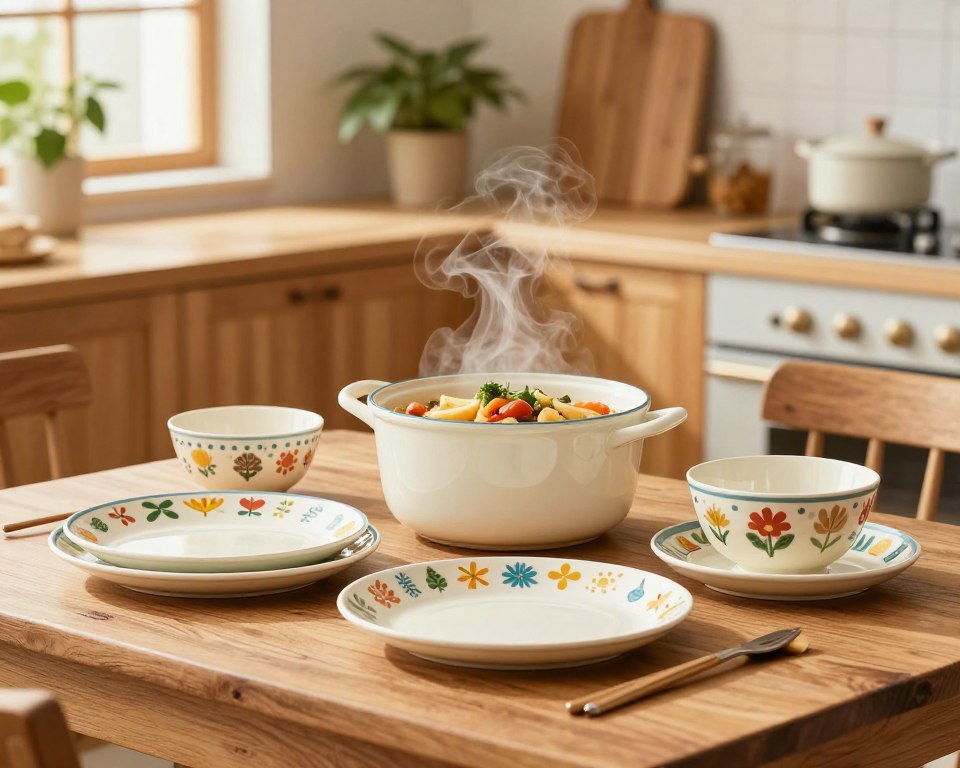
In 2008, a global health crisis hit nearly 300,000 children, focusing attention on kitchen materials. This event, caused by illegal additives, made us question our kitchenware. Melamine, a synthetic resin from coal, is used in many kitchen items.
Many families use melamine for everyday meals because it’s lightweight and shatterproof. But, the question remains: Is Melamine Dinnerware Safe for our families? To find out, we need to understand what is melamine and how it reacts to heat and acidity. The FDA says it’s okay for food, but certain uses, like microwaving, can release chemicals into your food.
Knowing these limits helps us use melamine safely. This way, we can enjoy its benefits without risking our health.
Key Takeaways
- Melamine is a durable resin derived from the coal industry used for household plates and cups.
- The FDA considers these products acceptable for serving food under normal conditions.
- Never microwave these dishes, as high heat increases the risk of chemical migration.
- Acidic foods, such as tomato sauce or citrus, may accelerate the leaching process when heated.
- Exposure levels from standard use are generally low, but long-term health impacts remain a subject of study.
- Opt for glass or ceramic containers if you plan to heat your food in the microwave.
Understanding the Chemistry of Melamine
Melamine dinnerware is common in many homes, but its chemical origins are often misunderstood. Melamine is a synthetic chemical compound. It has been approved for various uses in the United States, including paper products and protective plastic coatings.
To understand why melamine is so common in kitchens, we need to look at its molecular structure. This structure makes it remarkably durable. Knowing this helps users make better choices about their dishes every day.
What is Melamine Resin?
Melamine resin is a thermosetting plastic made from melamine and formaldehyde. This process, called polymerization, creates a stable and rigid material. It resists heat and moisture well.
The structure of melamine resin is a dense network of molecules. This network doesn’t break down easily. Because of this chemical stability, it’s great for making items that need to last a long time, like plates and bowls.
The Manufacturing Process of Tableware
Making dinnerware involves molding the resin under high heat and pressure. This process cures the material into its final shape. This gives melamine products their characteristic weight and feel.
Even though the polymerization process is efficient, it can sometimes leave behind small amounts of unreacted melamine. These tiny bits are generally safe. But they show why the quality of manufacturing is key for food-grade plastic safety.
| Material Property | Melamine Resin | Standard Plastic | Ceramic |
|---|---|---|---|
| Heat Resistance | High | Low | Very High |
| Durability | Shatter-resistant | Flexible | Brittle |
| Chemical Stability | Stable | Variable | Inert |
| Weight | Lightweight | Very Light | Heavy |
Is Melamine Dinnerware Safe for Daily Use
Many families use melamine for its toughness. But is melamine dinnerware safe for daily meals? To understand its safety, we need to see how it reacts with food under normal conditions. Used right, these dishes are a good choice for many homes.
FDA Guidelines and Regulatory Standards
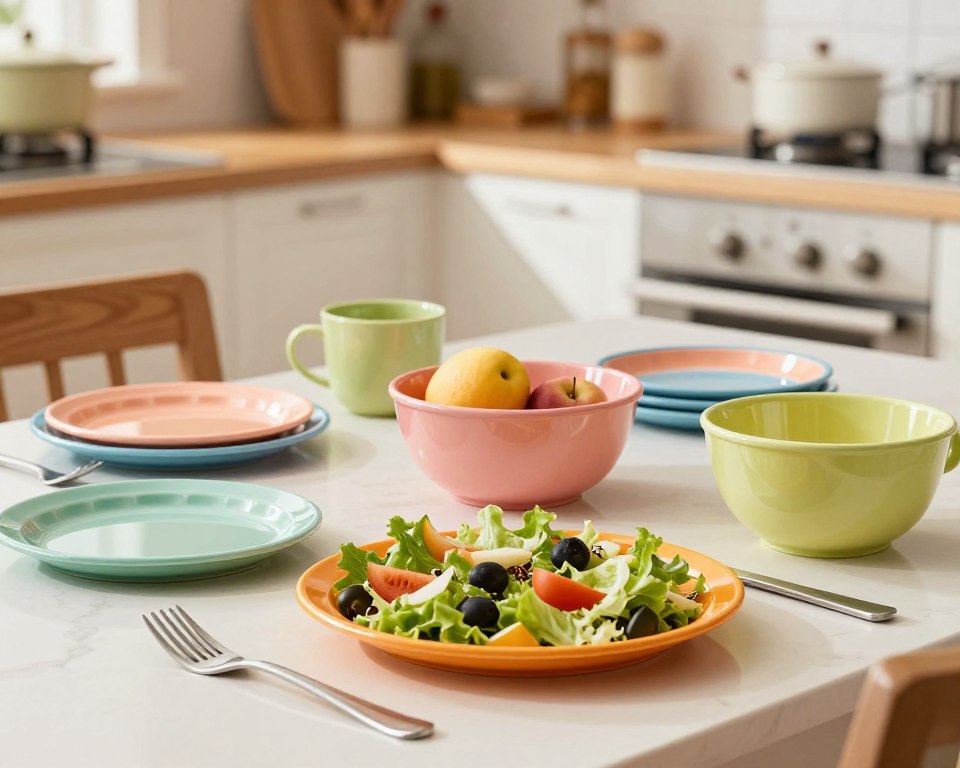
The U.S. Food and Drug Administration (FDA) has studied melamine’s safety in food contact items. They found melamine is okay for food when used as directed. But, they warn against microwaving, as it can damage the material.
Following these rules is key to keeping melamine dinnerware safe. By not using extreme heat, the material stays good for longer. This simple step keeps the dinnerware in top shape.
Understanding Migration Limits
Rules set limits on how much chemical can move from dishes into food. Studies show melamine’s migration into food is safe under normal conditions. This means melamine is generally safe for use.
It’s crucial to know the difference between safe use and melamine dinnerware hazards. When used correctly, the risk of chemical exposure is low. Just remember to avoid high heat to keep your dinnerware safe.
Potential Health Risks Associated with Melamine Exposure
There’s often confusion about melamine dinnerware toxicity. It’s important to know the difference between harmful levels and trace amounts. Understanding how our bodies handle melamine is key to grasping these melamine dishes health concerns.
The Impact of High-Dose Ingestion
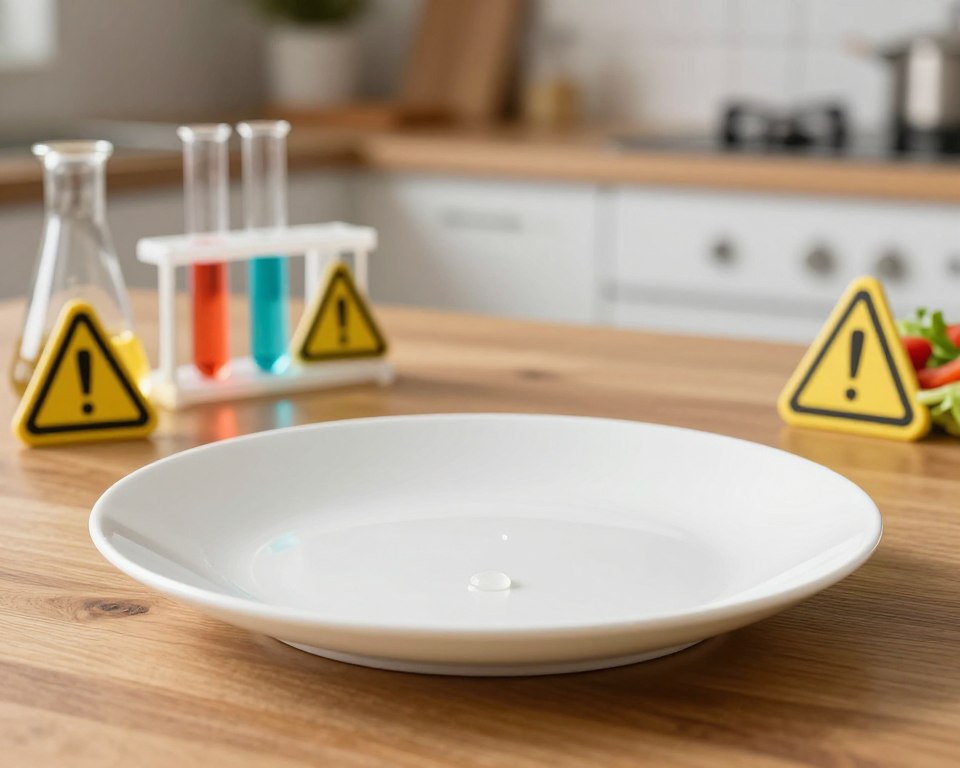
High doses of melamine can cause kidney stones and even renal failure. In 2008, tainted infant formula led to 6 deaths and affected 294,000 kids. This was due to illegal melamine addition to boost protein levels.
High doses of melamine can block the kidneys. This is why it’s crucial to have strict rules on food contact materials. These rules are in place to prevent such tragedies.
Chronic Exposure and Kidney Health
Chronic, low-level exposure to melamine is still being studied. Doctors keep a close eye on these exposures to ensure safety. You can learn more about these standards on the FDA website.
Small amounts of melamine are usually excreted without harm. But, scientists are looking into long-term effects. So far, the risk to most people is extremely low.
| Exposure Type | Source | Health Impact |
|---|---|---|
| Acute (High-Dose) | Deliberate Adulteration | Kidney stones, renal failure |
| Chronic (Low-Level) | Trace Migration | Generally considered safe |
| Monitoring | Regulatory Agencies | Ensures minimal health effects |
Factors That Influence Chemical Leaching
When looking at melamine plates safety, heat and acidity are key. Chemicals from synthetic tableware don’t always move; it depends on the environment. By controlling these factors, you can lower the chance of chemicals getting into your food.
The Role of High Temperatures
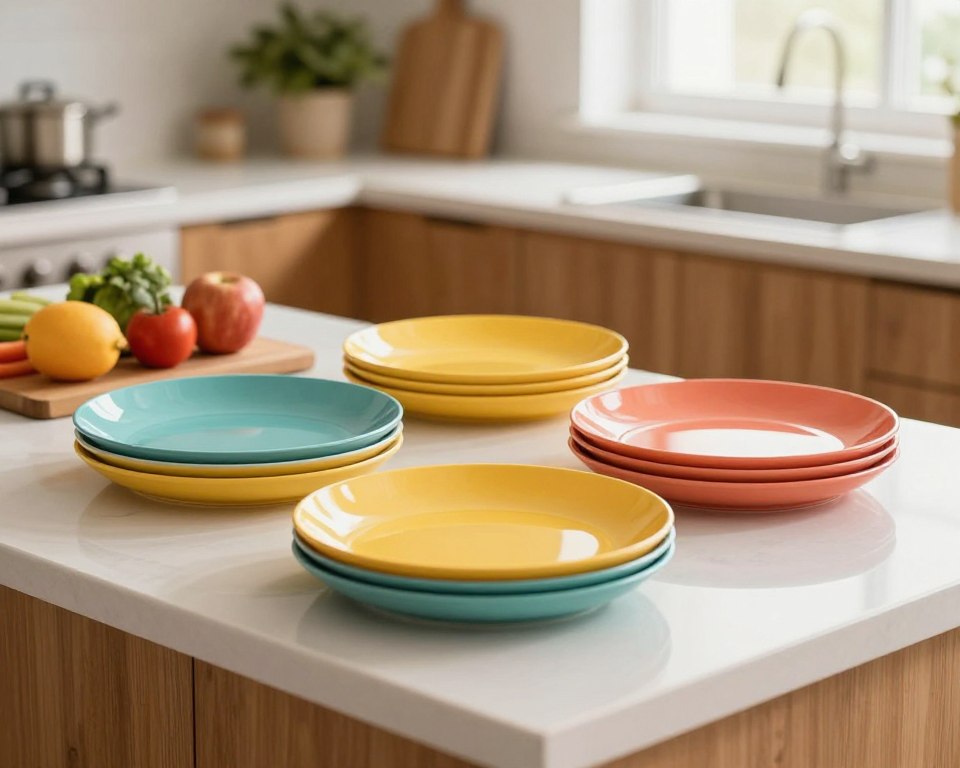
Melamine resin is very sensitive to heat. Studies show that chemicals move more when dishes are over 160°F. At these high temperatures, the bonds in the resin can break, letting chemicals into your food.
So, it’s best to not use these dishes in microwaves or ovens. If you’re worried about heat and safety, check if aluminum foil is safe for cooking. Keeping your plates away from extreme heat is the best way to keep them safe.
Acidic Foods and Their Interaction with Resin
The type of food on your plates also matters. Acidic foods like tomato sauce or citrus can damage the resin over time. When these foods are hot, the risk of chemicals moving into your food goes up.
To keep your plates safe, don’t serve very acidic or hot meals on them. Use ceramic or glass for these dishes instead. Making small changes in how you use your plates can make your home safer.
Proper Handling and Maintenance of Melamine Dishes
Keeping your dishes in good shape is key to safety at home. When a plate or bowl’s protective layer is intact, it reduces the risk of harmful chemicals. Taking good care of your dishes helps keep them safe for a long time.
Cleaning Techniques to Preserve Surface Integrity
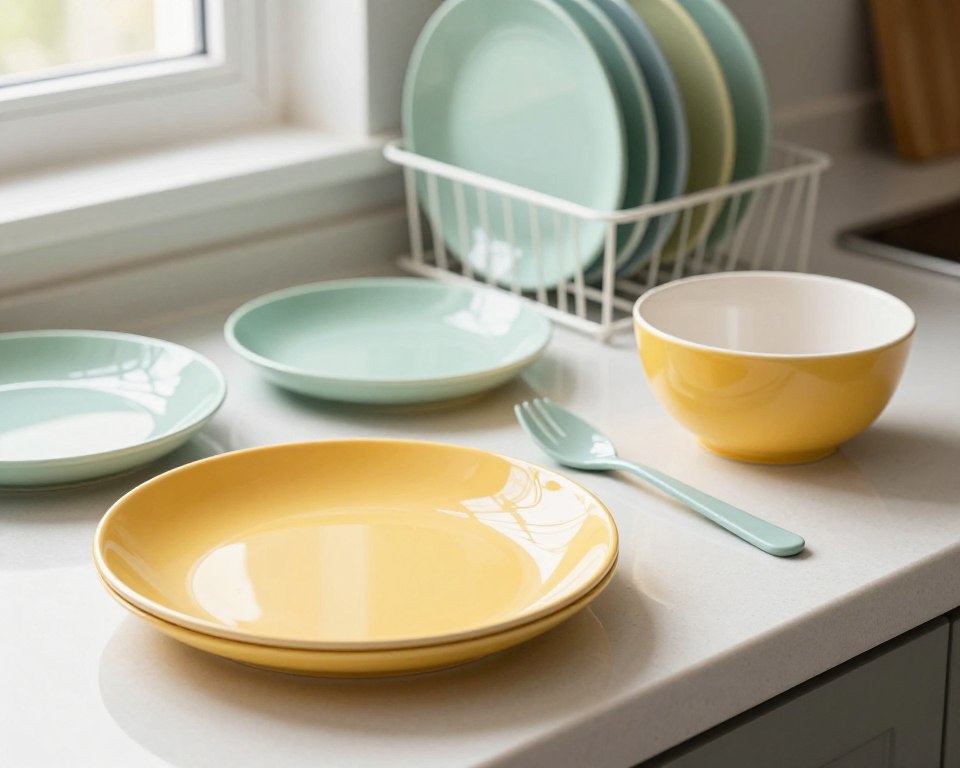
To keep your dishes looking new, avoid harsh cleaners and steel wool. These can scratch the surface, making it easier for bacteria to grow and chemicals to leak. Instead, use a soft sponge and gentle dish soap.
Never put melamine dishes in the microwave. The high heat can damage the material, making it unsafe. If you’re not sure about your cleaning products, check out this guide to make sure they’re safe for your dishes.
“The longevity of synthetic dinnerware is determined by the care provided during daily use; treat your items with respect to maintain their protective barrier.”
When to Retire Your Melamine Dinnerware
Even with the best care, all kitchen items have a limited lifespan. Check your melamine dinner set safety often for signs of wear. Look for cracks, dull finishes, or stains that won’t go away.
- Visible cracks or deep chips along the edges.
- A dull, chalky appearance on the surface finish.
- Persistent, deep staining that does not wash away.
Physical degradation means it’s time to replace your dishes. This ensures your meals are safe and enjoyable. By following these care tips, you’ll keep your kitchen safe and in good condition.
Comparing Melamine to Alternative Materials
Choosing the right dinnerware is about finding a balance. You want something that’s easy to use every day but also safe for the long term. Some people like synthetic options because they’re light. But others prefer materials that are safer and more stable.
Melamine Versus Ceramic and Porcelain
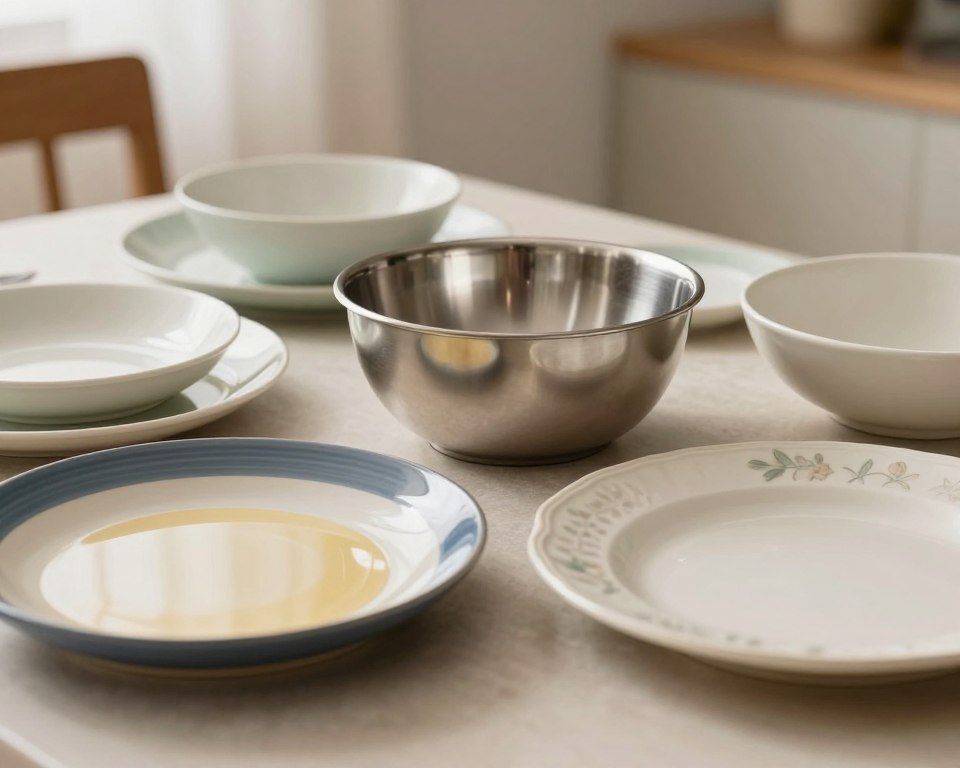
Ceramic and porcelain are classic choices. They have a inert surface that’s safe for eating off of. Unlike synthetic materials, they don’t have organic compounds that can get into your food when it’s hot.
These materials are made at very high temperatures. This makes them stable and resistant to chemicals.
But, they’re not as tough as melamine. Ceramic and porcelain can break if you drop them. If you’re worried about safety, these materials are still the best for everyday meals.
Melamine Versus Glass and Stainless Steel
Glass and stainless steel are great if you want to avoid synthetic materials. Glass is non-porous and doesn’t react with acidic or hot foods. This means no unwanted chemicals get into your food.
It’s also clear, easy to clean, and lasts a long time.
Stainless steel is very durable and can handle high heat. It’s also hard to find bacteria on it. By choosing glass or steel, you avoid chemical worries and get a durable kitchen solution.
Melamine Dinnerware in Commercial Settings
Commercial kitchens look for durable and cost-effective dinnerware. They need items that can handle constant use.
Many places choose synthetic resins for their busy dining rooms. These are light, making it easier for staff during long hours.
Why Restaurants Prefer Melamine
Melamine is great because it’s exceptionally resistant to breakage. It can take drops on hard floors, saving on replacement costs.
These dishes also handle heat well. They can hold hot food without getting damaged. This is perfect for fast-paced kitchens.
Safety Protocols in Professional Kitchens
Kitchens have strict rules to avoid melamine dinnerware hazards. Staff learn not to use them in high-heat appliances.
Managers keep cleaning within safe temperatures to avoid chemical leaks. This keeps everyone safe.
These rules are stricter than home kitchens. Restaurants balance durability with safety through careful monitoring and upkeep.
Environmental Impact and Sustainability Concerns
The safety of our food is just the start. The long-term effects of synthetic tableware on our planet are also key. We must look at how materials are made and what happens when they’re thrown away. Making sustainable choices means considering the whole journey of our dinnerware, from start to finish.
Recyclability of Melamine Products
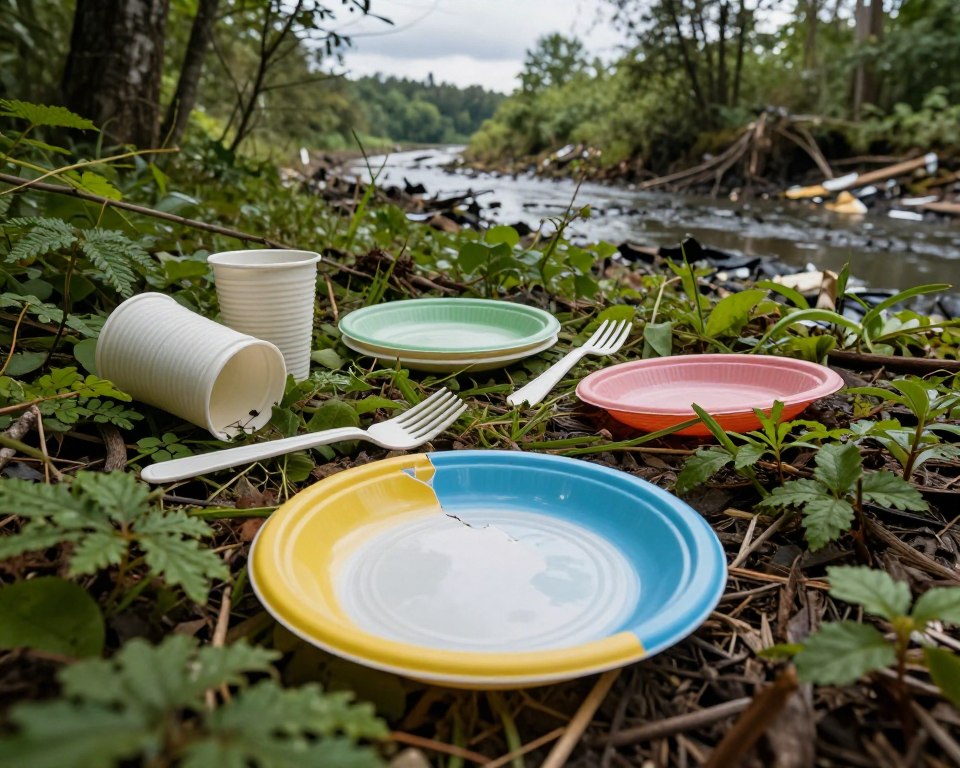
Melamine resin is a type of plastic that’s hard to recycle. Unlike other plastics, it can’t be melted and reused. This makes it strong but also non-recyclable.
Because it can’t be recycled, melamine often goes to landfills. It’s important for consumers to know that recyclability is not a feature of melamine dinnerware. This means the environmental cost is tied to how long it lasts and how often it’s replaced.
The Lifecycle of Synthetic Tableware
The life of synthetic tableware is a trade-off between lasting long and creating waste. Plastics made from petroleum are worse for the environment and our health than reusable options. Melamine, though synthetic, lasts longer than single-use plastics, making it a better choice.
The real environmental cost depends on how long dishes are used. Choosing durable, high-quality items can reduce waste over time. Finding a balance between convenience and reducing waste is a big challenge for today’s consumers.
Image Disclosure and Educational Context
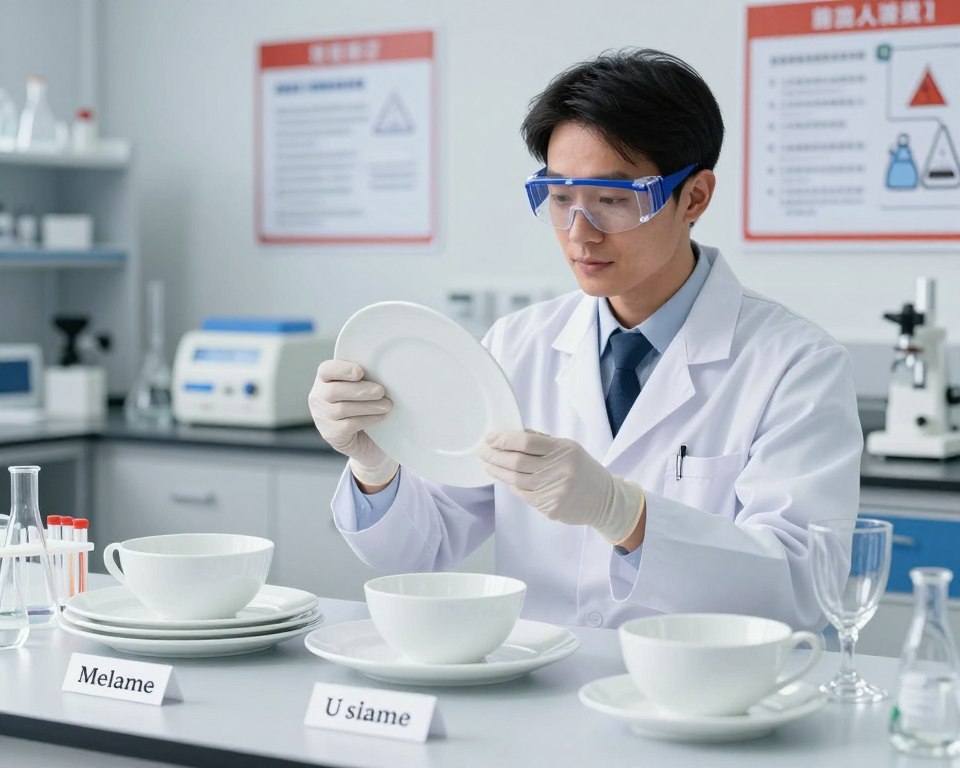
When we talk about chemicals and food safety, clear images are key. This article uses digital pictures to make complex ideas easy to grasp. These images help you see how substances mix in our homes.
If you’re wondering if melamine is safe for your family, these pictures are a big help. They show chemical structures and safety rules in a simple way.
Purpose of AI-Generated Visuals
Some images in this article are made by AI for learning. We think clear pictures are crucial for breaking down hard info. These tools help show complex chemical interactions in a way that helps you learn.
These images aren’t real photos of products. Instead, they are conceptual models that show safety ideas. This way, we can focus on the main message without getting caught up in brand details.
Limitations of Digital Illustrations in Veterinary Contexts
Remember, these digital pictures are for learning only. They can’t replace a vet’s check-up or diagnosis. If you worry about your pet’s health or safety, always talk to a vet right away.
Digital art can’t show the full complexity of a living creature. Using pictures for medical decisions can lead to confusion about safety levels or symptoms. Here’s a table to help you understand the difference between learning materials and professional care.
| Feature | Educational Illustrations | Professional Veterinary Care |
|---|---|---|
| Primary Goal | Conceptual understanding | Clinical diagnosis |
| Accuracy | General safety principles | Patient-specific data |
| Application | General household guidance | Emergency medical intervention |
| Reliability | Informational reference | Evidence-based medicine |
Common Myths and Misconceptions About Melamine
When we talk about melamine dishes health concerns, it’s important to know the difference between stable polymers and raw chemicals. Many people worry about synthetic dinnerware because they don’t understand how it’s made and used.
By sorting out what’s true and what’s not, we can focus on real steps to keep our families safe. Knowing the science behind kitchen safety is key.
Debunking Viral Health Claims
Social media often mixes up industrial accidents with the safety of everyday items. These claims forget that the stuff in your kitchen is a hardened, inert plastic, not a dangerous powder.
“The greatest enemy of knowledge is not ignorance, it is the illusion of knowledge.”
Misinformation spreads because it lacks the detail of chemical stability. When people look for melamine plates health effects, they find scary stories. But these stories don’t talk about how the chemical is turned into a safe, solid form.
Distinguishing Between Melamine Resin and Melamine Contamination
There’s a big mix-up about illegal melamine in food. In the past, it was added to baby formula to make it seem like it had more protein.
The melamine in your dishes is a polymerized, stable solid. This resin is different from the raw chemical used in scandals.
Because the resin is made under high heat and pressure, it’s safe. Properly made dinnerware stays stable in your kitchen. It doesn’t leak into your food under normal use.
Best Practices for Families and Households
Choosing the right dinnerware is key to keeping your family safe at mealtime. By making smart choices, you can enjoy durable synthetic resin without risks. Focus on melamine plates safety to make sure your meals are both safe and convenient.
Selecting High-Quality Brands
Not all synthetic dinnerware is the same. It’s important to buy from trusted brands. Look for brands that follow FDA safety rules and share their testing details. A high-quality melamine dinner set safety profile offers peace of mind for years.
Stay away from generic or unknown brands. Reputable companies use high-quality resin and follow strict quality control. Always check for safety certifications before buying.
Safe Serving Practices for Children
When feeding kids, be extra careful with melamine dinner set safety. Never use reusable foodware that’s not microwave-safe for heating. High heat can damage the material and release harmful chemicals.
Use glass, ceramic, or stainless steel for hot or acidic foods. Keep melamine for cold or room-temperature dishes. These simple steps help protect your family.
| Usage Scenario | Recommended Material | Safety Consideration |
|---|---|---|
| Microwave Heating | Glass or Ceramic | High heat resistance |
| Outdoor Dining | Melamine | Break resistance |
| Hot/Acidic Soups | Stainless Steel | Chemical stability |
| Cold Snacks | Melamine | Durability |
Scientific Research and Ongoing Safety Studies
Research into food contact materials is always evolving. Our methods get better, giving us a clearer view of how synthetic polymers affect our food. This is key for checking melamine dinnerware toxicity in everyday use.
Current Findings from Toxicology Reports
A 2013 study found that eating hot soup from synthetic bowls led to chemical presence in urine. This shows how important temperature is in chemical migration.
These results are important but look at short-term effects. Scientists are still studying to see if these levels are harmful over time. They focus on how things like heat and food acidity affect these findings.
Future Directions in Food Contact Material Research
Now, scientists are looking into long-term effects of low-level exposure. They want to connect lab tests with real-life use. This will help give stronger safety advice to the public.
Future studies will focus on several key areas to improve safety:
- How repeated heating affects resin surfaces.
- Monitoring health in people exposed to synthetic materials for a long time.
- Creating tests that better match everyday kitchen conditions.
Keeping up with research helps you make safer choices. By following updates on melamine dinnerware toxicity, you can adjust your kitchen habits. Being cautious is the best way to keep your home safe.
Conclusion
Melamine dinnerware is safe if you follow the rules set by health experts. To stay safe, don’t microwave it and avoid hot, acidic foods on these plates. This helps prevent any possible risks.
Choosing glass or ceramic for heating is the best choice for those who care about health. These materials are safer for warming up leftovers or making meals. They give you peace of mind.
Being smart about how you use your dinnerware is important. Knowing how it handles heat and acidic foods keeps your home safe. Share your experiences or ask questions to keep the conversation going.
FAQ
Is Melamine Dinnerware Safe to use in the microwave?
No. Never use melamine in the microwave. High temperatures can break down the resin, increasing health risks. Always use a microwave-safe glass or ceramic container for heating.
What are the primary melamine dishes health concerns?
The main concerns are melamine migration into food, which can happen when heated or used with acidic foods. High levels of melamine can cause kidney stones and renal issues. But, following safety guidelines keeps exposure low.
Can I wash my melamine dinner set in the dishwasher?
Most melamine is top-rack dishwasher safe. But, avoid high-heat drying cycles to prevent degradation. Hand washing with a non-abrasive sponge is safer for longevity.
How can I tell if there is melamine dinnerware toxicity in my older plates?
You can’t see toxicity, but look for signs of material degradation. Pitting, deep scratches, or loss of shine mean the resin is compromised. These changes increase health risks, so replace these items.
Does melamine contain BPA?
Pure melamine dinnerware does not have Bisphenol A (BPA). But, it’s a synthetic plastic. For safety, choose reputable brands like Zak Designs that are BPA-free and meet FDA standards.
Is it safe to serve hot soup in a melamine bowl?
Serving hot soup (120°F-140°F) is generally safe. But, the risk increases near boiling (212°F). For very hot or acidic soups, use ceramic or glass bowls to avoid chemical leaching.