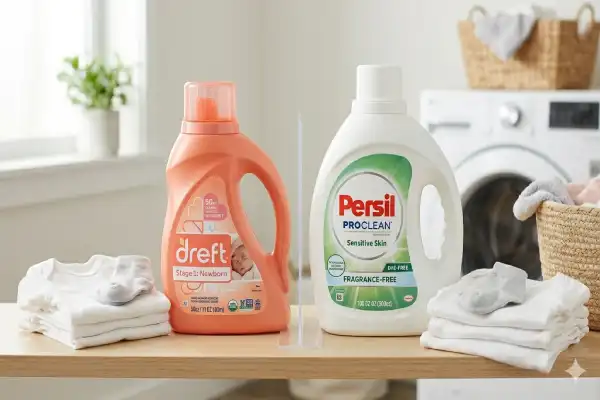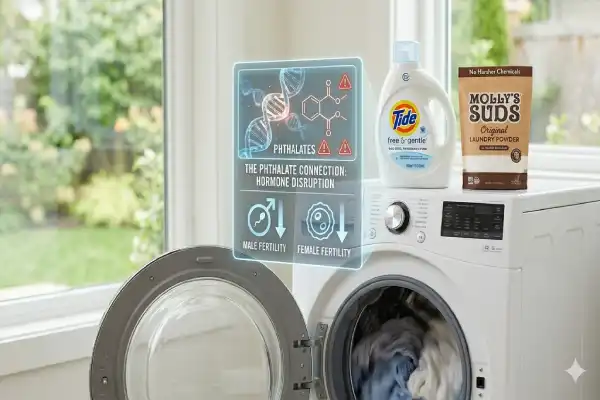
About 90% of parents with cloth diapers face issues like lingering odors or buildup early on. This problem often comes from using cleaning products that don’t effectively break down human waste. It’s important to choose products that are safe for your baby’s skin, not just clean.
Finding the right laundry detergent is a delicate balance. Many products have additives that can harm fabrics or cause skin reactions. It’s crucial to know if baby safe laundry detergent is truly safe or just a marketing term. By choosing evidence-based formulas, you can keep your laundry routine effective and gentle.
Key Takeaways
- Prioritize formulas with high surfactant concentrations to ensure thorough removal of organic waste.
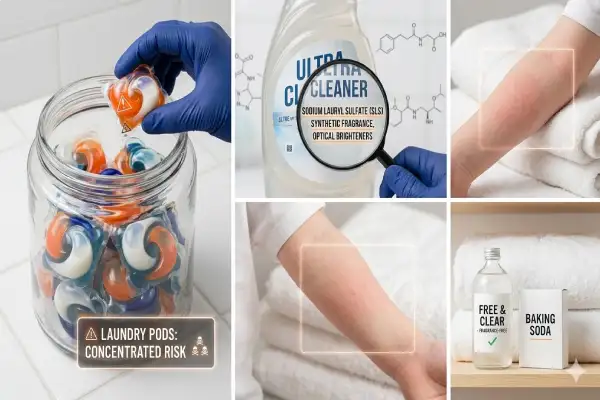
- Avoid optical brighteners and synthetic dyes, as these additives often leave irritating residues on absorbent fibers.
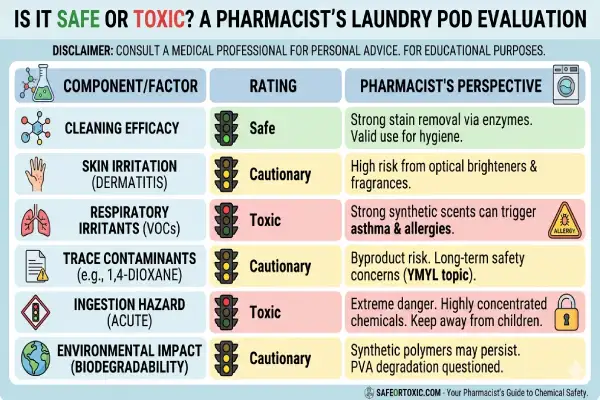
- Choose fragrance-free options to minimize exposure to phthalates and potential respiratory irritants.
- Look for plant-derived surfactants that offer effective cleaning while remaining gentle on a baby’s delicate skin barrier.
- Verify that your chosen product is pH-balanced to protect both the fabric longevity and your infant’s health.
Understanding the Unique Cleaning Needs of Cloth Diapers
Cloth diapers are made to soak up a lot of liquid. This makes them hard to clean with regular laundry methods. It’s important to use cloth diaper safe detergents to keep them clean and working well.
Cloth diapers are different from regular clothes because they need to be washed with special care. If detergent residue stays in the fabric, it can stop the diapers from working. This is called repelling and it happens when the fibers get coated with detergent.
Keeping cloth diapers clean is also about getting rid of waste without irritating the skin. Using cloth diaper safe detergents helps avoid problems like ammonia buildup. This buildup can cause bad smells and rashes if the diapers aren’t washed well.
Criteria for Selecting Safe and Effective Detergents
Parents need to look at detergents based on how well they work. Choosing cloth diaper safe detergents is not just about picking a brand. It’s about making sure the product can handle the mess of human waste.
When checking laundry detergent ingredients, it’s key to see if they rinse well. If they don’t, they can make fabrics repel, leading to leaks and skin problems for babies. We look for formulas that clean well but don’t cause chemical reactions.
The most important thing is the surfactant concentration. Surfactants are what get rid of dirt and waste from fabrics. Without enough, the diapers won’t get clean, causing bad smells and bacteria.
The table below shows what to look for in a detergent for diaper laundry. These points help keep your cleaning safe and effective.
| Criteria | Importance | Goal |
|---|---|---|
| Surfactant Levels | High | Remove organic waste |
| Rinsability | Critical | Prevent residue buildup |
| pH Balance | Moderate | Protect fabric fibers |
| Additives | Low | Avoid skin irritants |
The Best US Laundry Detergents for Cloth Diapers
Finding the Best US Laundry Detergents for Cloth Diapers is a balance. It needs to clean well and keep fabrics safe. Diapers get very dirty, so the detergent must break down waste without harming absorbency. Many parents use a detergent index to find the best under different water conditions.
It’s good to know the chemical makeup of detergents. Synthetic ones clean better for dirty items. Plant-based ones are gentler for sensitive skin. The main goal is to remove bacteria and ammonia to keep users healthy.
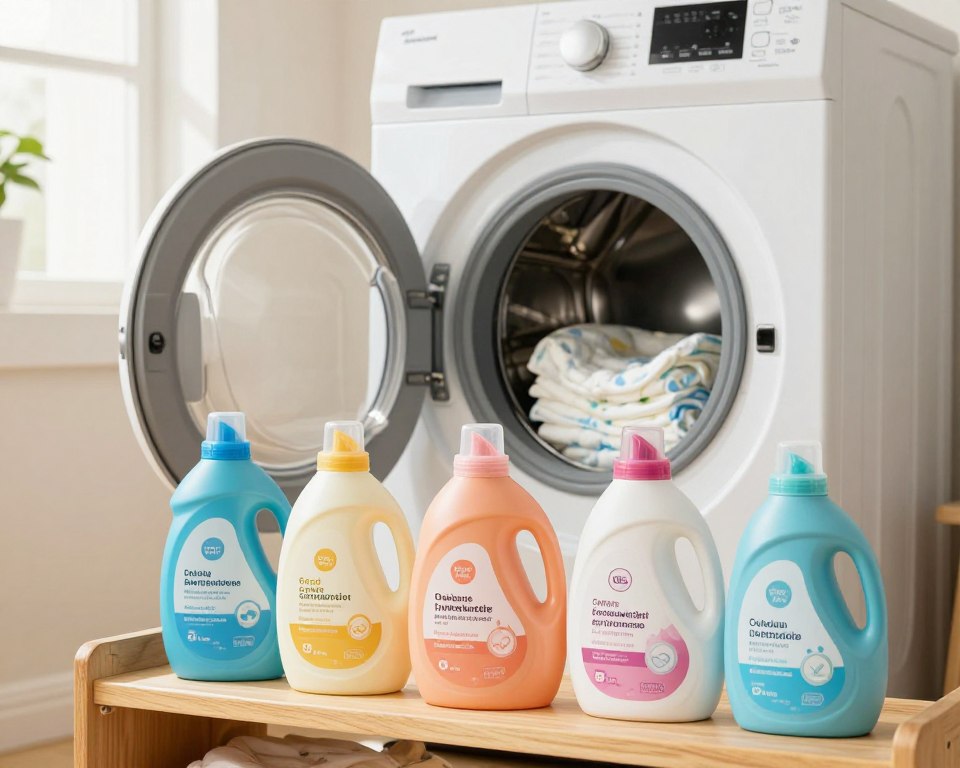
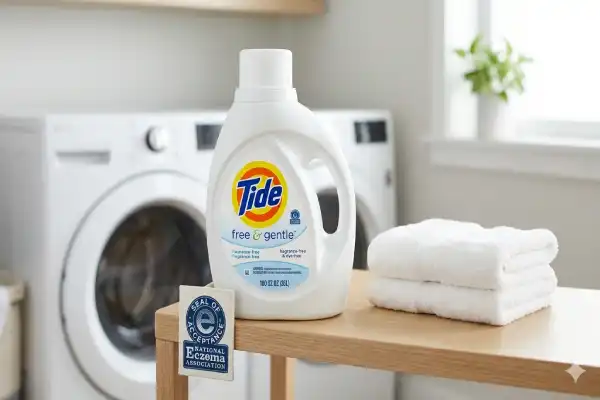
Choosing the right product means looking at specific formulas. For example, Tide Original vs Tide Free Gentle have different strengths. Good detergents don’t have fabric softeners or optical brighteners, which can cause problems.
| Detergent Name | Composition Type | Cleaning Strength | Best For |
|---|---|---|---|
| Tide Original Powder | Synthetic | High | Heavy Soil |
| All Free Clear | Synthetic | Moderate | Sensitive Skin |
| Seventh Generation | Plant-Based | Moderate | Eco-Conscious |
| Charlie’s Soap | Mineral-Based | Low-Moderate | Soft Water |
The Best US Laundry Detergents for Cloth Diapers keep diapers in good shape. By choosing effective products, parents can make laundry easier. This ensures their kids stay clean and healthy.
Tide Original Powder
Overview
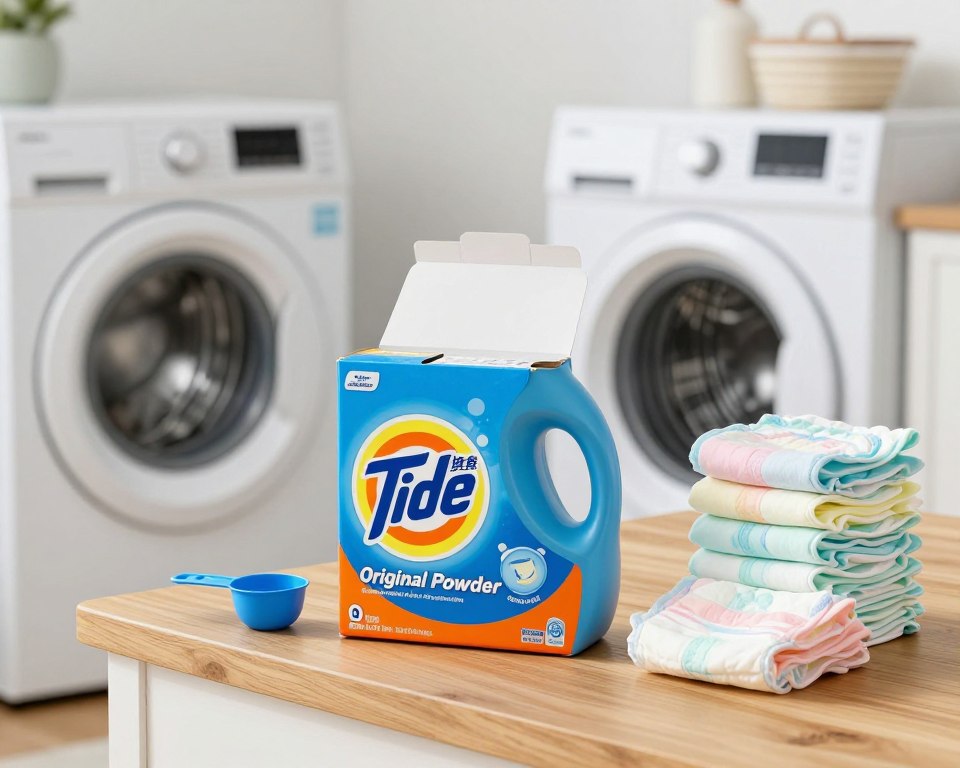
Tide Original Powder is a top choice for washing cloth diapers. It’s a strong synthetic detergent made to handle tough stains. Its formula breaks down organic waste well.
This detergent keeps diapers from repelling fabric. It ensures a deep clean, keeping diapers absorbent and fresh. Check out our Persil ProClean vs Tide Original comparison for more details.
- Superior cleaning power that effectively removes stubborn stains and odors.
- Prevents the accumulation of detergent residue, which is essential for maintaining diaper absorbency.
- Highly accessible and cost-effective compared to specialized cloth diaper detergents.
Cons
- The inclusion of fragrances and dyes may cause skin sensitivity in some infants.
- Requires careful measurement to ensure all soap is rinsed away during the cycle.
- Not suitable for families who strictly prefer plant-based or non-synthetic ingredients.
Features
This detergent meets HE washing machine safety standards. It’s important to avoid over-sudsing in modern machines.
Getting the detergent dosage right is key. Start with a small amount and adjust as needed. This ensures a complete rinse.
Rockin Green Platinum Series
Overview
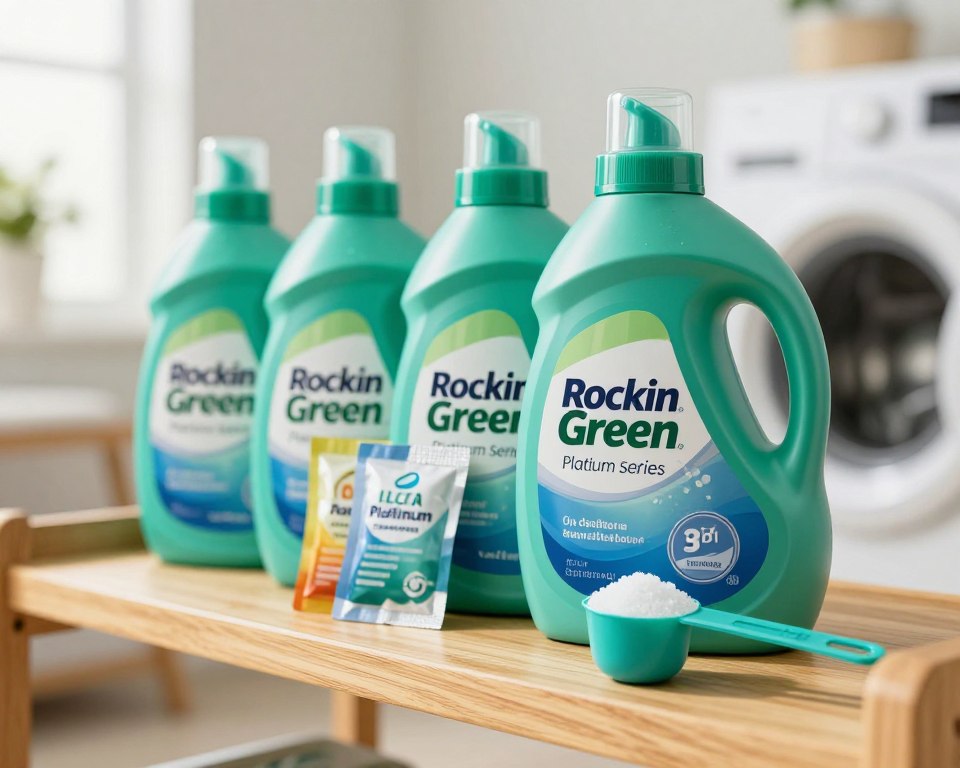
The Rockin Green Platinum Series is made for cloth diaper laundry. It cleans deep without harsh chemicals that can irritate skin.
This formula targets proteins in human waste. It keeps diapers clean and fresh. It’s great for parents who want clean diapers and long-lasting materials.
Pros
- Deep cleaning action that removes tough stains and odors.
- Does not have optical brighteners or synthetic fragrances.
- Safe for many diaper fabrics, natural and synthetic.
Cons
How well it works can change with your water’s mineral content. If your water is very hard, you might need extra help for the best results.
“Effective cloth diaper care relies on the ability of a detergent to lift organic matter from dense fibers without leaving behind residue that causes buildup.”
Features
The product uses enzyme boosters to break down waste proteins. These enzymes make sure even tough loads get clean.
Getting the detergent dosage right is key. The right amount prevents buildup and lets the enzymes work well.
| Feature | Benefit | Performance |
|---|---|---|
| Enzyme Technology | Protein breakdown | High |
| Chemical Profile | Skin safety | Excellent |
| Water Compatibility | Versatility | Moderate |
Charlie’s Soap Laundry Powder
Overview
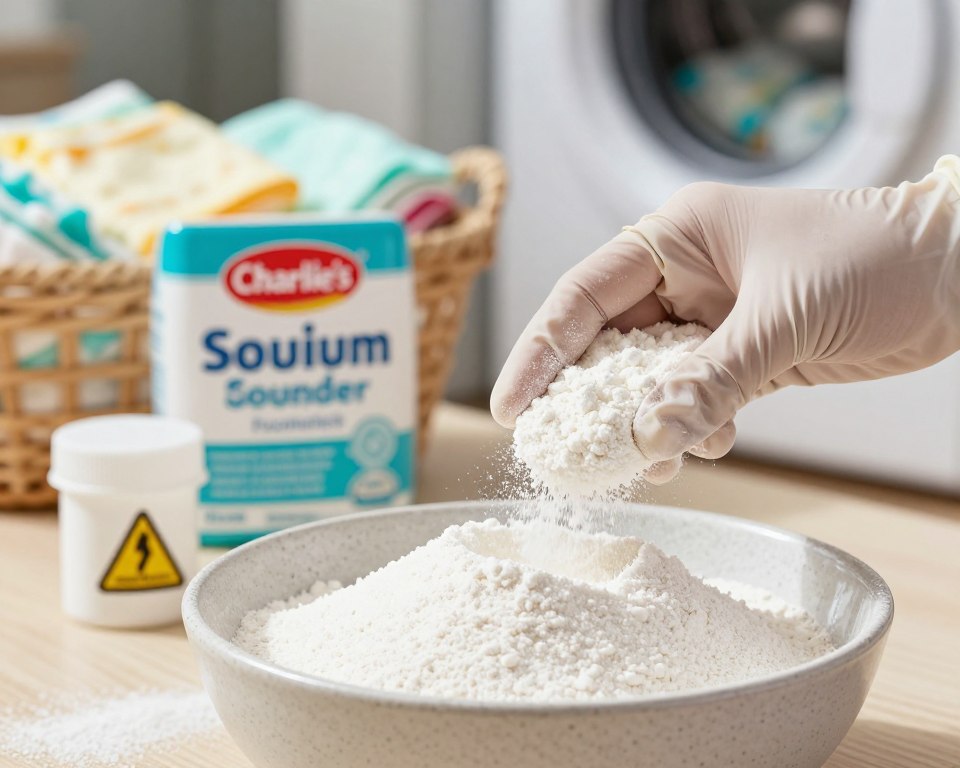
Charlie’s Soap Laundry Powder is marketed as natural. But, it’s important to examine its ingredients closely. Many parents choose it for its simple look and promise of clean clothes. Yet, we must separate marketing from the real chemical makeup of the product.
Pros
This powder has a minimalist ingredient list. It lacks common fragrances and dyes, which is good for those with severe sensitivities. It’s also made to rinse off well, which helps avoid soap scum on clothes.
Cons
The big worry is unbuffered sodium metasilicate. This ingredient is very alkaline and can lead to chemical burns on sensitive skin. Since cloth diapers sit against a baby’s skin for a long time, this ingredient is a big safety concern.
Features
Charlie’s Soap is a synthetic detergent, not a traditional soap. It tries to clean well but often struggles with tough stains in cloth diapers. Here’s a table to help parents decide if it’s right for them.
| Feature | Performance | Safety Rating |
|---|---|---|
| Cleaning Power | Moderate | Low |
| Skin Sensitivity | High Risk | Poor |
| Residue Build-up | Low | Good |
All Free Clear Liquid Detergent
Overview
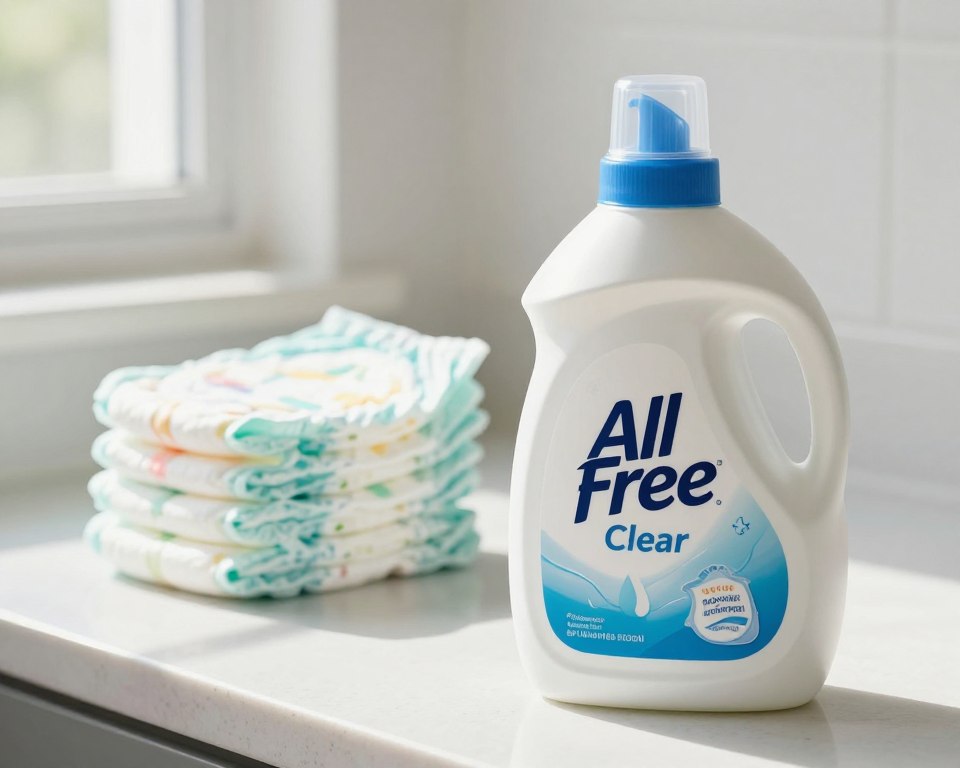
Many families use All Free Clear Liquid for their laundry. But, it’s not the best for cloth diapers. It’s marketed as gentle but can harm your diaper stash over time.
The detergent can affect the fibers in diapers. Knowing how it interacts with these fibers is key to keeping your diapers in good shape.
Pros
This detergent is easy to find in stores across the U.S. It’s free from dyes and perfumes, great for sensitive skin. It also rinses well in regular loads, making it a common choice.
Cons
The big problem is sodium cocoate. It’s a soap that can leave a residue. This residue can make the fabric coat over, stopping it from soaking up moisture.
When this happens, diapers start to leak more. This can cause skin irritation in babies, as the moisture stays against their skin.
Features
The detergent is safe for HE washing machines. It works well on regular clothes but not on dense diaper materials. This makes it not good for diapers.
| Feature | All Free Clear | Diaper Requirement |
|---|---|---|
| Surfactants | Contains Sodium Cocoate | Soap-free preferred |
| Residue | High risk of coating | Must rinse clean |
| HE Compatibility | Yes | Yes |
| Absorbency Impact | Negative | Neutral/Positive |
Seventh Generation Free and Clear
Overview
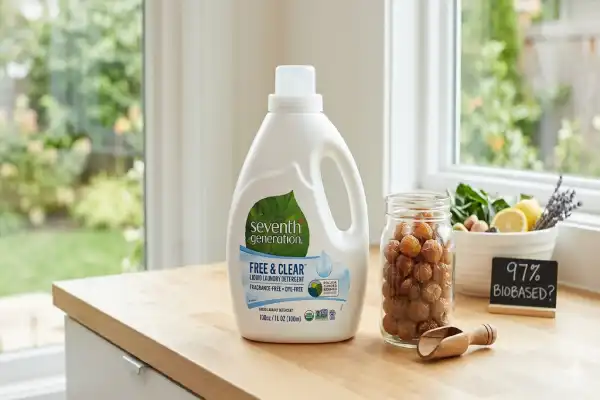
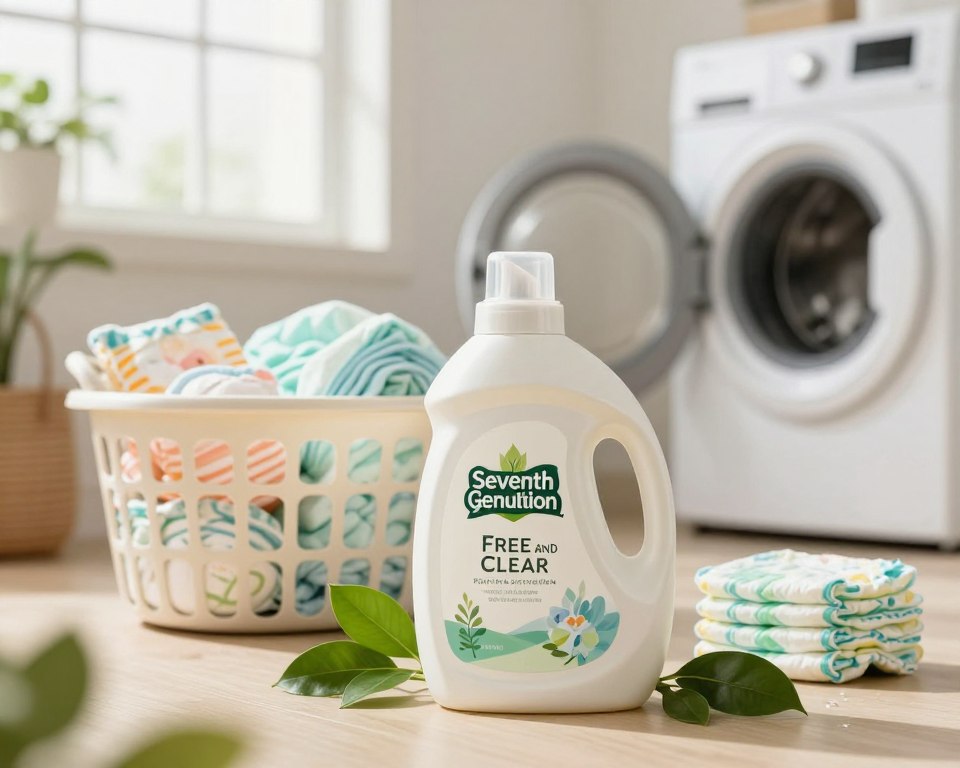
Looking at plant-based detergents for cloth diapers, Seventh Generation Free and Clear needs a closer look. Many families like this brand for avoiding synthetic additives. But, cloth diapers have a special cleaning challenge.
The goal is to keep the fabric absorbent without soap buildup.
Pros
This detergent’s main plus is the absence of synthetic fragrances, dyes, and optical brighteners. These are common irritants for babies with sensitive skin. By avoiding these chemicals, it’s safer for babies’ delicate areas.
Cons
A big worry for cloth diaper users is sodium cocoate. This soap-based surfactant can be hard to rinse out in some water. If not rinsed well, it can leave a film on diaper fibers.
This film often causes repelling issues. The diaper fabric may not absorb moisture well. In hard water, soap and mineral interaction can make cleaning harder. Users need to watch for signs of buildup.
Features
Seventh Generation Free and Clear uses plant-derived surfactants to clean. It works in various temperatures, but cold water might need extra care. The formula is USDA Certified Biobased, great for those who care about the environment.
Persil ProClean Sensitive Skin
Overview
Persil ProClean Sensitive Skin is a top pick for those who want clean clothes without harming their skin. It’s great for tackling tough stains, making it a favorite for parents of cloth diapers. It’s also a good choice for those who don’t like strong smells in their laundry.
Pros
- Superior stain removal: It’s excellent at getting rid of tough stains in cloth diapers.
- Dermatologist-tested: It’s gentle on sensitive skin, which helps prevent skin problems.
- Versatility: It works well in different water temperatures and hardness levels.
Cons
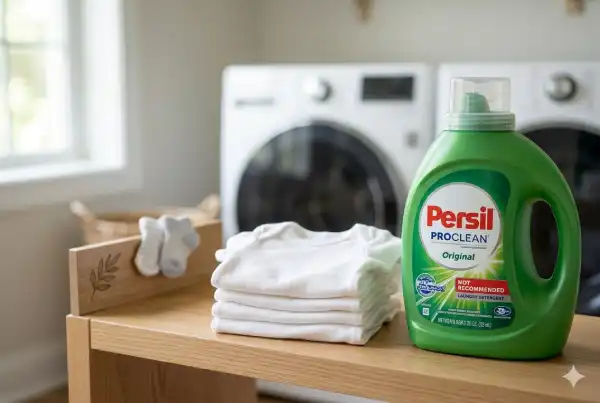
Keep in mind that this product has optical brighteners. These make clothes look whiter but can cause skin issues or buildup on natural fibers. If you’re looking at Dreft vs Persil for newborns, think about how these chemicals affect your diapers.
Features
Persil ProClean Sensitive Skin uses a special enzyme mix to fight tough dirt. It’s a step up from some plant-based detergents that can’t handle heavy cleaning. It’s also free from dyes and perfumes, so your clothes stay clean without extra chemicals.
Ingredients to Avoid in Cloth Diaper Detergents
Keeping your baby’s skin safe means knowing which laundry detergent ingredients to skip. Many products claim to clean well, but some chemicals can harm your diapers and your baby’s skin. It’s key to know which ones to avoid to keep your diapers working well and your baby safe.
Fiber coating is a big problem for many parents. It happens when detergents have sodium cocoate or other natural soaps. These don’t wash away well in hard water, making diapers less absorbent.
Some additives can even be dangerous. For example, unbuffered sodium metasilicate is very alkaline and can burn skin if not rinsed well. Always check the label when you’re looking at different laundry detergent options to avoid these harsh chemicals.
“The goal of a proper wash routine is to remove waste without leaving behind chemical residues that can cause contact dermatitis or fabric degradation.”
Stay away from certain ingredients to keep your laundry clean and your diapers in good shape. Here are some to watch out for:
- Optical brighteners: These chemicals stay on fabric to make it look brighter but can irritate skin and hide dirt.
- Sodium cocoate: A soap ingredient that can cause buildup in both synthetic and natural diaper fibers.
- High surfactant concentration: Too much surfactant can be hard to rinse out, leading to suds and skin problems.
- Unbuffered alkalis: Ingredients like sodium metasilicate are too harsh for frequent use on baby clothes.
Reading your detergent label is a smart move. By avoiding these additives, you keep your diapers soft, absorbent, and free from harmful chemicals. A simple, science-backed laundry routine will keep your supplies in great shape for a long time.
The Role of Water Hardness in Detergent Performance
Water hardness can ruin your cloth diaper cleaning. High levels of minerals like calcium and magnesium in your water stop surfactants from working. These minerals grab onto the soap, making it useless for cleaning.
This problem leads to mineral buildup. Your diapers might feel stiff, scratchy, or hold onto smells. If you’re having trouble, try comparing Purex Free Clear vs All Free to see what works best for you. Knowing your water quality is key to better washing.
To check if your water is hard, use a test strip or ask your water provider. If it’s over 60 parts per million (ppm), you need a water softener. Borax or Calgon can help by keeping minerals away from your detergent.
Adding washing soda to your wash can also help. It softens the water and makes your detergent work better. By controlling minerals, your diapers stay clean and soft.
Optimizing Your Wash Routine for Maximum Hygiene
A consistent cloth diaper laundry routine is key to keeping diapers in good shape. It’s all about laundry hygiene. A set routine helps remove waste and bacteria every time.
Hot water is crucial for cleaning diapers. It breaks down organic matter and sanitizes the fabric. Cold water might not dissolve detergents well, leading to buildup. Make sure your machine heats water to at least 130°F for the best clean.
Enzyme boosters can make your cleaning even better. They’re great for tackling tough stains and smells. Adding them to your wash cycle helps keep diapers fresh.
Getting the right amount of detergent is also important. Too little, and dirt won’t get washed away. Too much, and you’ll get a soapy residue that harbors bacteria. Measure your detergent carefully to keep your diapers in top condition.
Troubleshooting Common Cloth Diaper Laundry Issues
Dealing with ongoing problems is part of caring for cloth diapers long-term. Even with a regular cloth diaper laundry routine, you might face issues that need a careful check.
The biggest issue is diaper stink. This usually means your wash cycle isn’t getting rid of waste well. It can also come from mineral buildup that holds bacteria in the fabric.
Leaks or poor absorption might mean residue buildup. This happens when detergent or fabric softeners stick to the fibers. It stops moisture from getting through the absorbent layers.
“Effective laundry care is the foundation of a successful diapering experience, ensuring both comfort for the child and longevity for the textiles.”
To fix these problems, first check your water hardness. Hard water can mess with detergent, causing soap scum. This scum leads to odors and makes fabrics repel.
If you think your routine is the problem, here’s what to do:
- Do a strip wash to get rid of residue buildup.
- Change how much detergent you use based on your water hardness.
- Make your cloth diaper laundry routine more thorough by adding more agitation or water.
Dealing with diaper stink often just needs a small tweak, not a full change. By watching your results and making small, smart changes, you can keep your diapers clean and working well. This way, you avoid unnecessary stress.
Conclusion
Choosing the right detergent is key to successful cloth diapering. It affects how well the fabric works and your baby’s health. By avoiding harmful ingredients and adjusting to your water, you keep diapers clean and safe.
Using proven cleaning methods helps avoid diaper stink and residue. Paying attention to your wash cycle keeps your family safe and your diapers lasting longer. Knowing how your products work is the best way to keep laundry clean.
Keep an eye on how things go and change your routine as your baby grows. Taking care of your diapers keeps them soft and good for your baby’s skin. With the right knowledge, you can handle your daily tasks and keep your supplies in great shape.
FAQ
Is Tide Original Powder safe for modern cloth diapers and sensitive skin?
Yes. Tide Original Powder is a top choice for many. Its surfactants break down waste well without leaving residue. It’s also good for sensitive skin because it rinses off cleanly, preventing diaper rash.
Why is All Free Clear Liquid Detergent often discouraged for diaper laundry?
A: All Free Clear Liquid might seem safe for sensitive skin. But, it has sodium cocoate, a coconut soap. This can make diapers less absorbent and trap dirt.
Can I use Charlie’s Soap on my baby’s cloth diapers?
No, it’s not recommended. Charlie’s Soap has unbuffered sodium metasilicate. This can irritate skin or cause burns. It also might not clean waste well enough.
What role do enzyme boosters play in detergents like Rockin Green?
A: Enzyme boosters target and break down stains. Rockin Green Platinum Series uses these to clean deeply. It avoids harsh chemicals found in industrial cleaners.
How does water hardness impact the effectiveness of my detergent?
A: Water hardness means high levels of minerals like calcium and magnesium. These can reduce surfactant effectiveness and leave buildup. If your water is hard, you might need more detergent or a water softener.
Are optical brighteners in detergents like Persil ProClean Sensitive Skin harmful?
A: Optical brighteners make whites look brighter but can cause skin issues in some. Persil ProClean Sensitive Skin is good for tough stains but watch for skin reactions.
What should I do if my diapers have started to smell like ammonia?
Bad smells mean you might not be cleaning enough. Check your wash routine for enough detergent and hot water. Sometimes, a deep clean is needed to get rid of bacteria and minerals.
Can I use plant-based detergents like Seventh Generation for cloth diapers?
A: Seventh Generation Free and Clear is okay, but be careful. Plant-based detergents might need more detergent or a deeper wash. This is true, even in HE machines, to match synthetic options.