Did you know indoor air can be up to five times more polluted than outside air? Many homeowners unknowingly harm their environment while trying to keep it clean. It’s crucial to know what chemicals stay in the air after cleaning.
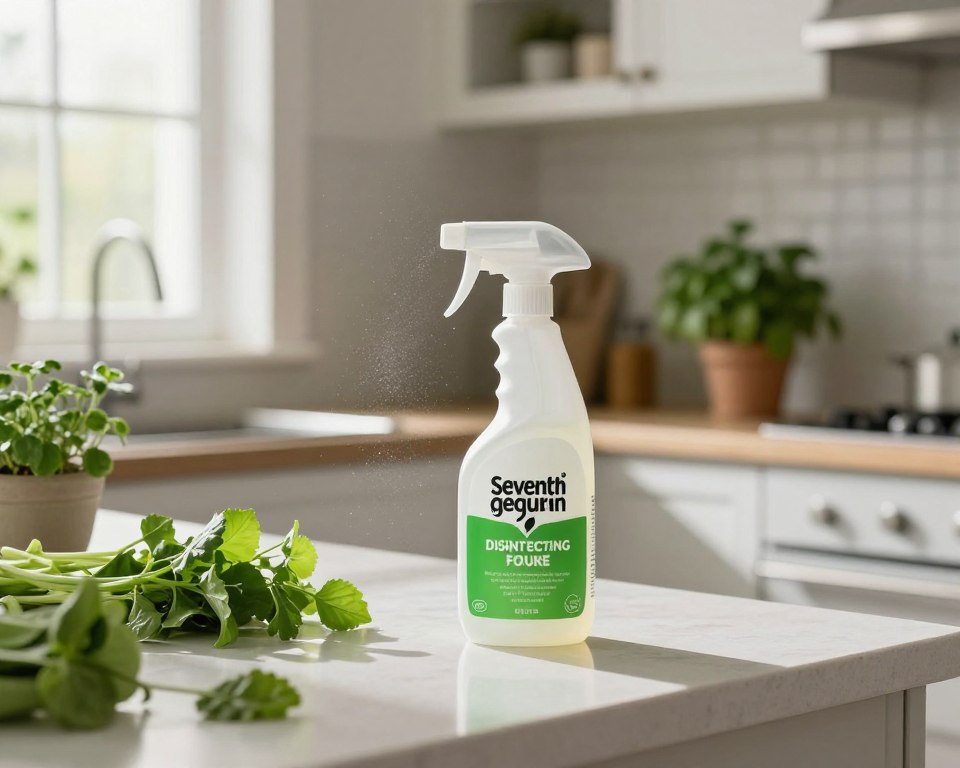
This product mainly works as a hard surface cleaner for effective sanitization. It does well at removing dirt, but many worry about its effects on their lungs. It’s wise for health-conscious families to focus on breathing safety during cleaning.
We aim to give you a fact-based look at how these household liquids affect your home. We want to help you choose cleaning methods that keep surfaces clean without harming your health. Let’s dive into the facts behind these common cleaning products.
Key Takeaways
- Indoor air quality often suffers due to common household cleaning habits.
- The product is specially made for hard, non-porous surfaces.
- Good ventilation is the best way to protect your lungs.
- Knowing what’s in cleaning products helps avoid harmful chemicals.
- Cleaning effectively doesn’t have to harm your indoor air.
Understanding the Ingredients in Seventh Generation Disinfecting Spray
It’s important for families to know what’s in their cleaning products. This is because these products affect the air and surfaces in our homes. Knowing what’s in these sprays makes us feel better about our choices.
For example, when we pick a laundry detergent, we want to know it’s safe. This is why we check if Seventh Generation laundry detergent is good for our families.
The Role of Thymol as an Active Ingredient
Thymol is the main ingredient in this disinfectant. It comes from thyme oil and is used to kill germs. It’s a natural ingredient that works well without being harsh.
“Nature provides us with powerful tools that can be harnessed for effective cleaning without the need for aggressive chemical additives.”
Thymol helps keep surfaces clean by breaking down bacteria and viruses. This shows that non-toxic ingredients can be just as effective as harsh chemicals.
Distinguishing Between Botanical and Synthetic Disinfectants
It’s key to know the difference between natural and synthetic cleaners. Traditional cleaners often use bleach or harsh chemicals. These can be bad for our lungs.
Choosing cleaners with non-toxic ingredients means we can stay clean without strong smells. These natural cleaners are effective but gentle on our homes. Here’s what you need to know:
- Botanical: Made from plant oils like thyme, they’re more natural.
- Synthetic: Use chlorine or ammonia, which might need better air flow.
- Safety: Botanicals are usually made to be less irritating for everyone.
Is Seventh Generation Disinfecting Spray Safe to Breathe
When you grab a cleaner, you might wonder: is Seventh Generation Disinfecting Spray safe to breathe? Many families care about air quality, mainly when cleaning high-touch areas. It’s important to know how these cleaners affect your lungs for a healthy home.
Evaluating Inhalation Risks of Botanical Extracts
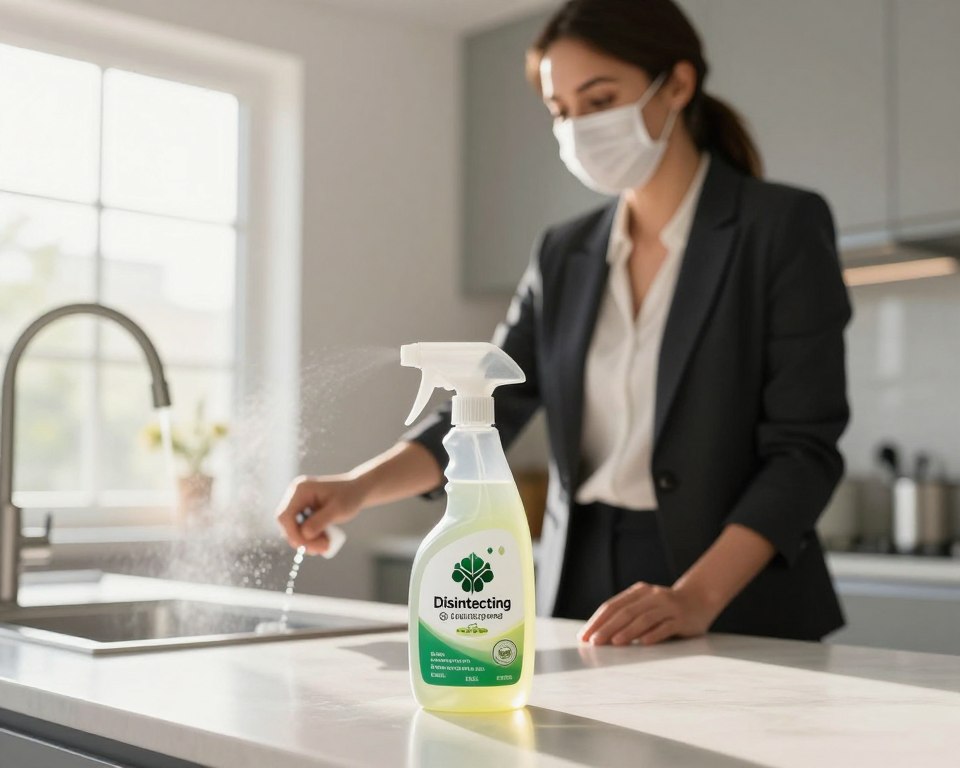
This product uses thymol, from essential oils, to kill germs. Unlike synthetic chemicals, botanical extracts might act differently in the air. Always follow the product guidelines, like a 10-minute dwell time on surfaces.
Proper application is key to avoid unnecessary exposure. Spray the surface and let it sit for the needed time. This way, the disinfectant spray works well without making the air too misty.
Comparing Seventh Generation to Traditional Bleach-Based Sprays
Traditional cleaners often have harsh chemicals that can irritate your lungs. Studies on bleach toxicity show the risks of inhaling strong fumes. Botanical-based cleaners are a safer choice for daily use.
The table below shows the main differences between these cleaning methods. It helps you choose the best for your home.
| Feature | Botanical Spray | Bleach-Based Spray |
|---|---|---|
| Active Ingredient | Thymol (Plant-derived) | Sodium Hypochlorite |
| Inhalation Risk | Low (if used as directed) | High (can irritate lungs) |
| Dwell Time | 10 Minutes | Varies (often shorter) |
| Scent Profile | Natural/Herbal | Strong/Chemical |
The Science of Respiratory Health and Household Cleaners
Many people don’t think about how household cleaner affects the air they breathe. It’s important to know how these products affect your home. When you spray a surface, the chemicals stay in the air long after.
How Volatile Organic Compounds Affect Indoor Air Quality
Volatile Organic Compounds, or VOCs, are gases from solids or liquids. Many cleaning agents release VOCs into the air. In a closed room, these gases can build up, making the air quality poor.
You might smell something strong after cleaning. This smell often means VOCs are around. While it might seem like a clean smell, it can actually harm your lungs. Long-term exposure can irritate your airways.
Identifying Common Respiratory Irritants in Cleaning Products
Knowing which ingredients can bother sensitive people is helpful. By recognizing these irritants, you can choose better products for your home. Many are now choosing natural alternatives to avoid harsh chemicals.
Substances that can cause respiratory problems include:
- Ammonia: Found in glass cleaners, it can irritate your throat right away.
- Chlorine Bleach: Its strong fumes can make you cough or wheeze.
- Phthalates: Used in fragrances, they can stay in the air for hours.
- Quaternary Ammonium Compounds: These disinfectants can make you sensitive over time.
Choosing a safer household cleaner is a powerful step. By avoiding products with these irritants, you help your health and your family’s. Making small changes in your cleaning can make a big difference in your home’s air.
Analyzing Seventh Generation Safety Certifications
Ever wondered what those official-looking seals on disinfectant bottles mean for your health? It can feel like trying to decipher a secret code. But these marks are key for making smart choices. Third-party verification gives families peace of mind when picking cleaning supplies.
What EPA Registration Means for Consumer Safety
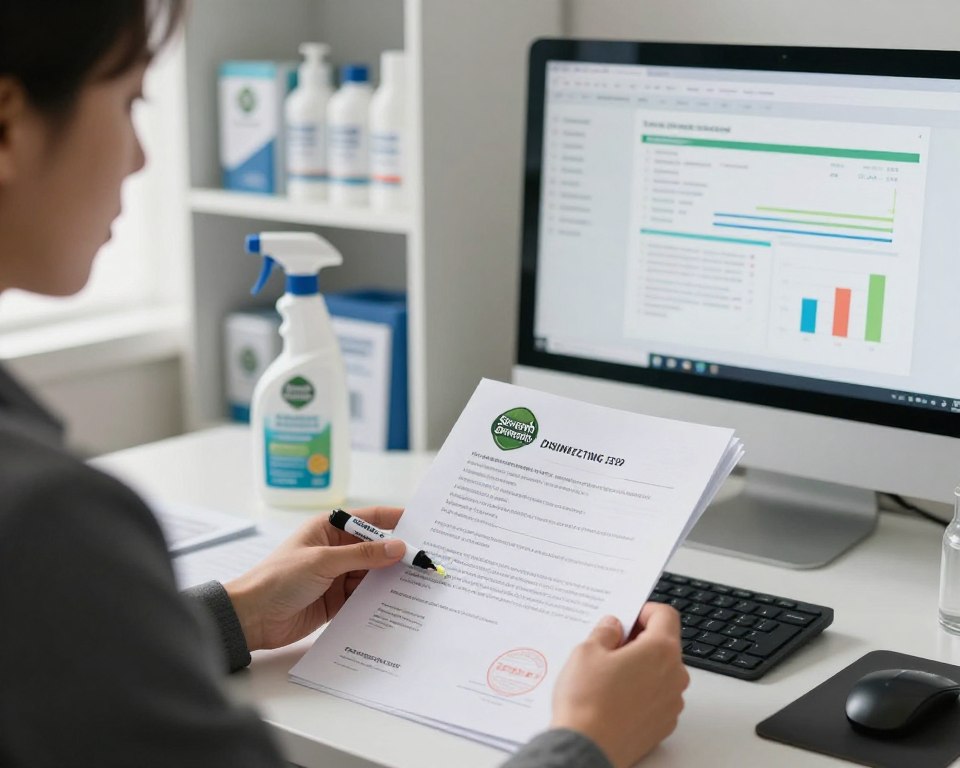
An EPA registration number is more than a formality; it’s a sign of efficacy and safety testing protocols. It shows the product has been thoroughly reviewed. It also means the product is not considered hazardous under the 2012 OSHA Hazard Communication Standard.
When comparing brands, like Seventh Generation vs. others, these standards are crucial. They ensure the manufacturer has followed federal guidelines for public health. This lets you focus on keeping your home clean without risks.
“Transparency in labeling is the cornerstone of consumer trust, allowing families to make choices that align with their values and health needs.”
Understanding the Significance of the Design for the Environment Label
The Design for the Environment (DfE) label is a top honor. It shows products meet rigorous standards for human health and the planet. By choosing products with this label, you support sustainability and safer chemistry.
| Certification Type | Primary Focus | Consumer Benefit |
|---|---|---|
| EPA Registration | Disinfectant Efficacy | Proven germ-killing power |
| Design for the Environment | Human & Environmental Health | Reduced chemical toxicity |
| OSHA Compliance | Workplace Safety Standards | Lowered hazard profile |
These certifications guide you through the complex world of labels. By choosing products with these marks, you ensure your home is safe. Making smart choices today means a healthier, more sustainable future for your family.
Proper Ventilation Techniques When Using Disinfectant Sprays
Managing indoor air quality is key for a healthy home. Even gentle cleaners can release particles into the air. Good airflow keeps your home fresh and safe for your family.
Why Airflow Matters During and After Cleaning
Cleaning should remove germs without harming your air. Wondering if a disinfectant spray is toxic to breathe? The answer is simple: dilute it well. Ventilation disperses tiny droplets, preventing them from settling in the air.
Stagnant air can make cleaning agents irritating to your lungs. Consistent airflow acts as a natural filter. It pushes out old air and brings in fresh oxygen. This habit greatly reduces the concentration of airborne substances in your rooms.
Best Practices for Maintaining Healthy Indoor Air
You don’t need expensive gear to keep your air clean. Simple habits can make a big difference. Here are some effective strategies to keep you safe:
- Open windows and doors: Create a cross-breeze for fresh air circulation.
- Use exhaust fans: Turn on fans in kitchens or bathrooms to pull air away.
- Time your cleaning: Clean when it’s warmest, so you can keep windows open.
- Limit over-spraying: Use just enough disinfectant spray to cover the surface, reducing air mist.
By following these steps, you control your home’s hygiene and protect your lungs. A well-ventilated room is the sign of a truly clean and safe home.
Potential Allergic Reactions and Sensitivities
Keeping your respiratory health in check starts with knowing how your body reacts to home substances. Many people use cleaning sprays without problems. But, everyone’s body is different, and some may react to certain ingredients. It’s key to know your limits for a cozy home.
Recognizing Symptoms of Chemical Sensitivity
Even plant-based cleaners can cause irritation in some. Signs include redness of the skin, watery eyes, or a scratchy throat. If you see these signs, stop using the product and get some fresh air.
For everyone’s safety, keep cleaning products away from kids and pets. They’re more likely to get into trouble with these products. If a reaction happens, clean the area with soap and water and watch it closely.
When to Consult a Professional Regarding Respiratory Issues
If you keep feeling uncomfortable, it’s time to talk to a doctor. See a medical expert if your respiratory health doesn’t get better after leaving the cleaning area. This is crucial if you have asthma or breathing problems.
A doctor can figure out if your symptoms are from a chemical or a health issue. Don’t ignore signs like wheezing, shortness of breath, or a cough that lasts. Taking these steps helps keep your home clean while keeping you healthy.
| Symptom Type | Common Indicators | Recommended Action |
|---|---|---|
| Skin Sensitivity | Redness, itching, or hives | Wash area and discontinue use |
| Eye Irritation | Watering, burning, or redness | Rinse with water and ventilate |
| Respiratory Distress | Coughing, wheezing, or tightness | Seek fresh air and consult a doctor |
Comparing Seventh Generation to Other Eco-Friendly Alternatives
Looking for an eco-friendly disinfectant? It’s smart to compare the active ingredients. The market offers many options, all promising a clean home without harsh chemicals. Knowing the differences helps you choose the best for your family.
Hydrogen Peroxide-Based Cleaners vs. Thymol-Based Sprays
Thymol, from thyme oil, is key in many natural formulas. It disrupts germ cell membranes, making it highly effective for cleaning surfaces. Hydrogen peroxide-based cleaners, on the other hand, quickly break down organic matter as strong oxidizers.
Both are safer than bleach, but they work differently. Hydrogen peroxide might bleach some fabrics or dark surfaces. Thymol-based sprays, like a standard disinfectant spray, are safer for everyday use on many household items.
Evaluating Alcohol-Based Disinfectants for Home Use
Alcohol-based cleaners are also popular eco-friendly disinfectants. They use ethanol or isopropyl alcohol to kill germs. They dry fast, which is good for avoiding residue.
But, their fast drying can be a problem. Surfaces need to stay wet for a while to be fully disinfected. If you use an alcohol-based disinfectant spray, you might need to apply it more often.
| Feature | Thymol-Based | Hydrogen Peroxide | Alcohol-Based |
|---|---|---|---|
| Primary Action | Botanical disruption | Oxidation | Protein denaturation |
| Surface Safety | High | Moderate | High |
| Residue | Minimal | None | None |
The right choice depends on your cleaning needs and how sensitive you are. Think about these factors to pick the best disinfectant spray for you. Always check the label to make sure it fits your eco-friendly disinfectant needs.
The Impact of Fragrances on Breathing Safety
Cleaning your home leaves a fresh scent behind. But, think about how these smells affect your breathing safety. Not all scents are safe, and some can pollute the air inside.
Essential Oils vs. Synthetic Fragrances in Cleaning Products
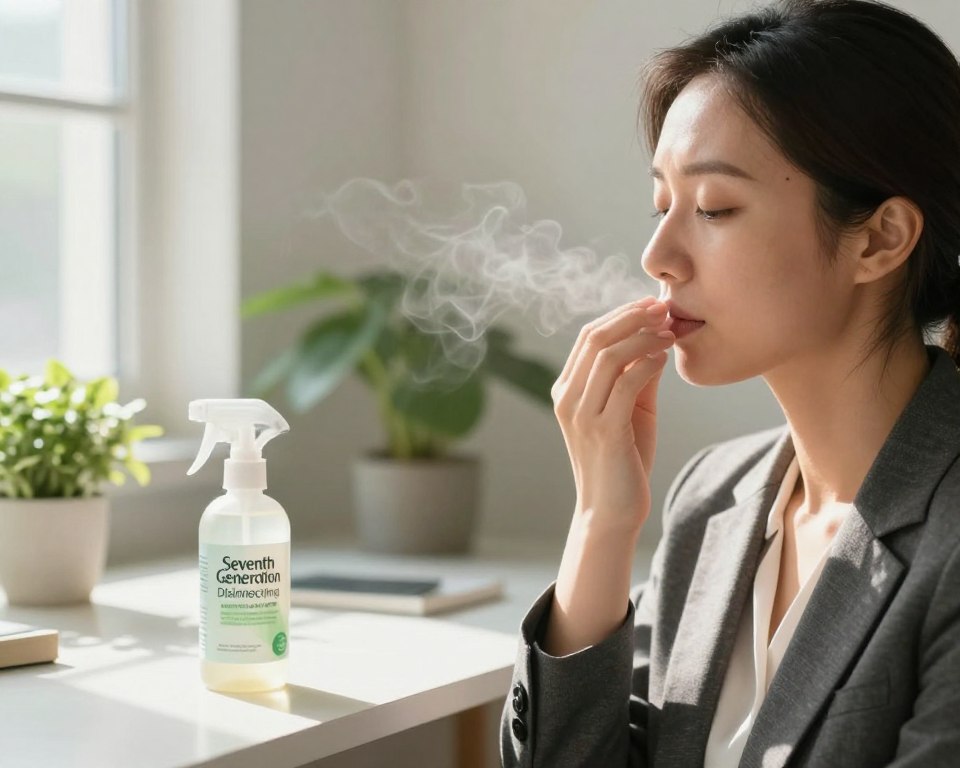
Many cleaners use synthetic fragrances for a nice smell. But, these can irritate your lungs, even if you’re not very sensitive. On the other hand, essential oils offer a more natural scent.
Seventh Generation makes sure their fragrances meet the International Fragrance Association (IFRA) standards. This means they limit harmful additives, keeping your breathing safety in mind. Choosing products with safe ingredients helps you keep your home clean without harming your breathing.
Why Seventh Generation Prioritizes Ingredient Transparency
Being open about what’s in your products builds trust. Seventh Generation tells you exactly what’s in every bottle. This lets you make smart choices for your family.
This openness is great for anyone worried about breathing safety. Knowing what’s in your products helps you avoid things that might bother you. Prioritizing transparency helps you make your home a healthier place for everyone.
Safe Application Methods for Disinfecting Surfaces
Cleaning your home is more than just picking up a bottle of cleaner. How you use your disinfectant spray is key to its success and the air quality. Smart application habits ensure your surfaces are clean and your air is fresh.
The Importance of Dwell Time Without Over-Spraying
Every disinfectant needs time to work on a surface to kill germs. This time is called dwell time. For many cleaners, you must keep the surface wet for at least 10 minutes.
Don’t soak a surface until it drips. This wastes product and adds too much moisture. Instead, use a light, even mist that covers the area without making puddles. Consistency is key to good results without too much product.
Techniques to Minimize Aerosolization During Cleaning
Aerosolization happens when tiny droplets of liquid stay in the air, irritating your lungs. Spray your cleaner close to the surface to avoid this. This keeps the mist where you need it.
Another good strategy is to spray the product onto a microfiber cloth or paper towel first. Then, wipe the surface with the damp cloth. This method is great for small items and tight corners where overspray is common.
| Application Method | Benefit | Best Use Case |
|---|---|---|
| Direct Spraying | Covers large areas quickly | Countertops and tables |
| Cloth Application | Reduces airborne particles | Small items and electronics |
| Targeted Mist | Prevents product waste | Handles and light switches |
By following these careful habits, you make cleaning safer for your family. Remember, proper technique is as important as the cleaner itself. Taking a few extra seconds to apply your disinfectant spray correctly makes your home healthier.
Protecting Vulnerable Populations in the Home
Keeping your home safe is crucial when you have kids or pets. You want a clean space but also need to avoid harming those who are most sensitive. Finding the right balance between cleanliness and health is key for every family.
Seventh Generation Disinfecting Spray is safe, according to the 2012 OSHA Hazard Communication Standard. This gives families peace of mind when reducing chemical use. Choosing products with clear ingredients helps keep your home clean without worry.
Safety Considerations for Households with Infants and Children
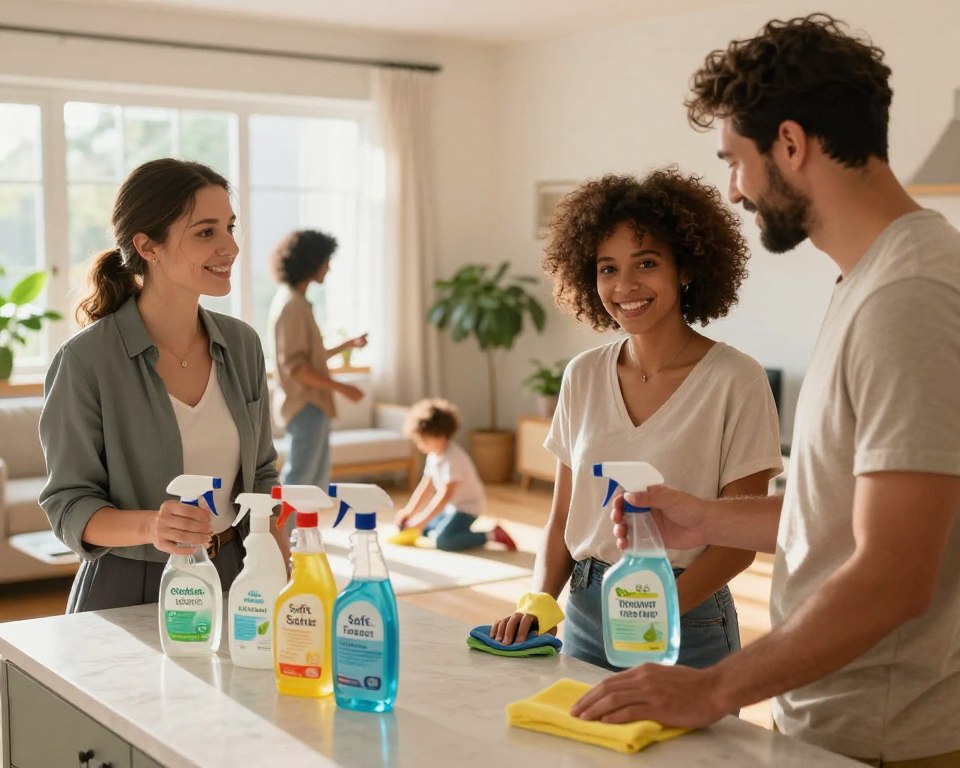
Children often touch surfaces and put their hands in their mouths. So, always spray disinfectants on a cloth or paper towel, not directly on surfaces. This reduces the risk of inhaling fumes and prevents liquids from pooling on toys.
Storing cleaning supplies safely is just as important as how you use them. Keep them in a locked cabinet or on a high shelf that kids can’t reach. Even safe products can be dangerous if not stored properly.
Managing Cleaning Protocols for Pets and Sensitive Individuals
Pets are more likely to come into contact with cleaning residues. Make sure surfaces are dry before letting pets on them. This simple waiting period lets the cleaning agents evaporate safely.
If someone in your family is sensitive to chemicals, clean while they’re in another room. Open a window to improve airflow and get rid of any smells quickly. These thoughtful cleaning protocols make your home safe and welcoming for everyone, no matter their age or species.
Debunking Common Myths About Natural Disinfectants
Many think using an eco-friendly disinfectant means dirty homes. They believe natural products can’t kill germs as well as harsh chemicals. But, this is often based on old marketing, not new science.
Addressing Misconceptions About Efficacy and Safety
People worry if natural cleaning products work in busy homes. But, the EPA checks all disinfectants, natural or not, to make sure they work. You don’t have to choose between clean homes and healthy air.
Some old sprays work well but can harm your lungs. For example, Lysol spray can be bad to breathe. But, plant-based cleaners are safe and clean well. Safety and effectiveness go hand in hand with the right products.
The Reality of Botanical Antimicrobial Properties
Science shows that plants like thyme can fight germs. Thymol, from thyme, kills germs by breaking their cell walls. This works just as well as chemical cleaners.
Using a good natural cleaning product means you’re choosing a strong ally. You’ll know you’re using an eco-friendly disinfectant that’s been tested. Nature has powerful ways to keep your home germ-free.
The Lifecycle of Seventh Generation Products
The journey of a sustainable disinfectant starts long before it hits your home. It goes on even after the bottle is empty. Choosing a natural cleaning product supports a cycle that cares for the planet and your home. Every step, from getting the raw materials to disposing of the product, follows eco-friendly standards.
Sustainable Sourcing and Environmental Impact
The brand uses ingredients from renewable plants, not petroleum. This choice cuts down on the use of limited resources and lowers carbon emissions. By focusing on plant-based ingredients, they help protect nature and keep your home clean.
Opting for a natural cleaning product means you’re choosing something that breaks down safely. These products are made to decompose, not harm the environment. This is key to the brand’s mission to make the world a safer place.
How Packaging Choices Influence Overall Product Safety
Packaging is crucial for the safety and life of your cleaning supplies. The brand uses recycled materials to cut down on plastic waste. It’s important to store your disinfectant in an airtight container at room temperature to keep it working well.
Using the original packaging is key. It gives you the right safety info and ingredient lists. This helps avoid misuse and keeps the product stable. By following these tips, your sustainable disinfectant stays safe and effective.
| Lifecycle Stage | Environmental Focus | Safety Benefit |
|---|---|---|
| Sourcing | Renewable plant materials | Reduced toxic exposure |
| Manufacturing | Low-carbon processes | Consistent quality control |
| Packaging | Recycled plastic usage | Maintains product stability |
| Disposal | Biodegradable formulas | Protects local water systems |
Regulatory Standards for Household Disinfectants in the United States
Ever wondered who checks if a disinfectant spray is safe for your home? In the U.S., a team of federal agencies works hard to keep products safe. They make sure the items in your home are tested well.
How the EPA Evaluates Inhalation Toxicity
The Environmental Protection Agency (EPA) is key in checking antimicrobial products. Before they hit stores, makers must share lots of data on safety. They focus on inhalation toxicity a lot.
EPA scientists study how a product acts when it’s in the air. They check for breathing problems and long-term health risks. This scientific validation helps keep the air in your home clean.
The Role of the FDA and Consumer Product Safety Commission
While the EPA looks at disinfectants, other groups like the FDA and CPSC check other things. The FDA watches over products that touch your skin, like hand sanitizers. The CPSC makes sure products are safe from fire, electrical, or mechanical dangers.
These groups work together to keep you safe. They make sure products are safe in many ways. This teamwork helps protect your home from harmful stuff.
| Agency | Primary Responsibility | Focus Area |
|---|---|---|
| EPA | Antimicrobial Pesticides | Disinfectant safety and efficacy |
| FDA | Personal Care Products | Topical sanitizers and health items |
| CPSC | General Consumer Goods | Physical safety and labeling standards |
Long-Term Effects of Regular Disinfectant Exposure
Many homeowners focus on immediate cleanliness. But, it’s also important to think about the cumulative effects of regular disinfectant use. Using a product once is usually safe. But, cleaning often can change your home’s chemical makeup.
These small, repeated interactions with cleaning agents can affect your health over time.
Cumulative Exposure and Indoor Air Quality Trends
Modern homes are tightly sealed to save energy. This can trap airborne particles inside. When you use strong cleaning sprays often, the chemicals can stay in the air.
This shows how important it is to choose products that don’t leave harsh residues.
Regular exposure to certain synthetic chemicals can irritate your respiratory system or cause sensitivities. By watching how often you disinfect, you can manage the chemicals in your home better. Mindful cleaning is about protecting the air you breathe every day.
Strategies for Reducing Chemical Load in Your Living Space
You can lower your chemical footprint by using a sustainable disinfectant made from botanical ingredients. These alternatives are effective without the heavy synthetic chemicals found in traditional cleaners. Making this change is a step toward a healthier home.
Another good strategy is to only use disinfectants on high-touch areas. You might also use mechanical cleaning methods, like microfiber cloths and water, for routine cleaning. By choosing a sustainable disinfectant only when needed, you support long-term health and keep your home safe.
Practical Tips for a Healthier Cleaning Routine
You can make your home healthier by changing your cleaning supplies. Start with small steps to a better routine. Choosing a safer household cleaner keeps your family safe from harmful chemicals.
Transitioning to Low-VOC Cleaning Solutions
Many cleaners have volatile organic compounds that stay in the air. Look for non-toxic ingredients to keep your air fresh. Learn more about lung-safe products to replace old ones.
Check your cabinets for strong fragrances and replace them with natural options. Wondering if multi-surface sprays are toxic? Always read labels and choose clear products.
Creating a Balanced Approach to Home Hygiene
Cleaning your home doesn’t need harsh chemicals for every surface. Use the right tool for the job to avoid over-cleaning and waste. Sustainability and safety meet when you simplify your cleaning.
Here’s a comparison to help you clean better:
| Cleaning Habit | Traditional Approach | Healthier Alternative |
|---|---|---|
| Surface Sanitizing | Heavy synthetic sprays | Thymol-based solutions |
| Air Quality | Aerosol fresheners | Natural ventilation |
| Ingredient Choice | Unknown chemicals | Non-toxic ingredients |
| Routine Focus | Daily deep cleaning | Targeted maintenance |
Adopting these habits makes your home sustainable for years. Remember, being consistent is more important than using the strongest cleaner. Your effort towards a healthier home will bring comfort and peace.
Conclusion
Choosing the right cleaning supplies is key to the air you breathe every day. Seventh Generation Disinfecting Spray is a good choice. It keeps your space clean without using harsh chemicals.
You now know how to read ingredient labels and use cleaning products wisely. Ingredients like thymol are powerful against germs. They also help keep your air clean.
Making small changes in your daily routine can make a big difference. Make sure to ventilate well and spray carefully. This protects your family and pets. Your efforts make your home a healthier place for everyone.
Share your experiences with eco-friendly cleaning products below. Tell us what works for you to keep your space clean and healthy. Your stories help others make better choices for their health.
Is Seventh Generation Disinfecting Spray Safe to Breathe during normal use?
Yes, it’s safe when used as directed in a well-ventilated area. It uses natural ingredients like thymol, making it safer than traditional sprays.
Does this disinfectant spray contain any VOCs?
It may have some VOCs from essential oils, but they are lower than in synthetic cleaners. This helps keep your air quality better.
Can I use this natural cleaning product if I have asthma?
It’s formulated for respiratory health, but thyme’s scent might still trigger some. Test it first, ensure good ventilation, or talk to a doctor if you have severe asthma.
Is it safe for pets to be in the room when I use this household cleaner?
It’s generally safe, but keep pets away until it dries. This is crucial for birds and cats, who are more sensitive.
What is the benefit of a sustainable disinfectant over a regular one?
Sustainable disinfectants like Seventh Generation are better for the planet and your home. They use eco-friendly ingredients and packaging, supporting ecological health.
How long should I let the spray sit to ensure it kills germs?
Let the surface stay wet for a 10-minute dwell time. This allows the ingredients to kill 99.9% of bacteria and viruses.
Does the EPA approve Seventh Generation for safety?
Yes, it has an EPA registration number. This means it’s been tested for germ-killing and safety for consumers.