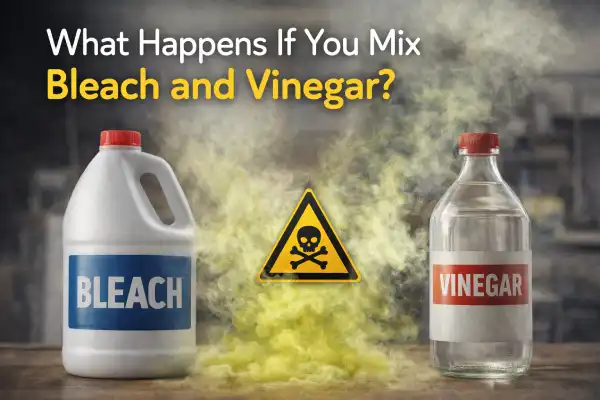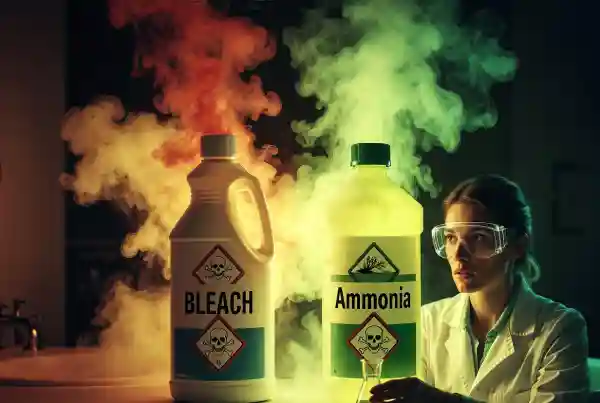
Did you know that homes have over 60 toxic chemicals? Many are in kitchen sprays. Brands promise a natural shine, but the truth is often different. People often wonder if their favorite products are safe or just marketed well.
It’s crucial to check if these products really protect your family. Many look for clear information on if cleaning products are safe. Knowing the difference between eco-friendly claims and actual safety is key for a healthy home.
This is very important for expectant parents who check if cleaning products are safe during pregnancy. By looking at chemical profiles and company practices, we can see if these products are up to standard. Let’s explore the science to ensure our cleaning routines are safe for our homes.
Key Takeaways
- Many household cleaners use synthetic fragrances that may trigger allergies or respiratory issues.
- Green marketing often masks the presence of ethoxylated surfactants and potential contaminants.
- Reading ingredient labels is the most effective way to avoid hidden endocrine disruptors.
- Natural-sounding ingredients often undergo heavy chemical processing before reaching the bottle.
- Switching to simple, DIY alternatives can significantly reduce your exposure to volatile organic compounds.
The Rise of Method in the Eco-Friendly Cleaning Market
When Method entered the cleaning world in 2000, it changed everything. Adam Lowry and Eric Ryan started the brand with a big goal. They wanted to make cleaning better and safer for our homes.
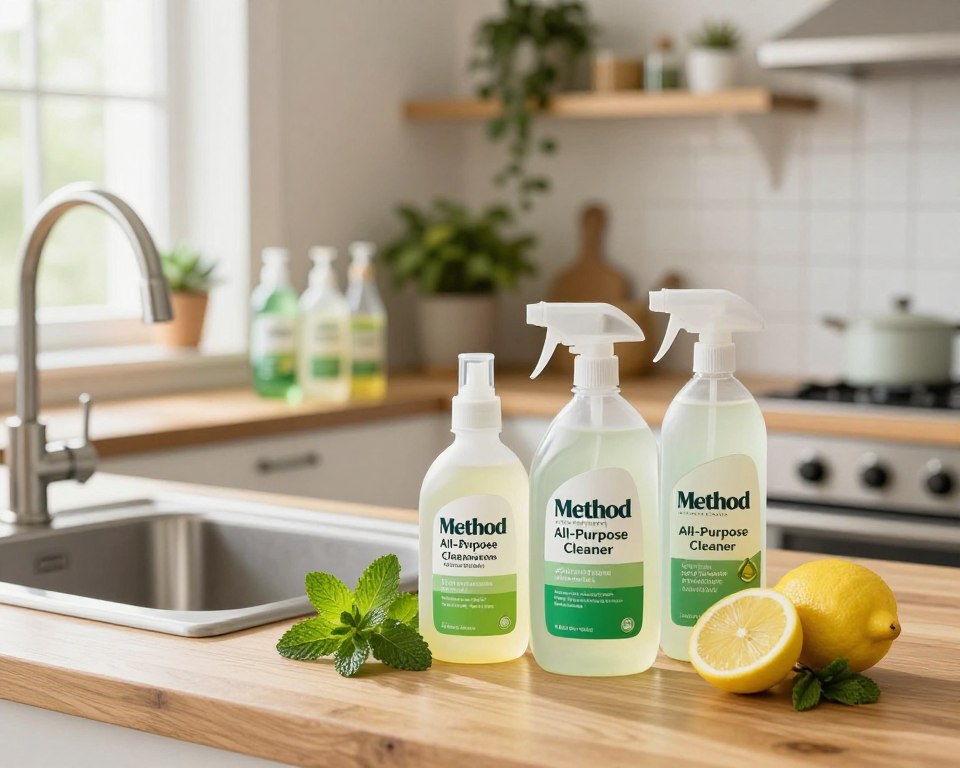
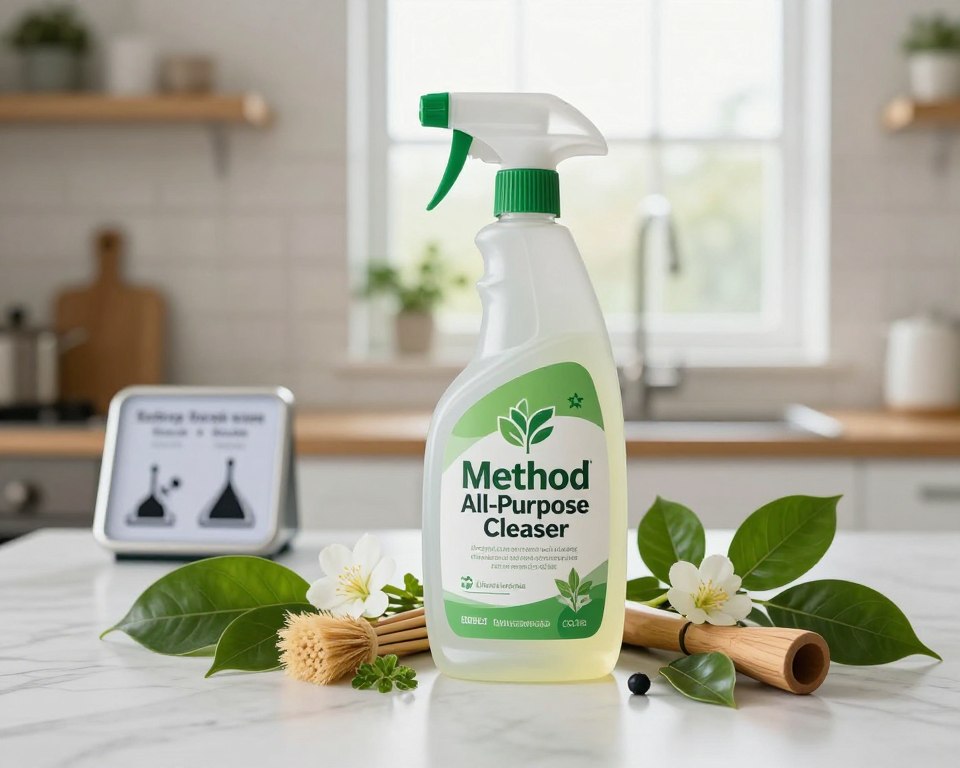
Method stood out by using natural ingredients and cool packaging. They made cleaning products that looked good and worked well. Want to know more about their products? Check out a review of Method’s all-purpose cleaner to see how it compares.
“We wanted to create a brand that didn’t just clean, but actually made the home a more beautiful and safer place to live.”
Method’s success made big brands rethink their ways. While old brands used dull designs, Method went for bright colors and simple looks. This helped them grow from a small startup to a well-known brand.
Method’s impact is huge. They changed how we see eco-friendly cleaning solutions:
| Feature | Traditional Cleaners | Method Approach |
|---|---|---|
| Packaging | Functional/Industrial | Aesthetic/Display-worthy |
| Ingredients | Synthetic/Harsh | Plant-derived/Biodegradable |
| Market Focus | Utility-only | Lifestyle and Sustainability |
Method showed us that sustainable choices can be easy and effective. They mixed design with practicality, leading to a new era of eco-friendly living. Their story is a guide for startups aiming to shake up old markets with new ideas.
Understanding the Concept of Greenwashing in Household Cleaners
Shopping for safe household products can be like solving a puzzle. Many people want to buy items that are good for the planet. But, greenwashing in household cleaners makes it hard. This trick happens when companies make false environmental claims to fool you.
Some brands might say their products are “plant-based” to catch your eye. But, they might hide synthetic chemicals or harsh preservatives in the fine print. It’s essential to look beyond the colorful labels and catchy slogans to see what’s really inside.
The Federal Trade Commission (FTC) has rules to help. They say it’s wrong to say a product is non-toxic without solid science to back it up. Even though rules exist, it’s up to you to know about greenwashing in household cleaners.
To spot real sustainability from marketing tricks, here’s a comparison:
| Marketing Claim | Common Reality | What to Look For |
|---|---|---|
| “All-Natural” | Often contains synthetic fragrances | Third-party certifications |
| “Non-Toxic” | Lacks scientific verification | Full ingredient disclosure |
| “Eco-Friendly” | Vague, unregulated term | Biodegradability data |
| “Plant-Based” | Contains petroleum-derived surfactants | Verified plant-derived ratios |
By being careful, you can avoid being misled. Always choose brands that are open about their ingredients. When a company is honest, it earns your trust and helps you make better choices for your family.
Is Method All-Purpose Cleaner Safe or Just Greenwashed? A Deep Dive
To figure out if Is Method All-Purpose Cleaner Safe or Just Greenwashed, we need to look at what’s inside. The brand is known for its colorful packaging and green marketing. But, we should check if the chemicals in their products live up to these promises.
When we look at a method all-purpose cleaner, we should think about how it balances safety and effectiveness. Many people choose this brand to avoid harsh chemicals. But, they also want to know if it’s really safe.
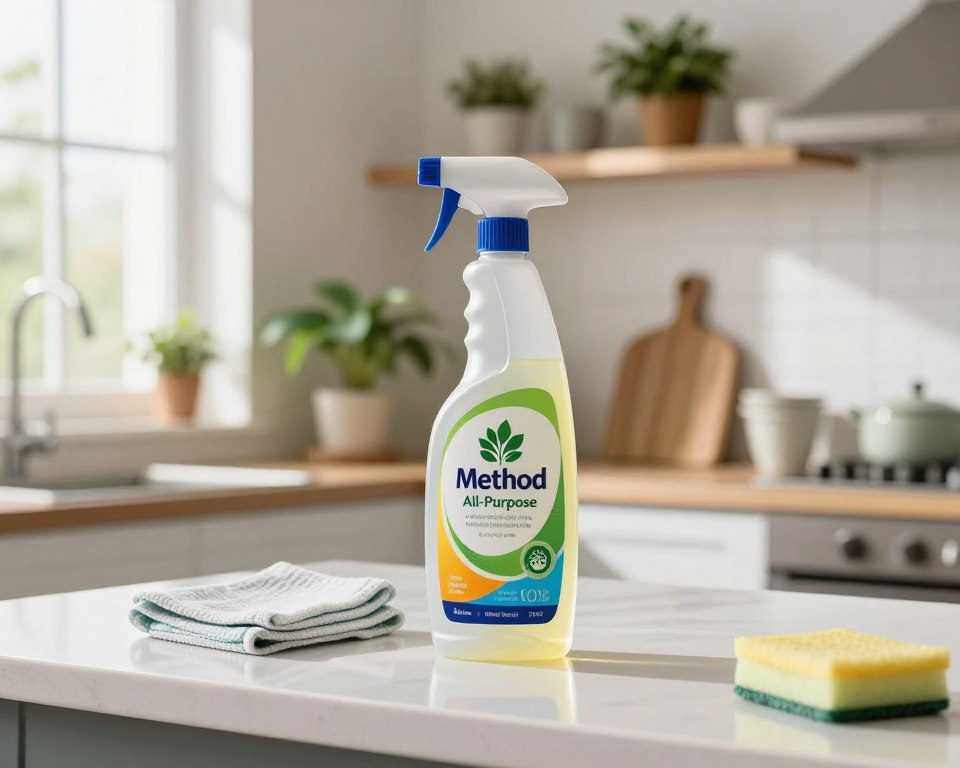
To see if the product is safe for you, we compare what the brand says with what experts find. The brand talks about using plant-based ingredients. But, some say the use of synthetic fragrances and certain preservatives makes it not entirely natural. This makes it hard for families who want only organic or chemical-free products.
Whether or not to use a method all-purpose cleaner in your home depends on your health goals. If you want a cleaner that’s safer than regular cleaners, this brand is good. But, if you want something completely free of fragrances and synthetic stuff, you might find it’s not perfect.
Analyzing the Ingredient List: What Is Actually Inside the Bottle
Many shoppers trust natural ingredient cleaners, but the ingredient list often tells a more nuanced story. While brands emphasize plant-derived origins, the journey from a raw plant to a finished liquid involves complex industrial chemistry. Understanding these processes helps you see past the marketing claims on the front of the bottle.
Surfactants and Their Environmental Impact
Surfactants are the workhorses of any cleaning solution, responsible for lifting grease and dirt from surfaces. A common component found in the method all-purpose cleaner is Laureth-7. This ingredient is a surfactant produced through a process called ethoxylation.
Ethoxylation involves reacting ethylene oxide with fatty alcohols to create a substance that mixes well with water. While this process is standard in the industry, it raises questions for eco-conscious consumers. Environmental impact remains a key concern because the process can leave behind trace amounts of byproducts that are not always biodegradable.
Fragrance Disclosure and Potential Sensitivities
Fragrance is often the most mysterious part of a cleaning product’s label. Companies frequently group dozens of chemicals under the single word “fragrance” to protect trade secrets. This lack of transparency makes it difficult for users to identify potential allergens.
- Hidden compounds: Fragrance blends may contain phthalates or synthetic musks.
- Skin reactions: Sensitive individuals might experience contact dermatitis or respiratory irritation.
- Indoor air quality: Volatile organic compounds (VOCs) can linger in the air long after you finish cleaning.
Preservatives and Safety Concerns
Preservatives are necessary to prevent mold and bacteria from growing inside the bottle. Some common choices, like methylisothiazolinone, have sparked debate among health experts. This chemical is highly effective at killing microbes, but it is also a known skin sensitizer.
When choosing a method all-purpose cleaner, it is helpful to weigh the need for a long shelf life against the potential for chemical exposure. Transparency is the ultimate goal for consumers who want to ensure their home environment remains truly safe. Always check the label for specific preservative names if you or your family members have a history of chemical sensitivities.
The Role of Third-Party Certifications in Validating Claims
Third-party certifications guide us through the confusing world of green marketing. When looking for environmentally friendly cleaning supplies, it’s easy to get lost in terms like “natural” or “pure.” These terms often don’t have clear meanings, making it hard to know what’s in the product.
Independent groups offer the needed check on claims. By picking products with these seals, you make choices that are good for your home and the planet. Learning why select third-party certified cleaning tools is key to living more consciously.
Cradle to Cradle Certification Explained
The Cradle to Cradle (C2C) certification is a top mark for product design. It looks at five areas: material health, reusing materials, renewable energy, water use, and fairness. This ensures a product is safe and made for a circular economy.
Getting this certification means a brand has checked every chemical for safety. It’s a detailed process that goes beyond just marketing. For parents, this is crucial, as it helps find safer laundry detergent for babies’ sensitive skin.
EPA Safer Choice Program Standards
The EPA Safer Choice program helps spot environmentally friendly cleaning supplies. It has strict rules for chemical safety and environmental impact. A product must meet these standards to display the Safer Choice label.
The EPA checks products for toxicity, how long they last in the environment, and if they build up in living things. Seeing this label means the product has been checked by independent experts. Using these standards helps avoid hidden dangers and keeps your home clean and safe.
Method’s Corporate Ownership and Its Impact on Brand Integrity
Method’s journey from an independent brand to a SC Johnson subsidiary has sparked debate. Eco-conscious shoppers question the brand’s future. They wonder if their favorite products will remain unchanged.
This change makes people think about how big companies affect product development. Those who trusted Method for its innovative approach now scrutinize the details. They want to make sure the company still shares their values.
The SC Johnson Acquisition and Consumer Perception
The SC Johnson acquisition changed how people see the brand. Many users worried that the corporate culture of a big company would alter Method’s mission.
Legal issues, like class action lawsuits over toxic ingredients, added to the concerns. The brand had to defend its claims about the method all-purpose cleaner being non-toxic.
Maintaining Sustainability Goals Under a Global Conglomerate
It’s hard to keep up with a big company’s demands while staying true to ethical household cleaning. Keeping environmental standards high requires ongoing investment. It also means choosing planet-friendly options over quick profits.
Despite promoting green initiatives, doubts remain. Critics question the influence of the parent company on supply chain decisions. The team must show they can keep their early integrity.
Comparing Method to Truly Natural and Non-Toxic Alternatives
If you care about your family’s health, it’s key to know the difference between natural ingredient cleaners and those that aren’t. Many think any product with a plant-based label is safe. But, the truth is more complicated. To find safe cleaning products, you need to look beyond what’s on the bottle.
Distinguishing Between Plant-Derived and Synthetic Ingredients
Plant-based surfactants often go through a lot of chemical processing. This process can add impurities that aren’t listed on the label. Even though they start in nature, they might be changed a lot to work better or last longer.
Real non-toxic cleaners usually use simpler things like castile soap or citric acid. These options are clear and avoid the complex chemicals in many products. Choosing products with fewer, recognizable ingredients is often the safest choice for your home.
“The most effective way to ensure safety is to demand full ingredient disclosure rather than relying on vague marketing terms like ‘natural’ or ‘green’.”
The Reality of Biodegradability Claims
Many brands say their products are biodegradable to attract eco-friendly buyers. But, this term is often used too loosely. A product might break down in a lab, but that doesn’t mean it will in your local water system.
When looking for safe cleaning products, check for third-party verification, not just what the brand says. True natural ingredient cleaners give you a full list of ingredients. This lets you check their safety yourself. Here’s a table showing the differences in cleaning formulas.
| Feature | Mass-Market Natural | Truly Non-Toxic | Conventional |
|---|---|---|---|
| Ingredient Source | Plant-derived/Synthetic | Plant-based/Mineral | Petroleum-based |
| Processing Level | High | Minimal | Very High |
| Transparency | Partial | Full Disclosure | Minimal |
| Safety Profile | Moderate | High | Low |
Packaging Sustainability: Beyond the Iconic Bottle Design
Packaging innovation is key for companies that claim to offer sustainable cleaning products. Many focus on how their containers look. But the real impact comes from where the materials come from and how they’re handled after use. We need to change how we see the whole life of a plastic bottle.
Recycled Plastic Initiatives and Circular Economy
Method has been a leader in using post-consumer recycled (PCR) plastic. By choosing recycled materials, they cut down on virgin plastic use. This is great for the environment. It helps keep plastic out of landfills and oceans, supporting a circular economy.
But using recycled plastic is just the start. A true circular model means the packaging must be recyclable at the end. When we buy sustainable cleaning products, we think the whole bottle can go in the recycling bin easily.
The Challenges of Pump Mechanisms and Mixed Materials
Modern packaging is often more complicated than it seems. Many bottles have pumps made from mixed materials, like metal springs in plastic. These are hard for recycling centers to handle.
Because these pumps can’t be easily broken down, they often become trash. This is a big problem for brands trying to offer sustainable cleaning products. Being open about these challenges helps consumers make better choices about their waste.
Health Implications for Households with Pets and Children
When you have little ones or furry friends at home, the ingredients in your cleaners matter more than ever. Vulnerable family members often spend more time on floors or near surfaces where residues might linger. Choosing safe cleaning products is a vital step in maintaining a healthy living space for everyone you love.
Assessing Toxicity Risks for Vulnerable Populations
It is important to look beyond the surface when evaluating the safety of your supplies. Some common ingredients, such as Methylisothiazolinone, have been identified as potential allergens and neurotoxins. These substances can pose significant risks to children and pets who are more sensitive to chemical exposure than adults.
Because pets often groom themselves and children frequently touch surfaces before putting their hands in their mouths, the risk of ingestion is higher. Relying on non-toxic home cleaning methods helps reduce the likelihood of accidental exposure to these harsh chemicals. Being aware of what you bring into your home is the first line of defense against unnecessary health complications.
Best Practices for Safe Usage in the Home
Adopting a safer routine does not have to be complicated. You can follow these simple steps to ensure your cleaning habits support a healthy environment:
- Always store cleaning supplies in high or locked cabinets away from curious hands and paws.
- Ensure proper ventilation by opening windows while you clean to clear out any airborne particles.
- Rinse surfaces thoroughly with water after using a cleaner to remove any lingering chemical residue.
- Consult expert resources like guidance on choosing safer products to make informed decisions for your household.
Prioritizing non-toxic home cleaning allows you to maintain a tidy house without compromising your family’s well-being. By staying informed and cautious, you can confidently select safe cleaning products that protect your home from unwanted toxins. Small changes in your routine lead to a much safer environment for your children and pets.
Transparency in Labeling and Marketing Communication
When you pick up a bottle of cleaner, the bright colors and bold claims often hide a more complex chemical reality. Brands try to look friendly, but the actual contents might not match the packaging. It’s key to read the fine print to make smart choices for your home.
How Method Communicates Safety to the Consumer
Method is known for being modern and friendly. Their marketing uses vibrant design and talks about plant-based ingredients. They say their products are “naturally derived” and “non-toxic,” making consumers feel safe.
This way of talking aims to build trust right away. They point out what’s not in the bottle, like parabens or phthalates. This makes people feel good about their choice. But, it might also hide the full chemical makeup of the product.
The Gap Between Marketing Language and Chemical Reality
There’s often a big gap between what’s said in marketing and what’s really in cleaning products. A brand might talk about being eco-friendly, but the chemicals might be more complex than they say. This is where greenwashing in household cleaners becomes a big issue for smart shoppers.
To deal with these claims, follow these tips when reading labels:
- Look for specific ingredient names instead of vague terms like “fragrance.”
- Find out why each ingredient is there by researching its function.
- Be cautious of buzzwords without clear, third-party definitions.
Transparency is crucial for trust. By looking beyond the marketing and checking the ingredient list, you can keep your home safe. To avoid greenwashing in household cleaners, be active in reading labels and questioning what’s said on the front of the bottle.
The Environmental Footprint of Manufacturing and Distribution
The real impact of environmentally friendly cleaning supplies is more than just the liquid inside. People often look at what’s in the bottle, but the journey to your home has a big environmental cost. It’s important to consider the hidden costs of making and moving these products.
Carbon Emissions and Supply Chain Logistics
Big factories use a lot of energy, leading to a lot of carbon emissions. Companies have to move raw materials all over the world before you can buy them. Efficient logistics are key to cutting down on carbon emissions from these goods.
Now, many brands are working to make their delivery systems better. They use local factories to cut down on shipping emissions. Buying sustainable cleaning products means supporting companies that focus on reducing carbon.
Water Usage and Waste Management in Production
Most cleaners use a lot of water, making it a big environmental issue. Good manufacturers use special systems to save water and not waste it. Effective waste management is also crucial to keep chemicals from harming local areas.
Today, many factories aim to send zero waste to landfills. They find new uses for leftover materials, showing they care about the planet. Below is a table showing how production affects the environment.
| Impact Category | Traditional Production | Sustainable Production |
|---|---|---|
| Carbon Output | High (Global Shipping) | Low (Regional Sourcing) |
| Water Usage | High (Single-use) | Low (Closed-loop) |
| Waste Strategy | Landfill-focused | Recycling/Circular |
How green a brand is depends on its openness about these issues. It’s up to us to ask for better ingredients and production methods in our environmentally friendly cleaning supplies.
Consumer Advocacy and the Demand for Cleaner Cleaning Products
Your voice as a consumer is key to cleaning up the industry. By supporting brands that focus on safety, you send a strong message. This message pushes companies to change their formulas and marketing to meet your ethical household cleaning standards.
How Public Pressure Shapes Industry Standards
Today, shoppers want more than just convenience. They demand full ingredient lists and safety data before buying. This pressure makes companies move away from hidden chemicals and towards truly transparent labels.
When many people push for change, companies often adopt stricter standards. This is crucial for the growth of eco-friendly cleaning solutions that keep their promises. By holding brands accountable, you make sure safety is a real priority, not just a marketing term.
The Future of Sustainable Household Cleaning
The industry is moving towards a more circular and regenerative model. Companies are now working to reduce plastic waste and lower their carbon footprint. This shift is essential for keeping ethical household cleaning strong in a global market.
Innovation will keep changing how we clean our homes. With new technology, we’ll see more effective eco-friendly cleaning solutions based on plant chemistry, not harsh synthetics. Your ongoing support keeps the industry focused on health, safety, and the environment for the future.
Conclusion
Creating a healthy living space is more than just picking a bottle. While brands like Method offer convenience, true safety comes from knowing what touches your surfaces. You have the power to demand better by reading labels and questioning claims.
Prioritizing non-toxic home cleaning habits protects your family from hidden irritants. Simple swaps, like using hydrogen peroxide or vinegar, often give peace of mind. These alternatives lower the risk of respiratory issues from harsh synthetic fragrances or volatile compounds.
Stay alert about chemical exposure by keeping products away from children and pets. If you face big issues like persistent mold, call professionals instead of using strong sprays. Your dedication to non-toxic cleaning improves your indoor air quality.
Keep looking for ways to clean your house without harming your health. Small changes in your daily tasks can make a big difference in a safer environment for your loved ones. Your health is the most important thing in every choice you make.
FAQ
Is Method all-purpose cleaner truly safe or is it an example of greenwashing in household cleaners?
Method all-purpose cleaner has many plant-based ingredients. But, it also has synthetic preservatives and fragrances. It’s safer than cleaners with bleach or ammonia but has faced legal questions about its “non-toxic” claims. Always check the ingredients to ensure safety.
What specific ingredients should I look out for when seeking non-toxic home cleaning solutions?
Watch out for preservatives like methylisothiazolinone in Method products. It can irritate skin and be harmful. Also, “fragrance” can mean hundreds of synthetic chemicals. Choose brands that are transparent and avoid synthetic dyes and complex surfactants.
Does Method have third-party certifications to prove it offers eco-friendly cleaning solutions?
Yes, Method has Cradle to Cradle certification and meets EPA Safer Choice standards. These certifications show Method is eco-friendly. But, they don’t mean the product is completely free of synthetic chemicals. They’re a good start for finding green cleaning supplies.
How has the acquisition by SC Johnson affected Method’s status as a sustainable cleaning products brand?
The SC Johnson acquisition in 2017 raised questions about Method’s commitment to sustainability. Method still uses recycled plastics and plant-based formulas. But, some argue it focuses more on mass appeal than radical transparency. Still, Method has a higher sustainability standard than many SC Johnson brands.
Is Method safe to use in households with pets and small children?
Method is safer than traditional cleaners but still requires caution. Pets and children are more at risk from chemical exposure. The synthetic fragrances and preservatives in Method could cause sensitivities. For the safest options, choose fragrance-free or eco-friendly cleaners with minimal ingredients.
Are Method’s bottles actually better for the environment than other household cleaners?
Method leads in using recycled plastic for its bottles, helping the environment. But, the pumps are made of mixed materials hard to recycle. While better than virgin plastic, look for refill options to reduce environmental impact.