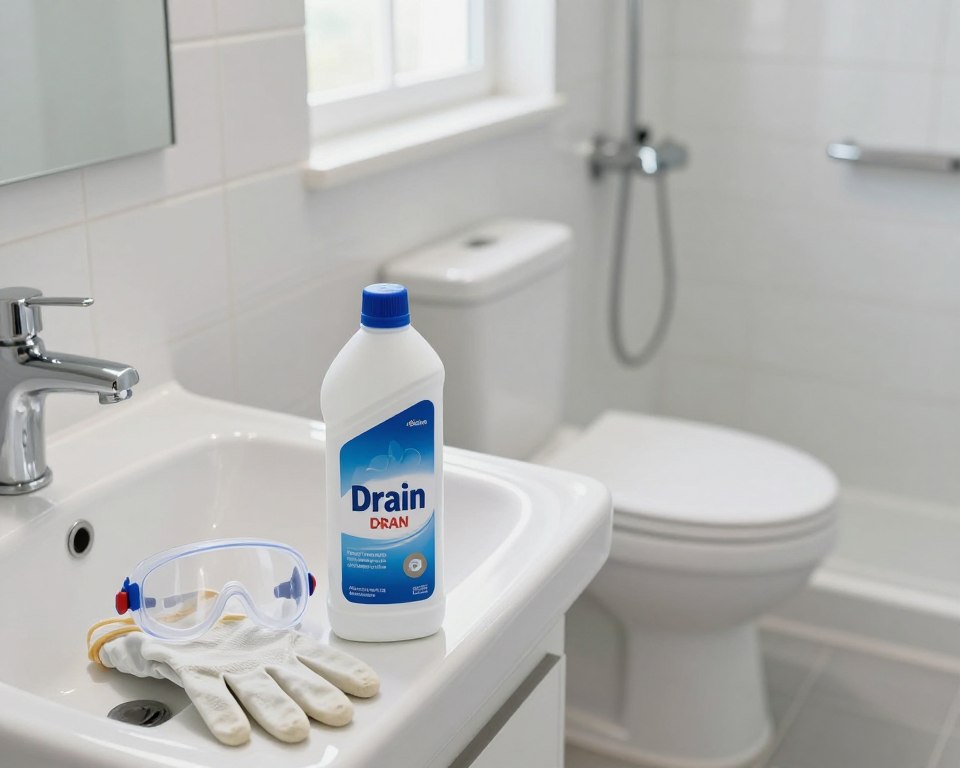
In many homes, a slow or clogged drain can lead to frustration. The immediate reaction often involves reaching for a commercial product, believing it offers a quick and inexpensive fix. However, this raises an important question: is drain cleaner safe for use in a small bathroom, where ventilation is limited and exposure risks are heightened?
Each year, approximately 3,000 injuries are associated with chemical drain products in the United States. Most liquid options contain highly concentrated corrosive substances, such as sulfuric acid and sodium hydroxide. These materials require careful handling, especially in confined spaces.
While these products may temporarily clear a clog, they often mask deeper plumbing issues that need professional attention. In small bathrooms, the risks of fume inhalation and skin contact increase due to limited space and typically poor ventilation.
This article will explore the ingredients found in drain cleaners, the associated health and plumbing risks, and safer alternatives. Understanding what lies within these bottles is crucial for making informed decisions about home safety.
Understanding What's Inside Drain Cleaners
A sluggish or obstructed drain can be a common nuisance in various homes. Understanding the components of these products is essential for making informed choices. Most commercial options contain powerful chemicals that serve specific functions.
Common Chemical Ingredients and Their Functions
Typical non-enzymatic drain cleaners contain several potent ingredients:
- Sulfuric acid and hydrochloric acid (muriatic acid) are common acidic components.
- Sodium hydroxide (lye) and potassium hydroxide (caustic potash) are prevalent alkali substances.
- Bleach may also be included for its cleaning properties.
These chemicals fall into two categories: acidic and alkaline. Both types are highly corrosive, especially at the concentrations found in these products.
Enzymatic vs. Non-Enzymatic Drain Cleaners
Enzymatic cleaners utilize live bacteria and enzymes to digest organic material over time. They work more slowly but are generally safer for both plumbing and human health. In contrast, non-enzymatic cleaners act quickly but aggressively. They rely on strong acids or bases to break down clogs.
How Drain Cleaners Work to Clear Clogs
When applied, sodium hydroxide and potassium hydroxide function as strong bases. They saponify grease, converting fatty clogs into soap-like substances that can be easily flushed away. On the other hand, sulfuric and hydrochloric acids break down organic matter through dehydration and oxidation reactions, often generating heat in the process.
Some cleaners even create exothermic reactions when mixed, which helps melt solidified grease within pipes. However, it’s crucial to note that these products contain high concentrations of chemicals, far exceeding those found in standard household cleaners. This requires strict safety precautions during use.
Understanding these ingredients and their mechanisms is vital. This knowledge helps assess whether using a drain cleaner is appropriate in a small bathroom, where air exchange may be limited.
Assessing Risks: Is Drain Cleaner Safe for Your Small Bathroom?
Encountering a blocked drain can often lead to significant inconvenience in a household. Understanding the risks associated with chemical products is essential, especially in confined spaces like small bathrooms. The potential hazards can impact both health and plumbing.
One of the most immediate health risks involves chemical burns to the skin. Liquid drain cleaners can cause severe burns, with some cases necessitating skin grafting to repair the damage. Splashback from a clogged drain is a common injury mechanism. This can occur when too much product is poured into a completely blocked pipe, leaving nowhere for the chemical to go.
Another concern is the ocular hazard. Even a small droplet of sulfuric acid or sodium hydroxide can lead to corneal damage. Therefore, wearing safety goggles is crucial when using any drain cleaner.
Risks to Your Skin and Health
Skin exposure to these products is not limited to direct spills. The splashback risk is significant, especially in small bathrooms where space is limited. Proper precautions must be taken to avoid injury.
Potential Damage to Pipes and Plumbing
The corrosive action that effectively dissolves clogs can also damage the interior walls of pipes. This is particularly concerning for older metal plumbing systems, where years of use may have already weakened the material. Plastic pipes, such as PVC and ABS, are also vulnerable to heat deformation. Exothermic reactions can raise temperatures enough to soften or warp these materials, leading to potential joint failure and hidden leaks.
When a drain cleaner sits atop a partial clog, the chemical reaction becomes concentrated in one area. This dramatically increases the risk of localized damage and eventual pipe failure.
Indoor Air Quality Concerns in Confined Spaces
Small bathrooms often have low cubic air volume and may lack adequate ventilation. This means toxic fumes from drain cleaners can reach higher concentrations faster than in larger rooms. Inhaling these fumes can irritate the nasal passages, throat, and lungs, posing particular risks for individuals with asthma or other respiratory conditions.
Moreover, the fumes are released the moment the bottle cap is unscrewed, not just during pouring. Therefore, exposure can begin before application and persist long after if the bathroom door remains closed.
Additionally, these products can kill beneficial bacteria that naturally inhabit drain pipes. This disruption affects the small ecosystem that contributes to long-term drain health.
In summary, the combination of splashback risk, fume concentration, and potential pipe damage makes chemical drain cleaners a high-risk choice in small bathrooms. Extreme caution is advised, or better yet, consider safer alternatives.
| Risk Factor | Description | Potential Consequences |
|---|---|---|
| Chemical Burns | Exposure to liquid drain cleaners can cause severe skin burns. | Second- and third-degree burns, possible skin grafting. |
| Ocular Hazard | Contact with eyes can lead to corneal damage. | Long-term vision issues, pain, and irritation. |
| Pipe Damage | Corrosive chemicals can erode pipes. | Leaks, plumbing issues, and costly repairs. |
| Indoor Air Quality | Toxic fumes can accumulate in small spaces. | Respiratory issues, irritation, and long-term health effects. |
Safe Usage Tips When Using Drain Cleaner
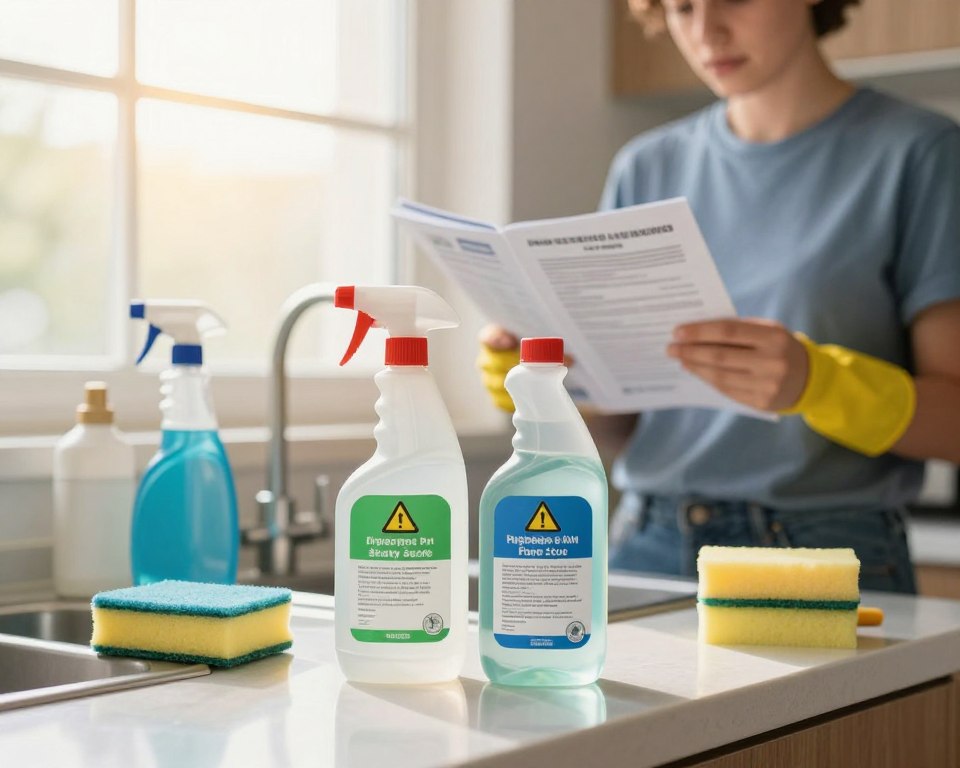
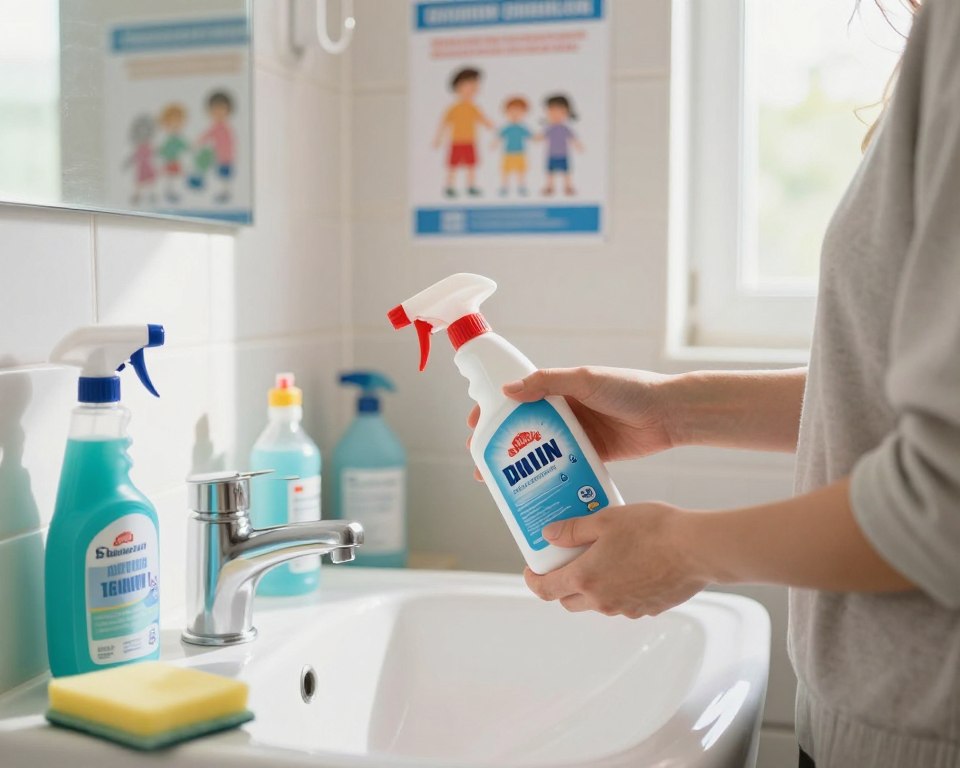
Many households face the challenge of managing stubborn clogs in their plumbing. If a chemical product must be used, following strict safety protocols can reduce — though not eliminate — the risks involved. Here are some essential tips to ensure safer usage.
Personal Protective Equipment Recommendations
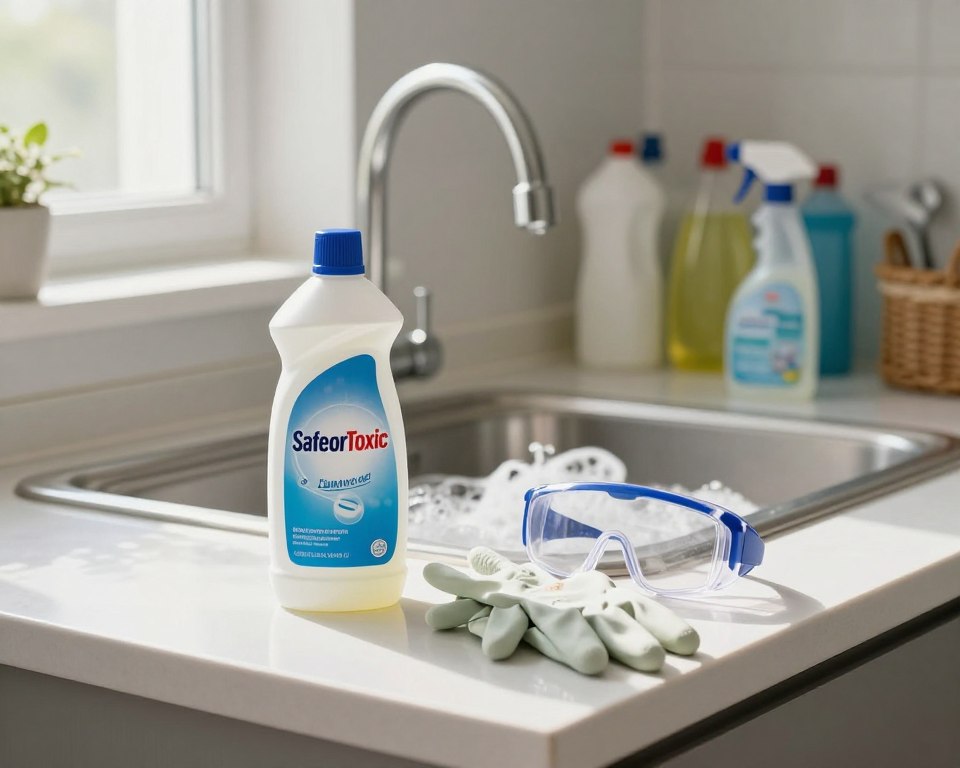
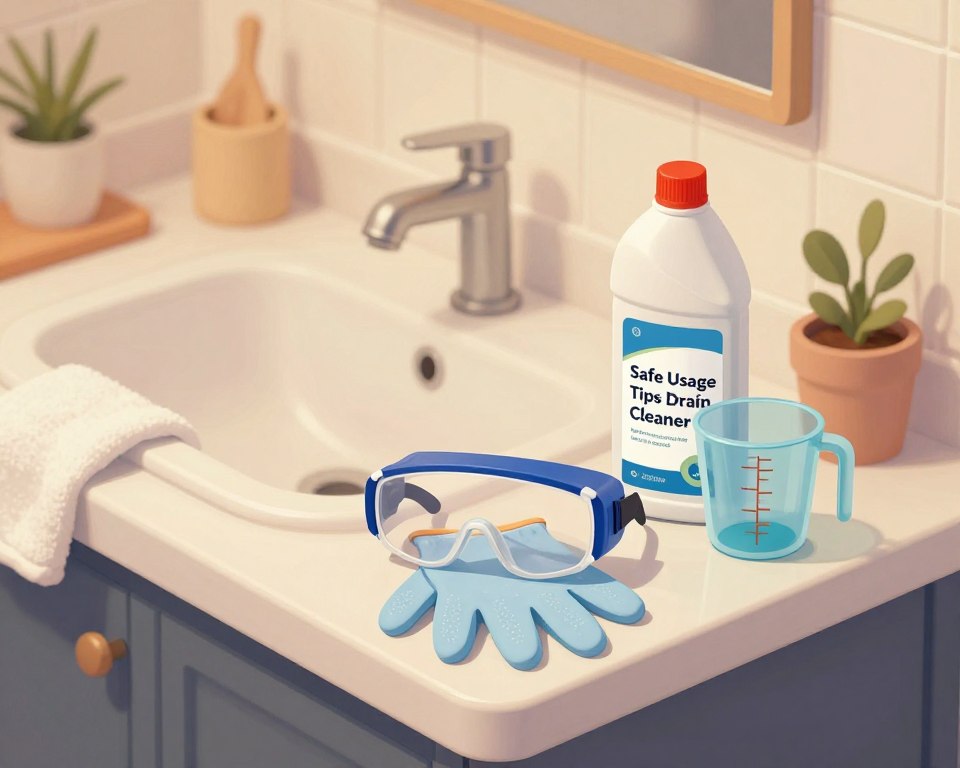
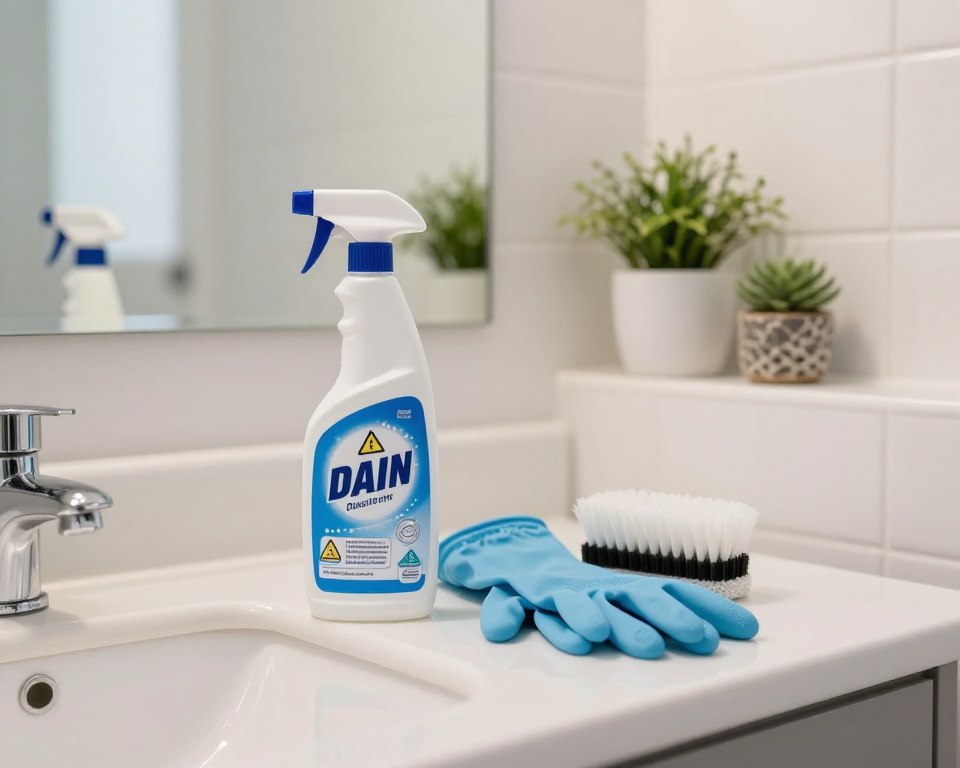
When handling any drain cleaner, wearing appropriate protective gear is crucial. Use chemical-resistant rubber gloves to prevent skin contact with corrosive substances. Avoid thin latex or vinyl gloves, as they can degrade quickly.
Additionally, wear indirect-vent safety goggles that fit snugly against your face to protect your eyes from splashes. Long sleeves and closed-toe shoes also provide extra safety during the application process.
Proper Application and Ventilation Practices
To minimize splashback, hold the drain cleaner bottle as close to the drain opening as possible while pouring. It’s best to pour slowly and steadily rather than in a forceful stream.
Ventilation is critical in small bathrooms. Open any available windows fully, turn on the exhaust fan if one is present, and keep the bathroom door open. This allows for better air exchange during and after application.
After pouring the cleaner, vacate the bathroom immediately. Leave the door open and inform other household members to stay out for the duration specified on the product label.
Precautions to Avoid Accidents and Injuries
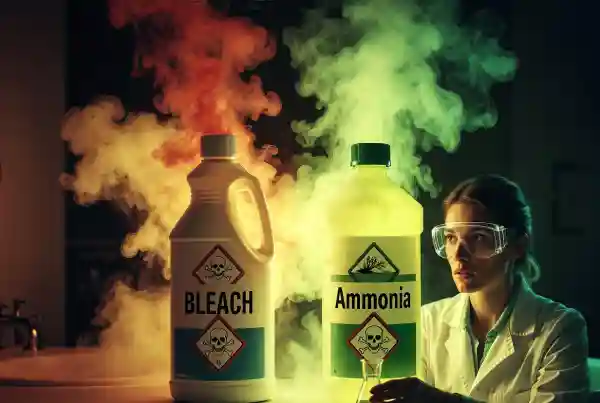
Mixing different drain cleaners or household cleaning products can be extremely dangerous. Never combine bleach with acid-based cleaners, as this generates toxic chlorine gas. Similarly, mixing various formulations can lead to violent reactions.
If skin contact occurs, flush the area with cool running water for at least 15 to 20 minutes and remove any contaminated clothing. For eye exposure, irrigate continuously while seeking emergency medical attention.
In case of ingestion or inhalation of fumes, utilize the webPOISONCONTROL online tool or call your poison center at 1-800-222-1222. Expert guidance is available 24 hours a day, free and confidential.
Store drain cleaner containers tightly closed and upright in a secure location, out of sight and reach of children and pets. Never transfer these products to food or beverage containers.
Even with all precautions, the confined nature of a small bathroom means that fume concentrations will still be higher than in larger spaces. Individuals with respiratory conditions should avoid being present during application if possible.
Remember, these safety measures apply to a single use. Repeated applications can multiply the cumulative risks to both health and plumbing infrastructure over time.
Effective and Safer Alternatives to Chemical Drain Cleaners
Managing stubborn clogs can be a common issue in households. Fortunately, there are effective and safer alternatives to chemical products that can help clear blocked pipes without the associated risks. These methods are not only eco-friendly but also user-friendly.
Using Baking Soda and Vinegar Safely
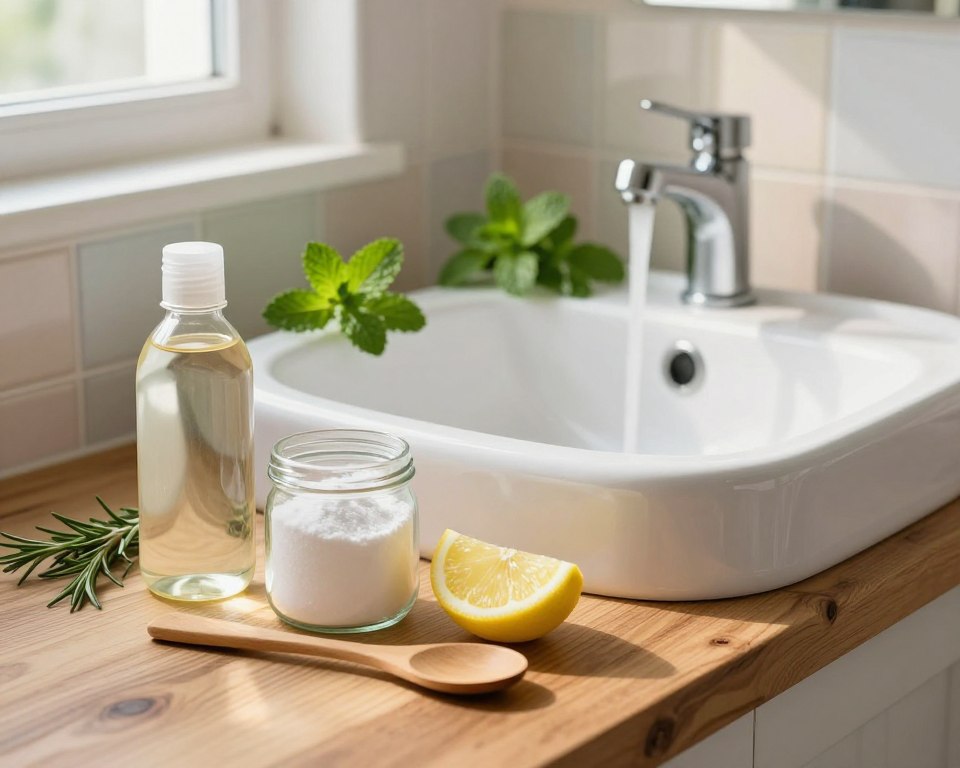
One of the most popular homemade solutions for clearing drains involves a combination of baking soda and vinegar. To use this method, mix half a cup of baking soda with half a cup of white vinegar. Pour the fizzing mixture down the drain and let it sit for about an hour. Afterward, flush the drain with hot water.
This reaction occurs because baking soda (sodium bicarbonate) is a mild alkali, while vinegar (acetic acid) is an acid. When combined, they produce carbon dioxide gas, which can help dislodge loose debris. However, this method may not be effective for heavy grease or solid clogs.
For those who find the vinegar odor undesirable, a variation using baking soda and salt can be effective. Simply follow the same steps, substituting salt for vinegar, and flush with hot water.
Mechanical Methods: Plungers and Drain Snakes
Mechanical methods can also be highly effective in addressing clogs. A flat-bottomed sink plunger, different from a toilet plunger, can help clear blockages in bathroom sinks. Ensure at least one inch of standing water in the basin for a proper seal. Cover the overflow opening with a wet rag and use vigorous vertical plunging motions for 15 to 20 seconds before checking the drainage.
A drain snake, or manual auger, is another useful tool. Insert the coiled wire into the drain opening, turn the handle clockwise while applying gentle forward pressure, and when resistance is felt, rotate to hook and extract the clog material. This method is particularly effective for hair clogs in bathroom sinks and showers.
Bio-Enzyme Based Cleaners and Natural Solutions
Bio-enzyme cleaners offer a preventive maintenance option. These products contain bacterial cultures and enzymes that digest organic matter over 24 to 48 hours. They are safe for all pipe materials and do not produce toxic fumes, making them ideal for use in small bathrooms on a monthly schedule.
Other natural household solutions include a mixture of salt, borax, and lemon juice, which can address minor odors and light buildup. Additionally, a weekly flush with very hot tap water can help prevent grease accumulation before it becomes a clog.
When to Call a Professional Plumber
While many clogs can be managed with the methods above, there are situations where professional help is necessary. Consider calling a plumber if:
- A clog recurs frequently.
- Multiple fixtures are draining slowly.
- Gurgling sounds are coming from the drain.
- Water backs up in other fixtures when one is used.
- A mechanical method fails to clear the blockage after reasonable effort.
Professional plumbers bring specialized tools and expertise. They use motorized augers with longer reach, hydro-jetting equipment that scours pipe interiors with high-pressure water, and video inspection cameras to diagnose root causes such as pipe misalignment or tree root intrusion.
Reputable plumbing services like Mr. Rooter Plumbing and Benjamin Franklin Plumbing offer flat-rate pricing, on-time arrivals, and 24/7 availability. This makes professional intervention a reliable and cost-effective alternative to repeated chemical purchases and potential pipe repairs.
In conclusion, for a small bathroom, the safest and most effective approach combines mechanical methods for active clogs with enzymatic cleaners for ongoing maintenance. Reserve chemical products only for situations where all other methods have been exhausted and professional help is not immediately available.
| Method | Description | Effectiveness |
|---|---|---|
| Baking Soda & Vinegar | Mix half a cup of each and pour down the drain. | Good for minor clogs; not effective for heavy grease. |
| Hot Water & Dish Soap | Pour hot water mixed with dish soap down the drain. | Effective for greasy clogs; do not use boiling water. |
| Plunger | Use a flat-bottomed sink plunger to create suction. | Effective for bathroom sinks; requires proper technique. |
| Drain Snake | Insert coiled wire to hook and extract clogs. | Highly effective for hair clogs. |
| Bio-Enzyme Cleaners | Use bacterial cultures to digest organic matter. | Safe for all pipes; preventive maintenance. |
Conclusion
Addressing clogged pipes can be a significant concern for many homeowners. Understanding the implications of using chemical products is essential, especially in smaller spaces like bathrooms.
Here are the core safety considerations to keep in mind:
- Chemical drain cleaners can cause severe skin burns, respiratory irritation from toxic fumes, and permanent damage to plumbing.
- These products can also kill beneficial bacteria, disrupting the natural ecosystem within your drains.
- In small bathrooms, the confined environment amplifies these risks, making careful evaluation crucial.
While chemical cleaners can provide temporary relief from clogs, they do not address underlying plumbing issues. Problems like pipe misalignment or tree root intrusion often require professional intervention.
The question of whether chemical drain cleaners are safe does not yield a straightforward answer. While they can be used with caution, the risk profile in a small bathroom is considerably higher than in larger, well-ventilated areas. Therefore, exploring safer alternatives should always be the first approach.
When assessing your specific situation, consider:
- The type of clog (hair, soap scum, grease).
- The age and material of your pipes.
- The ventilation available in your bathroom.
- The presence of vulnerable household members, such as children or pets.
For effective drain maintenance, consider a tiered approach:
- Start with mechanical methods like plungers and drain snakes for active clogs.
- Incorporate monthly bio-enzyme treatments for preventive maintenance.
- Consult professional plumbing services when clogs persist or recur.
It’s important to note that the cost of hiring a plumber is often less than the cumulative expense of repeated chemical purchases, along with potential repair costs from chemically damaged pipes.
Informed decisions come from understanding both the chemistry inside the bottle and the practical realities of the bathroom environment. For emergencies involving chemical exposure, the Poison Control hotline at 1-800-222-1222 is a vital resource. For drain issues that exceed safe DIY intervention, professional plumbing services are recommended.
| Consideration | Details | Recommendation |
|---|---|---|
| Health Risks | Chemical burns and respiratory irritation. | Use protective gear and ensure ventilation. |
| Pipe Integrity | Potential for permanent damage to plumbing. | Consider mechanical methods first. |
| Environmental Impact | Harmful effects on beneficial bacteria. | Opt for bio-enzyme treatments. |
| Cost Efficiency | Professional services may be more economical long-term. | Evaluate the cost of repeated chemical purchases. |
Image Disclosure
Visual representations in this article enhance understanding but may come from AI technology. These images serve an educational purpose, illustrating plumbing concepts and safety procedures discussed throughout the text.
It’s important to note that no image should be interpreted as professional plumbing advice or a substitute for hands-on inspection by a licensed plumber. In case of chemical exposure, contact Poison Control at 1-800-222-1222 for guidance.
While the images may be AI-generated, all written content is based on verified sources and professional expertise. For specific drain issues, consulting qualified plumbing professionals remains essential.