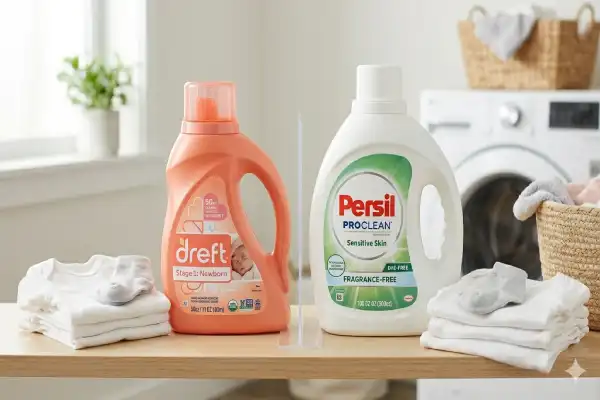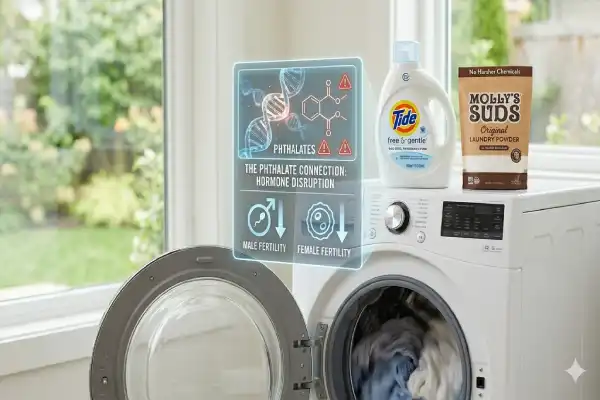
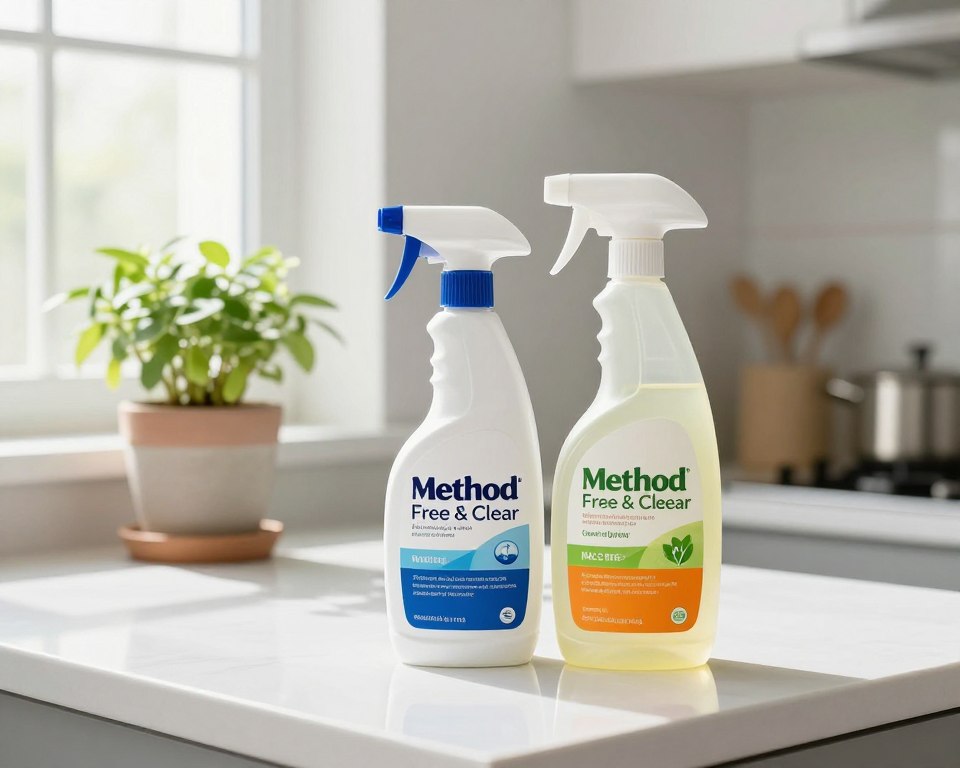
Nearly 50 million Americans have allergies. Many household cleaners have chemicals that make allergies worse. Finding safe cleaning products can be hard for those with chemical sensitivities.
This article compares two big cleaning brands. We look at their ingredients and how they work to see if they’re good for allergy-friendly homes.
We use independent testing to help you choose. Our focus is on safety and effectiveness. We want you to make a smart choice for your family.
Key Takeaways
- Allergy sufferers need products without harsh chemicals.
- Independent tests show big differences in what’s in the products.
- Studies help find the least irritating formulas.
- Companies that care about the planet often make safer products.
- Our analysis helps you pick based on what’s in the product, not just the brand.
The Rise of Eco-Conscious Cleaning in the United States
Shopping for cleaning products today means you need to be careful. The demand for eco-friendly laundry detergent and other green supplies is growing fast. But, it’s hard to know which products are really good for the planet.
Many companies make false claims about their products being green. They use words like “natural” or “pure” to attract eco-conscious consumers. But, they don’t always tell the truth about what’s in their products.
To make smart choices, you must look closely at what’s inside. Reading the ingredient list carefully is key. This way, you can be sure the product is good for the environment and your health.
Here are some tips to help you avoid being misled:
- Look for third-party certifications that prove environmental claims are true.
- Learn about the company’s history of being open about ingredients.
- Choose brands that list all ingredients, not just “fragrance.”
- Be wary of products that use greenwashing in cleaning without solid evidence.
The eco-conscious consumer is crucial in pushing for better products. By asking for clear information, you help the industry create safer, greener options. Choosing a good eco-friendly laundry detergent is more than buying something. It’s a choice for a healthier home.
Understanding Allergy Triggers in Household Cleaning Products
To keep your home allergy-friendly, you need to know what’s in your cleaning products. People with sensitivities should watch out for chemical irritants in laundry and cleaners. Even natural-looking products can cause skin or breathing problems.
When checking laundry detergent safety, don’t just trust what it says. Many products have synthetic smells and harsh cleaners that can irritate skin. For help picking safe cleaners, check out this guide.
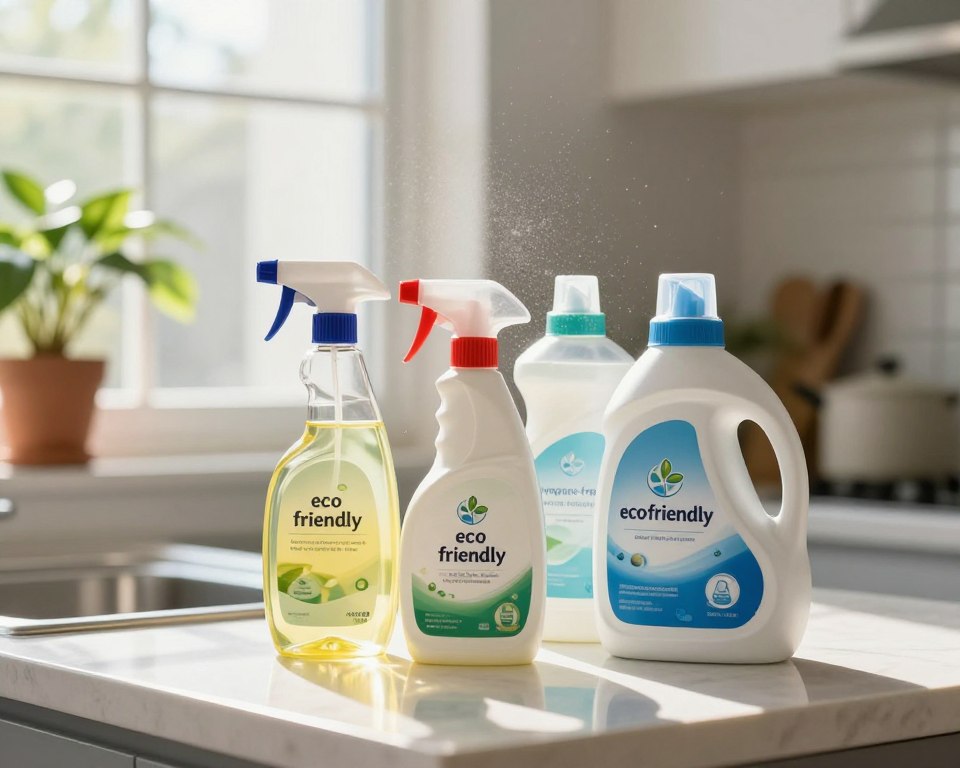
Household allergy triggers include things like VOCs and optical brighteners. These are added to make things look cleaner, but they’re not safe. Knowing the difference between “non-toxic” claims and real safety is key to keeping your home safe.
To make your home safer, read labels carefully. Choose products that list all ingredients clearly. Avoid vague terms like “fragrance” or “surfactant blend.” By choosing products that are open about what’s in them, you can lower the chance of allergic reactions.
Method Free & Clear: Brand Philosophy and Ingredient Transparency
For those with sensitive skin, Method has a special line. It focuses on ingredient transparency as a key value. The brand is modern and design-focused, aiming to clear up the mystery of household cleaners.
Method believes cleaning products should be safe and effective. They carefully check the chemicals to help those with allergies. This lets shoppers know exactly what they’re using in their homes.
Method makes sure to share clear information. They list all ingredients online, helping users spot potential problems before buying. This approach to chemical disclosure is a high standard for the industry.
The table below shows how Method’s philosophy meets the needs of its “Free & Clear” line. It focuses on safety and clarity for the consumer.
| Feature | Method Approach | Consumer Benefit |
|---|---|---|
| Ingredient Disclosure | Full online transparency | Informed purchasing decisions |
| Fragrance Policy | Zero fragrance added | Reduced allergy triggers |
| Design Philosophy | Minimalist and functional | Clear usage instructions |
| Safety Standards | Rigorous chemical vetting | Lower risk of skin irritation |
Method balances function with a clean look, meeting the needs of those with allergies. Their commitment to open communication makes users confident in their cleaning choices. This shows the brand turns complex chemical info into easy-to-understand facts for everyone.
Seventh Generation: A Legacy of Plant-Based Safety
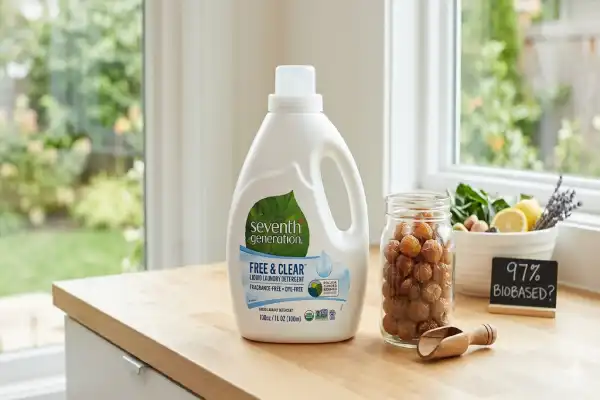
Seventh Generation is a leading B-Corp cleaning brand. It offers effective, plant-based cleaning solutions. These products are designed to be safe for the environment.
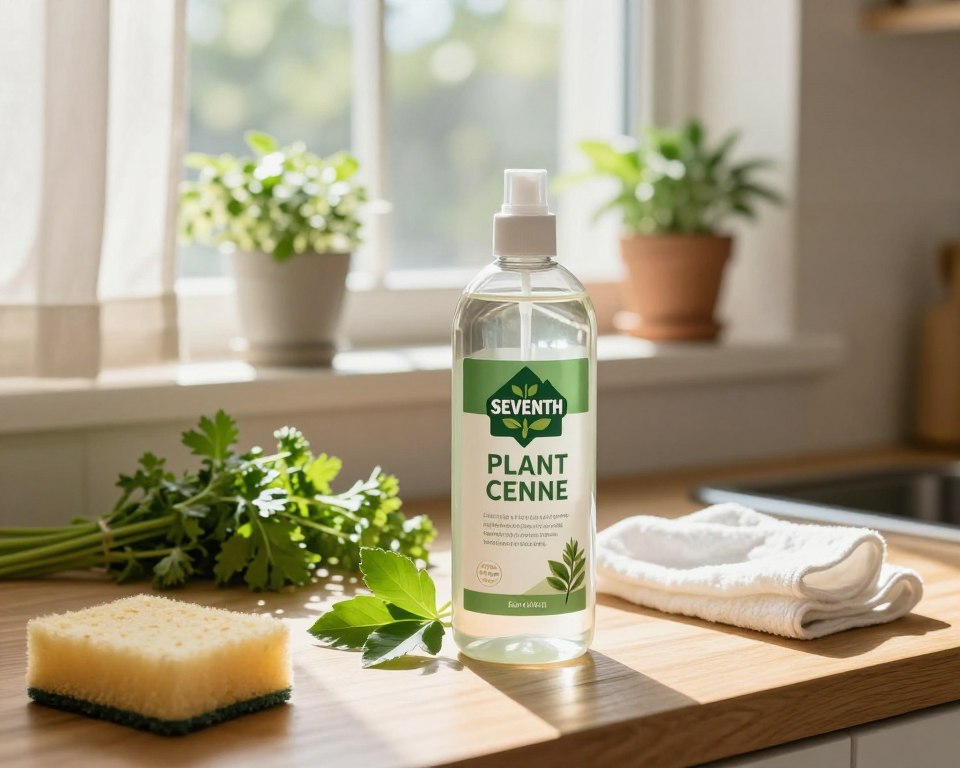
The brand’s journey took a big step forward when it was bought by Unilever. Many wondered if Seventh Generation would keep its high safety standards. But, the brand has stayed true to its mission. It uses its B-Corp status to be open and accountable.
Here are the key factors that support Seventh Generation’s reputation:
- Ingredient Transparency: They clearly list all ingredients in their products.
- Environmental Stewardship: They focus on using renewable resources and sustainable packaging.
- Rigorous Testing: They make sure their plant-based cleaning products work well without harsh chemicals.
Seventh Generation is a top B-Corp cleaning brand. It shows how to make products on a large scale while being eco-friendly. For people with allergies, Seventh Generation offers a safe choice in a crowded market.
Method Free & Clear vs. Seventh Generation: A Direct Comparison
A side-by-side look at Method Free & Clear vs. Seventh Generation shows clear differences. Both brands aim to remove harsh chemicals. But, they have different formulas for different needs.
Both brands work well against common dirt. Method uses special surfactants for quick cleaning. Seventh Generation uses plant-based ingredients. For more info, check out all free clear vs. seventh generation free.
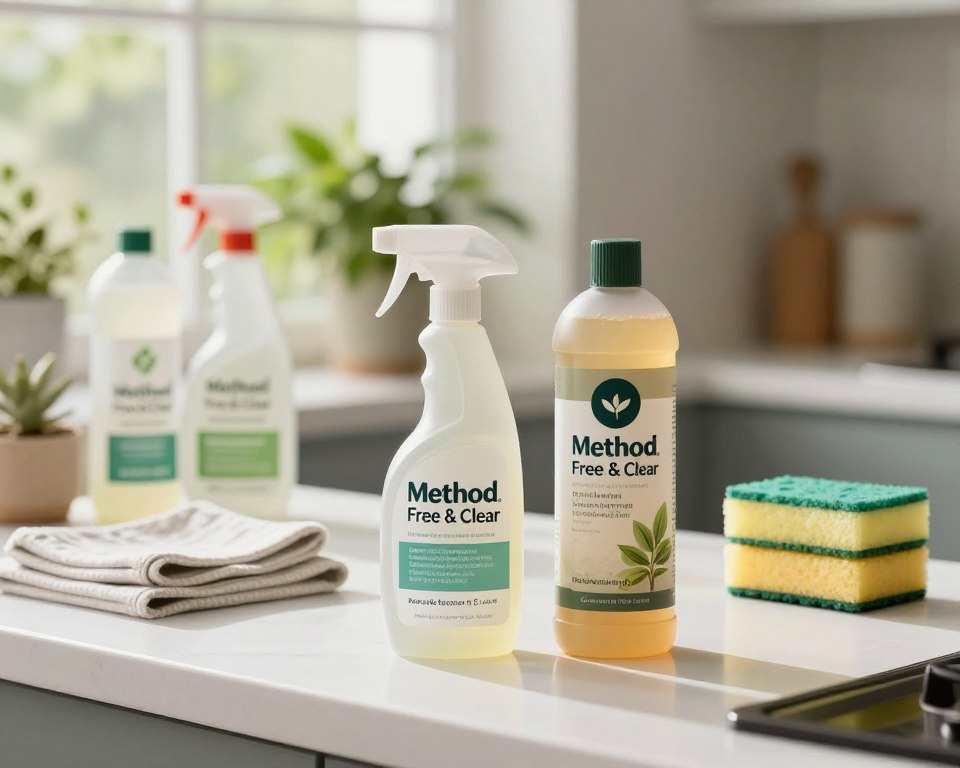
When comparing Method Free & Clear vs. Seventh Generation, note that both avoid synthetic dyes and fragrances. But, they differ in how open they are about their ingredients. This table helps you decide which one is right for you.
| Feature | Method Free & Clear | Seventh Generation |
|---|---|---|
| Primary Focus | Performance & Design | Environmental Legacy |
| Ingredient Base | Advanced Surfactants | Plant-Derived Enzymes |
| Allergy Profile | Dermatologist Tested | Hypoallergenic Certified |
| Market Position | Modern/Accessible | Heritage/Eco-Focused |
Choosing between these two leaders depends on your health needs. Both offer reliable protection against allergens by avoiding harmful compounds. Use the data above to pick the best for your home.
Analyzing Laundry Detergent Formulations for Sensitive Skin
For people with sensitive skin, what’s in laundry detergent matters a lot. Many choose eco-friendly laundry detergent but safety for sensitive skin isn’t guaranteed by the label alone. Finding a balance between cleaning power and skin health means looking closely at each ingredient.
Creating a gentle yet effective product means picking surfactants carefully. These agents must clean well without harming the skin’s natural protection. Brands like Method and Seventh Generation use plant-based surfactants. But how these are processed can greatly affect their safety.
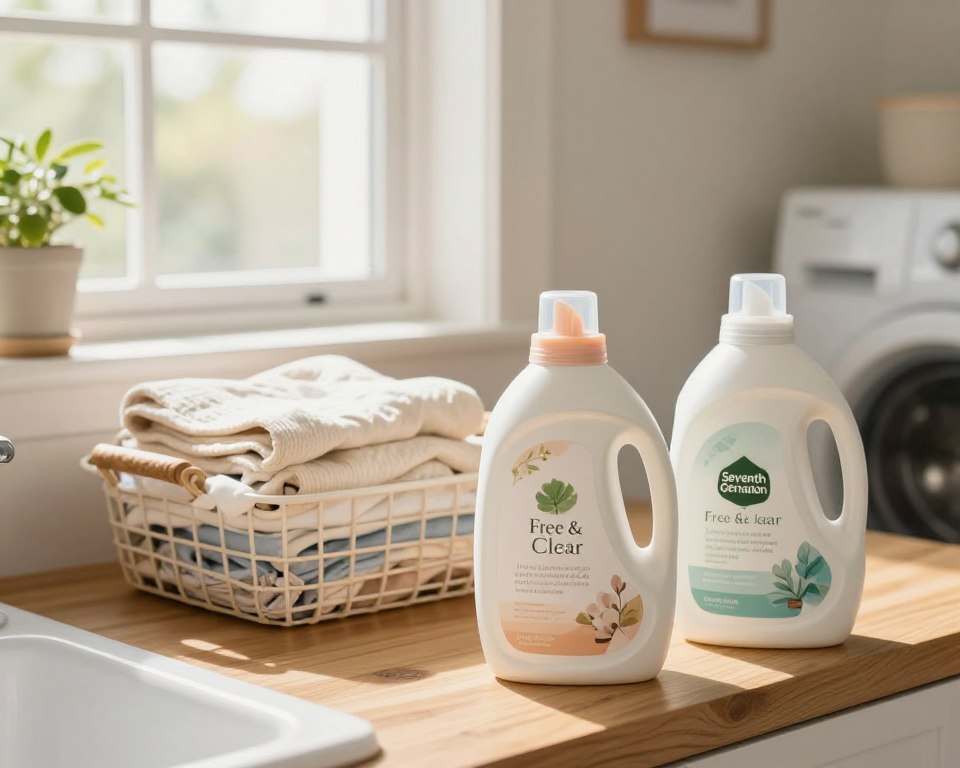
Many think natural ingredients are always safe for sensitive skin. But, even plant-based preservatives or scents from essential oils can cause irritation. It’s important to know which ingredients are safe for our skin.
When picking a brand, think about these key points:
- Surfactant Purity: Good processing means fewer impurities that can cause reactions.
- Preservative Systems: The right stabilizers prevent growth without causing allergies.
- Rinsability: A formula that rinses well is less likely to leave skin-irritating residue.
The main goal is to avoid known irritants. Choosing products without synthetic dyes and heavy fragrances helps keep skin healthy while clothes stay clean.
Dish Soap Efficacy: Cutting Grease Without Harsh Fragrances
Effective dishwashing needs strong surfactants to remove tough grease. But these chemicals can harm skin and lungs. Choosing a fragrance-free dish soap helps reduce chemical exposure in your home.
The main issue is controlling surfactant toxicity. Surfactants break water’s surface tension to mix fats and oils. Yet, some can be harsh on skin or release harmful air particles. Learn more about household cleaner safety by checking is dawn dish soap toxic.
Method and Seventh Generation offer fragrance-free options. Method uses plant-based surfactants for effective cleaning without strong smells. Seventh Generation also focuses on plant-based ingredients, listing them clearly to address surfactant toxicity concerns.
These brands avoid synthetic fragrances to lower respiratory risks for those with sensitivities. Below is a comparison of how these eco-friendly brands balance cleaning power and safety.
| Feature | Method Free & Clear | Seventh Generation |
|---|---|---|
| Primary Surfactants | Plant-derived | Plant-based |
| Fragrance Status | Fragrance-free | Fragrance-free |
| Grease Cutting | High performance | High performance |
| Safety Focus | Hypoallergenic | Sensitive skin |
Keeping your kitchen clean doesn’t mean sacrificing your health. Opting for a fragrance-free dish soap ensures clean dishes without harming your air quality. Both Method and Seventh Generation provide safe, effective options for a healthier home.
Surface Cleaners and the Importance of Volatile Organic Compound Reduction
Our homes can be filled with harmful chemicals from cleaning products. Volatile Organic Compounds (VOCs) are gases from many household items, including cleaners. These gases can stay in the air for a long time, causing breathing problems or headaches.
Method and Seventh Generation focus on VOC reduction in their products. By using non-toxic household products, we can reduce air pollution. This is key for a healthy home, even more so for those with sensitivities.
It’s important to know about surfactant toxicity and how it affects indoor air. Traditional cleaners often use harsh chemicals that evaporate fast, making VOCs worse. But, plant-based surfactants stay on surfaces without releasing harmful vapors.
Studies show that good ventilation is crucial for keeping indoor air clean. Even with safer cleaners, opening windows helps get rid of particles. Using products with low VOCs and good ventilation makes homes safer for everyone.
The table below shows how these brands handle chemical safety and air quality:
| Feature | Method Free & Clear | Seventh Generation |
|---|---|---|
| VOC Emission Profile | Low/Minimal | Low/Minimal |
| Surfactant Source | Plant-based | Plant-based |
| Fragrance Policy | Fragrance-free options | Fragrance-free options |
| Primary Goal | Safety & Efficacy | Safety & Sustainability |
The main goal is to lower chemical use in our homes. Choosing cleaners without volatile solvents helps keep air clean while keeping homes clean. Always read labels to make sure products fit your health goals.
Third-Party Certifications and What They Mean for Allergy Sufferers
Third-party certifications are key in linking what manufacturers say with what’s safe for us. For those with chemical sensitivities, these labels offer a trusted check. They ensure products meet strict, science-backed standards.
Looking at B-Corp cleaning brands means finding companies that care about more than just making money. They’ve been checked for their impact on people, communities, and the planet. This shows they’re serious about being open and fair in how they make things.
The EPA Safer Choice label is also very important for those with allergies. It means the EPA has checked the product’s ingredients. If you’re deciding between Purex Free & Clear vs. All Free &, look for this label for extra safety.
These labels are more than just a sticker. They show a brand’s promise to be open about what’s in their products. By picking products with these labels, you lower the chance of coming into contact with unknown allergens. Here’s a table of the top certifications to look for at home.
| Certification | Primary Focus | Benefit for Allergy Sufferers |
|---|---|---|
| EPA Safer Choice | Chemical Safety | Verified low-toxicity ingredients |
| B-Corp | Corporate Ethics | Commitment to transparency |
| Leaping Bunny | Cruelty-Free | No animal testing involved |
| USDA Organic | Natural Sourcing | Reduced synthetic pesticide risk |
Packaging Sustainability and Environmental Impact
For today’s eco-conscious consumer, picking a cleaning brand often depends on their green packaging. The safety of the product’s chemicals is key, but the packaging’s environmental impact is just as important.
Method leads the way with its focus on design and recycled plastic bottles. They use clear, recycled HDPE that many recycling programs accept. By offering refillable options, Method helps cut down on single-use plastic waste.
Seventh Generation also prioritizes recycled content in their bottles. When considering Seventh Generation laundry detergent, remember their commitment to the whole product lifecycle. They push for a circular economy to reduce virgin plastic.
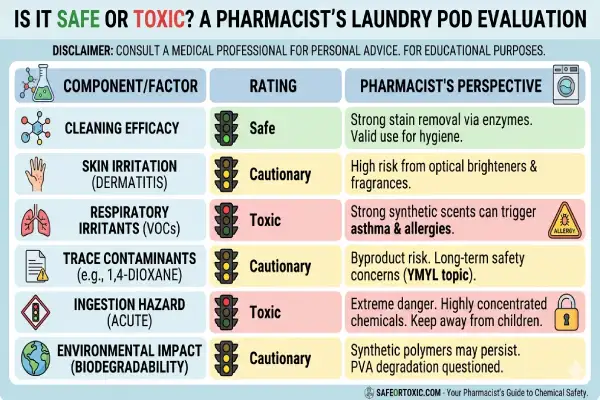
The debate over laundry detergent pods is ongoing. These pods use PVA films, which are water-soluble but raise concerns about micro-plastic pollution. The eco-conscious consumer must balance the pods’ convenience with their environmental impact.
Both Method and Seventh Generation are working on better packaging for laundry detergent pods and traditional jugs. Below is a table comparing their packaging strategies to help you choose wisely.
| Feature | Method | Seventh Generation |
|---|---|---|
| Primary Material | 100% Recycled Plastic | Post-Consumer Recycled Plastic |
| Refill Availability | High (Pouches/Concentrates) | Moderate (Bulk Sizes) |
| Pod Technology | PVA-based films | PVA-based films |
| Recyclability | Widely Recyclable | Widely Recyclable |
Price Point and Accessibility in the US Market
Many American families want to switch to eco-friendly cleaning products. But, they often worry about the cost. Making these products US market accessible is key for them to become more popular.
Method and Seventh Generation have made it easier for people to find them. They are in big stores, supermarkets, and online. This makes it simple for people to choose safer cleaners without extra effort.
Looking at the cost is important. These products might cost a bit more than regular cleaners. But, they often last longer, saving money in the long run. This makes them a smart choice for those watching their budget.
For these products to be truly sustainable, they need to be affordable. The table below shows how Method and Seventh Generation compare in the market.
| Feature | Method Free & Clear | Seventh Generation |
|---|---|---|
| Retail Presence | High (National Chains) | High (National Chains) |
| Price Tier | Mid-Range | Mid-Range |
| US Market Accessibility | Excellent | Excellent |
| Value Focus | Design & Efficiency | Plant-Based Legacy |
User Experience and Scent Profiles for Fragrance-Sensitive Individuals
For people with chemical sensitivities, cleaning can be a challenge. Many products have fragrances that can cause irritation. It’s important to find scent-free options for a comfortable home.
When looking at sensitive skin laundry detergents, we want to make sure they don’t leave any chemicals on clothes. Method Free & Clear and Seventh Generation are good choices because they don’t have synthetic dyes or perfumes. But, they might work differently with water and fabric types.
Method Free & Clear is known for its streamlined liquid texture. It’s easy to rinse off, which is great for avoiding a waxy film on clothes. Seventh Generation, on the other hand, has a strong plant-based formula. It’s good for tough cleaning and is gentle on sensitive skin.
The table below shows the main features of both brands. It can help you choose the right one for your home.
| Feature | Method Free & Clear | Seventh Generation |
|---|---|---|
| Scent Profile | Neutral/No Added Fragrance | Neutral/No Added Fragrance |
| Rinse Efficiency | High (Low Residue) | High (Plant-Based) |
| Texture | Thin, Easy-Pour Liquid | Standard Viscosity |
| Skin Compatibility | Dermatologist Tested | Hypoallergenic Certified |
The right choice depends on how you react to surfactants and your water’s mineral content. Try a small batch or test on a surface first. Choosing fragrance-free products can help avoid unwanted reactions at home.
Common Misconceptions About Natural Cleaning Agents
Many people think plant-based cleaning products are always safe. But, this isn’t always true. Even plant-based items can cause skin problems or allergic reactions, depending on how they’re made.
When you look at eco-friendly laundry detergent, remember that it needs active ingredients to work. These ingredients, whether from plants or petroleum, can affect our skin and the environment. The safety of a plant-based detergent depends on its chemical makeup, not just where it comes from.
Greenwashing in cleaning is a big issue. It makes it hard to know what’s really safe. Companies might focus on the natural parts of their products but not tell you about additives that could be harmful.
To make a smart choice, you need to look at the science. Don’t just trust labels with buzzwords. Look for detailed ingredient lists and safety data from trusted sources. True safety comes from the product’s chemistry, not just its marketing.
Expert Recommendations for Building an Allergy-Friendly Home
As a pharmacist, I help patients make their homes safer. Creating an allergy-friendly home means cutting down on chemicals, not just picking one product. By sticking to good habits, you can greatly reduce indoor pollutants for your family and pets.
Choosing fragrance-free options for cleaning is a smart move. Many cleaners have chemicals that stay in the air for a long time. Switching to non-toxic household products gets rid of these, making the air cleaner for people with breathing problems.
Good air flow is also key. I suggest opening windows while you clean. This lets any particles in the air go away fast. It keeps your home free from dust and chemicals, common allergens.
Being consistent is the secret to keeping your home healthy. Regularly dusting and vacuuming with a HEPA-filter vacuum helps. These steps, along with using non-toxic household products, make your home a safe haven from environmental stressors.
Conclusion
Choosing between Method and Seventh Generation depends on your household’s needs. Both offer safer cleaning options by being open about their ingredients. This helps manage allergies by looking at the real chemicals in products.
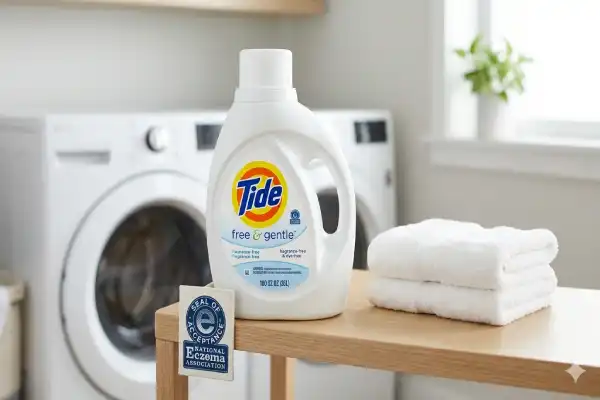
It’s important to know how these cleaners affect your health. Some like Seventh Generation’s plant-based focus, while others prefer Method’s design. You might also compare them to other popular brands, like Tide Free & Gentle for sensitive skin.
Real safety comes from reading labels and making choices based on facts. By knowing what you bring into your home, you keep your family safe from harmful chemicals. Always check the safety of cleaning products, not just their brand name.
FAQ
Between Method Free & Clear and Seventh Generation, which is safer for individuals with contact dermatitis?
Both brands offer “Free & Clear” versions without synthetic fragrances and dyes. These are common causes of contact dermatitis. Seventh Generation often gets high marks from groups like the Environmental Working Group (EWG). This is because their products usually avoid certain preservatives that can irritate the skin.
As a pharmacist, I suggest checking the ingredient list for any known allergens before using these products.
Are the plant-based surfactants in these products as effective as traditional petroleum-based cleaners?
Yes, they are. Modern green chemistry has made it possible for brands like Method and Seventh Generation to use surfactants from coconut and palm kernel oil. These surfactants effectively clean surfaces by lowering water’s surface tension.
In tests, Seventh Generation’s laundry detergents show they can clean as well as traditional brands like Tide. This proves that biodegradable ingredients can be just as effective.
Does the EPA Safer Choice label guarantee that a product is hypoallergenic?
Not exactly. The EPA Safer Choice label means every ingredient has been checked by EPA scientists. It ensures the product is safe for humans and the environment. But, “hypoallergenic” is not a legal term.
For those with severe allergies, the Safer Choice label is a good start. But, also look for the “Free & Clear” label to make sure there are no hidden fragrances.
Has the acquisition of Seventh Generation by Unilever or Method by SC Johnson changed their safety standards?
This is a worry for many fans of these brands. After Unilever bought Seventh Generation and SC Johnson acquired Method, both brands kept their commitment to sustainability. Their “Free & Clear” formulas have stayed mostly the same.
But, their parent companies have helped improve packaging. They’ve increased the use of recycled plastic in packaging.
Are laundry detergent pods from these brands harmful to marine life?
Most eco-friendly pods use a water-soluble film. But, there’s debate about whether it fully breaks down in all water treatment systems. If you’re worried about microplastics or toxicity in water, choose the liquid or powder versions.
Buying these in bulk or refillable packaging is a safer choice for the environment.
Why is “fragrance-free” better than “unscented” for allergy sufferers?
“Unscented” products might still have masking fragrances. These are chemicals that hide the natural smell of ingredients. “Fragrance-free” means no fragrance chemicals were added at all.
For people with asthma or respiratory issues, I recommend Seventh Generation or Method Free & Clear. They avoid VOCs from hidden fragrances.
Can I use Method or Seventh Generation products if I have a septic system or graywater setup?
Yes, both brands are safe for septic systems and graywater setups. They use non-toxic, plant-based ingredients instead of harsh chemicals. This keeps the bacterial balance in septic systems healthy.
Seventh Generation, in particular, labels many of its liquid detergents as graywater safe. This makes them great for eco-friendly homes in places like California or Arizona.