
As a pharmacist, I often hear people think natural products are always safe. They believe that because something is labeled natural, it can’t harm them. But, the truth about pest control is more complicated than just choosing between synthetic and natural options.
We need to understand the rules that govern these products. Only certain substances are allowed in organic farming. But, even these approved items need to be handled with care. Knowing the details is key for anyone wondering if organic pesticides are safer for their homes.
I aim to give you solid advice based on facts. We’ll look at how toxic these substances are and the rules they must follow. By looking beyond what’s on the label, we can keep our homes and gardens safe.
Key Takeaways
- Natural sources do not automatically equate to zero toxicity for humans or pets.
- Only products meeting USDA criteria are permitted for use in certified organic crop production.
- All registered substances undergo rigorous testing to determine their acute toxicity levels.
- Pesticide labels provide critical safety information through standardized signal words like Caution or Danger.
- Effective pest management should prioritize plant health and consider chemical intervention only as a final resort.
Understanding the Chemistry of Organic Versus Synthetic Pesticides
The debate on organic vs synthetic pesticides often misses the key chemical facts. Many think that natural products are always safer. But, science shows a more complex story about chemical risks.
Defining Organic Pest Control
Organic pest control uses natural sources like plant extracts or minerals. But, not all natural products are safe. For example, harmful substances like arsenic and nicotine dust are banned.
These rules are in place because natural origin does not guarantee safety. Authorities check these substances for their chemical properties and environmental impact. They aim to use compounds that break down quickly but are effective against pests.
The Composition of Synthetic Alternatives
Synthetic pesticides are made in labs to target specific insect pathways. They have complex structures for stability and effectiveness. This means less is needed compared to some natural options.
“Toxicity is a function of dose and chemical structure, not merely the origin of the substance.”
When comparing organic vs synthetic pesticides, it’s important to understand their effects on living things. Synthetic pesticides are often made to harm fewer non-target species. But, how long they stay in the environment is a big concern. Knowing this helps us assess risks better.
Common Misconceptions About Natural Toxicity
Many believe natural chemicals are always safe. But, plants have evolved to defend themselves with chemicals. These are in our food and can be more toxic than synthetic chemicals.
The safety of any pest control agent depends on several things:
- The specific chemical structure of the active ingredient.
- The concentration and total dosage applied.
- The duration and frequency of exposure.
- The biological sensitivity of the target and non-target species.
By looking beyond the organic vs synthetic pesticides debate, we can make safer choices. Focusing on the specific toxicity of each product helps us understand health risks better.
Are Organic Pesticides Safer for Human Health
The debate on pest control safety often focuses on organic vs synthetic pesticides. Many think natural means safe, but it’s more complex. We need to look at both short-term and long-term health effects to see if organic pesticides are safer.

Evaluating Acute Toxicity Risks
Acute toxicity is about immediate health effects from exposure. Studies show farmers using synthetic chemicals face more DNA damage than those using organic methods. This is a clear sign of the risks.
- Immediate reactions: Skin irritation, respiratory distress, and headaches.
- Biological markers: Higher levels of oxidative stress in synthetic pesticide users.
- Safety protocols: The necessity of protective gear regardless of the product type.
Chronic Exposure and Long-Term Health Implications
Chronic exposure is about long-term, low-level contact with chemicals. While we can measure acute risks, long-term effects are harder to study. It’s important to know the difference between possible harm and actual health problems.
Household exposure is generally lower than for farmers. But, some synthetic compounds can be risky for certain groups. Knowing how these chemicals stay in our homes is key to managing risks.
Pharmacist Perspectives on Chemical Residues
As a pharmacist, I tell patients our bodies can handle natural toxins well. We eat these toxins in our food, but in small amounts. Our liver and immune system can usually handle them.
But, synthetic residues are different. Our bodies might not be able to break them down as easily. When deciding between organic vs synthetic pesticides, we should think about how our bodies process them. Choosing organic is about reducing exposure to substances our bodies struggle with.
The Impact of Organic Pest Management on Pet Safety
Many people think natural ingredients are safe for pets. But, this is a dangerous mistake. Organic pest control might seem better than synthetic chemicals, but it can be risky for dogs and cats. It’s important to know these risks to keep your family safe.
Common Ingredients Toxic to Dogs and Cats
Some plant-based pesticides are good against bugs but bad for pets. For example, certain essential oils and plant extracts in organic sprays can harm pets.
Pets can get sick from these toxins easily. If they lick themselves after walking on treated areas, they might get very sick. This can cause anything from mild stomach problems to serious brain damage.
Why Natural Does Not Always Mean Non-Toxic
Just because something is natural doesn’t mean it’s safe. Many strong poisons come from plants. These plants make these toxins to keep predators away or kill pests, not to harm pets.
How pets react to these toxins can be different from how plants or bugs do. What’s safe for a plant or bug might be very bad for a dog or cat. It’s important to remember that natural products can be as dangerous as synthetic ones if not used right.
Best Practices for Protecting Household Pets
To keep your pets safe, you need to be careful with pest control. Always check the product label, even if it says it’s organic or natural. If you spray something on floors or baseboards, keep pets away until it’s dry.
Here are some ways to lower the risk:
- Restrict access: Keep pets out of treated rooms or garden areas for at least 24 hours after application.
- Clean surfaces: Wipe down floors or surfaces where pets walk or sleep to remove chemical residues.
- Consult your veterinarian: Before using any new pest control product, check with your vet to make sure it’s safe for your pet.
Keeping your pet safe means looking beyond labels and understanding the chemicals in your home. By being careful and informed, you can control pests without risking your pet’s health.
Environmental Considerations and Ecological Footprint
Looking at how pest management affects our environment is key. Homeowners want sustainable pest control solutions to lessen their impact. But what does “green” really mean? It’s about how products affect our soil, water, and air.
Biodegradability of Organic Compounds
Organic substances tend to break down naturally. They don’t last as long as some synthetic chemicals. But, their breakdown doesn’t always mean they’re safe for all living things.
Even natural substances can last different lengths of time. This depends on:
- Soil pH levels which affect how fast they break down.
- UV exposure that can neutralize some oils.
- Moisture content in the soil, which helps microbes break them down.
Impact on Beneficial Insects and Pollinators
Many think natural products are safe for all insects. But, many organic pesticides can harm pollinators like bees and butterflies. Targeted application is key to protect these important insects.
When picking a product, look at its residual toxicity. Some organic options are safe for pollinators soon after use. Always choose products that harm fewer non-target species to keep your garden balanced.
Soil Health and Long-Term Sustainability
Soil health is vital for your garden’s long-term success. Using pesticides, even organic ones, can upset the soil’s balance. Sustainable pest control solutions focus on keeping the soil healthy.
Healthy soil helps plants fight off pests naturally. By using fewer chemicals, you protect the soil’s ecosystem. This makes your garden productive and strong for years, without needing constant chemical help.
Analyzing the Efficacy of Natural Pest Management
Any pest control strategy must work well and safely. Homeowners often choose organic pesticides for their benefits. It’s important to see how these products work in real life.
Finding a balance between protecting the environment and getting results is key. We need to know what each product can do.
Comparing Knockdown Power and Residual Effects
Knockdown power is how fast a substance kills pests when they touch it. Synthetic insecticides work fast, giving quick results. But, natural pest management uses botanical oils or soaps that take longer to work.
Residual effects also vary. Synthetic chemicals stay active for weeks, creating a strong barrier. Organic options break down faster, which is safer but might need more frequent use.
Limitations of Organic Solutions in Heavy Infestations
Organic products are great for preventing pests and handling light infestations. But, they struggle with severe infestations. In these cases, pests can come back quickly before the next treatment.
When Synthetic Intervention Becomes Necessary
In some cases, using synthetic products is safer. If an infestation is a health risk or threatens a home’s structure, synthetic options might be best. Choosing the right tool for the job is key in pest control.
| Feature | Organic Solutions | Synthetic Options |
|---|---|---|
| Knockdown Speed | Moderate to Slow | Very Fast |
| Residual Duration | Short-term | Long-term |
| Environmental Impact | Low | High |
| Best Use Case | Prevention/Maintenance | Severe Infestations |
Regulatory Standards and Labeling Requirements
Knowing the rules is key to spotting real safety claims from false ones. Many products say they’re natural, but the law is strict and hard to understand for most people.
To make smart choices, look beyond what’s on the label. Check for official stamps and government checks. This way, you can be sure the products you buy are safe and meet national organic standards.
Understanding OMRI Certification
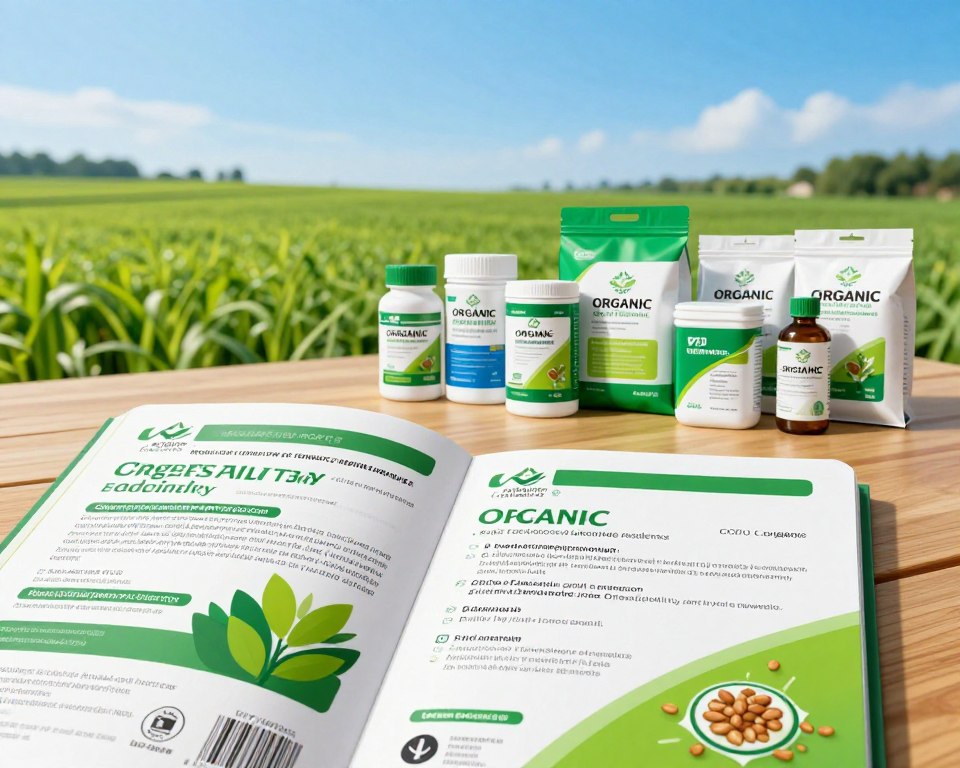
The Organic Materials Review Institute, or OMRI, checks products for organic farming. They make sure products are safe for organic farming.
Seeing the OMRI seal means a product has passed a tough test. It shows the product is free from banned chemicals. Always check for this seal if you want organic products.
The Role of the EPA in Pesticide Regulation
In the U.S., the Environmental Protection Agency (EPA) controls all pesticide products. Every product must be registered to be safe for people and the environment.
The EPA checks how toxic and harmful each ingredient is. Even if some products are low-risk, the EPA keeps an eye on their safety. Learn more about chemical safety by looking at common safety questions.
Decoding Ingredient Lists on Consumer Products
Reading labels is more than just looking for “organic.” Manufacturers must list the main ingredients, but they often hide others under “inert” or “other ingredients.”
These other ingredients might not be safe. To choose wisely, follow these steps:
- Identify the active ingredient: Learn about its safety instead of just the product name.
- Look for full disclosure: Some companies list everything, even if they don’t have to.
- Check for synthetic additives: Even organic products might have synthetic parts that aren’t allowed.
Being informed is the first step to safe choices at home. By checking labels and knowing the rules, you become a key player in your family’s health.
Common Organic Pesticide Ingredients and Their Risks
When asking, are organic pesticides safer, we need to look at the chemicals they contain. These products come from nature but are active and need care to keep users safe.
Pyrethrin and Pyrethroid Distinctions
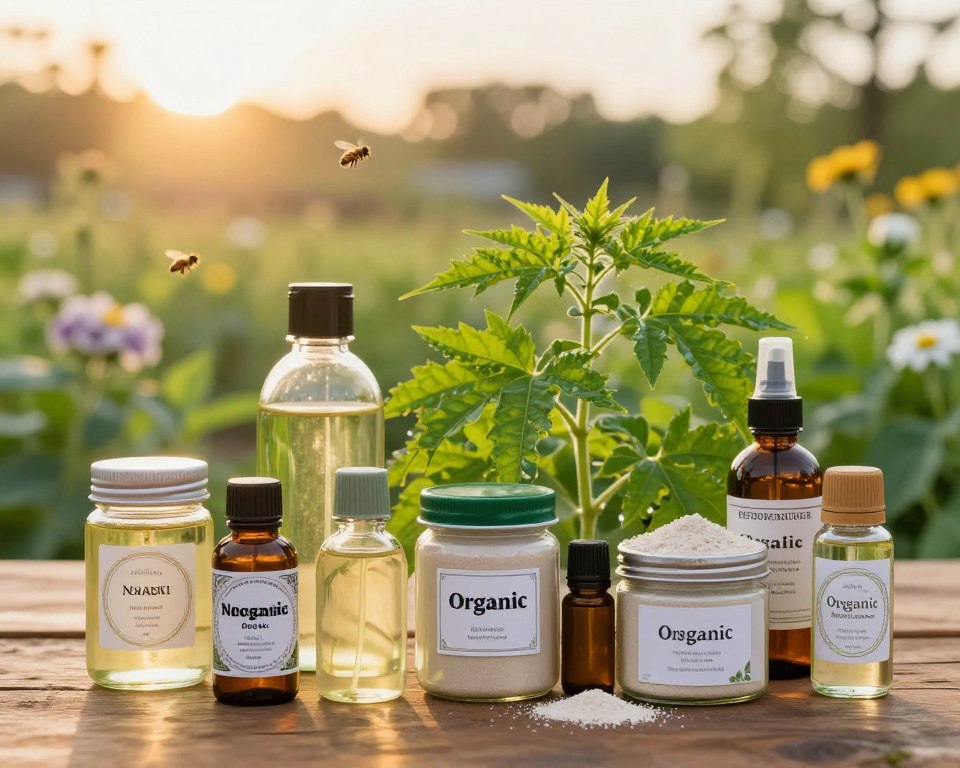
Many people get confused about pyrethrins and pyrethroids. Pyrethrins are natural bug killers from the chrysanthemum flower. They quickly break down in sunlight and air.
Pyrethroids, on the other hand, are synthetic analogs that act like natural pyrethrins. They are made to last longer and be more stable. This makes them more toxic than natural pyrethrins.
Neem Oil Safety Profiles
Neem oil is a favorite for organic gardening. But, it can cause skin problems or allergic reactions if you touch it.
When using neem oil, follow the instructions on the label. Too much can harm plants or other living things around you.
Diatomaceous Earth and Respiratory Precautions
Diatomaceous earth is made from ancient sea creatures. It kills bugs by drying them out.
Even though it’s natural, breathing in its dust is very bad for your lungs. Always wear a mask when using it to avoid lung problems. Remember, the way something is used is just as important as where it comes from.
Are Organic Pesticides Safer for Children and Vulnerable Populations
Managing pests in a home with kids can be tricky. Many think “natural” means “safe,” but this isn’t always true. True safety means knowing that any pesticide, natural or not, needs careful handling to protect kids.
Developmental Sensitivity to Chemical Exposure
Children’s bodies process substances differently than adults. They absorb and retain chemicals more easily because of their fast metabolism and large surface area. Developmental vulnerability means exposure can harm their health for a long time.
Children can’t fight off toxins as well as adults. Even plant-based substances can cause problems if kids are exposed too much. Parents should be very careful with all pest control products, choosing non-chemical methods when possible.
Reducing Indoor Air Quality Risks
Using household sprays and powders can harm indoor air quality. Many organic pesticides use oils or dusts that can stay in the air or on surfaces. Proper ventilation is key to keep these particles from becoming dangerous.
Cleaning surfaces well after treatment is also important. This stops kids from touching harmful residues. Using methods like crack-and-crevice treatments instead of fogging reduces the risk of breathing in or swallowing chemicals.
Safe Application Techniques for Family Homes
Using a smart approach to pest control is safer. Apply treatments when kids are not home for a few hours. This lets the product dry or settle, reducing the chance of kids coming into contact with it.
Here are some key strategies for keeping your home safe from pests:
| Strategy | Primary Benefit | Implementation | Safety Level |
|---|---|---|---|
| Targeted Baiting | Limits exposure | Place in secure stations | High |
| Mechanical Barriers | Zero chemical risk | Seal entry points | Highest |
| Proper Ventilation | Reduces inhalation | Open windows post-use | Moderate |
| Surface Cleaning | Prevents dermal contact | Wipe treated areas | High |
The best way to protect your family is to prevent pests before they become a problem. Sealing entry points and keeping your home clean can often avoid the need for pesticides. If you do need to use pesticides, choose the least toxic option and apply it carefully.
Sustainable Pest Control Solutions for Home Gardens
Keeping your garden healthy means moving from just spraying to managing pests proactively. Using eco-friendly pest control methods helps create a balanced garden ecosystem. This way, your garden can fight off pests naturally, keeping your plants healthy for longer.
Integrated Pest Management Strategies
Integrated Pest Management (IPM) is key for modern gardening. It focuses on preventing pests and using non-chemical solutions first. Regularly checking your plants helps catch problems early.
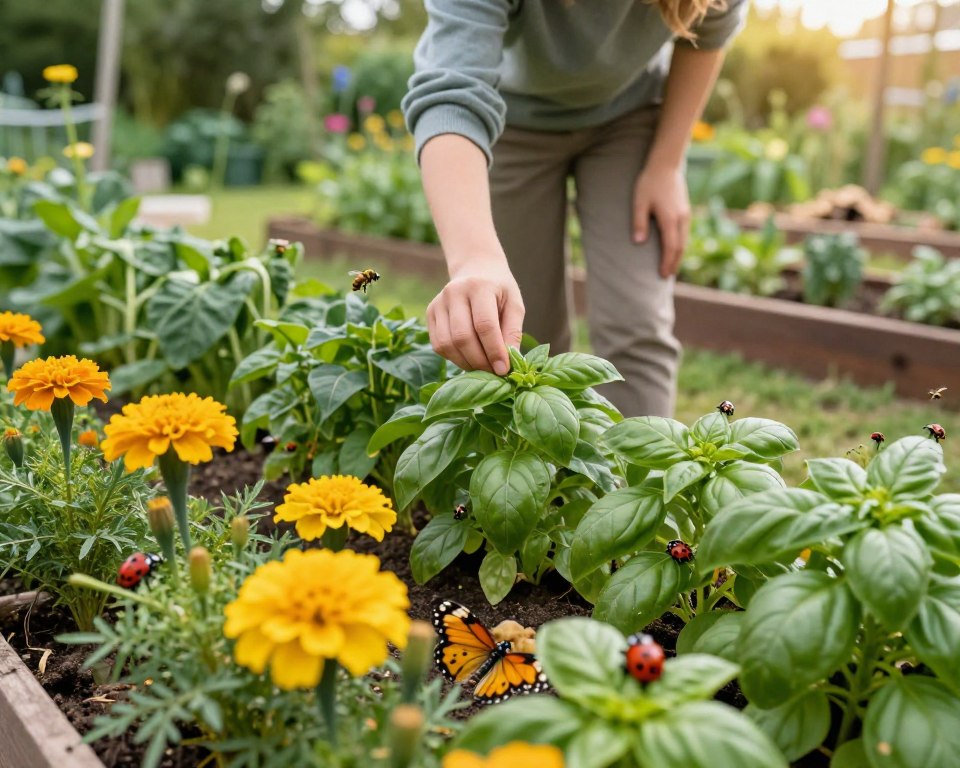
IPM works by knowing the life cycles of pests and beneficial insects. By supporting predators like ladybugs, you naturally control pests. This method is vital for natural pest management in your garden.
Companion Planting as a Preventive Measure
Companion planting uses plants’ natural defenses to protect others. Some plants repel pests or mask the scent of other plants. For instance, marigolds near tomatoes can ward off nematodes.
Some plants act as “trap crops,” drawing pests away from your main crops. This method helps manage pests in a specific area. Using different plants in this way is a powerful sustainable pest control solution for gardeners.
Physical Barriers and Mechanical Controls
Physical barriers are a good choice when other methods fail. Floating row covers, for example, keep insects off your veggies. They let sunlight and water through but keep pests out.
Mechanical controls, like picking pests by hand or using water sprays, are safe and effective. They require more effort but keep your garden free from harmful chemicals. Regularly checking your garden is essential for maintaining a chemical-free space.
The Economic Reality of Choosing Organic Options
Switching to natural pest control changes how we think about spending money at home. Synthetic chemicals might seem cheaper at first. But they often come with hidden costs to the environment and our health. Looking at the benefits of organic pesticides means seeing beyond the upfront cost to the value they bring to our homes.
Cost-Benefit Analysis of Natural Products
Natural products might cost more upfront. But a closer look shows they save money in the long run. You won’t need special safety gear, and there’s less chance of needing to clean up environmental messes. Many people find peace of mind with organic pesticides, which is priceless.
Synthetic options might be cheaper ounce for ounce. But they often require careful safety steps that take time. Organic products, on the other hand, use plant-based ingredients that are better for the planet. You’re paying for a product that’s gentler on your environment.
Frequency of Application and Product Longevity
Natural pest control products might need to be applied more often. This is because they break down faster than synthetic ones. This could mean spending more money over time to keep pests away.
But this quick breakdown is a safety plus. It means there won’t be harmful residues left in your soil or on your food. By planning your applications well, you can keep costs down without harming your garden or home.
Investing in Long-Term Prevention
The best way to save money on pest control is to prevent problems before they start. Focus on changing your environment and using physical barriers. This approach is the most cost-effective strategy for keeping your property safe.
Using these methods makes your environment strong against pests. While setting up physical barriers or companion planting takes time, it saves money in the long run. The advantages of using organic pesticides are clear when they’re part of a bigger, sustainable plan.
| Factor | Synthetic Pesticides | Organic Pesticides |
|---|---|---|
| Initial Cost | Low | Moderate to High |
| Application Frequency | Low (Long residual) | High (Short residual) |
| Environmental Impact | High | Low |
| Long-term Value | Variable | High (Sustainability) |
Navigating Non-Toxic Pest Control Options
Keeping your home pest-free doesn’t mean using harsh chemicals. Many are now choosing eco-friendly pest control methods. These methods focus on preventing pests over using chemicals. By learning about pests, you can keep your home healthy without synthetic substances.
Biological Controls and Beneficial Predators
Biological control uses natural enemies to control pests. Using organic pesticides and biological agents helps keep your home’s ecosystem balanced. For example, introducing predatory mites or wasps in greenhouses can control spider mites and aphids.
These natural helpers target pests without harming other insects or people. This approach focuses on managing pest populations sustainably. It’s great for those who want to avoid chemical residues.
Pheromone Traps and Behavioral Modification
Pheromone traps use fake insect scents to stop mating. Placing these traps in key spots helps monitor and reduce pests. They’re very useful for pests like Indian meal moths in pantries.
These traps are safe for beneficial insects and pets. They help find and stop infestations early. Using these traps is a key part of non-toxic pest control.
Sanitation and Habitat Modification Techniques
The best non-toxic pest control options remove pests’ needs. Keeping your home clean is the first step. By getting rid of food, water, and clutter, you make your home less appealing to pests.
Modifying your home’s habitat further helps. Fixing leaks and sealing entry points are simple steps. These physical barriers are often more effective than chemicals.
| Method | Primary Mechanism | Best Use Case |
|---|---|---|
| Biological Predators | Natural Predation | Greenhouses and Gardens |
| Pheromone Traps | Mating Disruption | Indoor Pantry Pests |
| Sanitation | Resource Removal | General Home Maintenance |
| Physical Barriers | Exclusion | Structural Entry Points |
Risk Mitigation Strategies for Homeowners
Even with non-toxic pest control options, keeping your home safe is key. It’s not just about picking the right product. It’s also about how you handle and store it. By following safety rules, you can keep pests away without risking your family’s health.
Proper Storage and Handling Protocols
Keeping your home safe starts with good storage. Always keep pest control products in their original containers. This way, you can easily read the labels and follow the safety instructions.
Store these items in a cool, dry place that’s locked and out of reach of kids and pets. Never put pest control products in food or drink containers. This could lead to accidental poisoning. For more tips on keeping your home safe, check out how to reduce pesticide risks to non-target species online.
Personal Protective Equipment Recommendations
Wearing the right personal protective equipment (PPE) is vital when using any pesticide. At least, wear gloves to avoid skin contact and eye protection to prevent irritation.
When using sprays or powders in tight spaces, wear a mask to protect your lungs. Always wash your hands with soap and water right after use. These steps help lower your exposure to harmful chemicals.
Disposal Methods for Unused Pesticides
Proper disposal is important for the environment. Never dump leftover pesticides down the drain or onto the ground. This can pollute local water sources. Instead, follow your local waste management guidelines for hazardous waste disposal.
If you can use the product again, share it with someone who can follow the instructions. If you must throw it away, make sure it’s empty and sealed before putting it in the trash. This way, your non-toxic pest control options won’t harm the environment.
| Action Item | Safety Priority | Recommended Frequency |
|---|---|---|
| Storage Inspection | High | Monthly |
| PPE Usage | Critical | Every Application |
| Disposal Review | Medium | Annually |
Conclusion
The safety of organic pesticides is not absolute. It depends on the substance, dose, and use context. Just because something is labeled “natural” doesn’t mean it’s safe for your home.
Learning about toxicology helps you choose safer options for your family, pets, and the planet. View pest control as a whole process. Focus on preventing problems over time, not just finding a single safe product.
Integrated Pest Management offers a way to handle pests without chemicals. Use physical barriers, change habitats, and watch closely. This method keeps your space safe and the environment balanced.
With the right knowledge, you can manage your home and garden well. Always read labels, look up ingredients, and choose non-toxic methods. Your smart choices make your home safer for everyone.
FAQ
Defining Organic Pest Control
Organic pest control uses natural stuff like plants and minerals. It’s seen as sustainable pest control. But, it’s not always safe.
The Composition of Synthetic Alternatives
Synthetic pesticides are made in labs. They’re designed to be strong but can be used in smaller amounts. This makes them safer for the environment.
Common Misconceptions About Natural Toxicity
Some think plant chemicals are safe for people. But, plants have toxins to keep pests away. These toxins are in our food and can be harmful.
Evaluating Acute Toxicity Risks
Acute toxicity is harm from one exposure. Some organic options, like nicotine, can be very toxic. Look at the LD50 to understand the risk.
Chronic Exposure and Long-Term Health Implications
Chronic exposure is long-term contact. Organic pesticides break down faster than synthetics. But, they can also harm people and animals.
Pharmacist Perspectives on Chemical Residues
Our bodies can handle natural toxins from organic produce. But, the benefits of organic pesticides are mostly about avoiding synthetic chemicals. More research is needed to understand their impact.
Common Ingredients Toxic to Dogs and Cats
Pet owners need to be careful with organic ingredients. Some, like citrus oils, can harm pets. Always check if a product is safe for pets before using it.
Why Natural Does Not Always Mean Non-Toxic
Just because something is natural doesn’t mean it’s safe for pets. Always check if a product is safe for pets before using it.
Best Practices for Protecting Household Pets
Keep pets away from treated areas until it’s safe. Use mechanical controls like traps or barriers to protect pets.
Biodegradability of Organic Compounds
Organic pesticides break down quickly. This reduces the chance of them harming the environment. Unlike synthetics, they don’t stay in the soil for long.
Impact on Beneficial Insects and Pollinators
Some organic sprays can harm bees. Pyrethrins and Pyrethroids can be deadly to pollinators. Always use them carefully to avoid harming the ecosystem.
Soil Health and Long-Term Sustainability
Organic methods help soil health. They keep the soil full of good bacteria and fungi. This is good for plants and the environment.
Comparing Knockdown Power and Residual Effects
Synthetics work better and last longer. Organic options need more frequent use. This can be more expensive and time-consuming.
Limitations of Organic Solutions in Heavy Infestations
In severe cases, natural pest management might not work. Sometimes, using a targeted synthetic solution is safer and more effective.
When Synthetic Intervention Becomes Necessary
Using organic oils too much can cause moisture and mold. Sometimes, a single synthetic application is safer and more effective than many organic treatments.
Understanding OMRI Certification
The Organic Materials Review Institute (OMRI) checks if products meet organic standards. If a product has the OMRI seal, it’s safe for organic use.
The Role of the EPA in Pesticide Regulation
All pesticides, organic or synthetic, need EPA approval. The EPA checks if they’re safe for use without harming people or the environment.
Decoding Ingredient Lists on Consumer Products
Labels can be tricky. A product might have natural ingredients but also synthetic additives. Always check the “Other Ingredients” section to make sure it’s safe.
Pyrethrin and Pyrethroid Distinctions
Pyrethrins come from flowers, while Pyrethroids are made in labs. Pyrethrins break down fast, but Pyrethroids last longer. This affects how safe they are.
Neem Oil Safety Profiles
Neem oil is a popular choice. It’s safe for humans but can be toxic if used too much. Always use it as directed.
Diatomaceous Earth and Respiratory Precautions
Diatomaceous Earth (DE) is made from algae. It’s safe if touched but can irritate lungs. Always wear a mask when using it.
Developmental Sensitivity to Chemical Exposure
Children are more vulnerable to chemicals. Even eco-friendly pest control methods should be used carefully around them.
Reducing Indoor Air Quality Risks
Organic oils can trigger allergies. Use gel baits or bait stations instead of sprays to keep the air clean.
Safe Application Techniques for Family Homes
Apply treatments when kids are out. Use “crack and crevice” treatments to avoid skin contact.
Integrated Pest Management Strategies
Integrated Pest Management (IPM) uses many methods. It aims to control pests safely and protect the environment.
Companion Planting as a Preventive Measure
Using plants like marigolds to repel pests is a good choice. It’s a natural way to keep your garden safe without chemicals.
Physical Barriers and Mechanical Controls
Row covers and copper tape for slugs are effective. They’re safe and don’t harm the environment.
Cost-Benefit Analysis of Natural Products
Organic products are often more expensive. But, they can save money in the long run by keeping soil healthy.
Frequency of Application and Product Longevity
Organic options need more frequent use. This can be more expensive and time-consuming.
Investing in Long-Term Prevention
The best way to save money is to prevent pests. Use high-quality mesh and healthy soil to avoid needing pesticides.
Biological Controls and Beneficial Predators
Using ladybugs or green lacewings is safe. It creates a balanced ecosystem without harming the environment.
Pheromone Traps and Behavioral Modification
Pheromone traps use scents to catch pests. They’re safe and effective for indoor use without chemicals.
Sanitation and Habitat Modification Techniques
Using a vacuum and caulk gun is the best way to control pests. It’s safe and effective without chemicals.
Proper Storage and Handling Protocols
Always store pesticides in their original containers. Keep them in a locked cabinet to prevent accidents.
Personal Protective Equipment Recommendations
Wear gloves and long sleeves when using natural pest management. This prevents skin contact. Wash your clothes separately after use.
Disposal Methods for Unused Pesticides
Don’t pour pesticides down the drain. Follow local guidelines for safe disposal to protect the environment.
Are organic pesticides safer than synthetic ones for home use?
Whether organic pesticides are safer is complex. They break down faster but can be toxic. Safety depends on the chemical and how it’s used.
What are the primary benefits of organic pesticides?
Organic pesticides have a smaller ecological footprint. They reduce soil contamination and are generally safer for people. But, they need to be used correctly.
How does the toxicity of organic vs synthetic pesticides compare?
Synthetics last longer but can harm the environment more. Organic options need more frequent use. But, some organic chemicals can be more toxic.
What are some effective eco-friendly pest control methods that don’t involve sprays?
Effective methods include physical barriers, biological controls, and habitat modification. These are safe and effective without chemicals.
Can natural pest management be harmful to bees and butterflies?
Yes, many natural pest management tools can harm pollinators. Timing and targeted application are key to avoid harming them.
What are the advantages of using organic pesticides in an Integrated Pest Management (IPM) plan?
Organic pesticides are good for IPM because they target pests safely. They protect soil health and the ecosystem.
Are sustainable pest control solutions more expensive than traditional methods?
Sustainable solutions might cost more upfront. But, they save money in the long run by keeping ecosystems healthy.
What are the best non-toxic pest control options for indoor use?
The best options include pheromone traps, high-standard sanitation, moisture control, and physical barriers. These are safe and effective without chemicals.