Keeping your garden healthy is a balance between fighting pests and caring for the environment. As a pharmacist, I see many people not realizing the dangers of synthetic pesticides. These chemicals are made to harm specific pests, like insects and weeds, so we must use them carefully.
Knowing the risks is the first step to using them safely. Whether you have a small garden or a big backyard, education is key to keeping everyone safe. It’s important to remember that even common cleaning products can be dangerous outside. By choosing safe options and following the instructions, you can protect your family, pets, and the environment.
Key Takeaways
- Pesticides are designed to be toxic to target organisms, requiring careful handling to avoid unintended exposure.
- Always read and follow manufacturer labels to understand specific hazard warnings and application protocols.
- Natural ingredients do not guarantee safety; some can trigger allergic reactions or pose risks to pets.
- Store all substances in their original containers within a secure, locked cabinet away from children.
- Prioritize products with the EPA Safer Choice label to reduce the overall toxic load in your environment.
Understanding the Risks of Traditional Garden Chemicals
Traditional garden chemicals might solve problems fast, but they can harm your local environment. These products can affect the ecosystem for a long time. Knowing these risks helps you protect your garden better.
The Impact of Synthetic Pesticides on Soil Health
Synthetic pesticides stay in the environment for a long time. They can upset the balance of microbes in your soil. This balance is key for soil health and plant growth.
When good microbes are killed, the soil structure can break down. This makes plants rely more on artificial fertilizers. By using fewer chemicals, you help your garden stay healthy naturally.
How Runoff Affects Local Water Supplies
Chemicals from your garden or lawn can get into local water. This happens when they’re not applied right and flow into storm drains or run off. Rainfall and irrigation help move these chemicals into nearby water bodies.
This is a big problem for the environment. Even a little bit of pesticide can harm water and life in it. Always use chemicals as directed to keep them from getting into water.
Potential Health Risks for Children and Pets
I tell parents and pet owners about the dangers of chemicals. Kids and animals are more at risk because they’re often close to the ground. They might touch or eat things from the garden.
When using synthetic products, make sure the area is dry and safe before letting people or pets back in. Keeping everyone safe means using fewer chemicals. Knowing this helps you create a safe and beautiful garden for your family.
Defining What Garden Chemicals Are Safest for Your Home
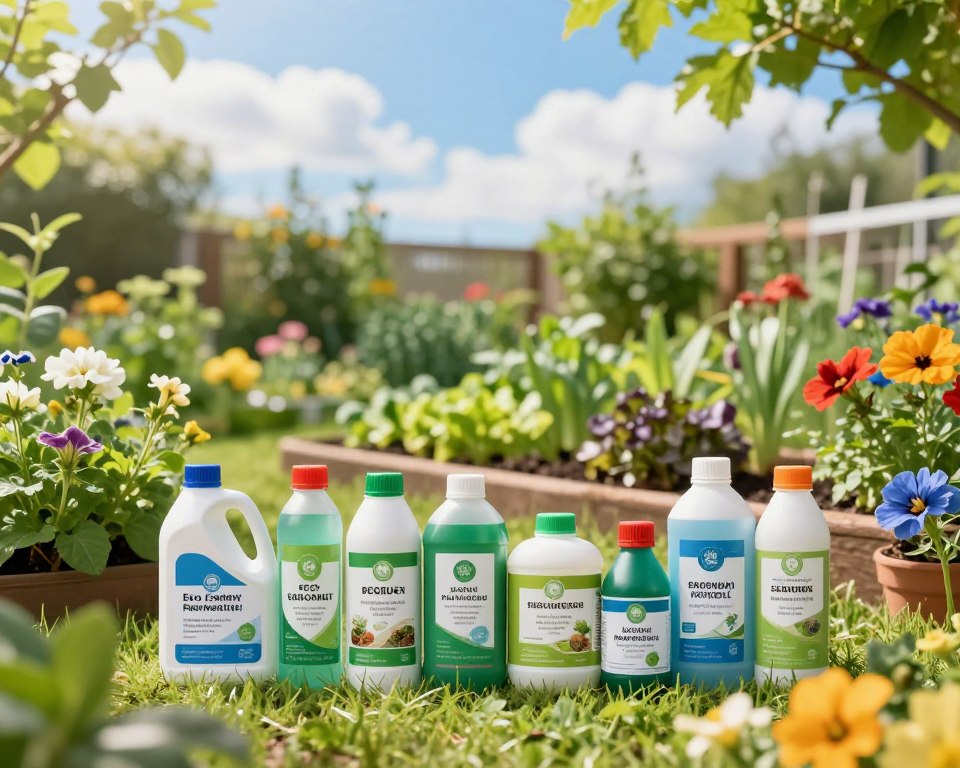
Looking closely at product labels is the best way to find what garden chemicals are safest for your home. This method helps you see past marketing tricks. It lets you know the real risks of the substances you use in your garden.
This careful approach helps you choose products that work well and are good for the environment. It’s all about finding a balance between effectiveness and safety.
Criteria for Evaluating Toxicity Levels
When picking products, think about the pest you want to control and how long the chemical stays in the environment. The safest garden chemicals break down fast. They don’t stay in the soil or water for a long time.
Choose products that only target the pest you want to get rid of. This way, they won’t harm other helpful insects.
How long a chemical stays active is very important for garden safety. Chemicals that last for weeks or months can be dangerous for kids and pets. Opt for products that don’t stay active for too long to keep your garden safe.
Reading Labels: Understanding Signal Words
Every pesticide sold in the U.S. has a signal word on its label. These words tell you how toxic a product is. Knowing what these words mean is key for keeping your garden healthy and safe.
| Signal Word | Toxicity Level | Risk Description |
|---|---|---|
| CAUTION | Low | Slightly toxic if ingested, inhaled, or absorbed. |
| WARNING | Moderate | Moderately toxic; requires careful handling. |
| DANGER | High | Highly toxic; can cause severe skin or eye irritation. |
| DANGER-POISON | Severe | Extreme toxicity; poses a significant health threat. |
Products with CAUTION are usually safer for homes because they’re less toxic. On the other hand, DANGER-POISON labels mean the product is very toxic. Always read the label fully before buying to know the risks.
The Role of Organic and Natural Alternatives
Many think natural products are always safe, but garden chemistry is more complex. It’s a myth that organic garden chemicals are safe for everyone and the environment. These substances can be harmful and need caution.
Good gardening means looking beyond labels to understand what’s inside. Knowing how a product works helps you choose safely. This way, you can keep pests away while keeping your garden safe.
Benefits of OMRI-Listed Products
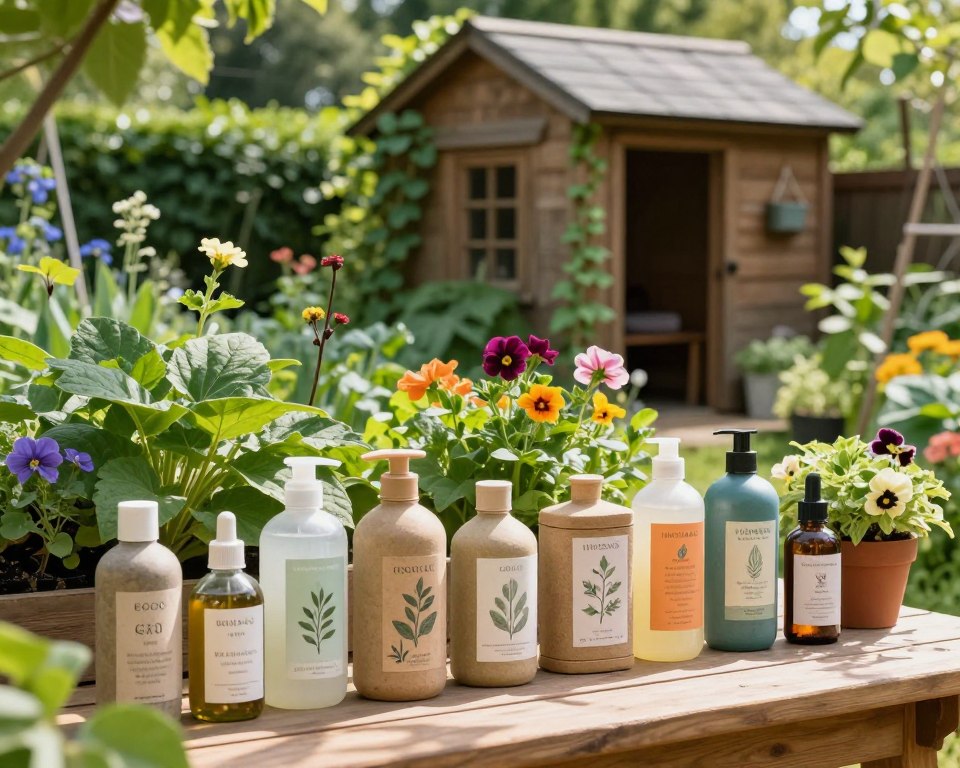
The Organic Materials Review Institute (OMRI) checks products for organic use. Seeing the OMRI seal means a product has passed a strict test. This gives gardeners a trusted choice for their gardens.
“The goal of organic gardening is not just to avoid synthetic inputs, but to foster a resilient ecosystem where plants can thrive with minimal intervention.”
Distinguishing Between Natural and Synthetic Organic
Knowing the difference between natural and synthetic organic is important. Natural garden chemicals come from plants or minerals with little processing. Synthetic ones are made in labs, even if they look natural.
Both can work well, but affect soil and wildlife differently. Always choose products with a proven safety record. By knowing the difference, you pick the right non-toxic garden chemicals for your garden.
Safest Garden Chemicals for Weed Control
Homeowners need to find the right balance when choosing garden chemicals. They should pick options that are strong but also safe for the environment. Using concentrated substances carefully is key to avoid accidents.
Targeted applications are better than spraying everywhere. This way, you can control weeds without harming good plants or the soil.
Corn Gluten Meal as a Pre-Emergent
Corn gluten meal is a great natural choice for weed control. It’s a byproduct of corn processing. It stops weed seeds from growing by blocking their roots.
- It is completely non-toxic to humans and pets.
- It also acts as a mild nitrogen fertilizer.
- It works best when applied just before weed seeds sprout in early spring.
“The beauty of using corn gluten meal lies in its dual-purpose nature, providing both weed suppression and essential nutrients to the soil without the need for synthetic additives.”
Horticultural Vinegar and Its Proper Application
Horticultural vinegar is strong for killing weeds after they grow. But it’s different from the vinegar you use in cooking. Horticultural vinegar has much more acetic acid, up to 20%.
This high acid is safe if you handle it carefully. It’s one of the safest garden chemicals.
Safety Precautions When Using High-Concentration Vinegar
This vinegar is very acidic. It can cause severe skin and eye irritation if you touch it. Always wear protective gloves and goggles when using it.
Make sure it’s not windy when you spray. This prevents the mist from getting on your skin or in your eyes.
Use a spray nozzle to spray directly on weeds. Don’t spray too much, as it can change the soil’s pH. By following these strict application protocols, you can keep your garden safe and weed-free.
Managing Pests with Botanical Insecticides
Dealing with garden pests often means looking beyond synthetic chemicals. Plant-based solutions are a better choice because they break down faster. Using natural garden chemicals helps keep plants healthy and protects the environment.
Neem Oil: A Versatile Garden Staple
Neem oil comes from the Neem tree seeds. It’s a versatile garden staple that fights insects and mild fungi. It works by messing with insect hormones, so it’s best used carefully.
These plant-based products are strong against pests. But, they can harm good bugs if not used right. Always spray them when pollinators are not around, like early morning or evening.
Pyrethrin vs. Permethrin: Understanding the Difference
Knowing the difference between natural pyrethrins and synthetic pyrethroids is key. Pyrethrins come from chrysanthemum flowers and fade fast in sunlight. Permethrin, on the other hand, is made to last longer and mimic natural pyrethrins.
“The goal of integrated pest management is not to eliminate every insect, but to maintain a balance where the garden thrives without the need for harsh, persistent toxins.”
Insecticidal Soaps for Soft-Bodied Pests
Insecticidal soaps are great against soft pests like aphids and spider mites. They work by breaking down the insect’s outer layer, causing dehydration. They need direct contact to work, so they don’t linger.
| Product Type | Primary Use | Persistence | Safety Profile |
|---|---|---|---|
| Neem Oil | Insects & Fungi | Low | Moderate |
| Pyrethrins | Broad Spectrum | Very Low | High (if used correctly) |
| Insecticidal Soap | Soft-bodied pests | None | High |
Choose products that fit your pest problems. Using these tools wisely keeps your garden safe for your family and the environment.
Safe Fungicides for Disease Prevention
Fungicides are key for keeping your garden healthy. Fungal diseases can harm your plants quickly. It’s better to use these treatments before problems start.
Make sure the fungicide you pick is right for your plants. This step helps avoid harming your plants.
Copper-Based Fungicides and Soil Accumulation
Copper-based products fight many fungal diseases well. But, they can stay in the soil for a long time. This can hurt the soil and the good microbes in it.
Use copper only when needed and in small amounts. Check your soil health often to keep your garden healthy for years.
Sulfur Dust for Powdery Mildew
Sulfur is a trusted choice for powdery mildew. It stops spores by affecting the fungus’s breathing. It’s safe when used as directed.
Sulfur can irritate skin and eyes. Wear protective gear to stay safe while treating your garden.
Baking Soda Solutions for Home Use
Baking soda is a safe, easy fix for mild fungal problems. Mix it with water and a bit of oil or soap. It makes a solution that stops fungi from growing.
But, remember, baking soda isn’t for all fungal problems. Knowing when to use a simple solution and when to use stronger products is important.
Fertilizers That Prioritize Environmental Safety
Choosing the right fertilizers is key to a healthy garden. Many products focus on quick growth, ignoring soil health. Opting for eco-friendly garden chemicals and natural amendments helps create a balanced garden ecosystem. This balance naturally fights pests and diseases.
Compost Tea and Liquid Seaweed
Compost tea and liquid seaweed are great for gardeners. They improve soil structure and provide essential nutrients. These liquid amendments give plants the minerals they need without harming roots. Regular use builds a strong soil ecosystem that supports deep root growth.
- Compost tea introduces beneficial microbes to the soil.
- Liquid seaweed provides trace minerals and growth hormones.
- Both options reduce the need for synthetic, high-nitrogen alternatives.
Fish Emulsion Benefits for Vegetable Gardens
Fish emulsion is a powerful, organic fertilizer made from fish remains. It’s great for vegetable gardens because it offers balanced nutrients. It’s a natural product that avoids the environmental harm of synthetic fertilizers.
Keeping your garden safe also means using safe products at home. For example, choose a toilet cleaner gel safe for septic systems. Keeping your home safe ensures a healthier environment for your family and pets.
Slow-Release Organic Granular Fertilizers
Slow-release organic granular fertilizers feed plants over time. They avoid the problem of nutrients running off into water. These products are a key part of eco-friendly garden chemicals because they support steady growth.
Using these slow-release fertilizers means your plants get nutrients all season. This approach saves time and protects the environment. Healthy soil is the best defense against garden problems, and these fertilizers help achieve that.
Protecting Pollinators While Gardening
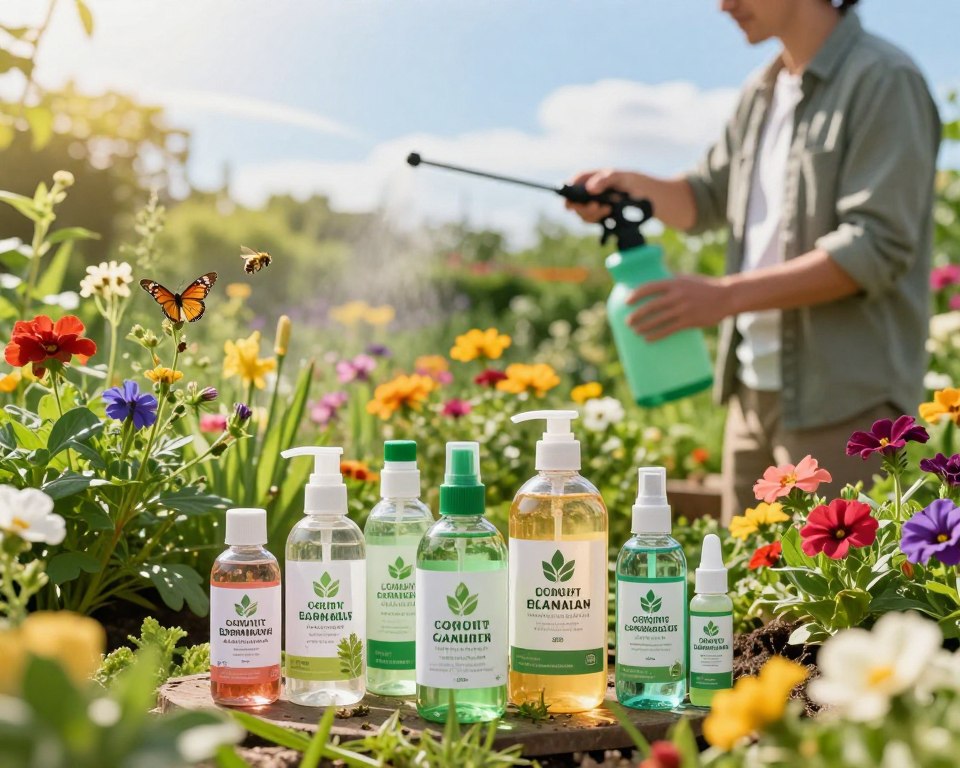
Every homeowner should protect local pollinators for sustainable land management. Using eco-friendly garden chemicals helps support your garden’s biodiversity. Knowing how these chemicals affect beneficial insects is key to a healthy garden.
Why Neonicotinoids Are Harmful to Bees
Neonicotinoids are a type of insecticide that harm bees and other pollinators. These chemicals get into plants, making nectar and pollen toxic to insects. Studies show they can mess with bees’ navigation, foraging, and colony health.
“Pollinators are essential to the health of our environment and the production of our food supply, making their protection a critical component of responsible land stewardship.”
Experts often advise against using neonicotinoids at home. For more information on keeping pollinators safe, visit the National Pesticide Information Center.
Timing Your Applications to Avoid Pollinator Exposure
If you need to use eco-friendly garden chemicals, timing is key. Pollinators are most active in the warm, sunny hours. Applying in the late evening reduces the chance of bees getting sprayed.
| Practice | Pollinator Impact | Safety Level |
|---|---|---|
| Mid-day Spraying | High Risk | Avoid |
| Evening Application | Low Risk | Recommended |
| Targeted Spot Treatment | Minimal Risk | Preferred |
Always follow the product label for pollinator safety. Choosing the right eco-friendly garden chemicals and applying them wisely keeps your garden safe for beneficial insects.
Best Practices for Safe Chemical Storage
Keeping your garden chemicals safe starts when you buy them. Storing them right is key to avoiding accidents and pollution. Make a special, safe spot for your supplies to protect your home and the environment.
Keeping Chemicals Out of Reach of Children
For gardeners, the first rule is to keep chemicals away from kids. Store them in a locked cabinet or a high shelf that kids and pets can’t reach. Make sure this spot is far from where you cook, garages, or where you live.
“Safety is not an accident; it is the result of high intention, sincere effort, and intelligent execution.”
Proper Disposal of Expired Garden Products
What to do with unused or expired products? Don’t throw them away or pour them down the drain. This can harm the water we drink. Here’s how to dispose of them safely:
- Check your local municipality’s website for household hazardous waste collection schedules.
- Transport containers in a sturdy, leak-proof box to prevent spills during transit.
- Keep products in their original packaging so facility staff can identify the contents.
Preventing Cross-Contamination in the Shed
Keeping your storage area tidy is vital for safety. Always use the original containers with labels intact to avoid mistakes. If a label gets damaged, replace it or move the contents to a new, labeled container.
Organize your shed by type to avoid mixing things that shouldn’t be together. Store liquids below and powders above to prevent spills. A clean, organized shed means you can find what you need quickly and safely.
Personal Protective Equipment for Gardeners
Even with the safest gardening chemicals, wearing personal protective equipment (PPE) is a must. Just reading the product label isn’t enough. You need to create a barrier between yourself and the chemicals. This shows you care about your health while gardening.
Choosing the Right Gloves and Respiratory Protection
Your hands are at risk of accidental exposure. Always use chemical-resistant gloves made from nitrile or neoprene. These gloves ensure a tight seal. Cotton or leather gloves are not good because they can absorb chemicals.
When spraying or dusting, think about the air quality. Wearing the right respiratory protection stops you from breathing in harmful particles. For more tips, check out how to handle pesticides safely.
Why Skin Coverage Matters During Application
Your clothes protect you from spills or drift. Wear long-sleeved shirts and long pants to keep chemicals off your skin. This is key, even with safe gardening chemicals, to avoid irritation.
Make sure your clothes are made of thick, tightly woven fabrics. After gardening, wash these clothes separately. This keeps your home safe from chemicals. By taking these steps, you create a safer space for your family all season.
Integrated Pest Management as a Safety Strategy
Integrated Pest Management (IPM) is key for gardeners who care about safety and the environment. It combines physical, cultural, and biological controls to keep plants healthy. By using pesticides only when necessary, you move towards safer chemical-free gardening.
“The best way to control pests is to create an environment where they cannot thrive in the first place, not just after they arrive.”
Physical Barriers and Row Covers
Physical barriers protect your plants from insects. Lightweight row covers are great for veggies, letting in sunlight and water but keeping pests out. Putting them on early helps a lot.
Other methods like copper tape or netting keep slugs and big pests away. These are safe and effective ways to protect your garden. They help keep your growing space clean and safe for everyone.
Encouraging Beneficial Insects in the Landscape
A healthy garden needs beneficial insects to control pests. Ladybugs, lacewings, and wasps are your garden’s protectors. Planting native flowers attracts these helpers.
It’s important to avoid sprays that harm these beneficial insects. By supporting natural predators, your garden becomes stronger and more vibrant. This way, you grow a garden that needs less help from humans.
The Importance of Soil Testing Before Application
Soil analysis is key for any chemical-free gardening plan. Many gardeners guess when using fertilizers, leading to imbalances and stress. A professional soil test shows exactly what your garden needs.
Identifying Nutrient Deficiencies Naturally
After getting your soil test, you can fix specific issues with ease. Instead of using broad-spectrum fertilizers, choose natural amendments. This way, your plants get the right minerals to grow well.
Here are some natural fixes for common issues:
- Compost or aged manure to boost soil structure and organic matter.
- Rock phosphate for phosphorus needs.
- Greensand for potassium and trace minerals.
- Wood ash in small amounts to adjust pH if it’s too low.
Avoiding Over-Fertilization and Runoff
Using chemicals without testing can lead to waste and harm. Excess nutrients are bad for plants and the environment. When it rains, these chemicals can pollute nearby water.
For chemical-free gardening, test your soil regularly. This stops salt and chemical buildup. It keeps your garden healthy and your water clean.
Seasonal Considerations for Chemical Safety
Seasonal changes affect how substances interact with your soil and plants. This impacts garden chemicals safety. Local weather conditions play a big role in how products work once applied.
By watching the weather, you can keep your garden safe and healthy. This ensures your care is both effective and responsible.
Spring Application Risks During Heavy Rain
Spring weather can be unpredictable, with lots of rain. Applying treatments during this time increases the risk of runoff. This means substances can be washed away before they reach your plants.
This runoff can harm the environment by entering storm drains or water supplies. Studies on environmental exposure show the need for careful timing. To keep your garden safe, follow these tips:
- Check the weather forecast for at least 48 hours of dry weather before applying any product.
- Avoid applications if the soil is already wet, as it can’t absorb more liquids.
- Use physical barriers or mulch to keep the soil stable during wet months.
Summer Heat and Volatility of Garden Sprays
As temperatures rise, garden products can change. High heat makes some sprays evaporate or drift more than usual. This can reduce their effectiveness and harm your plants.
In hot weather, protecting your plants from chemical damage becomes a priority. Here’s how to do it:
- Apply treatments in the early morning when it’s cooler.
- Don’t spray during the hottest part of the day to prevent fast evaporation.
- Watch for signs of plant stress, like wilting or color changes, before using strong solutions.
Working with nature, not against it, leads to better results. Always think about your local ecosystem’s health. Stay updated on your area’s weather to keep your garden safe.
Common Myths About Non-Toxic Gardening
Many people think all natural gardening solutions are safe. But, this belief can lead to problems. Homeowners want a non-toxic garden, but they often believe false information online. It’s key to know the difference between marketing claims and real safety data.
Debunking Dangerous Homemade Remedies
The internet is full of DIY pesticide recipes. They promise to work without synthetic substances. But, these homemade mixes often haven’t been tested for safety.
Using these untested recipes can cause several issues:
- Severe foliage burn: The wrong mix of soap or vinegar can harm plants.
- Unpredictable chemical reactions: Mixing household items can create harmful gases.
- Lack of efficacy: Many home remedies don’t solve pest problems, stressing plants more.
Before using any substance on your garden, check our medical disclaimer. It shows why getting professional advice is safer than trying DIY recipes.
Why Natural Does Not Always Mean Harmless
Many think “natural” means “safe.” But, some plant extracts are very strong and need careful use. Even non-toxic garden chemicals must be handled with care.
Nature has some of the most toxic substances known. Just because a substance comes from a plant doesn’t mean it’s safe for everyone. Always read labels and follow instructions to use these products right.
Choosing science-based info is the best way to keep your garden safe. By avoiding myths, you can manage your garden well and keep it non-toxic.
Conclusion
Responsible gardening is all about learning and adapting to your garden’s needs. By focusing on integrated pest management and carefully reading labels, you can keep your garden beautiful. This also protects your family and the environment.
Choosing the least toxic options is key in modern gardening. You can learn how safe gardening chemicals and household products work together. This approach helps make your home healthier.
Making informed decisions helps you manage your garden with confidence. Using brands like Seventh Generation or Mrs. Meyer’s for your home is like choosing safe gardening chemicals. These choices reduce exposure to harmful chemicals.
The best garden works with nature, not against it. Use chemicals only when really needed to keep your garden balanced. Your dedication to smart gardening creates a lasting, green space.
FAQ
What are the safest garden chemicals for a household with pets?
For pets, choose garden chemicals with the “CAUTION” label. Products like insecticidal soaps and vinegar-based herbicides are safe. Keep pets inside until the chemicals dry or are watered in as directed.
Are organic garden chemicals always safer than synthetic ones?
No, not always. Organic chemicals may break down faster, but some, like Rotenone, are toxic. Safety depends on the chemical’s toxicity and how it’s used, not just if it’s organic.
Which eco-friendly garden chemicals are best for controlling aphids?
Neem oil and insecticidal soaps are great for aphids. They kill pests on contact but are safe for mammals and birds.
What defines a non-toxic garden chemical?
Non-toxic chemicals are safe for most living things. They include physical barriers like diatomaceous earth or corn gluten meal. These work without poisoning.
How can I ensure garden chemicals safety for local bees?
To protect bees, avoid neonicotinoids and spray in the late evening. Use natural chemicals with short lives, like pyrethrins, to reduce bee risk.
Is chemical-free gardening a realistic goal for home homeowners?
Yes, it’s possible with Integrated Pest Management (IPM). IPM uses soil health, barriers, and beneficial insects first. Chemicals are a last resort.
Where can I find the best garden chemicals for safety and efficacy?
Look for OMRI-listed products with the “CAUTION” label. Brands like Monterey, Safer Brand, and Espoma offer safe, effective options for homes.