Total release foggers, also known as pest control canisters, are common in hardware stores. Many people use them to get rid of pests quickly. But, using these chemicals in your home is more complicated than it seems.
Effectiveness often doesn’t meet what people hope for. There’s also a big worry about chemical exposure. We need to look into if these products are worth the risk to your home. By checking out scientific studies and rules, we can see how these products really affect your home.
We want to give you facts to help you make smart choices. Knowing how these chemicals work is key to keeping your home safe.
Key Takeaways
- Total release foggers often fail to reach pests hidden deep within wall voids or furniture.
- Chemical residues can settle on surfaces, posing risks to children and pets.
- Regulatory agencies emphasize that these products should not replace professional pest management.
- Improper use significantly increases the risk of inhalation and skin contact.
- Homeowners should prioritize integrated pest management strategies over chemical fogging.
Understanding the Mechanics of Insect Foggers
To understand insect foggers safety, we need to know how they work. These devices spread chemicals in a home. But, they don’t reach everywhere.
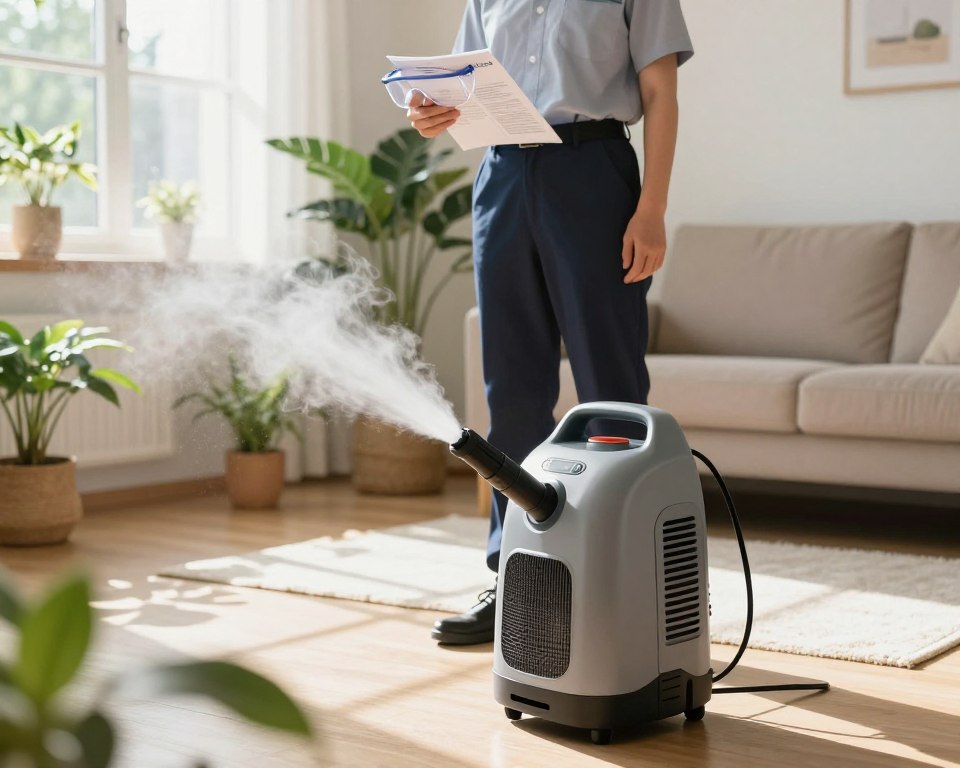
How Total Release Foggers Work
Total release foggers spray insecticides into the air. This mist settles on surfaces. But, studies show they often miss pests hiding in tight spots.
These pests hide in places like wall cracks and kitchen cabinets. So, foggers don’t always solve the problem. It’s important to think about whether bug spray is safe before using it.
Common Active Ingredients in Indoor Pesticides
Most foggers use pyrethroids, fast-acting insecticides. They work well when they touch insects. But, they don’t stay effective in hidden spots.
Manufacturers add piperonyl butoxide to these pyrethroids. This helps the pesticide last longer. Knowing how these chemicals work is key to keeping homes safe.
Are Bug Bombs Safe Indoors for Humans and Pets
Are bug bombs safe for your family and pets indoors? Or do they bring in harmful chemicals? These devices release a fine mist of pesticides that fill every corner of a room. This leaves behind chemical deposits that stay long after the fog clears.
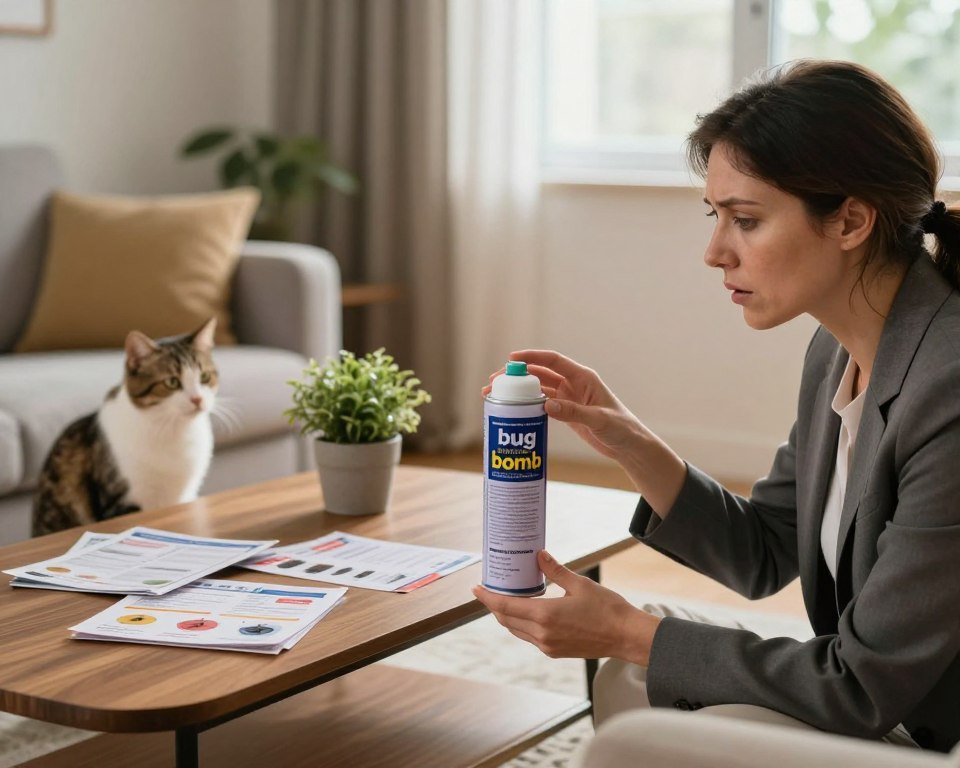
Inhalation Risks and Respiratory Concerns
The main worry with foggers is breathing in volatile organic compounds. When used, they fill the air with tiny pesticide droplets that can get into your lungs. People with asthma or other health issues might face acute respiratory distress or severe airway irritation.
It’s key to know the risks of using bug bombs indoors to keep your home safe. Even after waiting, particles can stay in the air or settle on soft items. These particles are small enough to be breathed in during daily tasks.
Dermal Exposure and Skin Sensitivity
The physical residue from foggers is also a big risk. Studies show pesticide residues on surfaces can increase by 600 times after one use. This means surfaces like tables, countertops, and floors get coated in toxic chemicals.
Touching these surfaces can cause irritation, rashes, or allergic reactions. These residues don’t go away right away, posing a constant threat. To reduce these risks, frequent cleaning is needed, but many don’t realize how thorough it must be to remove such high chemical levels.
Specific Dangers to Household Pets and Aquariums
Pets are more at risk from indoor fogging because of their size and behavior. Dogs and cats often touch floors where pesticides are most concentrated. This increases the chance of dermal absorption or accidental ingestion during grooming.
Aquariums and fish tanks need extra care because they’re very sensitive to chemicals in the air. Even a small amount of pesticide mist can be deadly to fish. The table below shows the main risks for common household pets.
| Subject | Primary Risk Factor | Severity Level |
|---|---|---|
| Infants/Toddlers | Floor contact and hand-to-mouth activity | High |
| Dogs and Cats | Grooming and surface contact | High |
| Aquatic Life | Airborne chemical absorption | Critical |
| Adults | Inhalation and skin contact | Moderate |
The Environmental Impact of Indoor Pesticide Use
Using an insect fogger in your home has a big impact on the environment. These devices kill pests but also bring harmful chemicals into your home. It’s important to know the harmful effects of insect foggers indoors to protect your home.

Chemical Residue on Household Surfaces
Many think that pesticide fog goes away when you air out a room. But, it actually settles on surfaces like floors and furniture. This creates a long-term risk of exposure.
Studies show that 34 percent of surfaces have high levels of insecticide residue a month after fogging. This is a big worry for families with kids or pets who touch these surfaces a lot. To reduce risks, consider these points:
- Chemicals stick to materials like upholstery and carpets.
- They can get on skin just by touching.
- Regular cleaning might not get rid of all pesticide residue.
Air Quality Degradation After Fogging
Using aerosol pesticides changes your indoor air. Even when the fog is gone, tiny particles stay in the air or get trapped in vents. This is a major harmful effect of insect foggers indoors that people often overlook.
“Indoor air quality is a fundamental pillar of home health, yet it is frequently compromised by the improper use of total release chemical agents.”
Being around these fumes for a long time can irritate your lungs and cause other health problems. It’s key to know that ventilation alone might not make the air clean right away. Choosing safer pest control methods is better for your home’s health.
Preparation Protocols Before Deploying Bug Bombs
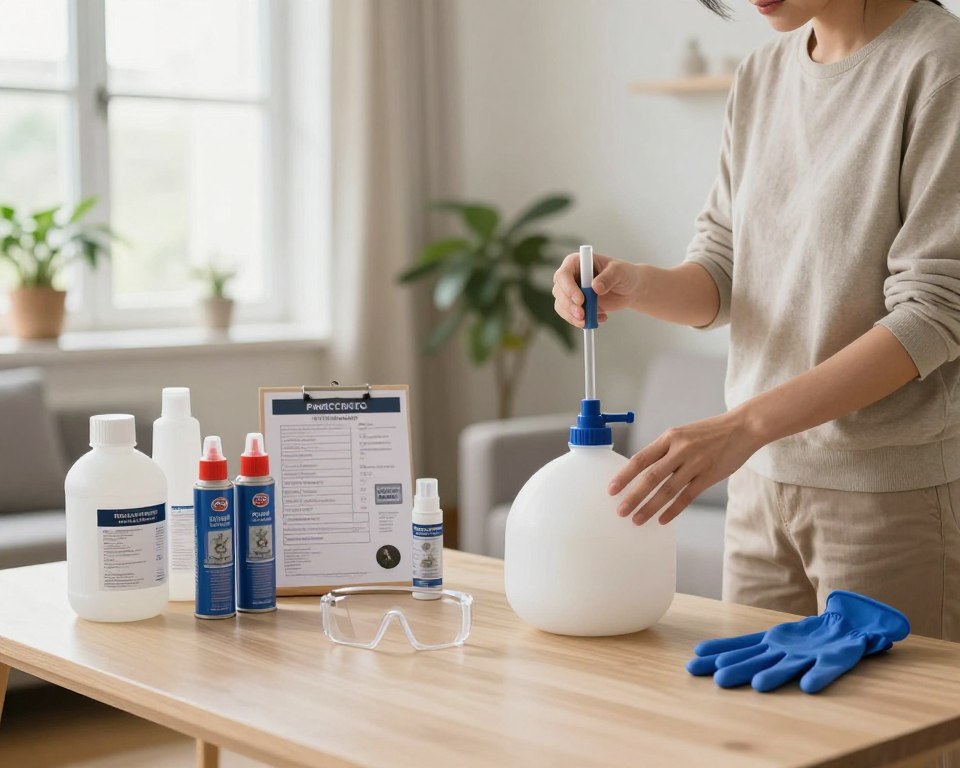
Getting your home ready is key for using indoor pest control products right. Many people think just setting off a device is enough. But, not preparing the space can lead to accidental exposure. It’s important to follow strict indoor pest control precautions to avoid chemical contact.
Securing Food and Kitchen Utensils
Protecting food and kitchen items is the first step. Remove or seal all food, including pet food, in airtight containers or move them to another room. Do not leave dishes, silverware, or cookware exposed during the fogging.
If you can’t move these items, cover them with heavy-duty plastic sheeting. Even a little pesticide residue on a plate can be harmful. Some ant sprays and foggers are toxic to breathe or ingest. Keeping surfaces clean is a must for safety.
Protecting Electronics and Sensitive Equipment
Chemical mists can damage modern electronics. Unplug all devices and cover them with plastic. This is vital for computers, televisions, and gaming consoles with fans.
Sensitive equipment, like medical devices or high-end audio gear, need extra care. If possible, remove them from the treated area. Protecting your belongings is as important as protecting your health when using indoor pest control products right.
Managing Ventilation and HVAC Systems
Controlling airflow is key for indoor pest control precautions. Turn off all HVAC systems before using a fogger. If the system is on, it will spread the pesticide mist to unintended areas.
Also, close all windows and doors to keep the chemical inside the target area. Proper sealing prevents toxic fumes from spreading into ducts or other rooms. By managing these systems, you lower the risk of contamination in your home.
Step by Step Guide to Proper Fogger Application
Using indoor pest control products right starts with knowing your space size. Many think more product means better results, but this can be dangerous. Always follow the instructions to stay safe and effective.
Calculating Correct Dosage for Room Volume
First, figure out your room’s cubic footage. Labels tell you how much area one unit can cover. Never use more than the recommended amount for your room size to avoid health risks.
If your room is too small, don’t use a full fogger. Look for other methods that work for smaller areas. It’s key to use bug bombs as the maker suggests.
Placement Strategies for Maximum Effectiveness
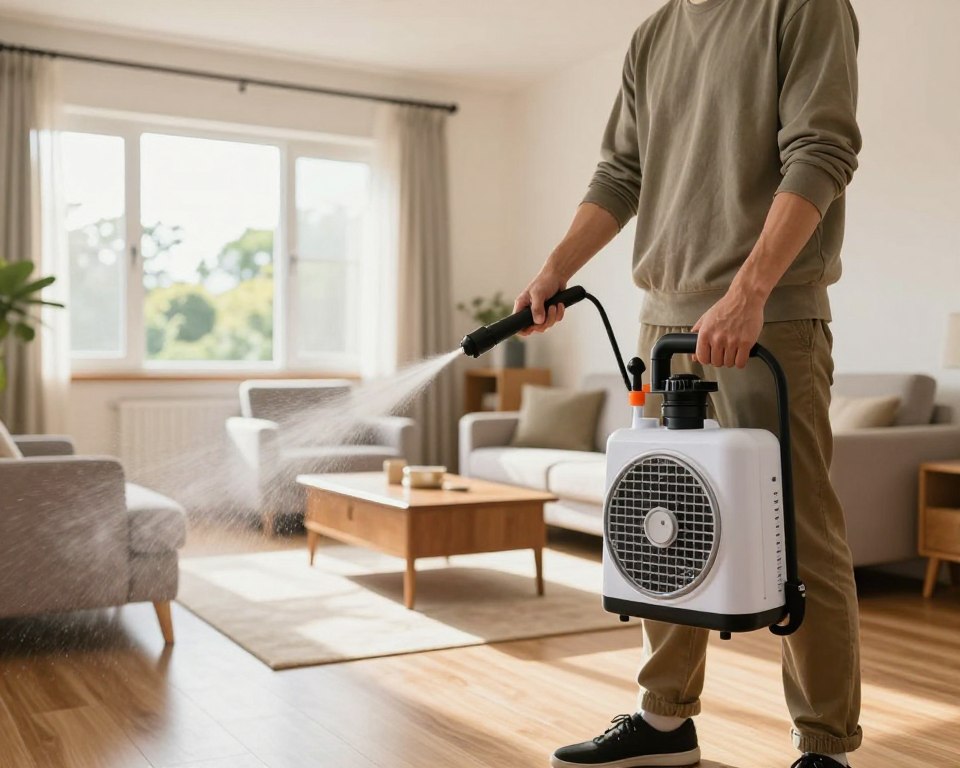
Where you put the fogger matters a lot. Place it in the center of the room for even coverage. Use a high spot, like a chair or table, to help the mist spread better.
Don’t put the device near smoke detectors or open flames. It could set off alarms or start a fire. Make sure the nozzle points up and away from you when you start it. This keeps you from breathing in too much of the chemicals right away.
Timing and Evacuation Requirements
Following the evacuation times is very important. Once the fogger starts, everyone and pets must leave right away. Don’t stay to watch the mist, as the chemicals are strongest then.
The label will tell you when it’s safe to go back in, usually two to four hours. This lets the chemicals settle and the air clear. Going back too soon can cause breathing problems and other health issues.
Post Application Safety and Re-entry Procedures
After using an insect fogger, it’s important to follow safety steps to protect your family. These steps help keep your home safe from harmful chemicals. By following indoor bug bomb safety tips, you can make your home healthy again quickly.
Required Waiting Periods Before Returning
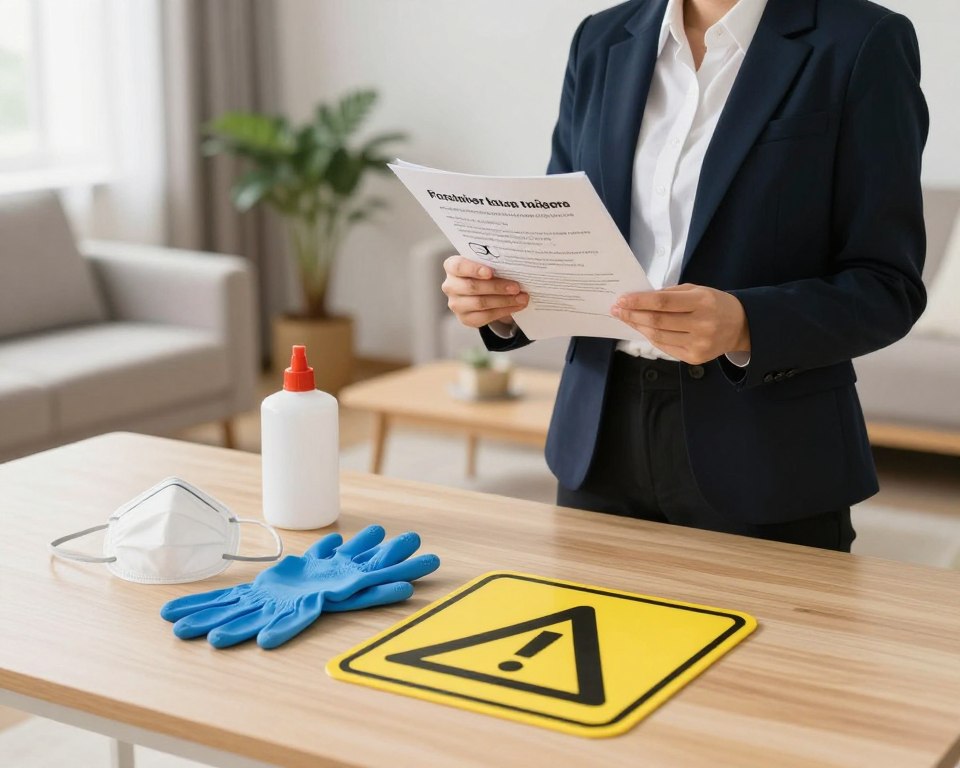
Every fogger label tells you how long to stay out of your home. This time is not just a suggestion; it’s a critical safety requirement. It lets the chemicals settle and disappear. Never go back inside before this time is up, even if the air seems fine.
“The safety of your indoor environment depends entirely on your commitment to following the manufacturer’s specified evacuation and re-entry timelines.”
Ventilation Techniques for Clearing Chemical Fumes
After waiting, open all windows and doors to let in fresh air. This helps get rid of any remaining particles. Knowing how long cleaning product fumes last helps you know when it’s safe to go back inside.
Box fans or ceiling fans can help clear the air faster. Direct the air outside to get rid of fumes. These indoor bug bomb safety tips are key to keeping your air clean.
Cleaning Surfaces to Remove Pesticide Residue
Even when the air feels safe, pesticide residue can stay on surfaces. This can be a risk for kids and pets. Clean all high-touch areas well to remove any chemicals.
- Wipe down hard surfaces with a damp cloth and mild detergent.
- Wash kitchen utensils and food items before use.
- Vacuum carpets and rugs with a HEPA filter to catch particles.
- Launder fabrics and linens that were exposed during fogging.
Cleaning your home well reduces the risk of long-term exposure. Keeping up with these indoor bug bomb safety tips keeps your home safe and healthy after pest control.
Potential Health Complications from Improper Use
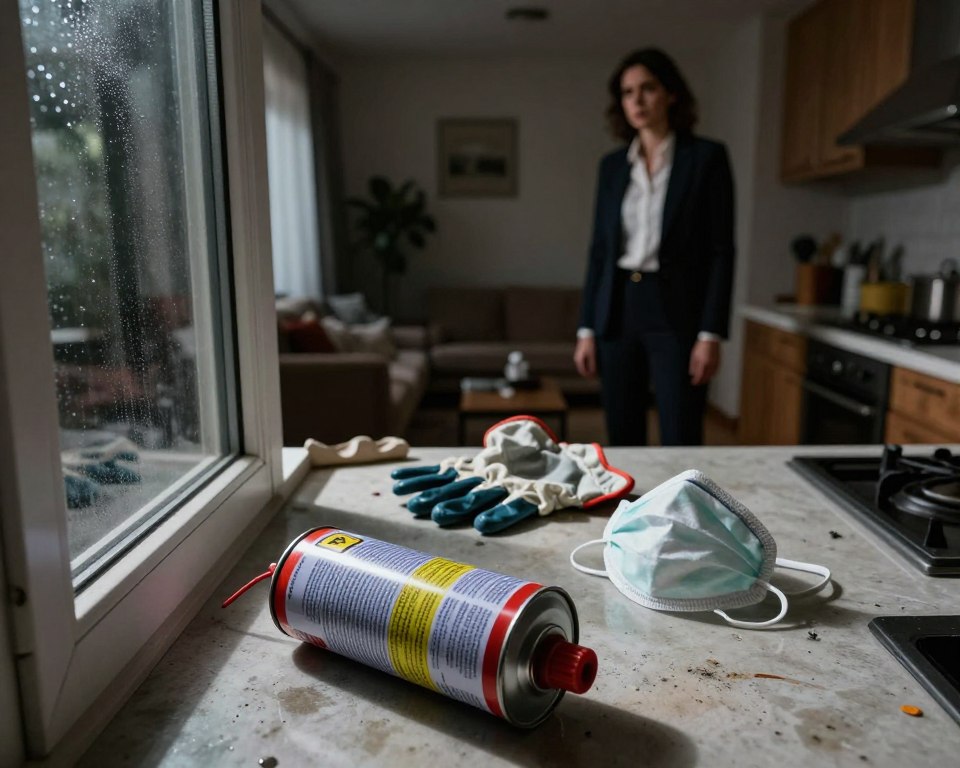
It’s key to know the risks of using bug bombs indoors to keep your home safe. These products are meant to be easy to use, but misuse can lead to chemical exposure. Ignoring safety rules can put you at risk of health problems from these chemicals.
Acute Symptoms of Pesticide Exposure
Right after using pesticide foggers, you might feel some effects. You could get respiratory irritation, cough, wheeze, or feel like you can’t breathe. Pyrethrins, a common ingredient, can be very bad for people with asthma or breathing problems.
Other symptoms include:
- Skin irritation or contact dermatitis
- Watery, itchy, or burning eyes
- Headaches and dizziness
- Nausea or stomach upset
Long Term Health Considerations
While some symptoms go away quickly, long-term effects are a worry. Long-term breathing of pesticide fumes can make your lungs more sensitive. For more on this, check out the risks of using bug bombs indoors for detailed info.
Using synthetic pyrethroids a lot can really mess up your indoor air. This can make your home less healthy over time. Reducing chemical buildup on surfaces is key to avoiding these long-term health issues.
When to Seek Medical Attention
Knowing when to see a doctor is important for safety at home. If you or someone else has trouble breathing, chest pain, or keeps feeling off after using a fogger, get help right away. Don’t wait if symptoms get worse or seem really bad.
Have the product label or safety data sheet ready when talking to a doctor. This helps them figure out what chemicals you were exposed to and how to treat you. Looking out for your health means acting fast if you have an accident.
Comparing Bug Bombs to Alternative Pest Control Methods
Looking at different ways to control pests indoors shows that focused methods work better than bug bombs. Bug bombs spread chemicals everywhere, but new methods aim for precision and lasting results. This change means less chemical use and better pest control.
Integrated Pest Management Strategies
Integrated Pest Management, or IPM, uses science to find non-chemical solutions first. It finds and fixes the reasons for pests, like leaks or gaps, to keep them out. This way, you control pests without using too many chemicals.
Targeted Baiting and Gel Applications
Targeted baiting is a top choice for indoor pest control. Unlike bug bombs, gel baits go right where pests hide. These baits can kill cockroaches in just two to four weeks by using the pests’ natural behavior.
“The most effective way to manage pests is to understand their biology and target their specific vulnerabilities, not blanket a home in toxins.”
Professional Extermination Services vs DIY
Choosing between hiring pros or doing it yourself depends on the pest problem and your comfort with chemicals. Pros have the skills, special products, and a detailed plan that DIY can’t match. DIY might save money for small problems, but it doesn’t solve the big issues.
- Professional services offer long-term monitoring and structural exclusion.
- DIY baiting provides a safe, low-toxicity alternative for localized control.
- Integrated strategies minimize the need for future chemical interventions.
Choosing the best method means balancing quick fixes with long-term safety. Going for targeted methods over bug bombs keeps your home safe and pest-free.
Legal and Regulatory Standards for Indoor Foggers
The Environmental Protection Agency (EPA) sets strict rules for indoor pesticides. These rules help keep people safe from harmful chemicals. Following these guidelines is key to using indoor bug bomb safety tips effectively.
EPA Labeling Requirements and Compliance
Every pesticide sold in the U.S. must have an EPA-approved label. This label is not just a suggestion; it’s a legally binding document that tells you how to use the product. Not following these instructions is against the law.
Manufacturers must give clear directions on how much to use, the size of the area, and what safety gear is needed. You must also check that the product is safe for indoor use. Following these rules keeps the chemical levels safe for your home.
Understanding Product Safety Warnings
Product labels have important warnings about health risks. These warnings talk about dangers from breathing in or touching the chemicals. Ignoring these warnings can lead to toxic exposure and harm your indoor air.
Always take the safety warnings seriously. If a label says you need to leave the area or open windows, you must do it. By being careful with these warnings, you lower the risk of poisoning or health problems. Using these indoor bug bomb safety tips helps keep your home safe and healthy.
Common Myths and Misconceptions About Insect Foggers
Many people think bug bombs solve all pest problems. But, this belief is not backed by science. They often choose convenience over insect foggers safety. This can lead to frustration and exposure to harmful chemicals.
The Myth of Total Home Eradication
Some think one fogger can get rid of all pests in a house. But, studies by NC State University show they don’t work well against cockroaches. Cockroaches hide in hard-to-reach places, so the fog can’t reach them.
Instead, the fog might push pests deeper into your home. This unintended consequence makes future infestations harder to deal with. Relying on foggers alone is not a good long-term solution.
Misunderstandings Regarding Residual Protection
Many believe foggers leave a lasting barrier against pests. But, most foggers are only effective for immediate contact. They don’t offer long-term protection.
After the mist settles and the area is aired out, the chemicals lose their power. To keep insect foggers safety in mind, remember they don’t replace good cleaning or fixing your home. Targeted treatments are better than counting on a chemical shield.
Special Considerations for Vulnerable Populations
The harmful effects of insect foggers indoors are more serious for certain groups. Many homes use these products to fight pests, but the chemicals left behind can be dangerous. This is a big problem in low-income areas where people can’t afford professional pest control.
Protecting Infants and Young Children
Infants and young children are very vulnerable to chemicals. They often crawl on floors and touch surfaces, so they’re exposed to pesticides. Their bodies can’t handle toxins well, making them even more at risk.
Parents should look for safer ways to keep pests away. Options like bait stations or barriers are better than foggers. This helps avoid the harmful effects of insect foggers indoors that can stay on surfaces for a long time.
Safety Measures for Pregnant Individuals
Pregnancy makes people more sensitive to chemicals. The body changes in ways that can affect how it handles substances.
Using total release foggers can be risky for the baby. If pest control is needed, pregnant women should leave the house. Make sure someone else cleans all surfaces to reduce risks.
Precautions for Those with Pre-existing Respiratory Conditions
People with asthma or COPD face big dangers from foggers. The mist can cause severe breathing problems or make existing issues worse.
Before using foggers, talk to a doctor if you have breathing issues. Always follow ventilation instructions carefully. This is the least you can do to avoid serious breathing problems.
| Vulnerable Group | Primary Risk Factor | Recommended Action | Safety Priority |
|---|---|---|---|
| Infants/Children | Surface contact/Ingestion | Use bait stations | High |
| Pregnant Individuals | Developmental sensitivity | Avoid exposure | Critical |
| Respiratory Patients | Aerosolized irritation | Professional help | High |
| General Household | Chemical residue | Deep cleaning | Moderate |
Pharmacist Verified Advice on Chemical Exposure
As a pharmacist, I’ve seen the dangers of not handling chemicals safely at home. Many people don’t realize how strong pest control products can be. It’s essential to follow indoor pest control precautions to keep your family safe.
Interactions with Household Chemicals
Foggers often have pyrethrins, which come from chrysanthemum flowers. Even though they seem natural, they can be potent respiratory irritants. These chemicals can mix badly with other cleaners in your home.
Combining different chemicals can make harmful gases. Always keep pesticides away from cleaners. Using bug bombs indoors responsibly means knowing they don’t just disappear.
Managing Accidental Exposure at Home
If someone gets exposed by accident, act fast. Move them to a place with clean air. If the chemical touches their skin, wash it with soap and water for at least fifteen minutes.
Don’t wait for bad symptoms if you think they inhaled or swallowed something. Call your local poison control or get emergency help if they have trouble breathing, feel dizzy, or have skin problems. Proactive safety measures are better than emergency care.
| Exposure Type | Immediate Action | Safety Priority |
|---|---|---|
| Inhalation | Move to fresh air | Clear airways |
| Skin Contact | Wash with soap | Remove residue |
| Eye Contact | Flush with water | Prevent damage |
| Ingestion | Call Poison Control | Professional guidance |
Conclusion
Total release foggers often fail to give homeowners the pest relief they hope for. These products can introduce harmful chemicals into homes without fixing the problem. They create a false sense of safety and can harm indoor air quality.
Today, there are better ways to manage pests indoors. Methods like gel baits or professional baiting systems target the root of the issue. These methods keep harmful chemicals away from family and pets by focusing them in specific spots.
Choosing evidence-based pest control strategies makes your home safer. Making smart choices about pest management protects your health and keeps your home safe. You can keep your home pest-free by planning carefully and using proven, safe tools.
FAQ
Are bug bombs safe indoors for my family and pets?
Bug bombs release chemicals that can spread throughout your home. They are regulated by the EPA, but using them without caution is risky. Pesticide residues can increase by 600 times on floors and counters, posing a danger to pets and young children.
To use bug bombs safely, follow all evacuation and cleaning instructions. This helps reduce chemical exposure.
What are the primary risks of using bug bombs indoors?
Bug bombs can cause immediate respiratory problems. The chemicals released can trigger severe reactions in people with asthma or other conditions. Also, 34 percent of surfaces can retain high levels of insecticides even a month after treatment.
Improper use, like not turning off pilot lights or using too many canisters, can lead to fires or explosions.
How can I ensure the proper use of indoor pest control products like foggers?
Start by accurately measuring the room size to avoid over-fogging. Always cover food, utensils, and electronics. Turn off HVAC systems to prevent chemicals from spreading.
As a pharmacist, I recommend reading the EPA-mandated label fully before using these products. This helps avoid accidental poisoning or irritation.
What are the harmful effects of insect foggers indoors on air quality?
Insect foggers can harm indoor air quality by leaving a chemical film on surfaces. The mist doesn’t reach pests in cracks, so it settles on surfaces humans touch most. This leads to unnecessary chemical exposure without solving the infestation.
What indoor pest control precautions should I take before re-entering my home?
After the waiting period, open all windows and use fans to clear fumes. Clean all food-preparation surfaces and floors with soap and water. This removes pesticide residue that settles after the particles leave the air.
Are there more effective indoor pest control methods than bug bombs?
Yes, targeted methods are safer and more effective. Integrated Pest Management (IPM) strategies, like using gel baits, place insecticide directly where pests hide. This avoids widespread chemical use and provides a more lasting solution than bug bombs.
What should I do if I experience symptoms of pesticide exposure?
If you experience coughing, skin irritation, or dizziness after using a fogger, act quickly. Remove yourself from the treated area into fresh air. If symptoms don’t go away or if you have a high-risk condition, seek medical help right away.